21 myths
Each story names the sources it was written from.
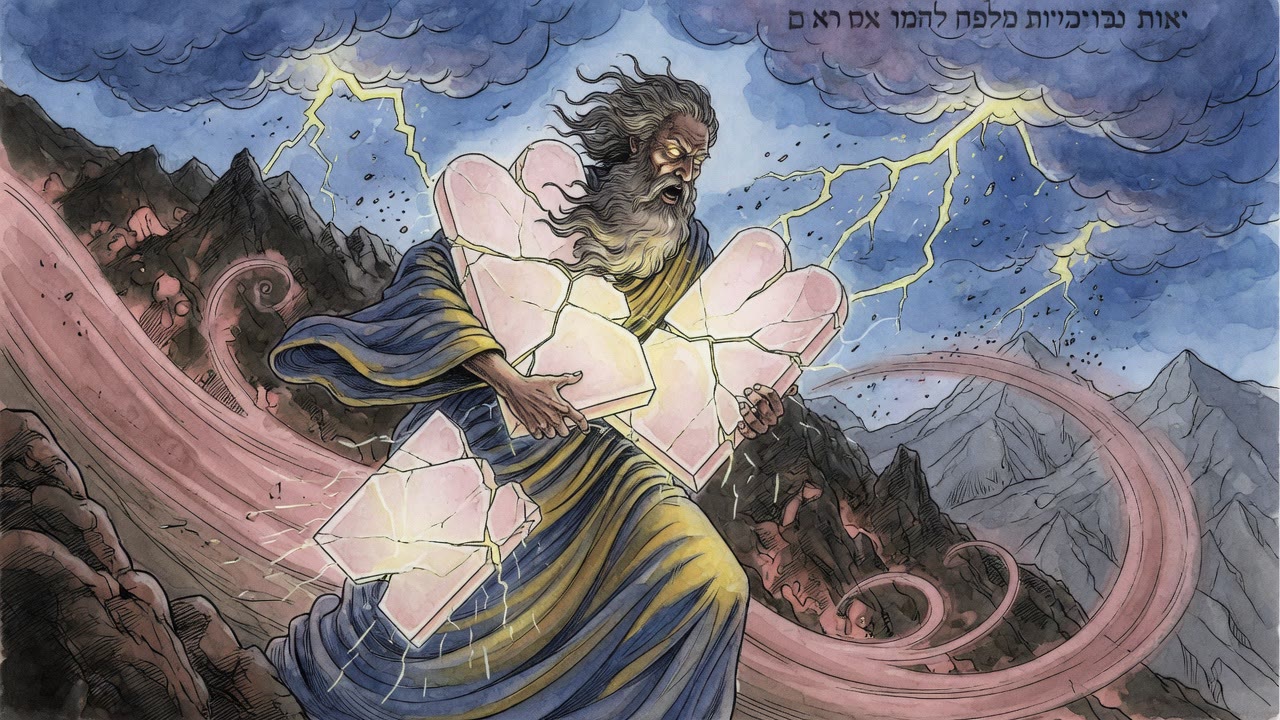
Moses shattered the first tablets at the Golden Calf, but the broken stone was not thrown away. The fragments traveled with Israel.
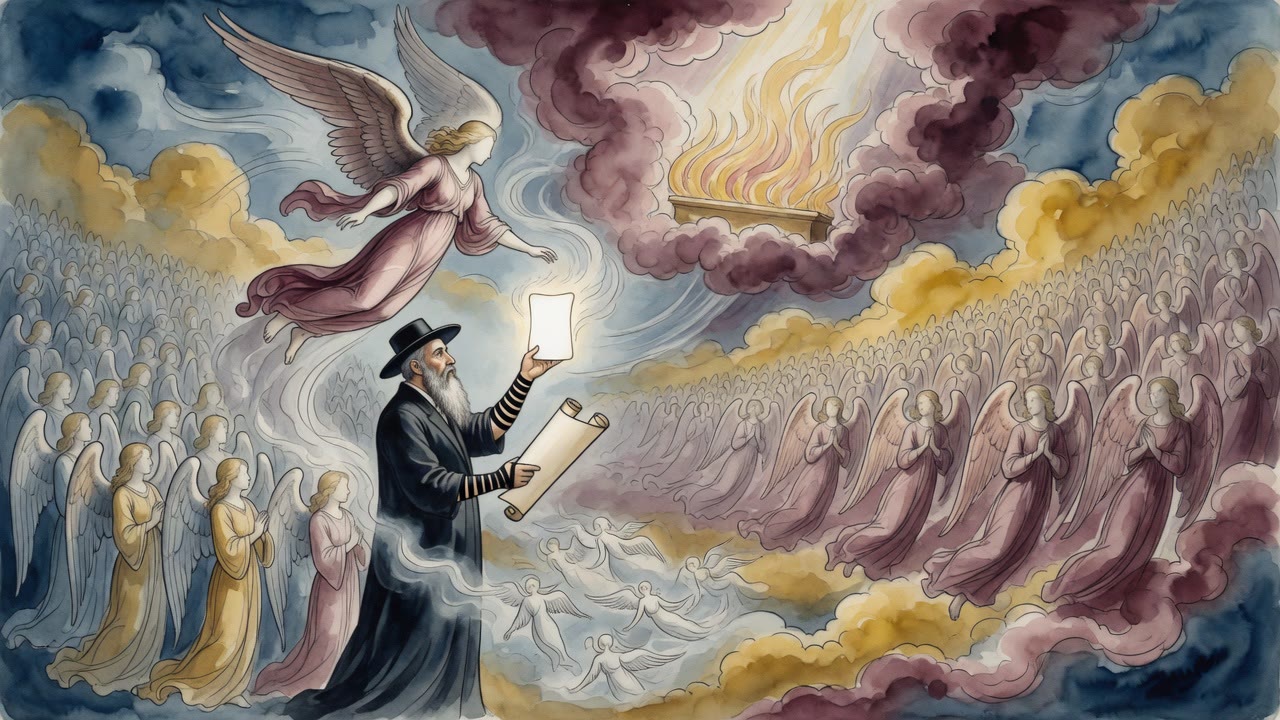
An archangel calls Moses up, the tablets are cut from the throne's sapphire floor, and the glory he glimpses is the knot of God's tefillin, prayer straps.
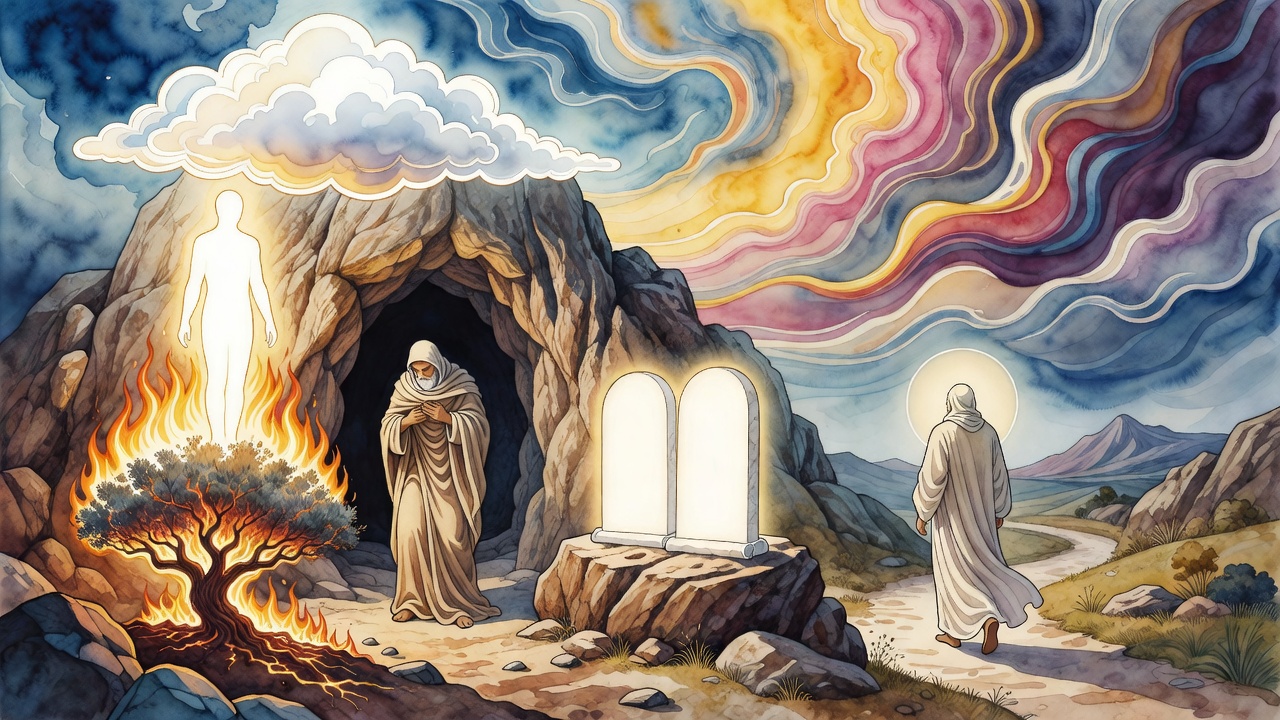
At the bush Moses hid his face. Years later he asked to see. God covered the cave with His hand and let him watch glory leave.
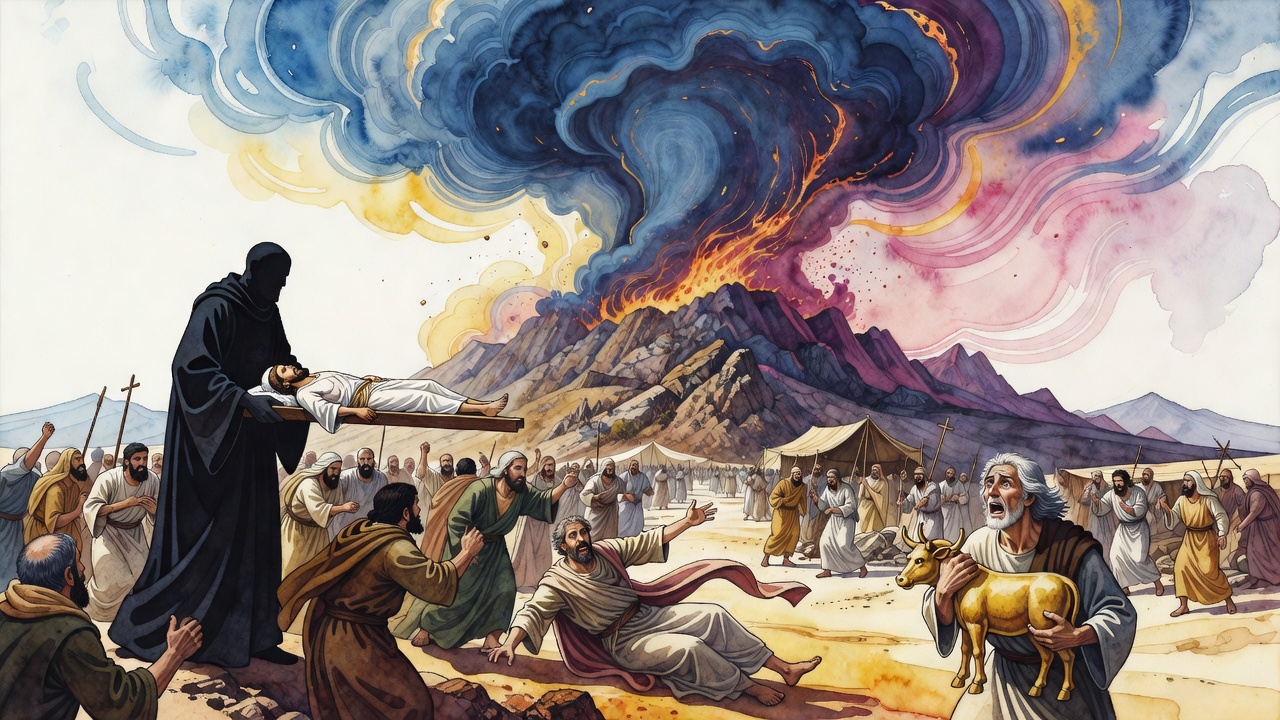
At the sixth hour of the fortieth day, Ha-Satan (the Accuser) painted Moses dead on the mountain. Hur rebuked the mob and fell, and Aaron faced gold with.
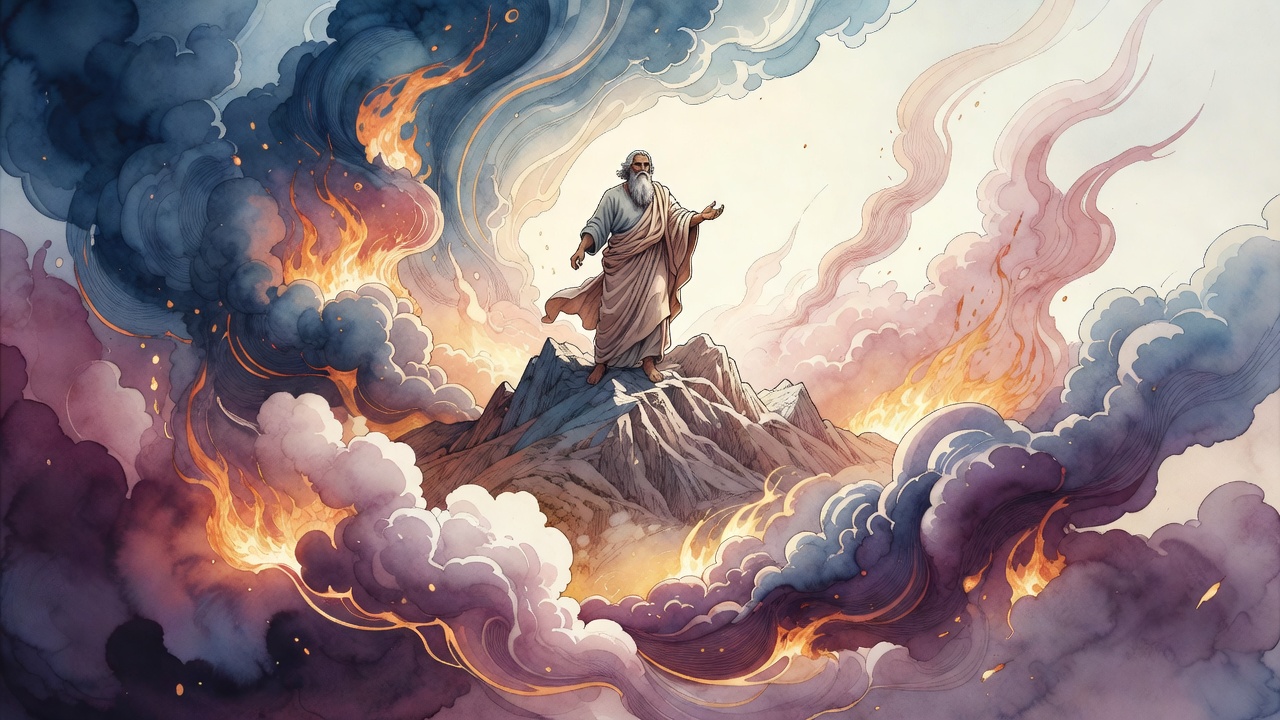
On the mountain forty days, Moses knew day by Written Law and night by Oral Law. After one hundred twenty days he brought pardon down on Yom Kippur.
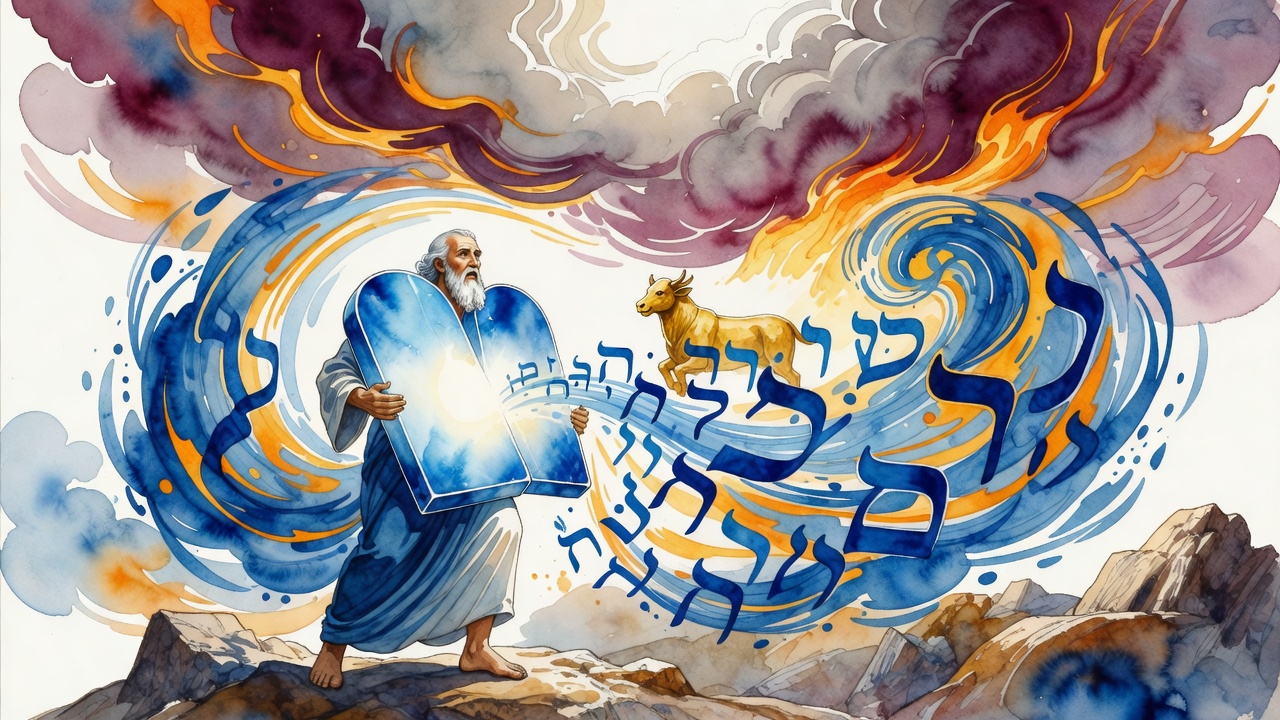
The tablets weighed as much as forty measures of wheat, and Moses carried them down easily. At the camp they turned to dead weight in his hands.
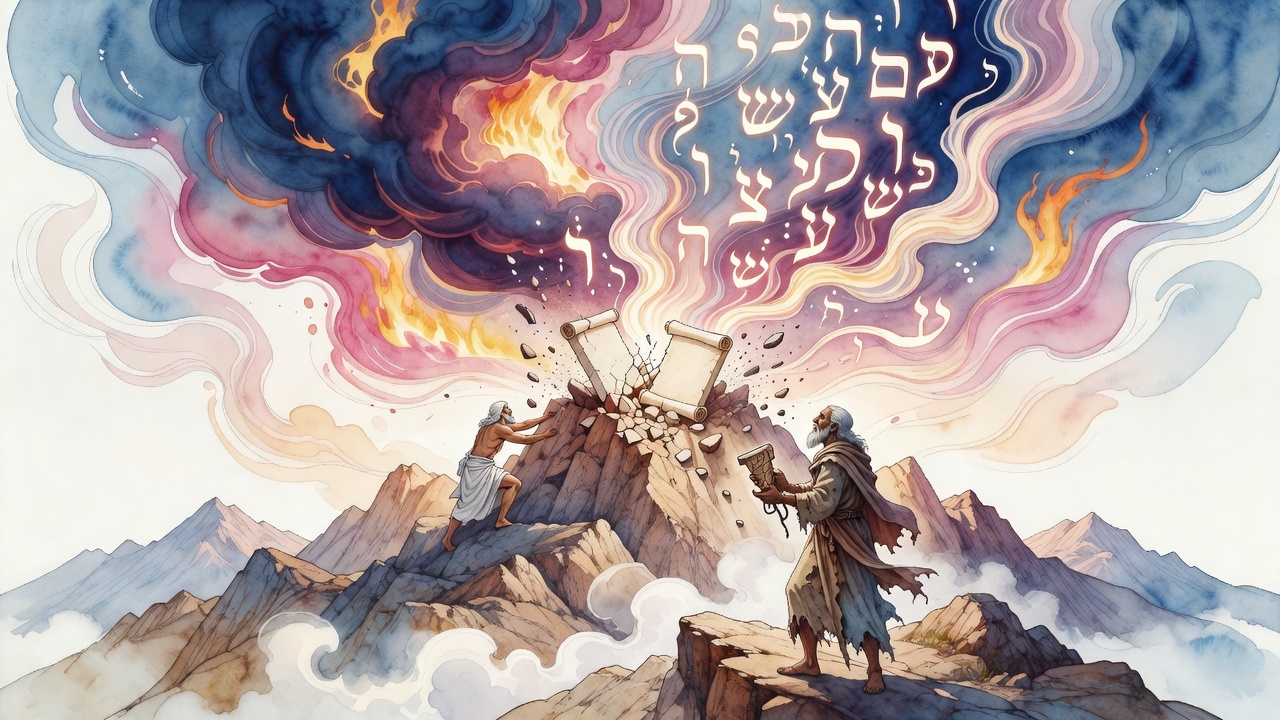
Moses asked how a defiled priest gets clean and heard nothing. Years later God handed him ashes and called it a statute.
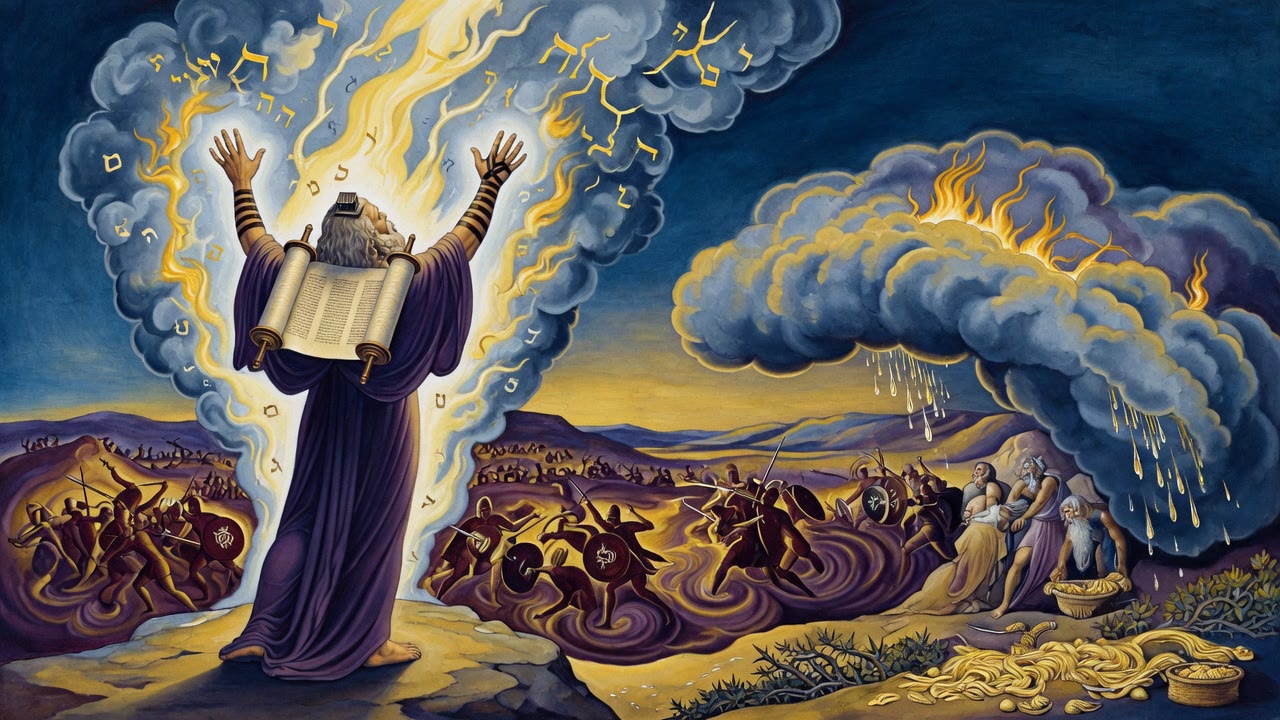
Moses comes down blazing and does not know it. Glory clings from the cave, from the gap between hands on the tablets, and from leftover ink on the pen.
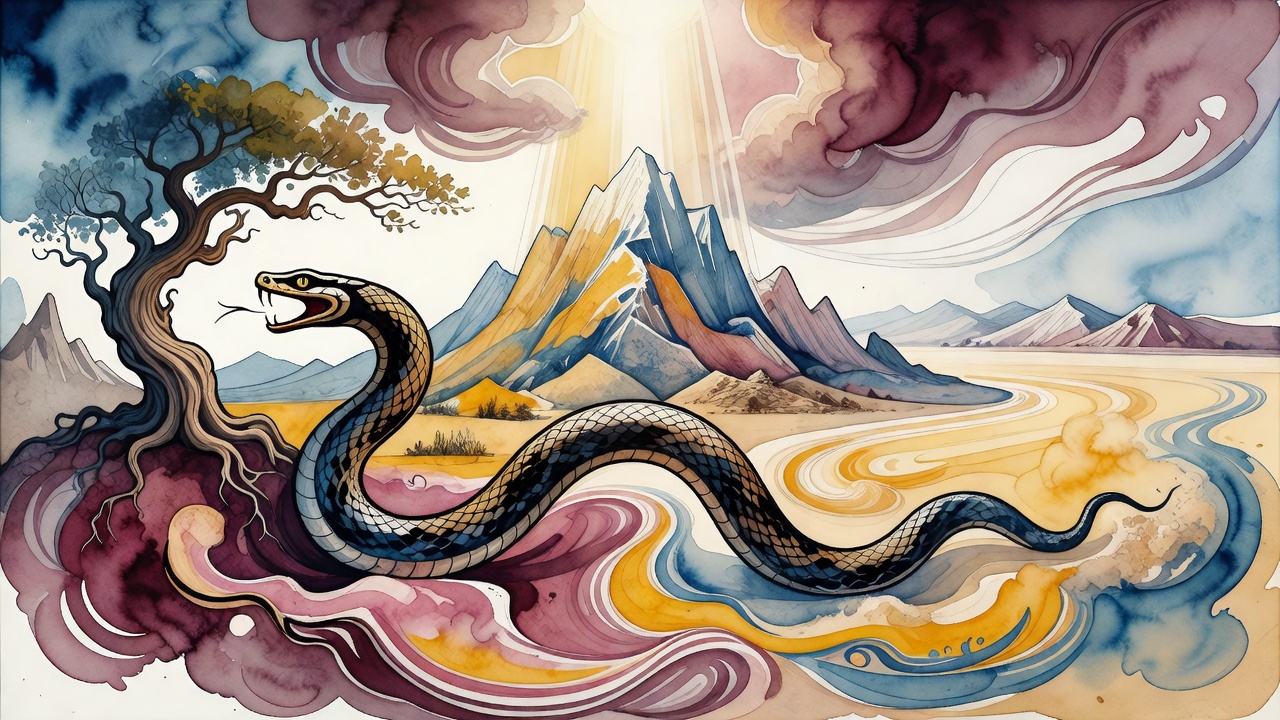
The serpent asked tree, mountain, and desert for Moses son of Amram. Each answered with the last work Moses had done to them, then fell silent.
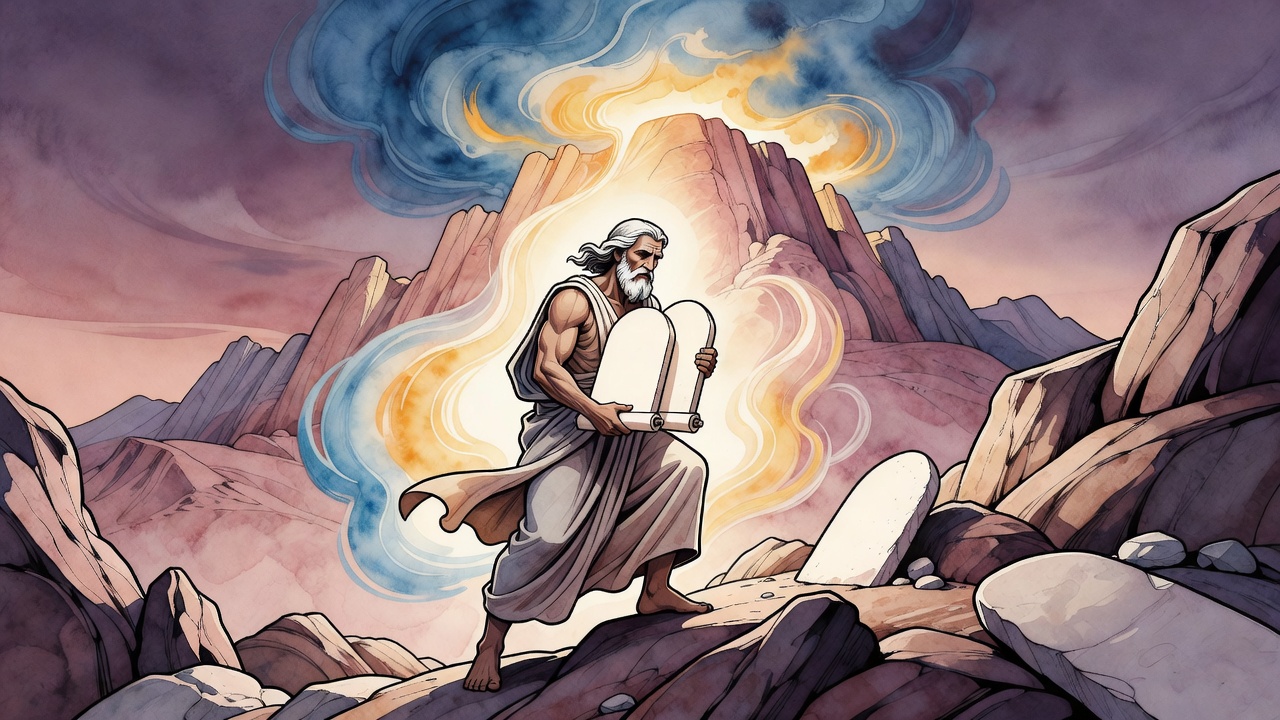
The first tablets had been cut by heaven. Moses hewed the next pair himself, then climbed Sinai before dawn with the stones in his hands.
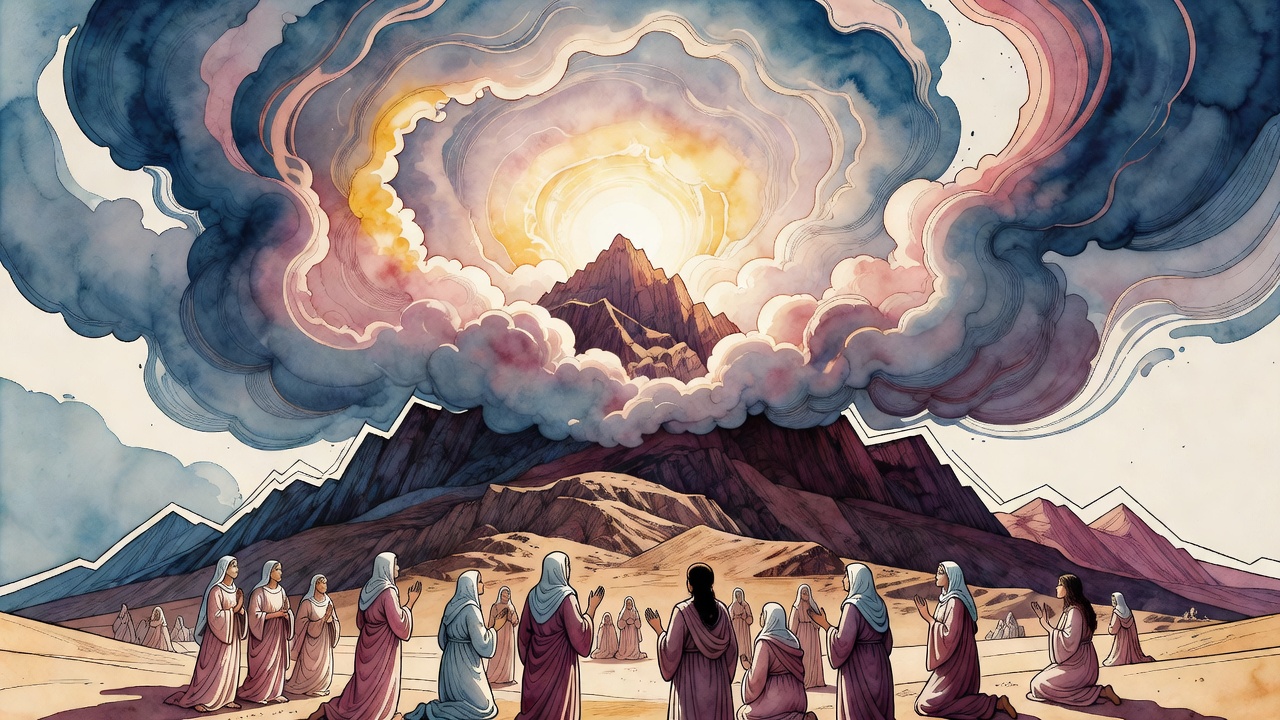
Glory covered Sinai for six silent days. Moses waited. God spoke first to the women of Jacob's house. Limits held the mountain so the people would not die.
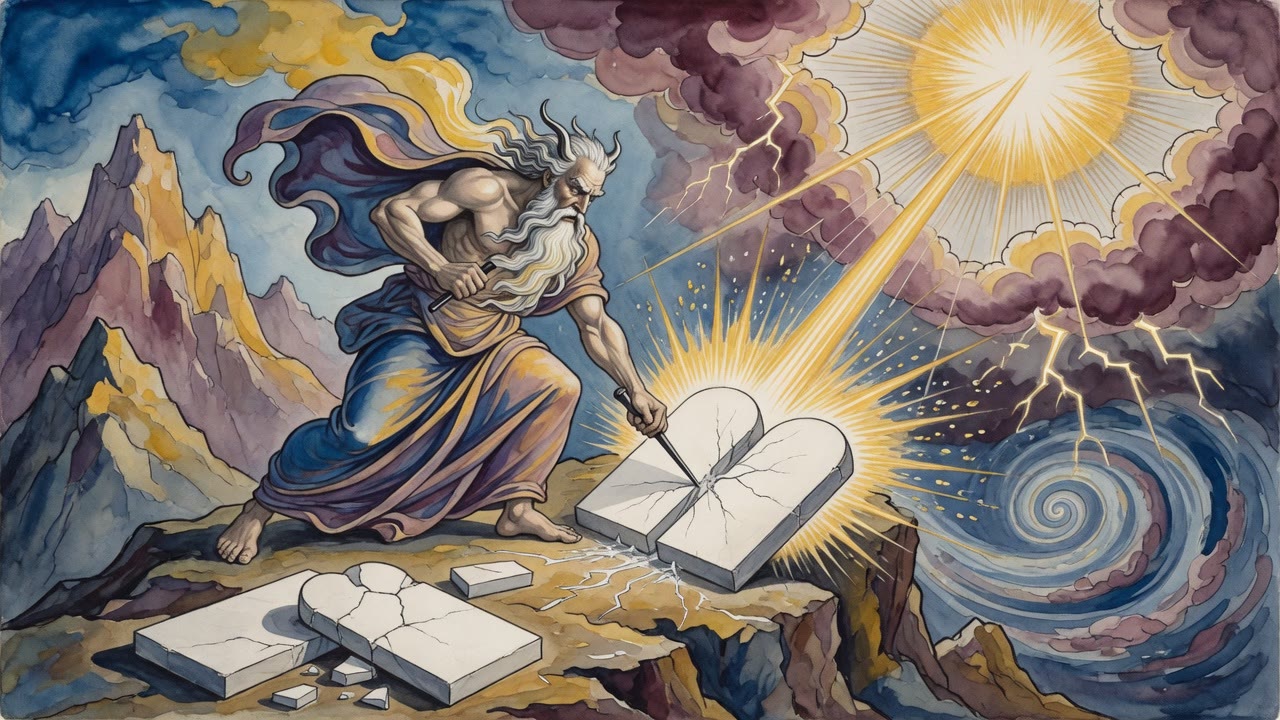
After the calf, Moses climbed Sinai with blank stone and watched God wrap Himself like a prayer leader, teaching the thirteen names that reopen mercy.
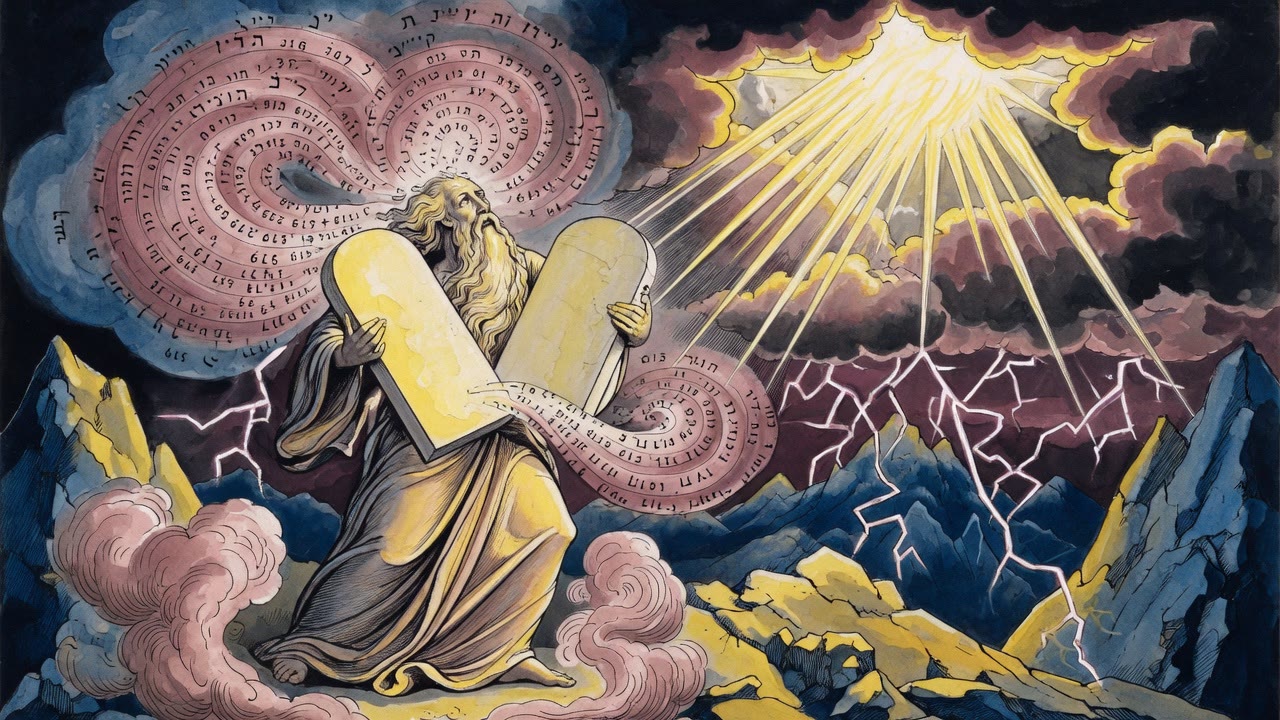
Jacob went down to Egypt with saplings in his baggage. He set them in foreign soil so his children would have timber ready for the day of building.
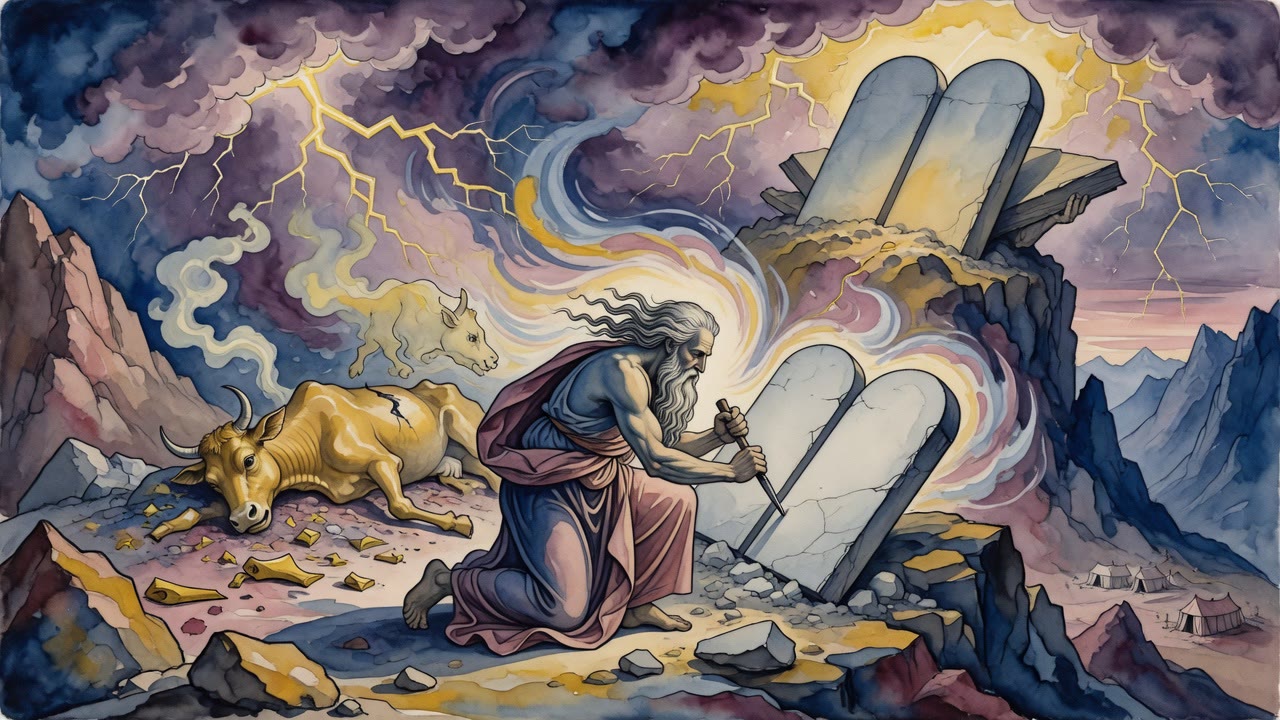
Moses set the smashed first tablets in the ark with the whole ones. Heaven spoke from above ten handbreadths and never dropped below.
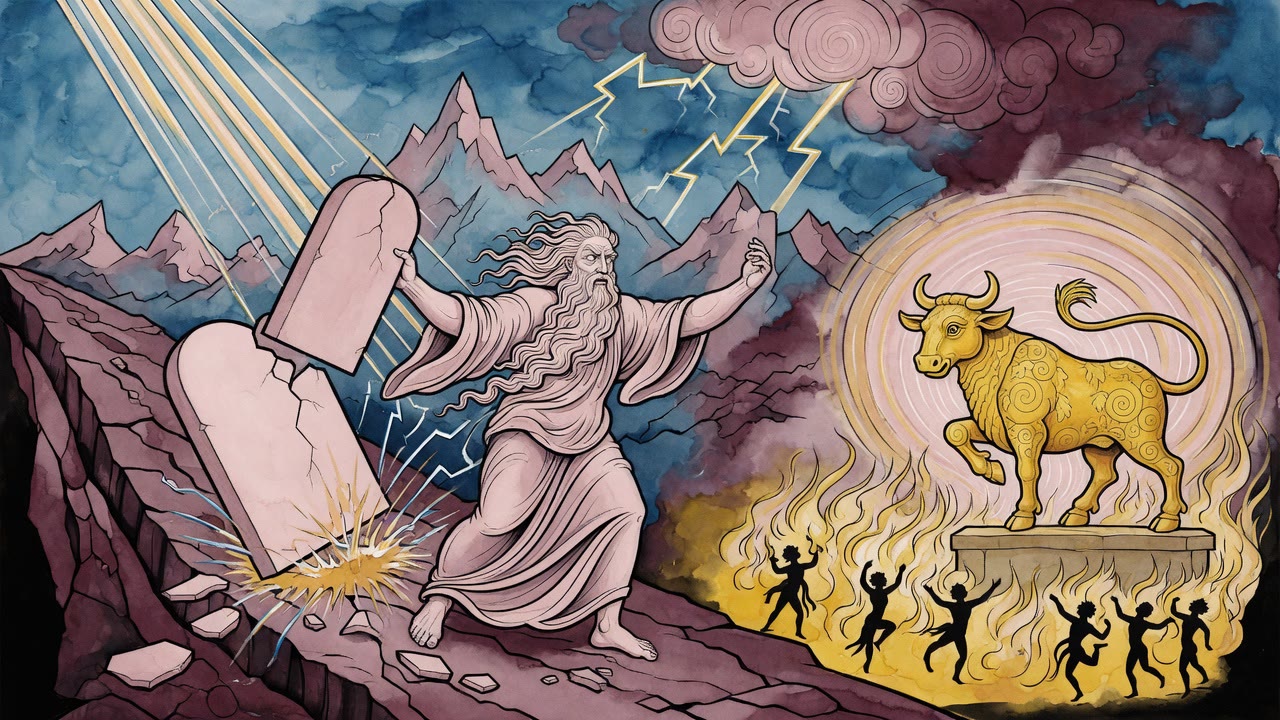
Coming down the mountain with heaven's marriage contract in his arms, Moses saw the calf, watched the letters flee the stone, and broke what he carried.
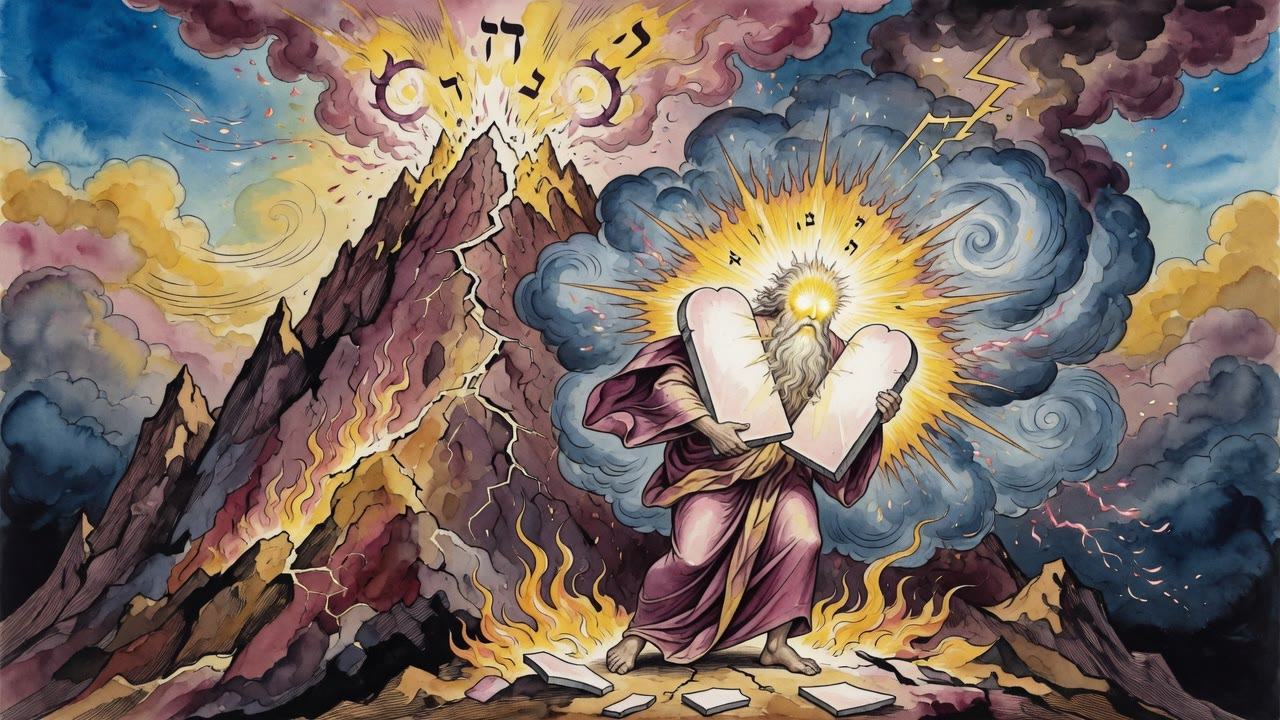
The first tablets left his face unmarked. He cut the second set with his own hands. The camp saw the light before he did.
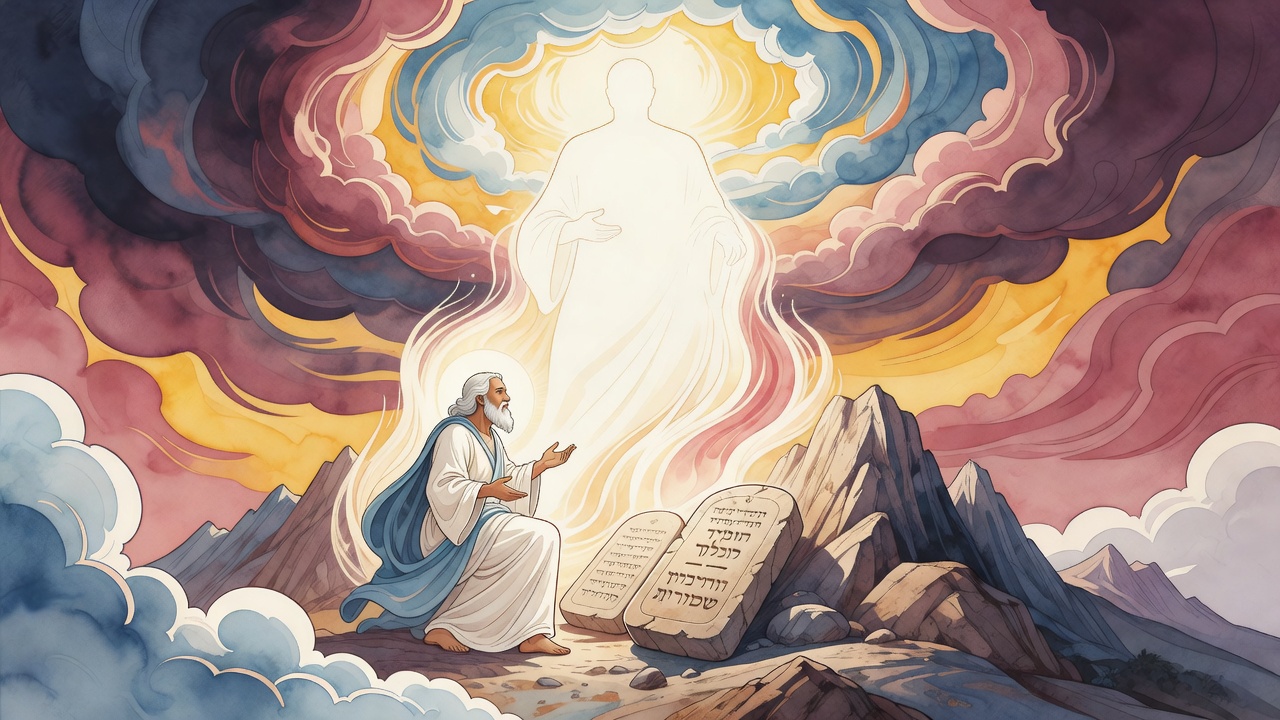
The angels did not get to take him. God reached for the deposit Himself, the way a keeper returns a pledge he never misplaced.
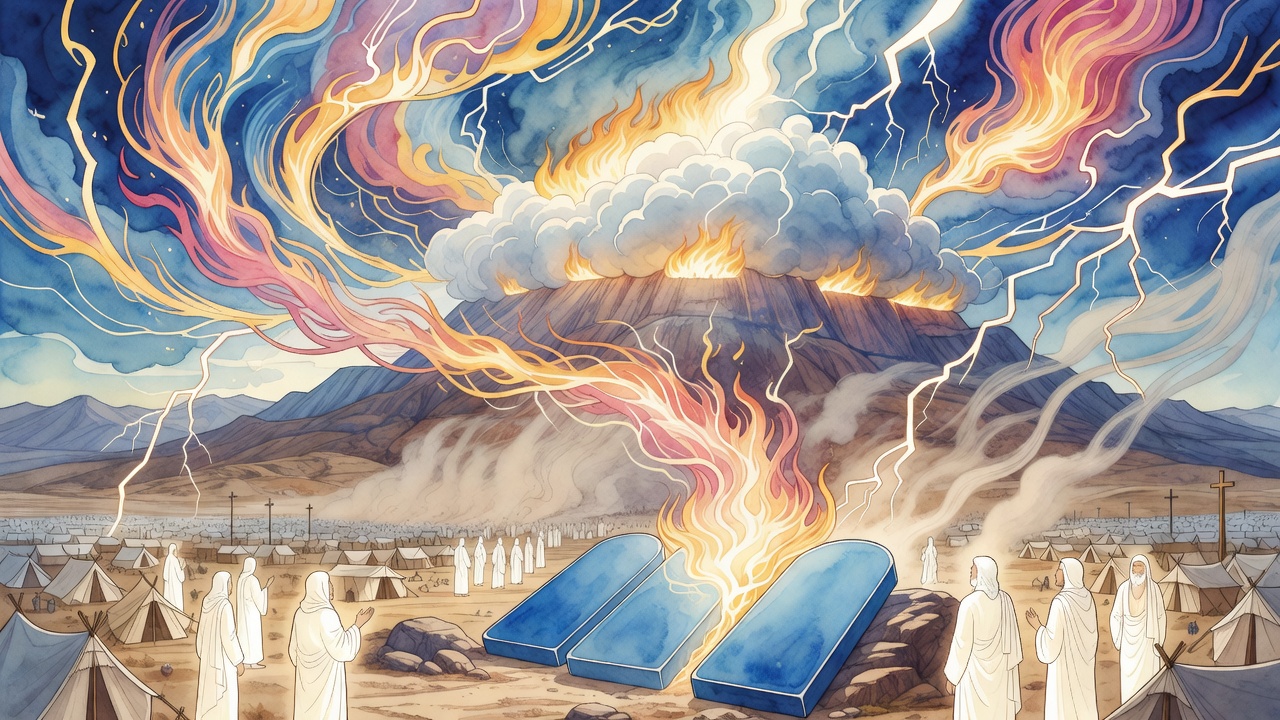
The first word hung over the tents until every throat in the camp went dry. Moses was still behind the stones at the base.
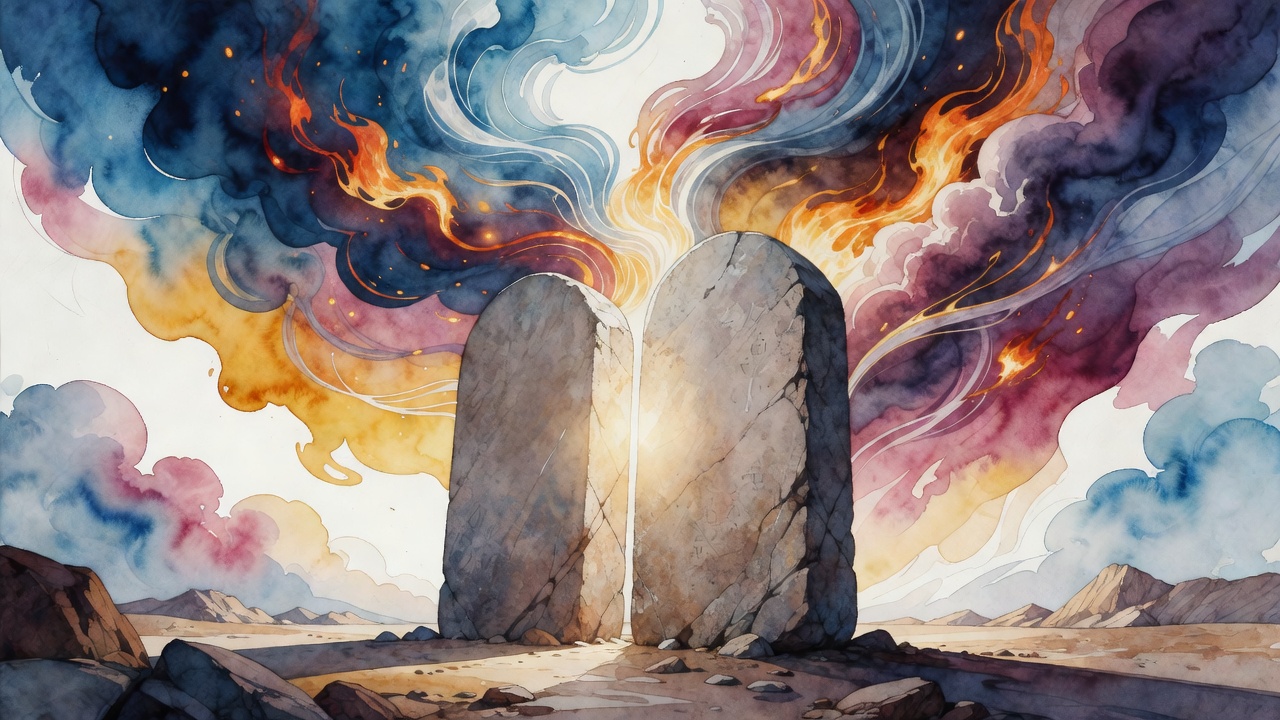
The sages said each tablet held all ten words, twin stones that refuse bargain hunting among commandments and still break the back that carries them.
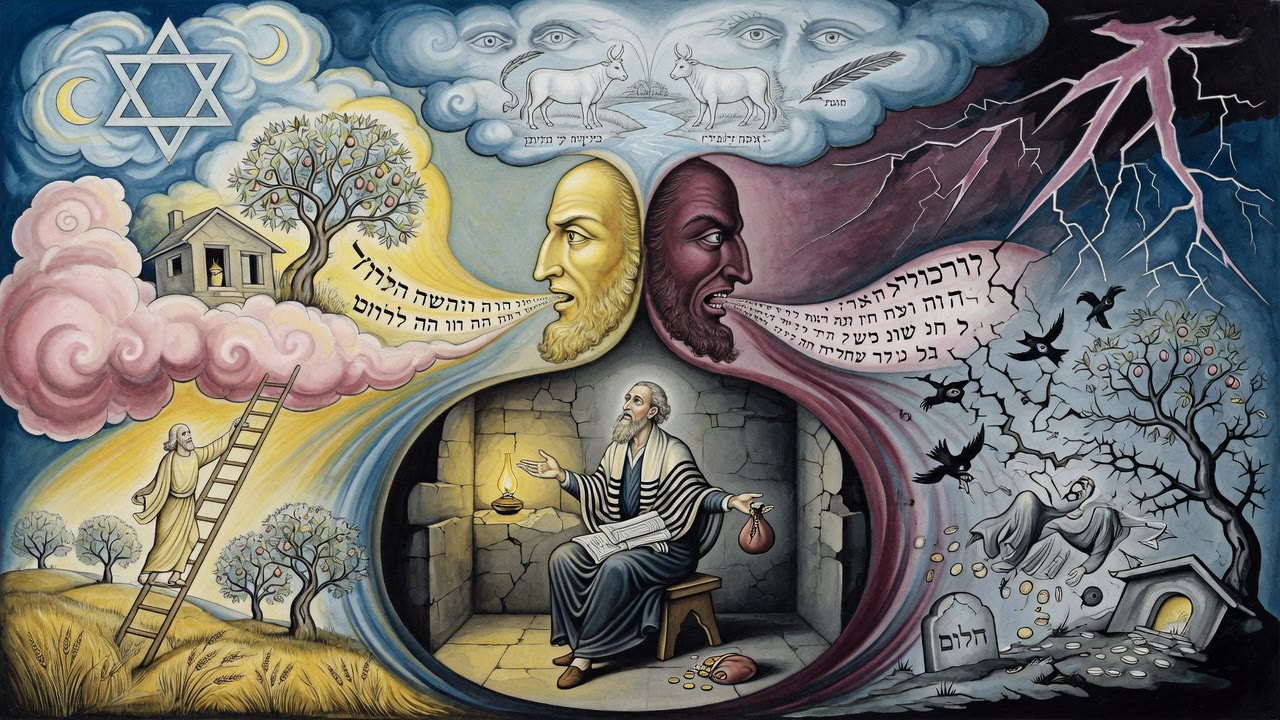
Tzippori banned anyone from saying the Rabbi had died. Bar Kappara tore his clothes at a window and spoke of angels snatching Tablets until the city understood.
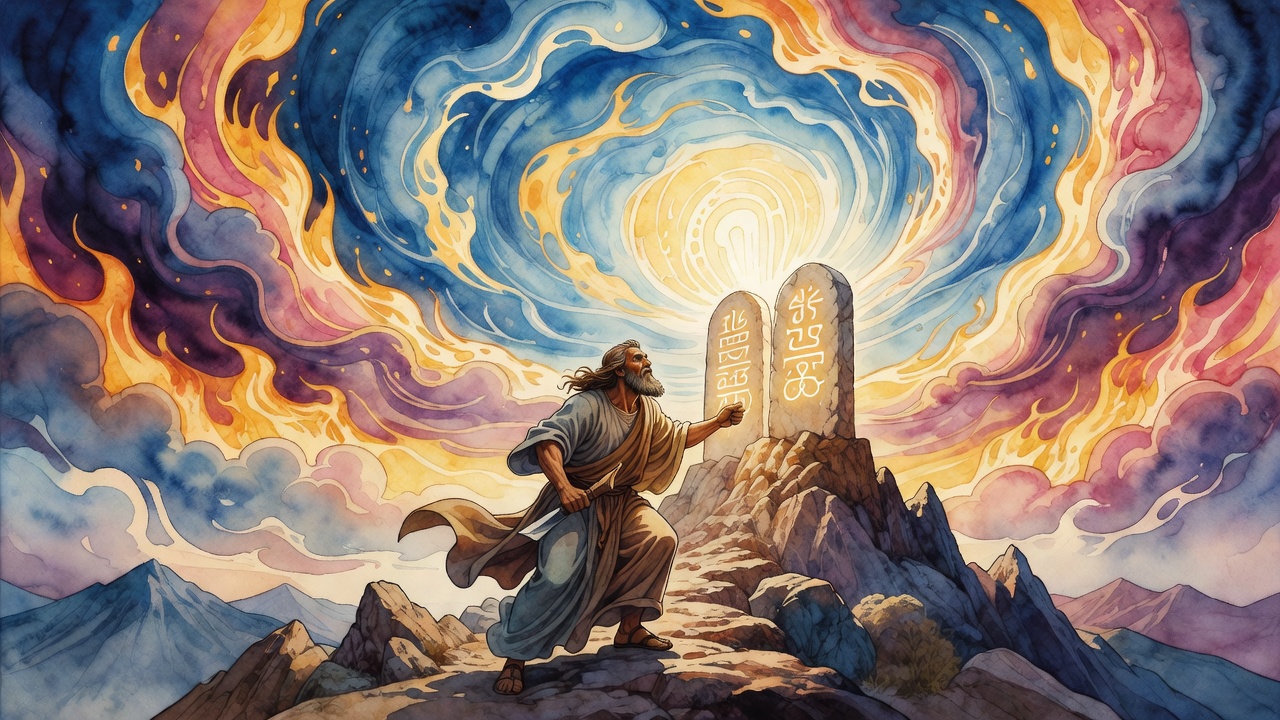
After the Golden Calf, God will not gift new tablets free. Moses climbs with a chisel, pays the cost of reconciliation, and heaven writes again.
