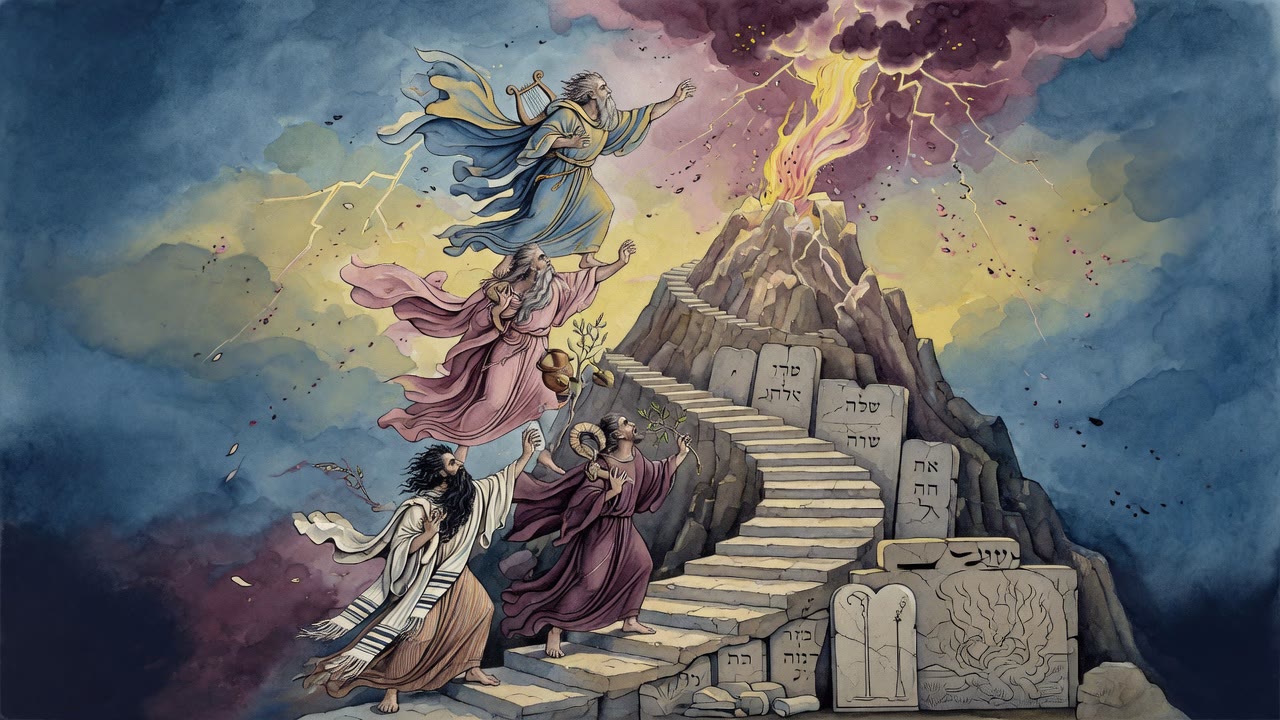
Moses Asked to See God's Glory After Refusing It at the Bush
At the bush Moses hid his face. Years later he asked to see. God covered the cave with His hand and let him watch glory leave.
Table of Contents
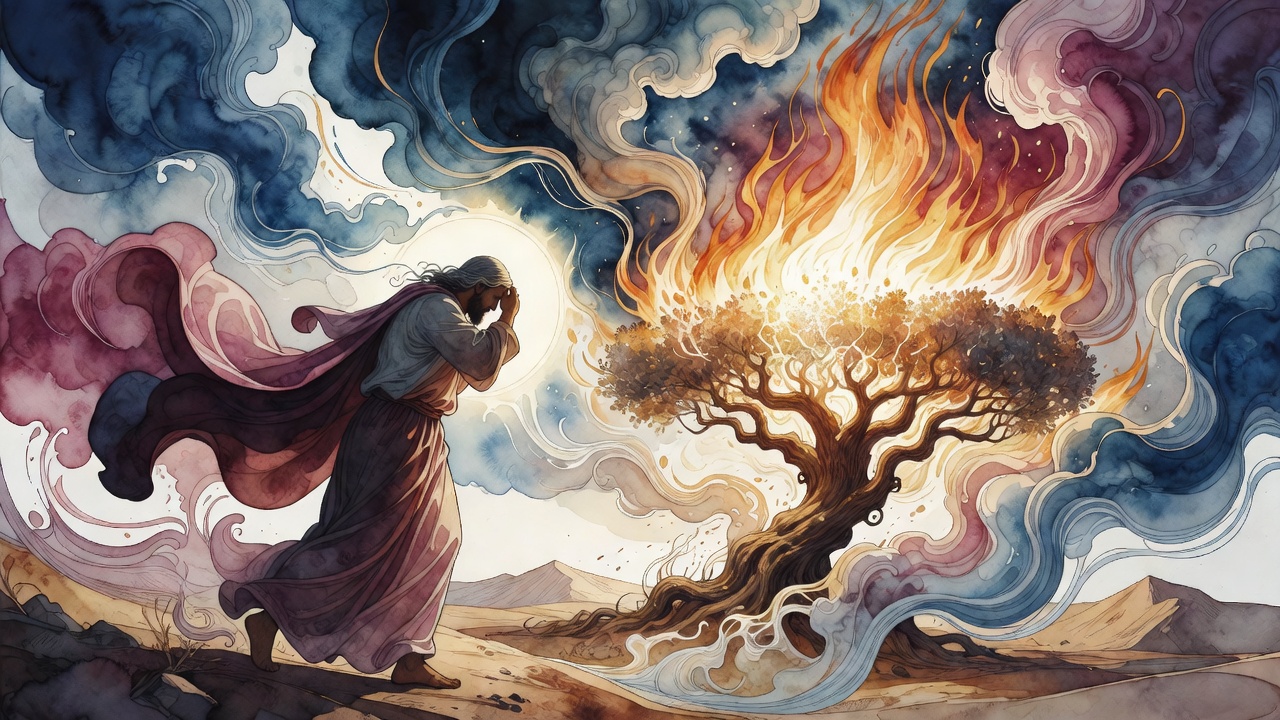
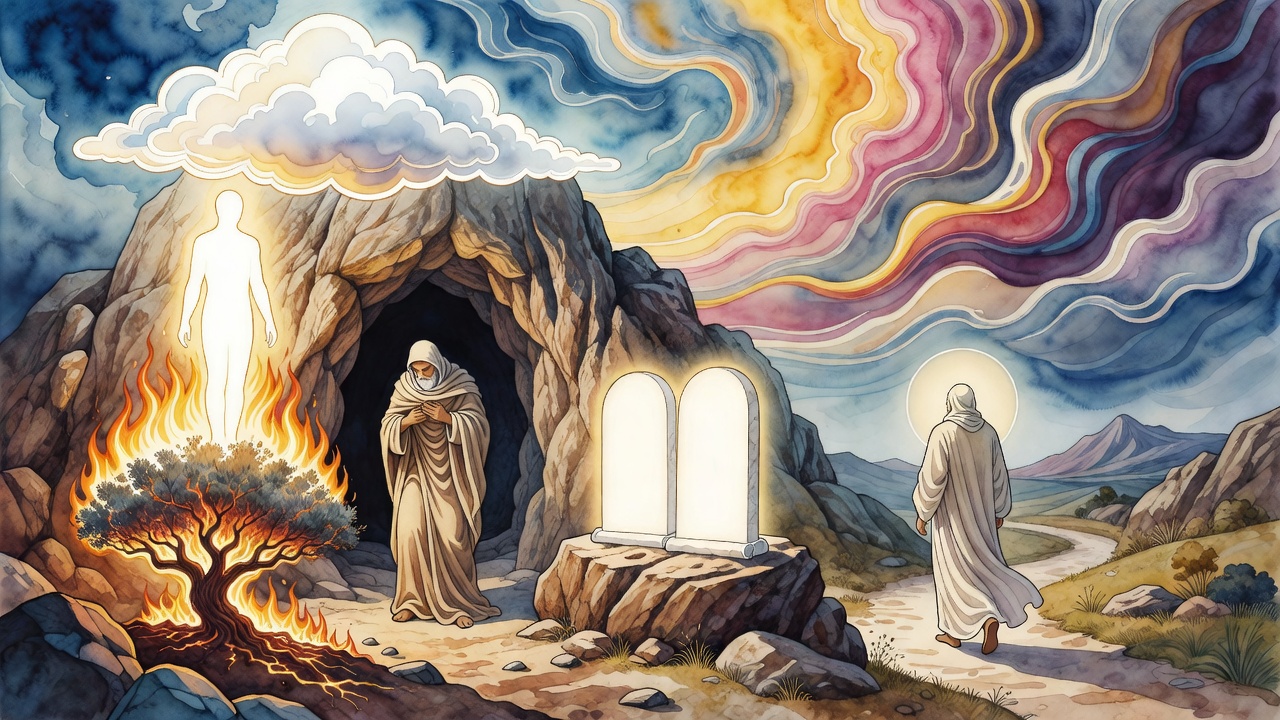
At the bush Moses hid his face. He did not want to look at God. The fire was in the wood and the wood was not burning, and he put his hands up anyway and turned his eyes down. He walked out of that conversation with a commission and without the vision he had refused.
 Click for full size
The Cave on the Mountain
Years later, after the first tablets and the calf and the blood of three thousand in the camp, Moses stood in a cleft of rock and asked. "Show me Your glory. Let me see."
God's answer was a ruling. "When I revealed Myself at the bush, you hid your face. You did not want to see. Now you want to. Now I do not want to show you."
God still put him in the cave. The same cave Elijah would later lodge in on Horeb. If there had been an opening the size of a needle's point, the light would have eaten him. Angels heard the request and moved to kill him. They serve night and day and are not shown the glory. A man born of woman had asked to see it.
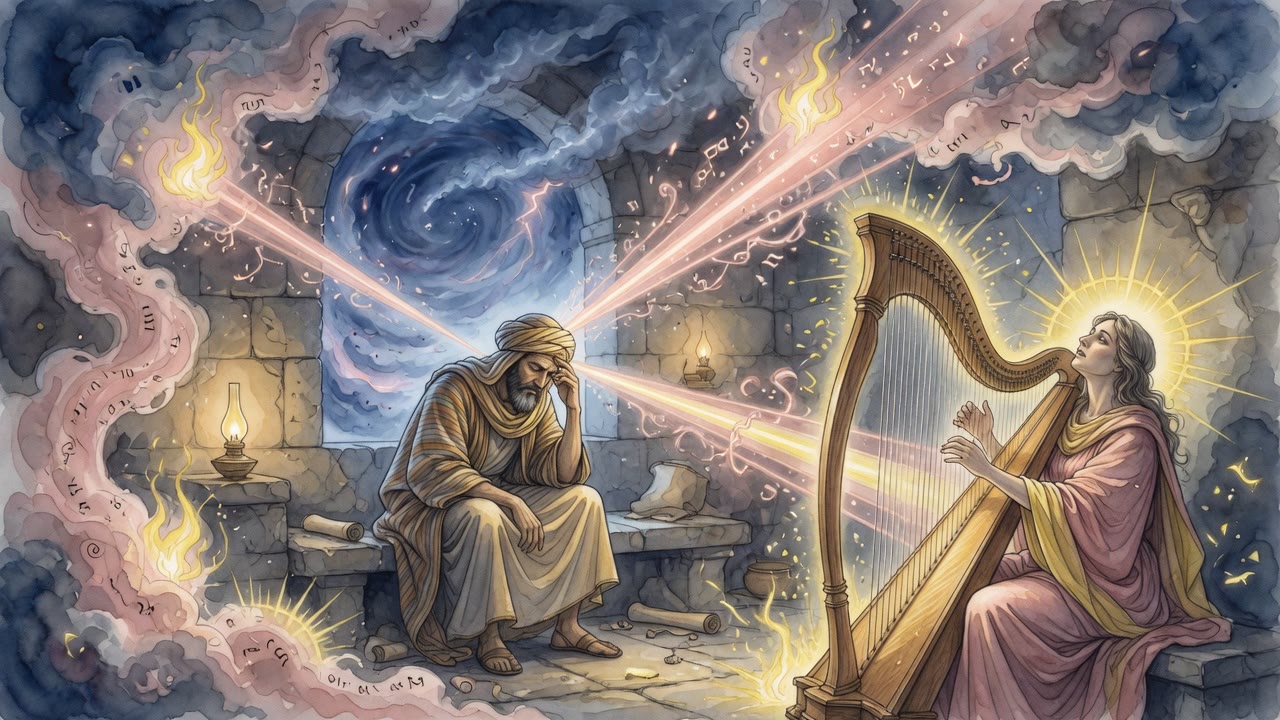
God's hand covered the mouth of the cave until the Presence had passed. Light pressed against the covering from the other side. Moses stood in the dark with his back to stone and felt the mountain shake as the retinue went by. The angels could not reach him. Then the hand lifted. He did not see a face. He saw the trailing edge, the back of glory, the part that remains when the thing itself has already gone. His face caught the reflection and began to shine.
New Stone, Quiet Delivery
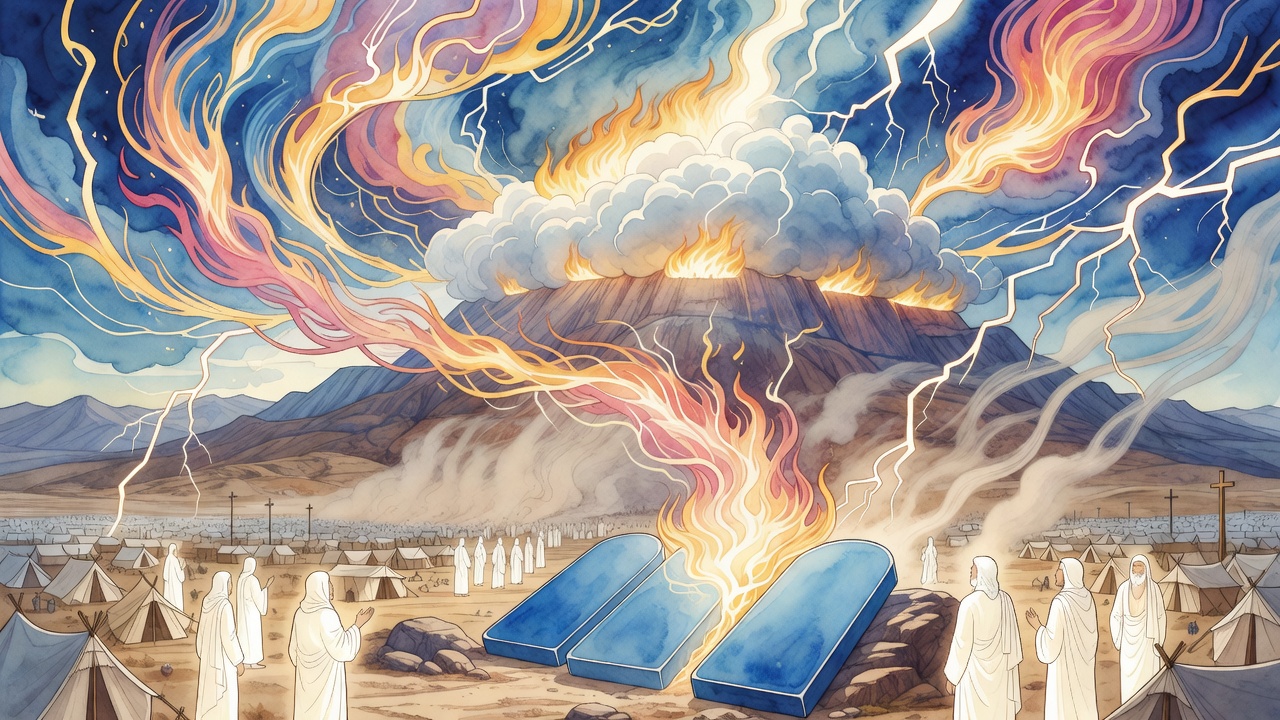
What he could not fully see, Israel had already smashed in the valley. The first tablets were gone at the foot of the mountain. The camp smelled of burnt gold.
"Carve two new tablets," God said, "and come back up."
At the new moon of Elul, Moses had the trumpet sounded through the camp so they would feel his absence, and he stayed until the tenth of Tishri. The first tablets had arrived with thunder and a crowd. The second arrived quietly. God said there is nothing lovelier than quiet humility. The ceremonies had drawn an evil eye onto the first stones, and those stones had broken.
The first tablets were God's work, cut and engraved by the divine hand. The second, Moses carved. He brought the stone. He did the cutting. God wrote the words.
God told him a king's story. A marriage contract written in the king's own hand. The bride caught with a slave. The friend of the bride reminding the king where he had taken her from, a land of slaves, a land of idols. A new contract, signed again. "Fetch Me tables," God said. "I will write what was written on the first." And for offering his life for them, Moses would one day go with Elijah to prepare Israel at the end.
Gehazi Ran After the Silver
The window that opened twice for Israel did not stay open for every disciple.
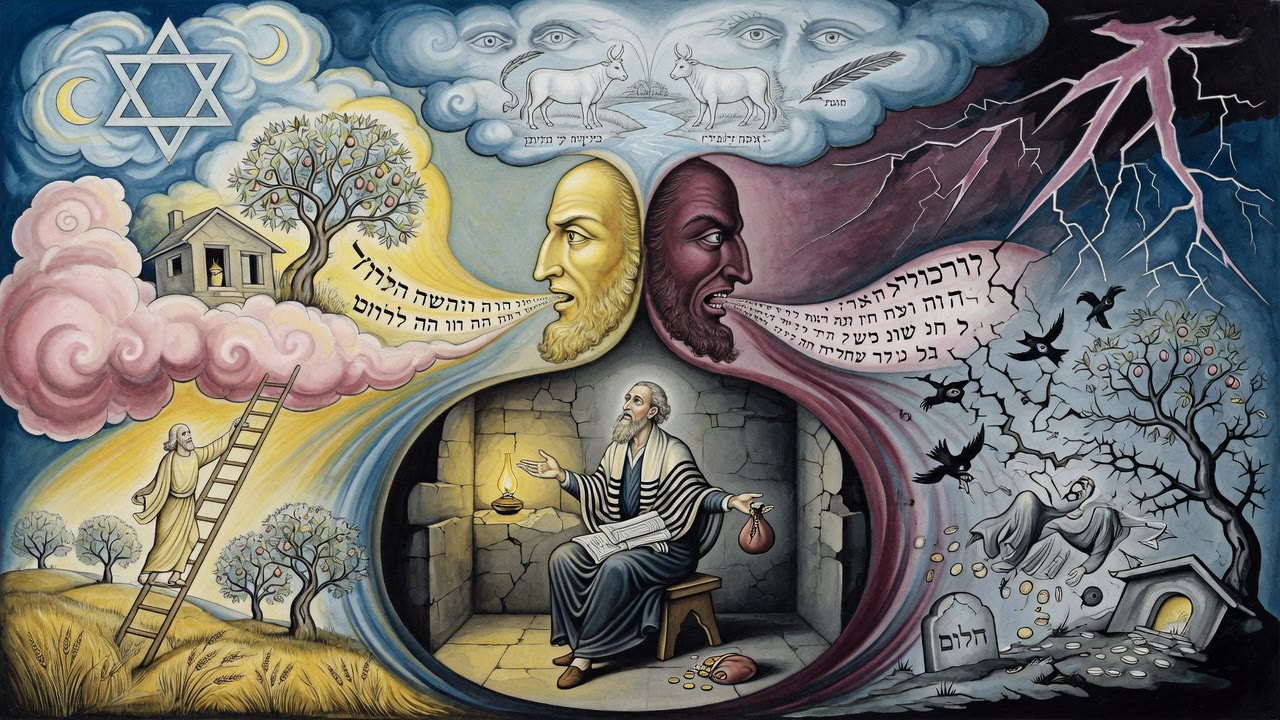
Elisha's student Gehazi had watched a dead child rise. He had watched Naaman wash in the Jordan seven times and come up clean. When Naaman offered payment and Elisha refused it, Gehazi ran after the Syrian and took the silver anyway.
Elisha called him back and named it. The leprosy of Naaman would cling to Gehazi's family. He walked out of the room white as snow, carrying the disease he had just seen the river wash off another man. His children inherited it. He and his three sons are the four leprous men who later told the king of Israel that the Syrian army had fled.
He Would Not Return from Damascus
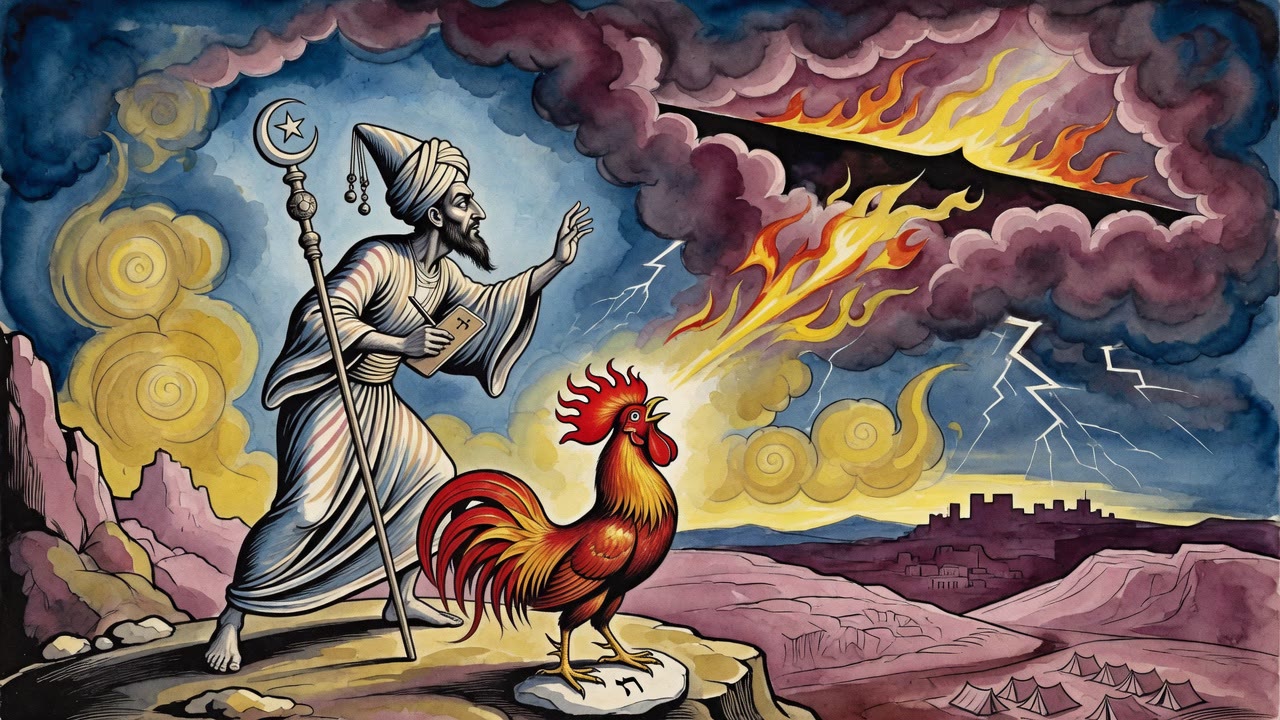
Elisha regretted the casting off. Gehazi was a great scholar. After he left he made the golden calves at Beth-el float in the air, and he engraved the Name in their mouths so they spoke the words from Sinai: "I am the Lord thy God. Thou shalt have no other gods before Me." People believed the idols because they talked like heaven.
Elisha went to Damascus to bring him back. Gehazi would not come.
"From thyself I have learned," Gehazi said, "that there is no return for him who sins and also makes others sin."
He died without atonement. He is one of the few of Israel with no share in the world to come. Moses had hidden his face and later asked, and God had still covered him in the cave and given Israel a second pair of stones. Gehazi took the silver, taught calves to quote Sinai, and when his teacher walked into a foreign city for him, he would not turn around.
← All myths