Every Prophet After Sinai Stood on Moses's Precedent
One more word from the mountain would have killed them. They sent Moses in. God agreed to speak through prophets after that.
Table of Contents
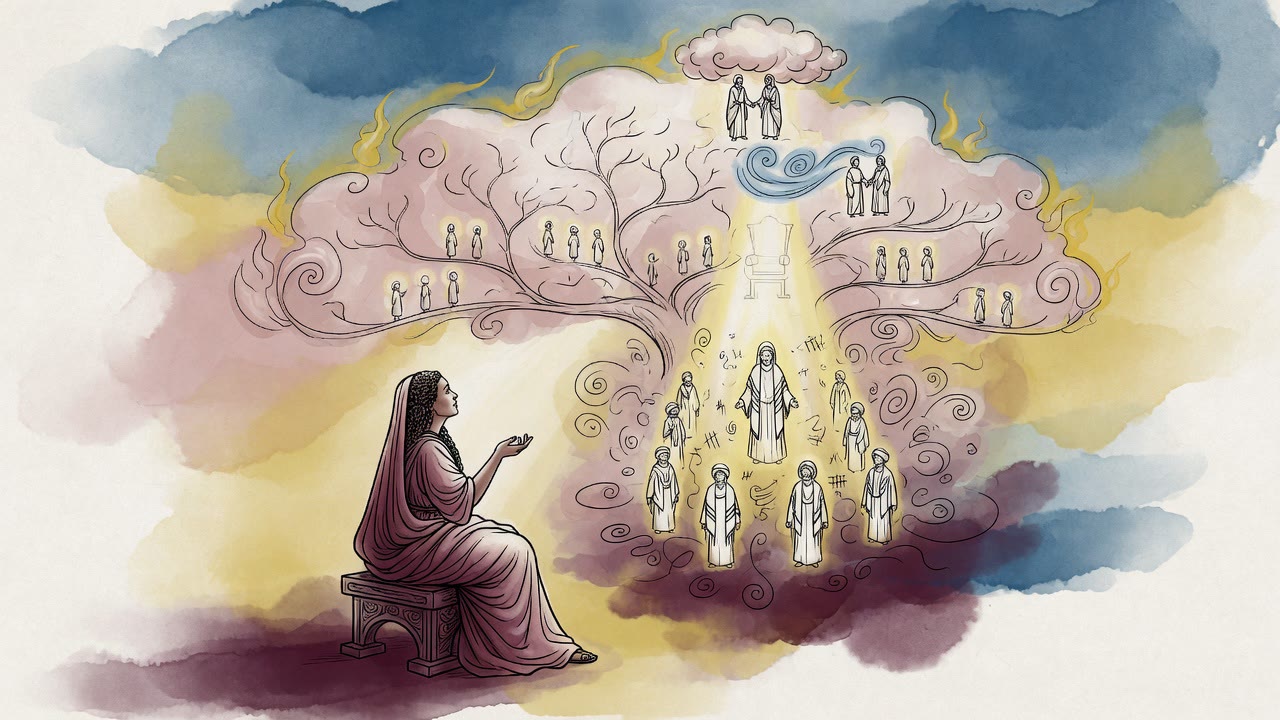
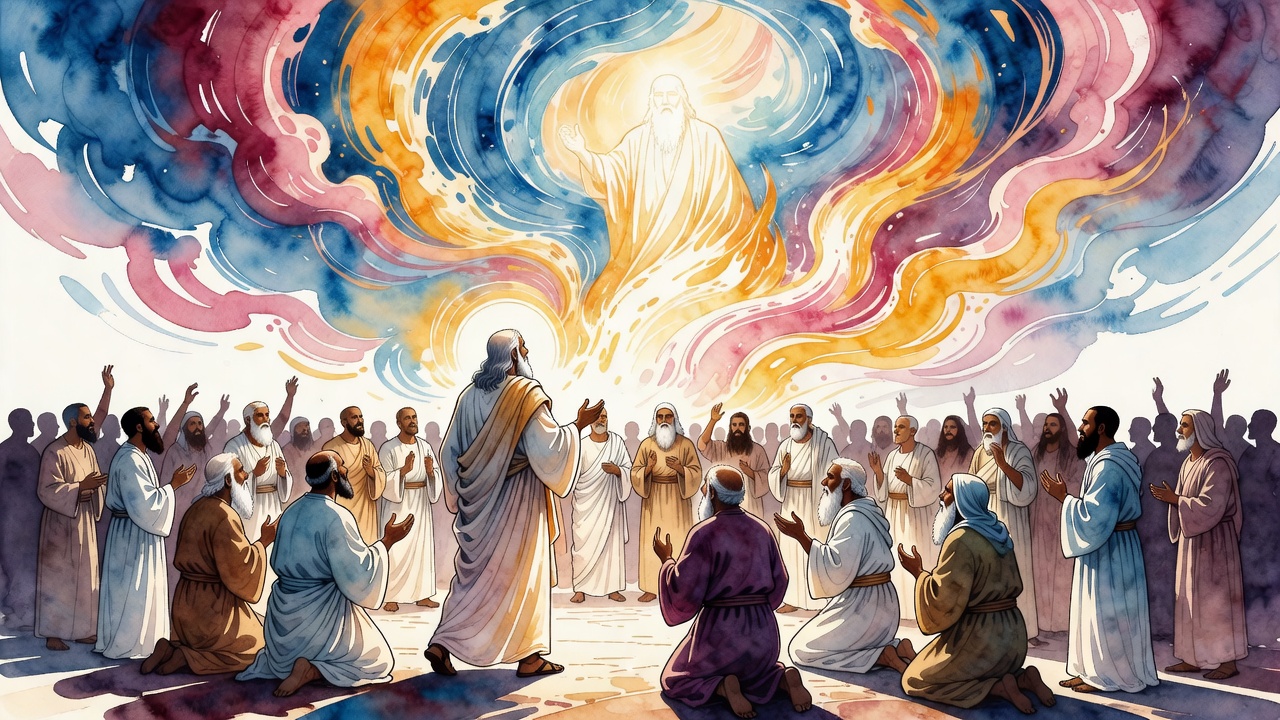
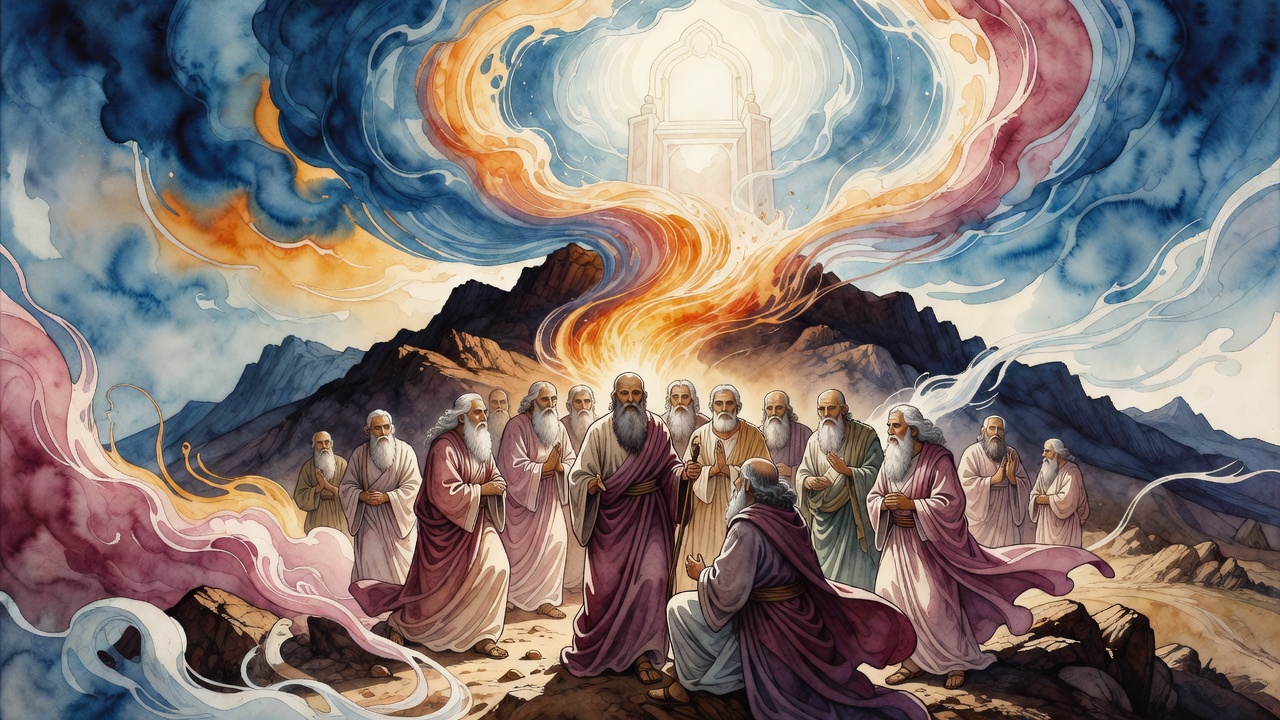
At Sinai the people heard the visible and saw the audible. The categories collapsed. Light had a sound. The sound had a shape. Even the slave women standing at the foot of the mountain saw more that day than Ezekiel would see in his chariot, more than Isaiah would see in the Temple. Knees went. Mouths opened and could not close around another syllable.
 Click for full size
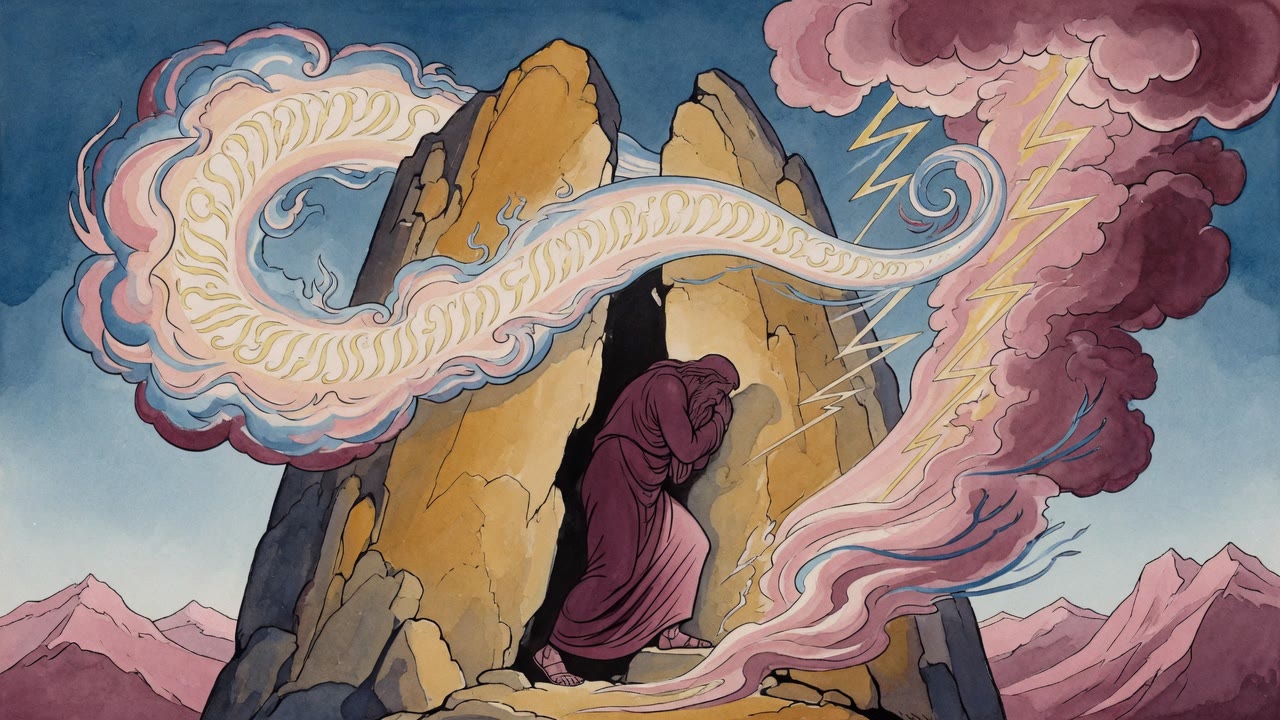
One more word from God would have killed them.
They Sent Moses In
They turned to Moses.
"You go in. You hear the rest. Come back and tell us. We cannot survive the direct voice."
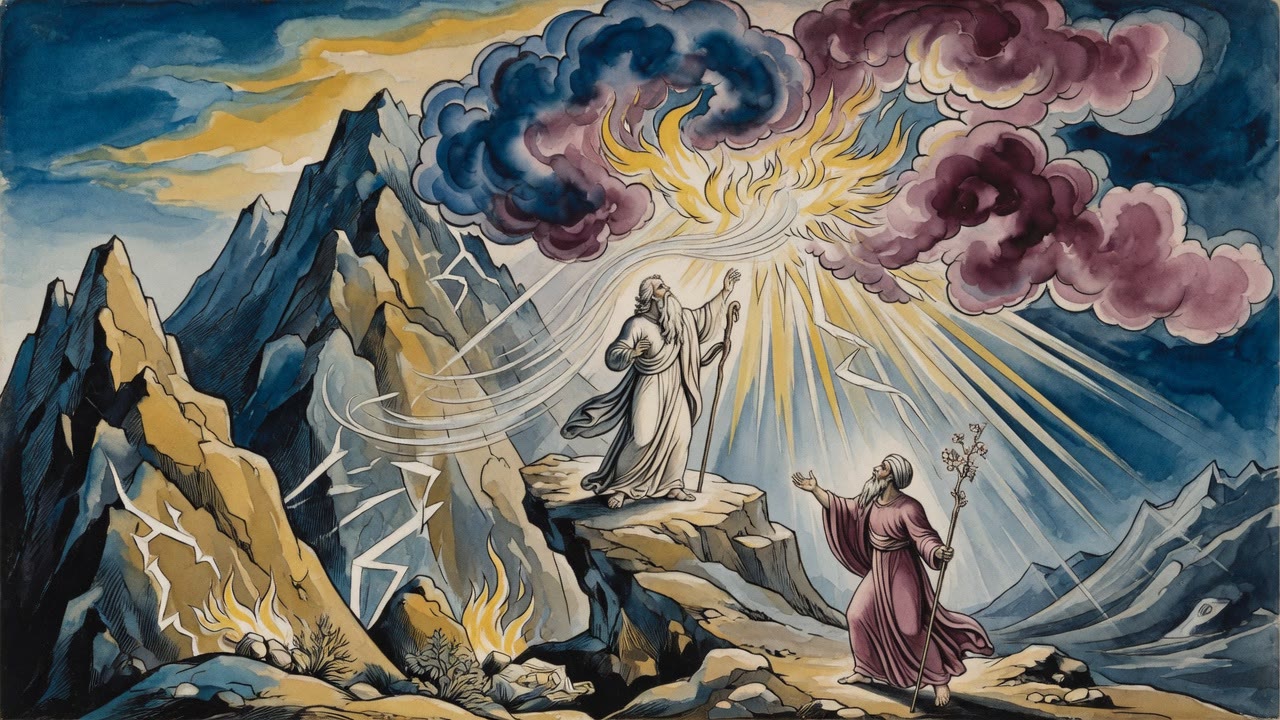
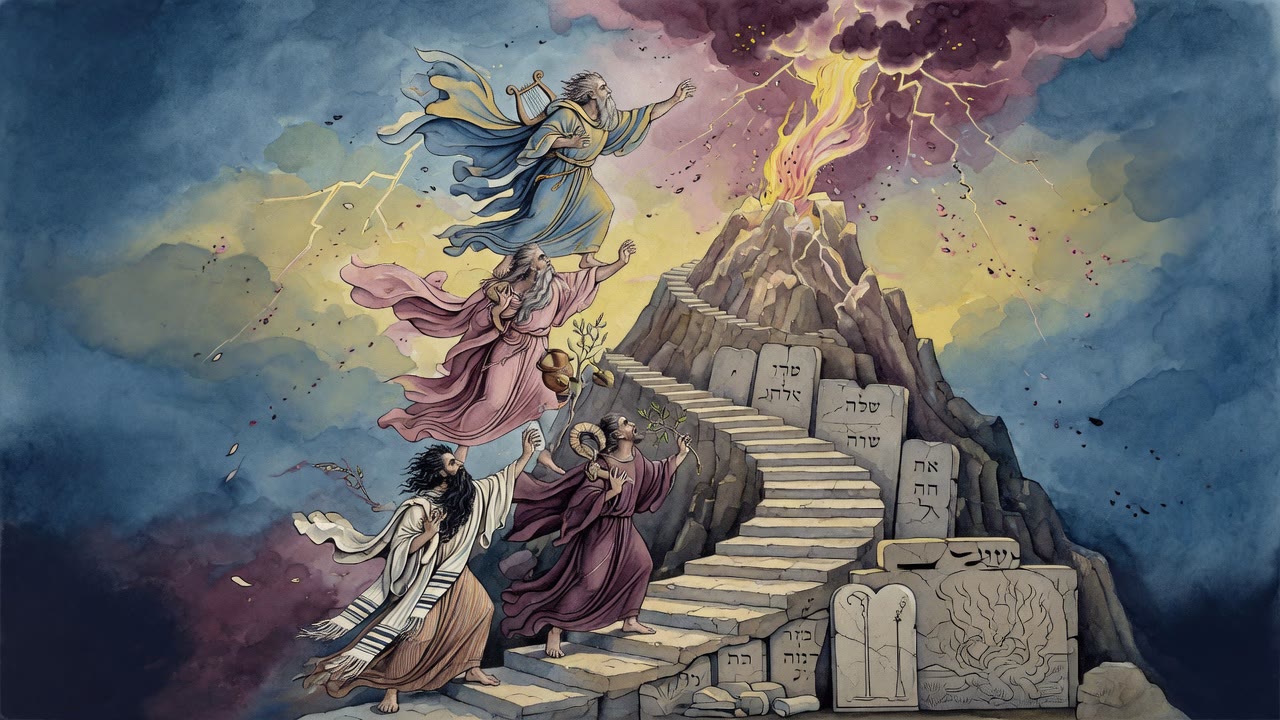
God approved. He told Moses that from then on He would send prophets to Israel as messengers of His words. Direct contact was lethal. The people had asked for a gap to stand in, and God put Moses in it, and after Moses, whoever He would send. The line started that day, at the foot of a mountain that had already almost killed them.
Return to Your Tents
God's next instruction split the mountain.
To the people: return to your tents. Go back to your families, your beds, the life you had kept from for three days of preparation. You have received what you can receive.
To Moses: stay.
"Return to your tents, but stand thou here with Me."
Two sentences. Two different relationships to the same mountain. The people received the Ten Commandments and walked down with their lives intact. Moses received everything else, the rest of the law, standing alone in the cloud while they went home to their tents and to one another.
God added a line that hurt. "If it were possible, I would even now dismiss the Angel of Death, but death against humanity has already been decreed by Me, hence it must remain." Prophets were the consolation. The death of the body was not negotiable.
Gideon Asked the Way Moses Asked
Generations later a farmer named Gideon was threshing wheat in a winepress to hide it from Midianite raiders. An angel appeared and told him he would save Israel.
Gideon did not agree at once. He asked for a sign. He named his reason. Moses asked for signs at the burning bush. God gave them. Moses was the first prophet. If Moses could ask for evidence, Gideon had a right to do the same.
The angel told him to pour water on the rock, then gave him a choice of how the water should change. Gideon asked to see half of it turned to blood and half to fire.
It happened. Blood and fire mingled on the rock. The blood did not quench the fire. The fire did not dry the blood. Gideon stood over that mixture until he believed it. He assembled three hundred men. The Midianites fell to each other's swords in the dark. The gap Moses had stood in still held a later man.
Ezra Heard the Thornbush
Ezra stood in a later century with the same complaint in his mouth. Israel was down. The nations were up. He prayed it out loud.
The angel Uriel came and told him that evil has its appointed time, as the dead have their appointed time in Sheol. Ezra was not satisfied. Seven visions followed. In the seventh he heard a voice from a thornbush, the way Moses had heard it.
The same voice. The same warning: these words you shall publish, those you shall keep secret. Then the voice told him he would be taken from the earth. Ezra asked that the holy spirit descend on him before he died, so he could write what Israel would need.
The people at Sinai had asked for an intermediary because the direct voice would kill them. God had agreed. Gideon had cited the agreement over a rock of blood and fire. Ezra had heard the bush. The chain held.
← All myths