Moses Came Down Glowing After He Wrote the Law
The first tablets left his face unmarked. He cut the second set with his own hands. The camp saw the light before he did.
Table of Contents
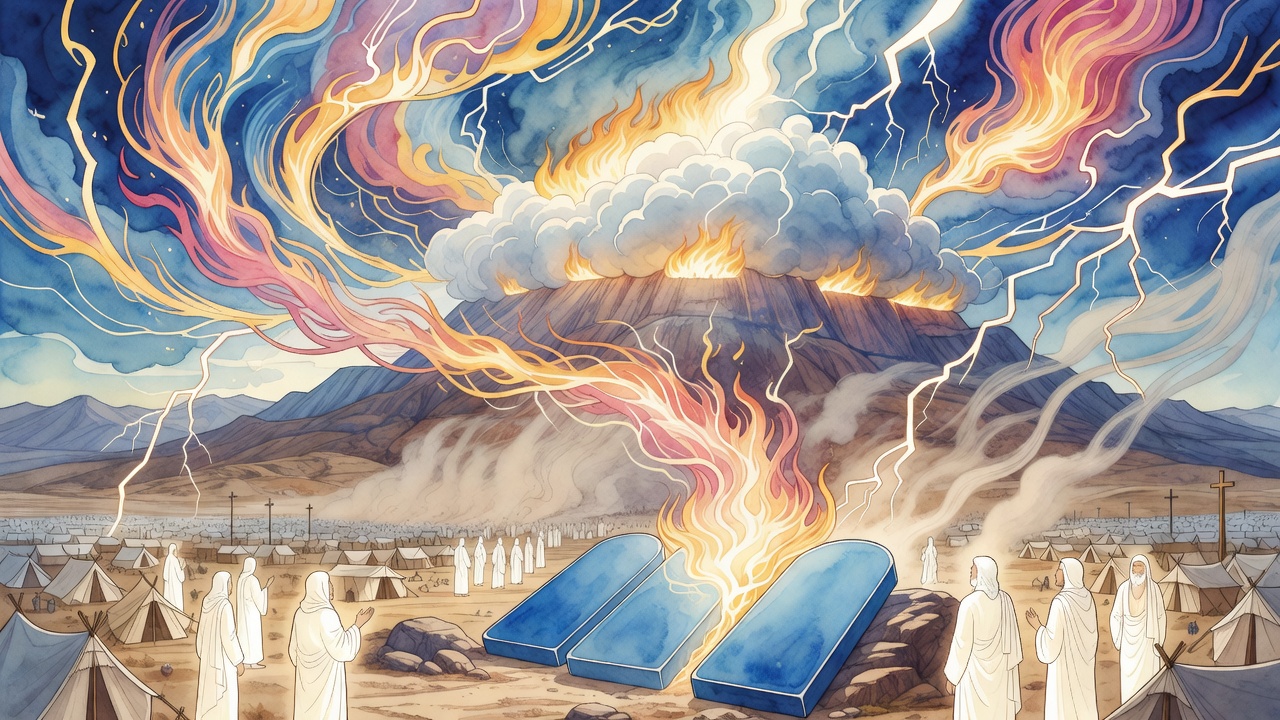
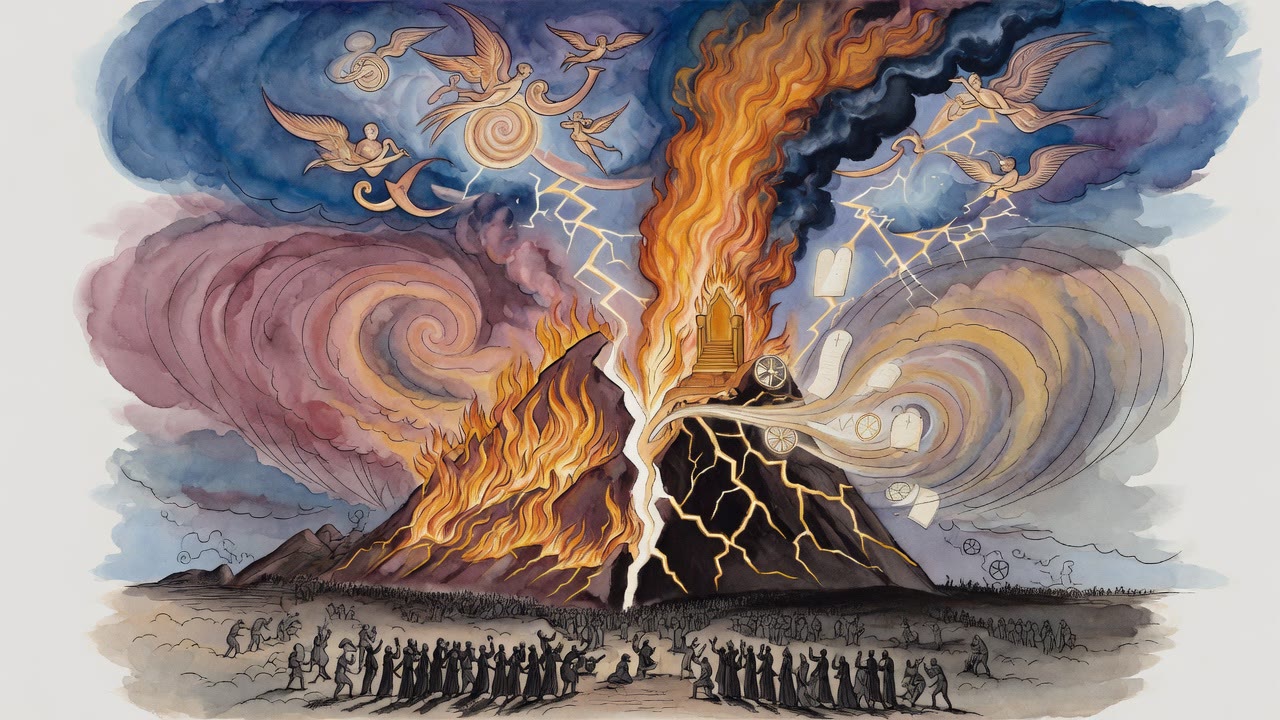
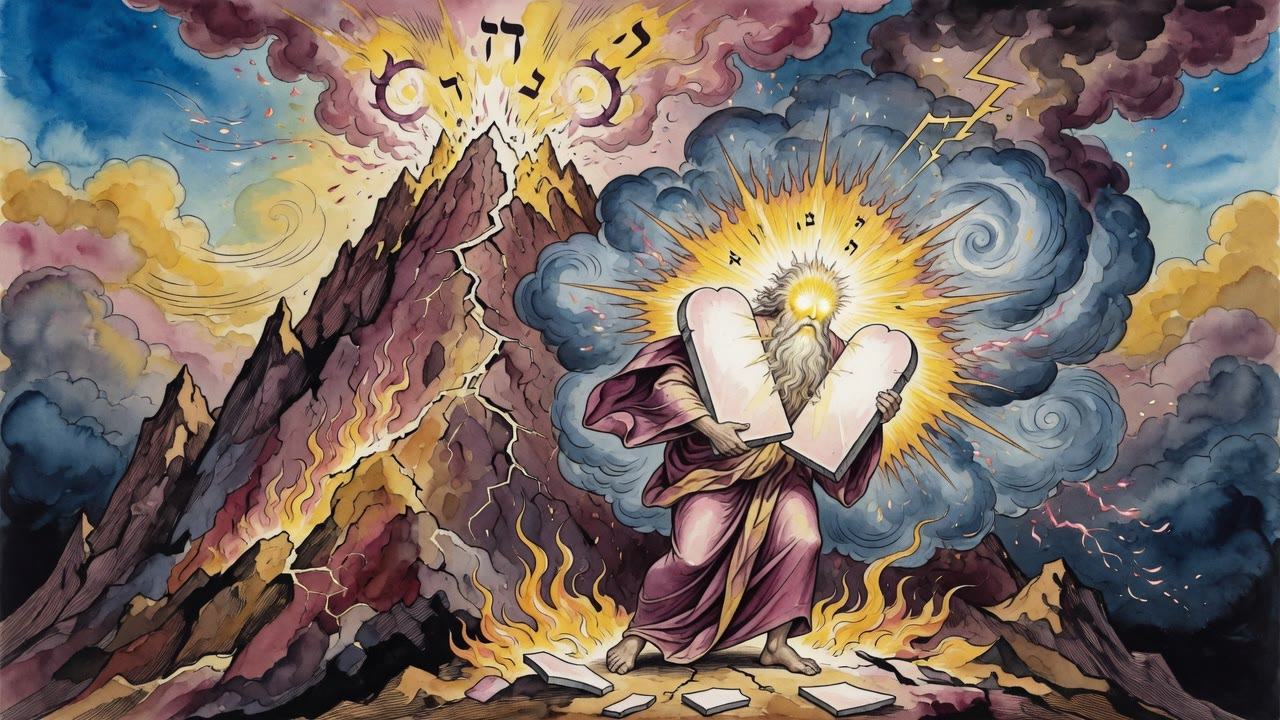
Moses came down the mountain with the second tablets in his arms and did not know his own face. The skin shone with rays of light. The camp saw it before he did. He had not announced a gift. He had not prepared a speech about radiance. The light simply arrived on him the way dawn arrives on stone.
 Click for full size
The Face He Could Not See
Aaron and the people looked, and they were afraid to come near (Exodus 34:30). Moses called to them. His voice was the same voice. The face was not the same face. Children hid in skirts. Elders squinted as if the sun had dropped to man-height. Moses still did not know. A man can carry finished work in his arms and miss what the work has done to his skin.
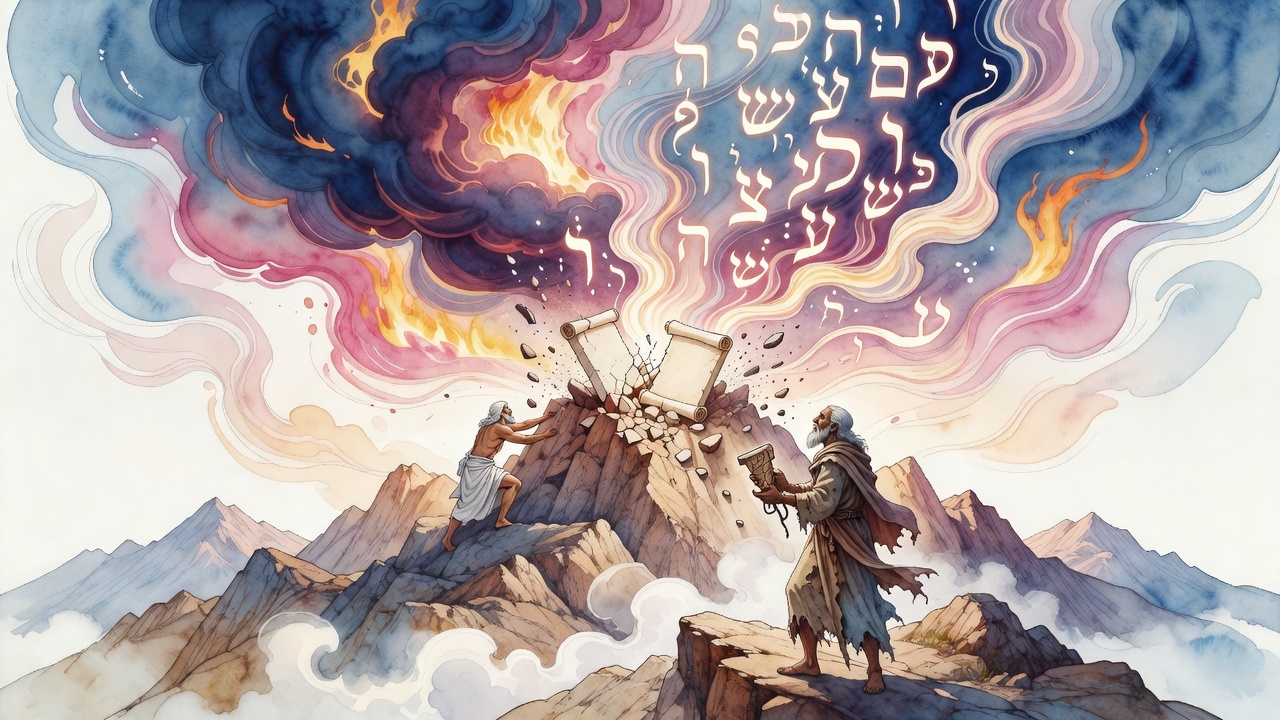
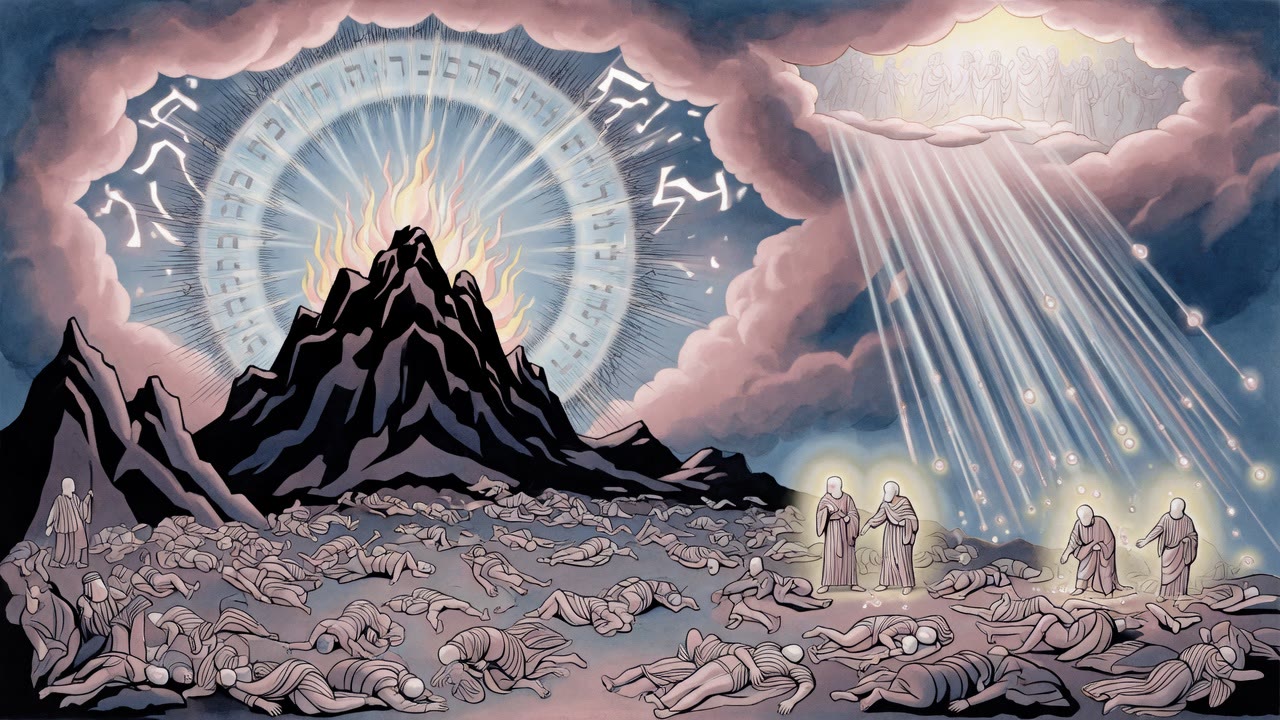
He had come down once before with tablets he did not cut. Those first stones were written wholly by the finger of God, complete before Moses received them (Exodus 31:18). His hand had no part. He carried finished work, and his face stayed dark. He smashed those tablets at the calf. The mountain took him back anyway.
The Tablets He Cut Himself
The second set cost him. Moses cut the stone. He wrote, hearing the words from the mouth of the Almighty. Labor entered the tablets. Wisdom entered the labor. Because his toil and his understanding were poured into the writing, the skin of his face was made to shine. A later mouth said it plainly: the wisdom of a man makes his face shine (Ecclesiastes 8:1).
A quiet rule followed him down the slope. One who gives a gift that will be revealed in time need not announce it. Tomorrow will make it known. Moses did not know he glowed. The people knew first. Torah that stays only in the mind can remain private. Torah a person has worked into matter breaks out where everyone can see it.
He held the new stones the way a man holds a tool he has used until his palms remember the edge. The first gift had been pure and finished. The second gift had his dust on it. The light followed the dust.
Who Was Told to Stand
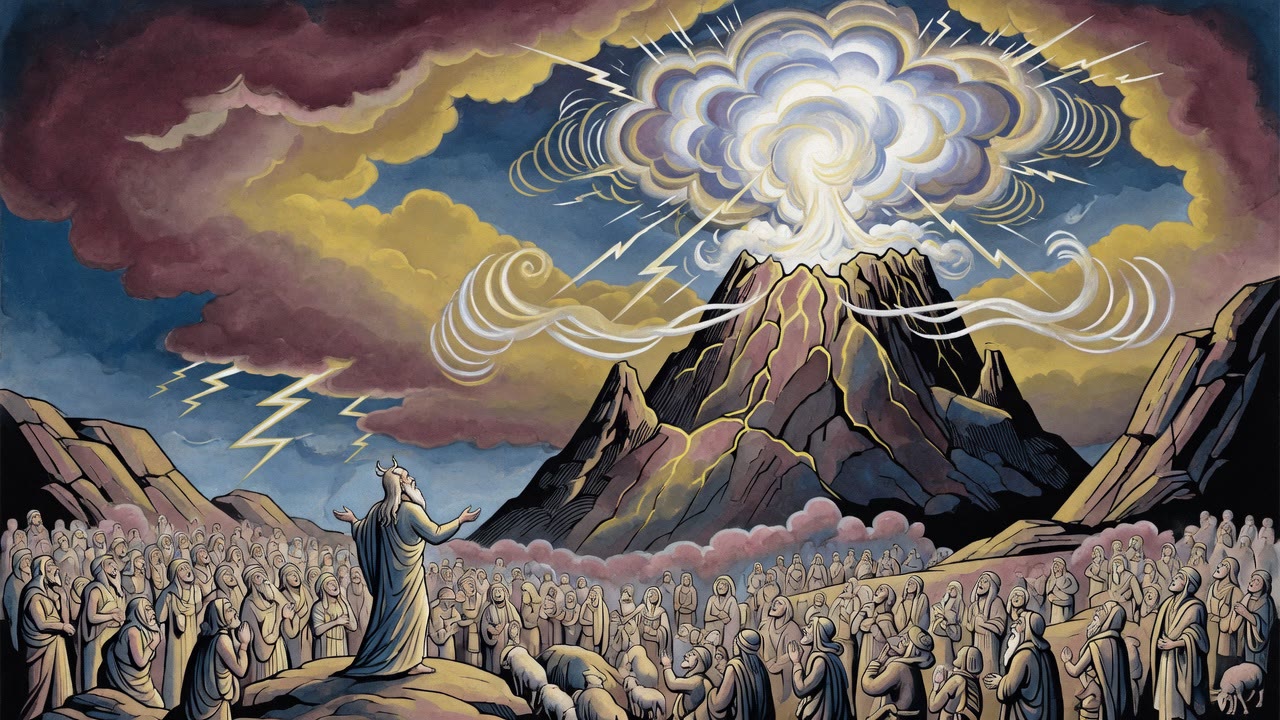
Who shall ascend the mountain of the Lord, and who shall stand in His holy place (Psalm 24:3). The mountain had already answered with a name. "And Moses went up to God" (Exodus 19:3). "But as for you, stand here with Me" (Deuteronomy 5:28). God invited him to stand. Clean of hands: "I have not taken a donkey from them" (Numbers 16:15). He was not collecting fees for prophecy. Pure of heart: he had tried to refuse the mission at the bush, not grab it. "Who am I that I should go to Pharaoh?" (Exodus 3:11).
Others could see fire and smoke from below. Moses alone was told to stand in the place that burns. The difference was not speed of foot. He had argued with God and still gone up when the argument ended. He had looked this way and that and struck the Egyptian, and he had not sworn his neighbor false. The slope opened for a man who could be trusted with both stone and silence.
He climbed with new tablets on the second trip because that trust had survived the calf. The camp below still smelled of gold. The man above still had clean hands and a face he could not see.
Strength After the Sea
At the edge of the sea Israel had already sung, "The Lord is my strength and song" (Exodus 15:2). Strength there was not only muscle or the crash of chariots. "The Lord will give strength to His people" (Psalms 29:11) is the same word, and the gift is the Torah itself. A second verse ties that strength to justice, the love of right judgment the law makes possible.
They were not pulled through the waves merely to survive Pharaoh. They were brought out toward a strength that does not drown when the sea closes, a teaching that would still be power long after the bodies of horses washed ashore. The same mouths that sang at the water now stood in the camp and flinched from Moses' skin. The strength they had named in the song had come down on a human face, after labor, after breakage, after the hard return up the slope with new stone.
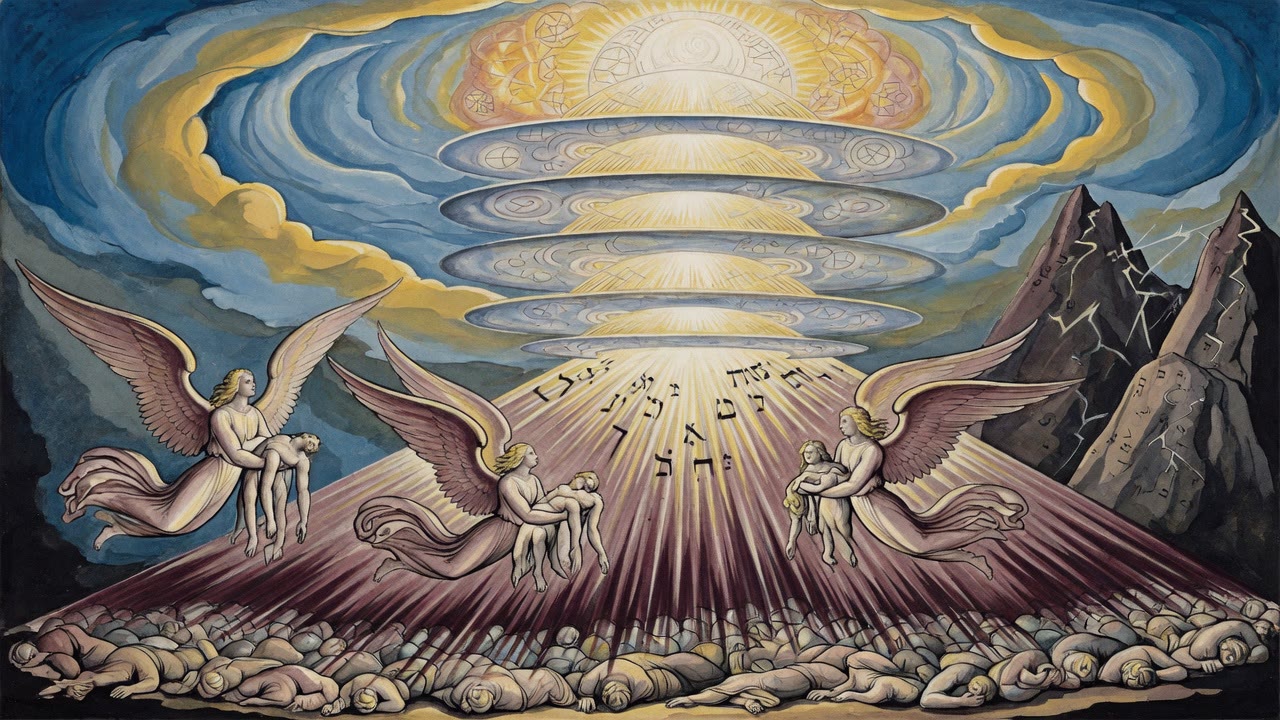
Angels stand nearer to the Throne and do not come down with rays on human skin. Moses glowed after the second writing. The first gift had not marked him. The second gift had. The camp flinched from a leader marked by the work of receiving, not only by the privilege of being chosen.
The Veil
Moses veiled the light later so the camp could bear him (Exodus 34:33). He still did not feel it. He felt cloth. He felt the weight of stone set down. He felt the people come closer once the brightness was covered. Strength as Torah, ascent as clearance, glow as labor completed: none of these required him to advertise. The sea song had named strength before Sinai fully arrived. The psalm had named the climber before the second tablets were cut. The face named the writer after the second covenant was dry.
A man can hold finished holiness and remain unmarked. A man who has cut stone under command and written what he heard may walk into camp changed in ways he cannot feel. The people told him, by backing away, before any mouth found the words. The veil came after. First came the shock of a face that had done the work and did not yet know how bright the work had made it.
He taught from under the cloth. When he went in before the Lord he took the veil off. When he came out he put it back, so Israel could look at him and live. The light stayed. He never saw it on himself.
← All myths