When Solomon Nearly Lost the Book of Kohelet
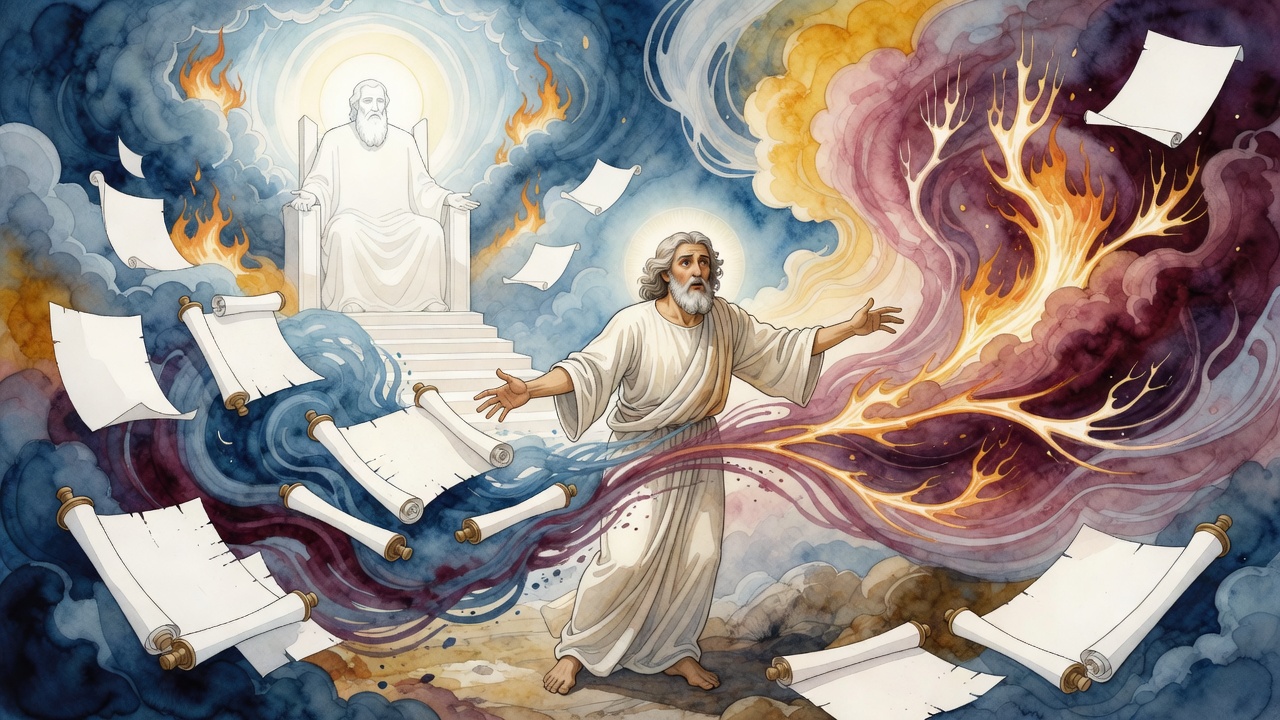
A hand reached to roll Ecclesiastes shut as heresy. The last clause dragged judgment into the young man's feast, and the scroll stayed.
Table of Contents
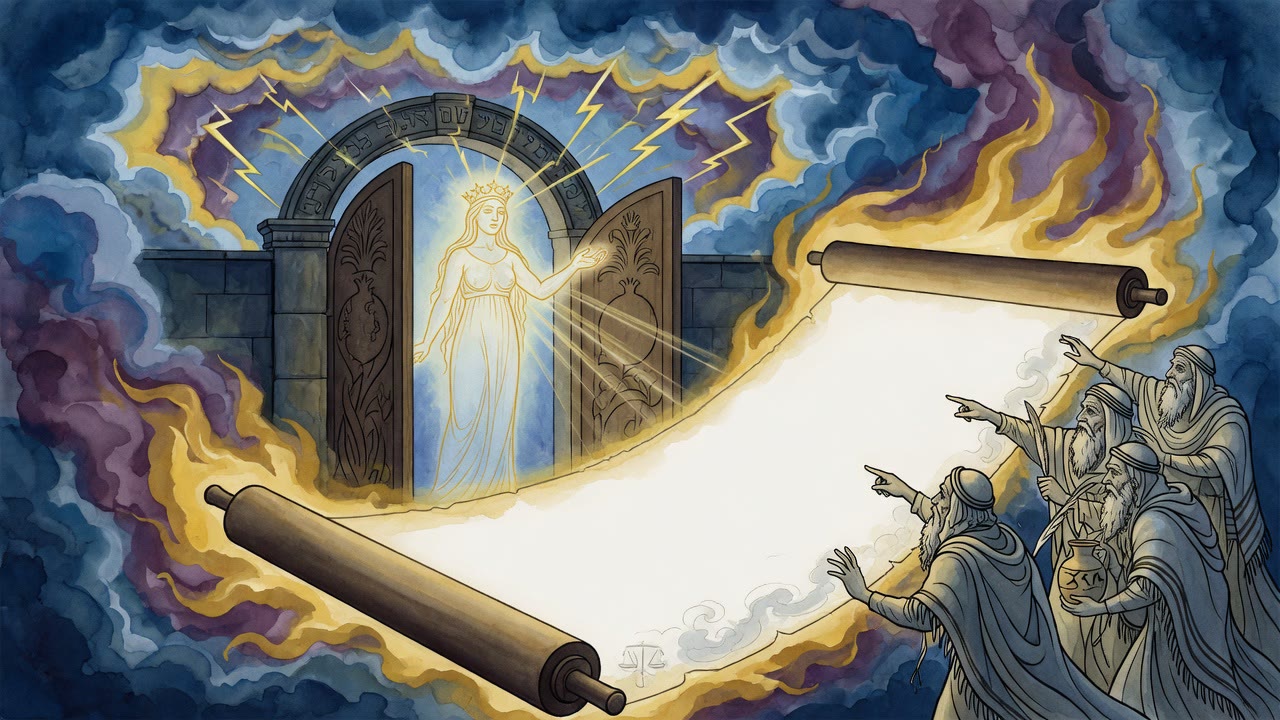
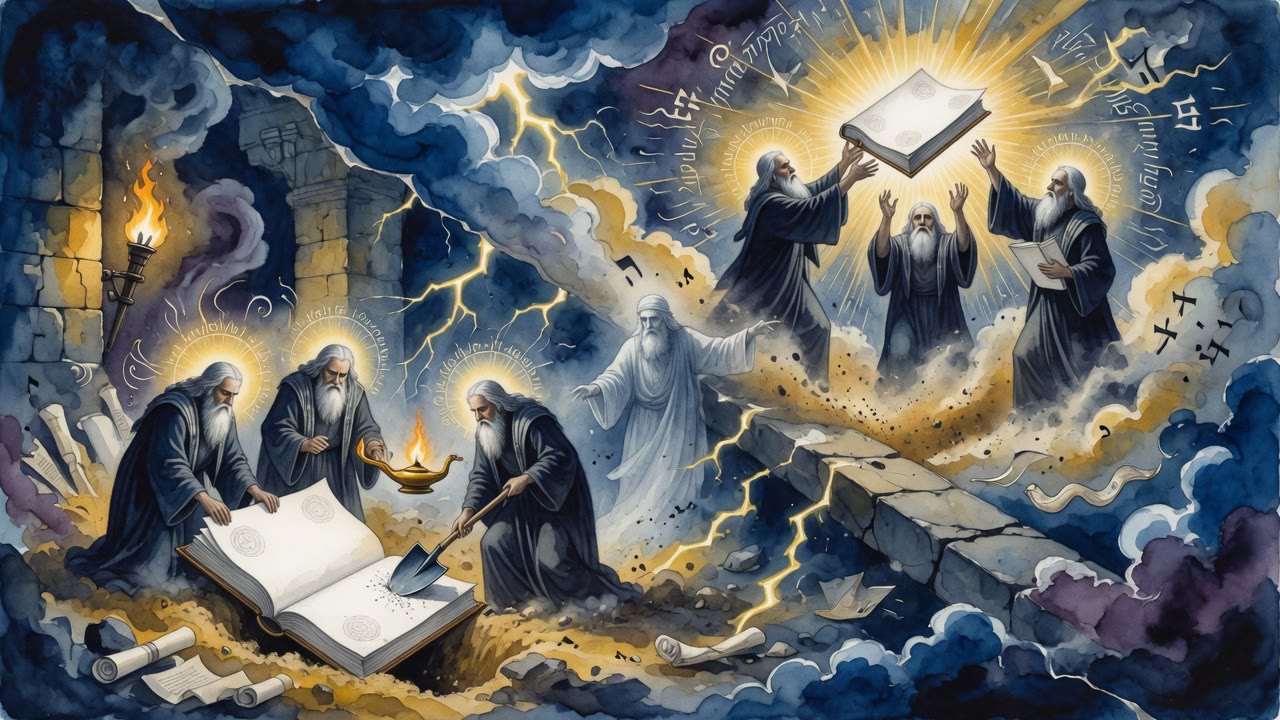
Rabbi Binyamin ben Levi stood over an open scroll and caught a hand before it could roll Kohelet shut. A young man in the text was told to rejoice in his youth, to walk in the ways of his heart and the sight of his eyes (Ecclesiastes 11:9). Across the room another scroll answered with Moses: you shall not stray after your heart and after your eyes (Numbers 15:39). Someone said the word heresy under his breath.
 Click for full size
Oil lamps smoked. Outside, students argued about something smaller. Inside, the question was whether a book of Solomon could keep speaking if it sounded like permission without a roof.
The Hand That Almost Hid the Scroll
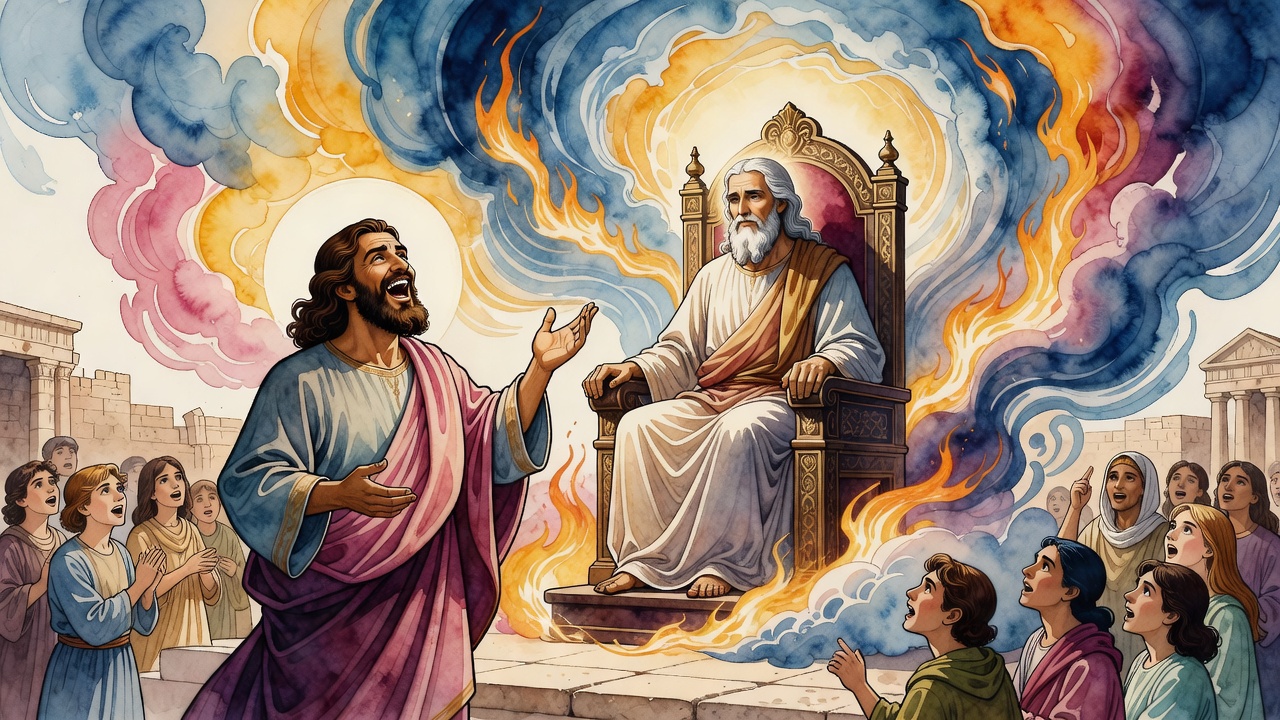
There had been a real impulse to suppress Ecclesiastes because it held matters that tend toward heresy. Solomon's line to the young man sounded reckless. Follow the heart. Follow the eyes. What court remains if appetite becomes the teacher?
Then the same verse finished itself. "But know that for all of these, God will bring you to judgment." Hands that had been ready to hide the scroll loosened. The dangerous sentence had been a half-sentence. Completing it changed the temperature of the room.
Joy is not banned. Unaccountable joy is. The feast stays. The bill arrives. A student at the edge whispered that if Solomon could be wrong, any scroll could be. An older voice answered that if Solomon could be rescued by his own last clause, the tradition still knew how to keep a dangerous teacher without becoming him.
"Solomon spoke well," they said, once the caveat stood.
What Advantage Under the Sun
Rabbi Shmuel bar Nahmani named another reason for the almost-ban. Kohelet asks what advantage a man has in all his toil under the sun (Ecclesiastes 1:3). If that line swallows Torah study too, the whole project of Israel collapses into dust. Why rise early for a page if the page is vanity with better ink?
They split the phrase. Not all toil is empty. His toil, the private scramble for self, fails under the sun. The toil of Torah does not live under that sun the same way. Rabbi Yudan pushed the distinction higher. Under the sun he has no advantage. Above the sun he does. There is a realm where effort is not mocked by death and weather.
Rabbi Yanai brought a farmer into the argument. Human beings sweat for bread through plow and mill and oven. God sends wind, cloud, and growth with an ease that makes the small omer sheaf of Leviticus feel almost absurd as payment (Leviticus 23:10). Gratitude is the point. The sheaf is not the full price of rain. It is the acknowledgment that rain was never owned. Cynicism in Kohelet had somewhere honest to stand without devouring the harvest.
Wisdom Answered at the Gate
While the academy argued over a dangerous scroll, Rabbi Meir blessed the one who keeps his heart far from another man's wife and far from sin, and who calls out to wisdom. The calling does not vanish into air. Understanding answers. Wisdom cries out, lifts her voice, stands in high places and at the gates of the town (Proverbs 8:1-3).
Because a student calls to wisdom, she comes and stands at his own doors. He sat and sang out words of Torah at the threshold, and something sang back across the wood. The effort returns as a voice.
A student who feared that all toil is vapor stood at dawn at his own gate and opened a page. The wood answered. Not as a theory. As a presence that meets the one who first reached.
The Book That Stayed Open
Kohelet nearly closed because it sounded like despair and license in the same breath. It stayed open because it finally dragged judgment into the young man's feast, and because they refused to let "under the sun" erase the work done for heaven. The dangerous book and the answering wisdom belong together. One tests whether effort matters. The other stands at the gate and says the call was heard.
The young man in the verse still rejoices. He also knows a court waits beyond the feast. The farmer still brings the omer. The student still opens a door at dawn and finds that the page answers. Suppression would have been cleaner. Leaving the book open forces a harder honesty, which is why they kept it on the table with the oil smoke and the unfinished arguments.
Rabbi Binyamin's hand came off the parchment. The scroll stayed. Solomon's dangerous teacher remained in the house, roofed at last by judgment, and the gate still answered whoever called first.
← All myths