The Sages Nearly Buried Solomon's Book of Toil
Kohelet sounds like heresy until judgment returns in the last clause. The sages almost suppress the book, then keep it.
Table of Contents
 Click for full size
A Book That Sounded Like Rebellion
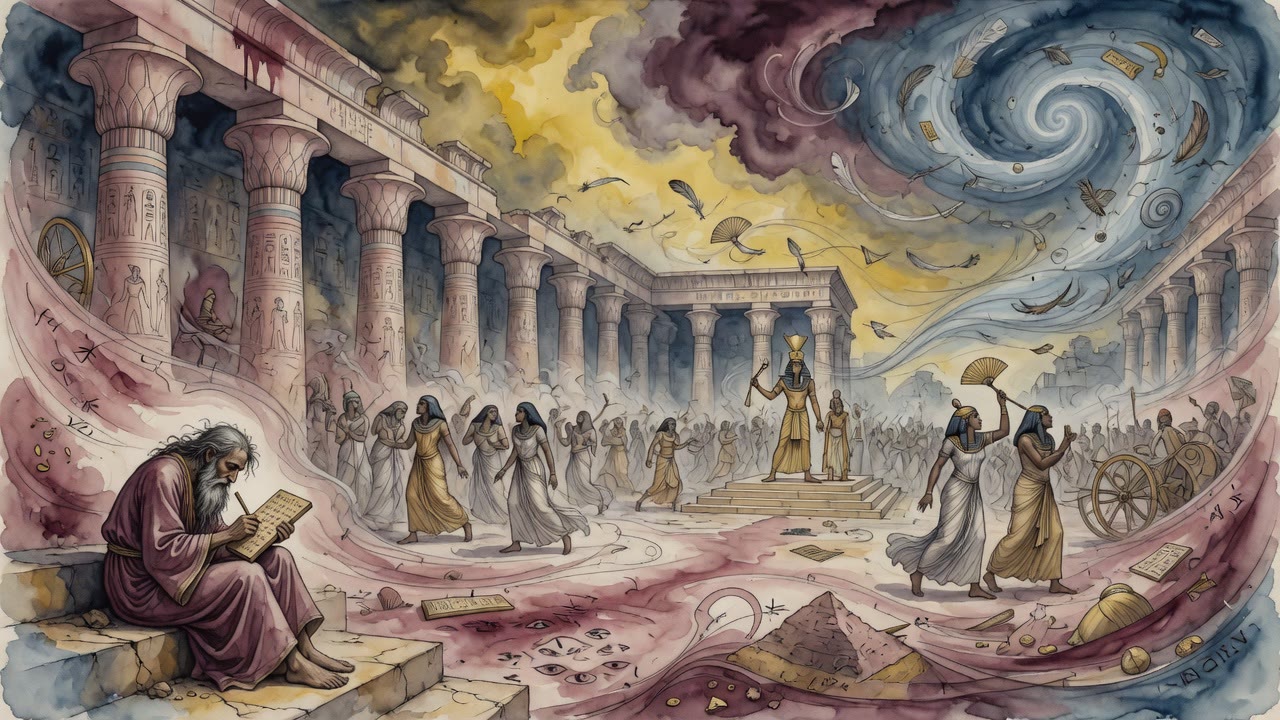
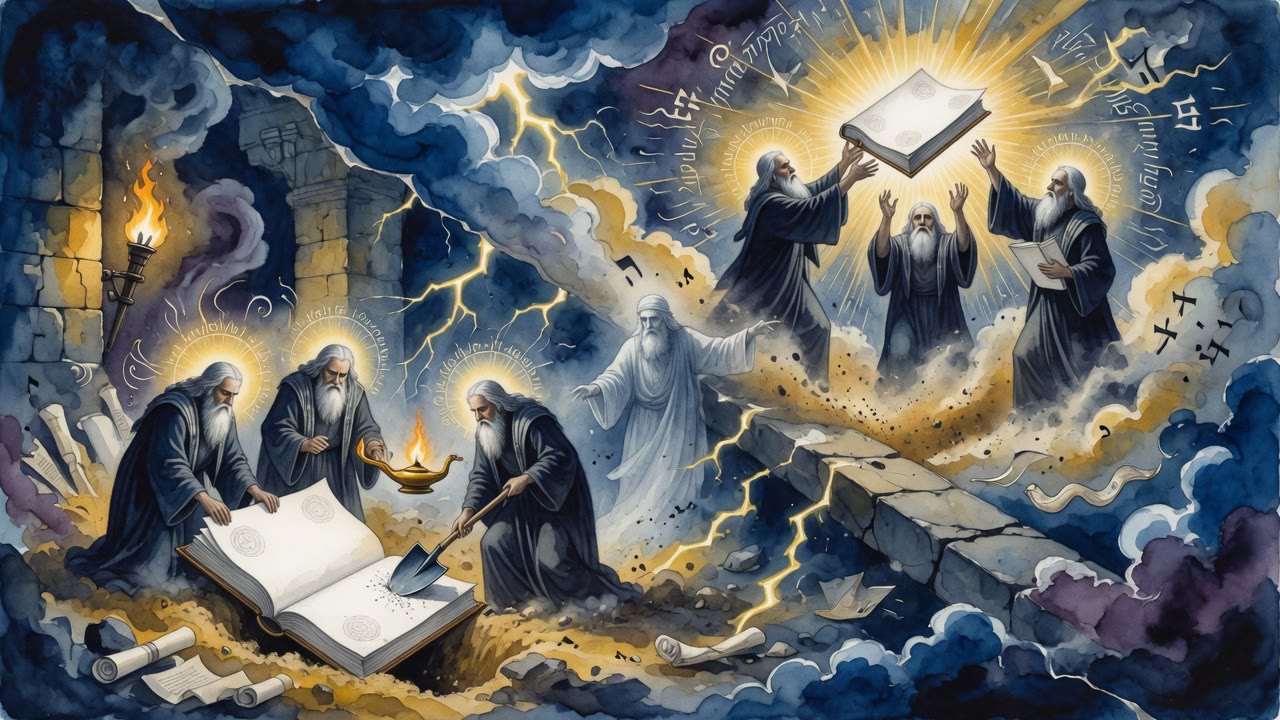
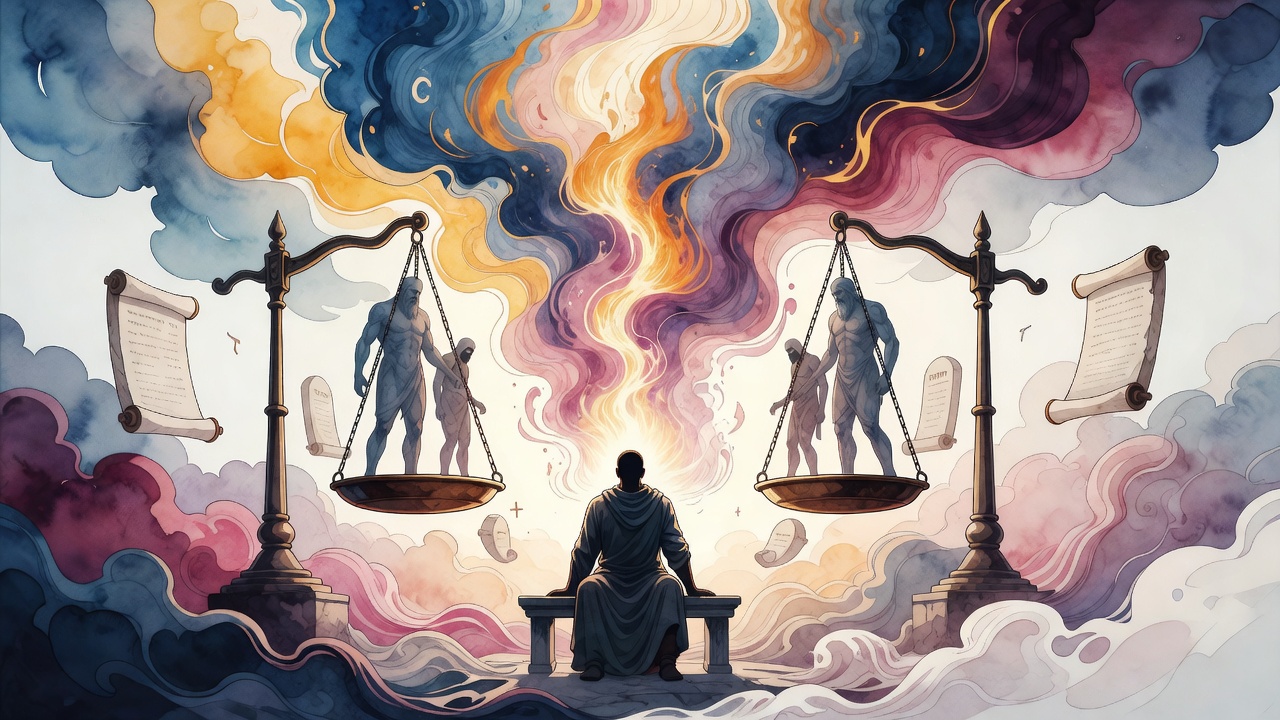
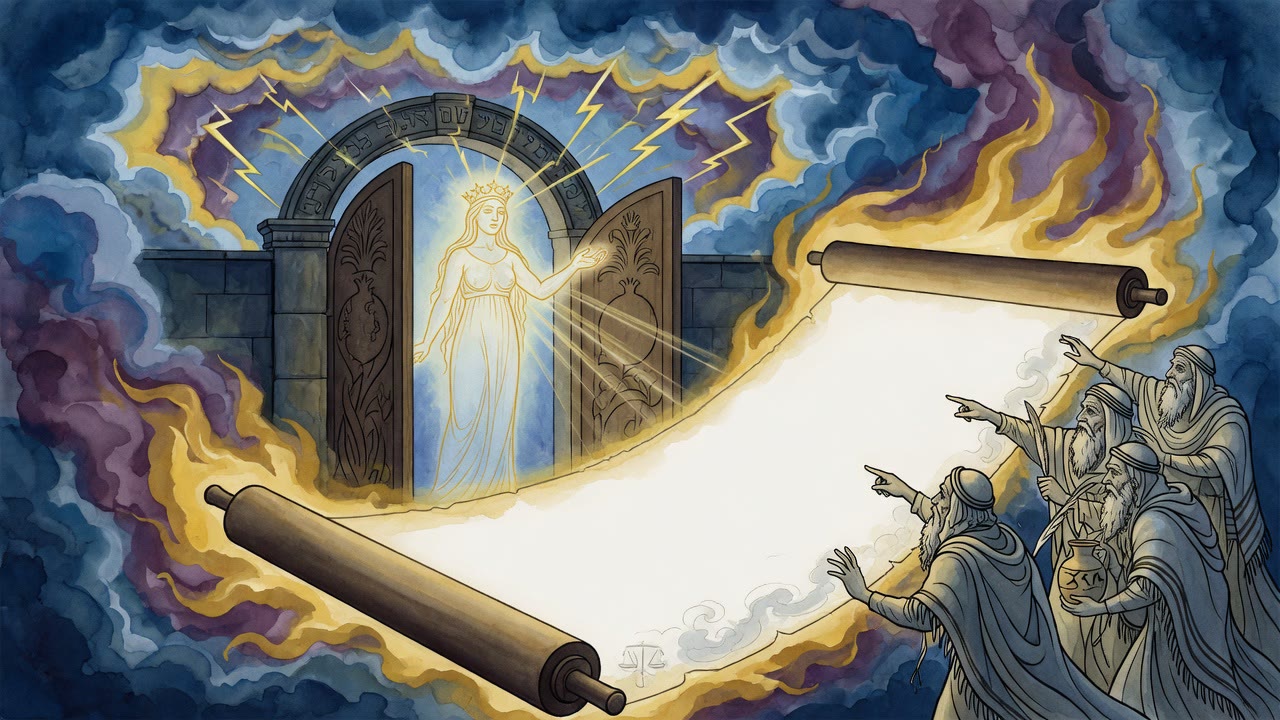
Scrolls lay open in a room where sages argued with their shoulders as much as with their mouths. What profit is there for a man in all his toil under the sun? The question from Kohelet did not sound safe. It sounded like a knife held to the throat of effort itself.
According to the midrash, the sages considered suppressing the entire book. They feared people would hear Solomon's wisdom as a shrug over all labor, even the labor of Torah. If nothing profits, why rise for study before dawn? Why keep faith with a commandment that costs sweat?
Rabbi Binyamin names the fear. Misread, the book could teach despair dressed as sophistication.
His Toil, Not Every Toil
The rescue begins with a pronoun. Solomon was not dismissing every toil. He was aiming at "his toil," the chase of worldly gain that pretends to be the whole of a life. Torah study, the sages insist, does bring profit. The sun-lit marketplace is not the only ledger.
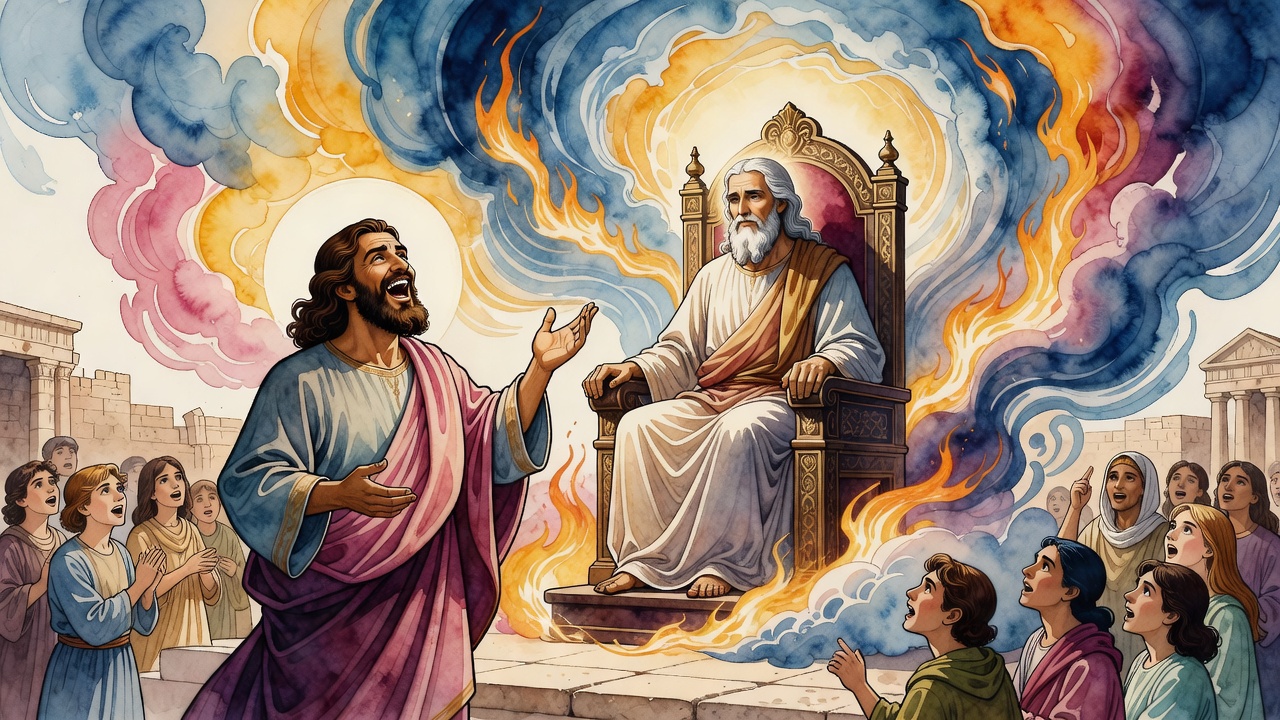
Another alarm sounds at a different verse. Rejoice, young man, in your youth, and walk in the ways of your heart and in the sight of your eyes (Ecclesiastes 11:9). It seems to contradict Moses: do not stray after your heart and after your eyes (Numbers 15:39). Was Solomon unlocking restraint? Was judgment a story for children?
Then the same verse finishes. Know that for all these, God will bring you to judgment. The last clause pulls the young man back from the cliff. The sages, the midrash says, were satisfied. The book could stay because judgment stayed inside it.
Treasure Above the Sun
Rabbi Huna and Rabbi Aha, citing Rabbi Hilfai, draw a further line. Toil under the sun may look fruitless. There is treasure waiting above the sun. Rabbi Yudan and others keep turning the profit question until it stops meaning "nothing matters" and starts meaning "look where you are measuring."
The heart of the wise leans right, the heart of a fool left (Ecclesiastes 10:2). In the same midrashic world, Abraham yields a road to Lot and still keeps the wise side. Kohelet's bleak weather and Genesis's road-split share a map of direction under pressure.
A book that only mocked effort would have been buried. A book that mocked false effort and still pointed to judgment and Torah could be lived with, even when it burned the tongue.
The Room Decides Not to Seal the Scroll
Imagine the moment the argument tips. Someone reads the judgment clause aloud. Shoulders lower. The danger has not vanished. A careless teacher can still weaponize Kohelet against hope. But the sages choose custody over erasure. They will teach the book with fences rather than hide it like contraband.
Suppression would have been simpler. Keeping it requires interpreters who can hold ice and fire in one hand: vanity under the sun, and profit that is not paid in sun-coin.
Solomon's name stays on the scroll. The young man is still told to rejoice, and still told he will be judged. The tension is the point, not a mistake left unedited.
What Profit Remains
Outside that room, people still toil. Some chase silver that rusts. Some rise to learn a page that will outlast their hands. Kohelet walks between them like a man who has owned palaces and found them light as ash in the morning.
The sages nearly buried his book because they loved the people who might mishear it. They kept it because they loved the truth that even a king must face judgment, and because Torah toil is not "his toil" under a blank sky.
The scroll remains open. The question remains sharp. The last word is not despair. It is a reckoning that makes rejoicing honest.
Suppression is a tool of love as much as of fear. The sages do not hate Solomon. They fear a generation that will quote him as license to stop. A book that can be weaponized against Torah must either be fenced or buried. They choose fences: his toil, not every toil; rejoice, then know you will be judged; profit above the sun when under the sun looks empty.
The near-burial of Kohelet is itself a scene. Men with authority over the canon almost close a king's scroll. That almost matters. It tells later readers that the darkness in the book was felt by people who loved Israel enough to consider silence. Keeping the book is not naivete. It is confidence that interpretation can hold a blade by the safe edge.
Abraham's right hand and Lot's left, elsewhere in the same midrashic weather, train the ear for Kohelet's map. Direction under pressure is the shared problem. A young man walking after his eyes and a nephew walking after green water are cousins in folly unless judgment, or a wiser elder's grammar, intervenes.
The scroll stays. The question of profit stays. Teachers inherit the harder job: to let the ice of vanity speak without letting it freeze the will to serve.
← All myths