5 min read

The King Paid the Short-Day Worker Full Wage

At a eulogy for Rabbi Bon, Rabbi Zeira told of a vineyard worker paid for a short day. Heaven keeps the same scale for elders full of Torah.

Curated by Arthur · Told by Maggid ·
Table of Contents
  1. The Sleep of the Worker
  2. The Tent Outside the Camp
  3. David's Delight and the Counsel of the Wicked
  4. Study Halls That Do Not Close
  5. What the Room Owes an Elder
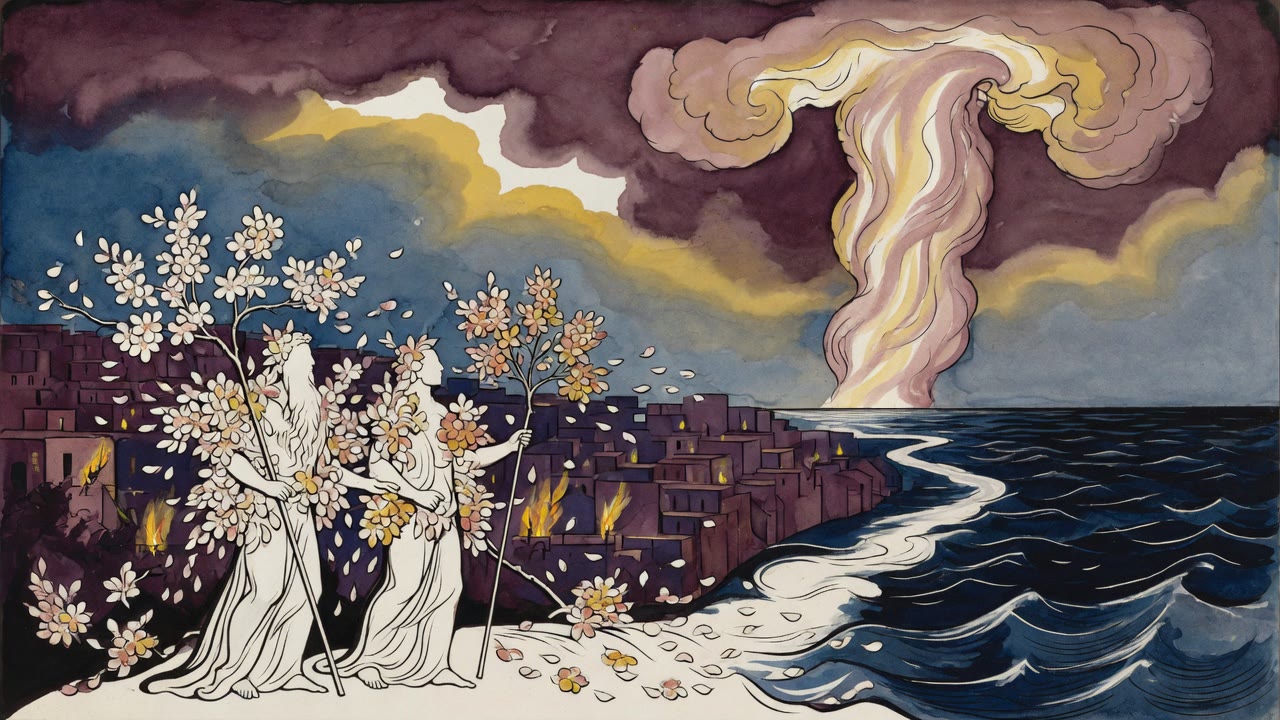
The King Paid the Short-Day Worker Full Wage Click for full size

The Sleep of the Worker

Rabbi Zeira stood over the body of Rabbi Bon ben Rabbi Hiyya and did not open with genealogy. He opened with work. "The sleep of the worker is sweet," he said, and the room filled with men who had known Bon's hands on a scroll more than on a plow. The verse was from Ecclesiastes. The face on the bier still looked like a man who had not finished the page.

Zeira told of a king who hired a crew for a vineyard. One laborer rose earlier, bent lower, and finished rows the others left ragged. The king walked beside him for a stretch of the day, speaking as if the vines themselves leaned in. At sundown the men lined up for wages. The king paid the short-day worker the same silver as those who had stood from first light. The crew grumbled. We toiled the whole day, they said. He worked only a few hours.

The king answered without apology. This one did in a few hours what you did not finish in a whole day. That was Bon, Zeira said. In a short span of years he pressed into Torah what others scatter across a century.

The Tent Outside the Camp

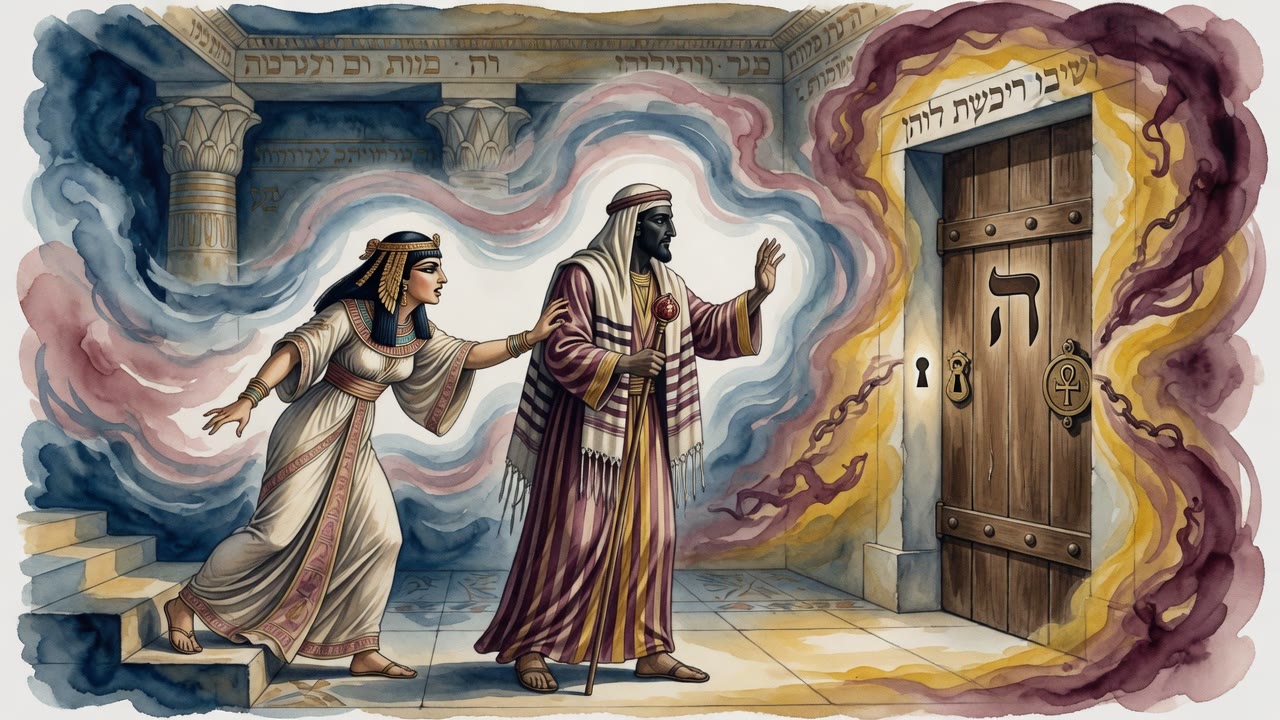
Long before that funeral, Israel had learned what an elder's tent can hold. When Moses pitched the Tent of Meeting outside the camp, Scripture did not say that everyone who sought Moses went out. It said everyone who sought the LORD went out to the tent. The tent was Moses's. The seeking was named for God.

Heaven treated the threshold the same way. Angels, seraphim, and the marching troops of the host did not run their errands without first seeking leave at that door. Behold, they said to one another, he is in the tabernacle of Moses. Even the sun and the moon, before rising to run their courses, came to receive permission. An elder full of Torah is not a private library. To welcome his face is to greet the Shekhinah (שכינה), the divine presence, at the edge of the camp.

Bon had been such a door. Men did not only come for rulings. They came because the room felt thicker than ordinary study, as if a Presence had taken a seat before the student did.

David's Delight and the Counsel of the Wicked

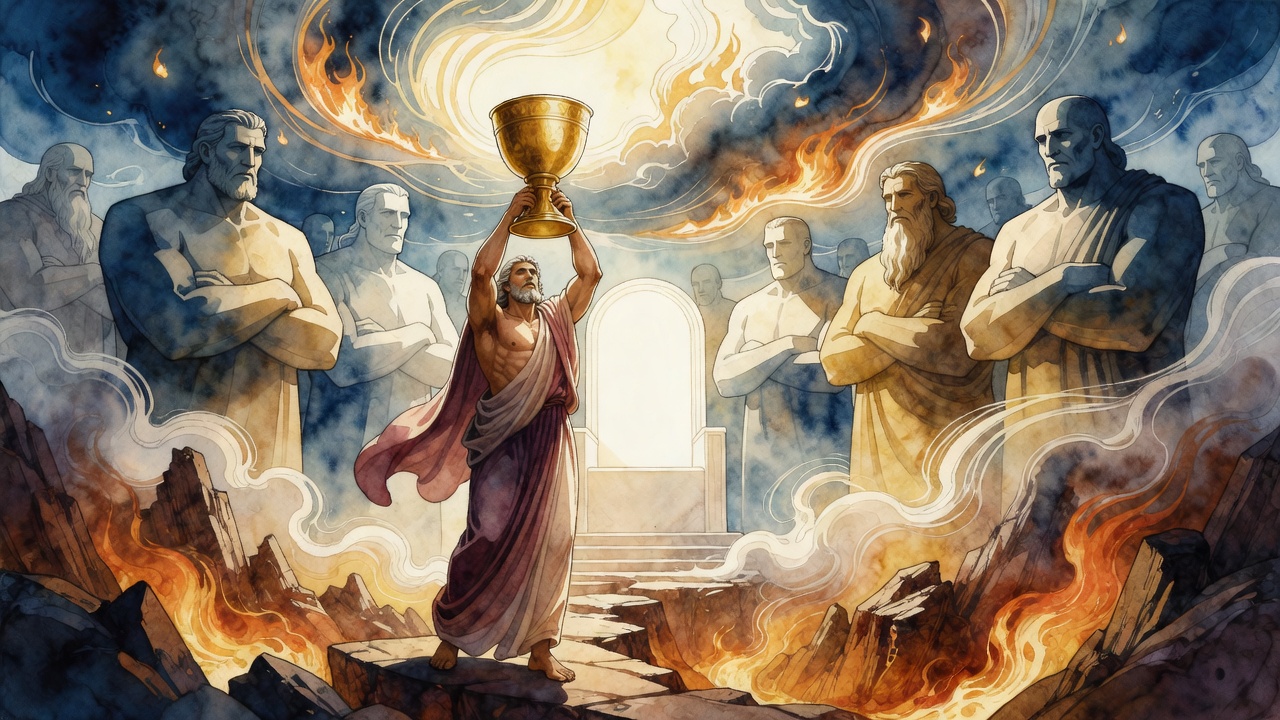
King David knew the same pressure from the other side of the throne. Blessed is the man who does not walk in the counsel of the wicked, nor stand in the way of sinners, nor sit in the seat of scoffers, but his delight is in the Torah of the LORD, and on His Torah he meditates day and night (Psalm 1:1-2). The midrash heard David's own face in that line: a king who set twenty-four priestly divisions and twenty-four Levite courses so the service would not thin out, who asked mercy not as private treasure but as bread for a whole people.

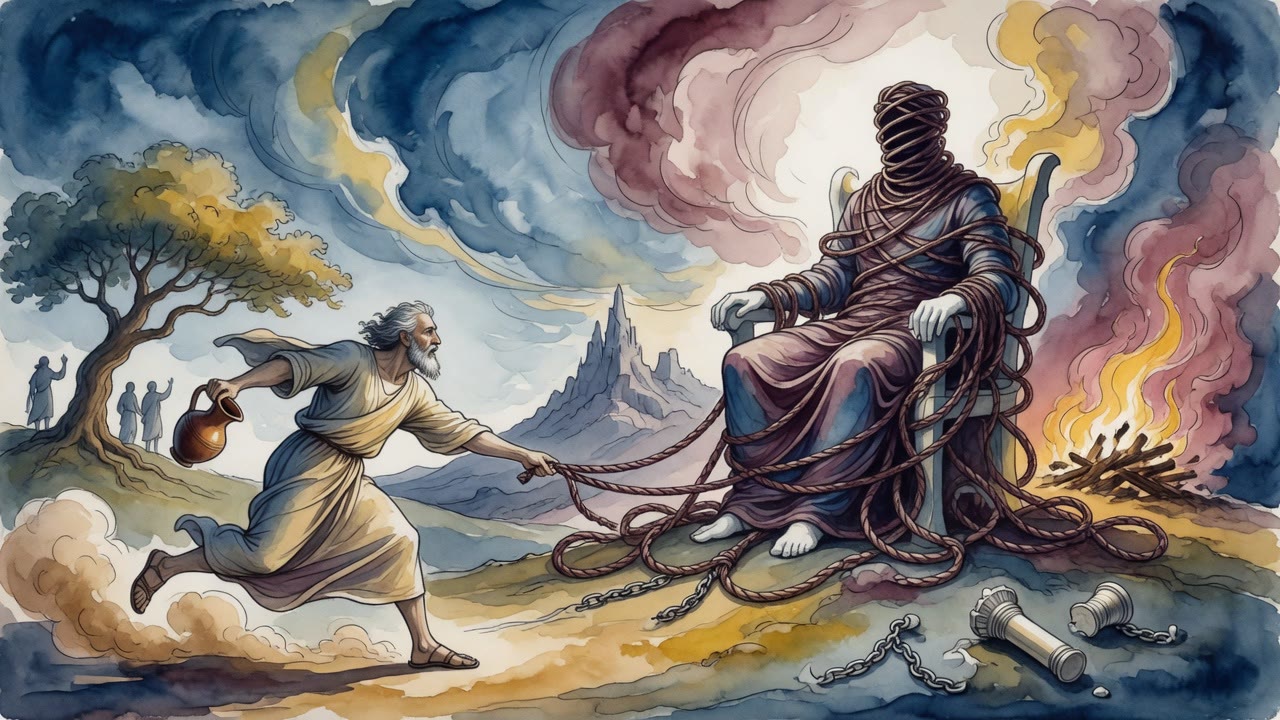
Beside him stood the other path. Doeg and Ahithophel hunted him with counsel that tasted like piety and cut like a knife. Those who seek to destroy the man of delight go down into silence. The vineyard does not only measure hours. It measures which voice a worker lets into his ear while the sun is still high.

Study Halls That Do Not Close

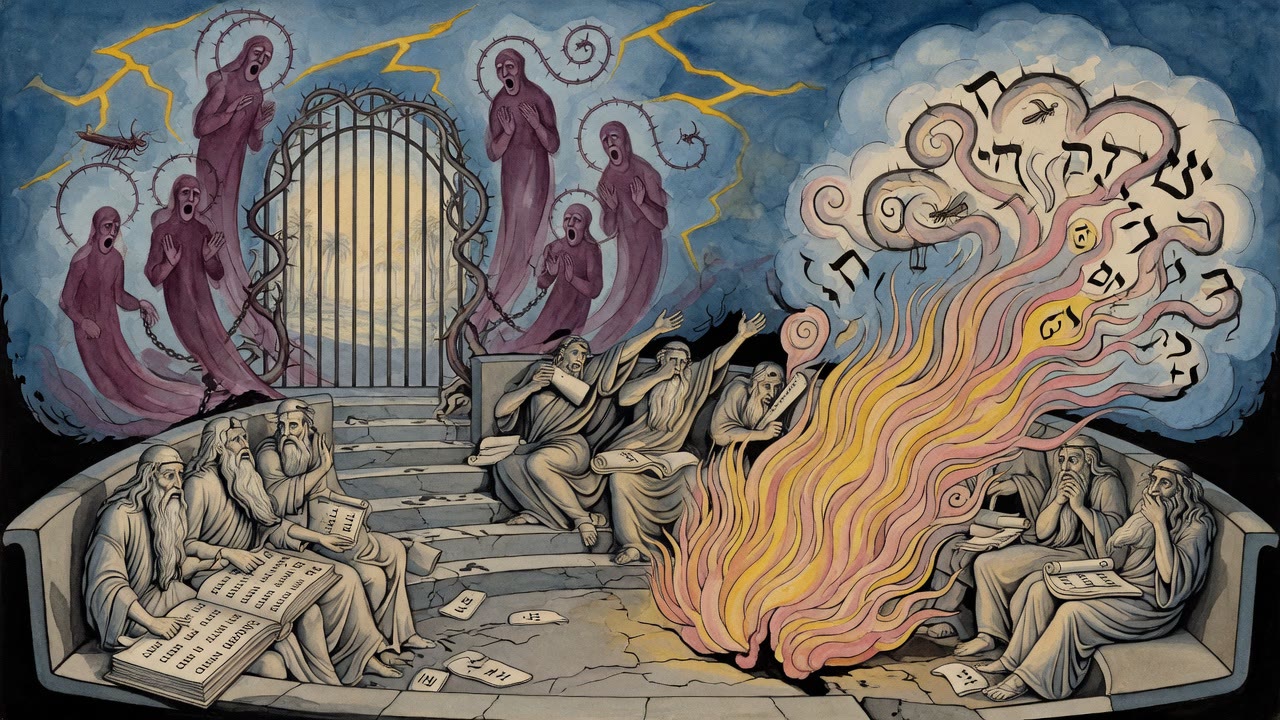
Rabbi Yohanan would not leave Bon in the ground as a finished account. Anyone who labors in Torah in this world, he taught, is led in the world to come into the study halls of Shem and Ever, of Abraham, Isaac, and Jacob, of Moses and Aaron. Rest is not the prize. Greater renown is. The sleep of the worker is sweet, but the worker is not finished.

Imagine Bon rising from the short day into a longer one. The king who paid him equal wages has not closed the books. The ledger opens again under other teachers, with the same intensity that made a century feel crowded into a few years. The eulogy becomes a map. The short day was never small. It was dense.

What the Room Owes an Elder

When a community greets an elder full of Torah, it is not performing courtesy. It is practicing the grammar of Sinai's tent. Seek the LORD, and you may find yourself at a human door. Pay the short-day worker without envy, and you may learn that heaven's wage is not a clock but a harvest. Sit with David against the scoffer, and the delight that rejoices the heart becomes a public defense, not a private hobby.

Zeira's story ends where funerals always end: dust, quiet, the scrape of sandals leaving. The vineyard remains. Somewhere a king still walks the rows, looking for the one whose hands make the short day heavy with fruit.


← All myths

From the tradition

Sources

3 sources

The texts behind this telling. Some cards carry a translation of the source; others are our own retelling of it, and each card says which. Every card links out to the original.

Shir HaShirim Rabbah 2:6Shir HaShirim Rabbah

Retold in our words. Read the original at the link below.The Sefaria Midrash Rabbah, 2022 · CC-BY

The ancient rabbis grappled with this, too. And in Shir HaShirim Rabbah, a collection of rabbinic interpretations on the Song of Songs, we find a fascinating story that touches on exactly this. It’s a story told as a eulogy, no less.

It all starts with the passing of Rabbi Bon ben Rabbi Ḥiyya. Rabbi Zeira arrives to deliver the eulogy, opening with a quote from Ecclesiastes: “The sleep of the worker is sweet.” But it’s what follows that really grabs you.

Rabbi Zeira compares Rabbi Bon to a particularly gifted worker in a king's vineyard. Imagine the scene: The king hires a crew, but one worker stands out. He's just… different. More industrious, more dedicated. The king notices, naturally, and starts spending time with him, walking and talking.

At the end of the day, all the workers line up for their wages. And here’s the kicker: this exceptional worker gets paid the same as everyone else. The other workers grumble. “We toiled all day,” they complain to the king, “and he only worked a few hours! Why does he get the same pay?”

The king, of course, has a ready answer. “This worker,” he explains, “accomplished in those few hours what you didn’t accomplish all day.”

That’s Rabbi Bon, according to Rabbi Zeira. He achieved more in Torah study than even seasoned scholars achieve in a century. for a second. A century!

It speaks to the intensity and focus some individuals bring to their spiritual pursuits. It’s not just about the hours you put in, but what you do with those hours.

But the story doesn't end there. Rabbi Yoḥanan adds another layer. He says that anyone who dedicates themselves to Torah study in this world will continue learning even in the world to come. They won’t be allowed to simply rest. Instead, they’ll be led to the study hall of Shem and Ever, legendary figures of great wisdom. And of Abraham, Isaac, and Jacob, and even Moses and Aaron!

And how long will this education last? Until, as it says in II (Samuel 7:9), "I will give you great renown, like the renown of the great men of the world.” A pretty high bar, wouldn't you say?

What’s fascinating is the concept of continued learning and growth, even after death. It's as if the pursuit of wisdom is a journey without end. The opportunity to delve deeper into Torah, to understand more, never ceases.

So, what does this all mean for us? Perhaps it’s a reminder that the quality of our effort matters just as much, if not more, than the quantity. And maybe, just maybe, it offers a glimpse into a future where the learning never stops.

Full source
Midrash Tanchuma Buber, Ki Tisa 15:3Midrash Tanchuma Buber, Ki Tisa

Translation of the source text.Midrash Tanchuma (Buber), Public Domain, on Sefaria · CC-BY-SA

"And it came to pass that everyone who sought the LORD" (Exodus 33:7). "Everyone who sought Moses" is not written here, but rather "everyone who sought the LORD." This teaches that everyone who welcomes an elder who is full of Torah, it is as though he welcomes the face of the Shekhinah. For even the angels, the seraphim, and the troops would seek him in order to receive permission from him to go forth. They would say to one another, "Behold, he is in the tabernacle of Moses." The sun and the moon, when they seek to receive permission to go forth into the world, go to the tent, "and it came to pass that everyone who sought the LORD [would go out to the Tent of Meeting that was outside the camp]" (Exodus 33:7).

Full source
Midrash Tehillim 1:1Midrash Tehillim

Retold in our words. Read the original at the link below.Rabbi Mike Feuer, Jerusalem Anthology · CC-BY

We all do. But what if the key to a blessed life was simpler than we think?

(Psalm 1:1-2) opens with a powerful image: "Blessed is the man who does not walk in the counsel of the wicked, nor stand in the way of sinners, nor sit in the seat of scoffers. But his delight is in the law of the Lord, and on his law he meditates day and night."

It's about actively seeking good, finding joy in Torah – in the teachings and guidance that connect us to something bigger than ourselves. The ancient collection of homiletic teachings on the Book of Psalms, Midrash Tehillim, sees in this verse a portrait of King David himself.

Think about David. He wasn't just a warrior king. He was a leader who cared deeply for his people. The Midrash (rabbinic interpretive commentary) tells us he established 24 priestly divisions and 24 Levite divisions, all to ensure the smooth running of the Temple and the spiritual well-being of Israel. He yearned for God's mercy, not for personal gain, but to bless his entire nation. That's a leader focused on the collective good. That's where he found blessing: in service, in devotion, in seeking God's presence. “Blessed is the man,”.

But there's always a flip side, isn't there? The Midrash Tehillim contrasts David with those who sought his downfall. (Psalm 63:9) says, "But those who seek to harm me will be destroyed; they will go down to the depths of the earth." The text specifically mentions Doeg and Ahithophel. These weren't just enemies; they were betrayers, figures who actively plotted against David. Their fate, according to the Psalm, is a stark warning.

So, what’s the takeaway here? Is it simply “be good, avoid evil”? Maybe it's a bit more nuanced than that. It's about consciously choosing the path of righteousness, not just passively avoiding the wrong one. It's about actively seeking connection with something sacred, something that inspires us to be better, to do better. And maybe, just maybe, that's where we find true blessing.

Full source