5 min read

Eliezer Ran from the Plow Straight to Torah

At twenty-two Eliezer left his father's fields for Jerusalem. Hyrcanus came to disinherit him and found a son already teaching Torah.

Curated by Arthur · Told by Maggid ·
Table of Contents
  1. The Road Away from the Field
  2. Hyrcanus Comes with a Decree
  3. The Head of the Hall
  4. The Inheritance He Refused
  5. What the Fields Could Not Teach

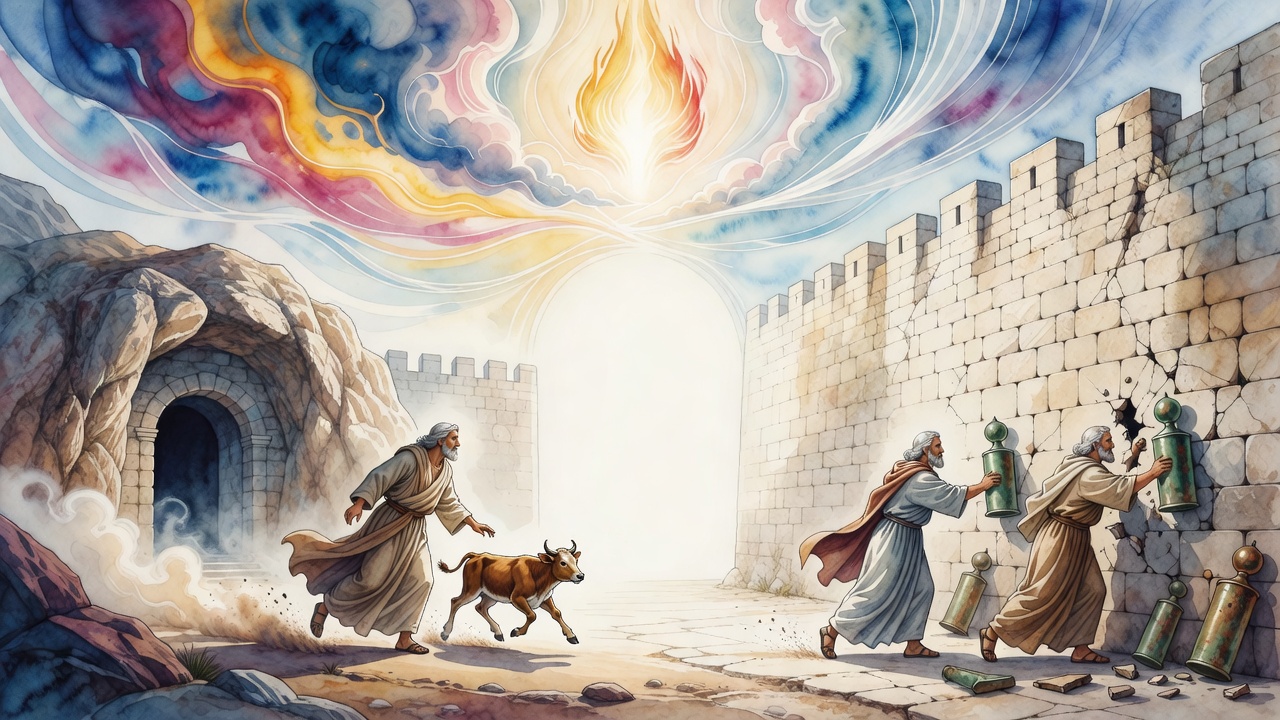
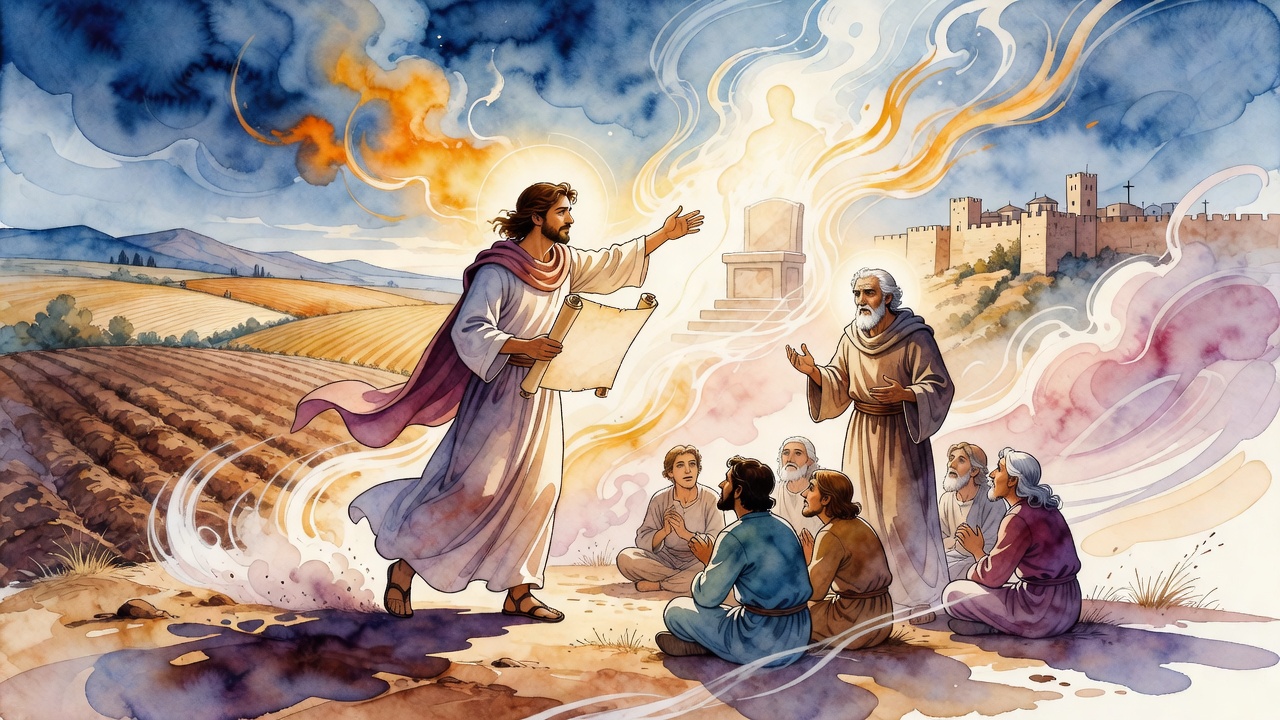
The plow handle blistered his palms for the last time. Eliezer ben Hyrcanus set it down in the furrow and did not pick it up again. He was twenty-two, older than the boys who usually walked into a study hall, and his father owned enough land to keep a son busy until his hair went white. Eliezer wanted none of it. He wanted the scroll more than the seed.
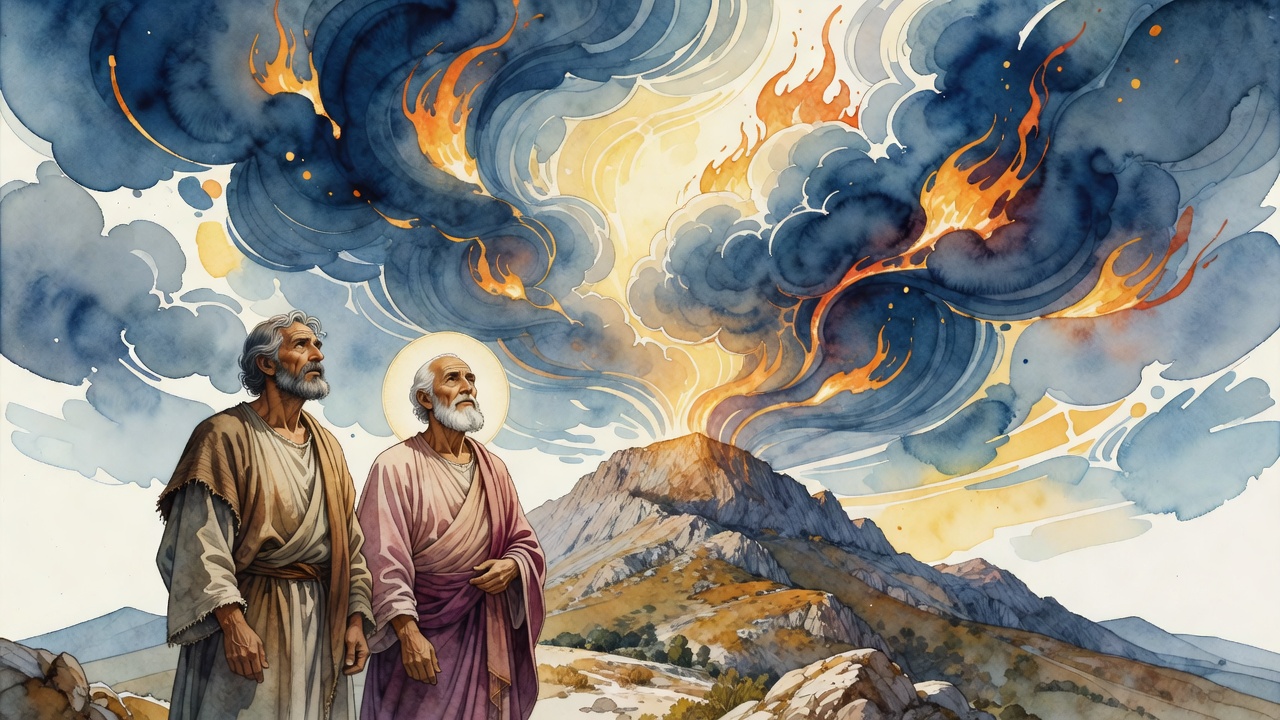
Eliezer Ran from the Plow Straight to Torah Click for full size

The Road Away from the Field

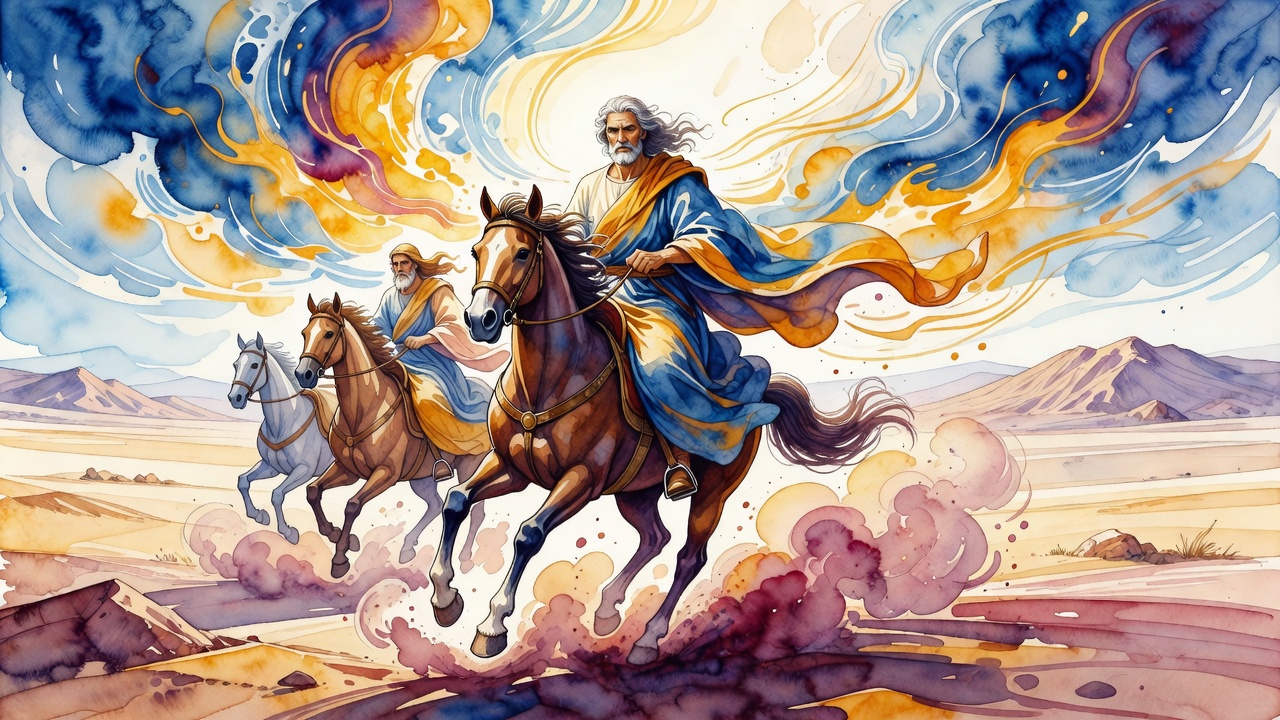
He left before dawn so the arguments would not find him. The fields of his house produced grain for a generation. He walked toward Jerusalem with empty hands and a hunger that no harvest could feed. At the academy of Rabban Yohanan ben Zakkai he sat among students who had begun their learning as children. He began late. He began anyway.

In another city a mother once brought her son to a baker in Caesarea and pleaded, "Teach my son a craft." The baker promised five years and five hundred species of wheat, then another five years and a thousand more. The boy could have spent a decade learning the names of grain and never once tasted the bread of Torah. Eliezer had already lived that bargain on his father's land. He chose the other hunger and kept walking until the city walls rose like a second horizon.

Road dust stuck to his ankles. Each mile was a refusal of the inheritance that waited if he turned back. He did not turn back. Night found him sleeping near strangers who asked what trade he followed. "Learning," he said, and they laughed until they saw he was not joking.

Hyrcanus Comes with a Decree

Hyrcanus did not take the desertion quietly. He rode to Jerusalem with one purpose: to stand before the greatest men of the city and cut his son out of the inheritance in public. Disinheritance was a weapon. He meant to use it where everyone could hear the metal of it.

He entered the academy while the hall was full. The greatest men of Jerusalem sat in their places. Rabban Yohanan ben Zakkai was among them. And Eliezer was not on a bench at the edge. He was standing in front of them all, teaching, hands moving as if still measuring furrows, only now the furrows were arguments.

Hyrcanus stopped in the doorway with the speech still cold on his tongue. The son he had come to erase was already speaking words that held the room still.

The Head of the Hall

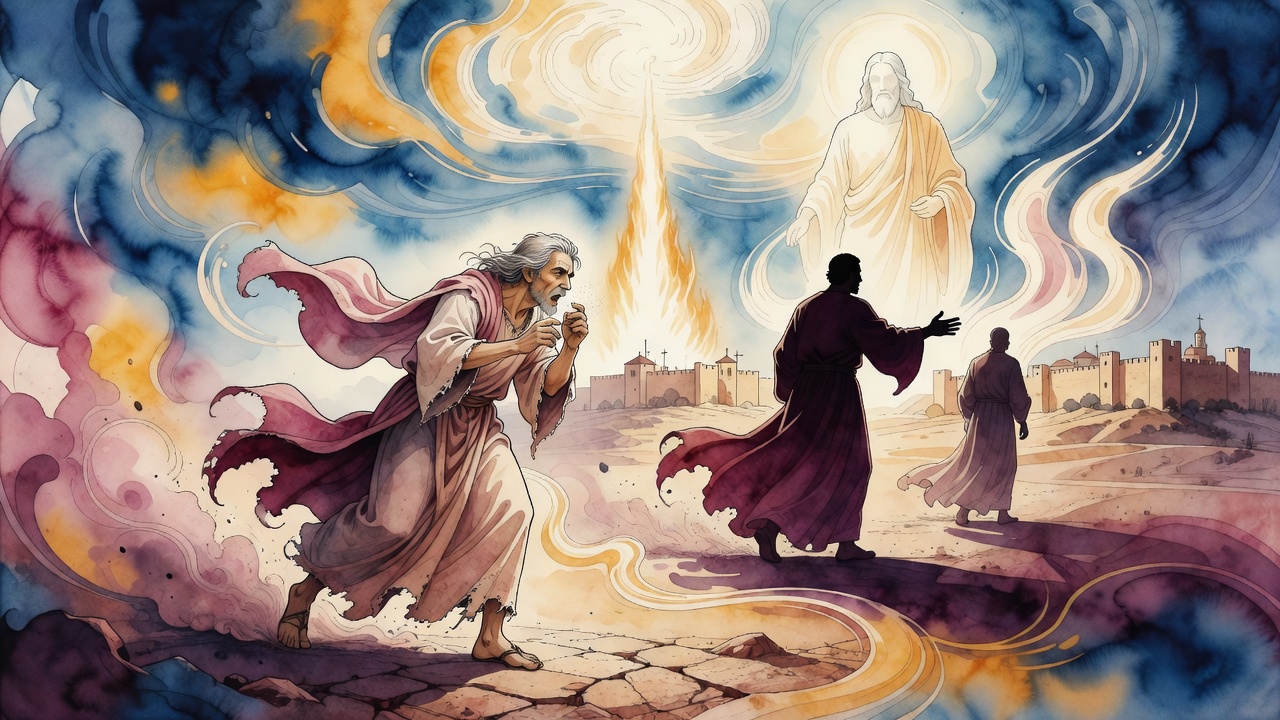
Rabban Yohanan saw the father enter. He did not wait for the decree. He said, "Your son Eliezer, sit him at the head, for one day he will be the greatest sage in Israel."

The words hit harder than any curse Hyrcanus had prepared. Anger has a shape when it is pure. Pride has another. When the master of the generation names your runaway son as the future head of Israel, the two shapes collide and one of them dies. Hyrcanus felt his fury melt the way wax melts under a lamp.

He spoke the reverse of what he had come to say. "I came here to disinherit my son. Now I disinherit all my other sons and give everything to Eliezer." The hall heard the pivot. Eliezer looked at his father and did not smile.

The Inheritance He Refused

Eliezer refused the gift. He had not fled the plow to become rich on a verdict. He wanted wisdom, not the fields his brothers still worked. The sages would later compare his knowledge to a plastered cistern that never lost a drop. His father's grain fed bodies for years. His Torah fed souls for centuries.

The commandment to guard a father's teaching runs in both directions. A father commands. A son sometimes answers by becoming what the father could not imagine. Scripture says to keep a father's commandment and not forsake a mother's teaching, binding them as a wreath on the head and a necklace on the throat (Proverbs 6:20-21). Eliezer kept the deeper command. He honored the house by leaving it for the Book.

What the Fields Could Not Teach

Professional weariness, the sages say, comes when a person drowns in craft until the craft owns the person. Five hundred kinds of wheat will not open heaven. A late student who sits at the head because the master insists can open a door that wealth never unlocked. Eliezer left the furrow. The furrow closed behind him. The hall remained open.

At night he still dreamed of the plow, the way a freed man dreams of a rope that no longer holds him. In the dream the handle was warm. In the morning the bench was harder than any field, and he preferred it. Years later men still called him Rabbi Eliezer the Great. He measured arguments. He held them without spilling.


← All myths
From the tradition

Sources

3 sources

The texts behind this telling. Some cards carry a translation of the source; others are our own retelling of it, and each card says which. Every card links out to the original.

Exempla of the Rabbis, No. 170Exempla of the Rabbis (Gaster, 1924)

Retold in our words. Read the original at the link below.The Exempla of the Rabbis, Moses Gaster (1924) · Public Domain

Eliezer ben Hyrcanus was the son of a wealthy landowner who wanted nothing more than for his boy to work the fields. But Eliezer wanted Torah. At the age of twenty-two, far older than students usually began, he ran away from home to study at the academy of Rabban Yohanan ben Zakkai in Jerusalem.

Pirkei DeRabbi Eliezer (Chapter 1) tells the story in vivid detail. Eliezer's father, Hyrcanus, was furious. He traveled to Jerusalem to disinherit his son publicly. When he arrived at the academy, he found the greatest men of Jerusalem gathered, including the legendary Rabban Yohanan ben Zakkai himself. And his son Eliezer was standing before them all, teaching Torah.

Rabban Yohanan saw Hyrcanus enter and said: "Your son Eliezer, sit him at the head, for one day he will be the greatest sage in Israel." When Hyrcanus heard this, his anger melted. Instead of disinheriting Eliezer, he declared: "I came here to disinherit my son. Now I disinherit all my other sons and give everything to Eliezer."

Eliezer refused the inheritance. He did not want wealth, he wanted wisdom. The son who abandoned the plow for the scroll became Rabbi Eliezer the Great, whose knowledge the sages compared to a plastered cistern that never lost a single drop. His father's fields produced grain for a generation. Eliezer's Torah has fed souls for two thousand years.

Full source
Kohelet Rabbah 8:2Kohelet Rabbah

Retold in our words. Read the original at the link below.The Sefaria Midrash Rabbah, 2022 · CC-BY

Kohelet Rabbah, the commentary on Ecclesiastes, gets it. It starts with the line "all matters are wearying." But it doesn't stop there with the doom and gloom. It actually dives into what kind of weariness

The Rabbis suggest it's "professional matters" that wear us down – specifically, when we study them in an "obsessive fashion." It’s that feeling of being consumed by something, losing yourself in the details until you can’t see the forest for the trees.

To illustrate, Kohelet Rabbah shares a fascinating story. Rabbi Elazar, quoting Rabbi Hanina son of Rabbi Abbahu, tells of a woman who brought her son to a baker in Caesarea. “Teach my son a craft,” she pleaded.

The baker, quite confidently, replied, “Let him stay with me for five years, and I will teach him five hundred species of wheat!” Now, that’s a specific curriculum! The idea was that the boy would learn to distinguish between them and know the best use for each.

He stayed those five years, absorbing all that wheaty wisdom. The baker then upped the ante: "Another five years, and I'll teach him one thousand species!" Wait a minute...one THOUSAND species of wheat? Is that even possible?

The text acknowledges the absurdity. The Rabbis chime in, saying, “Wheat of Minit, there are numerous types of wheat.” Minit was a high-quality wheat mentioned in Ezekiel (27:17). Rabbi Aḥa even claimed there were five hundred species just of that type – a clever connection to the numerical value of the Hebrew letters in the word Minit! (Mem – 40, nun – 50, yod – 10, tav – 400). But then, Rabbi Hanina and Rabbi Yonatan did some calculating and landed on a more modest, yet still impressive, sixty.

And the stories don't end there! Rabbi Elazar, this time quoting Rabbi Yosei, offers another tale: A woman seeks to apprentice her son to a chef. The chef promises to teach him one hundred species of eggs in four years, and then another hundred in the following four.

Rabbi Yehuda HaNasi, upon hearing this, exclaimed, "We have never seen such goodness!" Was he impressed by the sheer variety? Or maybe the chef’s ambition? Or perhaps, the ridiculousness of it all?

So, what’s the point of these somewhat outlandish stories? It seems Kohelet Rabbah is using hyperbole to make a point. It isn't necessarily about the literal number of wheat species or egg varieties. It's about the potential for any pursuit, any profession, to become overwhelming if pursued with an unhealthy obsession. It's about the weariness that comes from getting lost in the minutiae, from losing sight of the bigger picture.

Maybe it's a call to step back, to avoid getting bogged down in the endless details. To remember that sometimes, less is more. That true mastery isn’t about knowing everything, but about knowing what truly matters. Maybe it's a reminder to find joy and wonder even in the most mundane tasks, without letting them consume us entirely.

Are there "five hundred species of wheat" in your own life? And how can we find a healthier, more balanced approach to our passions and professions?

Full source
Midrash Mishlei 6:5Midrash Mishlei

Translation of the source text.Midrash Mishlei (Buber) · CC-BY

(Proverbs 6:20): "Guard, my son, the commandment of your father", what is written after it? (Proverbs 6:21): "Bind them upon your heart always," etc. Why? (Proverbs 6:22): "When you walk it shall lead you", in this world; "when you lie down it shall watch over you", at the hour of death; "and when you awake it shall talk with you", in the world to come.

Full source