Jethro Left Sinai So Israel Could Hear Alone
Moses served Jethro at a desert feast, then sent him home before Sinai, while Jethro's line later earned Jericho and Sanhedrin seats.
Table of Contents
 Click for full size
A Priest at the Bush
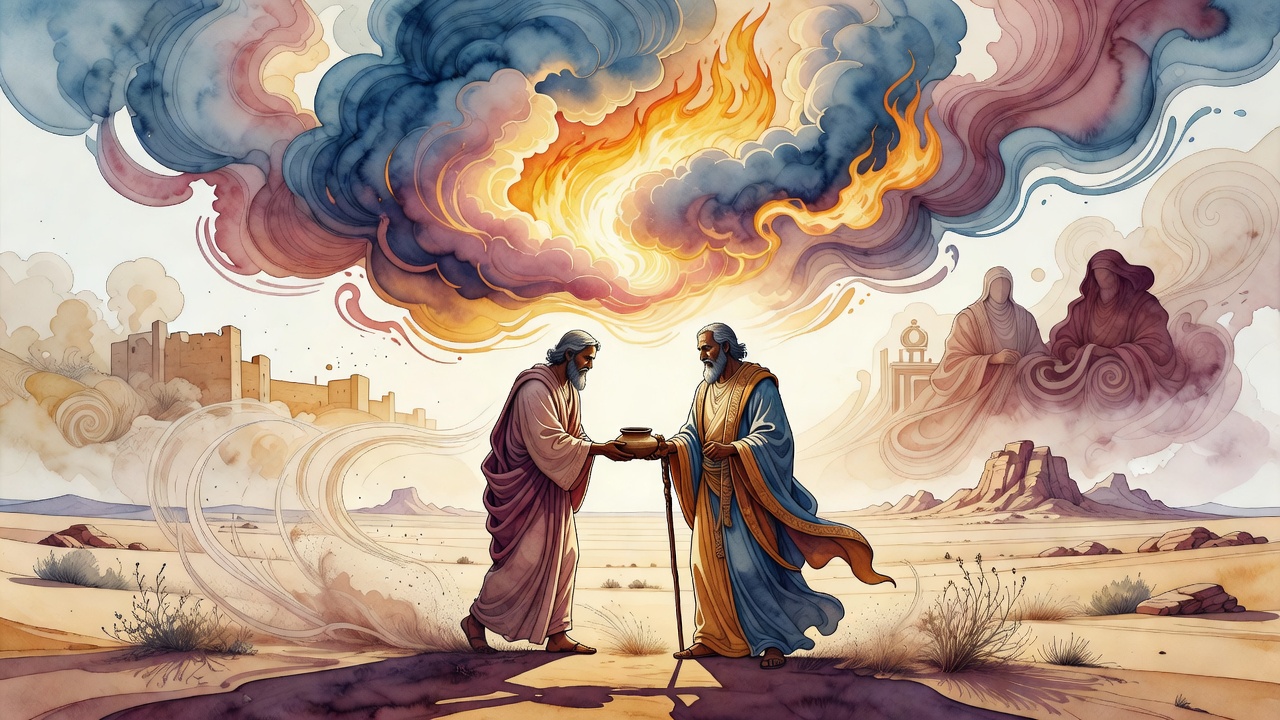
Jethro, priest of Midian and father-in-law of Moses, came into the Israelite camp with the weight of a man who had already recognized the God of the Exodus. The camp answered with sacrifice and feast. Jethro offered a burnt offering near the place of the burning bush, where God had first spoken to Moses, and the air filled with smoke, fat, and celebration that tried to ignore the desert's hard edges.
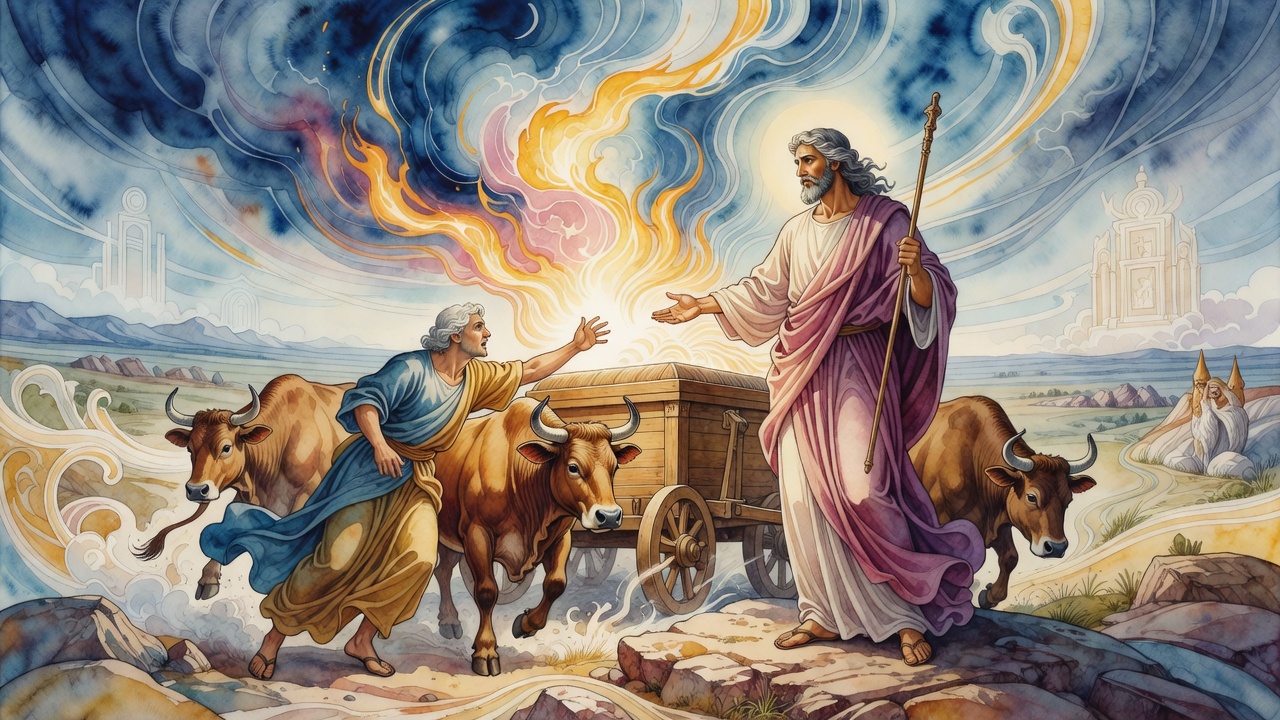
Moses did not stand above the table as a remote lawgiver. He waited on the guests himself, following the pattern of Abraham, who had served strangers under the trees of Mamre. The man who spoke with God poured for his father-in-law. Prestige bent into service. Aaron and the elders ate bread with a Midianite priest whose arrival marked more than family news. It marked a foreign wisdom bowing toward Israel's fire.
The feast was real hospitality. It was also the last easy hour before a harder kindness.
Sent Away Before the Thunder
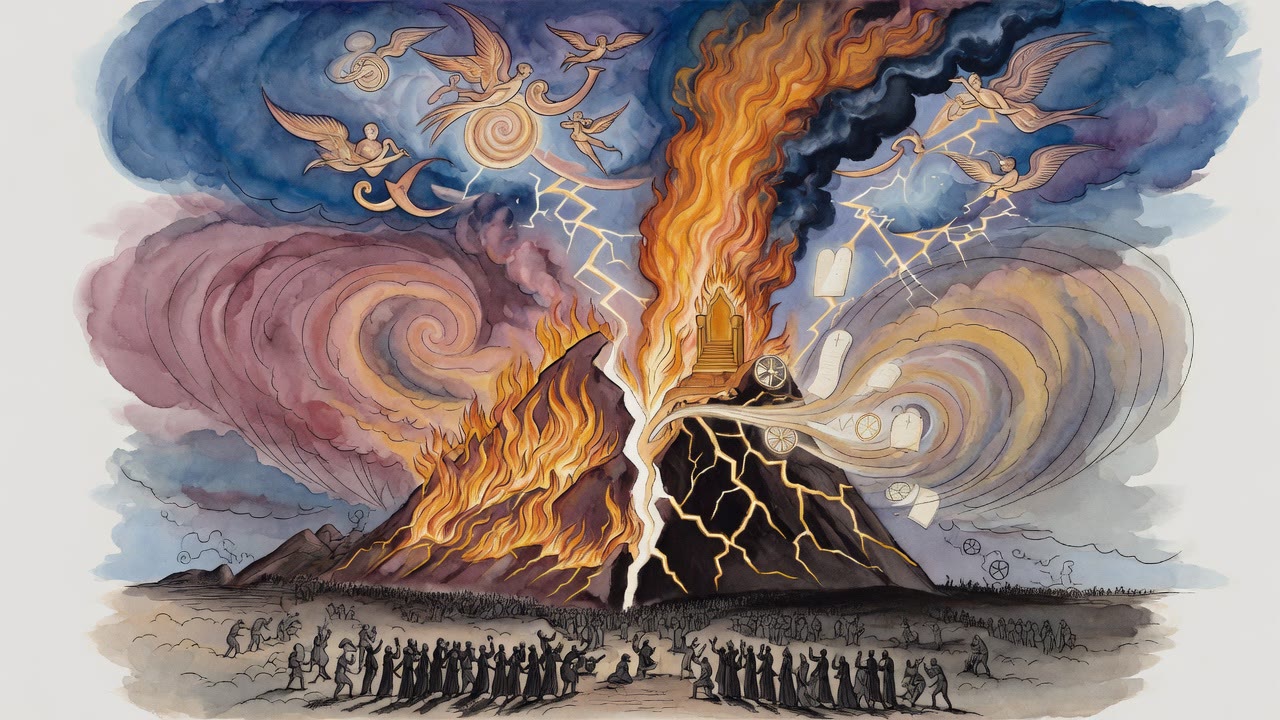
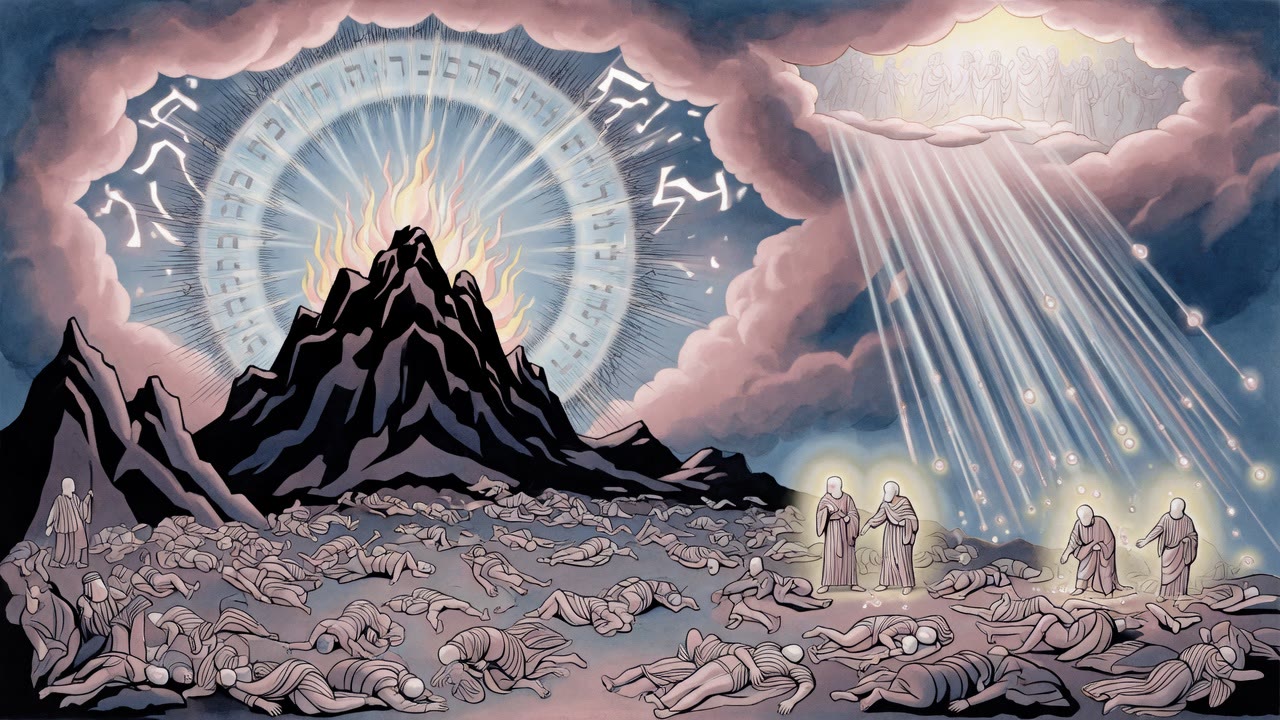
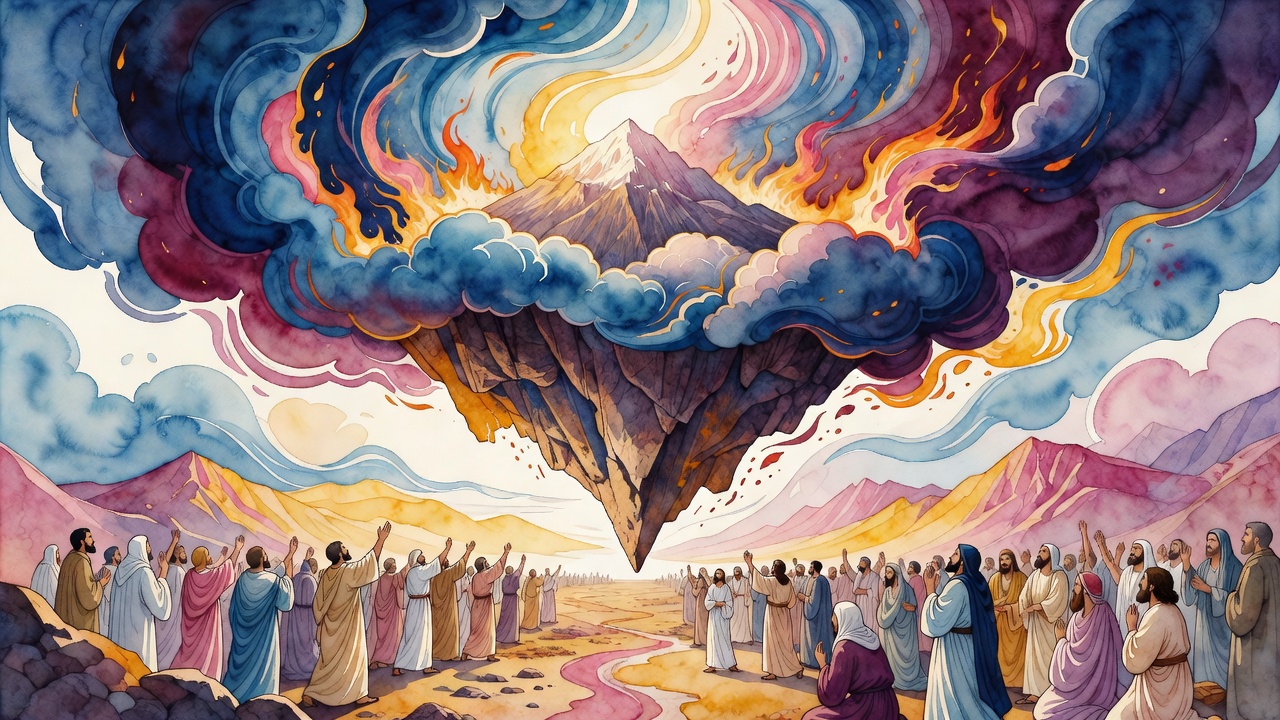
Before the giving of the Torah, Moses sent Jethro home. The reason was sharp as a boundary stone. When God gave Israel a single commandment in Egypt, the Passover, He said no stranger should eat of it. Moses reasoned that Jethro must not stand watching while God bestowed the whole Torah on a people forged in brick yards.
God's own word cut deeper still. Israel had suffered clay and bricks in Egypt while Jethro sat in Midian in peace. He who suffers with the community shall share their future joys. He who does not share the sufferings shall not take part in their rejoicing. Jethro was wise and righteous. He had not been a slave. Sinai would open for those who had carried the bricks and buried children under decrees.
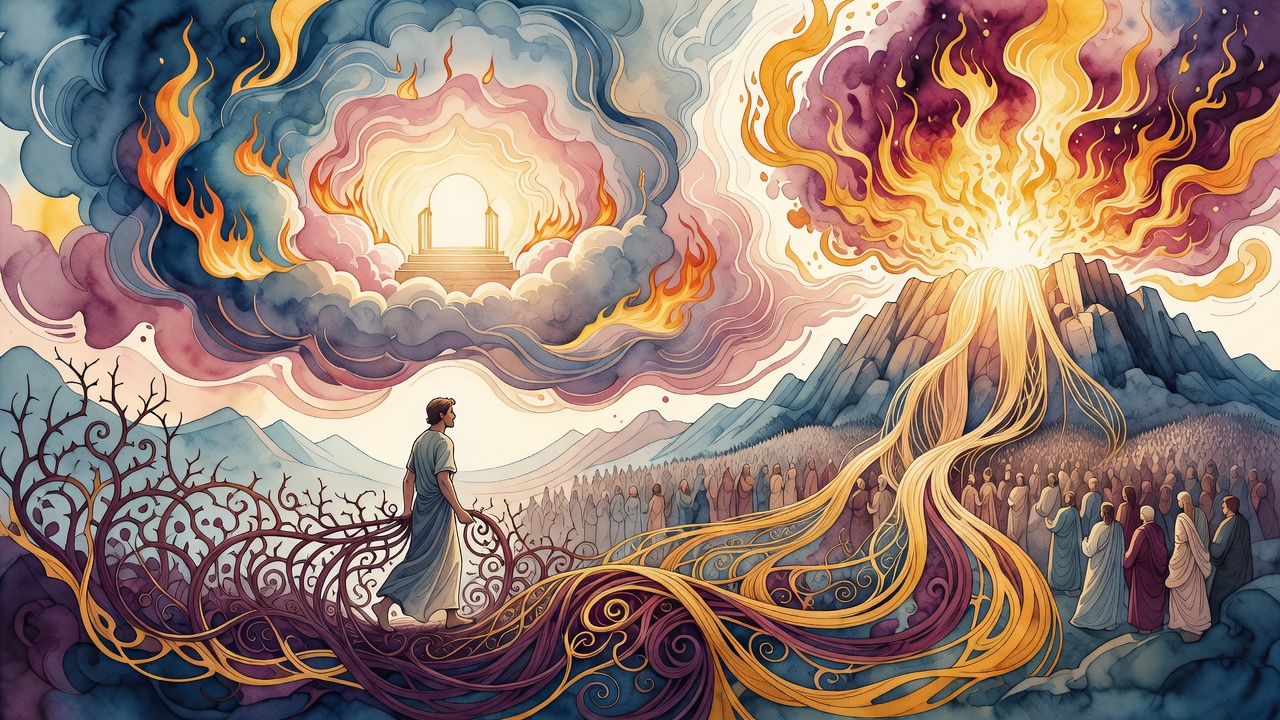
So the priest who had feasted beside Moses turned back toward home while the mountain still waited. Love of the community set a border even against a beloved guest. The table that had honored him could not become a ticket to the thunder.
Jericho for Converts
Later generations told another story about Jethro's house. After the conquest, the tribes held the fertile land of Jericho as a prize for whichever tribe would one day host the Temple. Palm and spring made it a gift worth waiting for. The Temple was delayed. Years stacked into decades.
Jethro's sons, proselytes without a tribal portion on the original map, received Jericho instead. For four hundred and eighty years his descendants thrived there on land given because they had joined Israel without a birthright chart. Belonging arrived as a gift of the tribes, not as a conquest of their own sword. The land of dates became a convert's inheritance.
From Soil to Study
Those descendants poured themselves into Torah. While Joshua lived, they sat at his feet and learned the shape of a people still settling. When Joshua died, they faced a choice that cut against comfort. If they farmed Jericho's rich soil, when would they study? The question was not lazy piety. It was a schedule problem with eternal stakes.
They left the fertile gift and went to the harsh wilderness, to Jabez, where one of their own kept a house of instruction. Piety, the legends say, can travel by commitment when blood is not enough. They traded shade and water for a beit midrash and the long work of learning what Jethro had only begun to honor.
Rechabites in the Court
From that line came the Rechabites under Jonadab son of Rechab. He foresaw the Temple's fall and commanded his children a life of refusal: no wine, no oil for anointing, uncut hair, no settled houses. The commands rejected comfort as if comfort itself were a slow betrayal of coming grief.
They obeyed generation after generation. The sages imagined that fidelity earning seats in the Sanhedrin, the supreme court, for people who had entered Israel through Jethro's door rather than Jacob's tent. The Midianite priest who left Sinai so Israel could hear alone still planted a house that learned to hear until the court made room for their vow.
Jethro's absence at the mountain did not erase his future inside Israel's judgment seat. It delayed him until suffering and study had done their work in his children's children.
The feast near the bush and the empty seat at Sinai frame the same man twice. First he is served by Moses. Then he is excused from thunder. Between those hours stands a rule older than etiquette: shared pain is the ticket to shared joy, and Midian's quiet years could not buy Egypt's night of blood on the door.
When later ages gave his seed Jericho and then watched them leave for Jabez, the pattern repeated in softer clothes. Gift without study was not enough. Study without a court's recognition still waited. The Rechabite vow finally answered the absence at the mountain with a presence in the Sanhedrin that cost wine, oil, haircuts, and houses.
← All myths