5 min read

A Water Drinker Offers at the Temple Altar

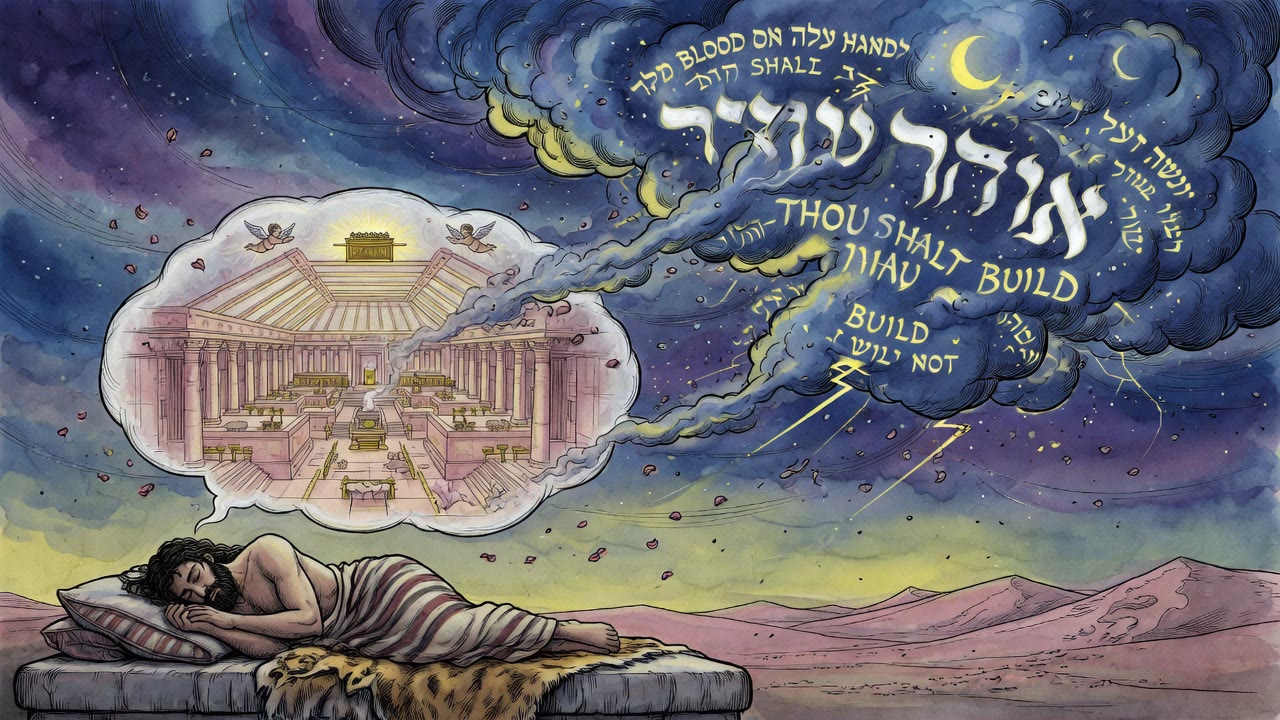
A Rechabite who never tastes wine brings a sacrifice. A bat kol, a heavenly voice, answers from the Holy of Holies while Judah still counts its fasts.

Curated by Arthur · Told by Maggid ·
Table of Contents
  1. Only Water
  2. Voice From the Holiest Room
  3. Fasts That Still Bite
  4. Wine Refused, Fire Received
  5. After the Voice
A Water Drinker Offers at the Temple Altar Click for full size

Only Water

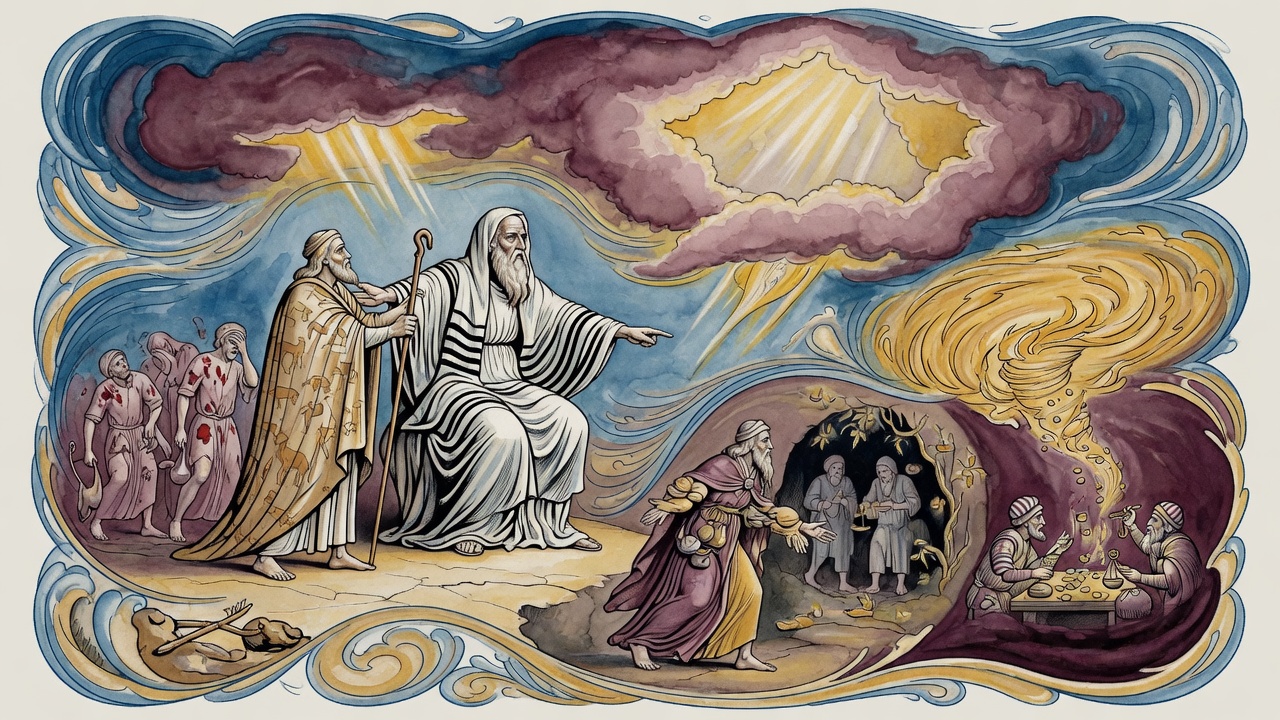
He had never let wine touch his tongue. Neither had his father, nor the long line back to Yonadav ben Rechav, who bound his house to tents, simplicity, and water (Jeremiah 35:6). While other Israelites lifted cups at feasts, the Rechabites lifted nothing but the clear stuff of wells. The vow was older than their oldest living memory and still held.

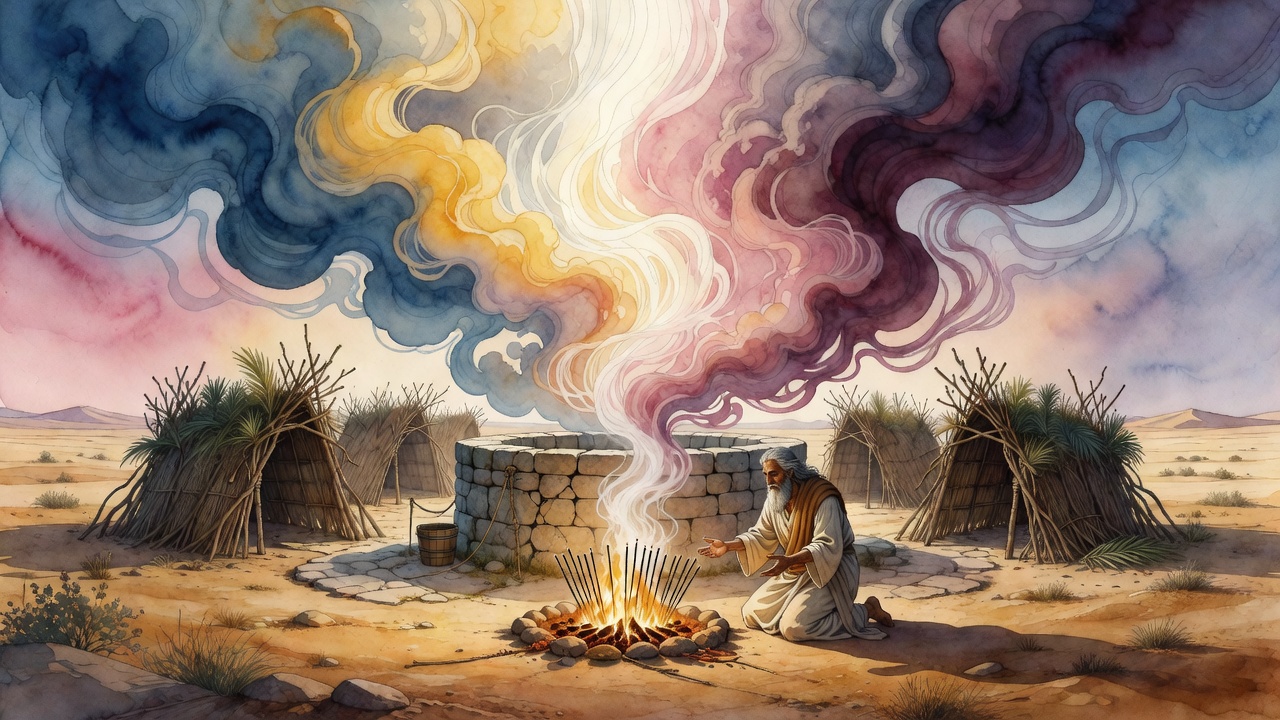
One of them walked into the Temple with an offering. Sandals that knew open country now crossed stone that knew blood and song. Priests took the animal. Fire waited. The water drinker stood as his ancestors had stood in spirit in the desert, bringing a gift to the same God without the luxury of vineyards.

He expected the quiet of ritual. He did not expect the ceiling of the world to answer.

His throat was dry from road dust and principle. He swallowed water from a skin and watched smoke begin to lean toward heaven.

Voice From the Holiest Room

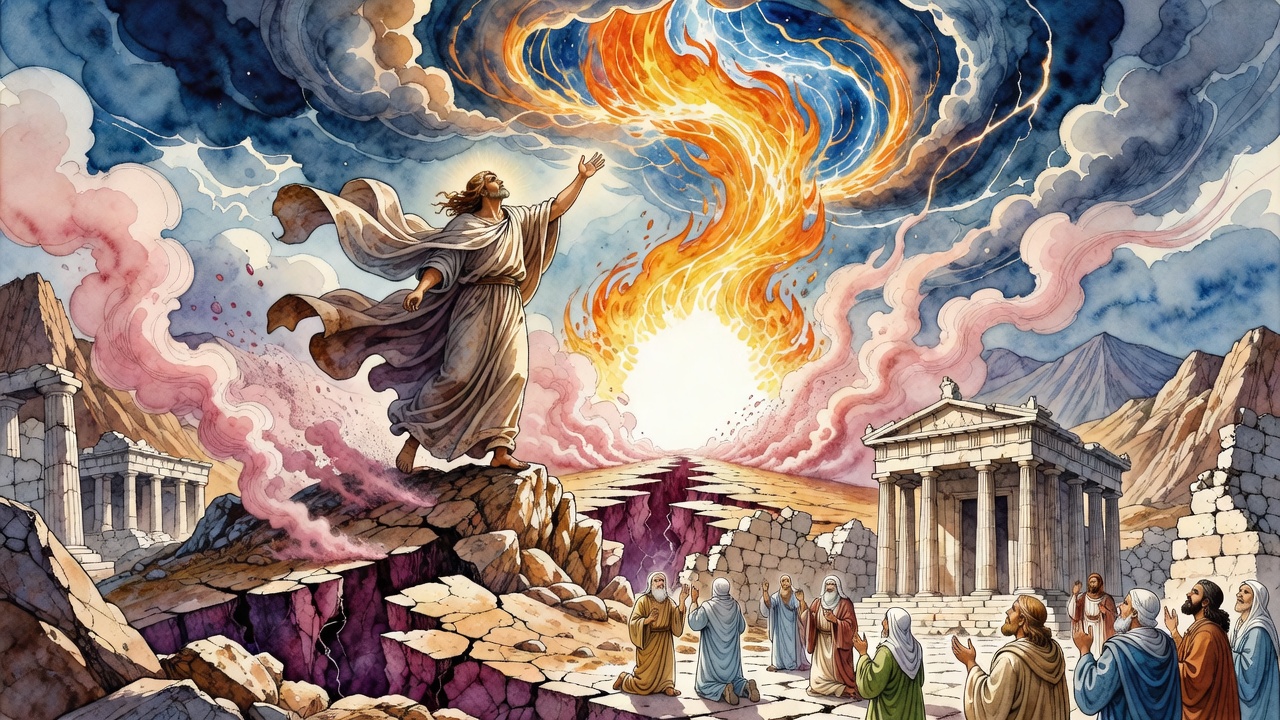
A bat kol, a daughter of a voice, came out from the Holy of Holies. "He who accepted your sacrifices in the desert, He will accept your sacrifices at this time!" The line snapped a rope between Sinai's sand and Jerusalem's courts. The God of the wandering altar was the God of the fixed House. Generations of water had not thinned the welcome.

Priests froze. The offerer felt the words more than he parsed them. Desert and Temple, one Receiver. Faithfulness that looked eccentric in a wine-drinking nation had been logged above like a continuous sacrifice.

Then the ordinary sounds returned: knife, fire, psalm. The man would go back to tents and water. The sentence would stay in the Mekhilta like a coal that does not go out.

A young priest later told his teacher he had heard the air itself speak. The teacher did not laugh. Some air in that House had always been thicker than weather.

Fasts That Still Bite

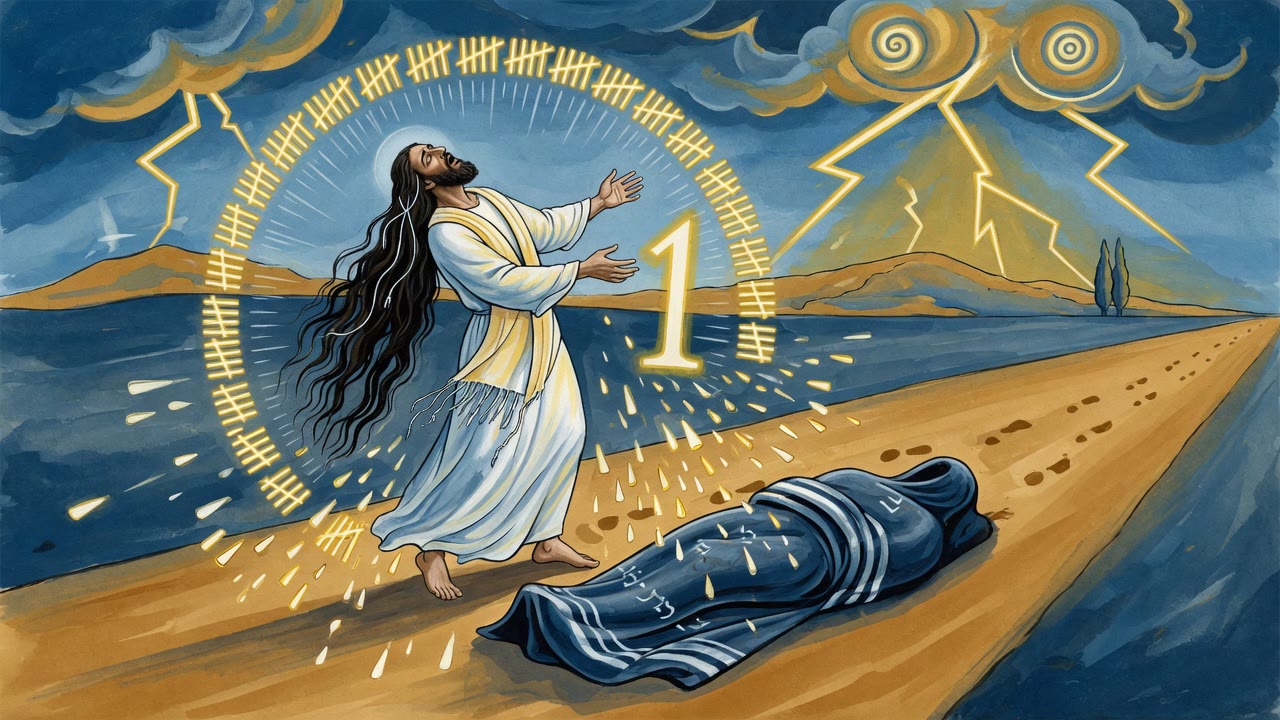
Not every day in Judah was an accepted offering. The prophet Zechariah named four fasts and promised they would become joy for the house of Judah (Zechariah 8:19). Until that turning, the Sifrei counts the wounds. Seventeenth of Tammuz: walls breached. Ninth of Av: Houses burned. Third of Tishrei: Gedaliah murdered, and the death of a righteous leader weighed before God like Temple ash. Tenth of Tevet, or in another counting the fifth when exiles heard the city had fallen: siege and news of siege.

In Judah they fasted for the act. In the Galil, some say, for the report. Hearing can be its own burning. A fugitive's mouth can light a fast as surely as a torch on cedar.

The water drinker's accepted sacrifice and the nation's refused calm sit in one library. God can answer a single vow from the Holiest room while still requiring a people to remember breached walls with empty stomachs.

On the ninth of Av a child asks why there is no meat. An elder points at memory, not at the Rechabite's private joy. Both answers are Jewish. Both hurt differently.

Wine Refused, Fire Received

Rechabites refused the fruit of the vine and found their gift taken. Israel drank and feasted and still had to mark months when joy was illegal. The contrast is not a cheap moral. It is two temperatures of the same covenant: intimate acceptance, public mourning.

Yonadav's command held across centuries. Gedaliah's murder still stains a fast. Both are about whether a people keeps faith when the easy cup is offered. One house said no to wine forever. One nation said yes to memory of loss until Zechariah's joy arrives.

The bat kol (a heavenly voice) did not cancel the fasts. The fasts do not silence the bat kol. Temple air is wide enough for both.

A man can walk from an accepted altar to a calendar of grief in the same lifetime. The tradition expects him to hold both without dropping either.

After the Voice

The water drinker left the courts with the smell of smoke in his cloak and a sentence in his bones. Somewhere a child of his line would still refuse wine. Somewhere a Jew would still not eat on the ninth of Av. Continuity looks like stubbornness until a voice from the Holiest room calls it by a desert name.

He who accepted offerings in a land without a House accepts them still when a House stands. He who counts fasts will one day, Zechariah swears, retune them to festivals. Between those poles a man with only water in his cup walks home under stars that once watched a traveling sanctuary.

The altar cools. The vow does not.

Night found him in a tent again, water at his side, the city's stone silence replaced by wind. He slept without wine and without doubt that the desert God had heard him in a room of gold and cedar.


← All myths

From the tradition

Sources

2 sources

The texts behind this telling. Some cards carry a translation of the source; others are our own retelling of it, and each card says which. Every card links out to the original.

Mekhilta Tractate Amalek 4:29Mekhilta DeRabbi Yishmael

Retold in our words. Read the original at the link below.Mechilta, translated by Rabbi Shraga Silverstein · CC-BY

The Mekhilta preserves a remarkable story about the descendants of Rechav, also known as the Rechabites, a family that had taken a perpetual vow to drink only water, never wine, and to live a simple, nomadic life in accordance with the command of their ancestor Yonadav ben Rechav (Jeremiah 35:6).

It once happened that one of these "water drinkers" came to the Temple and offered a sacrifice to God. This was a person from a family that had maintained their ancestor's austere vow for generations, never wavering, never compromising, never giving in to the pleasures that the rest of Israel freely enjoyed. And now this faithful descendant stood before the altar with an offering.

At that moment, a Heavenly voice, a bat kol, issued forth from the holy of holies itself. The voice declared: "He who accepted your sacrifices in the desert, He will accept your sacrifices at this time!"

The message was extraordinary. God was drawing a direct line between the wilderness generation and this descendant of Rechav. The same God who had received Israel's offerings in the Sinai desert, in a time of wandering, before the Temple existed, before there was an altar of stone, that same God was now receiving this offering with equal favor. Time had not diminished the covenant. The faithfulness of the Rechabites across the centuries had preserved their standing before God, unbroken from the desert to the Temple.

Full source
Sifrei Devarim 31:4Sifrei Devarim

Retold in our words. Read the original at the link below.Sifrei by Rabbi Shraga Silverstein · CC-BY

They aren't just random dates; each one marks a significant moment of sorrow, a rupture in our history.

The prophet Zechariah, in chapter 8, verse 19, offers a glimmer of hope amidst these somber observances: "Thus has said the L-rd of hosts: The fast of the fourth (month), and the fast of the fifth, and the fast of the seventh, and the fast of the tenth will be for the house of Judah for joy and for gladness and for goodly festivals." But what are these fasts, and why are they so important?

The Sifrei Devarim, a collection of early halakhic (Jewish legal) midrashim (rabbinic interpretive commentary) on the Book of Deuteronomy, breaks it down for us.

"The fast of the fourth" refers to the 17th of Tammuz. This is the day the walls of Jerusalem were breached, a pivotal moment in the lead-up to the destruction of the Temple. Then there's "the fast of the fifth" – the 9th of Av, Tisha B'Av, perhaps the saddest day on the Jewish calendar. It marks the destruction of both the First and Second Temples.

"The fast of the seventh" is the 3rd of Tishrei, commemorating the assassination of Gedaliah ben Achikam. Now, Gedaliah might not be a household name, but his death, according to the Sifrei Devarim, is profoundly significant. It tells us that the death of a righteous person is "as grievous to the Holy One Blessed be He as the destruction of the Temple." This is a powerful statement about the value of righteous leadership and the devastating impact of its loss. The assassination by Yishmael ben Netanyah plunged the remaining Jewish community into chaos and despair.

Finally, "the fast of the tenth" – here, there's a bit of a debate. Rabbi Akiva identifies it as the 10th of Tevet, the day the king of Bavel (Babylon) laid siege to Jerusalem. This is supported by the Book of Ezekiel, chapter 24, verses 1-2, where God tells Ezekiel to record the date: "Son of man, write for yourself the name of the day, this very day. The king of Bavel has come against Jerusalem (to besiege it) this very day."

But another opinion, also found in the Sifrei Devarim, offers a different perspective. This view suggests that "the fast of the tenth" actually refers to the 5th of Tevet. Why? Because that was the day the news reached the exiles in Babylonia that Jerusalem had fallen. (Ezekiel 33:21) states: "And it was, in the twelfth year of the month on the fifth of the month that a fugitive came to me from Jerusalem, saying 'The city has been conquered.'"

The text emphasizes that upon hearing this devastating news, the exiles "made the day of the hearing (a fast) like the day of the burning." The writer of the Sifrei Devarim even argues that this interpretation is "more cogent" than Rabbi Akiva's, because it follows the chronological order of events, placing the initial siege before the report of the city's fall. The text also notes a regional difference: "in Judah they fast for the act, and in the Galil, for the report."

So, what does all this mean for us today? These fast days aren't just about remembering past tragedies. They are opportunities for introspection, for acknowledging the pain of our history, and for striving to create a better future. They remind us of the fragility of life, the importance of righteous leadership, and the enduring power of hope, even in the face of despair. And perhaps, they offer a path towards fulfilling Zechariah's prophecy of turning these fasts into days of "joy and gladness and goodly festivals."

Full source