David Found Adam's Altar on a Jebusite Threshing Floor
He would not lie down until God had a house. Gad sent him to a farmer's floor that still smelled of chaff, and older fire.
Table of Contents
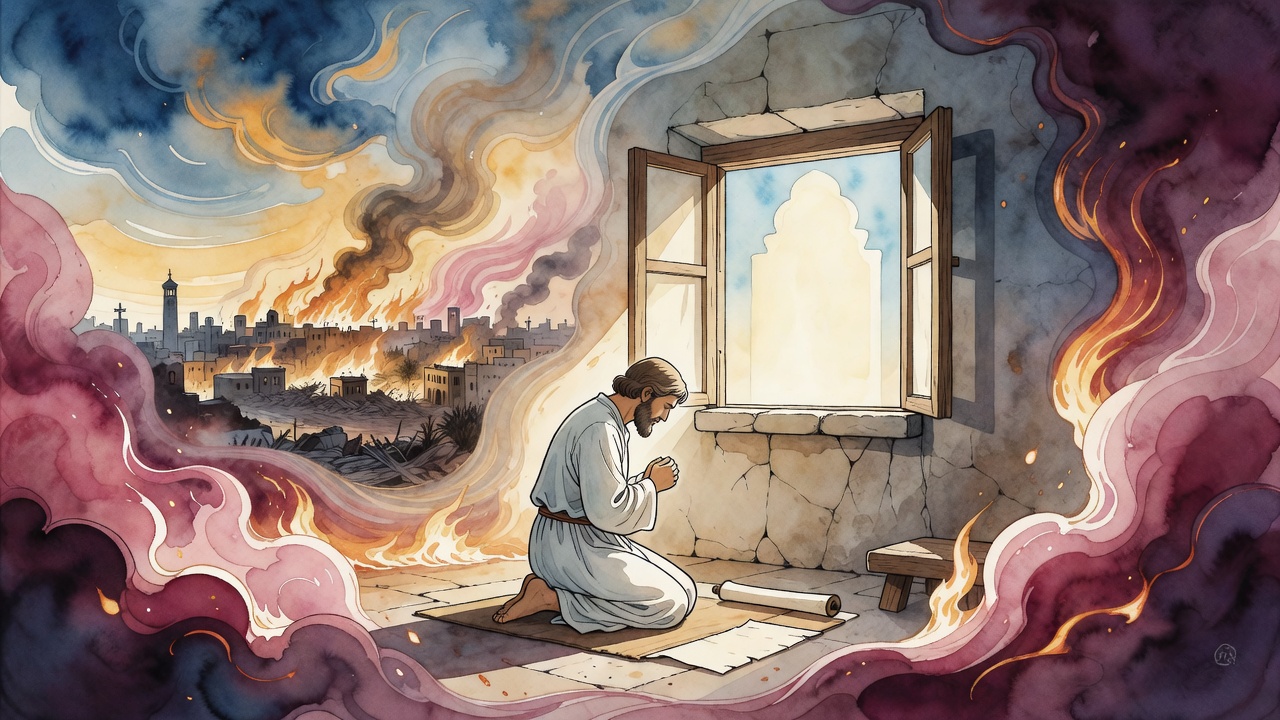
David did not enter his house. He did not climb toward the bed spread for a king. Sleep had become an enemy of the work in his chest.
 Click for full size
"I will not give sleep to my eyes," he had sworn, "nor slumber to my pupils, until I find a place for the Lord, dwellings for the Mighty One of Jacob" (Psalms 132:3-5). Servants begged him to rest. He kept standing. Affliction over the Holy Temple held him upright when a mattress would have been easy.
God saw the standing and sent Gad.
"Go up," the prophet said. "Erect an altar to the Lord in the threshing floor of Aravnah the Jebusite" (2 Samuel 24:18). David went at once, as if the road itself had been waiting for the command (2 Samuel 24:19).
Grain Dust and Older Fire
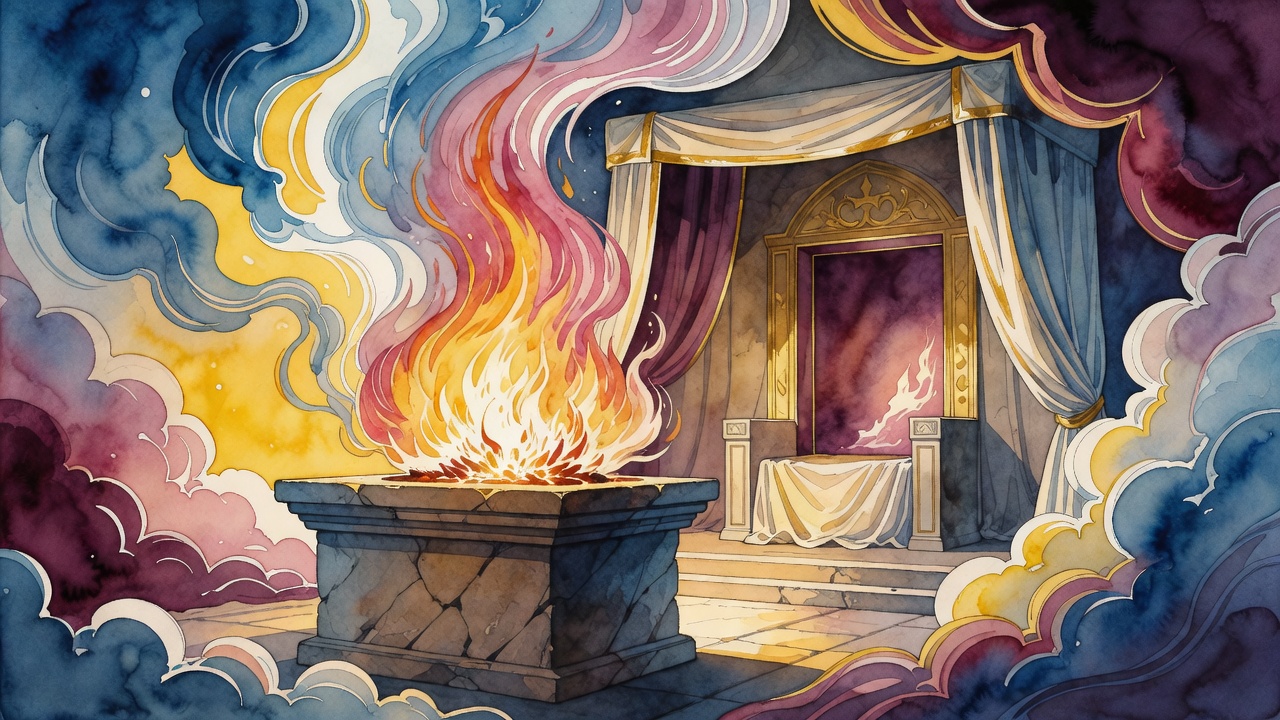
The floor still smelled of chaff. Aravnah's oxen had worked there. Ordinary harvest had written circles into the stone. David stepped into those circles and felt the air change temperature.
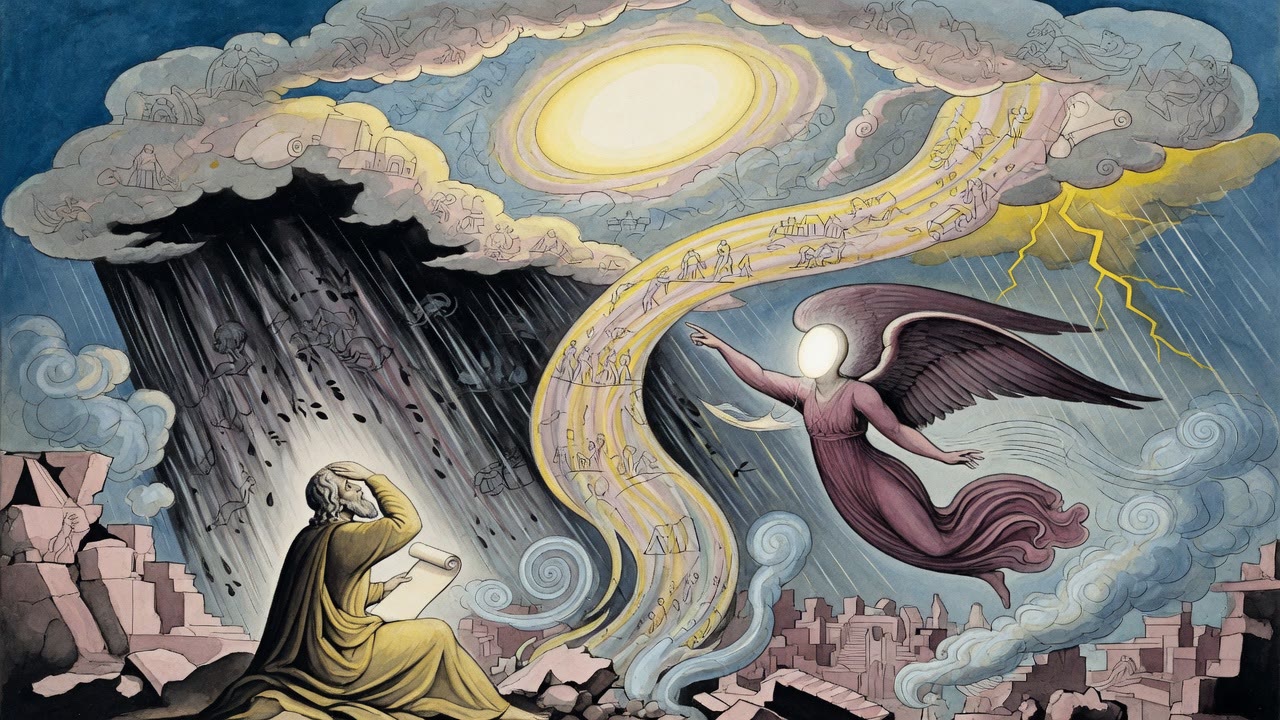
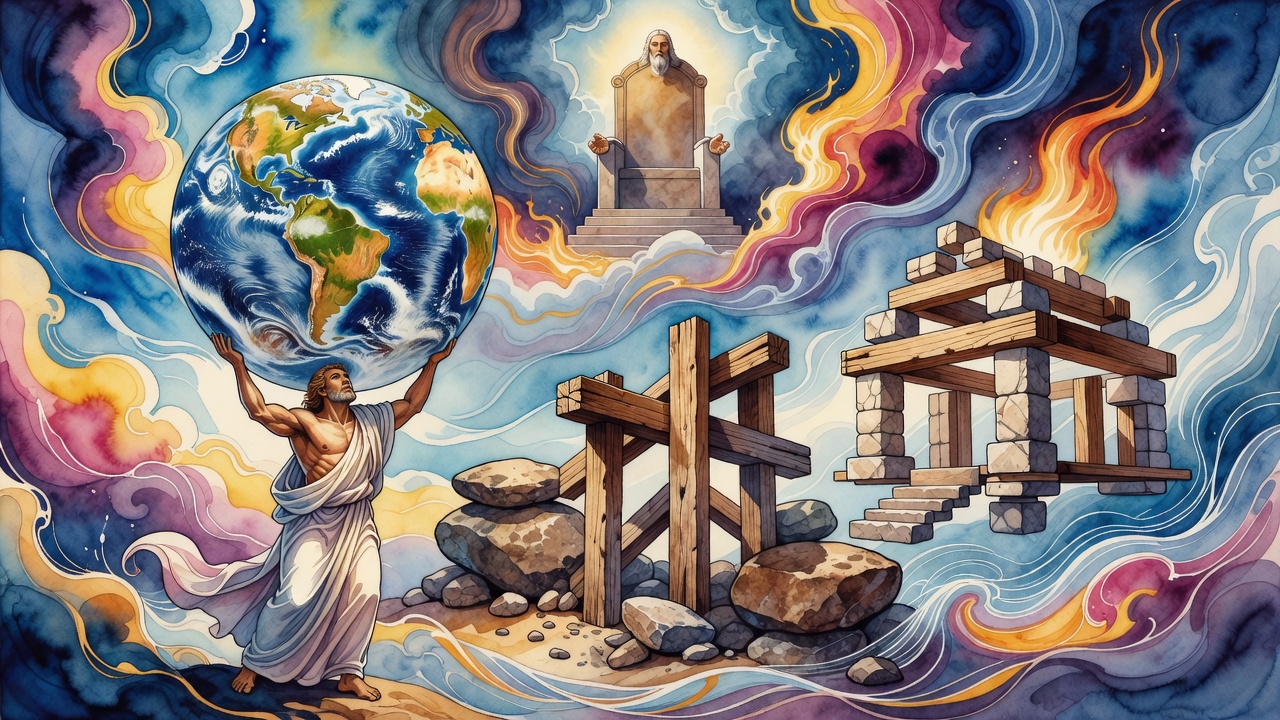
This was not a random ledge. Here Adam had offered. Here Noah had offered after the world washed clean. Here Abraham had offered when the knife and the ram rewrote a father's hands. The threshing floor was older obedience under new dust. David began to measure with his stride.
"From here to here, the Courtyard. From here to here, the Hall." His voice made architecture before stone did. Priests not yet born already had walls in his mouth. He walked the lines twice, then a third time, until the distances sat in his legs.
He Paid for the Floor
Aravnah offered the floor and the oxen. David refused the gift. A house that costs the giver nothing is a weak house, and he would not build weakness into the first stones. He bought the ground as a man buys a future he has already sworn not to abandon.
Silver changed hands in the chaff. The Jebusite farmer watched a king pay for a circle of stone that had been used for grain. David counted the coins out loud so no one could say the altar stood on borrowed land. He took the oxen too, and the wood, and he paid for those as well.
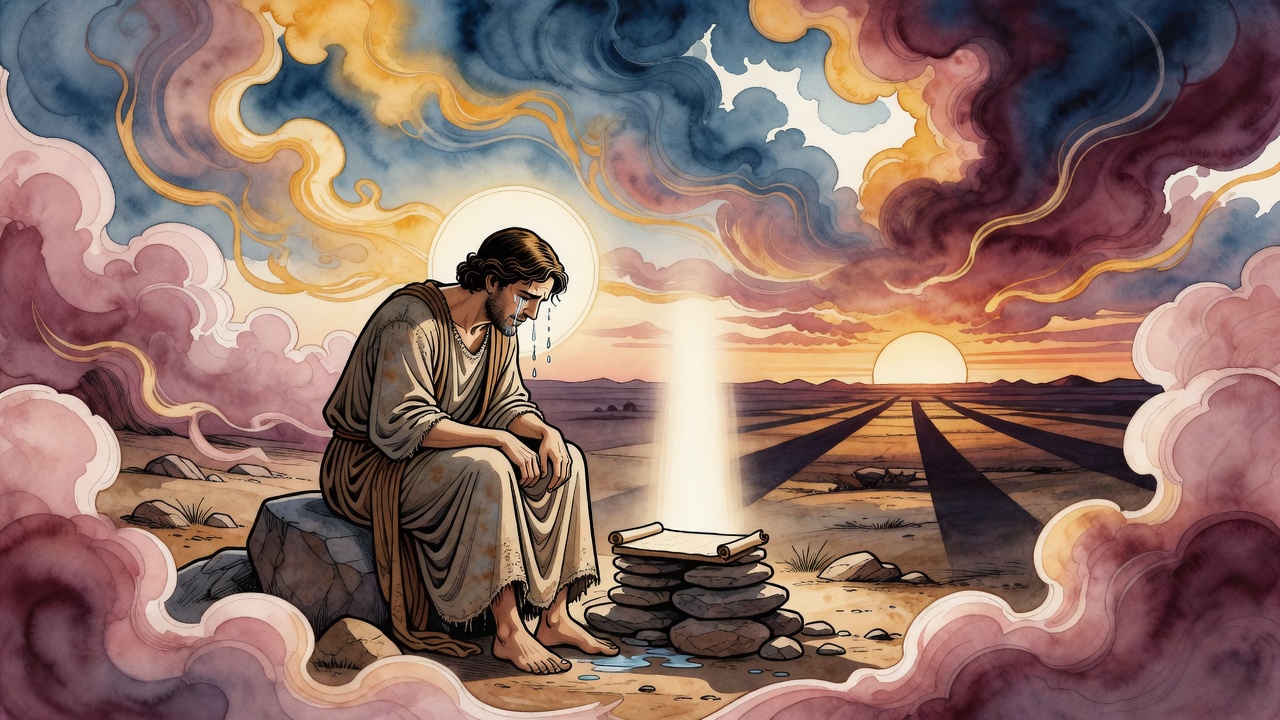
Behind him the city still counted plague-dead. The census had been his. Wrath needed somewhere to land that was not more corpses. Destiny sat under the emergency. The place had been waiting since the first man learned that gift can answer ruin.
Blood, Bread, and Fire
He knew what an altar asks for, even before the later statute sorted the pieces with care. Blood as offering. Devoted portions as bread of fire. Fistfuls of meal and frankincense for the flames. Wine poured as sweet savor (Numbers 28:2). On Aravnah's floor David had no finished ritual staff, no Temple funds, no rows of Cohanim and Levites and Israelites standing watch. He had wood, fire, and a kingship that had recently counted heads and paid in graves.
He raised the altar anyway. He laid the wood. He poured the wine. He sent the smoke up. The air over Jerusalem shifted from judgment toward acceptance by inches. The oxen that had threshed grain an hour earlier became the first offering on a floor that would not thresh grain again.
A child at the edge of the crowd asked whether barley would still be beaten there. An old woman said, "Not the kind you eat."
The House That Still Was Not Built
When the immediate fire died to coals, the Temple still did not stand. That work would wait for Solomon, for cedar and stone and a dedication long enough to hold a king's longest prayer. David had found the place. Finding is not finishing. He walked the measured lines again in the dusk and committed them to memory the way he committed melodies.
Far ahead in the same holy craft, Moses would raise a traveling tent on a desert calendar. On the first day of the first month the Tabernacle would stand with ark and veil, table and lamp (Exodus 40:1-4). Seven days of consecration would train the hands of Aaron's house until the eighth day opened full service. David could not see that schedule in detail. He could feel the rhyme. Find the site. Set the vessels. Light what must be lit. Do not sleep through the assignment.
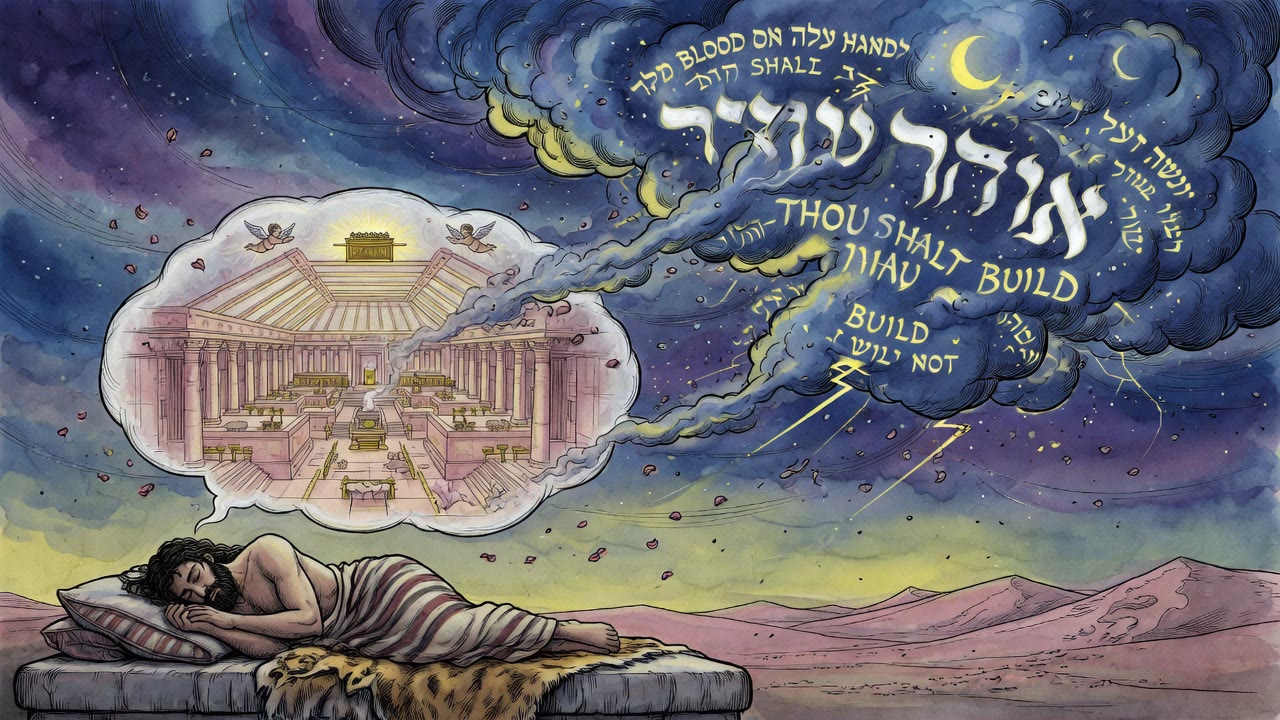
Sleep finally came that night, not as surrender but as permission. The oath had found its coordinates. Eyes could shut because the pupils had seen the floor where Adam's smoke once rose.
In the city, people who had buried plague-dead heard that the king had bought a threshing floor and called it the house of God in advance. Some scoffed. Some wept. David lay on the bed he had refused and dreamed of courtyards. In the dream, Abraham nodded once from a ridge of older time, as if to say the ram's place had always been large enough for a nation.
Morning put tools back into human hands. The Jebusite floor kept its new name quietly, under dust, until the son of David made the quiet impossible to miss.
← All myths