The Nazirite Whose Days Voided at a Death
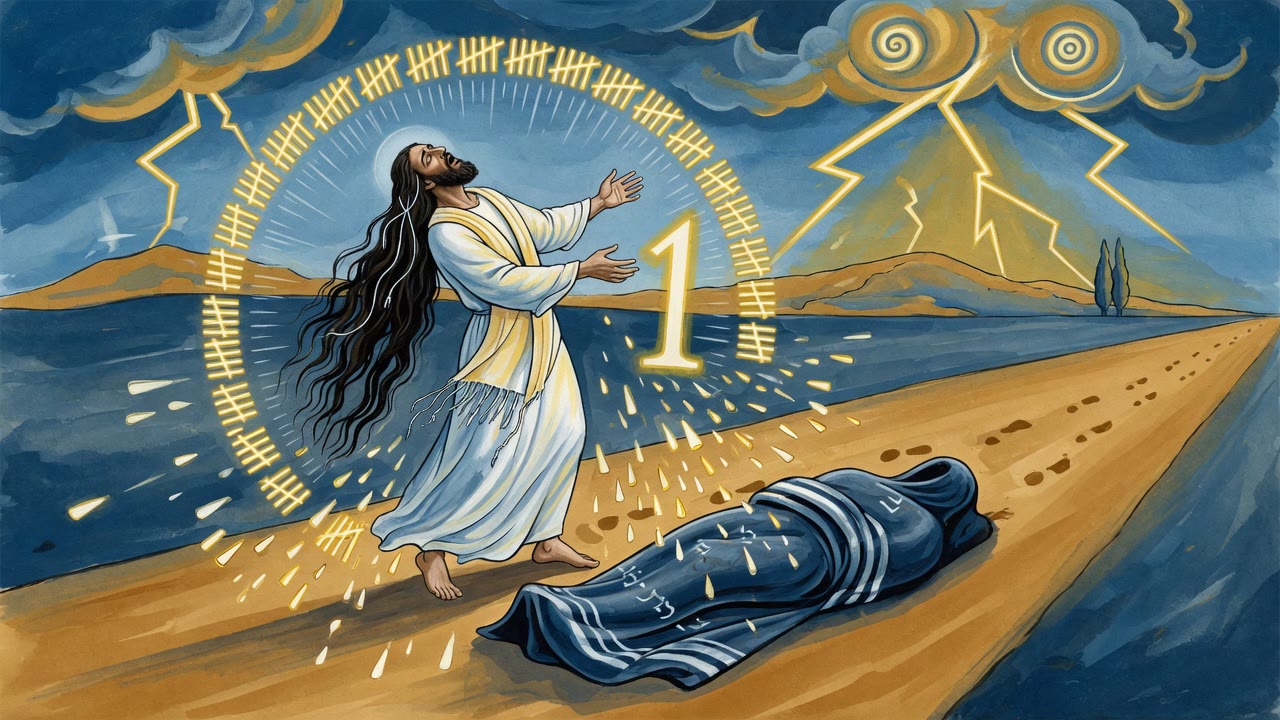
A nazirite counted ninety-nine clean days without wine or razor until a corpse in the road voided the count and sent him back to day one.
Table of Contents
He had not tasted wine in ninety-nine days. Grapes, vinegar, skins, seeds, all of it was outside his mouth by vow. His hair hung heavy on his shoulders, uncut, a living clock of dedication. People in the market stepped around him with a mix of respect and discomfort. A nazirite is a walking fence.
 Click for full size
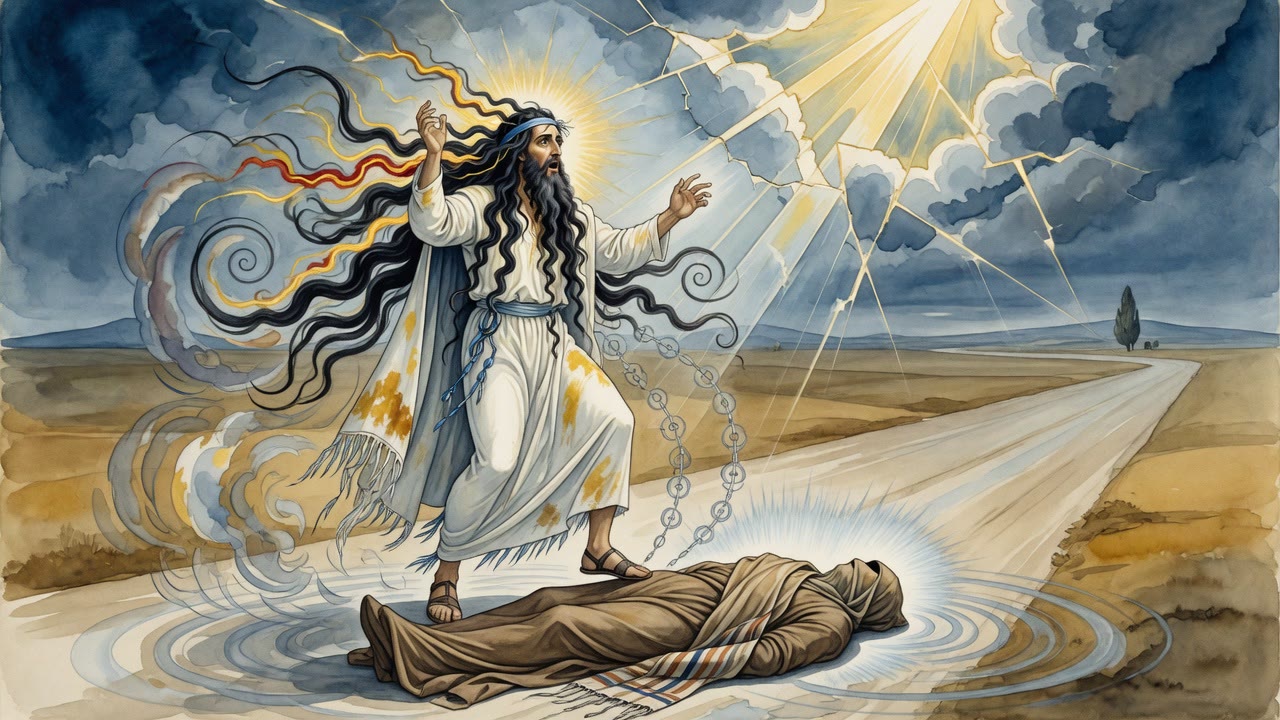
On the morning of the hundredth day he meant to begin the closing offerings, sheep and bread and the razor waiting like a promise. He never reached the courtyard. In the lane a man fell from a roof and died at his feet. The corpse's hand brushed his cloak. Impurity entered the vow the way cold enters an open door.
The first days, the Torah says, would be void (Numbers 6:12). Ninety-nine clean sunrises fell out of his hands like water.
Why Wine Was Never the Point
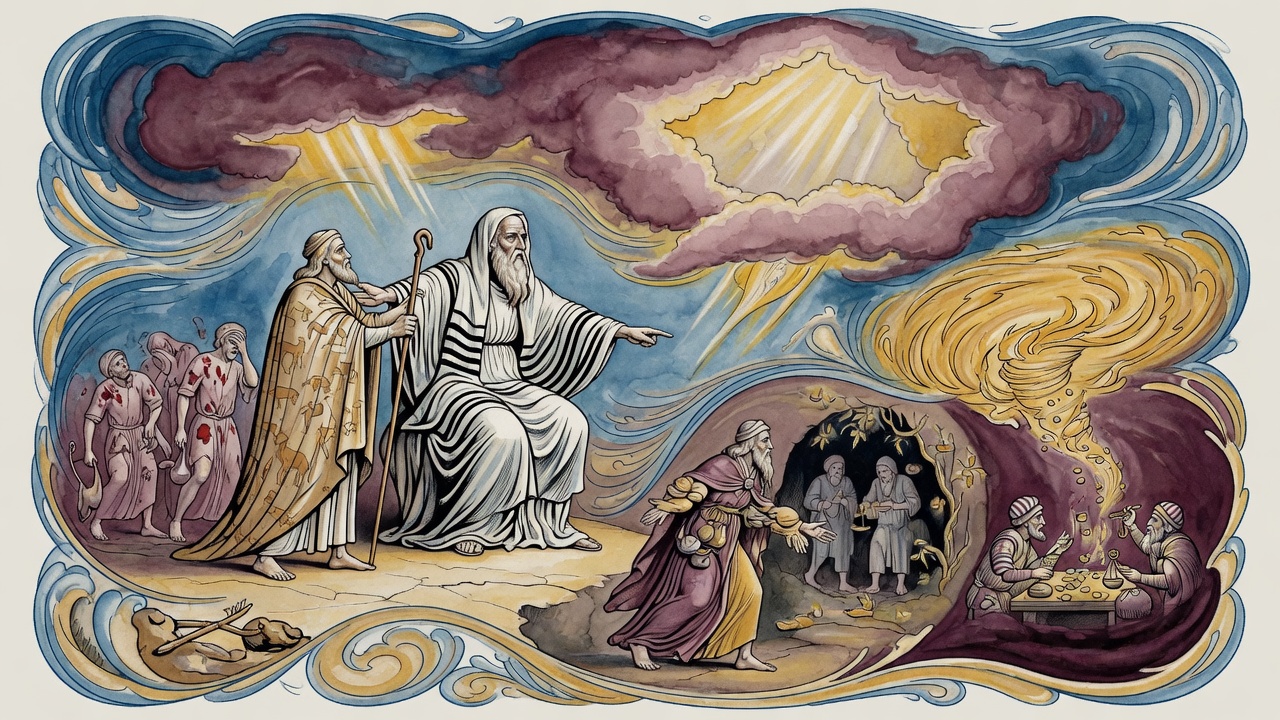
He had taken the vow because wine had begun to feel like borrowed courage. The sages pair the woe of those valiant to drink with the happiness of a land whose king loves Torah. Temporary bravery in a cup is not the same strength as a mind clear enough to study. Wine and knowledge sit like opposing stars: when one rises, the other hides.
So he built a fence. Not only strong drink, but every grape product, a wide margin around the thing that had been thinning his will. True freedom, the midrash insists, is the freedom of a person occupied with Torah, not the freedom of a throat that answers every thirst.
His friends had mocked the hair and the empty cup. He had answered by counting days.
Death at the Threshold
Naziriteship bans three things: grape, razor, and the dead. He had mastered the first two. The third found him without asking permission. After contact with death he would need the guilt offering, the asham, and a restart. Dedication itself matters, the rabbis argue over the verses, yet impurity still tears the fabric of the count.
Imagine a man who almost finishes a hundred-day climb and slips on the last ledge. The mountain does not give partial credit. "The first days shall be void." If impurity lands on day ninety-nine, the earlier days do not wait politely in a ledger. They empty. If it lands after the term in a different way, the law draws finer lines. On this morning the line was crude and total.
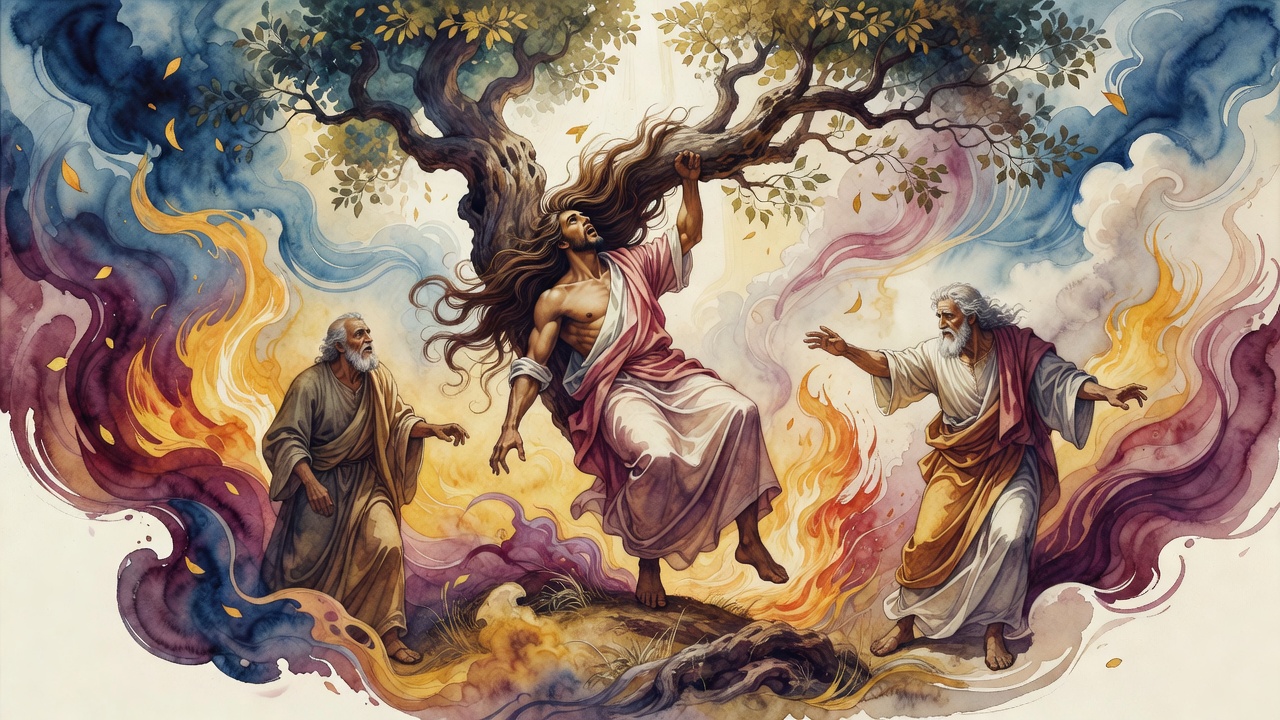
He sat in the dust beside the stranger's body and felt the vow collapse inward.
Hair, Wine, and What Breaks What
Not every breach voids the same way. Impurity voids the days entirely. Shaving voids thirty days because the hair must grow long again. Drinking wine, for all its damage to the spirit of the vow, does not erase the count the way death does. The hierarchy is strange until you live inside it. Death is the opposite of the life he was trying to offer. Wine is a stumble. A razor is a reset of the sign on the head.
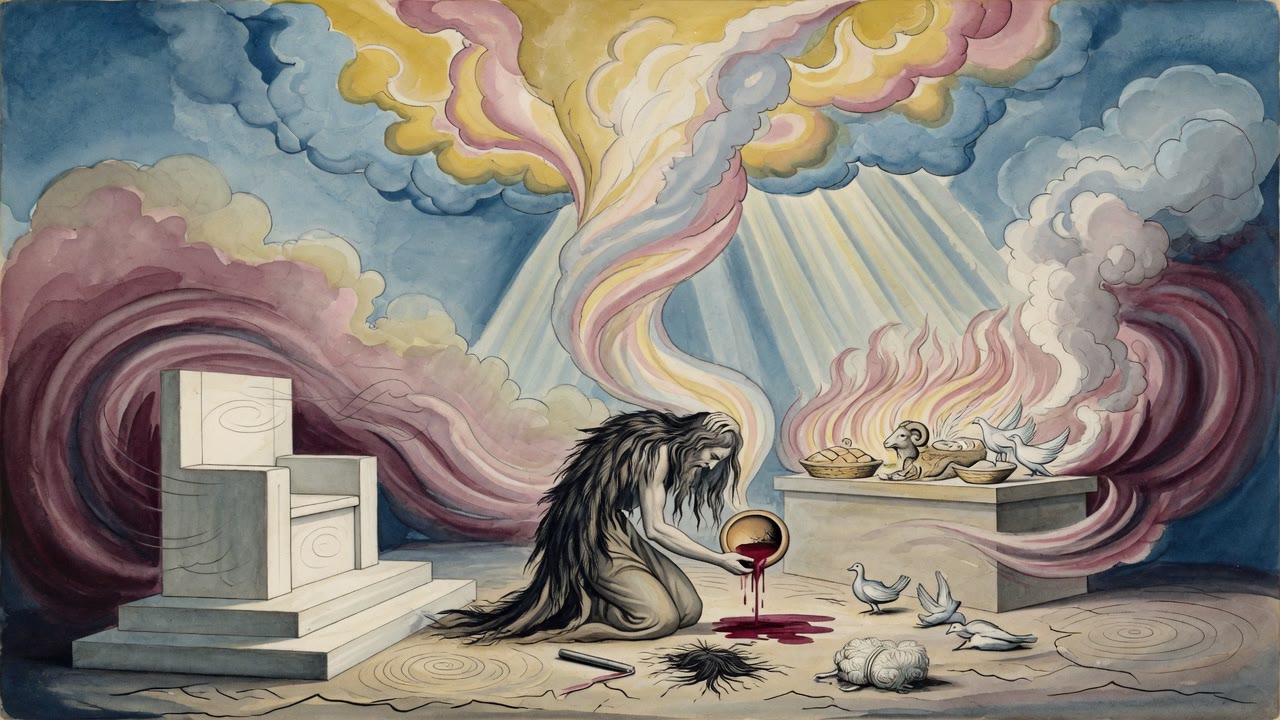
He would bring the sheep in its first year, age counted from the animal's own birth, not from the calendar's Rosh Hashanah. He would dedicate again. He would walk back into the discipline with a mouth that still remembered grapes and a heart that now remembered a corpse.
The razor waited longer.
Starting the Count Again
When he finally stood clean and began day one a second time, the market did not clap. Holiness rarely draws a crowd for restarts. He refused a cup at a wedding with a quieter firmness than before. He had learned that a vow is not only what you avoid. It is how you return when the road forces a body into your path.
Valiant drinkers still laughed in doorways. He let them. Knowledge, he now thought, is not only books. It is knowing which losses require a full rebuild. The guilt offering would not be a loophole. It would be the door hinge.
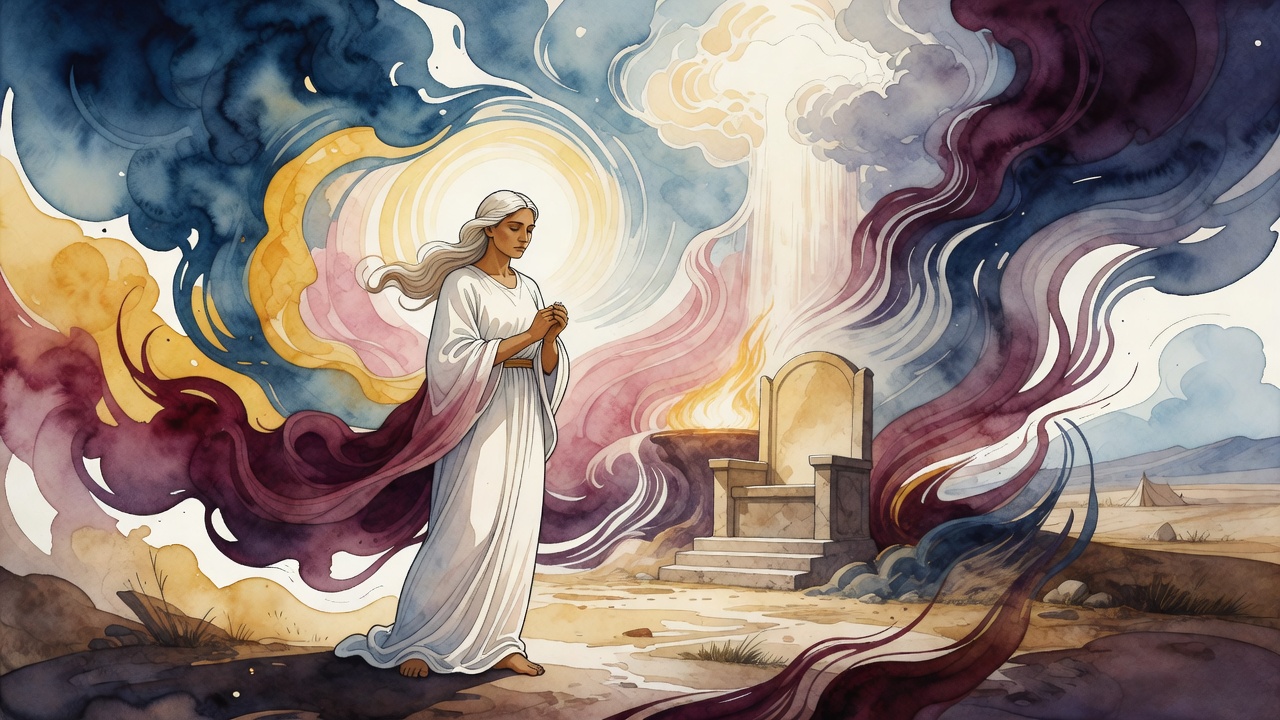
On the new day one hundred, if Heaven granted it, he would drink wine again only after the offerings, as the verse allows, and the hair would fall under the razor in the same courtyard where the count had once nearly died. Until then he walked like a man who had seen how fast ninety-nine days can vanish when death chooses your sleeve.
The fence around the Torah is not paranoia. It is respect for how thin a clean streak can be when the lane is narrow and roofs are high.
Neighbors brought food he could not spice with wine sauce and did not understand why he refused the kindly cup. He had no energy to teach. He only shook his head and kept the fence. Kindness that breaks a vow is still a break. He thanked them with dry bread and a closed mouth.
At night he dreamed of the hundredth morning that had died in the lane. In the dream the razor sang and then went silent. He woke and touched his hair as if checking that the clock still ticked. It did. Day three of the new count. The corpse was buried. The vow was not.
← All myths