The Nazirite Who Shaved After a Dead Body
Death lay in the road and he could not step around it. His hair was still growing. The days he had counted would not follow him home.
Table of Contents
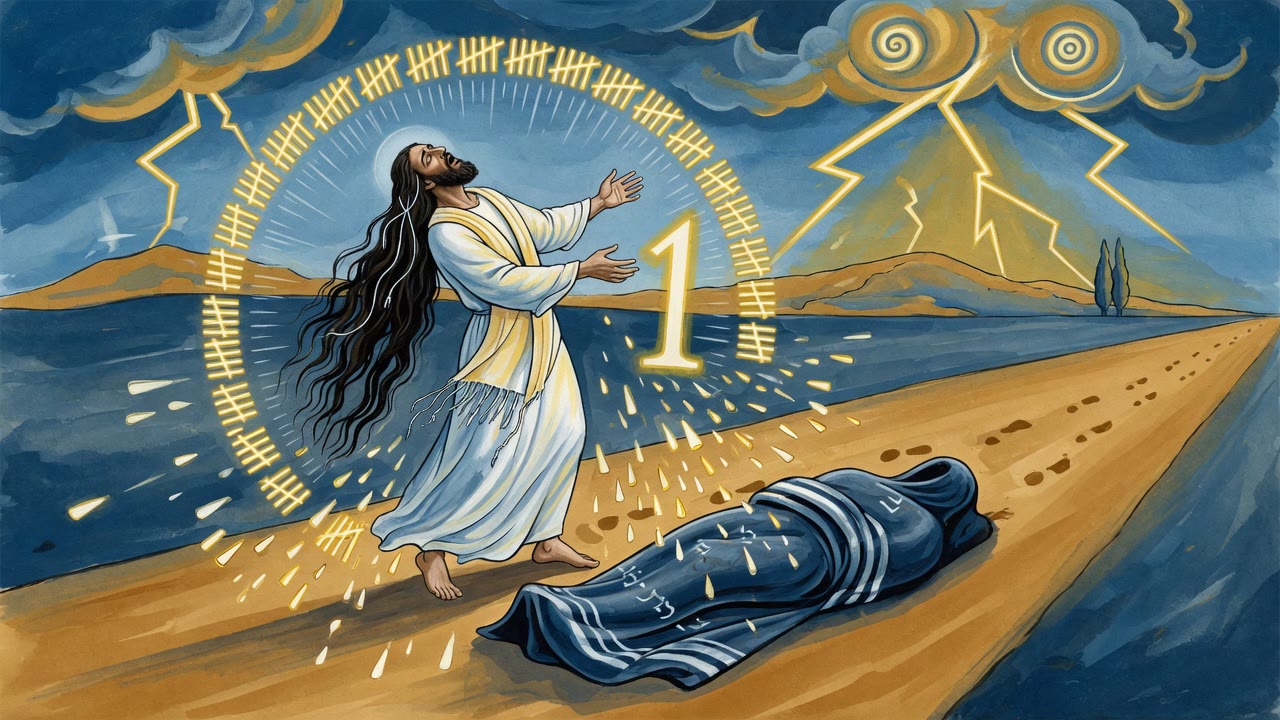
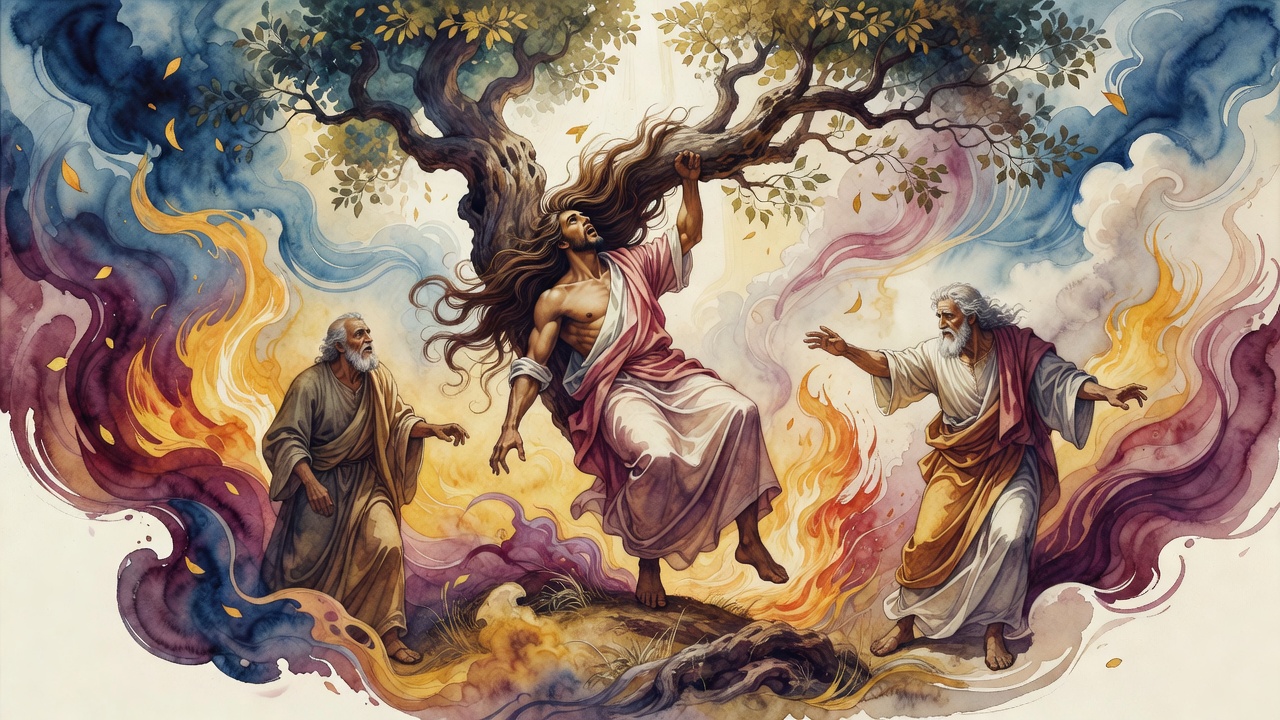
The body lay in the road, mouth open between the cart ruts. Not a burial. Not a procession. A man down, and the nazirite stopped with his first thought already on the count.
 Click for full size
He had been numbering clean days with a hand on his growing hair. No wine. No graves. Hair left long as a living flag of the promise. He had wanted separation. Death had not asked.
He could not step around it. The road pinched between a wall and a ditch. He went forward because there was no other path, and the days he had already numbered tore the way cloth tears.
The Body He Could Not Step Around
He stood outside the camp of his own vow, already impure, already late for the life he had promised. Wine was still closed to him. Corpses had been closed to him. The corpse had won.
He walked to the priest with the hair still on him, the long hair that had been the witness. "I began clean," he said. "I did not start in a graveyard. I started at day one with a mouth that meant it."
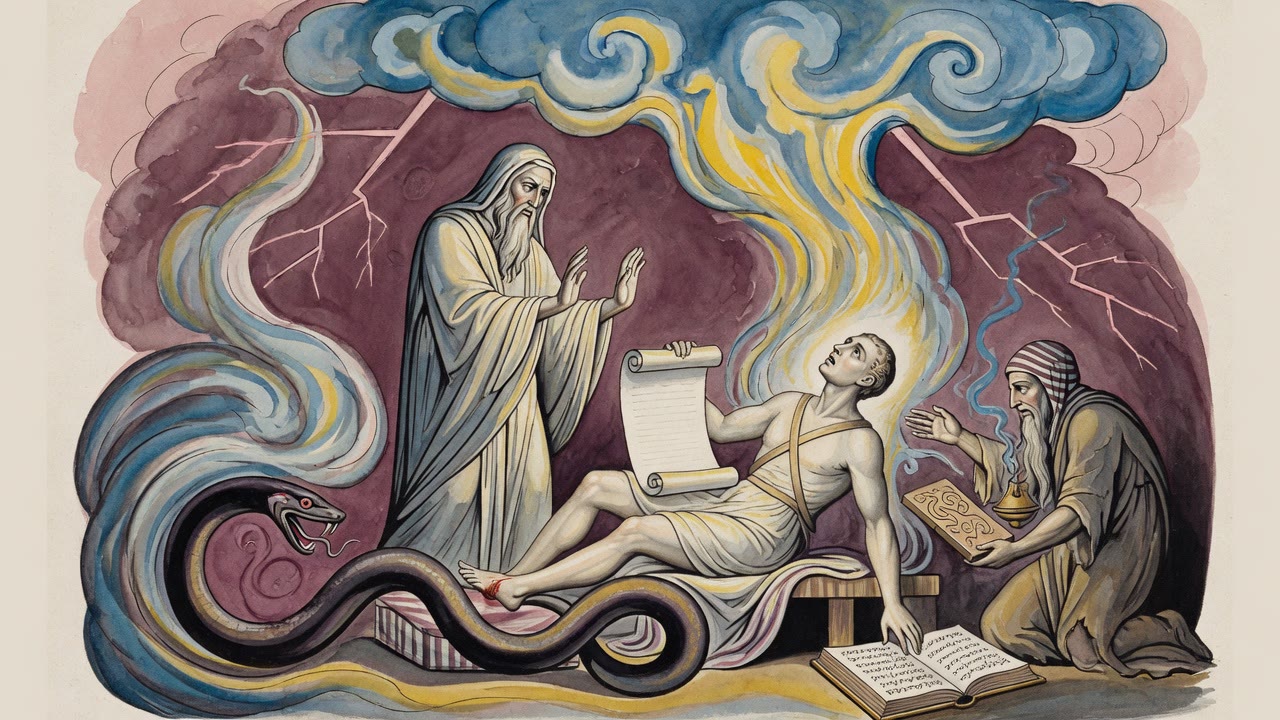
The priest did not argue the grief. He named the wound. The law was for the one who began pure and became tamei (טמא), impure, in the middle of the count. Not the one who took the vow already standing among graves. The transition was the damage. Clean days broken by death do not transfer like coins. They burn.
"God's Name was in the vow," the nazirite said.
"Then the Name is answered with repair," the priest said. "Not with silence."
The Razor Takes Only the Head
"Shave," the priest said.
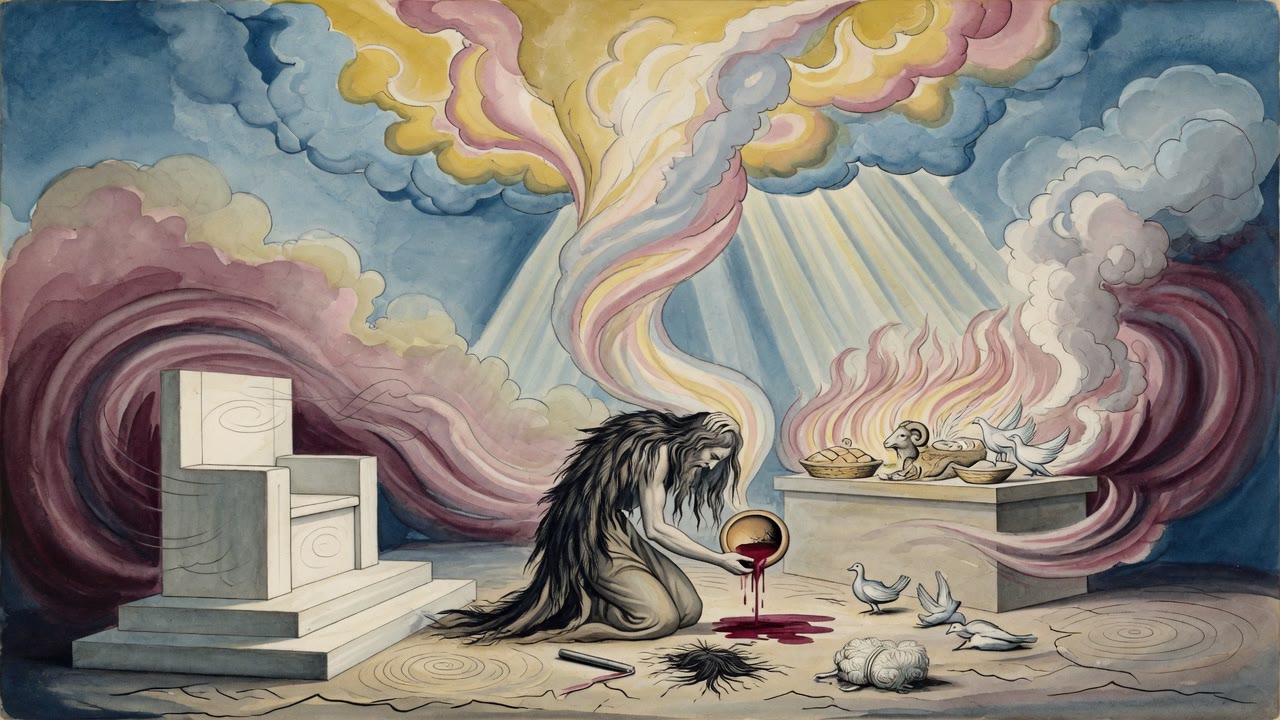
The nazirite asked how much. All of it, like a leper, twice, the whole body? The priest shook his head. A leper shaves twice and must clear every surface. A nazirite has no second shaving of that kind. The razor takes the crown of the vow, the hair that had been growing as witness, and leaves the rest of the body to the next count.
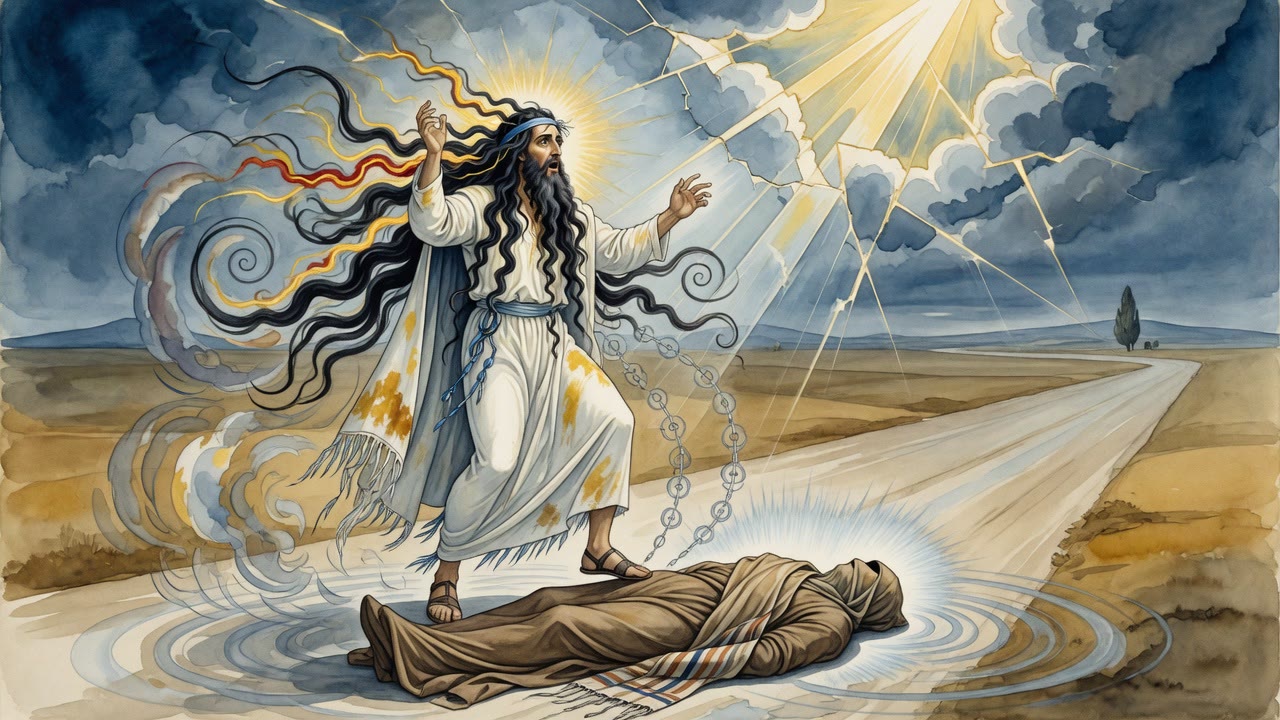
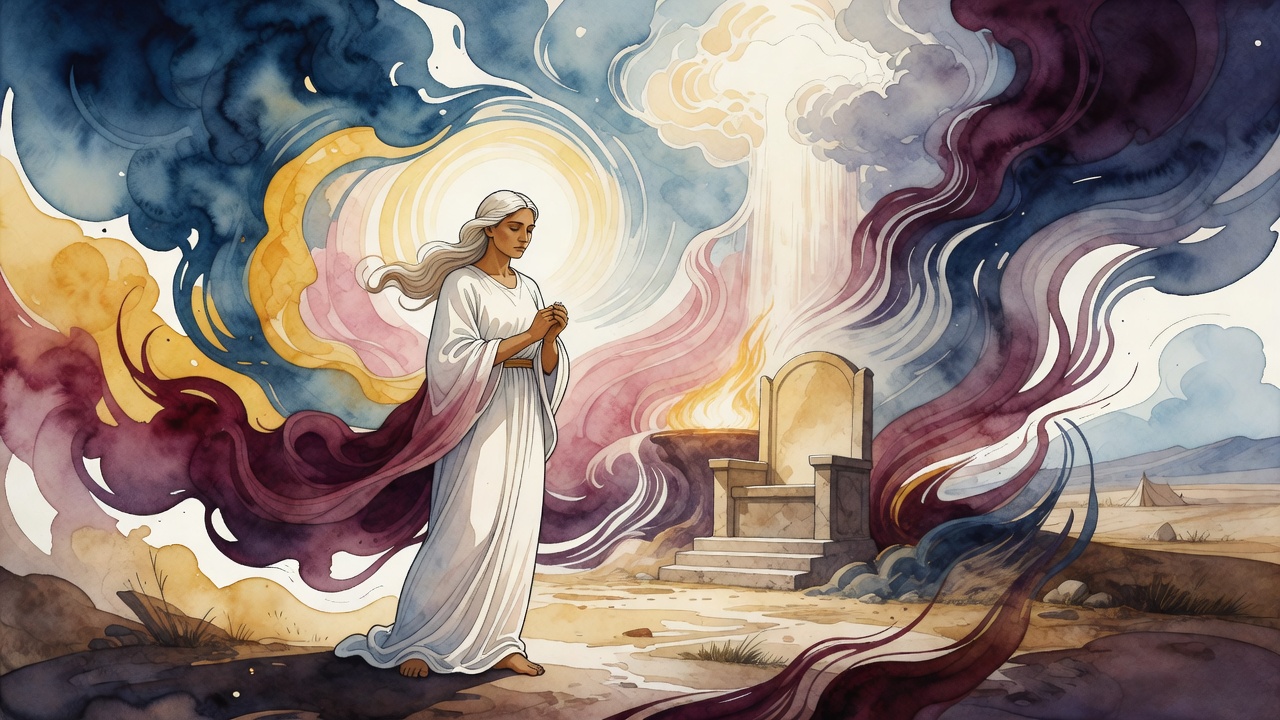
He sat. The blade went in close. Hair that had taken months fell into his lap in dull ropes. He gathered it in both hands. In the court they put it under the peace offering, a fuel made of a broken promise. The priest lit the fire. Smoke rose. The nazirite breathed it and tasted his own failure as something that could still be burned clean enough to begin.
He brought birds. He brought lambs. The price of a restart. He stood poorer in time. A corpse on a road can undo months.
The Name Bound to Days That Died
A neighbor shrugged at the gate. "It was only hair. You did not lie. Death interrupted."
He would not take that comfort. He knew how oaths go wrong. A false oath lies about the future. A man says he will do a thing, and then he does not. A vain oath insults the past. A man swears a stone is gold, or that he saw what no eye saw. Even an unnecessary blessing can drag the Name into a moment that did not require it.
He had not lied. He had not sworn a stone was gold. Still the Name had been bound to days that died early. Repair was how he refused to treat the Name as spent casually. He did not say it was only hair. He shaved. He offered. He counted again.
The neighbor went home. The nazirite stayed with the stubble and the Name. A mouth that has made a vow learns what a word weighs, and he would not cheapen this one to soothe a friend.
He Starts the Count at One
He left the sanctuary lighter on the scalp and heavier in the chest. Wine would still be closed to him. Corpses would still be closed to him. Hair would start its slow climb from stubble to flag. The road that killed his first count still ran past the city. He would take other paths when he could, and when he could not, he would remember how fast purity ends.
Friends asked if he regretted the vow. He said the vow was not the mistake. The world that contains sudden death was the field he had chosen to walk with a promise. Fields have graves. Promises need a second beginning when graves win a day.
At night he touched the short hair. The Name was still listening. Not with anger only. With the patience of a law that wrote a restart for people who break without wanting to.
He slept and dreamed of long hair on fire, then of new hair like grass after rain. Morning put a cup of water in his hand, not wine. He drank and started the number again. One.
Neighbors still called him nazir as if the title had never cracked. He let them. Titles are for markets. Counts are for God.
On the seventh clean day he brought what was asked and stood where the smoke could touch his face. The priest did not ask for a speech. The animals and the hair and the restart were the speech. He left lighter and began again. The road that held the corpse was still there. So was the second chance written into Numbers for people whose separation met a grave too soon.
← All myths