Ben Dama Died Before He Finished His Verse
A serpent bit Rabbi Ishmael's nephew, a forbidden healer offered a spell, and the uncle refused while the young man still searched for a proof-text.
Table of Contents
 Click for full size
The Serpent and the Nephew
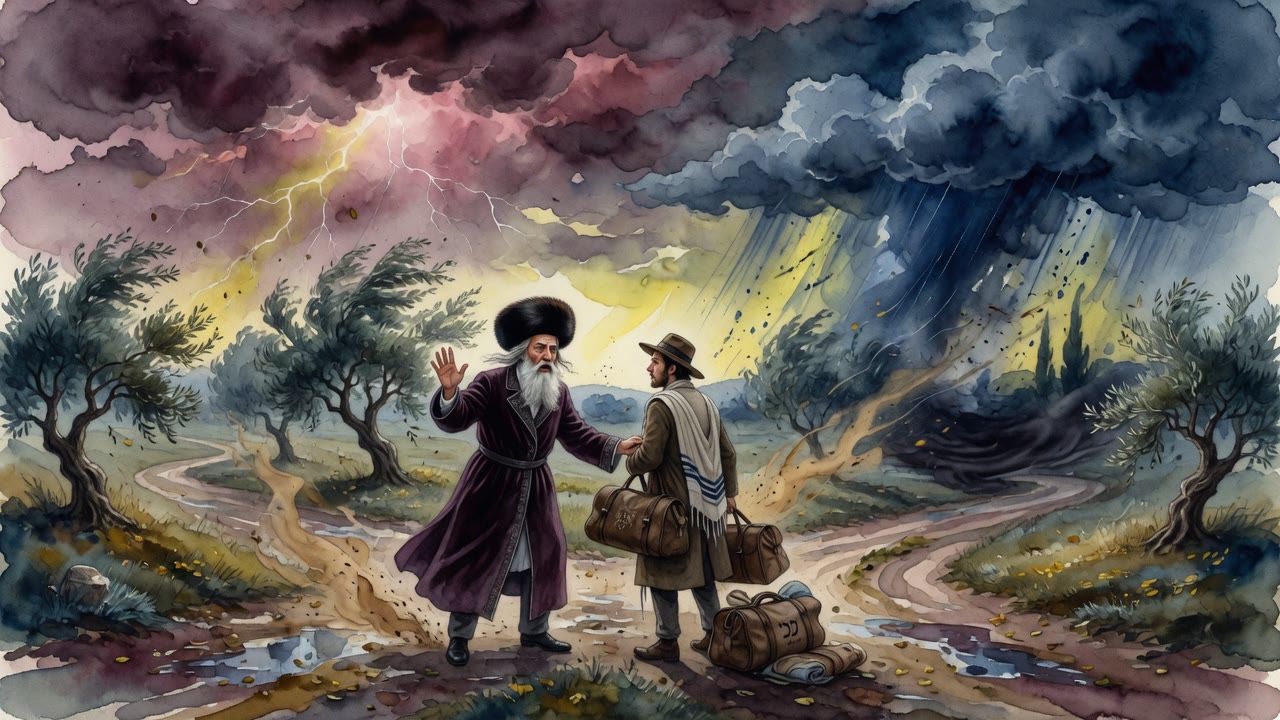
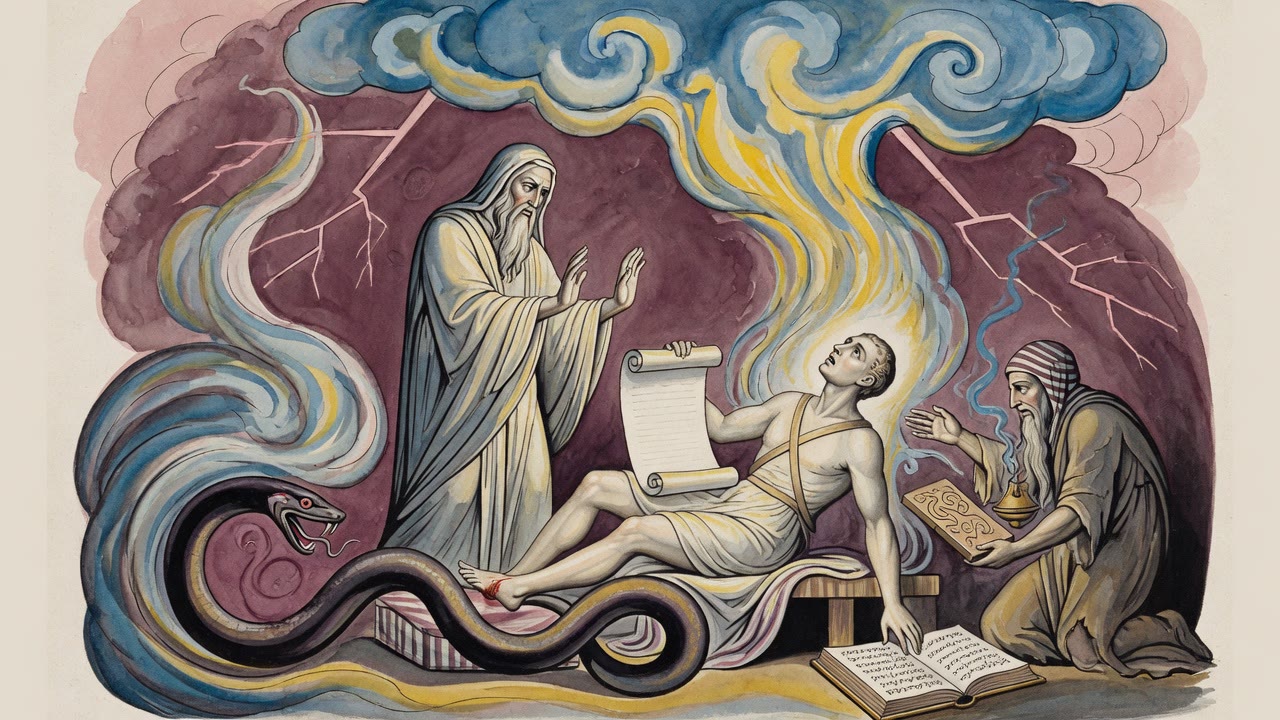
Ben Dama felt the fangs before he saw the snake. Heat climbed his arm in a bright line. The room tilted as if the floor had become water. Someone shouted for a healer who knew how to speak over a wound, and a man arrived who healed in the name of teachings Israel would not claim as its own. He stood over the bed with the calm of a professional and offered a cure that would cost a word of acknowledgment Ben Dama's uncle would not pay.
"Let him cure me," Ben Dama begged Rabbi Ishmael. "I will bring you proof from the Torah that it is permitted." His voice still worked. His mind still reached for a verse the way a drowning hand reaches for a rope. He believed the argument could outrun the venom if only his uncle would open the door a finger's width. The healer waited. The students at the edges of the room did not breathe loud enough to count as presence.
The Line Rabbi Ishmael Would Not Cross
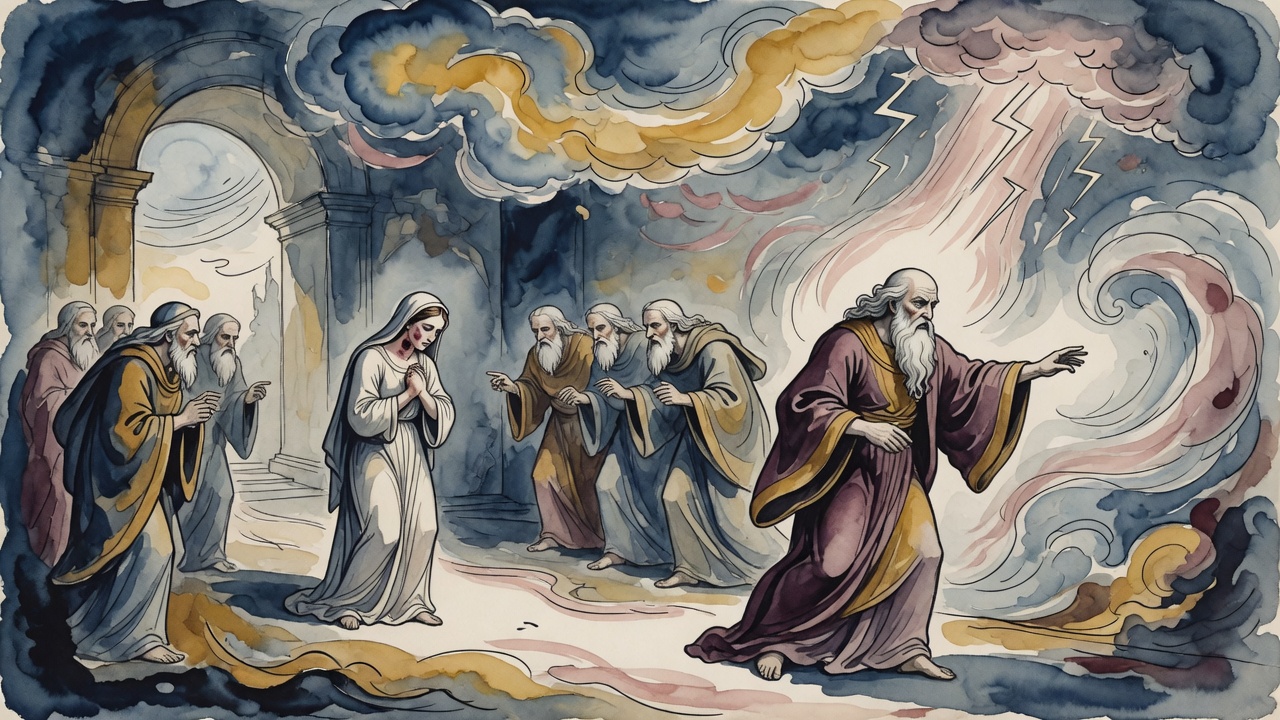
Rabbi Ishmael refused. The law, as he held it, barred healing through forbidden practices even when a life hung in the balance, because the cure would honor a power the community had rejected. To accept the spell was to let heresy write its name on the recovery and teach the next generation that panic rewrites borders. Ben Dama kept trying to finish his proof. The sentence never closed. The breath left him while the verse was still half-formed in his mouth, a citation interrupted by death the way a lecture is interrupted by a slammed door.
Over the body Rabbi Ishmael said, "Happy are you, Ben Dama, that your body was pure and your soul departed in purity, and you did not transgress the words of your colleagues." The praise is terrible and clean. It crowns a death that followed obedience, not a death that followed failure of love. The uncle had loved the boundary more than the nephew's next hour, and the tradition preserved both the love and the cost without sanding either into comfort. Study houses repeated the tale because every generation meets a snake and a charming voice at the bedside.
Bones Counted After Another Kind of Death
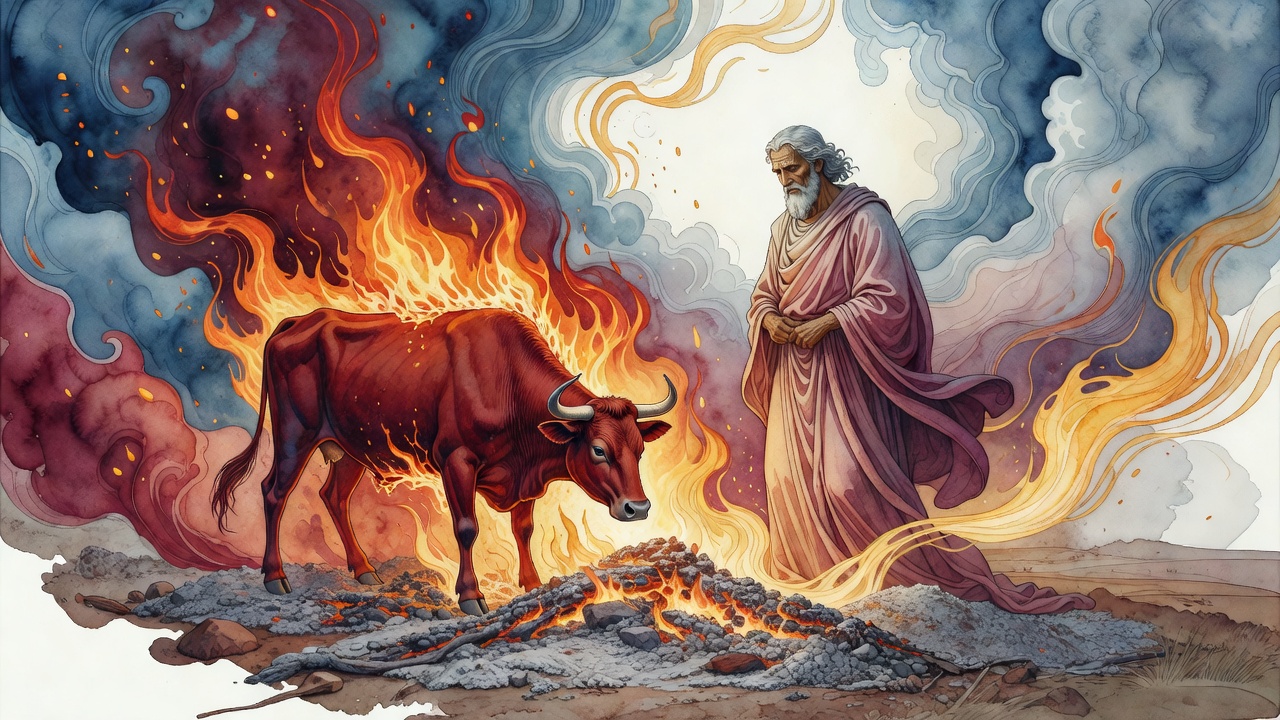
Students of the same Rabbi Ishmael once counted bones in a body the state had already condemned, seeking the number that maps commandments onto flesh. They found more bones in a woman's frame than in a man's, and they bound the two hundred forty-eight positive commandments to the two hundred forty-eight bones of a man as if law were written on the scaffold God built. Anatomy became theology. The body, any body, carried sacred architecture whether it had lived in a palace or a street the pious avoided naming.
When Rabbi Yehuda HaNasi died, he arranged succession, appointed his son, and ordered that study continue after his breath stopped. His two hundred forty-eight bones went to rest with the honors of a generation's master. The juxtaposition is deliberate in the collections that preserve both scenes. The bones of the sinner and the bones of the righteous one are built to the same divine blueprint. Ben Dama's body was also architecture. The serpent did not care. The forbidden healer did not care. Only the uncle treated the limbs as a vessel that must leave the world unstained by a foreign Name. Whether later generations agree with his ruling, the story forces the question into a room that smells of fever: what is a pure death worth when a living mouth is still asking for one more hour?
Do Not Say You Will Do as You Wish
Ben Sira, writing centuries before these sages argued over bedsides, warned against the soft sentence that floats above consequence: I will do as I wish, and if He forsakes me, what now? He warned against the other softness too: I have enough, and what calamity can touch me? Prosperity forgets adversity. Adversity forgets good. The end of a person remains with God, who will not let the wrongdoer escape forever with plunder and will not forever frustrate the desire of the righteous.
Ben Dama did not boast. He pleaded. Still the tale sits beside Ben Sira's edge like a second blade. There are moments when a person reaches for any door that opens, and the tradition answers that some doors cost more than the room they lead into. Cures can be worse than disease. Healings can price a life higher than the life itself. The nephew dies mid-verse. The uncle blesses the purity of the corpse. The healer leaves without a fee. The snake is already gone. What remains is a question each reader must answer with a body that is still warm: which boundary would you hold if the venom were climbing your own arm, and which verse would you still be trying to finish?
← All myths