Retold in our words. Read the original at the link below.The Minor Tractates of the Talmud, trans. A. Cohen, Soncino Press (1965) · CC-BY
R. JOSE SAID: LET THE PROPERTY OF YOUR FELLOW BE AS DEAR TO YOU AS YOUR OWN; FIT YOURSELF FOR THE STUDY OF THE TORAH, SINCE IT DOES NOT COME TO YOU BY INHERITANCE.
What does this mean? It teaches that as a man regards his own property, so he should regard the property of his fellow; and as a man would not wish to see an evil report spread about his own property, so he should not wish to see an evil report spread about the property of his fellow.Another interpretation of LET THE PROPERTY OF YOUR FELLOW BE AS DEAR TO YOU AS YOUR OWN. What does it mean? When a disciple comes to you and asks for instruction, if it is within your power to teach him, do so; but if not, dismiss him at once and take no money from him;1As remuneration for teaching; cf. Ned. 37a (Sonc. ed., p. 113) where the taking of a fee is prohibited. as it is stated, Say not unto thy neighbour: Go and come again, and to-morrow I will give; when thou hast it by thee.2Prov. 3, 28.
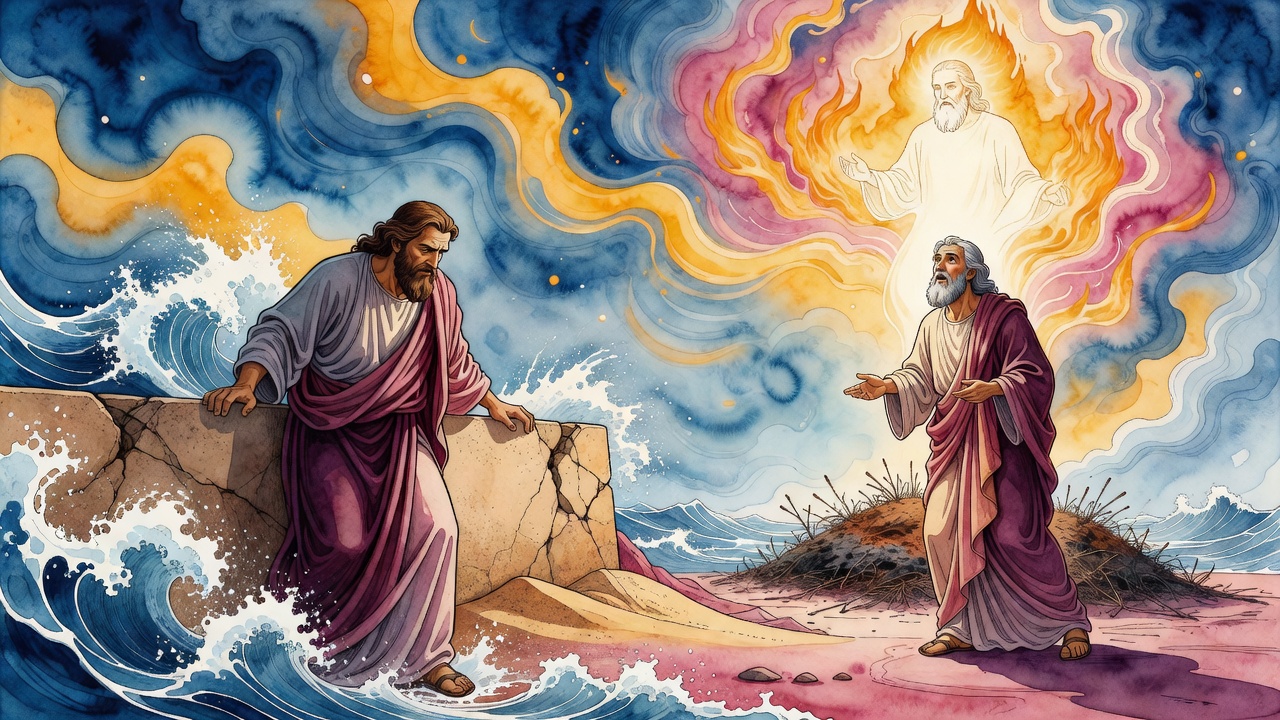
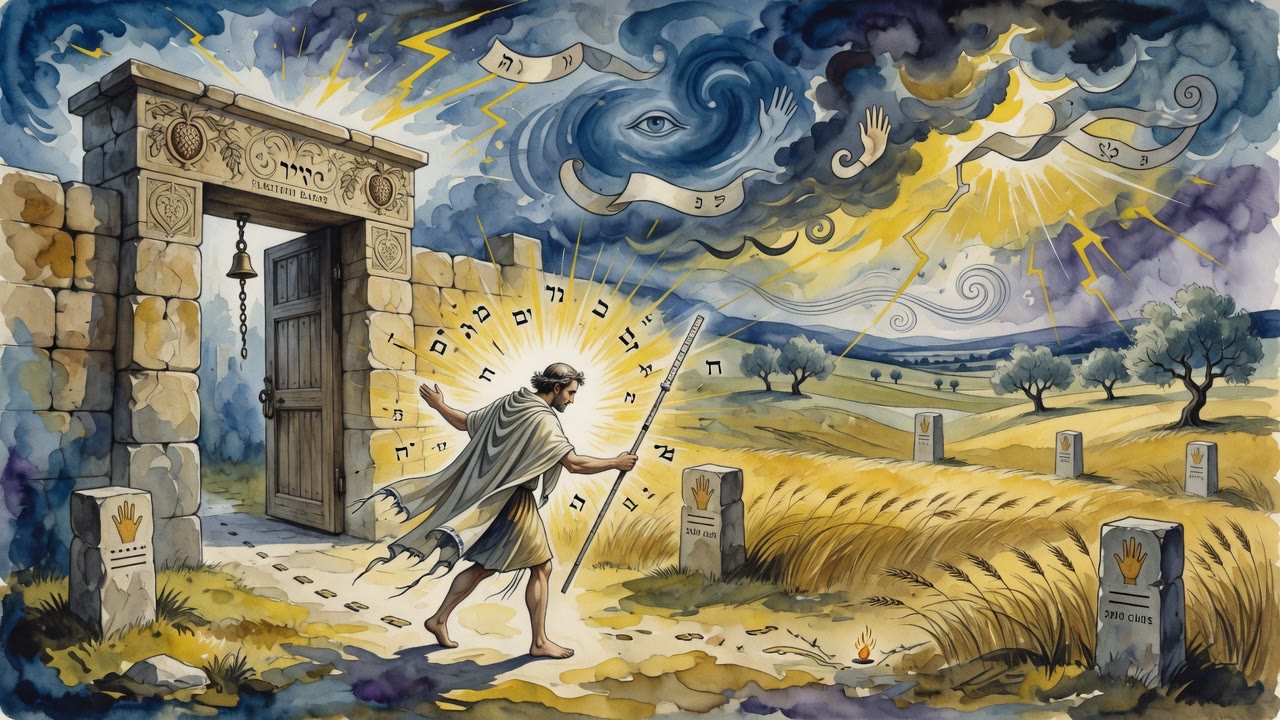
FIT YOURSELF FOR THE STUDY OF THE TORAH, SINCE IT DOES NOT COME TO YOU BY INHERITANCE. Thus when Moses our teacher perceived that his sons had not the knowledge of the Torah to be able to succeed him in leadership, he wrapped himself in his robe and stood up to pray. He said, ‘Sovereign of the universe! Make known to me who will come in and go out at the head of this people, as it is stated, And Moses spoke unto the Lord, saying: Let the Lord, the God of the spirits of all flesh, set a man over the congregation, who may go out before them, and who may come in before them.3Num. 27, 15-17. Thereupon the Holy One, blessed be He, said to him, ‘Moses, take thee Joshua’.4ibid. 18. The Holy One, blessed be He, further said to Moses, ‘Go and appoint for him an interpreter5Also called ’Amora, ‘speaker’; he was the scholar who attended on the Rabbi during the lecture and expounded at length and in popular style the subject-matter given to him by the instructor. that he may expound [the Torah] in your presence at the head of the notables of Israel’. At that time Moses said to Joshua, ‘Joshua, as for this people that I am delivering into your charge, they are not he-goats but kids; I am not delivering to you sheep but lambs, because as yet they have not occupied themselves with the commandments, and so have not reached the stage of he-goats;6And must be treated with care and consideration; cf. Sifre to Deut., §305. as it is stated, If thou know not, O thou fairest among women, go thy way forth by the footsteps of the flock and feed thy kids, beside the shepherds’ tents.7Cant. 1, 8.
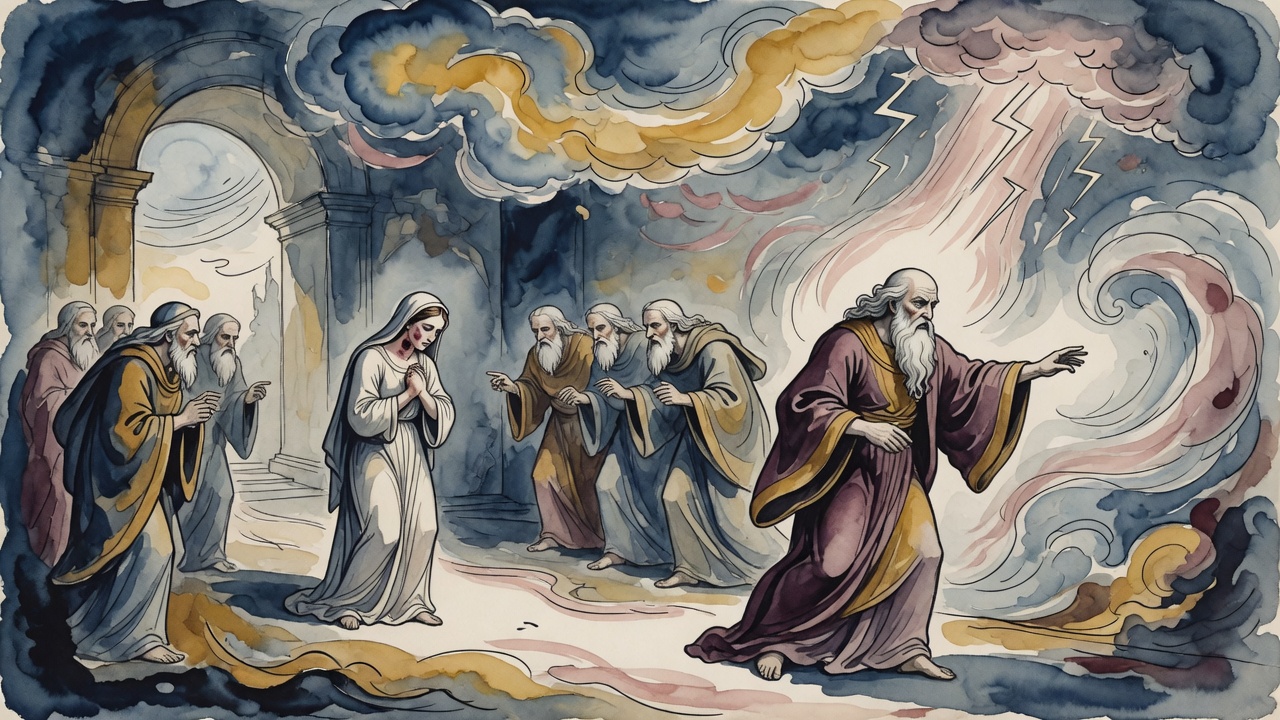
Rabban Joḥanan b. Zakkai8Cf. Sifre ibid. and Keth. 66b (Sonc. ed., p. 405). was once walking in the market place when he observed a young woman picking grains of barley from under the feet of the cattle of the Arabs. He said to her, ‘My daughter, who are you?’ She remained silent. Again he asked her, ‘My daughter, who are you?’ She continued silent [for a time], and then said to him, ‘Wait a moment’. She wrapped herself in her hair, sat down before him and said, ‘I am the daughter of Naḳdimon b. Gorion’.9Cf. above VI, 3, p. 47. He asked, ‘My daughter, what became of your father’s wealth?’ She replied, ‘Master, is not the proverb current in Jerusalem, “The salt10A preservative. The difference in the two versions is in one letter, the former having חסר and the latter חסד. of wealth is its diminution [by charitable use] (or, according to another version, “[The salt of wealth is] benevolence”)?’ ‘And what became of the wealth of your father-in-law?’ he asked. She replied, ‘The one swallowed up the other’.11The fortunes of the two men were interlocked. Then Rabban Joḥanan b. Zakkai turned to his disciples and said, ‘All my life I have read the verse, If thou know not, O thou fairest among women, go thy way forth by the footsteps of the flock, but did not understand its significance until to-day when I have realized its meaning, viz. that Israel will come under the domination of the lowest of the nations, and not merely under the domination of the lowest of the nations but will be among the dung of their cattle’. The young woman then asked him, ‘Master, do you remember when you put your signature to my marriage contract?’ ‘I do,’ he replied; and turning to his disciples he said, ‘By the Temple Service! I signed this young woman’s marriage contract, and it mentioned a settlement of one million Tyrian golden dinars’. [It is related that] the members of the family to which the young woman belonged never set out from their house to go to the Temple until the finest woollen rugs were spread before them.
The story12Further anecdotes of the wretched plight of even the wealthiest families in Israel during the siege of Jerusalem and after. is told of a young woman who was taken captive together with her ten maids. A Gentile acquired her and she grew up in his house. One day he handed her a jug and said, ‘Go and fetch me some water’. One of her maids arose and took it from her. ‘What is this?’ he asked; and she replied, ‘By your life, master! I was one of five hundred maids of this young woman’s mother.’ When he heard these words, he at once set her free together with her ten maids.
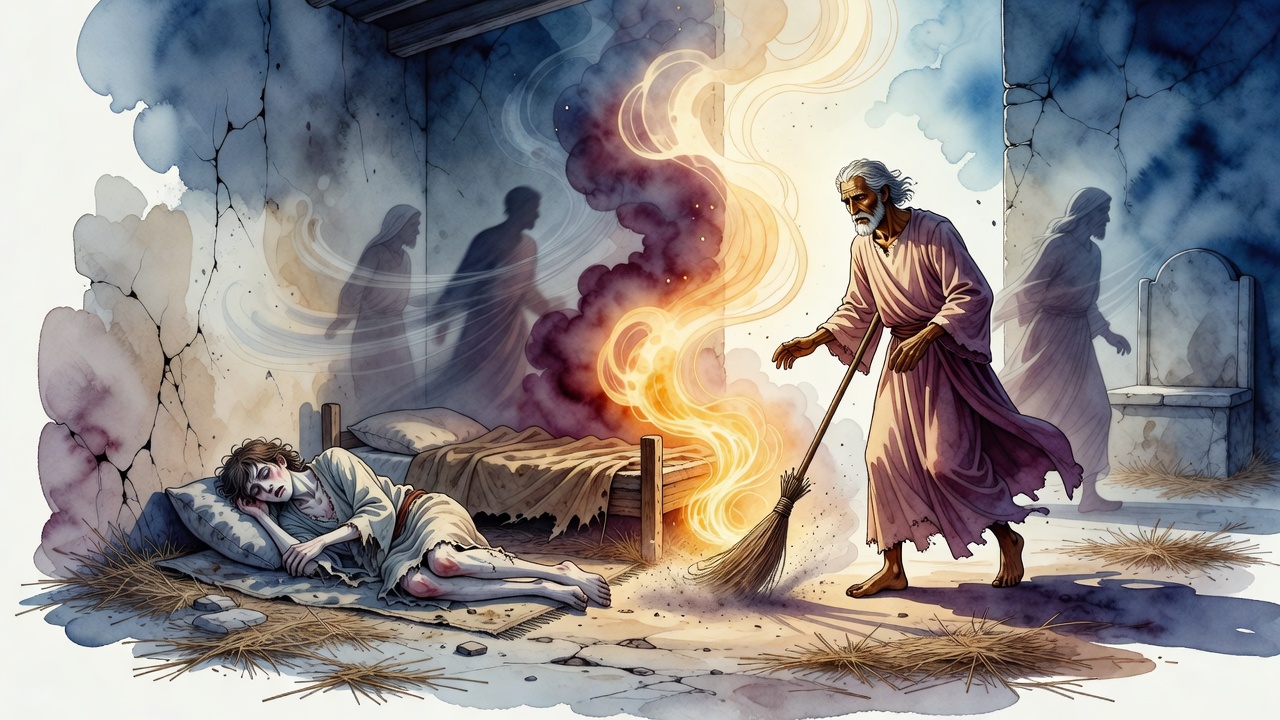
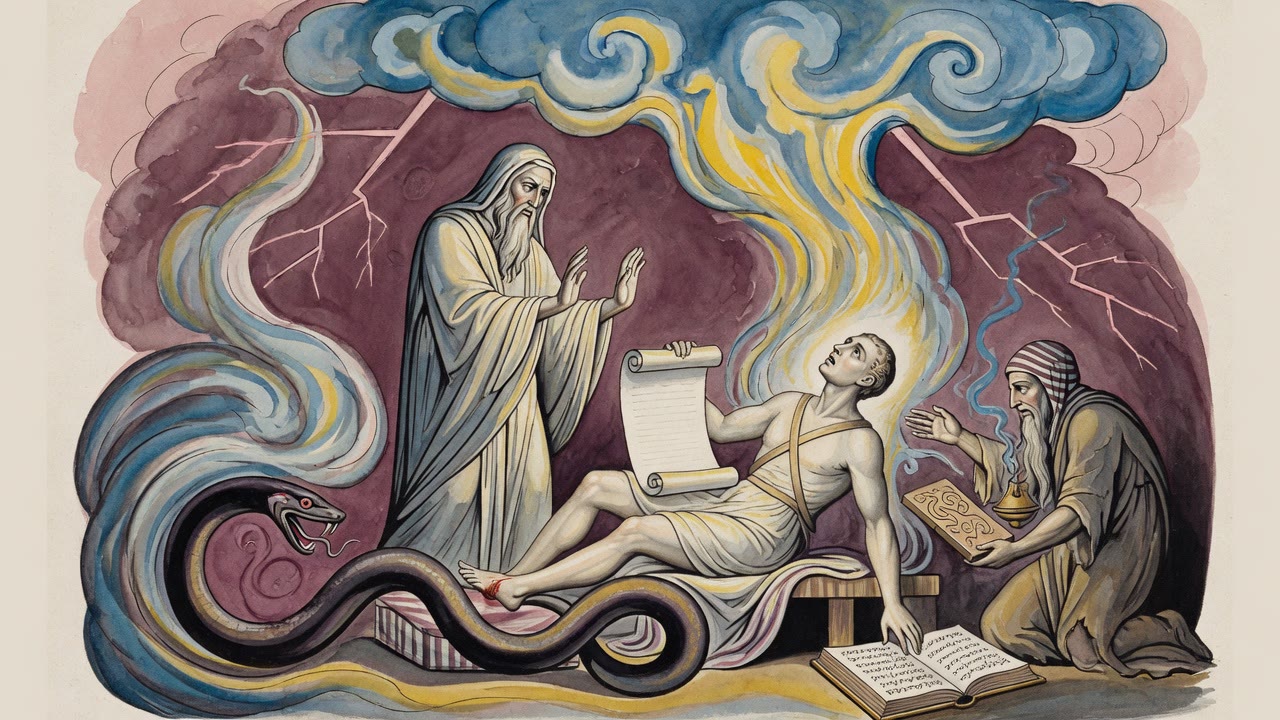
Another story is told of a young woman who was taken captive. A Gentile acquired her and she grew up in his house. The Angel of Dreams13lit. ‘the master of the dream’; cf. Ber. 10b (Sonc. ed., p. 55, n. 5) where another explanation is suggested. appeared to him and said, ‘Send the young woman from your house’. His wife said to him, ‘Do not send her away’. Again the Angel of Dreams appeared to him and said, ‘If you do not send her away I will kill you’, and he let her go. He followed her, saying [to himself], ‘I must go and see what will befall this young woman’. On her journey she became thirsty and went down to drink at a spring, When she placed her hand on the wall, a snake came and bit her so that she died, [her body] floating on the surface of the water. He went down, took her out and buried her. On his return home he remarked to his wife, ‘This people whom you behold bear the anger of none other than their Father in heaven’.
AND LET ALL YOUR DEEDS BE DONE FOR THE SAKE OF HEAVEN.14The conclusion of R. Jose’s teaching in Aboth 2:17 (Sonc. ed., II, 12, p. 22). That means, for the sake of the Torah, as it is stated, In all thy ways acknowledge Him, and He will direct thy paths.15Prov. 3, 6. By following the ways of the Torah one arrives at a knowledge of God.
R. SIMEON SAID: BE CAREFUL TO READ THE SHEMA‘ AND THE ‘AMIDAH; AND WHEN YOU PRAY LET NOT YOUR PRAYER BE A CONVERSATION16The reading in Aboth 2:18 (Sonc. ed., II, 13, p. 23) is ‘a fixed task’. BUT SUPPLICATION BEFORE THE HOLY ONE, BLESSED BE HE, AS IT IS WRITTEN, FOR HE IS GRACIOUS AND FULL OF COMPASSION, SLOW TO ANGER AND ABUNDANT IN MERCY, AND REPENTETH HIM OF THE EVIL.17Joel 2, 13. A variant text is the verse from Jon. 4, 2.R. ELIEZER SAID: BE EAGER TO STUDY THE TORAH, AND KNOW HOW TO ANSWER AN UNBELIEVER. Let not one word of the Torah be forgotten by you. KNOW BEFORE WHOM YOU TOIL, AND WITH WHOM YOU HAVE ENTERED INTO A COMPACT.18The phrase Ba‘al berith as a designation for God is not found elsewhere in Rabbinic literature. GRA substitutes Ba‘al melakteka, ‘thy Employer’, in conformity with Aboth 2:19 (Sonc. ed., II, 16, p. 25).

 Click for full size