Aaron Greeted the Wicked Until They Could Not Sin
Aaron stopped on the road and greeted men planning sin that night. By morning shame held them, and two enemies kissed, never knowing who had lied for peace.
Table of Contents
 Click for full size
A Greeting on the Road
Aaron saw the man first as a dark shape against the evening dust, then as a face the village already had a verdict for. He stole. He cursed. He had put his hand to things that should stay buried. Aaron did not cross to the other side of the path. He stopped, lifted both hands, and greeted him as if the man were bringing a gift to the sanctuary.
The man blinked. His mouth worked around a reply he had not prepared. Aaron spoke his name. Aaron asked after his house, after the child who had been ill last month, after the roof that leaked in the first rains. Then the high priest walked on, and the dust closed over the place where kindness had stood without a price.
Behind him the man stood longer than pride usually allows. A greeting is a small thing until it is the only soft word you have received in a season. It lodged under his ribs like a seed with a hard shell.
The Night the Sin Refused to Rise
That night the man reached for the old plan. A locked door. A knife. A word he meant to hurl like a stone into a neighbor's sleep. His hand froze halfway. He saw Aaron's face again, open and unflinching, and a heat rose under his skin that had nothing to do with wine.
"How can I raise my eyes," he whispered to the empty room, "and look Aaron in the face after what I have done? He greeted me with such kindness."
The knife went back into the sheath. The word died in his throat. He lay down without the crime he had rehearsed for a week. Aaron had not argued law. Aaron had not shamed him in the gate. One greeting had put a mirror in the man's path, and the man could not step through it without seeing himself too clearly to continue.
In the morning he walked to work with his hands empty of blood and full of a strange, irritated gratitude. He did not become a righteous person overnight. He became a man who had failed to sin once because someone's face would not leave him alone.
Two Doors and One Lie of Mercy
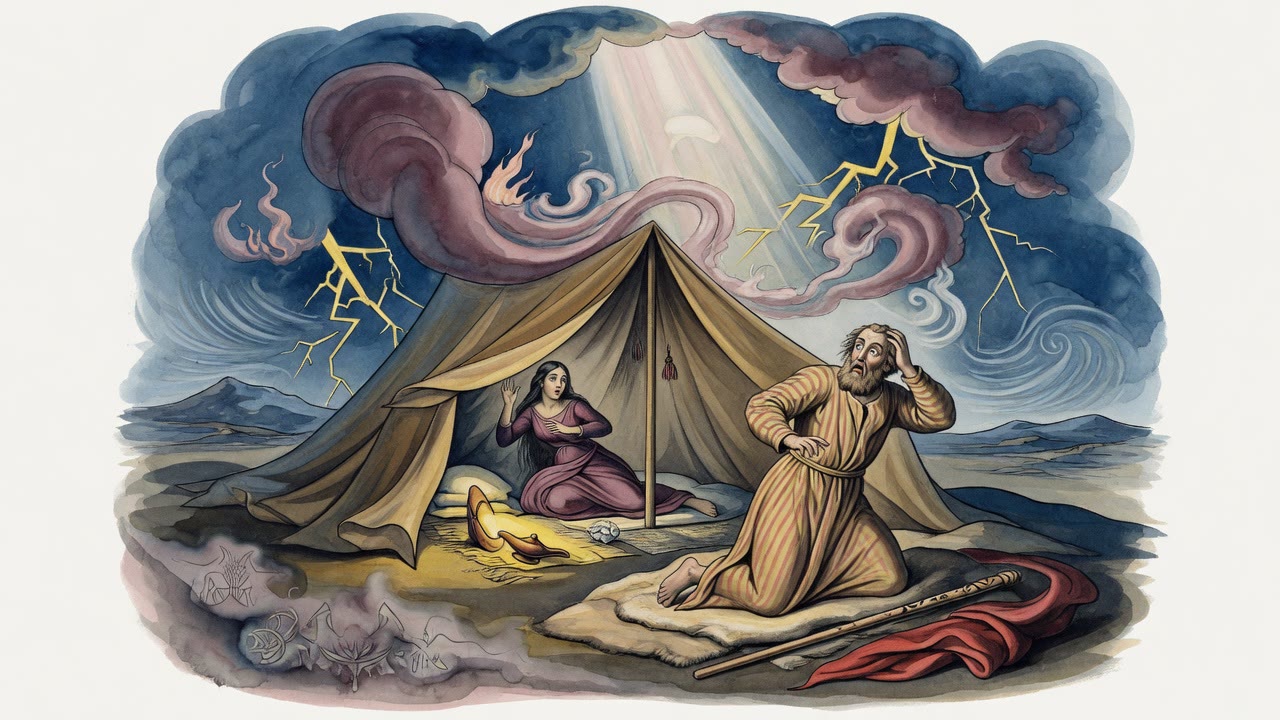
When neighbors quarreled, Aaron's method grew stranger and more precise. He went first to one house. He sat until the anger cooled enough to hear a human voice over the sound of its own heat. Then he said, "My son, you should see your friend. He is beating his breast and tearing his clothes. He keeps saying, 'How can I face him? I am so ashamed. I was the one who wronged him.'"
He stayed until every hard line left the man's jaw. He accepted water. He asked about the olive trees. He left only when the room no longer felt like a drawn bow. Then he walked across the lane to the second house and spoke the same words, the same invented breast-beating, the same borrowed shame. Neither man knew what Aaron had told the other. Each believed his enemy already lay broken with regret.
When they met in the market, they did not posture. They fell on each other's necks. They kissed. Women selling greens stared. Children pointed. The village thought a miracle had healed them. The miracle was a priest who would rather carry a careful fiction than watch a feud rip a street in two and teach a dozen boys how to hate by example.
Why Peace Seals Every Blessing
Hillel would later say, "Be of the disciples of Aaron, loving peace and pursuing peace, loving people and drawing them near to the Torah." The instruction is not soft. Pursuit means walking toward the man with the knife, toward the locked door, toward the house that smells of old grievance and wet wool.
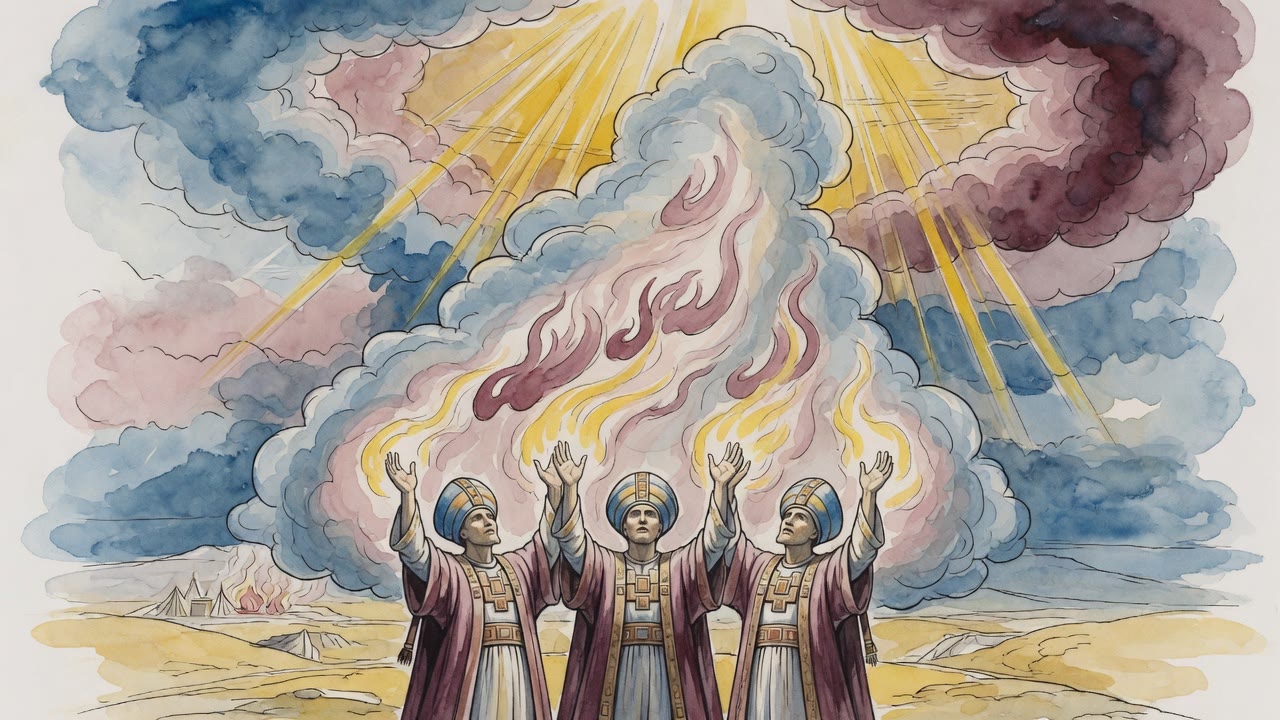
The same tradition seals every great blessing with peace. The Shema (Hear O Israel) spreads a shelter of peace over the night. The Amidah (the standing prayer at the heart of every service) ends with peace like a door closed gently. The priests lift their hands and finish, "and grant you peace" (Numbers 6:26). Even the order of offerings in the sanctuary runs toward the peace-offering, as if fire itself were trying to arrive at a reconciled table after blood and grain and confession.
Aaron's road work was not a side hobby of a gentle man. It was the shape of blessing when blessing has hands and feet and is willing to look foolish. He did not wait for the wicked to become worthy of a greeting. He greeted them until worthiness had somewhere warm to grow.
Thirty Days of Weeping
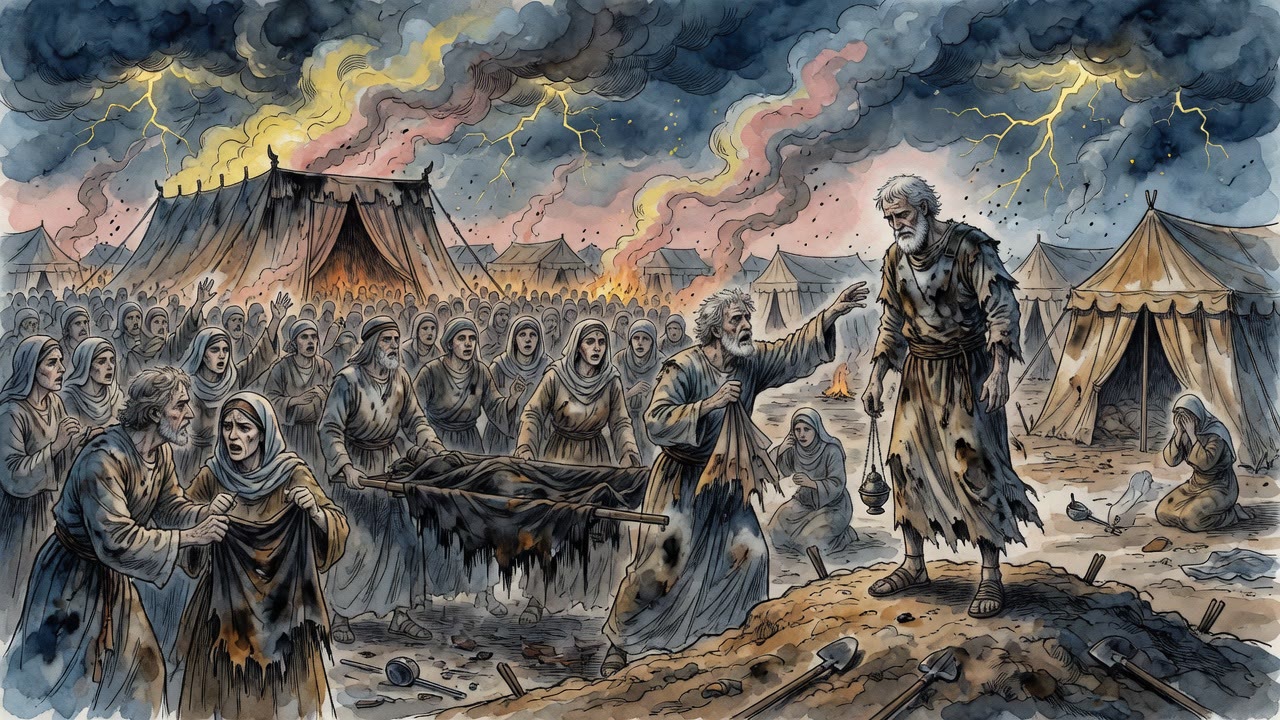
When Aaron died, "all the house of Israel wept for him thirty days" (Numbers 20:29). Not only the scholars. Not only the clean. The men who had nearly sinned and then stopped. The neighbors who still kissed in the market without knowing they had been lied to for love. The women who had watched feuds end and never learned the method. They all felt the road empty of the man who would stop for them.
Moses had thunder and tablets. Aaron had a greeting and a story he was willing to invent so that two hearts could unclench. Israel mourned the tablets when they broke. Israel mourned Aaron because a living door of peace had closed, and no one else knew how to stand in the dust and open it again with the same nerve and the same patience.
For thirty days the camp practiced grief the way it had once practiced quarrel. Then it had to learn, without him, how to greet a wicked man as if tomorrow's sin still might be talked out of rising.
← All myths