Esau Cries Theft and Jacob Counts One Day
Esau dresses his loss as a crime, lining up with Cain and Manasseh. Jacob measures a whole life and finds only one day of peace under his brother's shadow.
Table of Contents
 Click for full size
A Cry Dressed as a Lawsuit
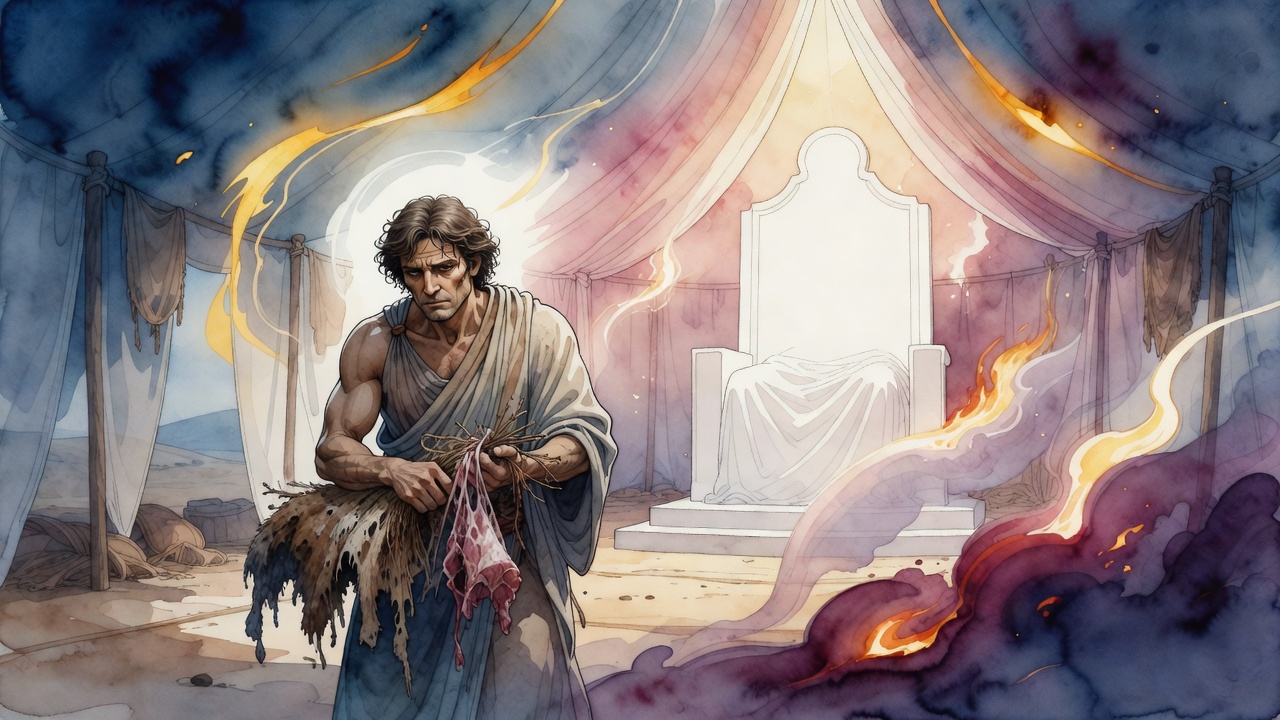
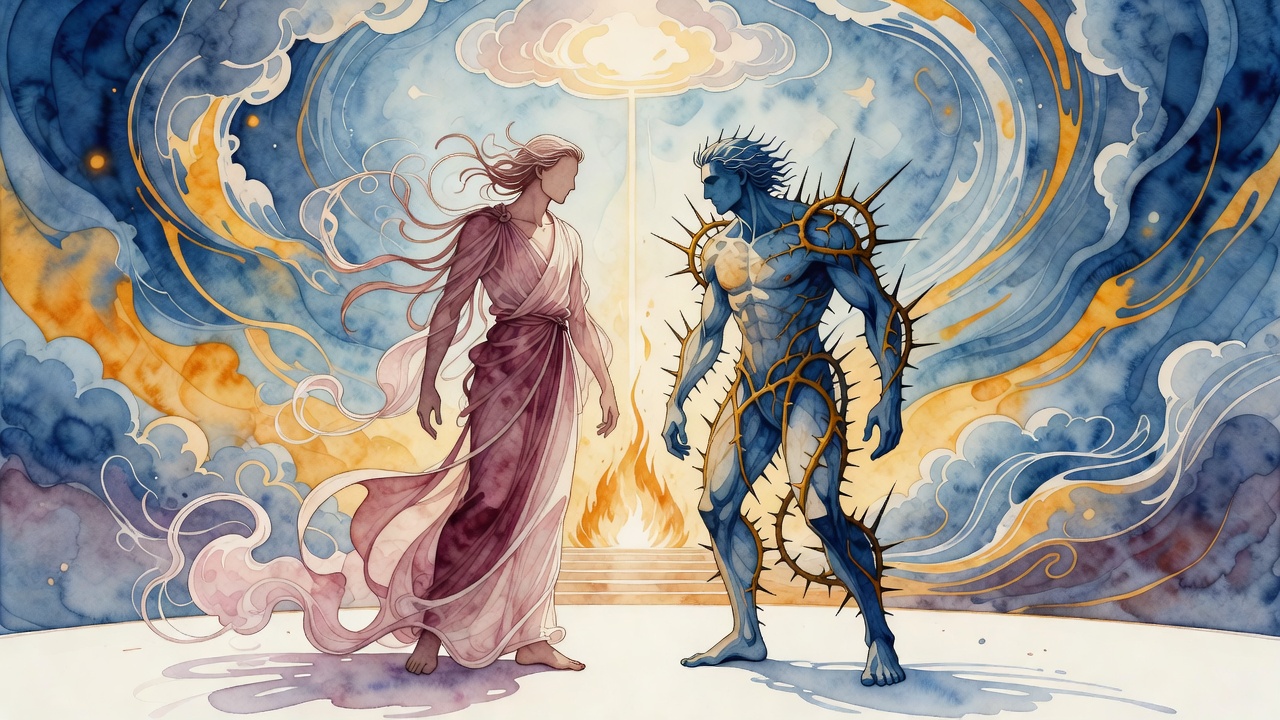
Esau cleared his throat and made his loss sound like a crime done to him. The cry against Jacob came out bitter and polished, a grievance built to make the guilty party look wronged and the wronged party look pure.
The same posture stood in two other mouths. Cain, after murdering his brother, complained that the punishment was more than he could bear, as if the verdict, not the killing, were the outrage (Genesis 4:13). Manasseh flooded Jerusalem with idols and called on the God of his fathers only when the walls closed in. Three men, one move: a trumped-up claim that flips the moral floor until the speaker stands as victim of his own story.
Inside the performance a cracked syllable still sounded. They sensed they had lost something irreversible and could not fully say why. The cry was manipulative. The cry was also a late hand reaching back toward what they had thrown away. The midrash holds both truths without letting either erase the other.
Sell Me Even One Day
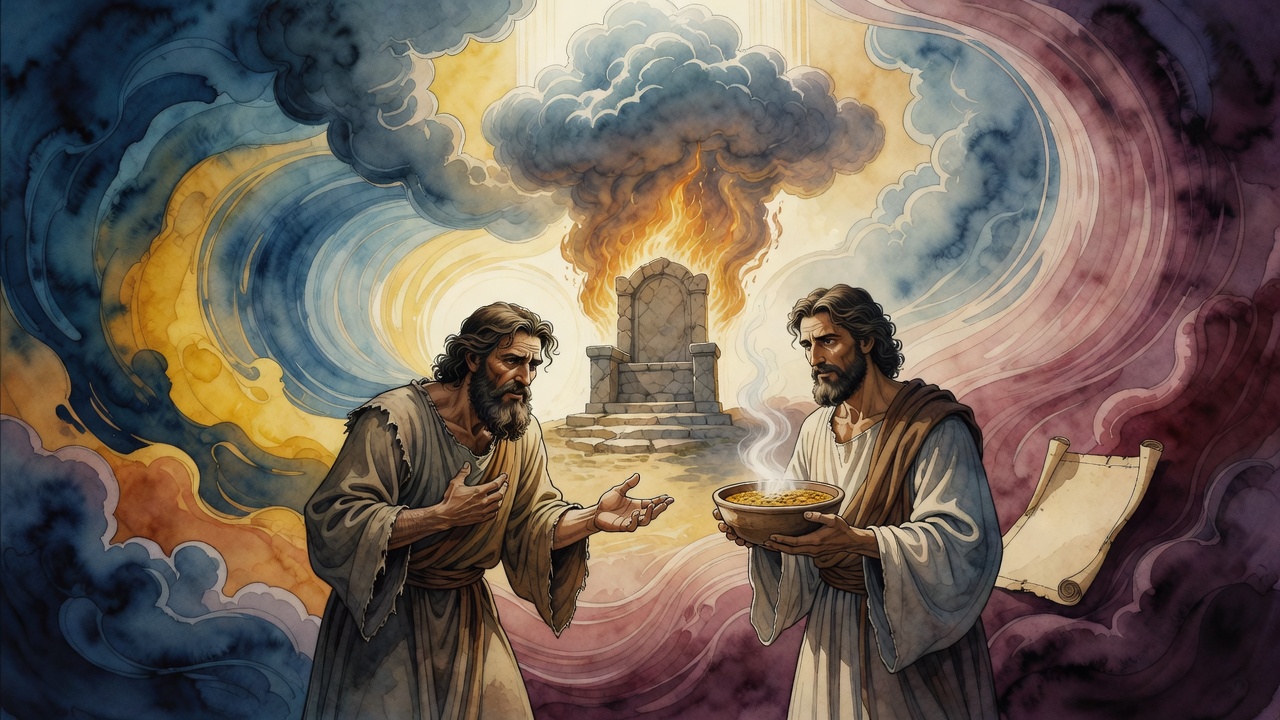
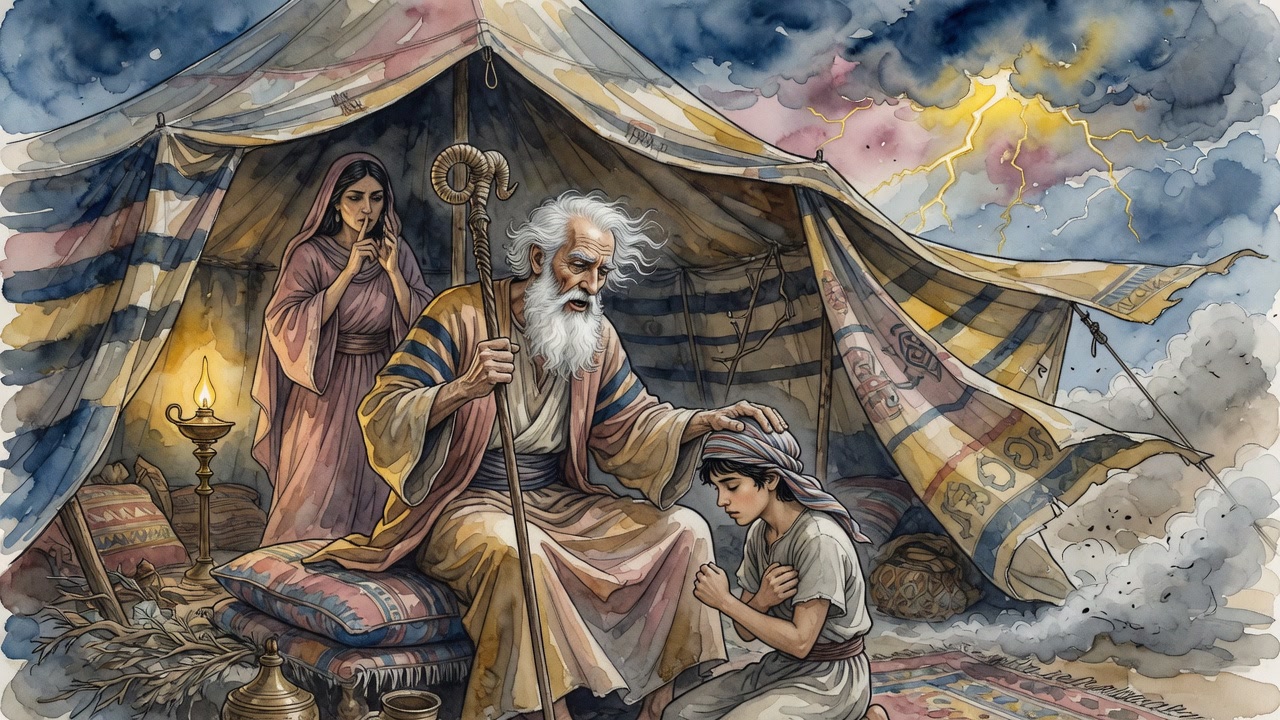
When Jacob said, Sell me, as of this day (Genesis 25:31), a smaller request hid in the words. Sell me even one day of your own. Add up the years Jacob lived in true calm, free from his brother's menace, and the total comes to a single day. One day of peace in a long life of flight, exile, loss, and dread. The rare calm could be counted on a single page of the calendar.
Esau answered, Behold, I am going to die, and loaded the birthright with a sneer. Why then do I have this birthright? The word this spat on the sacred thing he was born holding, as if he were pointing at holiness with a finger that wanted it gone.
Jacob measured life in stolen quiet and was grateful for a unit so small it almost shames the ledger. Esau could not hold the birthright in his mouth without scorning it. One treasures what he barely has. The other despises what he was born holding.
Rotten Palm, Barren Orchard
Rejected and resentful, Esau went to marry into Ishmael's house (Genesis 28:9). The rotten palm seeks the orchard of barren trees. Every bird dwells with its kind. A person seeks one resembling himself. What attaches to the impure becomes impure. The starling flies to the raven because they share a nature, not because the wind misled them.
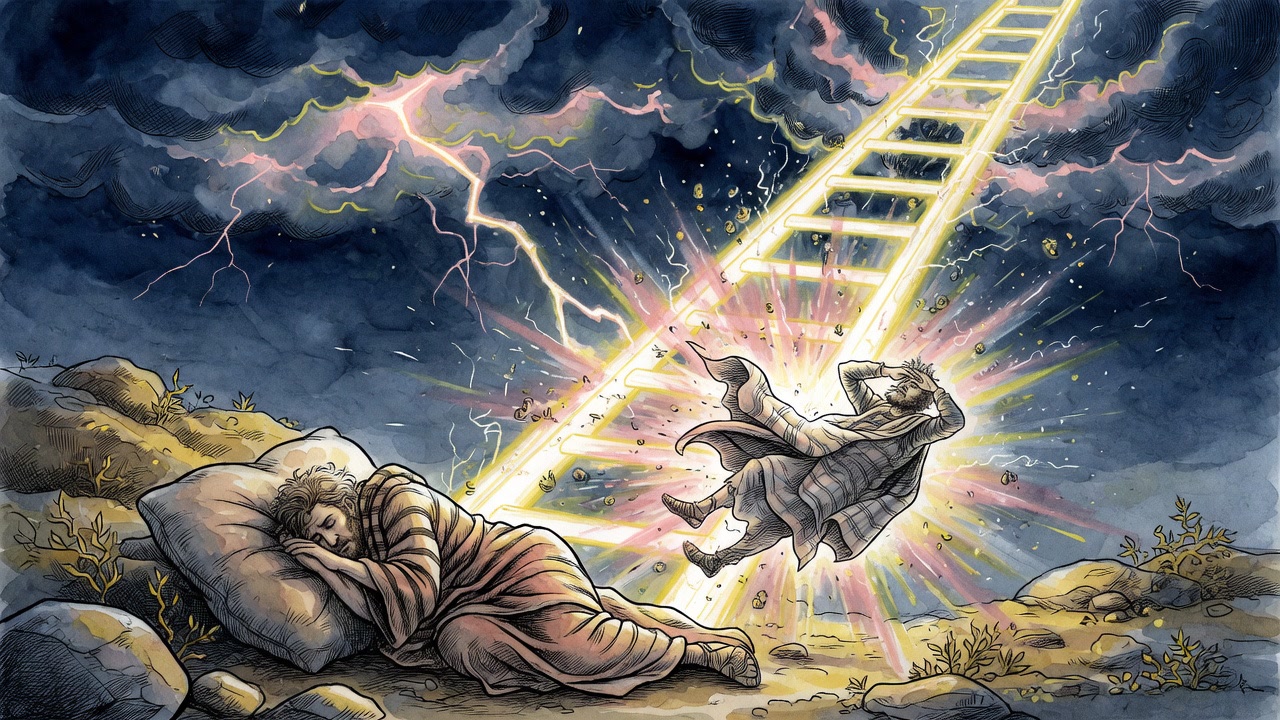
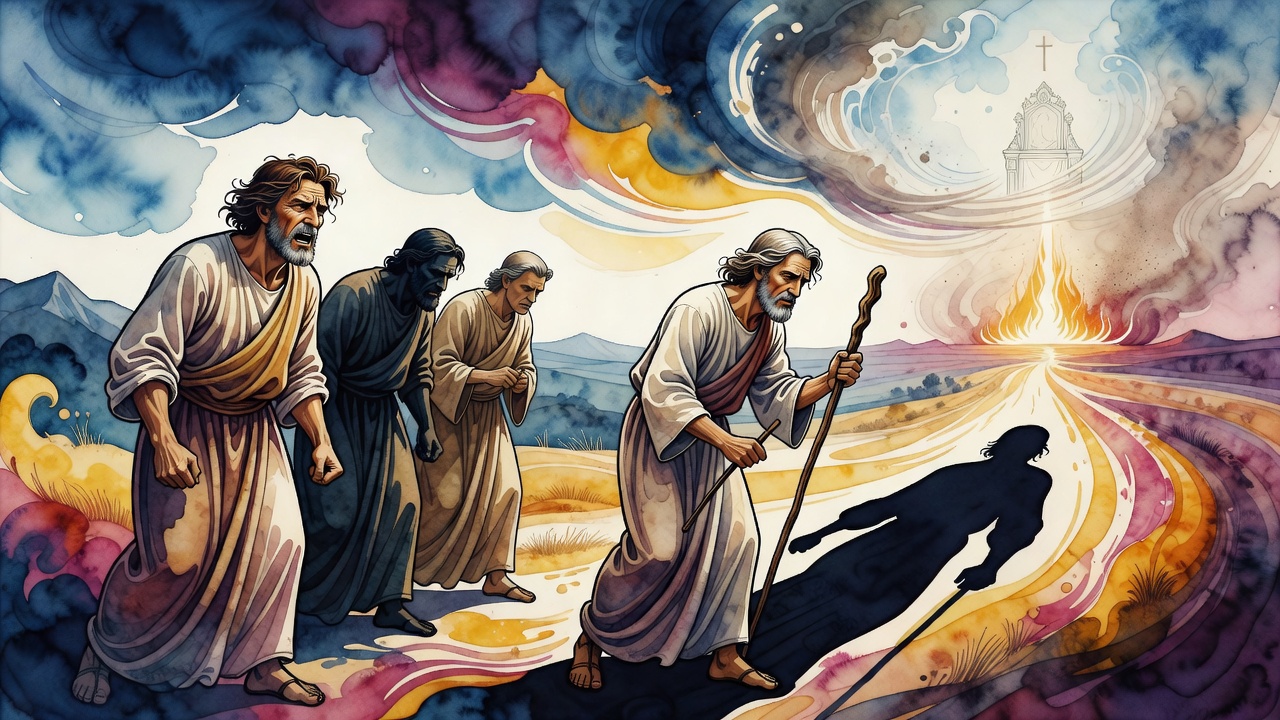
Jacob, in the same season, lifted his feet toward Haran. One brother drifted toward his likeness and into a shared rebellion against the Maker that would finish them both. The other walked out of the trap while the rejected sons gathered into it. From their revolt came their downfall. The righteous man slipped free of the snare by leaving.
Keep What Is Yours
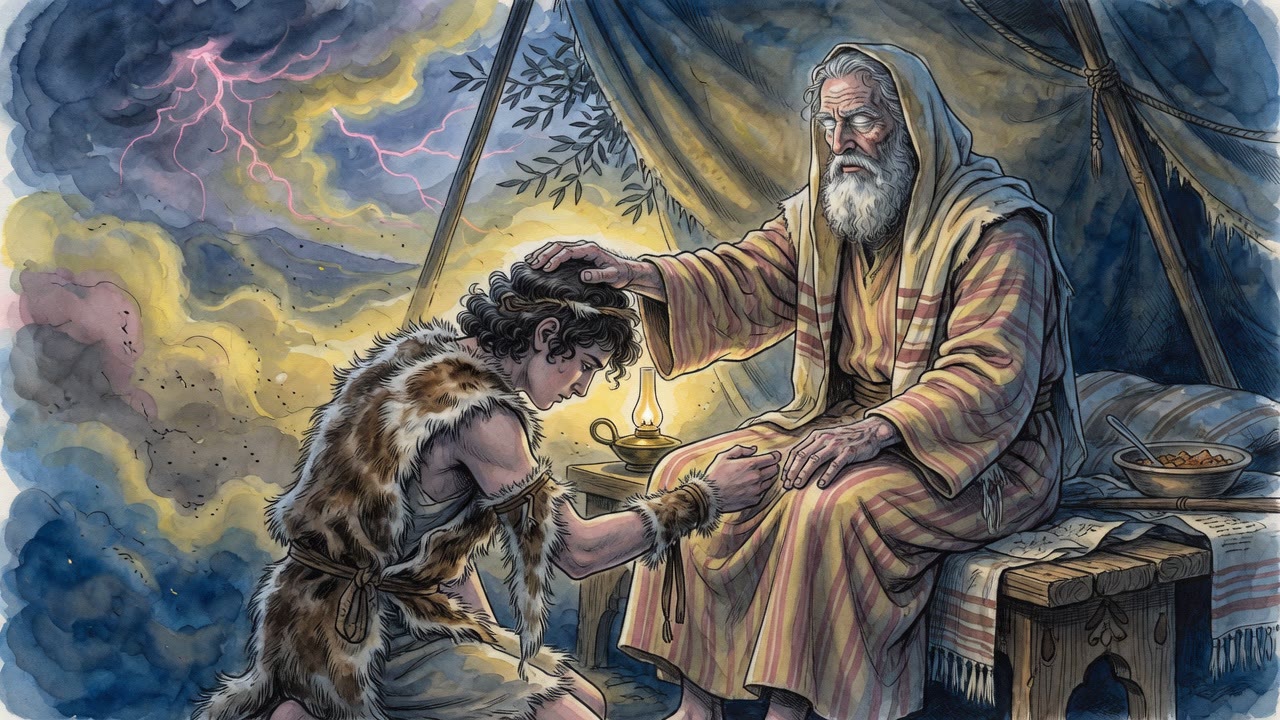
Years later Esau said, Keep what is yours, my brother. The blessings Jacob had taken by stealth had hung in doubt over his head, never fully settled. When Esau himself conceded, they settled as Jacob's in full. The stolen gift became owned gift at the moment the loser named it so.
Jacob answered that seeing Esau's face was like seeing the face of God (Genesis 33:10). Some heard permitted flattery of the wicked in this world, a survival speech under mortal danger. Others heard a quiet warning dressed as praise. A man once told a guest who meant to murder him that the dish tasted like one from the king's palace. The killer froze. If this man dines with the king, the king will avenge him. Jacob's line could work the same way. Touch me, and powers far above you will answer.
The man who once cried theft ended by confirming the gift. The man who asked for one day of peace outlived the shadow long enough to bow, speak carefully, and keep moving toward Succoth with his life still in his body.
The Arithmetic of Dread
Jacob's single day of peace was not a festival anyone marked on a wall. It was the absence of a brother's shadow for a span so short the midrash almost whispers it. Around that day stood years of Laban's wages, Rachel's death road, Joseph's silence, and the old fear that Esau's four hundred were still a sentence waiting to be read aloud.
Esau's cry of theft, Cain's cry against punishment, Manasseh's late prayer from a closed wall: each voice tried to renegotiate a past it had authored. Jacob's voice, when he asked for "this day," tried only to buy a unit of quiet from a man who was about to spit on the birthright. The market was unfair. The need was honest.
When the later meeting finally came and Esau said keep what is yours, the lawsuit dissolved into a concession. The one day had been enough to keep Jacob alive into the hour when the claim could end without blood on the road.
← All myths