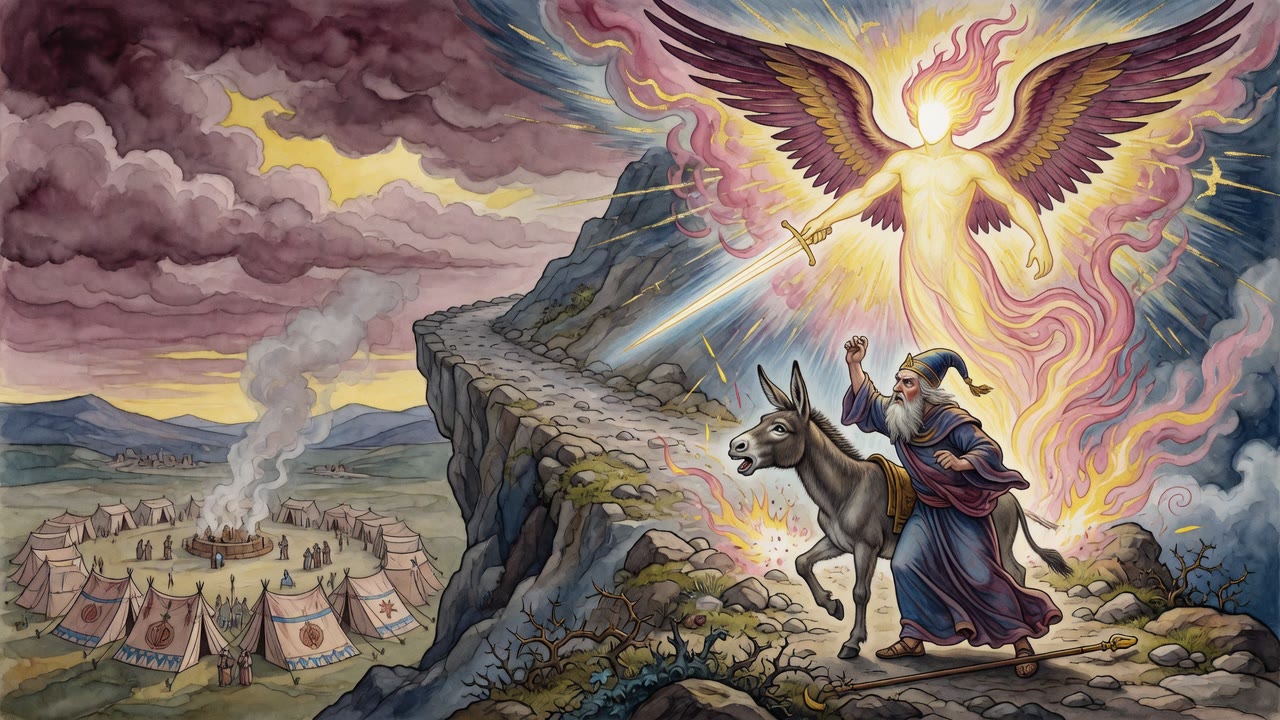
The Exiled Wife Kept Wearing Her Ornaments
God sends Israel from the land like a king sending a wife home, and orders her to keep the mitzvot, the commandments, on so return will not feel strange.
Table of Contents
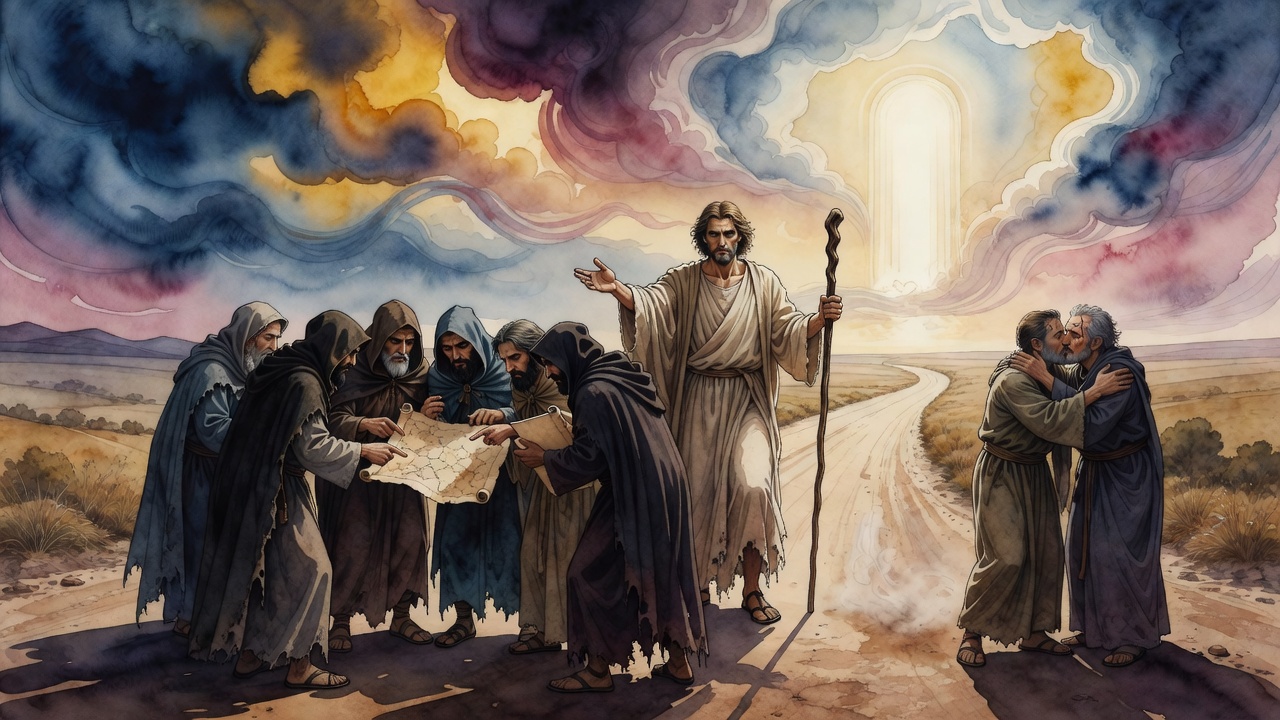
The decree fell like a door slamming. Israel packed what a people packs when a land turns its face away: cloth, children, the small knife that still cuts bread. Behind them fields they had named went quiet. Ahead of them roads they did not choose already waited with dust.
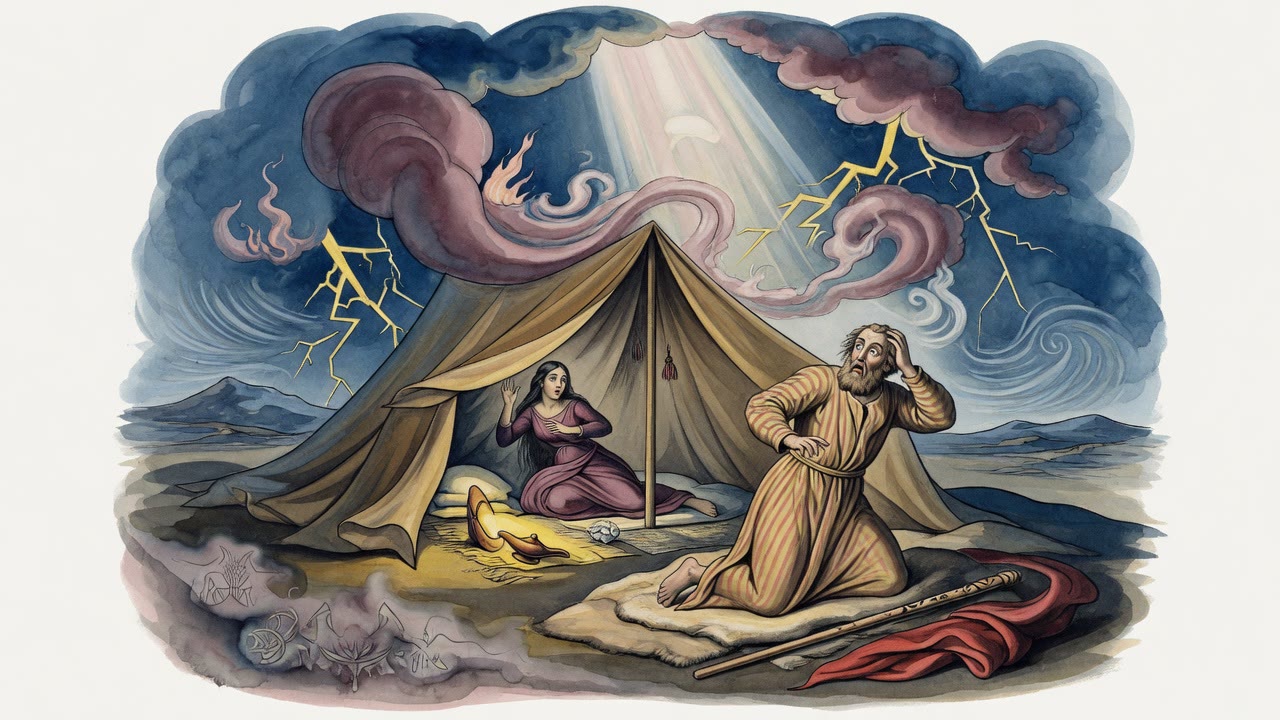 Click for full size
God did not send them bare. Before the border closed, a command landed that sounded like marriage law spoken in a king's voice. "Keep wearing the ornaments. Even outside the land, stay marked by the commandments. When you return, they must not feel new on your body."
The King and the Wife He Sent Home
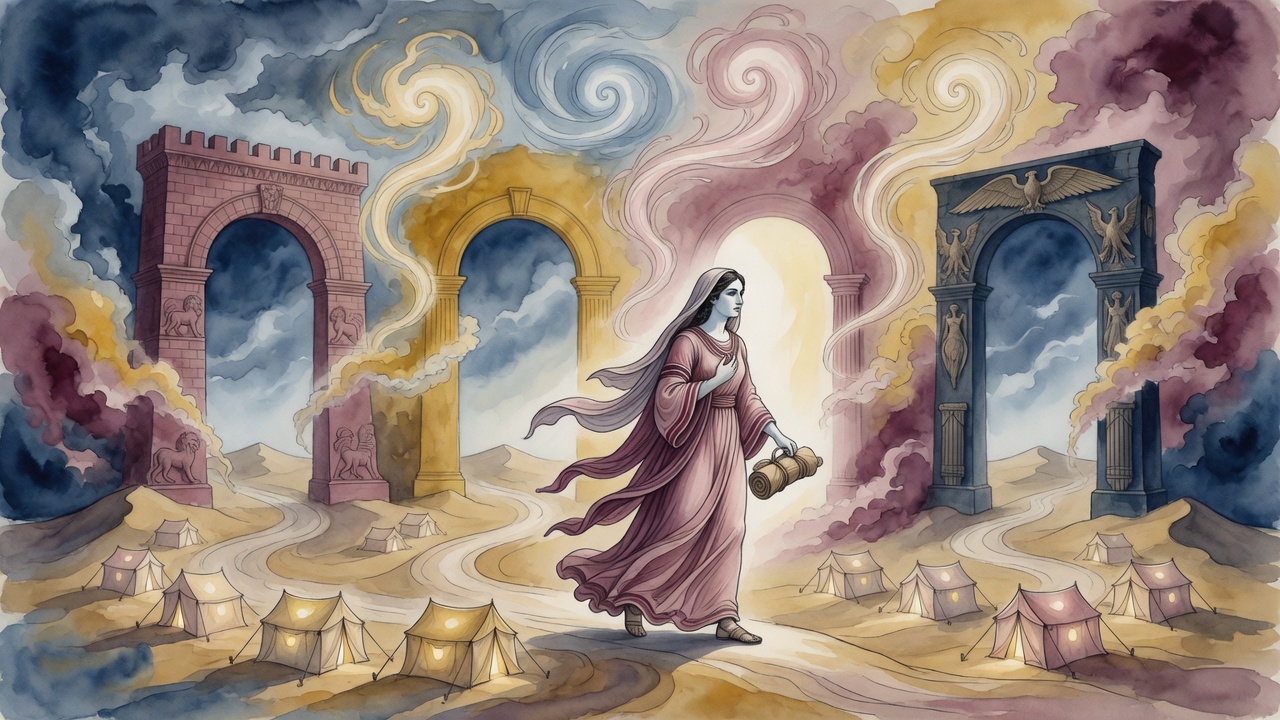
A king grows angry with his wife and sends her back to her father's house. Before she goes he stops her at the threshold. He does not strip the gold from her ears or the bands from her arms. He tells her to keep the jewels on through the years of separation. One day she will walk back through his gate. When she does, the weight on her wrists and the light at her throat must still know her skin.
So it is with Israel. The mitzvot are not breadcrumbs scattered to prove a trail. They are ornaments worn in exile so the returning bride will still know how to stand before the King. A commandment kept in a foreign alley is practice for a courtyard not yet rebuilt. Mourning for Jerusalem becomes a bitter marker on the road, a stone in the shoe that will not let the traveler forget which direction home still faces.
Jeremiah speaks the turn: "Set your heart toward the highway, the way you went" (Jeremiah 31:20 in the midrashic hearing of the path). The Holy One twists that highway into a call for teshuvah: look at the roads walked, turn back. The cities are not lost forever if the ornaments still fit.
A woman in the caravan touched the fringes at her garment and felt the thread rough against a blister. She did not take them off. Somewhere a child asked why they still bound the arm with leather when no Temple smoke rose. The father answered without poetry. Because the King said keep them on.
At a ford they stopped to wash grit from their ankles. A man rewound the straps of his tefillin (the leather prayer boxes bound to arm and head) with fingers that shook from cold water and from the effort of not treating the straps as optional. The current pulled. He held the bank with one hand and the commandment with the other until both held.
Peace at the Seal of Every Blessing
While the road stretched, another pressure ran under the law. Great is peace, for all blessings are sealed with peace. Rabbi Yehoshua of Sikhnin, quoting Rabbi Levi, set that claim where a people prays and where a people offers.
The reading of the Shema (Hear O Israel) spreads the shelter of peace over a night of bodies that still fear the dark. The standing prayer ends with a blessing for peace. The Priestly Blessing closes on the same word: "and grant you peace" (Numbers 6:26). A mouth that has asked for life, favor, and light still finishes on peace, as if every other gift waits for that seal before it will hold.
In the Temple the order of offerings told the same story with smoke. Burnt-offering, grain-offering, sin-offering, and at the end the sacrifice of the peace-offering, the zevach shlamim (Leviticus 7:37). Communal gifts at set times and festivals also ended in peace (Numbers 29:39). Fire rose. Blood moved. The last word on the altar was not destruction. It was shalom settled between God and a people who could still stand close enough to eat of what they had brought.
Exile did not erase that seal. It made the seal ache. A blessing that ends in peace spoken in a rented room still finishes the same way a blessing finished when the courtyard was full of song.
The Messenger on the Mountains
The future the midrash names does not open with war drums first. Isaiah sees peace extended like a river (Isaiah 66:12), a current without a dam. The Messianic King steps into the reading with feet on mountains and a mouth already speaking peace: "How pleasant on the mountains are the feet of the messenger proclaiming peace" (Isaiah 52:7).
Redemption and peace share a single announcement. The one who comes to David's line does not begin by counting corpses. He begins by proclaiming that the quarrel can end. For a people walking with ornaments on under foreign law, that news is not abstract. It is the sound of a gate that might open while their wrists still remember the weight of the commandments they refused to remove.
A watchman on a low hill in some later century would still look for those feet. Until then the road kept taking sandals and returning dust.
What the Body Carried Back
Years thickened. Children born outside the land learned the ornaments as first nature, not as costume. The return, when it came in waves of hope and half-hope, found hands that still knew how to bind, bless, and seal with peace. The jewels had not gone strange. The King had not wasted the order given at the threshold of exile.
Some dropped the weight and called the lightness freedom. Their arms forgot the bands. When a gate opened for them, the standing felt awkward, as if the body had been away too long from its own clothes. Others kept the thread and the word and the last amen of peace even when no one watched. Their return, when it came, fit.
Israel on the highway still sets the heart toward the way it went. Peace still closes the blessing. The messenger's feet still wait on the mountains. Between decree and homecoming the ornaments do the quiet work: a people training its skin not to forget the King who sent it out and still means to bring it in.
← All myths