Asa Traded Temple Treasure to Buy an Aramean Ally
Asa had already watched God smash a Cushite host. Then he stripped the Temple chests and sent the gold north to rent a foreign spear.
Table of Contents
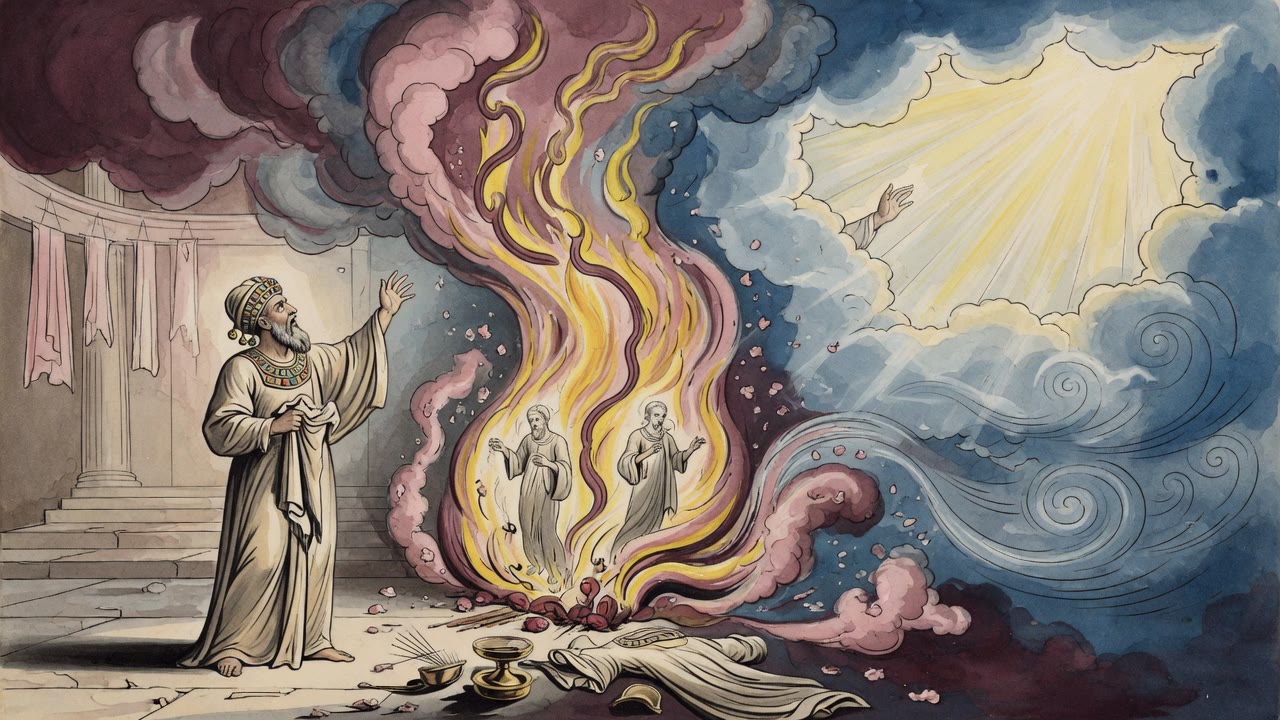
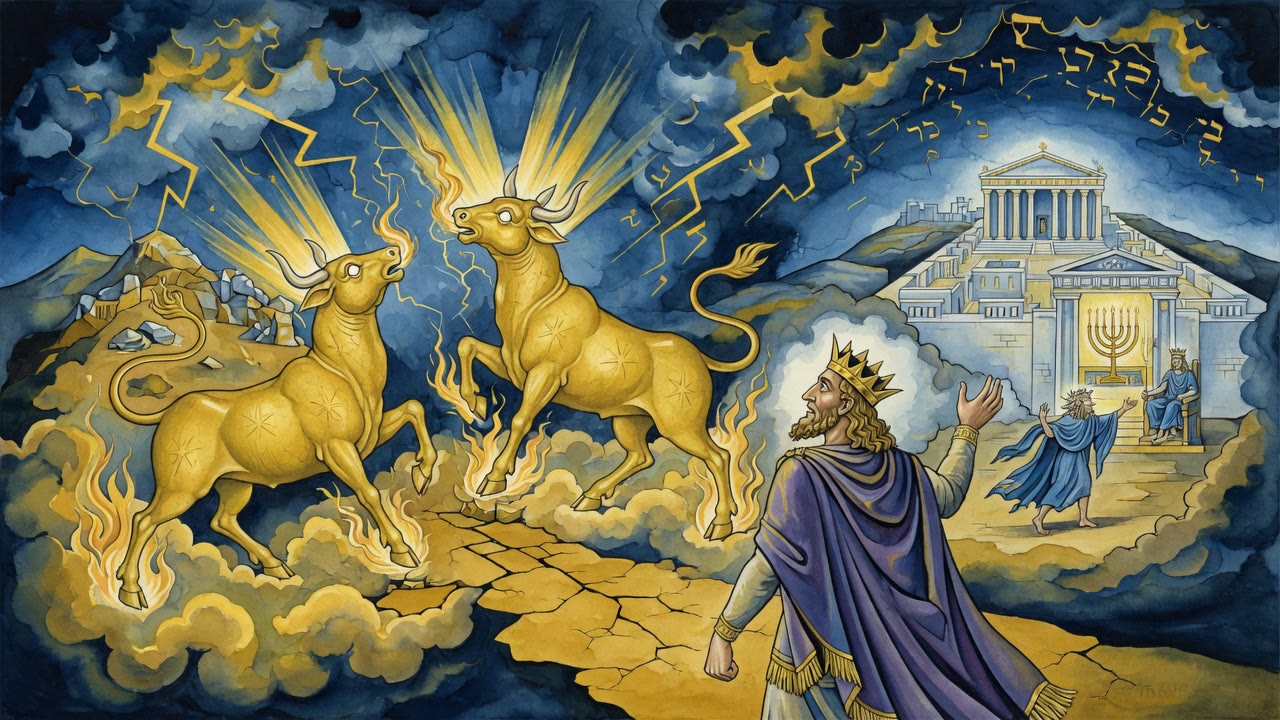
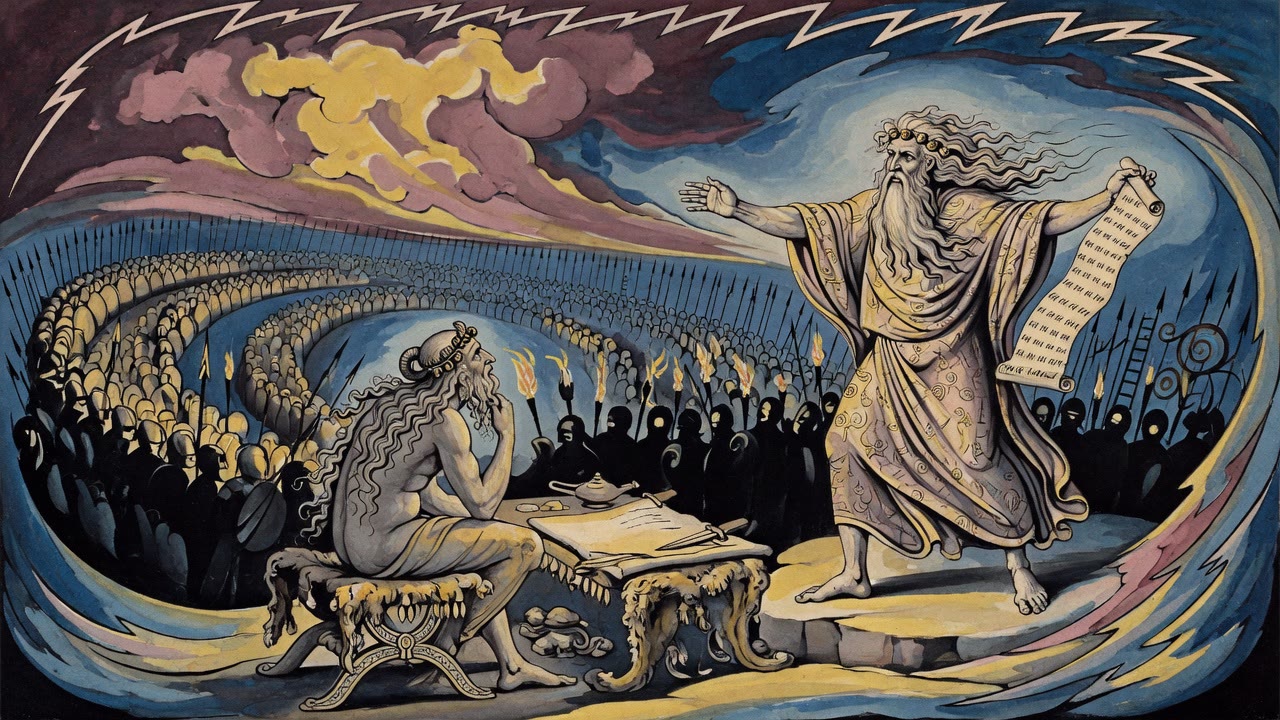
Asa took an axe to the image his mother still served.
 Click for full size
He tore the cult out of Judah's public places and turned the kingdom's face back toward the Lord. The house still smelled of her gods when he started. By the time he finished, the image was cut down and the court had a king who looked, for a season, like the line of David still had teeth.
He Cut Down His Mother's Image
Maacah had kept that worship. Asa did not ask her leave. He smashed what she loved and called the people back to the altar that belonged to them. Heaven answered with a victory so large it felt like a returned inheritance.
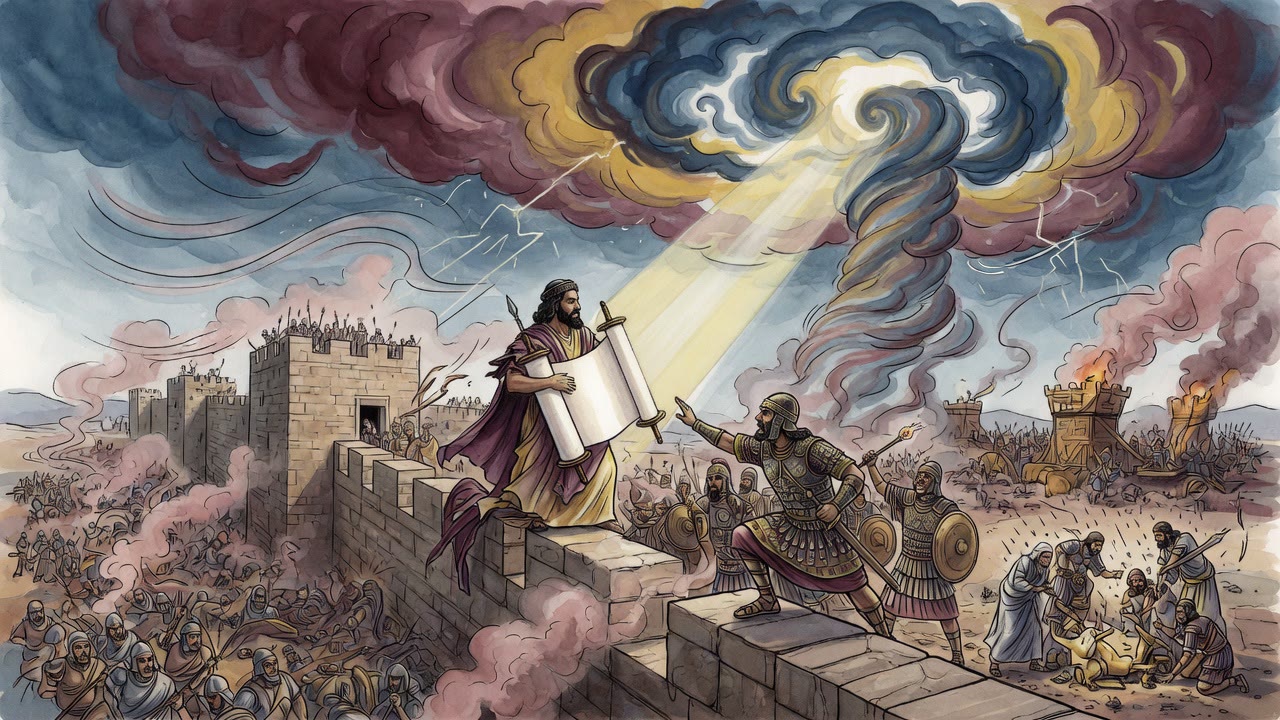
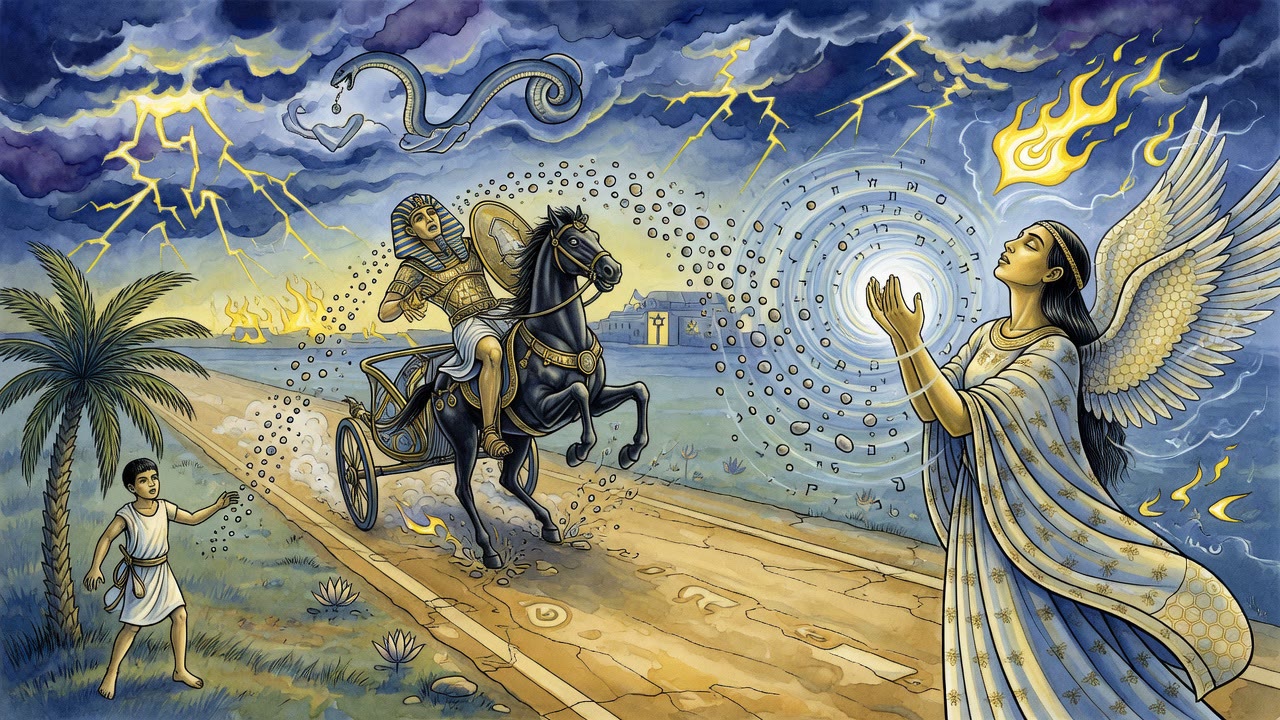
Zerah of Cush came up with a host that filled the valleys. Asa did not hire a neighbor. He prayed. The enemy broke. The Lubim broke with them. Treasures Shishak had once stolen from his grandfather's house had passed through foreign hands and then through Zerah's. They came back into Judah's grasp because a prayer had done what armies boast they will do.
For a season the chests sat under Asa's roof and the roads were open. Judah's old blessing said brothers would be called by Judah's name, and a hand would sit at the nape of enemies. Asa tasted that promise the day Zerah fled.
Prayer Broke Zerah Without a Bargain
He had watched God smash a Cushite host without a clever alliance. That memory should have been enough. It was not.
Baasha of Israel pressed south. Borders tightened. Trade choked. Ben-hadad of Aram sat in the bargain like a weight Baasha could slide onto Judah's neck. The same king who had stood in a field and prayed now reached for silver and gold the way a drowning man reaches for a rope that belongs to someone else.
The chests were not neutral wealth. They were history made heavy. Egypt had taken them. Other hands had moved them. Prayer had brought them home. Asa put his hands on the lids anyway.
The Recovered Gold Went North
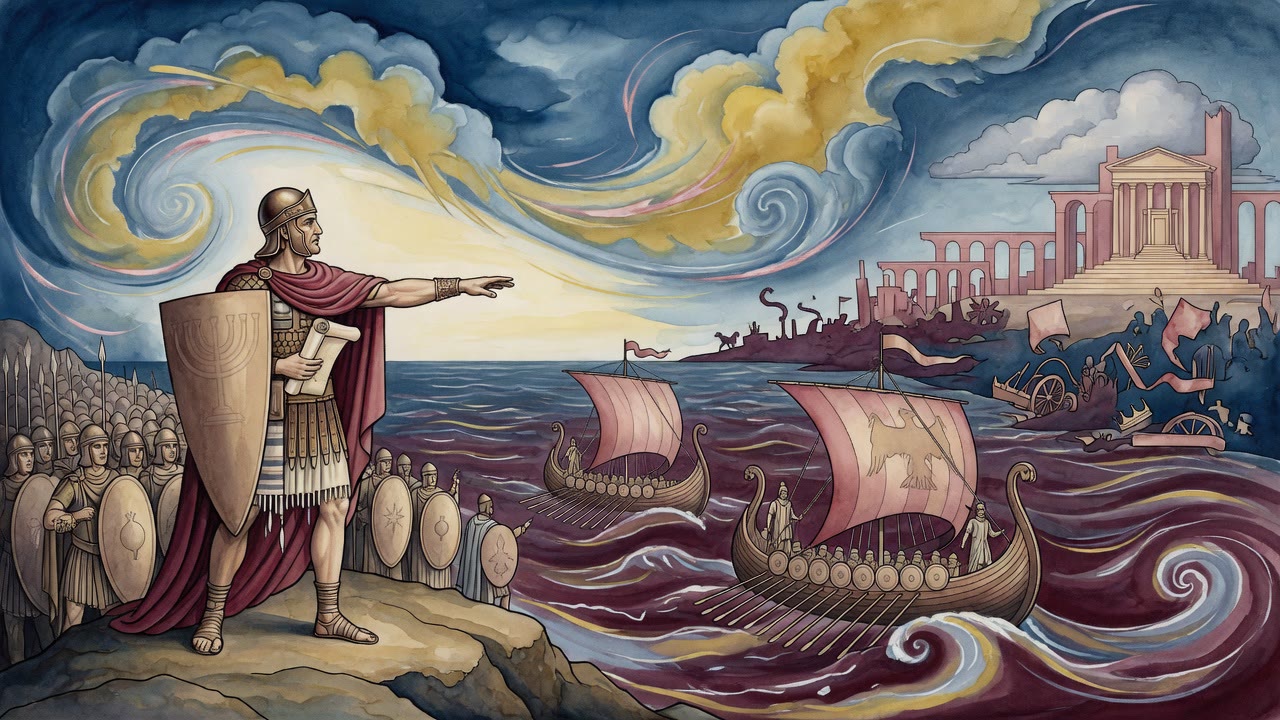
He stripped the treasures from the house of God and sent them north. He traded the recovered gold for an Aramean ally. Sacred metal left Jerusalem to rent Ben-hadad's spear against Baasha. The caravan went out. Asa could tell himself it was strategy. The markets needed air. The roads needed to breathe.
A prophet walked into the court after the gold was already gone. "Why trust in princes," he said, "when heaven has already fought for you? You did not need a single Aramean horse against Zerah. You prayed, and the host broke."
Asa did not bring the chests back. He also pulled scholars into the draft against Baasha, emptying study halls into barracks because panic had become policy. Ben-hadad took the gold and shifted his weight. Baasha pulled back. The purchase worked, if working means a road opened and a prophet left standing like a guest no one seated.
Gout Took the Feet That Had Been Strong
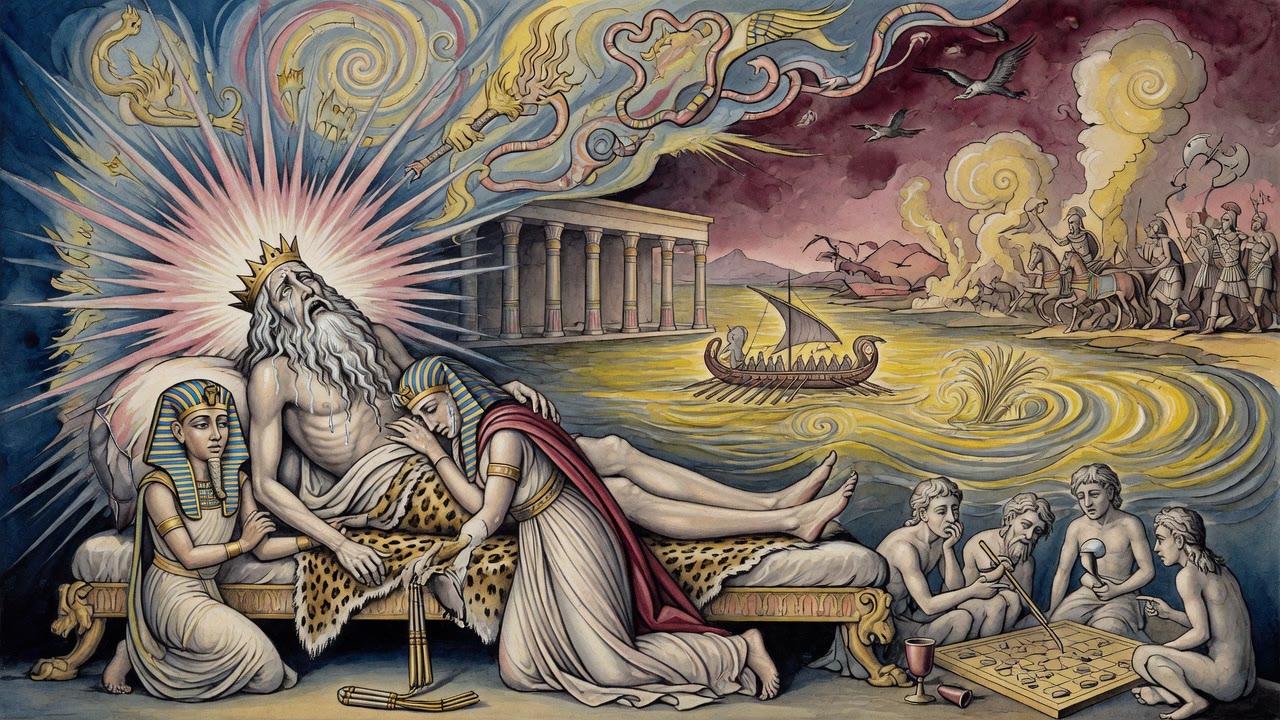
Asa had been known for strength in his feet. The stories remember gout seizing those same feet, a king's body mocking the confidence that had sent gold instead of prayer. He could not stand the way he had stood in the field against Zerah. The body told a story the court already knew. Strength outsourced becomes weakness with a receipt.
The political wound cut deeper than bone. Heaven had once limited the split between Judah and Israel. Thirty-six years, then the house of David might have gathered more than half a kingdom. Asa did not hold to the faith that broke Zerah. The division settled. A scar that stops itching and becomes permanent.
Judah still called itself by Judah's name. Enemies still could be made to turn their napes when heaven chose. Asa's purchase made a foreign king the hinge of Judah's safety instead.
A Marriage Tied Judah to Omri's House
Asa's line tangled with the house of Omri. That friendship helped Omri crush rival Tibni and stabilize a northern throne built on blood. The price arrived later. A decree bound Asa's descendants to fall with Omri's. When Jehu rose, he killed the king of Judah for friendship and kinship with Joram of Samaria. The gold sent to Ben-hadad had been only the first coin of a longer debt.
David's last words, carried in the spirit, had warned against men of Belial cast out like thorns. Asa did not cast a thorn. He paid one to stand beside him. Years later, when kinship with Omri's house demanded blood, the earlier caravan north looked less like cleverness and more like the first step of a limp the dynasty never fully set down.
The chests that left for Aram had already crossed borders once as plunder. Asa sent them out again as rent. Zerah's broken host still lay in recent memory, a miracle he had prayed into being without hiring a single horse. He had known both kinds of peace, the kind that falls from heaven and the kind that is bought. Only one of them left him walking with his own feet.
← All myths