5 min read

Balaam Cursed Harder Than the King Who Hired Him

Balak hires a curse and stops at exile, but Balaam aims to uproot Israel from both worlds and falls into the pit he dug with counsel.

Curated by Arthur · Told by Maggid ·
Table of Contents
  1. The Hate That Outran the King
  2. Vine of Sodom or Holy Planting
  3. Two Paths at the Edge of the Camp
  4. The Pit He Dug with Counsel

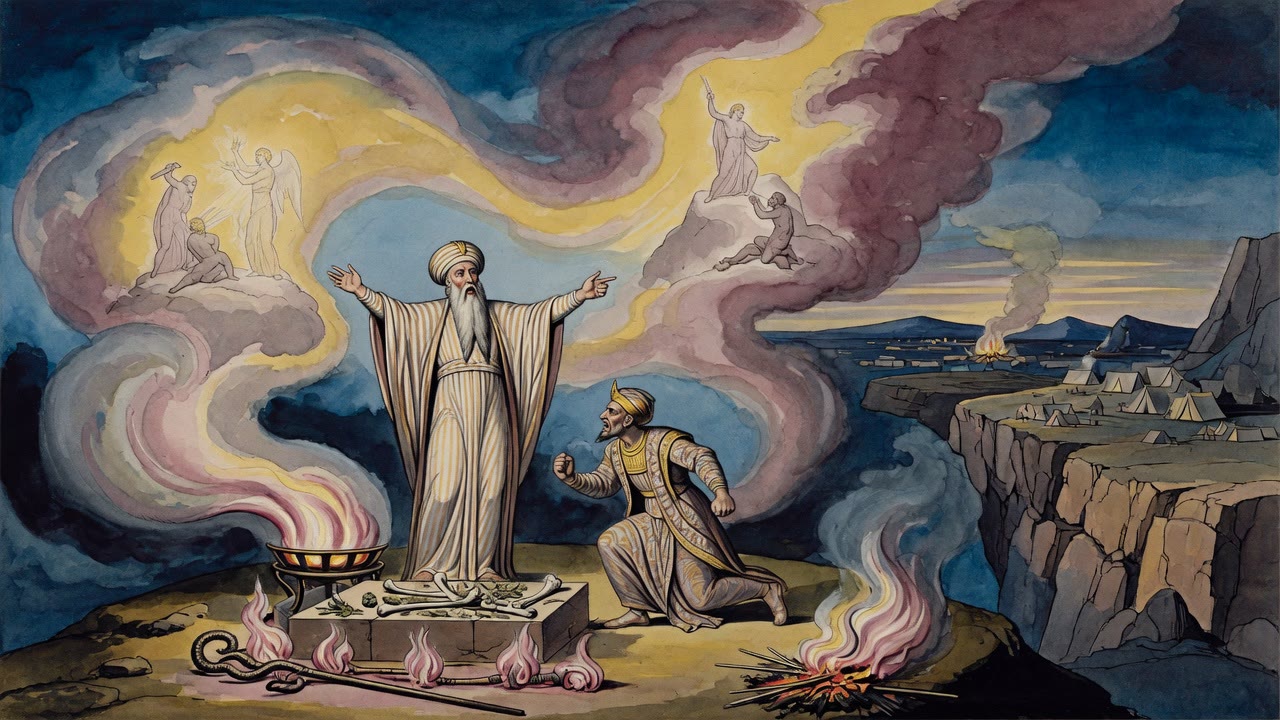
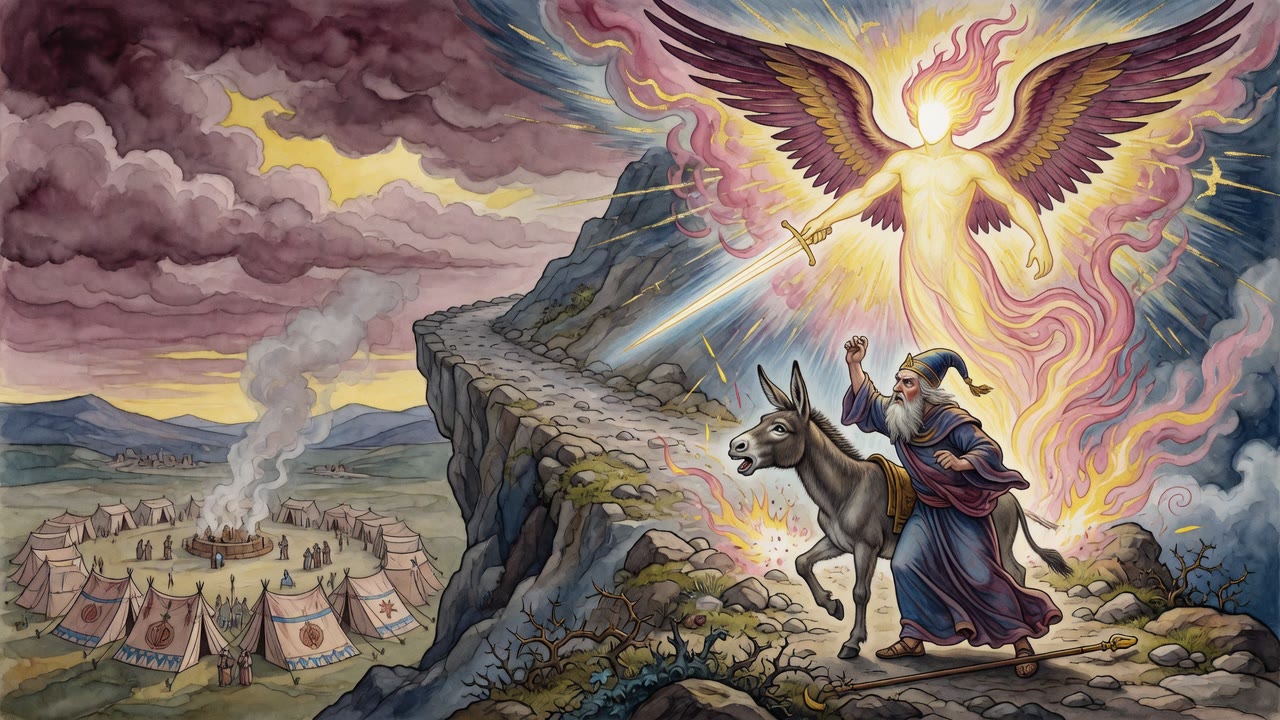
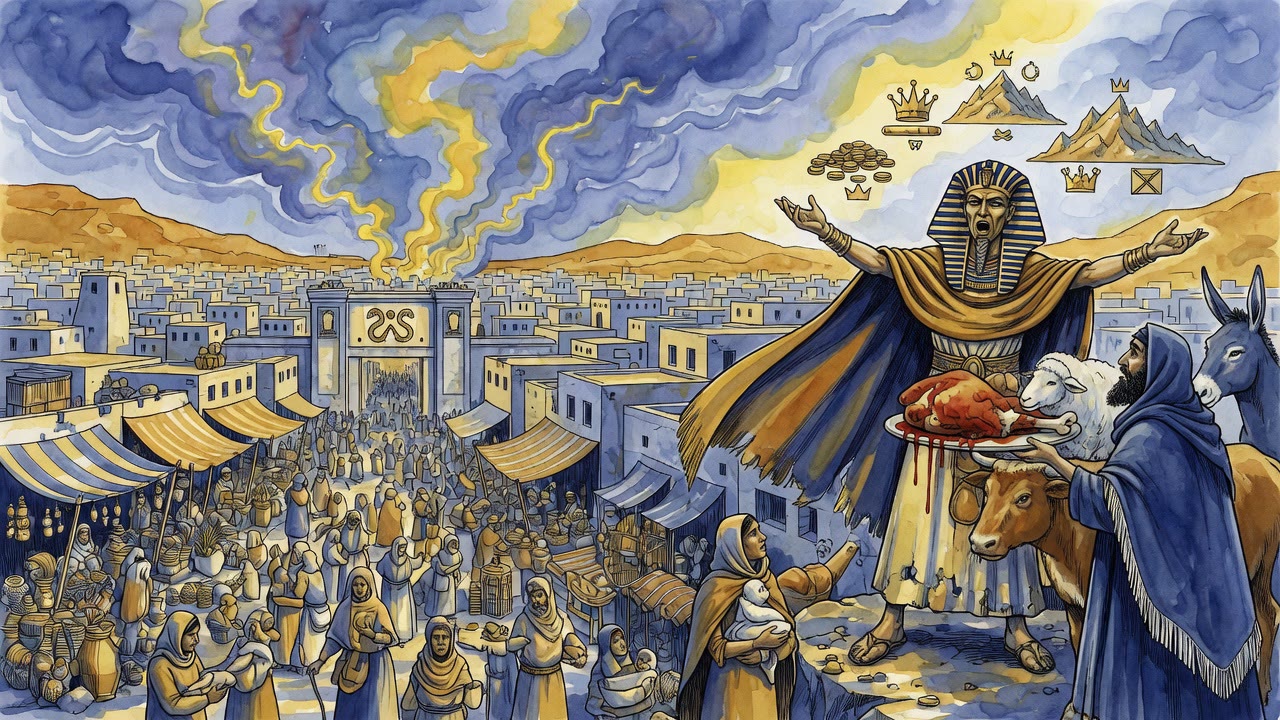
Balaam tightened the girth on his donkey and tasted the fee before he tasted the road. Messengers from Moab waited with gold in their bags and fear in their mouths. Balak wanted Israel stopped. Balaam wanted something colder.

Balaam Cursed Harder Than the King Who Hired Him Click for full size

When God asked him who the men were, the wicked prophet pretended not to know them well. He named Balak and the people who had come out of Egypt, and the wording of his own heart leaked through. Balak had said arah, curse them. Balaam said kavah, pierce them with a curse. Balak had spoken of driving them out. Balaam spoke of driving them from this world and the next.

The Hate That Outran the King

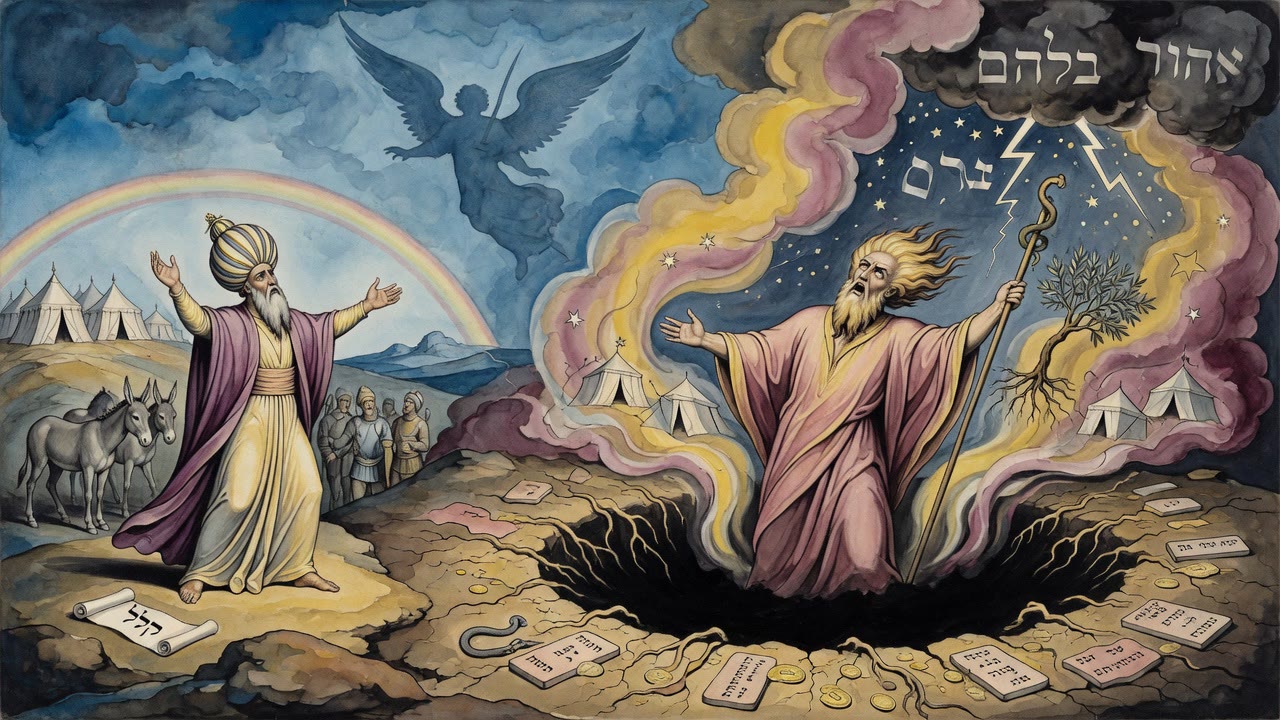
Midrash Tanchuma reads the scene without flattery. At first people lived with a certain decency. Rachel came with the flock. The priest of Midian had seven daughters. Then Balaam rose and led creatures into sexual ruin, and the counsel he gave became the pit he fell into. "He who leads the upright astray on an evil path will fall into his own pit" (Proverbs 28:10). The same mouth that sold a curse would sell a plan at Baal Peor. Hate that deep cannot stay a hired tool. It becomes a vocation.

Balak feared numbers and borders. Balaam hated the people themselves. That is why his language cut harder than the king's.

Vine of Sodom or Holy Planting

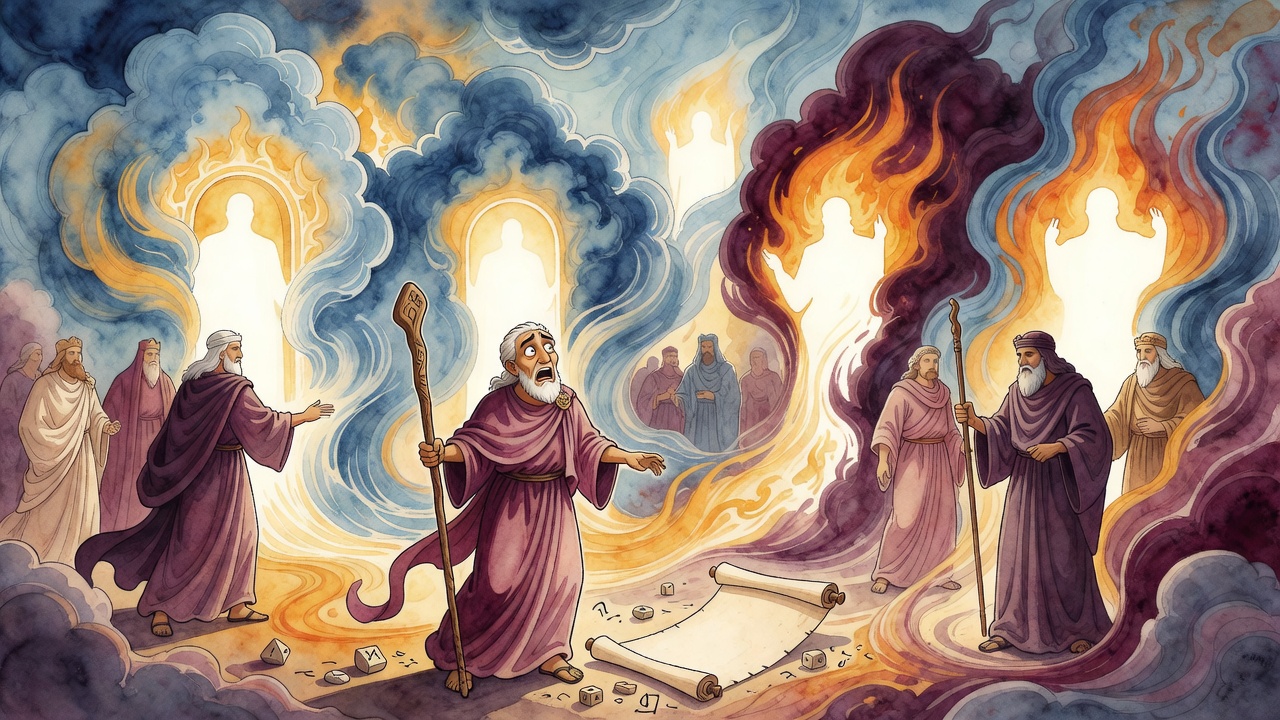
Israel, watching from the plains, hears another question aimed at its own fruit. Rabbi Yehudah in Sifrei Devarim asks: Are you of the vine of Sodom or the planting of Amorah? Are you not of a holy planting? Jeremiah's grief stands behind the question: "I had planted you from a choice vine, entirely of the seed of truth. How, then, have you turned yourself into an alien vine before Me!" (Jeremiah 2:21). Grapes of gall, rosh, taste of the first man, rishon, who brought death down the generations. The people Balaam hates are also a people who can twist themselves into the shape of the enemy's vine.

The curse from outside and the gall from inside are two threats with one root: a planting that forgets what it was meant to be.

Two Paths at the Edge of the Camp

Rabbi Yehoshua pictures God preparing two paths. One is filled with thorns, briers, and thistles. One is filled with fragrant plants. The blind walk the bad path and take wound upon wound. Those who can see walk the good path and leave with clothes perfumed. Balaam, Doeg, Ahitofel, and Gehazi stand as the commoners who chose the thorn road so fully that the tradition lists them among those with no portion in the world to come. The righteous walk in innocence, and their children after them taste the blessing.

Balaam can see the tents of Israel from the heights and still choose the thorns. Sight without obedience is only a higher place from which to fall.

The Pit He Dug with Counsel

God misleads the nations that invent ruin, the midrash says, and comforts those who are led. Balaam's cleverness becomes his snare. He will bless when he meant to curse, and later his advice about the daughters of Midian will rebound as the sword that kills him. The man who wanted Israel erased from two worlds ends erased from the one he tried to sell.

In the camp below, the holy planting still has to answer the Sifrei's question every morning. The hireling's hate is not the only danger. The alien vine grows from inside the fence. Midrash Tanchuma keeps both warnings in one story so that neither king nor prophet nor people can claim surprise.

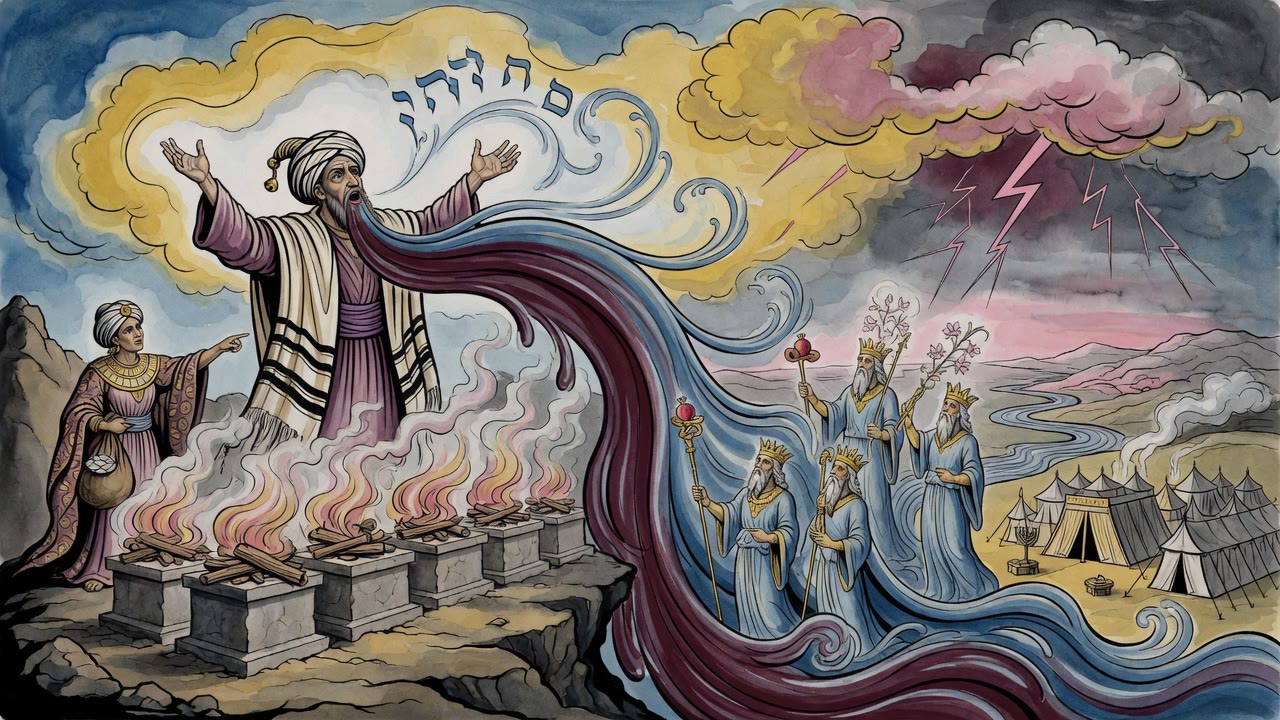
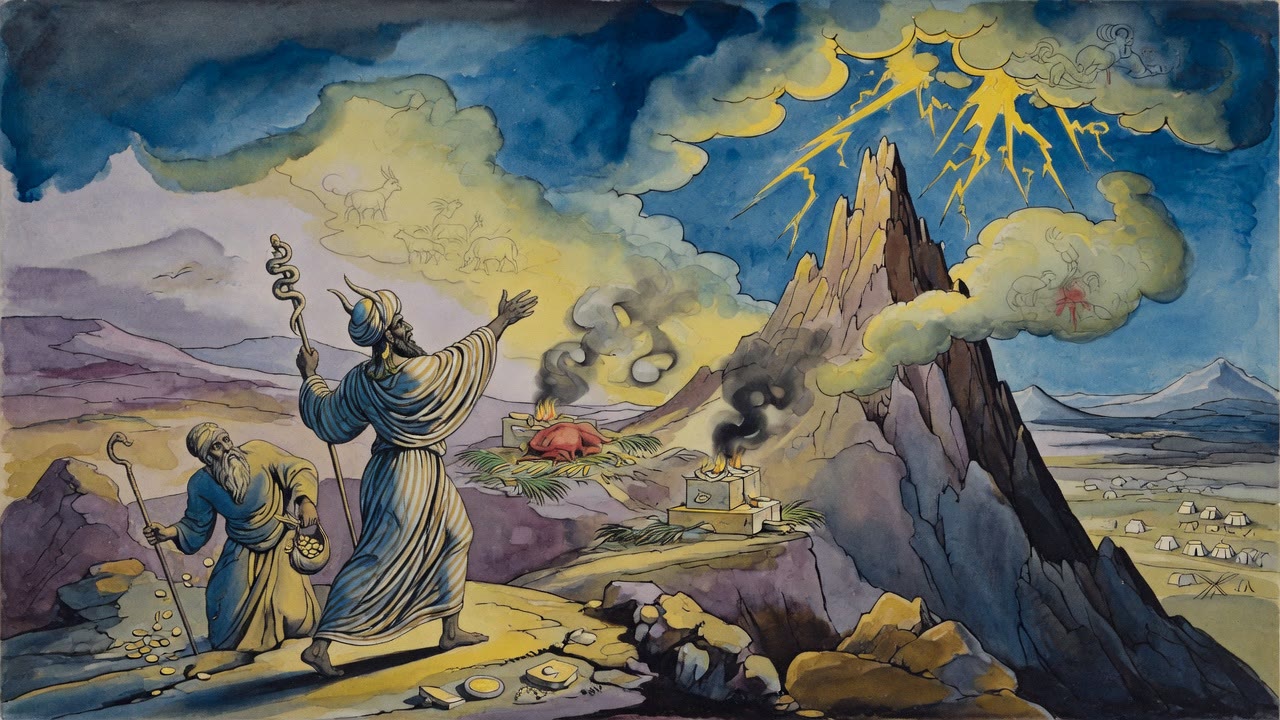
On the heights, when he finally opened his mouth to earn his fee, blessing came out instead of the curse he had packed. The donkey had already seen what the prophet refused to see. The angel's sword had already blocked the road. Still Balaam negotiated for a better ridge, a better angle, a better chance to aim hate at the tents below. Each new height only gave him a clearer view of a people he could not unmake.

Balak's rage was the rage of a king who paid for a weapon and received a song. Balaam's rage was older. It was the fury of a man who wanted to be the one who decides which nation stands. When the blessings would not bend, he reached for the counsel of Midianite women and the feast of Baal Peor. If a curse from the mountain would not work, a seduction in the camp might. That is hate that outlasts a contract.

Israel on the plain had to answer with more than survival. The Sifrei's question about the vine hung over every household that tasted the Midianite invitation. Holy planting or alien fruit: the choice was not abstract while Balaam's second plan moved through the tents. The prophet who fell into his own pit left behind a people still deciding which path, thorned or fragrant, their children would walk.


← All myths

From the tradition

Sources

3 sources

The texts behind this telling. Some cards carry a translation of the source; others are our own retelling of it, and each card says which. Every card links out to the original.

Midrash Tanchuma Buber, Balak 8:1Midrash Tanchuma Buber, Balak

Translation of the source text.Midrash Tanchuma (Buber), Public Domain, on Sefaria · CC-BY-SA

(Numbers 22:9:) "And God came to Balaam and said, 'Who are these men with you?'" This is what Scripture says (Proverbs 28:10): "One who leads the upright astray on an evil path [will himself fall into his own pit]." For at first the creatures conducted themselves in purity, but through these words of his they broke loose into sexual immorality. For concerning the earlier ones [it is written] (Genesis 29:9): "And Rachel came with the flock," and (Exodus 2:16): "Now the priest of Midian had seven daughters." Balaam the Wicked arose and led the creatures astray into sexual immorality; and just as he led astray, so was he led astray, by the counsel he gave concerning it, he fell. [This is what is written] (Proverbs 28:10): "He will fall into his own pit." And the Holy One, blessed be He, led him astray, as it is said (Job 12:23): "He misleads nations and destroys them; He spreads out nations and leads them away." He asked him, "Who are these men with you?" That wicked one said: "I know nothing about them, only that Balak son of Zippor, king of Moab, sent to me, 'Behold, the people that came out of Egypt, etc.'", to make known that he hated Israel more than Balak did, for Balak did not say "curse" (qabbah), but rather "curse" (arah) (Numbers 22:6), while this one said "curse" (qabbah) explicitly; and he (Balak) said "and I will drive it out, etc." (ibid.), while this one said "and I will have driven it out" (ibid. v. 11), from this world and from the world to come.

Full source
Sifrei Devarim 323:8Sifrei Devarim

Retold in our words. Read the original at the link below.Sifrei by Rabbi Shraga Silverstein · CC-BY

That feeling, that struggle… it’s ancient. And it’s right there in the Torah.

Sifrei Devarim, a commentary on the Book of Deuteronomy, grapples with this very question. It's not just about ancient Israelites; it’s about us, now.

Rabbi Yehudah, in his interpretation, poses a piercing question: "Are you of the vine of Sodom or the planting of Amorah! Are you not of a holy planting?" Ouch. He's basically asking: Are you destined for destruction, like those infamous cities, or are you meant for holiness? Shouldn't you be from a holy planting, a chosen stock?

The vine. We're all supposed to be connected to something greater, something nourishing. We’re meant to bear good fruit. But sometimes… we don’t. Sometimes, we become something twisted, something… alien.

And that brings us to the prophet Jeremiah. God says, "I had planted you from a choice vine, entirely of the seed of truth. How, then, have you turned yourself into an alien vine before Me!" (Jeremiah 2:21). The heartbreak in those words! The disappointment! It's like a gardener tending to a precious plant, only to watch it wither and become unrecognizable. We begin with such promise, such potential, and yet…

But the Sifrei Devarim doesn’t stop there. It dives deeper, into the very source of our human condition. "Their grapes are grapes of gall (rosh)." Now, rosh can mean "gall," a bitter poison. But it also sounds like rishon, meaning "first."

The commentary connects these two ideas, suggesting: "You are sons of the first man (rishon), who decreed death upon all his descendants who came after him, until the end of all the generations."

Whoa. Adam, the first man, through his actions, brought mortality into the world. He tasted the fruit he wasn't supposed to, and that act has consequences that ripple through all of humanity. We are, in a sense, all inheritors of that original choice, that first transgression. The grapes we now bear… they're tainted by that initial bite. They have a touch of rosh to them.

So, what are we to do? Are we doomed to be bitter fruit, forever burdened by the actions of our ancestor? Is there any escape from this inherited fate?

The text doesn’t explicitly say. But within the question itself lies a glimmer of hope. We are asked if we are of the vine of Sodom. We are reminded that we should be a holy planting. Perhaps the very act of recognizing our potential for both good and evil, of acknowledging the rosh within us, is the first step towards cultivating a different kind of fruit. Maybe understanding the source of our struggle is the key to overcoming it.

It’s not easy. It's a constant battle, a constant striving. But maybe, just maybe, by acknowledging our inheritance, we can choose to grow something new, something sweeter, something… truly holy. What kind of vine will you choose to be?

Full source
Shemot Rabbah 30:20Shemot Rabbah

Retold in our words. Read the original at the link below.The Sefaria Midrash Rabbah, 2022 · CC-BY

It's about living a life that avoids pain and embraces blessing.

Rabbi Yehoshua continues, "I cautioned you regarding all the mitzvot, which are your life, as it is stated: 'One who observes a mitzvah will not know an evil matter' (Ecclesiastes 8:5)." He’s saying that these commandments aren’t just arbitrary rules. They are literally life-giving. They’re designed to steer us clear of the bad stuff. The passage in Shemot Rabbah goes on to say that every decree – from murder to accidentally letting your ox gore someone – has both a consequence and a corresponding reward baked right in.

Think of it like this: a king lays out two paths. One is overgrown with thorns and thistles – a painful, scratchy mess. The other is lush, filled with sweet-smelling flowers. A blind person, naturally, is going to stumble down the thorny path, getting cut and bruised at every turn. But someone who can see? They'll choose the fragrant path. They'll walk comfortably, and their clothes will be imbued with the beautiful scent of the flowers.

God has done the same thing. He’s laid out two paths – one for the righteous, one for the wicked. Someone without "eyes" – someone who can't see the wisdom in God's laws – stumbles down the wicked path. And according to Shemot Rabbah, they don't recover.

The text then throws in some pretty harsh examples. Think of Bilam, the wicked prophet. Or Doeg and Ahitofel, known for their treachery. And even Geiḥazi, the servant of Elisha who met a sticky end. These figures, the text implies, chose the thorny path. They were expelled from the world, distanced from life, and left with nothing. In fact, Shemot Rabbah points out that these four are specifically listed in the Mishna in Sanhedrin (10:1) as having no portion in the World to Come! Talk about a cautionary tale.

But what about the righteous? Well, "the righteous, who walk in their innocence, are privileged, and their children after them, as it is stated: 'One who walks innocently is a righteous man; happy are his children after him' (Proverbs 20:7)." It’s a legacy of goodness. A path not just for ourselves, but for generations to come.

So, what path are we choosing? Are we stumbling blindly, or are we walking with our eyes open, choosing the path that leads to a fragrant and blessed life?

Full source