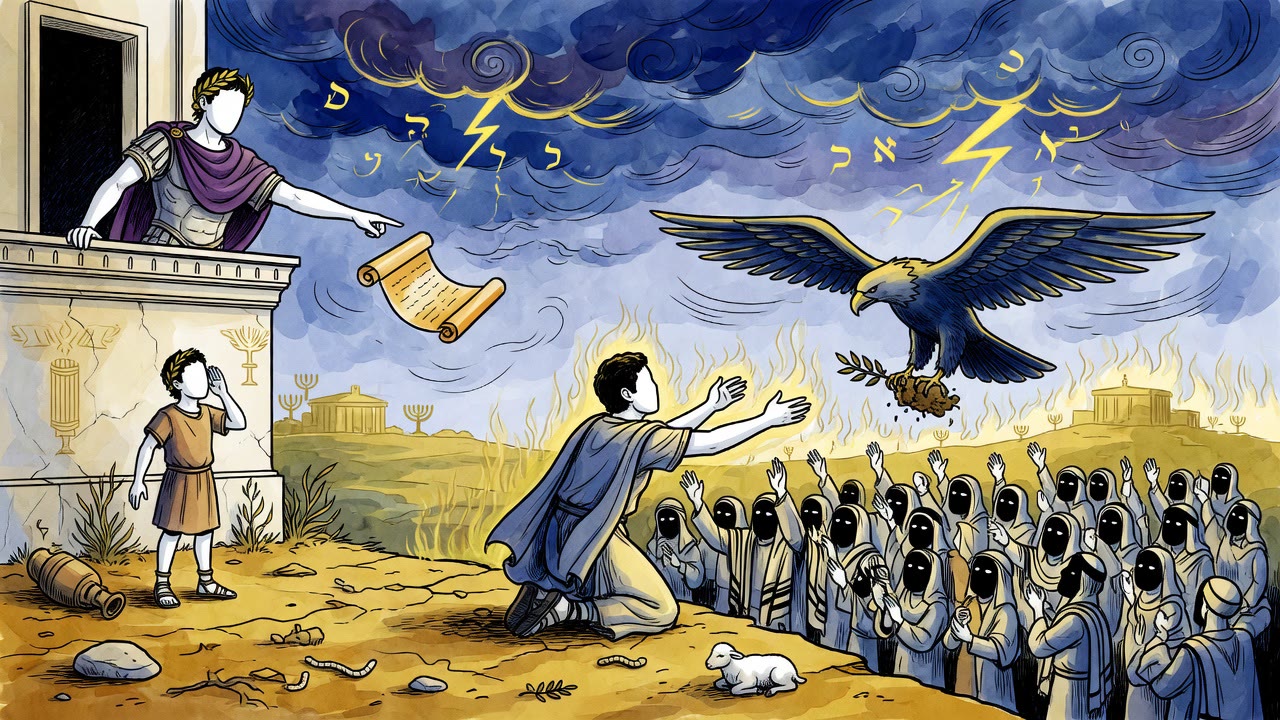
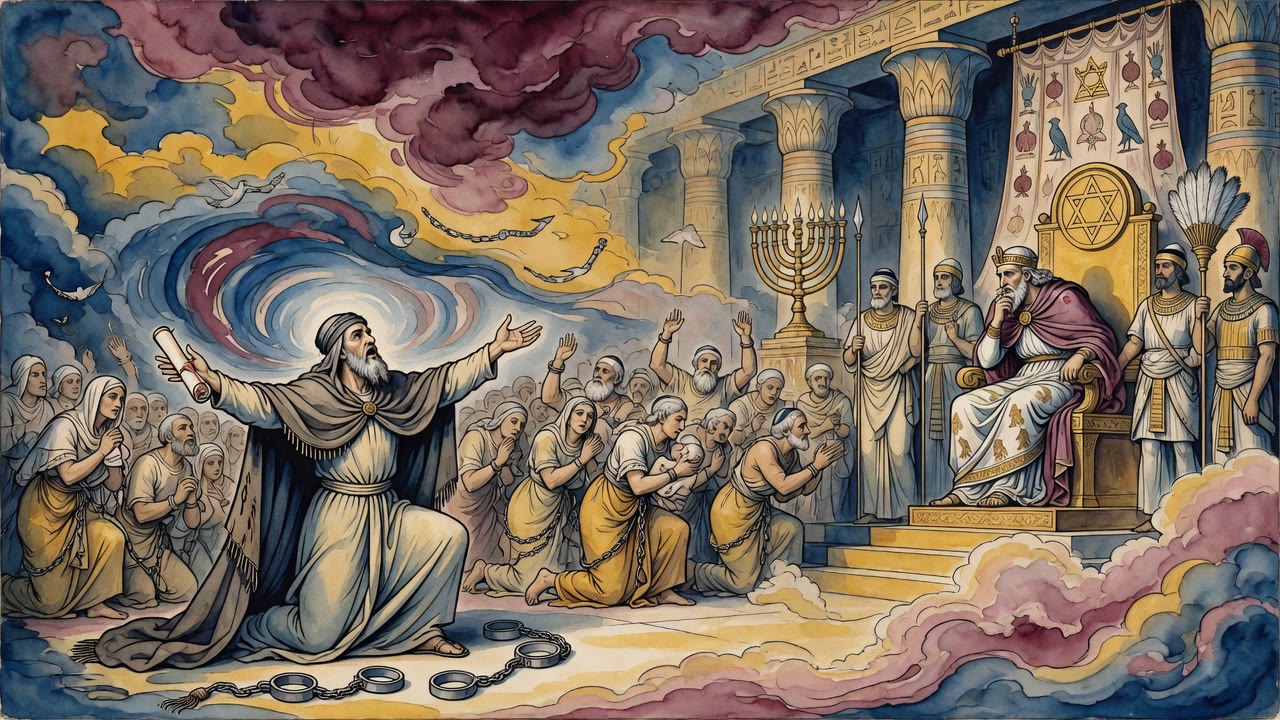
Beluria Watched Her Maids Enter the Water First
A convert delayed her own immersion. Maids who entered before her walked out free. Law freed them. Loyalty kept them near.
Table of Contents
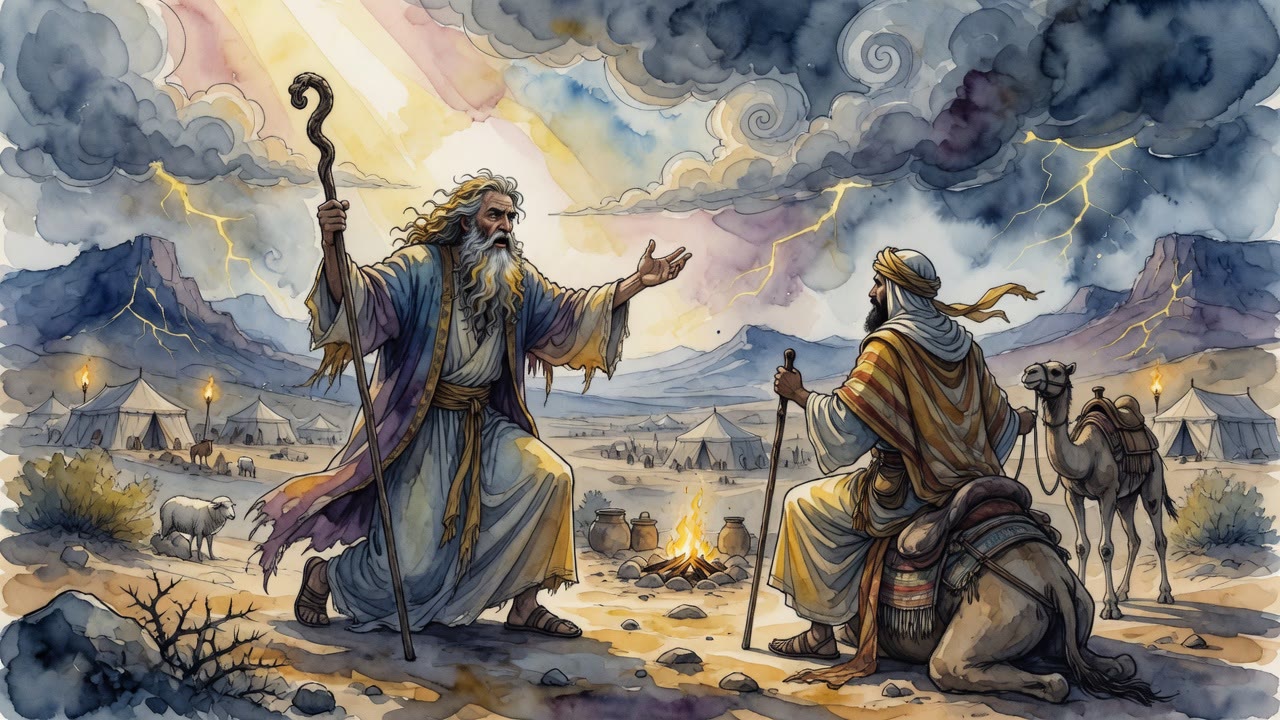
Beluria stood at the edge of the mikveh and watched her own household go into the water without her. Some maid-servants immersed before she completed her conversion. Others waited and immersed after she had already become a daughter of Israel.
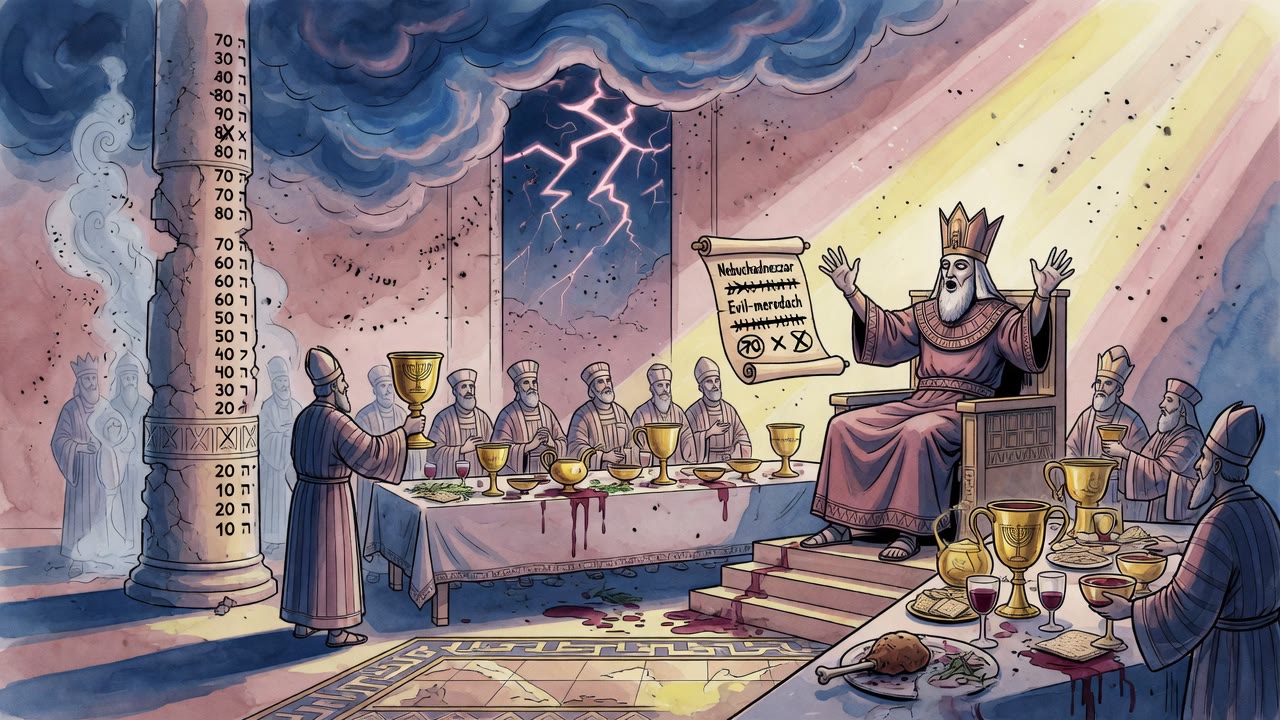 Click for full size
The timing looked like a detail. It was a verdict.
Who Entered First
The Mekhilta keeps the case sharp. When the maids who immersed before Beluria rose from the water, they rose free. Their conversion preceded their mistress's. They entered the covenant of Israel as independent persons, not as someone else's servants. Beluria was not yet Jewish when they immersed, so she had no standing as a Jewish master over them.
The maids who immersed after her remained bound. By then Beluria was a full member of the people, their recognized mistress. Their immersion brought them under her household authority inside the covenant.
One pool. Two destinies. The clock of holiness decided which.
Free and Still Serving
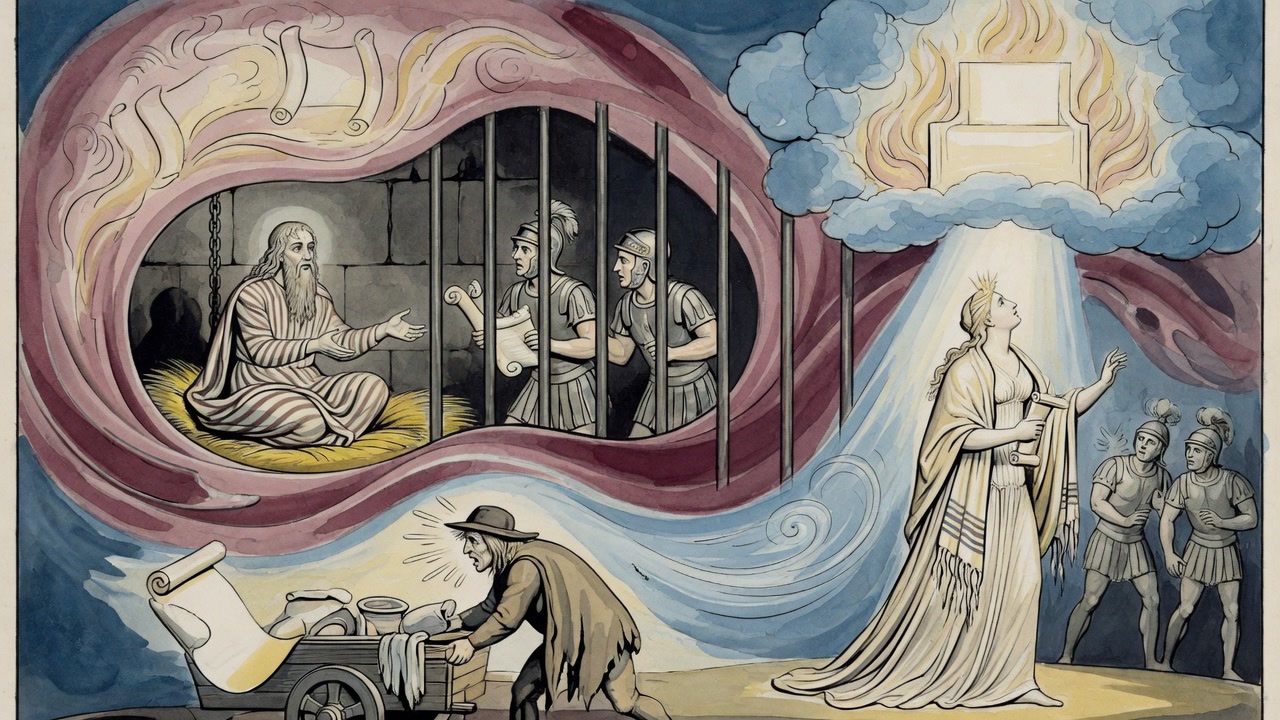
The midrash adds a detail that softens the law without undoing it. Even the maid-servants declared free continued to serve Beluria voluntarily until the day she died. The court freed them. Loyalty kept them close.
That is not a loophole. It is a human answer to a legal miracle. Freedom can be granted in a ruling and still choose a face it loves.
Holy People and the Convert
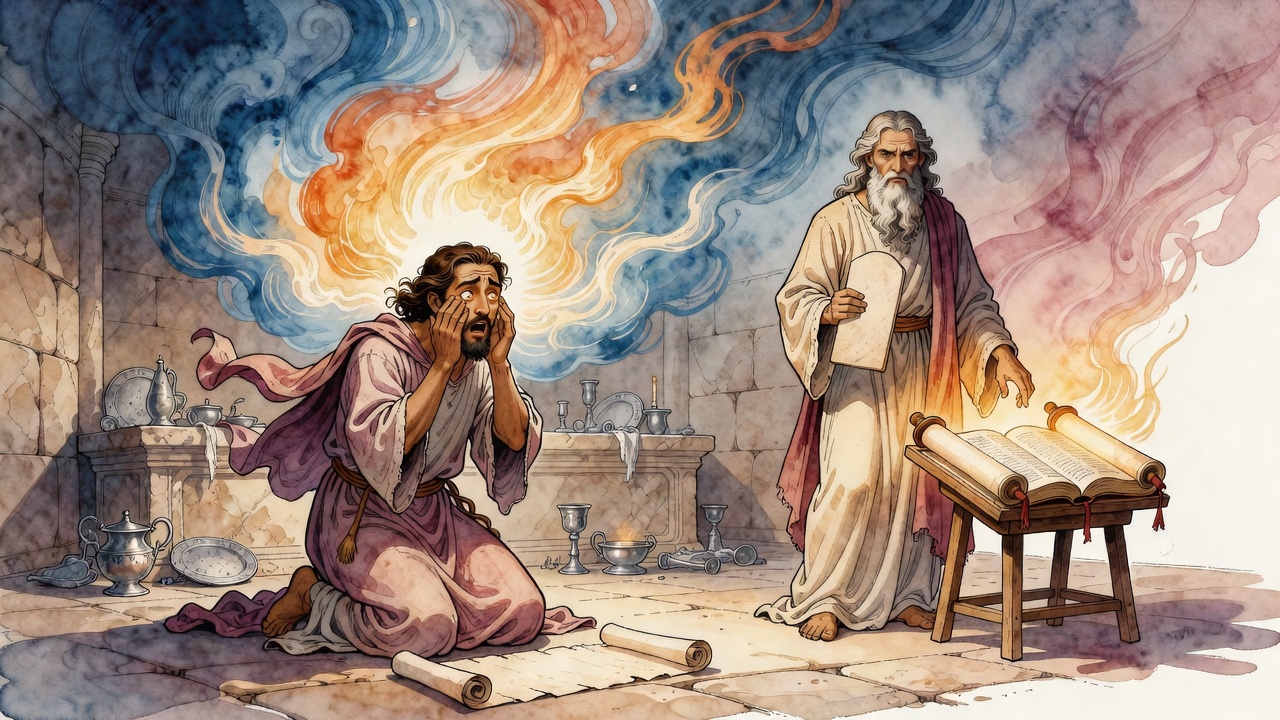
Sifrei Devarim works the phrase "a holy people are you to the LORD your God" into the grain of ordinary dealings. With a gentile, some sales may be permitted while gifts are withheld. With a ger, a convert, the pattern can reverse. Holiness is not only a list of bans. "Sanctify yourself with what is permitted to you." Build fences of piety inside the permitted field. Respect those who take on extra stringencies in your presence.
Beluria's house becomes a living midrash on that verse. Conversion is not a costume. It reorders property, authority, and the meaning of service.
Rest for the One Not Yet Circumcised
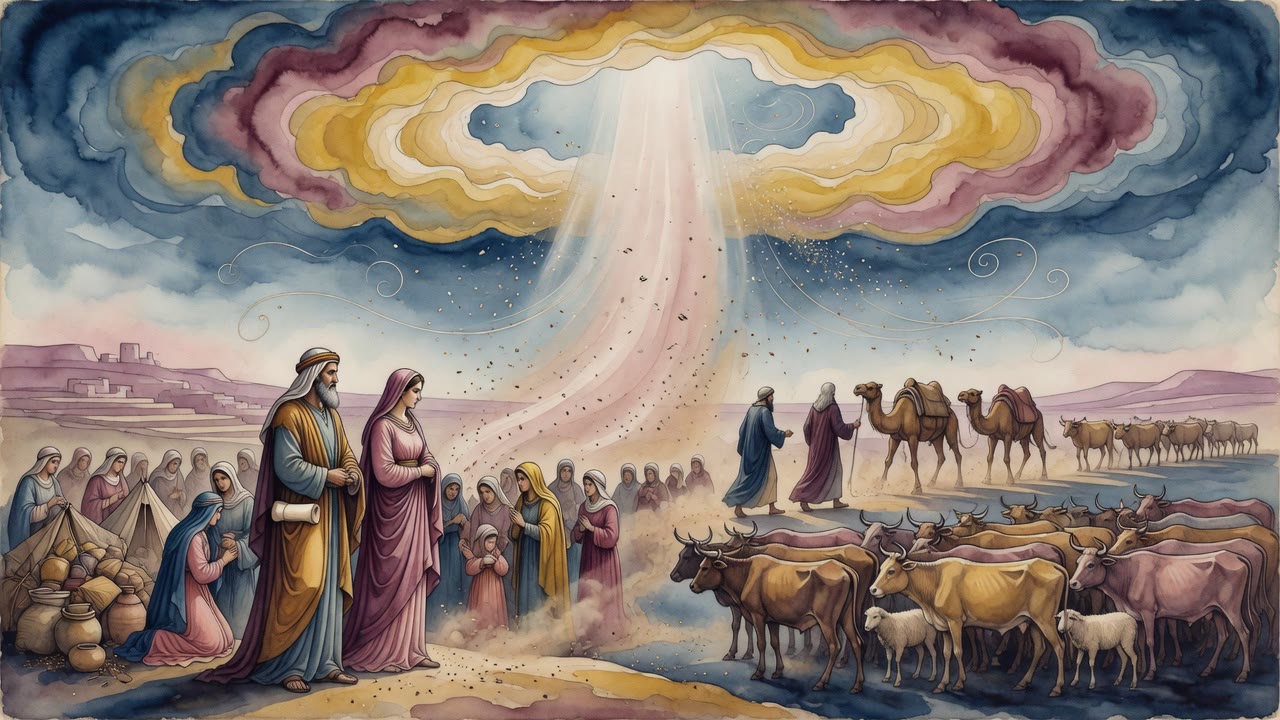
Elsewhere the sages argue whether a Jewish household may keep uncircumcised slaves. Rabbi Ishmael and Rabbi Akiva clash over the verse that promises rest to the son of the maidservant and the stranger. They disagree about how wide the case runs. They agree that Shabbat rest can reach a person still outside full covenant marks.
The household is never only the master's soul. Servants, strangers, and those mid-conversion stand inside the week's rhythm. Beluria's maids were not furniture. The water proved it.
What the Case Leaves Standing
A woman who chooses Israel can lose legal claim over people who choose Israel faster. The covenant does not wait for the employer's paperwork to finish. It seizes the first sincere immersion and writes freedom into the body that rises.
Beluria still received love she could no longer command. That may be the strangest mercy in the story: the law took her power and left her companionship.
The mikveh water closed over a maid's head and opened again over a free woman. Beluria saw it and could not undo it with a contract. Ownership written in the old world dissolved in a single immersion timed too early for a mistress still outside the covenant.
She must have felt the sting. Conversion is supposed to expand a life, not shrink a household. But the law was not interested in her feelings that hour. It was interested in who stood inside Israel when the water touched skin.
The maids who waited showed a different courage. They delayed their own entry to keep their legal place under her. Or perhaps they simply moved slower. The midrash does not psychoanalyze them. It only rules. After means bound. Before means free.
Then comes the long aftermath the text refuses to skip: free women still carrying water for Beluria, still cooking, still answering to her voice until her death. Love outlasted title. The court could cut a chain. It could not cut a chosen loyalty.
In a people commanded to be holy, conversion stories are never only about the convert's soul. They rearrange kitchens, inheritance, Shabbat rest, and the meaning of "mine." Beluria's case became precedent because the sages needed a story where the water itself told the truth about status, and the heart told a second truth about service.
Years after the ruling, students still repeated her name because the case refuses to stay in the past. Every generation meets people mid-conversion, households mid-change, servants and employers crossing the same water at different speeds. The Mekhilta's clock still ticks. Status still turns on who was already Israel when the immersion ended.
Beluria's voluntary servants, free by law, loyal by choice, remain the story's quiet afterimage. Power can be lost in a moment of water. Dignity can be kept by those who stay without chains.
← All myths