Bilam Boasted to God, and Israel Lost Four Merits at Shittim
Bilam names kings and asks to curse. At Shittim Israel drops the four merits that once opened Egypt's door, and foolishness takes the camp.
Table of Contents
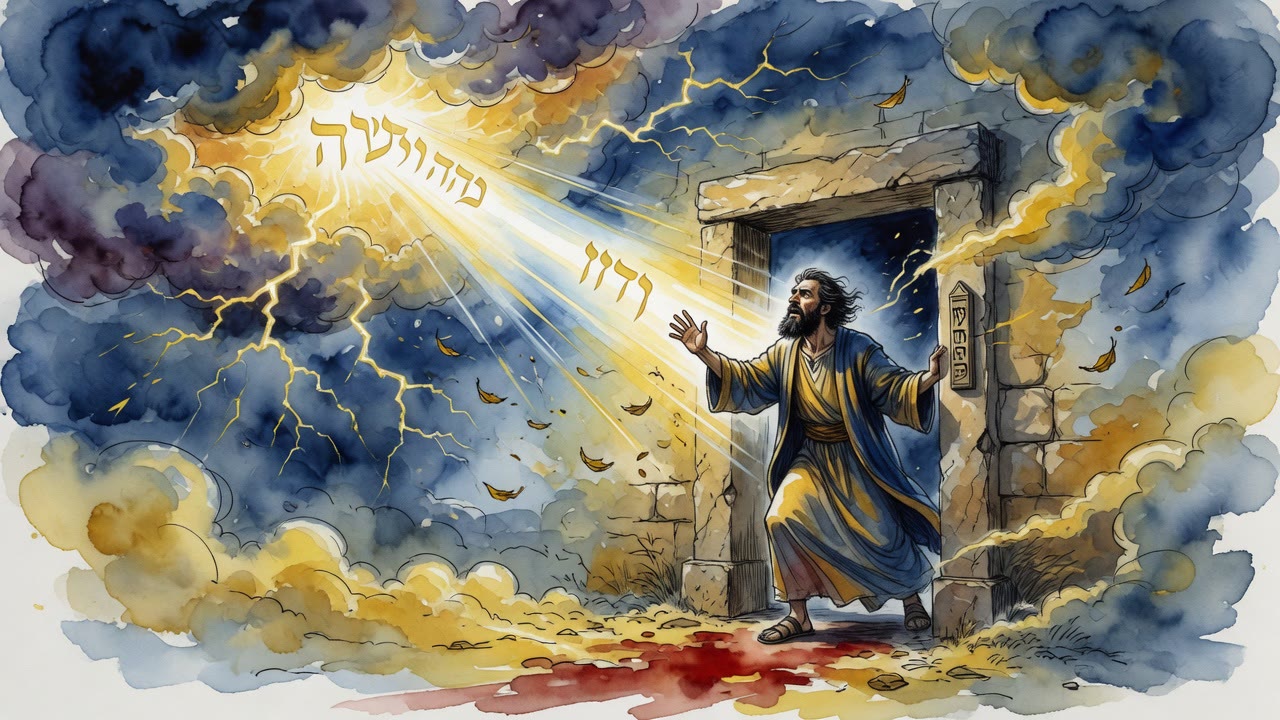
Bilam heard the hoofbeats before he saw the men. Dust rose on the road from Moab. Messengers of Balak son of Tzipor waited with the posture of people who have already priced a curse and come to buy it. That night God came to Bilam with a question that sounded simple and was not.
 Click for full size
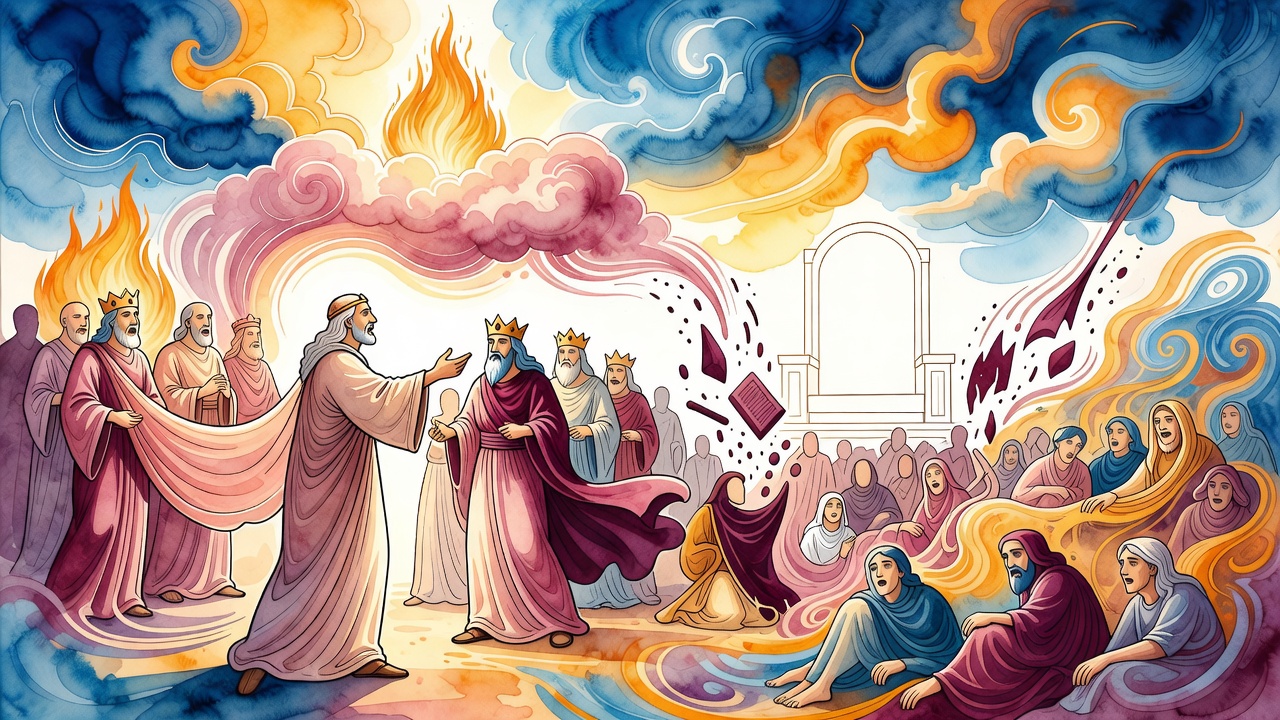
"Who are these men with you?" (Numbers 22:9).
Bilam's mouth worked faster than his fear. He named the king. He named the errand. He made sure heaven heard that royalty still sought him even when the Holy One did not flatter his rank. "Balak son of Tzipor, king of Moav, sent to me" (Numbers 22:10). The boast sat plain in the naming. Then the request itself: the people that came out of Egypt has covered the face of the earth; come curse them; perhaps war will succeed and drive them away (Numbers 22:11).
The Pit He Dug With Words
"He who misleads the upright on an evil path will fall into his own pit" (Proverbs 28:10). The line fits Bilam like a cloak cut for him alone. In older days fathers trusted daughters among shepherds. Rachel came with the flock (Genesis 29:9). The priest of Midian had seven daughters who could water animals without a story of ruin (Exodus 2:16). Bilam's craft was to twist upright paths with a tongue that knew how to aim.
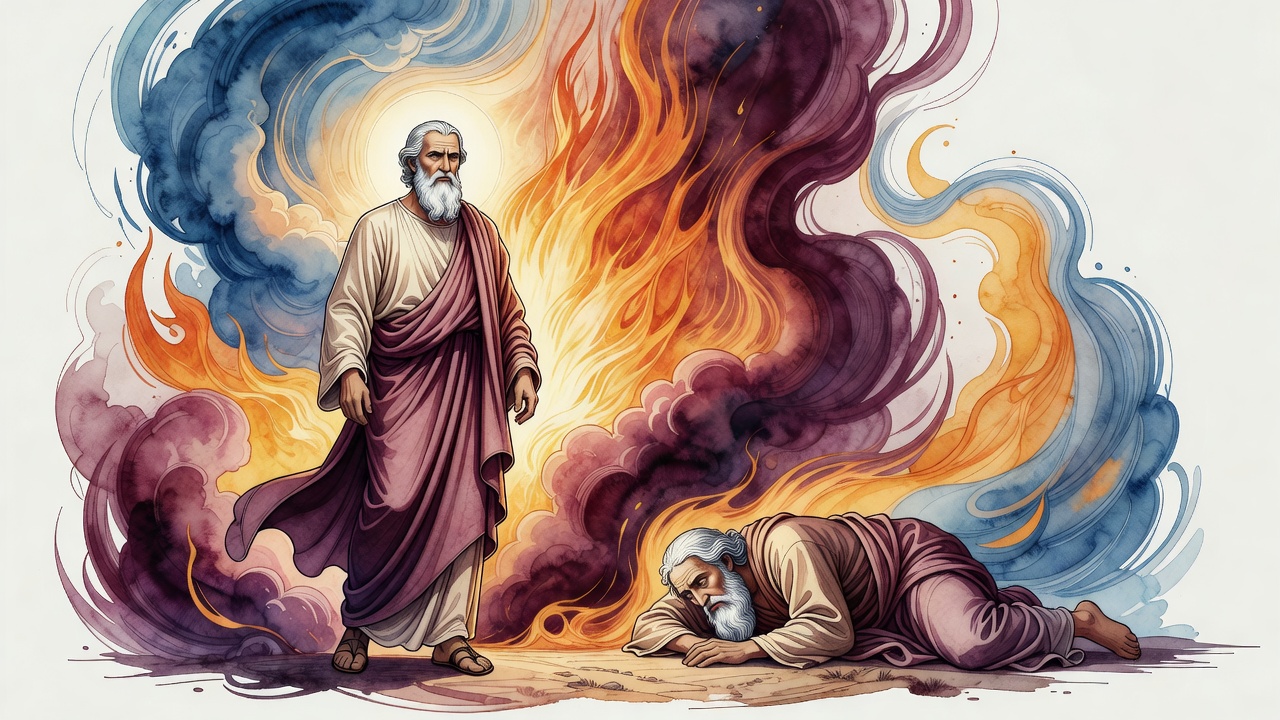
God's question was no gap in divine knowledge. It was a setup. Job says God exalts nations and eliminates them (Job 12:23). The test sat inside the greeting. Bilam played coy, as if there might be a moment when Heaven's attention wavered and a clever man could slip mischief through the crack. He answered with a résumé instead of a confession.
The men from Moab slept near their packs. A horse stamped and went quiet. Bilam lay awake counting the weight of silver that might still come if the wrong word found the right hour. He turned on the mat until the mat smelled of his sweat. He did not yet know the pit had already opened under his own feet.
At dawn he washed his hands as if clean hands could make the errand clean. The messengers tightened straps and watched him for a face that would sell confidence. He gave them that face. God had already given him a question he had answered like a merchant.
What He Could Not Say
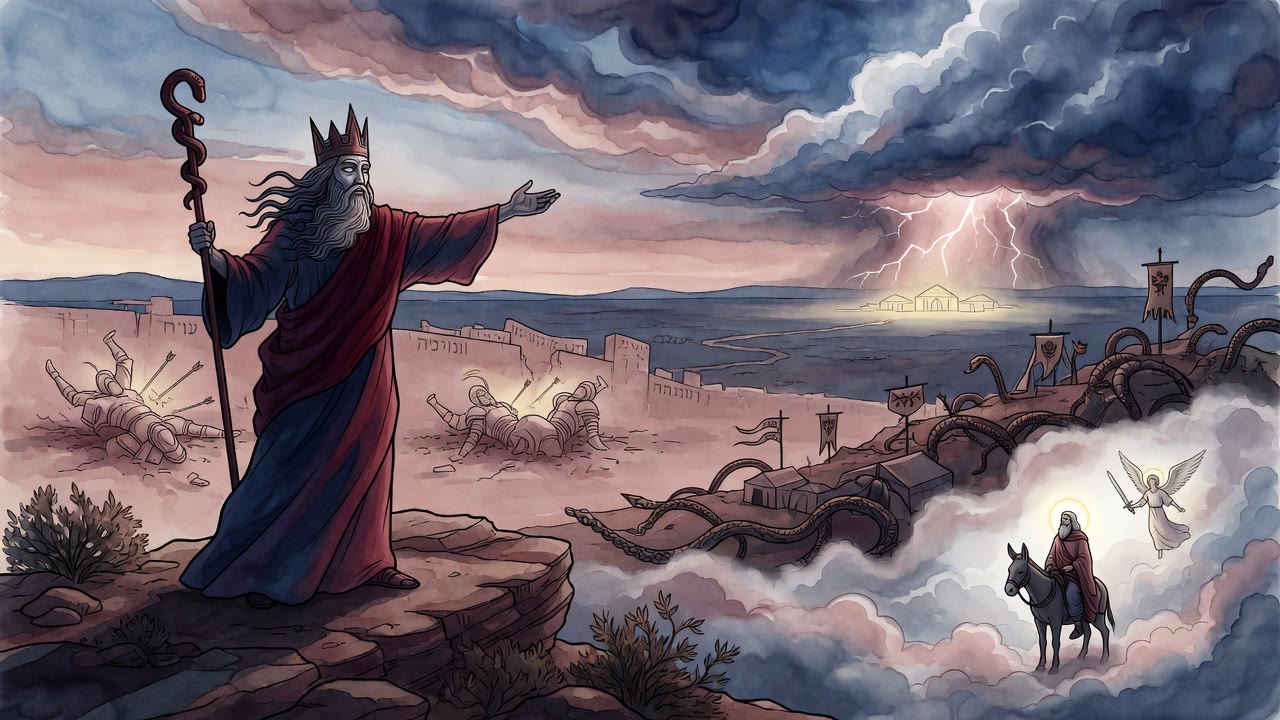
When permission finally twisted into a road and a donkey and an angel with a drawn sword, the mouth hired for cursing poured blessing instead. That failure belongs to another stretch of the story. What matters here is the intent that left Moab's court and rode toward Israel's edge: a man who thought kings proved his worth and God could be timed.
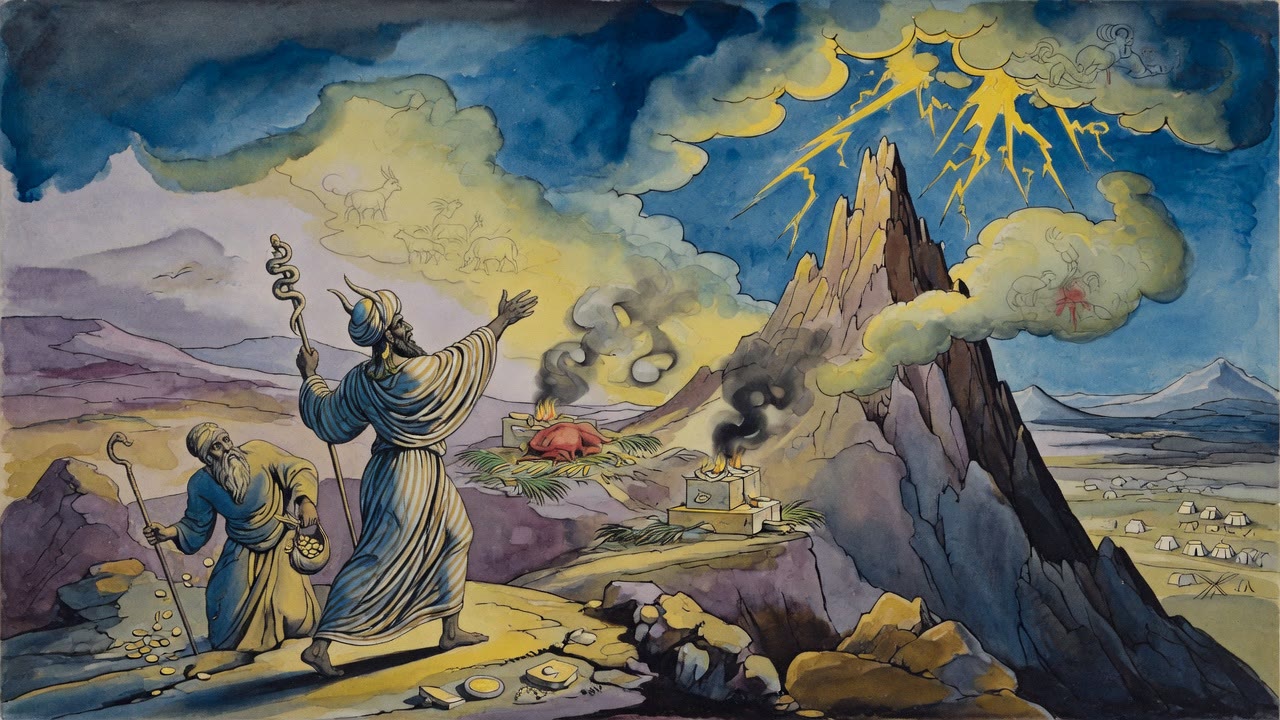
Balak wanted Israel thinned. Bilam wanted the fee and the fame of a word that could bend a camp. Between them they set a pressure that would not stop at failed oracles. Counsel that cannot curse from a high place will look for another door. The door that opened was not a mountain. It was a plain named Shittim.
Four Merits That Once Held
Israel had left Egypt with four merits the sages count like pillars under a house. They did not change their Hebrew names. They kept their Hebrew language in a land that preferred other sounds. They kept secrets: when Moses told the women to borrow silver and gold vessels (Exodus 3:22), the confidence held for a year and no mouth sold the plan. They did not dissolve into licentiousness. "A locked garden is my sister, my bride… a locked fountainhead, a sealed spring" (Song of Songs 4:12). Men chaste. Maidens pure. One ugly exception lived in memory, the son of an Israelite woman and an Egyptian man (Leviticus 24:10), and for forty years the camp treated him as the isolated crack, not the rule.
Those four had bought a door out of bondage. Names. Speech. Secrecy. Restraint. At Shittim the house shook.
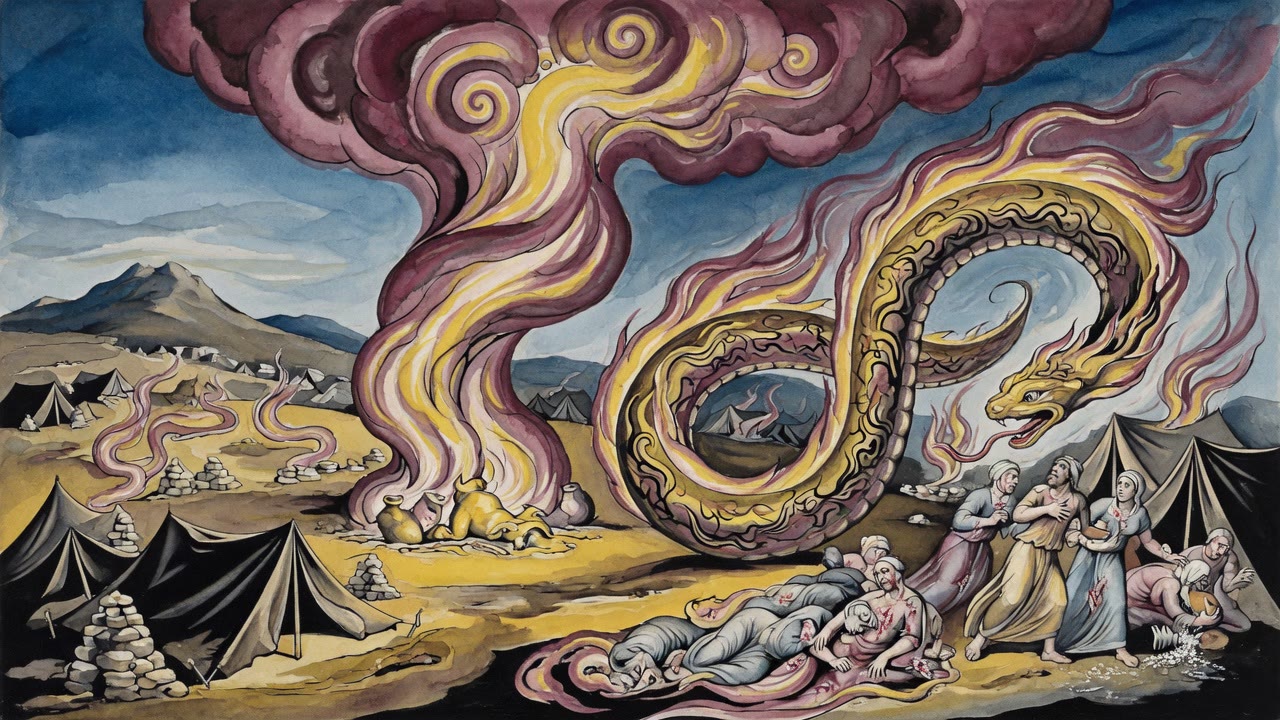
"Israel was dwelling in Shittim, and the people began to engage in harlotry with the daughters of Moav" (Numbers 25:1). The place-name itself bent toward shtut, foolishness. "One who commits adultery with a woman lacks a heart" (Proverbs 6:32). Lacks a heart, the teaching presses, means plays the fool. Solomon would later be praised for a wise heart. Here the camp's heart went thin.
Moabite women did not need Bilam's failed curse if the camp would undo its own seals. What Egypt could not dissolve with labor, a plain and a feast and a foreign body could fray in weeks. The four merits that had stood for a generation began to drop like ornaments cut from a thrashing animal.
What Broke and What Remained
Men who had kept Hebrew names in Goshen answered to softer invitations by night. Tongues that had guarded a year of borrowed gold now ran loose at tables set for ruin. The locked garden opened. The sealed spring spilled. Zeal would later rise with a spear in Phinehas's hand, and a plague would thin the foolish, but the first turning point was the camp choosing the plain of shtut over the four pillars that had carried it out of Egypt.
Bilam's boast and Shittim's fall share one spine. A hired mouth wanted Israel small. A camp that forgot why it had been large made itself small without waiting for his price. God had asked who the men with Bilam were. By the end the harder question hung over Israel's own tents: who are you when the ornaments of merit come off and the plain offers a cheaper god.
Dust settled on Moab's road. Dust settled on Shittim's tents. Between them a prophet who fell toward his own pit and a people who nearly spent the last of what Egypt had not taken. The merits could be counted again only after blood and grief and a covenant reasserted under a harder sky. For one stretch of Numbers the boast and the foolishness ran in the same direction, and the pit was wide enough for both.
← All myths