Israel Lost Four Merits Beside Moab's Daughters
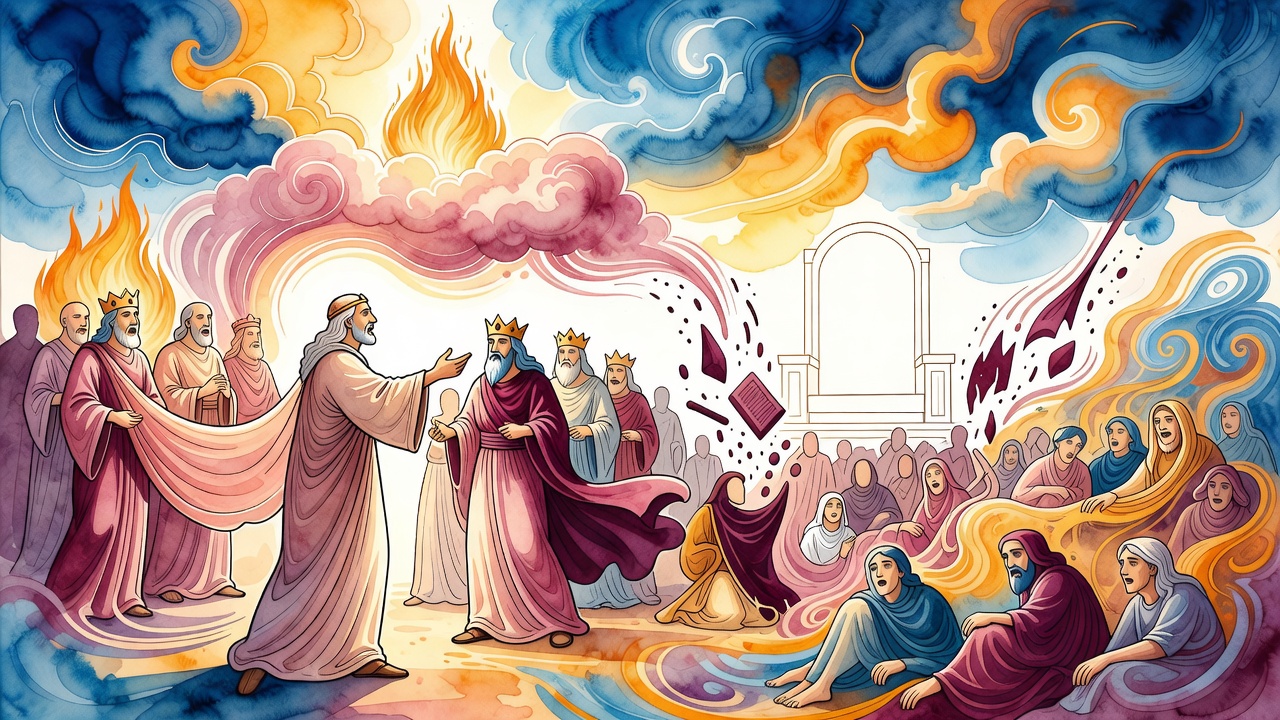
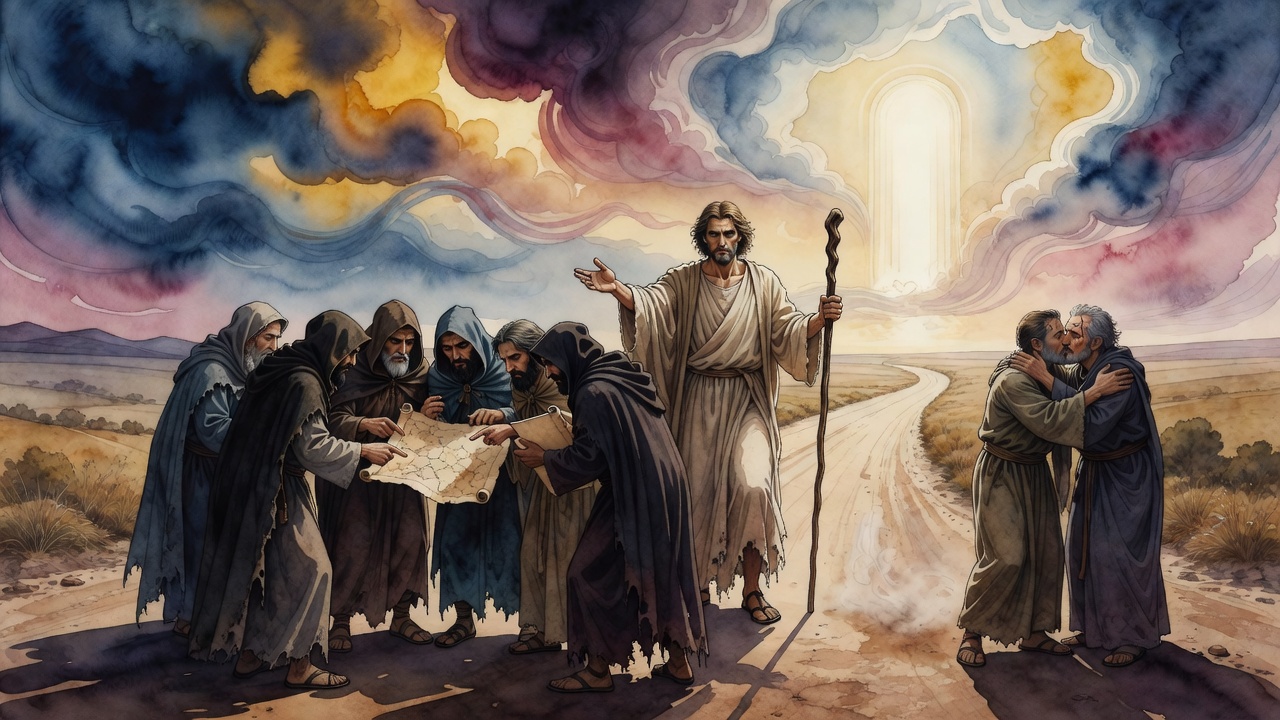
Four merits had carried Israel out of Egypt. At Shittim the people took Moabite women, and the midrash says the spring itself ran with Sodom's old poison.
Table of Contents
Israel was dwelling in Shittim, and the people began to engage in harlotry with the daughters of Moab (Numbers 25:1). The place-name itself turned into a verdict. Shittim, the sages said, because they performed foolishness, shtut. A people that had walked through sea and sand lost its head beside a spring with a bad history.
 Click for full size
For forty years the camp had held a discipline Egypt never managed to break. Then one stretch of water and one set of invitations undid what plagues had not. The midrash refuses to call it a small slip. It calls it the hour the old merits cracked.
Four Merits That Opened the Sea Road
Israel was redeemed from Egypt, the rabbis taught, because of four matters. They did not change their names. They did not change their language. They did not reveal their secrets, even the plan of borrowing silver and gold vessels held for twelve months without a leak to Egyptian ears. They did not behave with licentiousness. A locked garden, a sealed spring.
One exception had already been publicized in Torah, the son of an Israelite woman and an Egyptian man. The verse named what the camp preferred to forget. Even so, for forty years the people did not fall the way they fell at Shittim. The four merits were not slogans. They were habits under pressure.
Names kept identity when bricks tried to erase it. Language kept a private weather system inside a slave empire. Secrecy kept a redemption plan from dying in a barracks rumor. Sexual restraint kept the nation from dissolving into the houses that owned them. At Shittim, the last of those walls took the first hit that showed.
The Spring That Watered Sodom
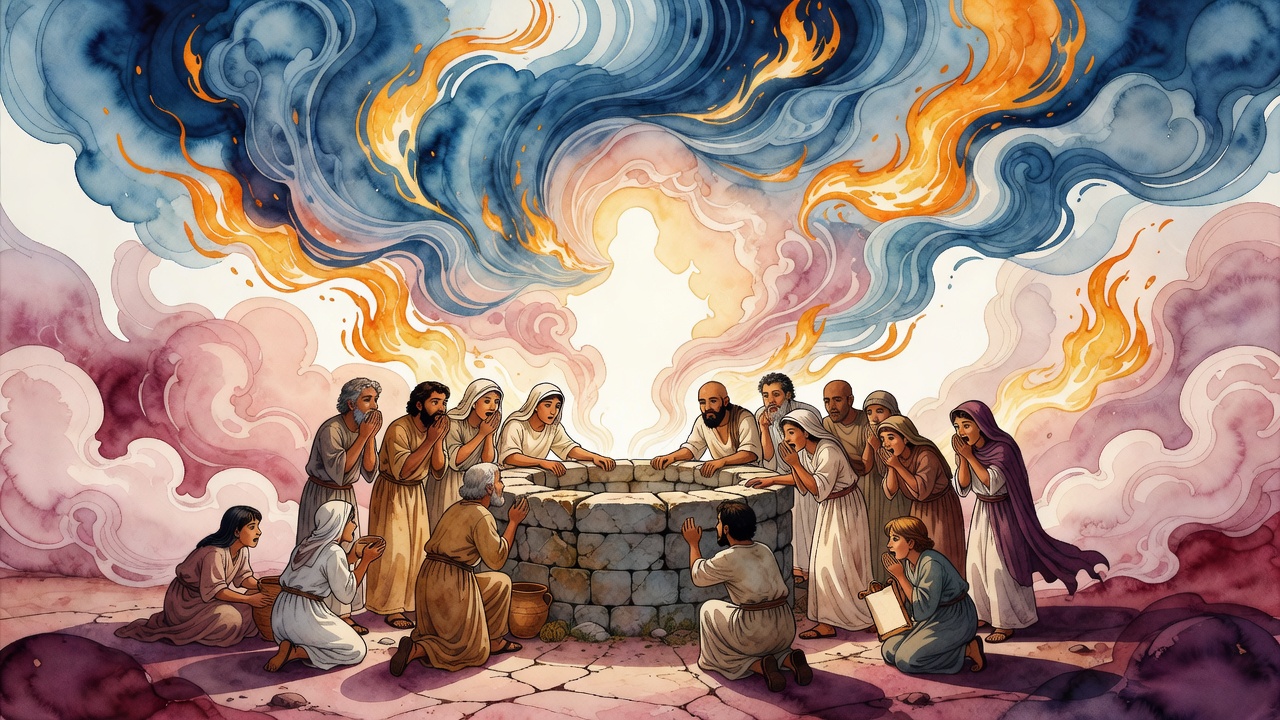
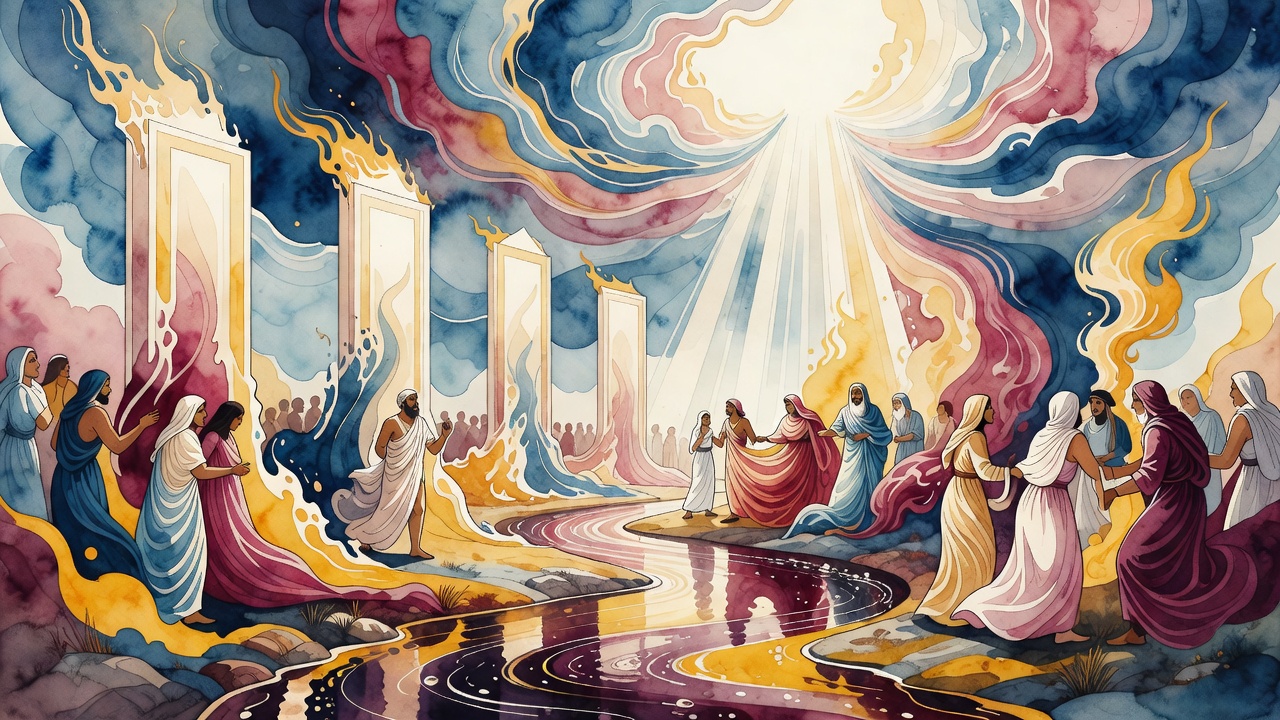
There are springs that produce the mighty and the weak, the fair and the ugly, the chaste and the lewd. The Shittim spring, the midrash says, was one of harlotry, and it had provided water for Sodom. The same cursed vein that once fed men who demanded strangers for the night now wet the throats of a camp that had been holy under cloud and fire.
Because that spring was cursed, the Holy One is destined to dry it, and a spring will emerge from the House of the Lord to irrigate the Shittim ravine (Joel 4:18). Future repair does not cancel present poison. Israel drank where Sodom had drunk and began to act as if memory were optional.
"The people began" is a terrifying verb. Beginnings look small. Beginnings are how a nation steps off a cliff while still discussing the view. Moab's daughters did not need to conquer the camp with spears. They needed only to make the spring's old work feel like hospitality.
Names That Can Be Counted
Elsewhere the midrash reads the promise that Israel cannot be measured or counted as a conditional glory. When they perform the will of the Omnipresent, they have no number. When they do not, they shrink to a countable six hundred thousand and worse. The unrighteous acquire names that stick like charges.
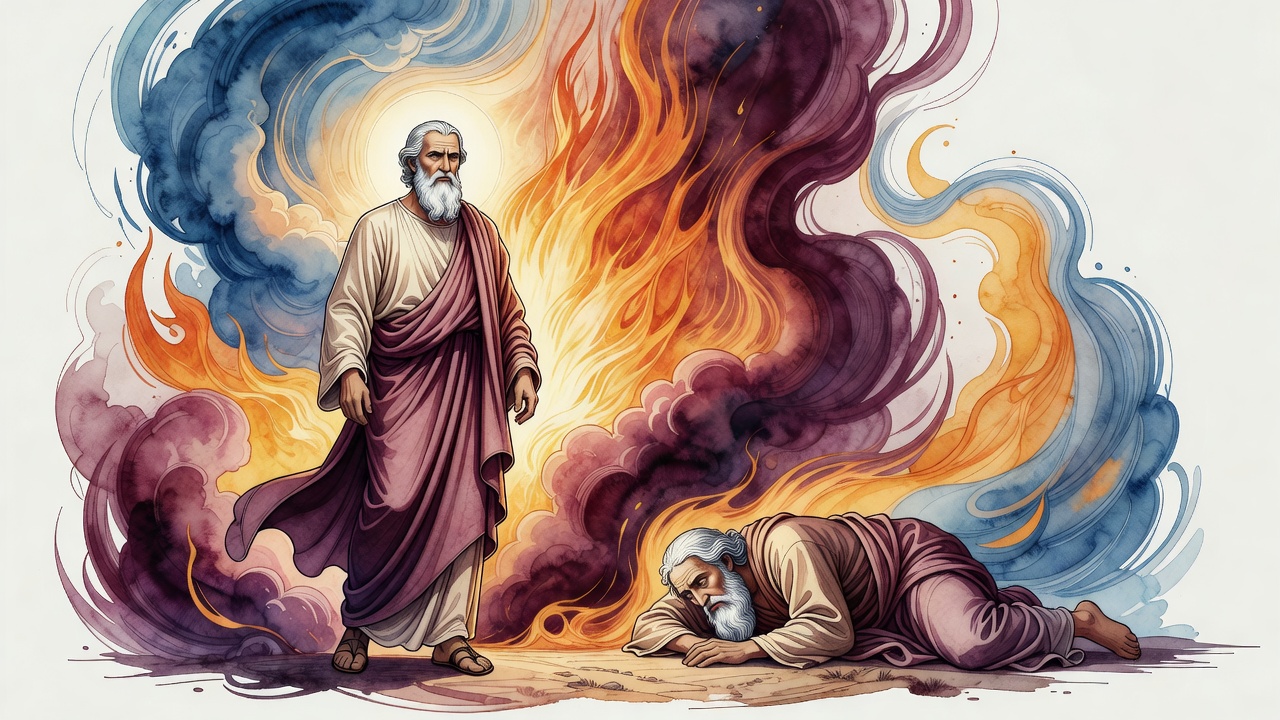
The son of the Israelite woman went out. Akhan son of Karmi was indicated. Zimri son of Salu was slain and named. These have a number. The righteous remain the ones who cannot be measured. Sin turns a people into a list. Holiness turns them back into a sea.
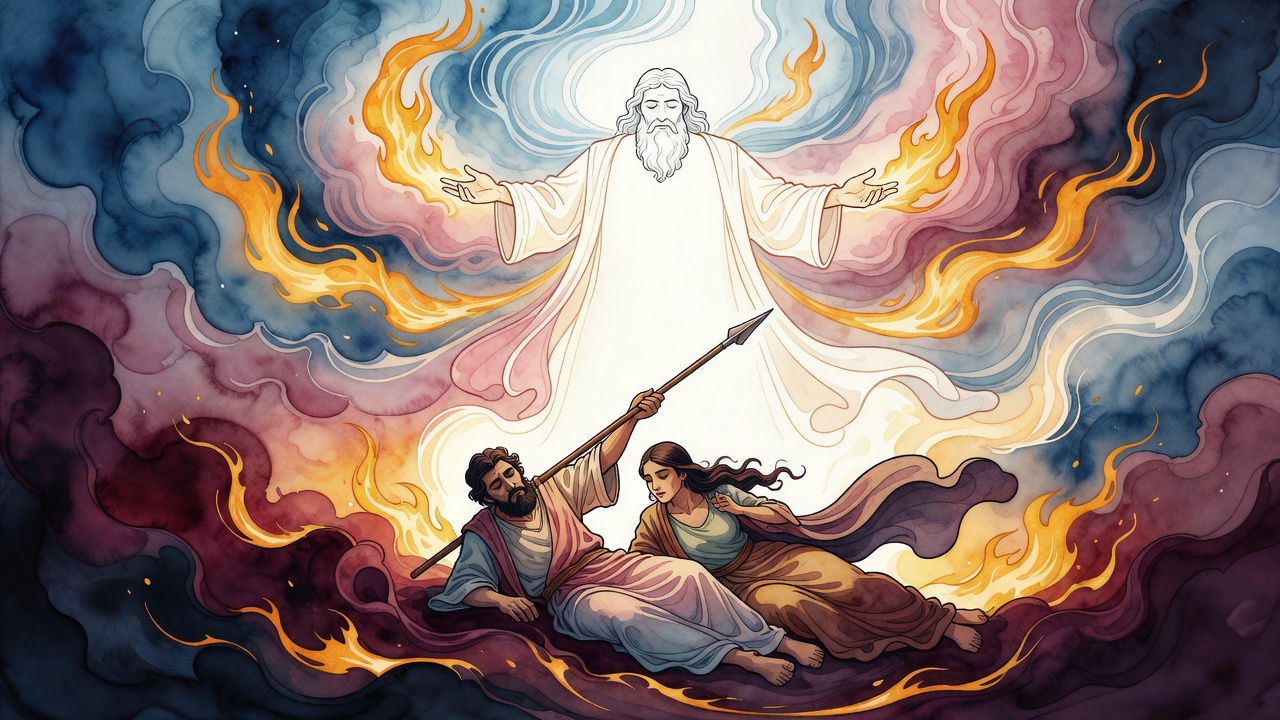
At Shittim the camp moved from uncountable promise toward named scandal. That is how merit dies in public. Not with a philosophical essay, but with a man and a woman and a place that already knew how to ruin a city.
Ink, Water, and a Spit of Mercy
In another chamber of the same midrashic house, a priest writes curses on a scroll and erases them into bitter water for the sotah ordeal. Water from the place she came, dust toward the place she is going, writing before the One to whom she must give account. The sacred Name can be dissolved for the sake of peace between husband and wife.
Rabbi Meir once let a woman spit in his eye seven times so she could go home to a husband who had banned her until she shamed the preacher. "The honor of Meir shall not be greater than the honor of his Maker," he told angry students. If the Name written in sanctity may be erased for peace, a sage's face can take spit for a marriage.
Set beside Shittim, the sotah water and Meir's eye are not random. They show a tradition obsessed with what bodies do when desire and suspicion enter a camp. At Shittim the people refused the hard mercy of restraint. In the ordeal and in Meir's choice, the law still hunted a path back from humiliation without pretending the danger was imaginary.
← All myths