Boys Fought Ishmaelites While Fathers Were Away
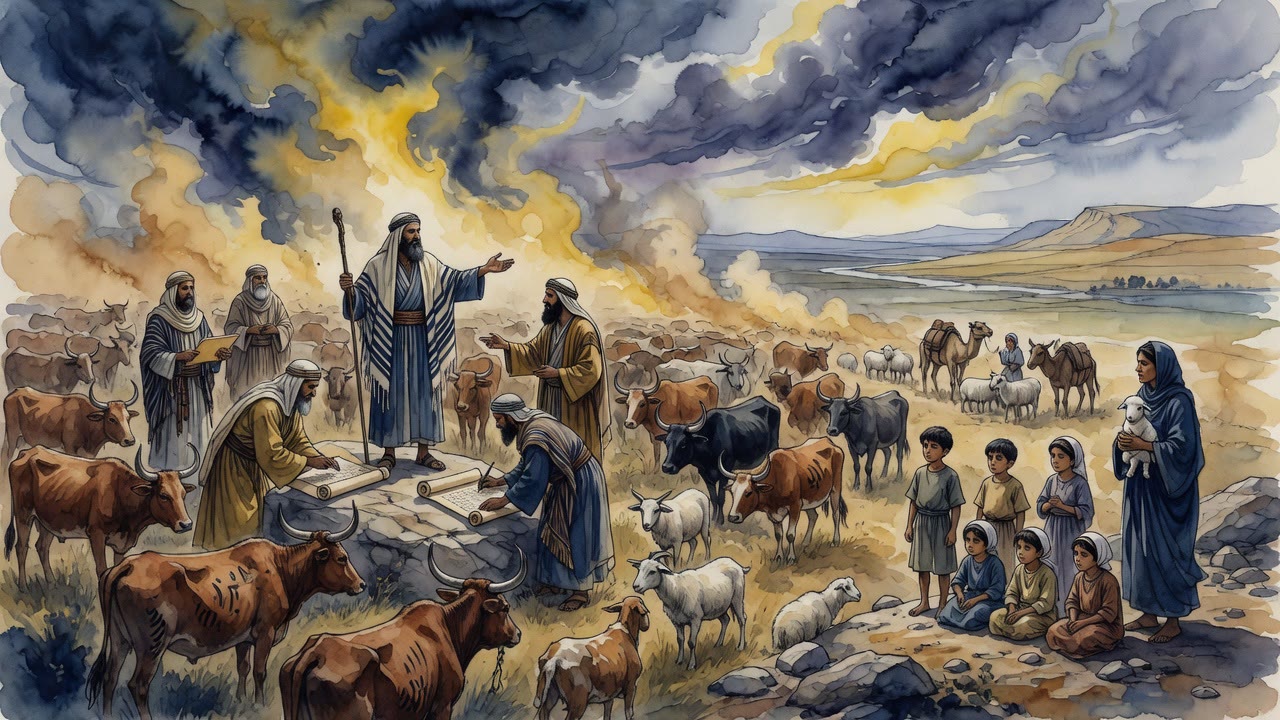
The men had been west of the river for fourteen years. Raiders came for the tents. Boys too young to march were already at the fence.
Table of Contents
 Click for full size
Fourteen Years Across the River
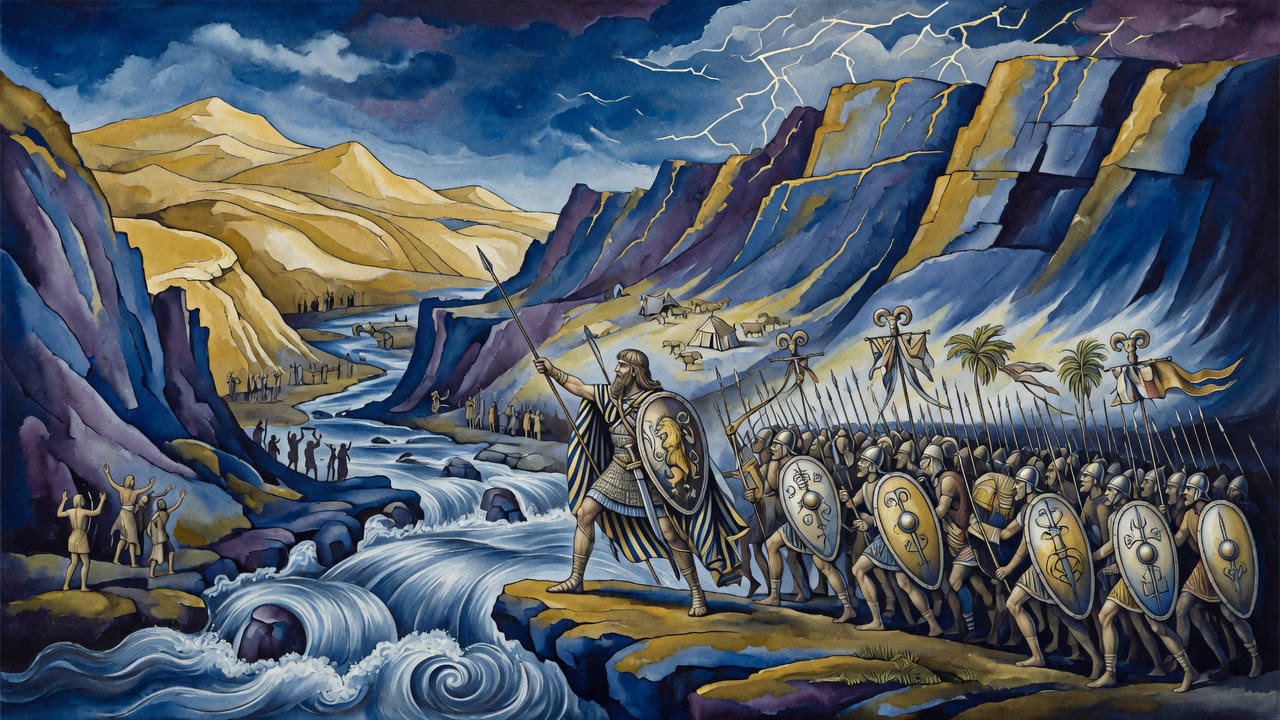
The two and a half tribes who took land east of the Jordan did not settle first and forget the rest of Israel. Their fighting men crossed west and stayed until the conquest was done and the lots were cast. Allotment alone took as long as the war. Fourteen years of absence is long enough for a boy to become a man and for a wife to learn the sound of an empty gate.
The veterans finally turned home. They expected the old map of childhood. Small sons. Dependent households. A pasture waiting for experienced spears. The map had changed without asking their permission.
The Raid Hit an Empty Camp
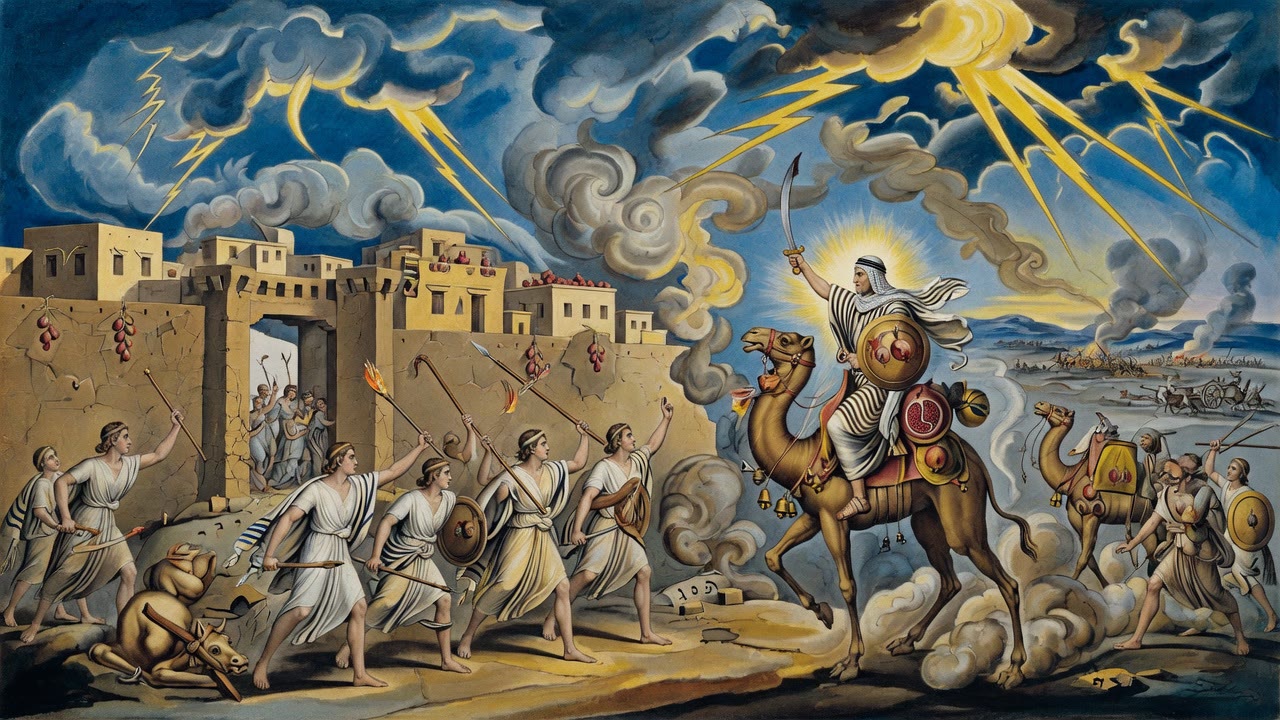
Ishmaelite tribes watched the empty places where armed men should have stood. They came for wives and children, counting on soft resistance. They found sons who had grown into the gap.
The boys too young to march west had learned the other war, the one that arrives at your own fence while glory is busy elsewhere. They drove the raiders off. Tracks turned back. A household honor that did not wait for the men who held the formal swords.
A boy who had been too short for a western muster now stood in a courtyard with a spear that had already been used. His mother had taught him the sound of strange horses. His younger brothers had learned to run for the inner tent. The raid that was supposed to find easy prey found a second army that had never been mustered.
Fathers Came Home to Another Army
The fathers came over the river with western dust still on their sandals and stopped in their own courtyards. Beardless mouths told victory speeches. The stories made them startle. They had kept their oath to Israel. The sons had kept the oath no one wrote down: defend the tents the oath left behind.
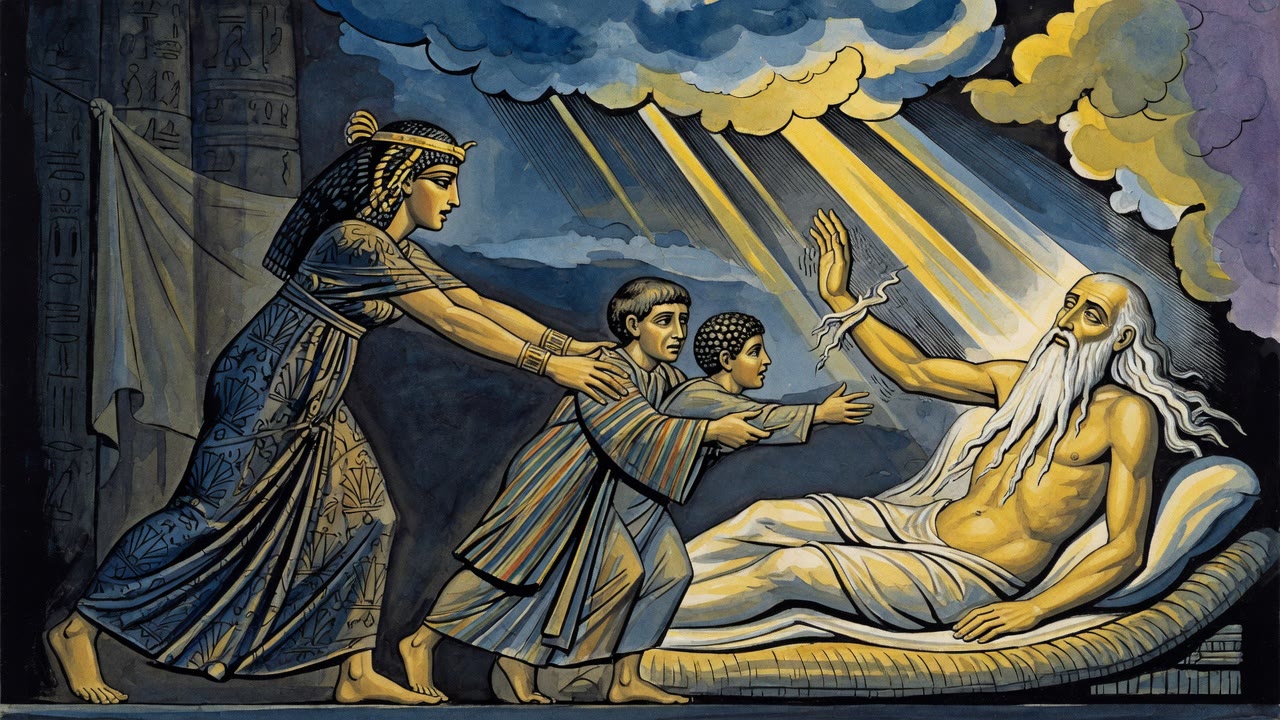
A father reached for a small hand and found spear-calluses. Astonishment is too mild a word. The camp east of the Jordan had raised a second army without a second roll call.
Both duties had been real. Both could have failed. Neither did. The reunion became a ledger of two kinds of faithfulness, and neither side could claim the whole of it.
Cities Named for Fruit and Help
The land those tribes had chosen was not a consolation prize. The veterans walked home through towns that smelled like a harvest inventory. Ataroth, garlanded with fruits. Dibon, flowing with honey. Jazer, help, because owning it helped its owners live. Nimrah, gaily colored with produce. Sebam, perfume, fruit that scented the air. Nebo, famous for what it grew.
Soil can preach. These names preached abundance after a generation that had eaten manna and war. Men who had delayed their own planting for fourteen years came home to fields that justified the delay, and to sons who had already paid in danger for the right to keep them.
Not every name was allowed to stay. Cities that wore the titles of idols, like Baalmeon and Nebo in its old cultic dress, lost those titles when Israel took them. The conquerors would not live under roofs that still advertised foreign gods. Possession without renaming would have been half a victory.
Kenath Took Its Old Name Back
Then comes Nobah, who took Kenath by arms and stamped his own name on it. He had no children. He hoped a city-title would outlive a childless house. After his death the old name returned. Immortality by wall-label failed. The land kept its older mouth.
A man can rename a wall. He cannot force the wall to remember him once he is gone and the people prefer the former word.
Set Nobah beside the nameless boys who drove off Ishmaelites. One sought a monument. The others sought survival for mothers and flocks. The monument peeled away. The survival became the astonishment that greeted the returning fathers. A father stepped into a courtyard expecting small hands and found spear-calluses. A raider expected empty defenses and found a generation raised by necessity. Kenath spoke its old name again, and the unnamed courage stayed.
← All myths