David Paid Fifty Shekels Per Tribe for the Temple Mount
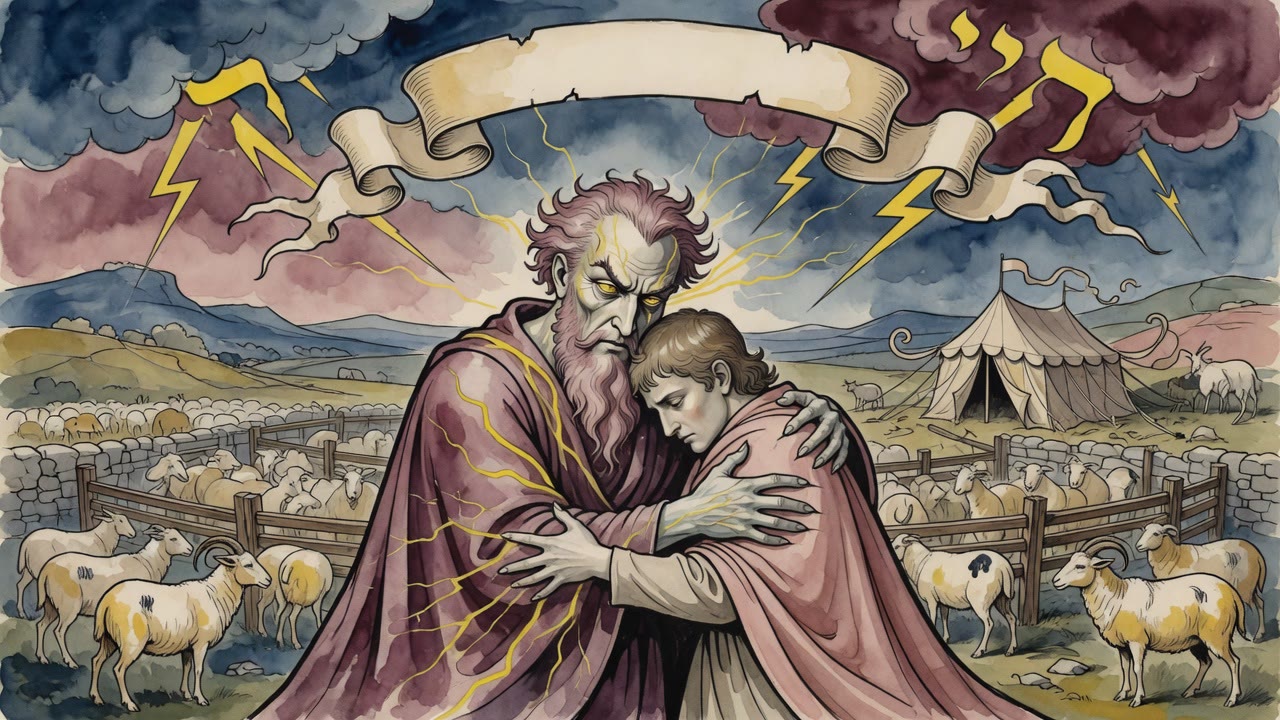
Araunah offered the threshing floor for nothing. David would not put a free gift on the altar. He went to the tribes with an empty bag.
Table of Contents
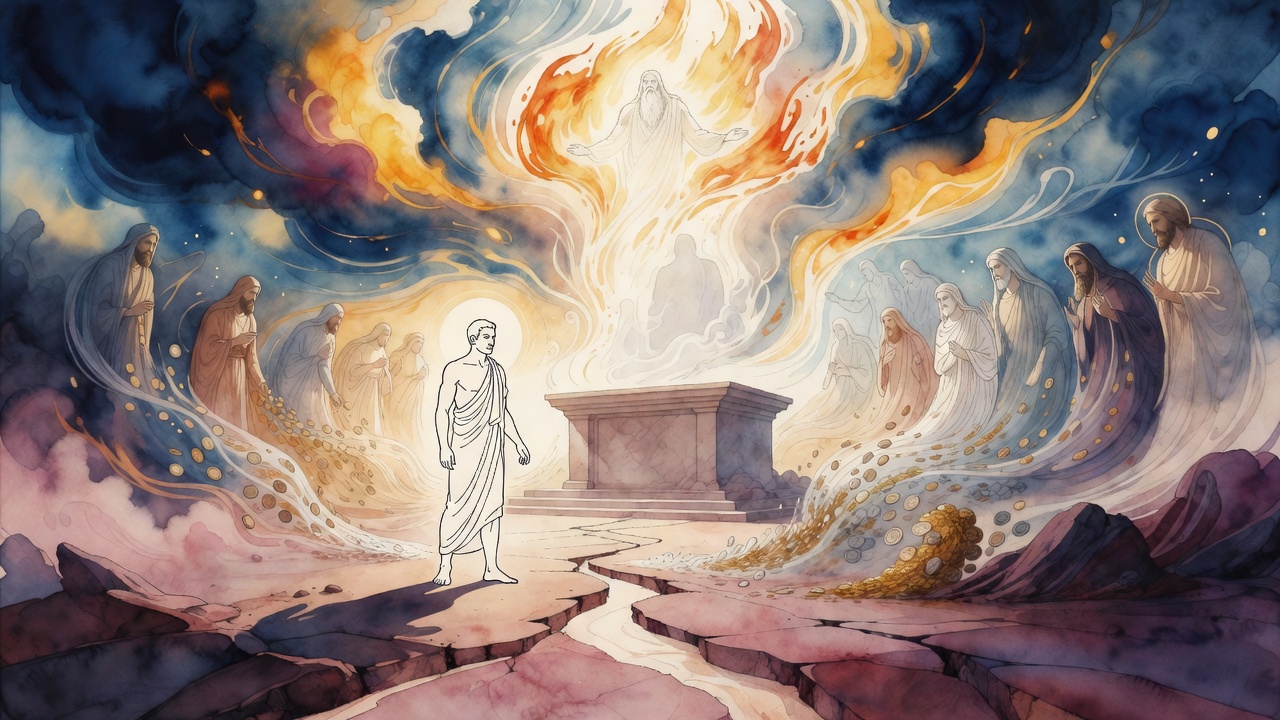
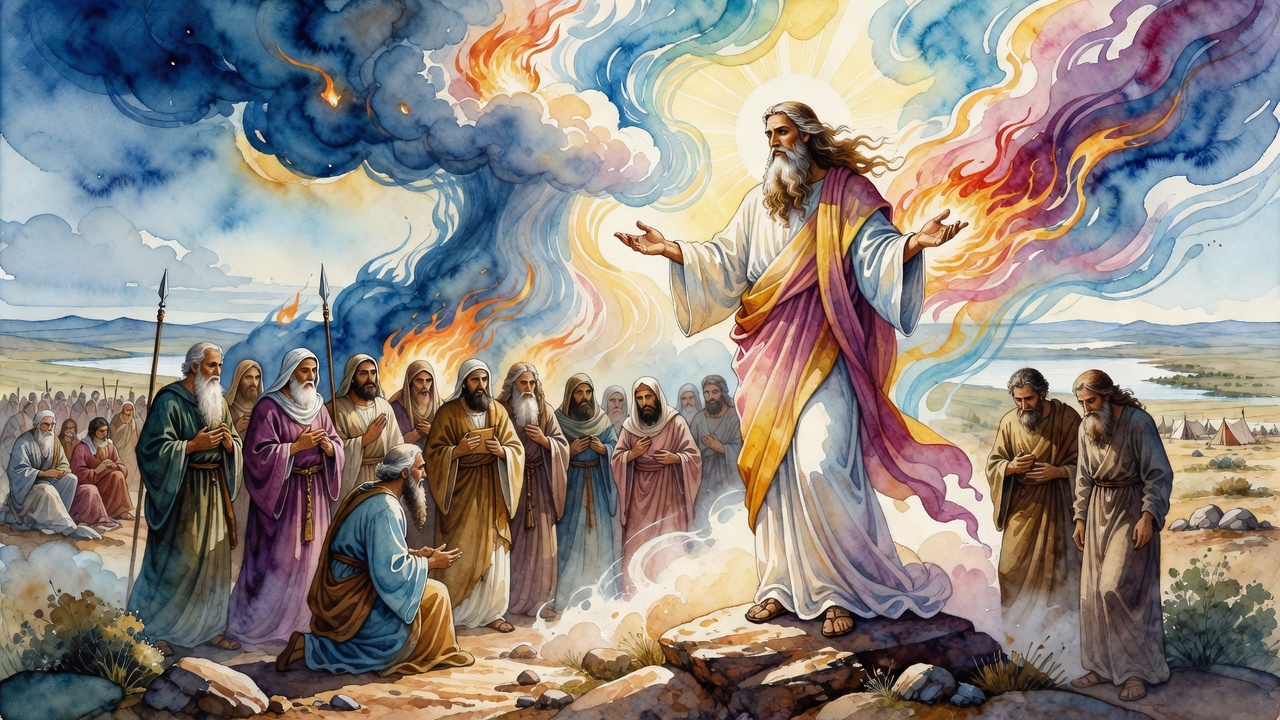
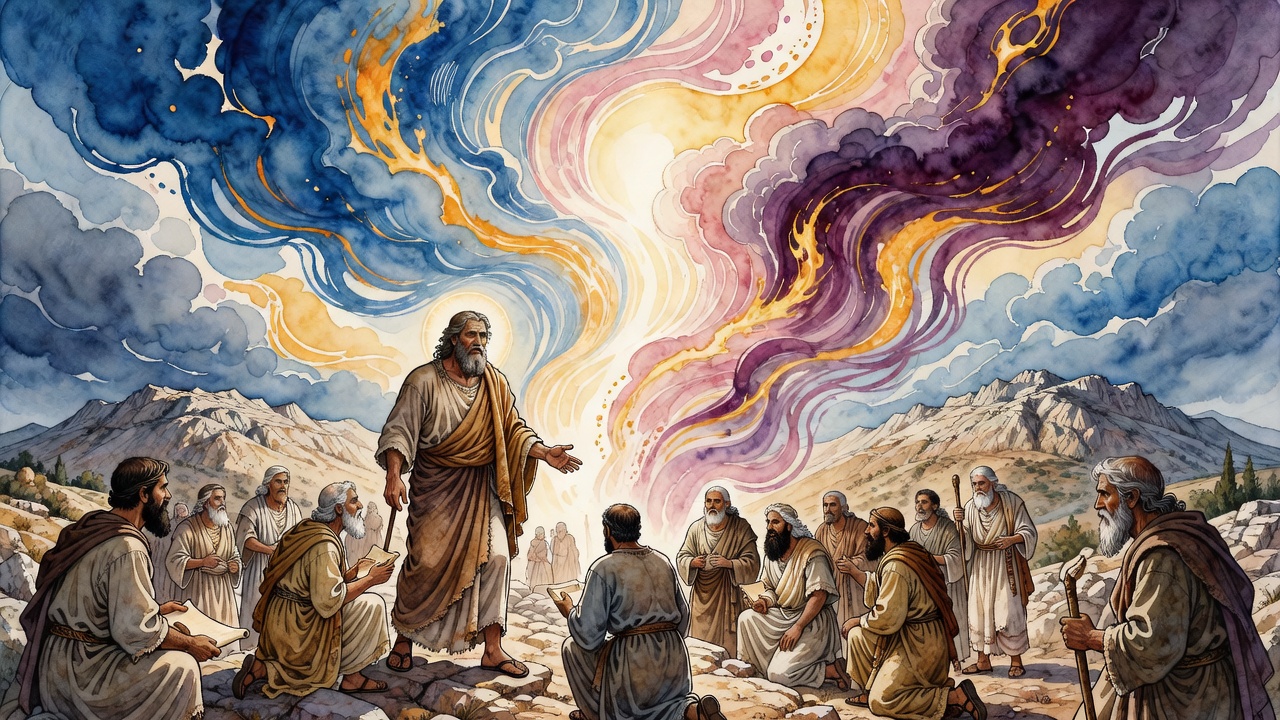
The angel stood between heaven and earth with a sword drawn over a threshing floor at the edge of Jerusalem. David looked up, then looked at the ground. Grain. Chaff. A Jebusite's work-floor. He understood what the location meant. He went to buy it.
 Click for full size
The Angel Over the Floor
The plague had already eaten through Israel. David had counted the people and the count had cost them. Now the destroyer paused over this patch of stone and straw, and David wanted the killing to stop here, on an altar he would pay for.
The man who owned the floor was Araunah the Jebusite, called Ornan by some of his own household. He saw the king coming with servants and came down off the threshing sledges. He bowed. He had eyes. He knew a king does not arrive at a threshing floor for grain.
Take It, the King Said No
Araunah offered the whole place as a gift. Take the oxen for the offering. Take the threshing boards for the wood. Take the wheat for the meal. "My lord the king, take what seems good to you."
David said no. "I will not offer to the Lord my God burnt offerings that cost me nothing."
A sacrifice that cost nothing was not a sacrifice. An offering that came from another man's generosity was the other man's offering. The altar required something of the person standing in front of it. Araunah's kindness would have given the floor to David. David would not build God's house on a gift.
Fifty Shekels Per Tribe
David did not open the royal treasury and close the matter. He sent to Judah first, then to the others, fifty shekels per tribe, the same weight in every bag. A smaller tribe might have claimed poverty. David did not ask. The Temple Mount would sit on equal silver or it would not sit at all.
Messengers went out from Jerusalem with empty bags and came back with fifty shekels in each. Twelve tribes, fifty shekels each. Six hundred shekels in all. The purchase price was not the king's money. It was the nation's money, handed over tribe by tribe, each one giving an equal share of the place where heaven would rest on earth.
The Mount Belongs to Israel
He paid. Araunah took the silver. The oxen went up. The boards burned. The plague stopped over the floor that now belonged to all Israel.
No tribe could say later that the House of David had bought the mount and lent it to the rest. Each family had paid. Each tribe held a piece of the deed. Araunah's gift would have made the ground a king's. The twelve bags made it Israel's.
Fifty shekels could buy a floor and oxen. Six hundred shekels could buy a mountain for twelve tribes. David paid both, because he had been to twelve tents with the same request.
He Would Not Sleep Until He Found It
David had not chosen the site the way a king chooses a fortress. He had found it. The location had been waiting before Jerusalem was a city, before the Jebusite had his threshing floor there, before the angel appeared with a drawn sword over that specific patch of ground.
He had sworn he would not give sleep to his eyes until he found the dwelling place of the Mighty One of Jacob (Psalm 132:4-5). He was looking for something that already existed. The angel's sword was the sign. The fifty shekels were the price of not stealing it.
The tribes went home lighter by fifty each. The floor was no longer Araunah's. It was not David's either. It was the ground a whole people had bought together, and the king who paid for it slept at last.
← All myths