Doeg Turned Torah into a Blade at Nob's Altar
Doeg bent a ruling on the Urim to slaughter Nob's priests. Saul's wrong to the Gibeonites later brought famine and a cruel demand for blood.
Table of Contents
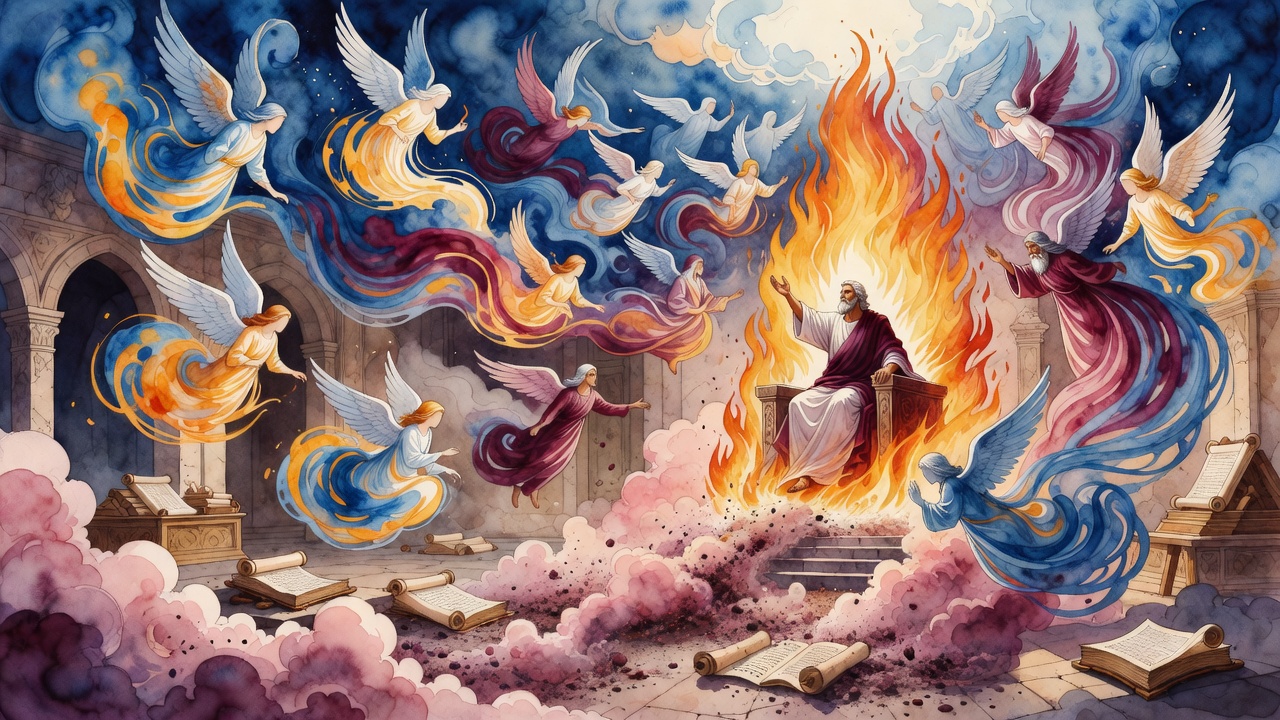
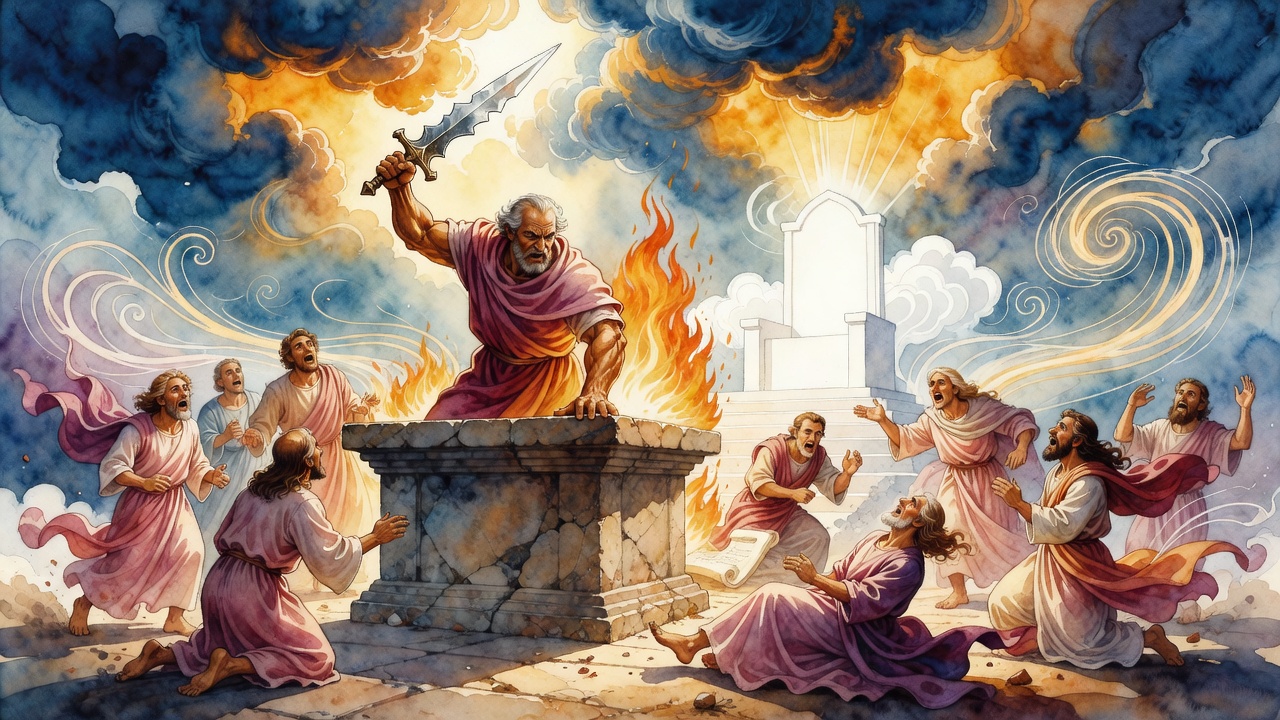
Doeg did not need a foreign army to empty a priestly town. He needed a sentence of law bent until it cut. Abimelech the high priest at Nob had admitted he consulted the Urim and Thummim for David. Doeg seized the admission and declared an unalterable rule. The Urim and Thummim, he said, may be consulted only for a king. David was not yet enthroned. Therefore the consultation was treason. Therefore the priests were traitors. Therefore they could die.
 Click for full size
Abner, Amasa, and the Sanhedrin (Israel's high court of sages) argued. The oracles could be asked for any undertaking that touched the general welfare. David fought the people's wars. Doeg would not move. When no one else would lift the sword, he became executioner himself. Knowledge of Halakah became a weapon in a jealous mouth. Human life and honor, the legends say, weighed nothing once revenge drove him.
A Rebel Is as Good as Dead
Doeg pressed further. He convinced Saul that David's marriage to Michal was void because a rebel is as good as dead, and a dead man's wife is free. Cold logic, wrong at the root, dressed itself as clarity. The king who should have guarded justice learned to hear loopholes as loyalty.
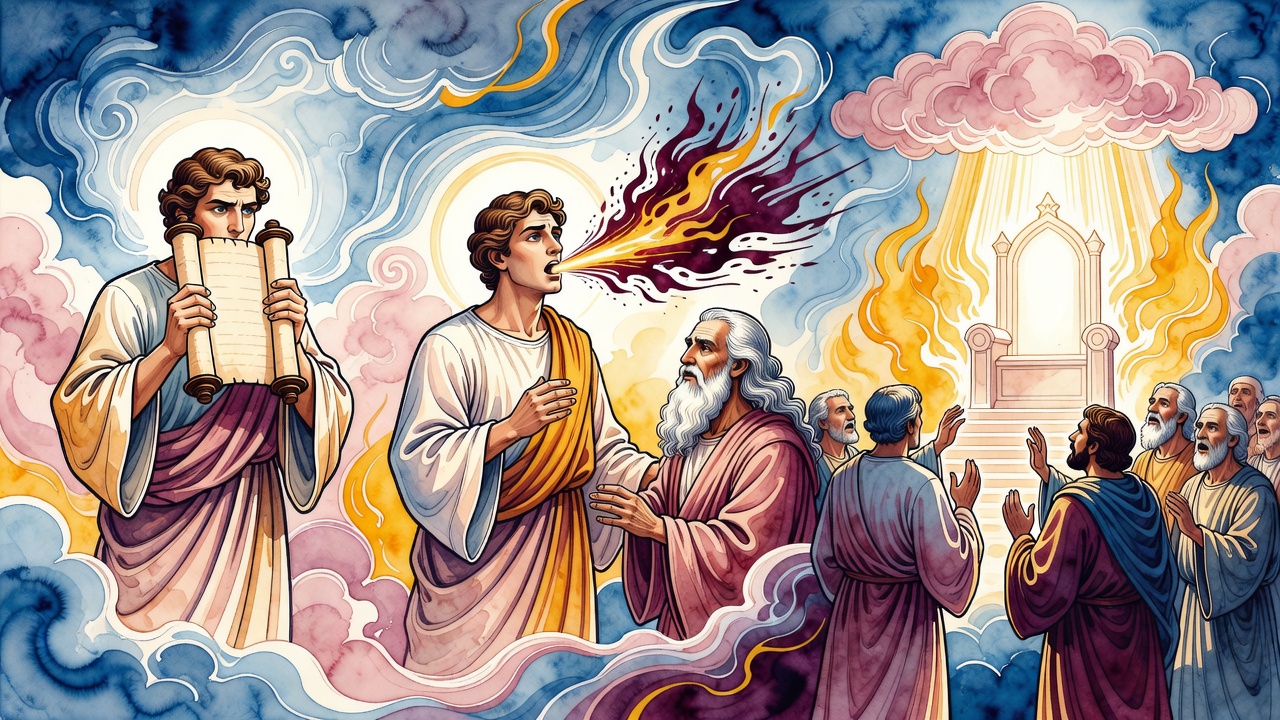
Punishment matched the crime's shape. Doeg, who had wielded law like a knife, forgot the law entirely. Disciples drove him from the house of study. He died a leper. The mouth that had cited unalterable rulings ended unable to recall basic teaching. Memory itself turned prosecutor.
Famine for Blood Already Spilled
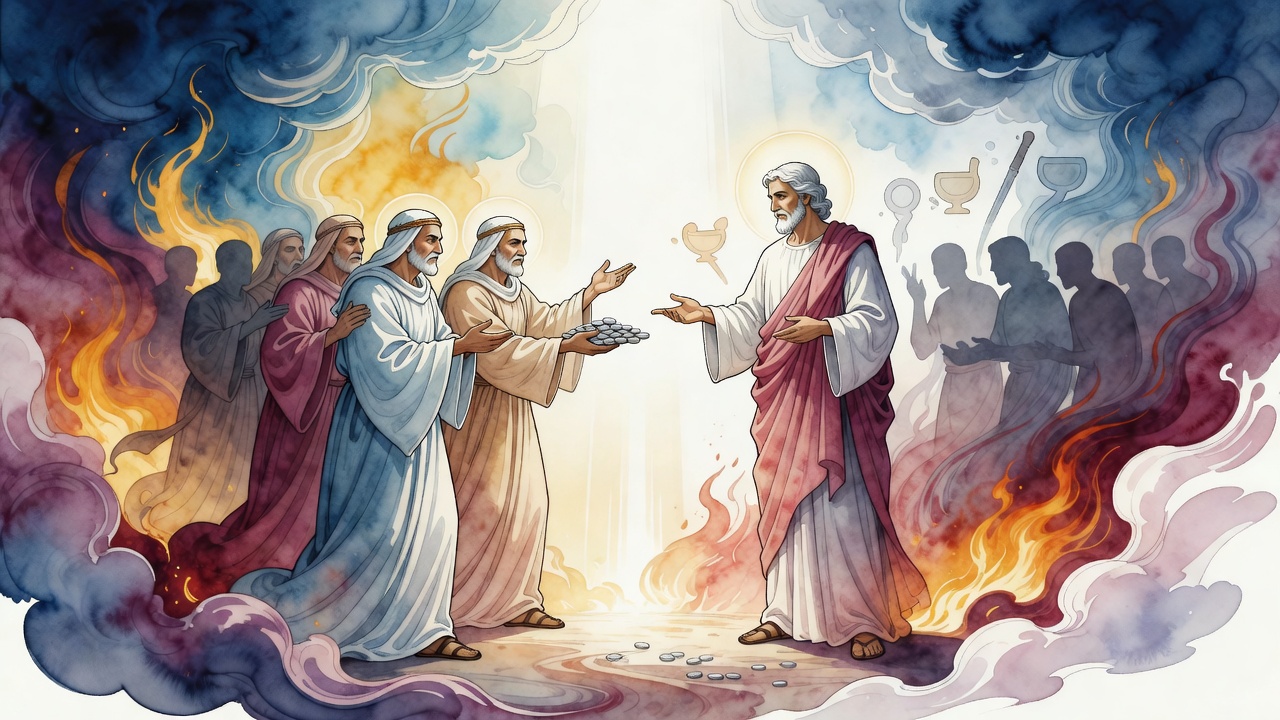
Saul's zeal had also wronged the Gibeonites, killing seven of a people who lived among Israel under old oaths. Years later famine held the land. David inquired of God. The answer came with a principle larger than one feud. "If thou dost not bring near them that are far off, thou wilt remove them that are near by." How Israel treats those who stand at the edge of the people returns upon the center.
The Gibeonites refused silver and gold. They demanded seven of Saul's house. David argued, bargained, appealed to compassion. They would not bend. At last he cried that God had given Israel three qualities, compassion, chastity, and graciousness in service, and that the Gibeonites lacked the first and so must be excluded from communion with Israel. Justice, revenge, and the limits of inclusion collided without a neat hymn at the end.
Joab's Sling and a City's Courtyard
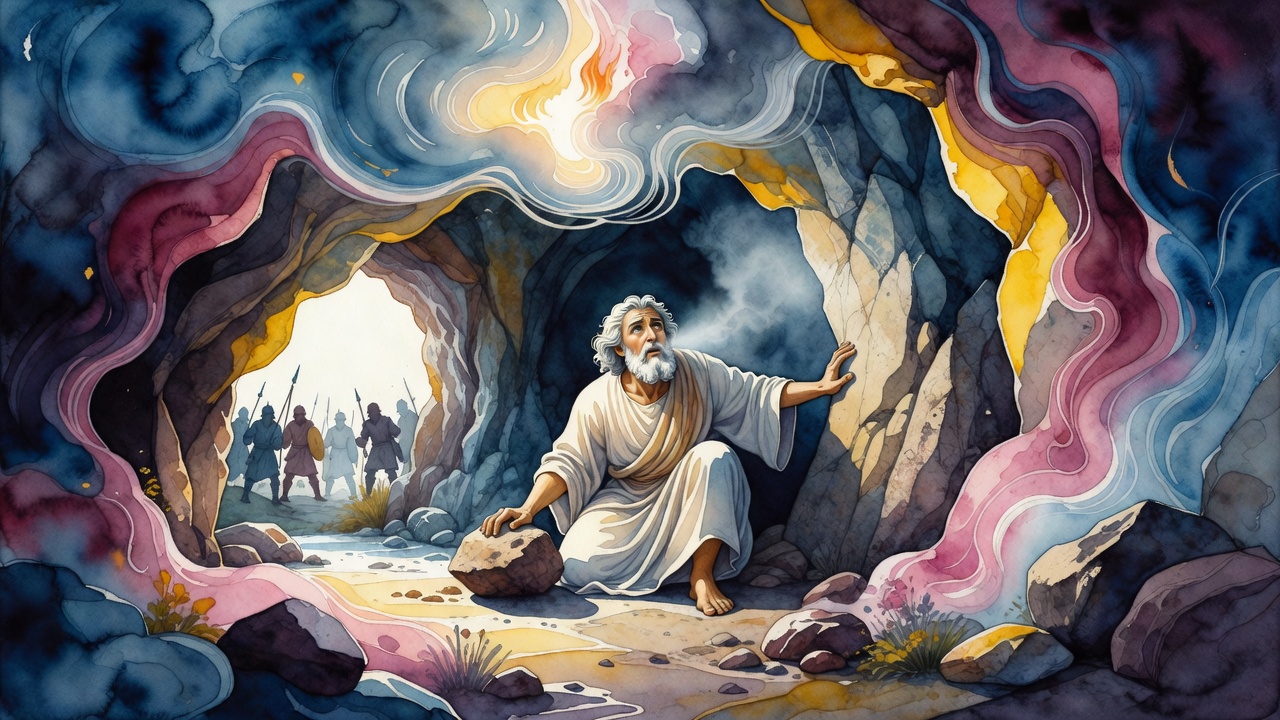
In the same age of hard tactics, Joab armed himself with a thousand pieces of silver and a sword and was flung by sling into a city courtyard, landing at a widow's house. He woke, claimed to be an Amalekite cast in to die, spent silver freely, took the garb of the enemy, and after ten days walked a city so vast that reconnaissance itself became a campaign. Deception in war and deception in court are different species. Both filled Saul's and David's generations with men who could wear another face when the gate demanded it.
Doeg's face was the scholar's. Joab's was the infiltrator's. One destroyed a priestly city with a ruling. One entered a fortress with a story and a purse. The era did not lack cleverness. It lacked, in Doeg's case, the fear of twisting Torah until blood answered.
Law Without Compassion Is Only a Sharper Knife
The priests of Nob died under a sentence that sounded learned. The Gibeonites later refused every soft payment and took lives from Saul's line. Between those horrors David learned that bringing near those far off is not ornament. It is survival. Doeg learned, too late, that a law emptied of justice will not stay in the mouth that abused it.
When later students open the stories of Saul's court, they meet a man who could quote procedure while the sanctuary's servants fell, and a famine that would not lift until the edge-people were faced. The blade at Nob and the hunger in the land are kin. Both grew where power forgot that law was given to guard life, not to decorate a grudge.
Doeg's leprosy and exile from study sit as the tradition's last comment on his brilliance. Brilliant without mercy becomes a kind of amnesia. The rulings flee the mind that used them to kill.
The priests of Nob had given David bread and a sword in a time of flight. Their crime, in Doeg's mouth, was caring for the general welfare without a crown on David's head. The gap between that care and high treason was a lawyer's invention. Once invented, it needed blood to look real. Doeg supplied the blood with his own arm when the court flinched.
Saul's ears, already bent by jealousy, took Doeg's rulings as loyalty. A king hungry for certainty will swallow sharp law if it points at his rival. Michal's marriage declared void, priests declared killable, David declared dead-in-law while still breathing. The throne room became a school of inverted Halakah, and the syllabus was written by a man who loved his own cleverness more than the sanctuary's servants.
David's later famine over the Gibeonites showed the other face of the same era. Violence against those at the edge returns as hunger at the center. Joab's sling-flight into a city showed the era's gift for daring ruses in war. Doeg's gift was a ruse in jurisprudence. Of the two, the tradition spends its harshest end on the man who made Torah a trap. Leprosy and forgotten texts are a scholar's hell, measured to fit.
← All myths