David Cursed His Enemies Until God Answered With Saul's Name
The harp still hummed when God asked who the enemy was. David had meant a crowd. Heaven answered with Saul's name.
Table of Contents
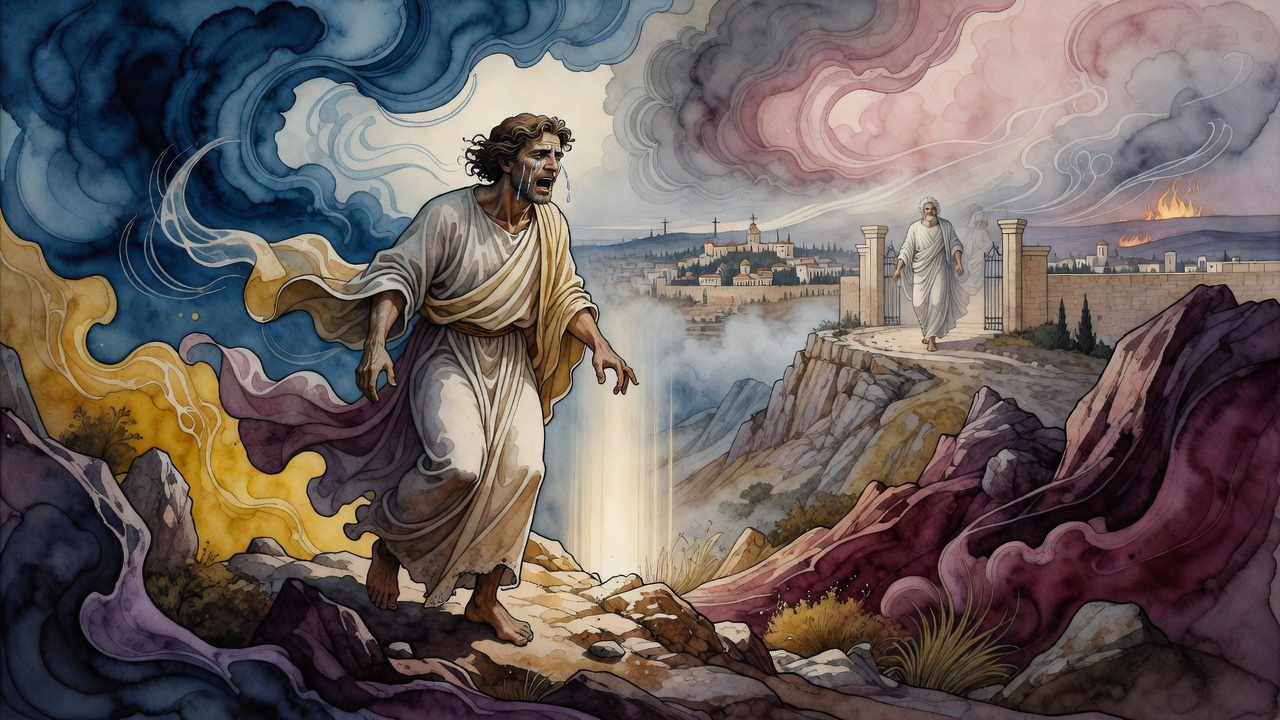
David sat with the harp across his knees and let the old heat rise. Enemies had hunted him through caves and courts. He wanted them ashamed. He wanted them frightened. The line left his mouth like a spear. "My enemies will be exceedingly ashamed and frightened" (Psalms 6:11).
 Click for full size
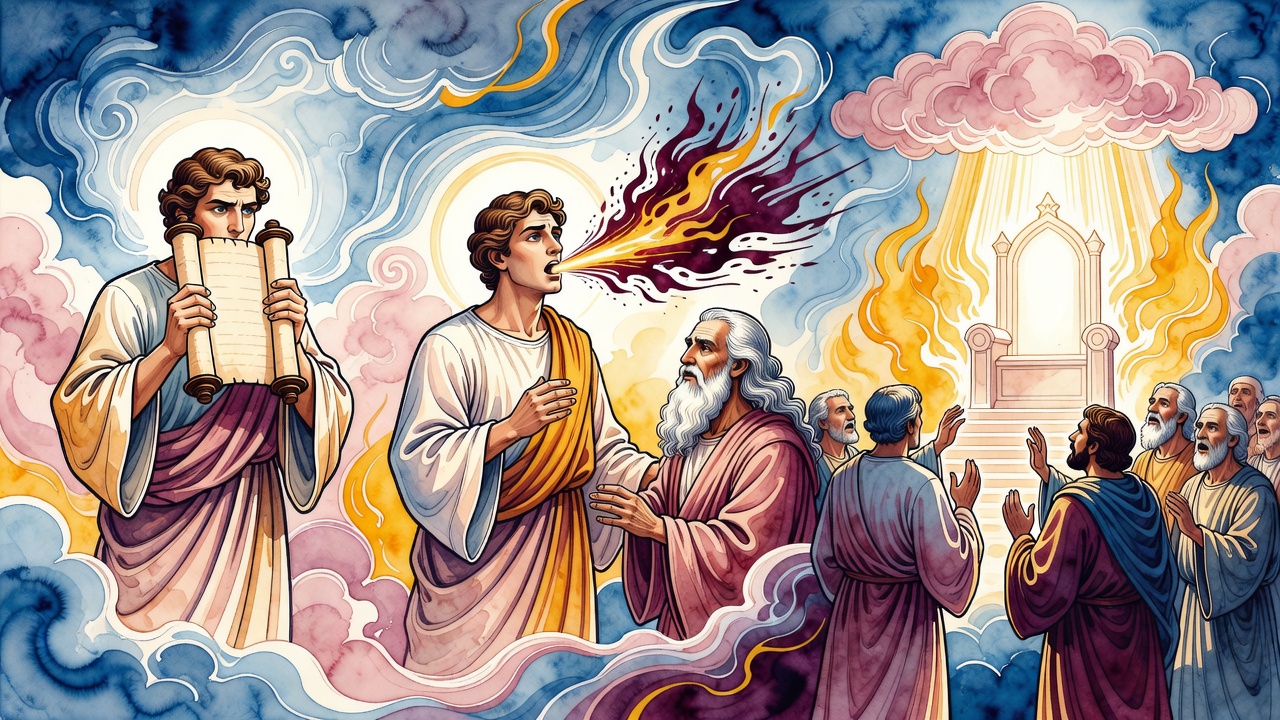
The room did not argue. The strings still hummed when the rebuke arrived, not from a courtier, but from the Presence that knew every name behind his plural.
"Who was your enemy? Was it not Saul?"
The Plural That Hid One Face
The king closed his hands on the wood until the grain bit his skin. One man. One anointed rival. One house he had refused to strike in the cave. And still he had stacked the word enemies like a pile of faceless stones and thrown it at heaven.
David had spared Saul when the spear was easy. He had cut cloth, not flesh. He had called Saul father and lord in the dark of Engedi. None of that erased the psalm's blunt wish. Speech travels farther than a chase.
He tried to argue the line was general, the pain of years, the hunger of a hunted man. The question stayed fixed. Name the enemy. Do not hide a single face inside a crowd of curses.
Walls Have Ears
Eyes and ears humans share with beasts. Speech is the height that can fall the farthest. "Even in your thought do not curse a king," the old warning runs, "and in your bedrooms do not curse the wealthy" (Ecclesiastes 10:20). Birds of the air carry sound. A winged creature can tell a matter whispered in a bedroom. Walls have ears. Roads have ears. The king who sang in private still sang into a world that listens hard.
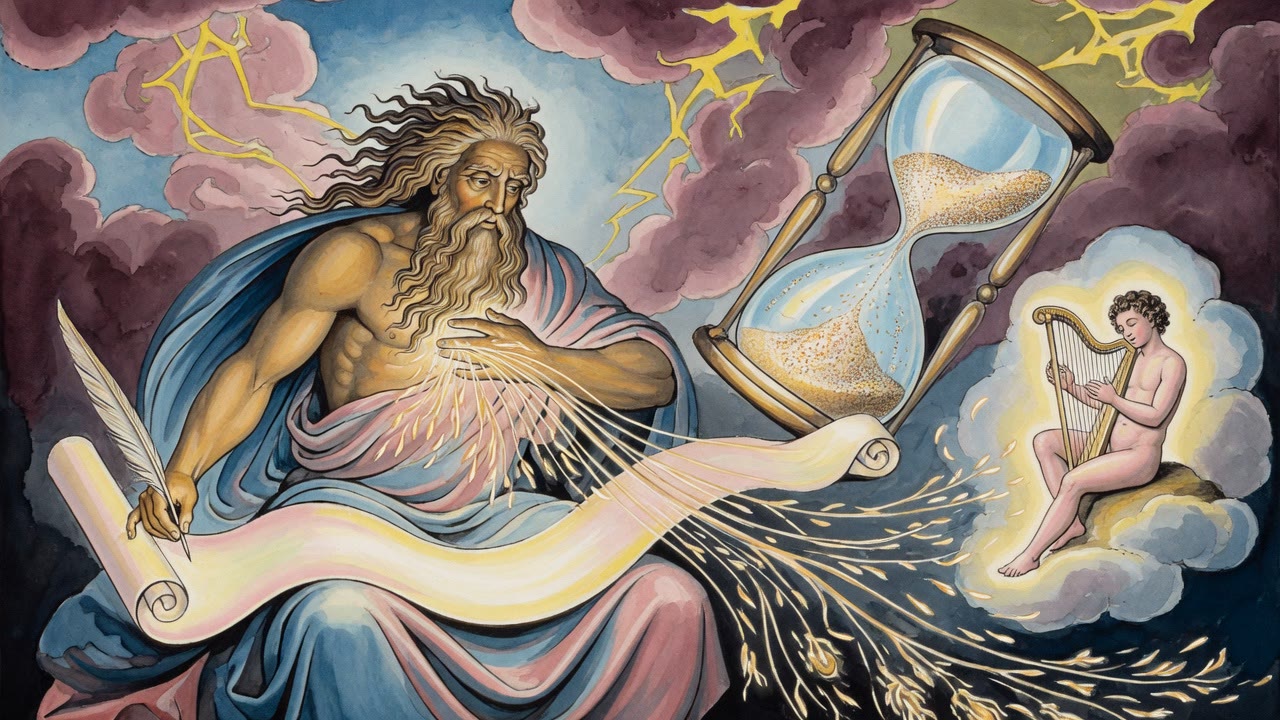
Intelligence was given to human mouths so they would not be silent beasts. To turn that gift toward a careless curse is to throw the gift back. David stood and paced the length of the chamber. Outside, a sentry shifted. Inside, the harp waited like a second conscience.
He had two eyes, as a beast has two eyes. Two ears, as a beast has two ears. The difference sat on his tongue, and he had used it to blur a name heaven still claimed.
He Asked That It Be Counted Unwitting
He did not double down. He set the harp aside and spoke toward the Presence that had named Saul.
"Master of the universe, do not tally it among my intentional sins, but among my unwitting sins."
A shegagah (שגגה), a slip, not a raised fist. Then he made a new song and called it a shigayon, a meditation of the fault, the music of a mind that had run hot and now had to cool under judgment (Psalm 7).
The composition was not decoration. It was repair. He set the failure in meter so he would not forget the edge of his own tongue. Kings curse in their hearts as easily as shepherds. The difference is that heaven answers kings in open daylight.
When he sang the new piece, his voice cracked once and then steadied. Servants at the door pretended not to hear. He let them pretend. The work was between him and the One who had named Saul in the rebuke.
Near Enough to Be Stopped
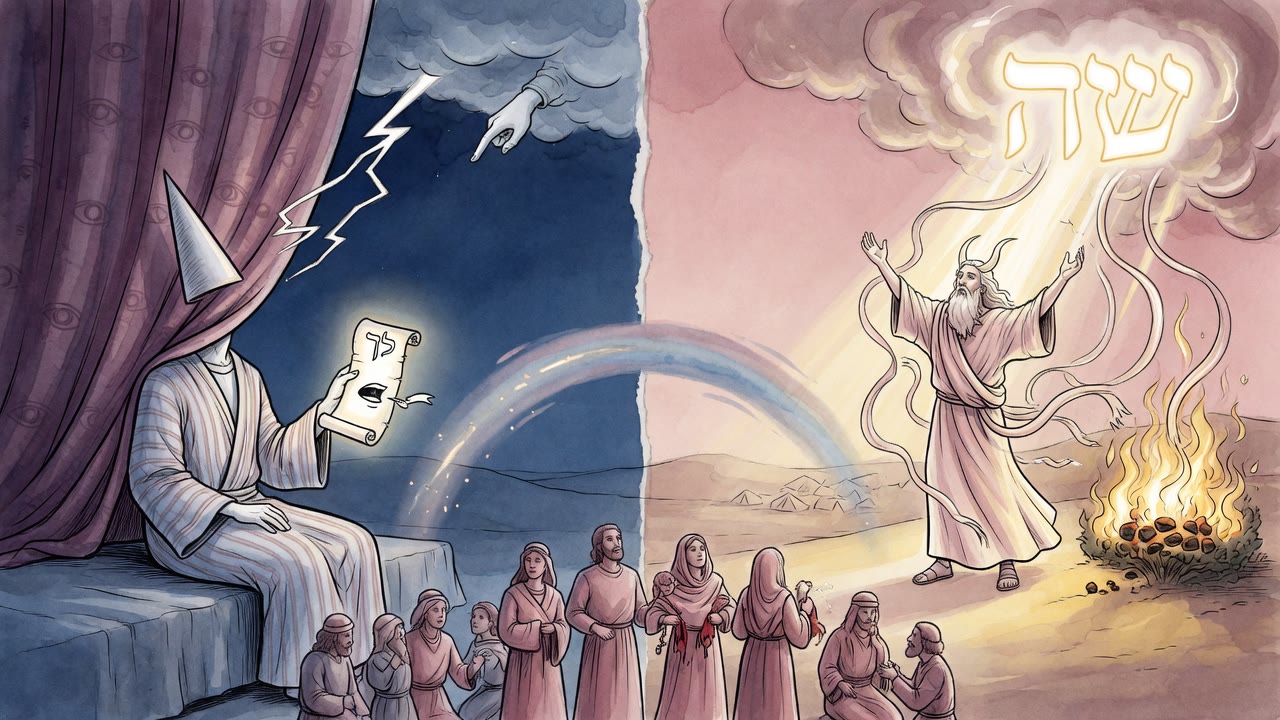
Long before David's harp, another contrast of speech had marked the border between near and far. When God called Moses, the call came complete, a drawing near, the same clear summons the ministering angels use when they cry Holy to one another (Isaiah 6:3). When heaven met Bilam of the nations, the meeting was thinner, a happening, incomplete contact that kept distance in the very verb.
David was no prophet of the nations. He was Israel's sweet singer, close enough to be corrected in the middle of a line. Distance would have left his curse unchallenged. Nearness interrupted him. The Lord is far from the wicked and hears the prayer of the righteous (Proverbs 15:29). Correction is a form of hearing. The rebuke proved he was still inside the conversation.
He laid the harp down and pressed his forehead to his wrist. Shame and relief arrived together. Better to be stopped than to be ignored.
The Mouth That Named Its Target
He returned to governing with a quieter mouth. When he named foes after that day, he named them. When he prayed against pursuers, he checked whether the face behind the word was a man heaven still claimed for a harder justice than David's heat. Saul remained a wound and a history. The plural enemies no longer did the lazy work of hiding him.
At night the king sometimes woke with the old line on his tongue and bit it off. He reached for the shigayon instead, the song that remembered the slip. The harp strings took the confession. He did not play the old line again.
← All myths