Parshat Bereshit7 min read

Enoch Carried Through the Heavens to the Secret of Creation

Angels carry Enoch past celestial seas and storehouses of snow into Eden, then to a pit of fire and ice, then to God's left hand to hear creation's secret.

Curated by Arthur · Told by Maggid ·
Table of Contents
  1. The Wings That Carried Him Off the Earth
  2. Higher, Into the Country of the Imprisoned
  3. The Garden at the Heart of the Third Heaven
  4. Where the Light Died at the Northern Edge
  5. Summoned to the Left Hand of the Throne

The Wings That Carried Him Off the Earth

The angels did not ask. They folded their wings under Enoch and lifted, and the ground he had stood on his whole life dropped away beneath his feet.

The air thinned. The cold came. Then the first heaven opened around him like a held breath, and they set him down on the clouds. Above him an endless ether shimmered without edge or end. Below him moved a sea, the great celestial water that God had split from the sky on the first day, vaster than any ocean a ship had ever crossed.

Two hundred angels stood in formation, the rulers of the stars, the ones who keep the lamps of heaven burning on their roads. They circled on gleaming wings around everything that sails the upper dark. Enoch looked downward and found the treasure-houses of the snow, winter itself locked in cold storerooms behind dreadful guards. Beside them stood the storehouse of the dew, gleaming like oil, and its fragrance was every flower the earth had ever grown, breathed out at once.

He had no time to take it in. The angels were already rising again.

Higher, Into the Country of the Imprisoned

The second heaven came on darker than the first. The light there grieved. Enoch passed through it the way a traveler passes through a prison yard, and the angels did not slow for him to ask why the place felt so heavy.

They carried him up and through, and the storehouses of weather and the bright rulers of the stars fell behind. Whatever waited in that gloom, his guides would not let him linger. He had not yet heard the music of the sun. He had not yet felt the heat of God's face. The wings beat on, and the third heaven bloomed ahead of him in green.

The Garden at the Heart of the Third Heaven

They set him down in paradise.

Every tree was in full flower and full fruit at once, and the smell of the place was past describing. A fragrance with no name hung over a garden where nothing rotted and nothing died. The light was kind. The two angels who guided him let him stand in it and breathe, and for a moment the terror of the climb left his body.

Then they turned him north.

Where the Light Died at the Northern Edge

The fragrance vanished between one step and the next. The kind light died. What waited on the northern side of the third heaven was the exact opposite of everything the garden had promised.

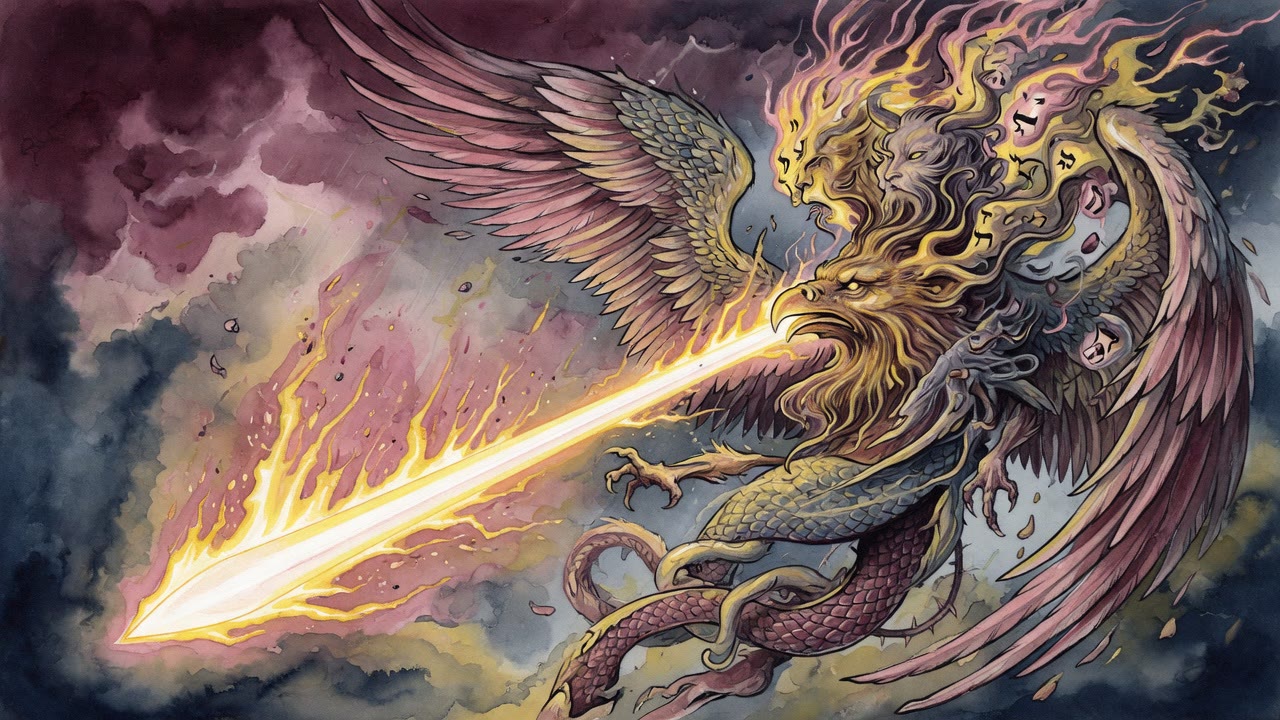
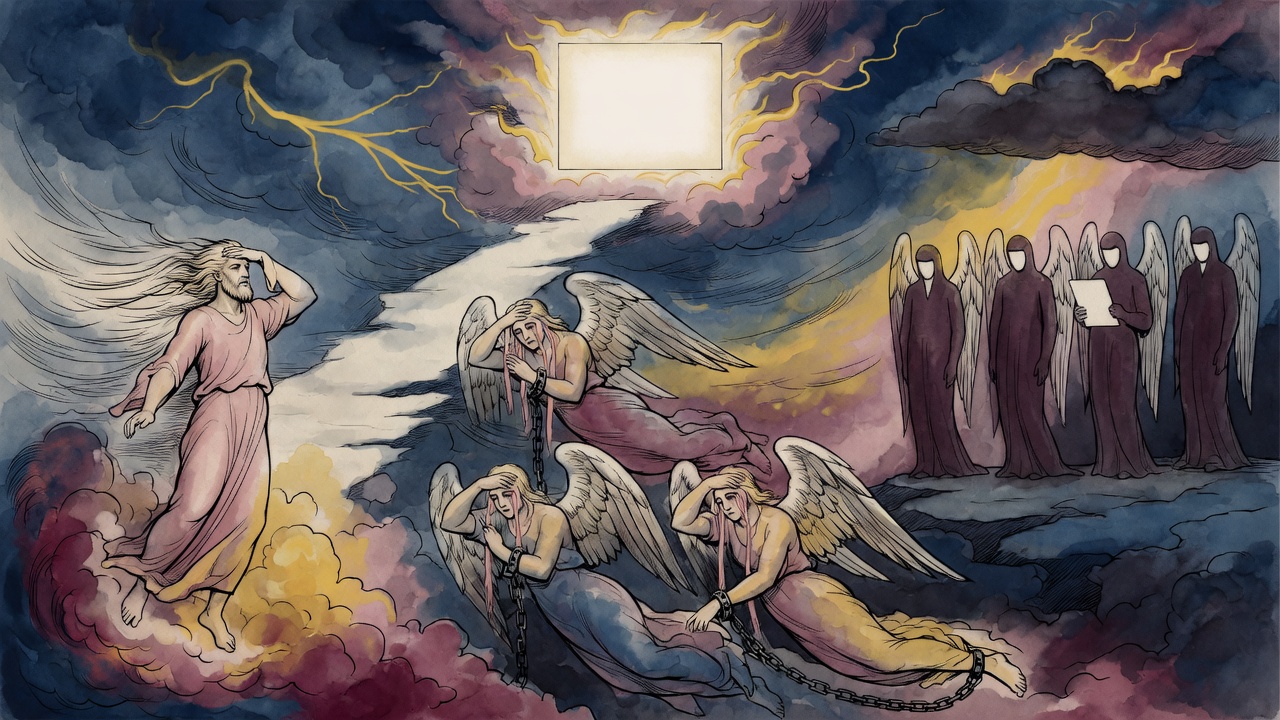
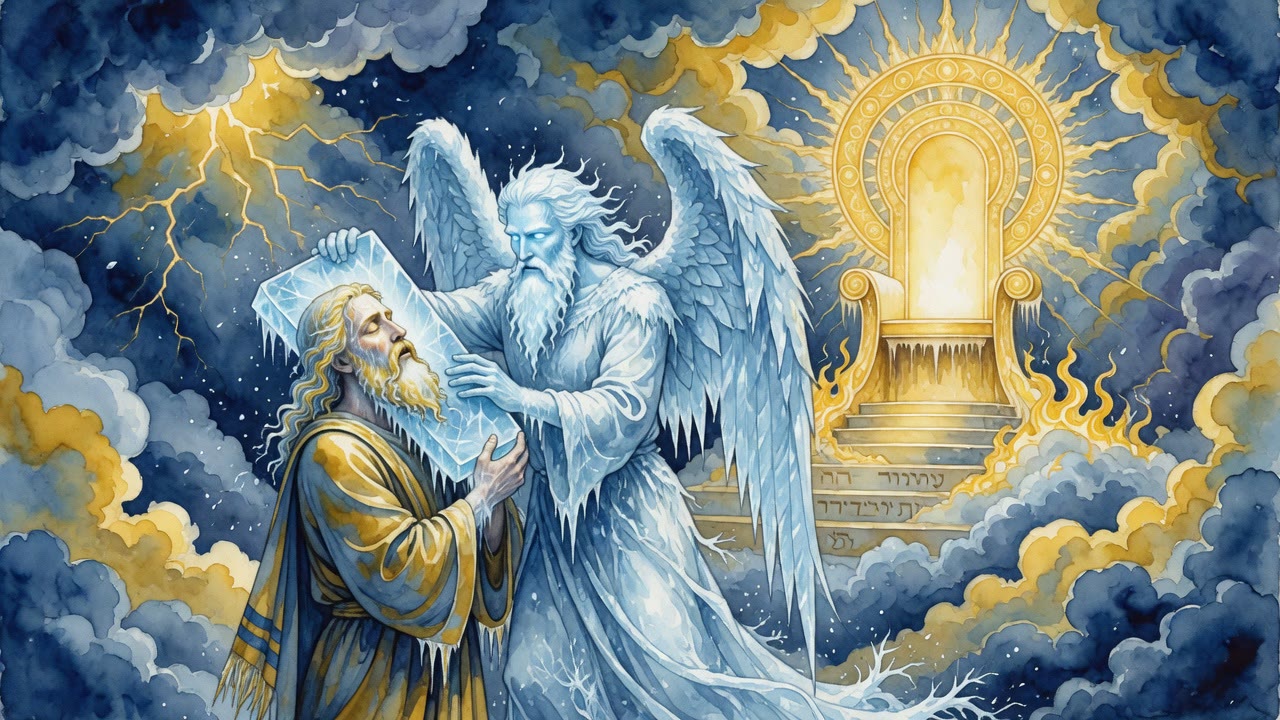
Darkness pressed in from every direction, not the simple absence of light but a thing with weight, an active gloom that suffocated. The only fire there was a murky flame that climbed forever, and a river of fire that cut the blackness like a burning wound. And in the same place, frost. Ice. Thirst. The condemned shivered and burned together, bound in savage cords, and the angels who kept them were merciless, armed with instruments of fury, working without pity.

"Woe, woe," Enoch cried. "How terrible is this place."

His guides told him for whom it was built. For those who dishonor their Maker. For the ones who steal and lie and murder, who boast of their wickedness, who rob the poor and let the hungry starve, who could clothe the naked and strip them instead. For those who never knew their Creator and bowed instead to idols carved by hands, deaf gods, blind gods, gods that cannot hear a prayer or answer it. The place of fire and ice was no sentence with an end. It was an inheritance, eternal, already prepared and already waiting.

Paradise and this pit shared one heaven. The garden of the righteous and the pit of the wicked, divided by nothing more than a direction on the compass. North and south. Both real. Both permanent.

Summoned to the Left Hand of the Throne

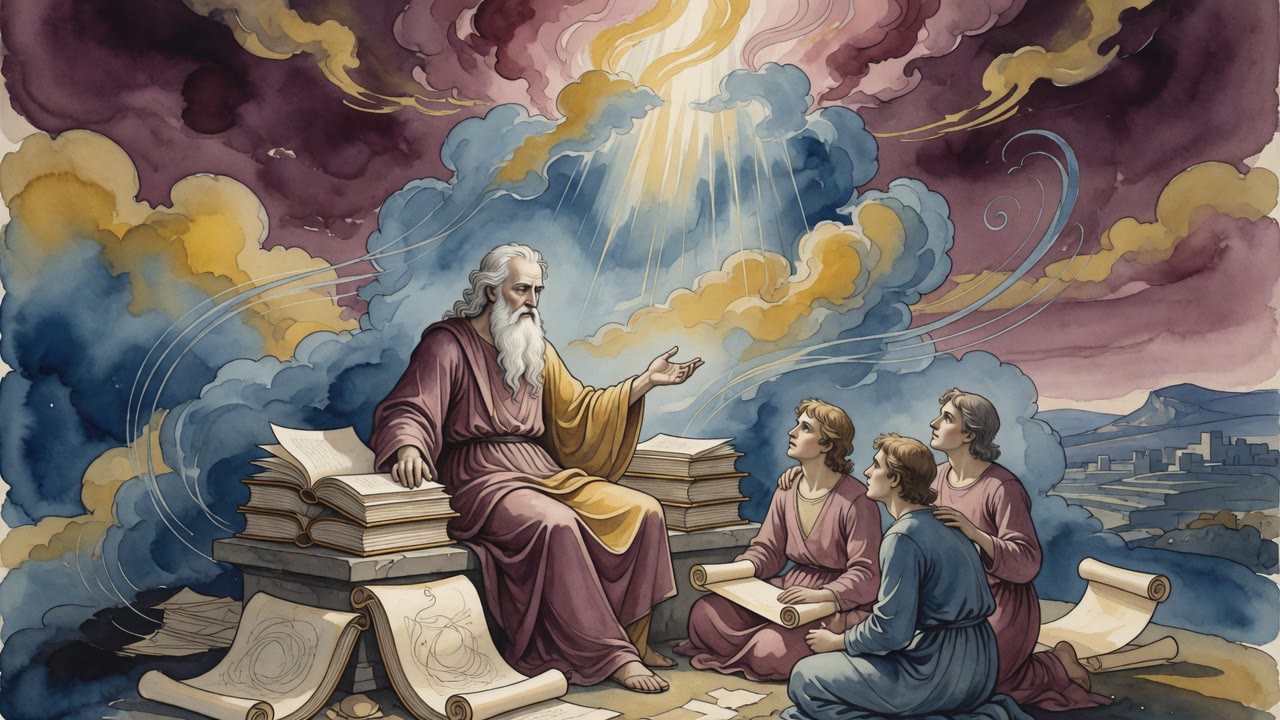
The ascent ended at last where Enoch could climb no higher. God summoned him to sit at His left hand, beside the archangel Gabriel, and then He spoke. Not through messengers. Not through any angel between them. With His own voice, He told Enoch the one secret He had never told even the hosts of heaven.

"Before the very beginning," God said, "I alone existed. I moved through the invisible like the sun moving east to west and west to east. But even the sun has rest in itself. I had no rest, because I was making all things."

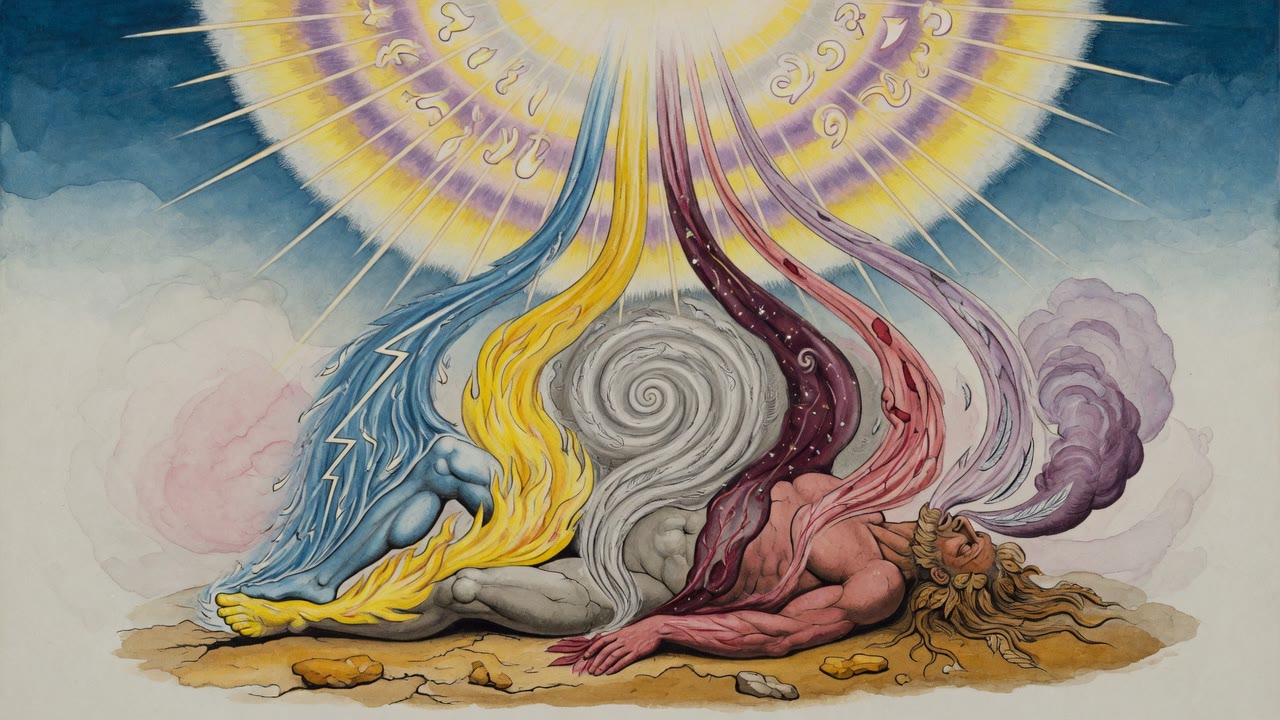
He called into the depths, and a being came up out of them, vast beyond measure, his belly full of light. His name was Adoil. "Become undone," God told him, "and let the visible come out of you." Adoil came apart, and a great light broke from his ruin, and out of that light, the way light is born from light, an entire age poured forward, all of creation that God had ever conceived. And God saw that it was good. He set a throne in the new light and sat on it and told the light to rise and fix itself above the throne and hold up the highest things. Above it there was nothing else at all.

He called a second time. A being named Archas rose, hard and heavy and very red. "Be opened," God said, "and let there be born from you." Archas came undone, and a second age poured out, very great and very dark, carrying the substance of everything below. God sent it downward to fix itself and be the floor of the lower things. Beneath the darkness there was nothing else.

Then He thickened light and darkness both, and spread the light over the waters and the darkness under them, and made the deep firm, and set seven crystal circles inside it, transparent as glass, and gave each of seven stars its own road through them. He pulled light and darkness apart with His hands. To the light He said, "Be the day." To the darkness He said, "Be the night." And there was evening, and there was morning, the first day.

One man heard it. Not a prophet on a mountain, not a seraph at the throne. A man who had walked the earth and been carried off it, sitting at the left hand of the voice that had spoken the world out of nothing.


← All myths
From the tradition

Sources

3 sources

The texts this telling draws on, in full. Open a card to read inline, or expand it for a wider, quieter read.

2 Enoch 3-62 Enoch

The angels lifted Enoch onto their wings and carried him upward.

The earth fell away beneath him. The air thinned. And then, the first heaven.

They set him down on the clouds, and he looked around. Above him stretched an endless expanse of ether, shimmering and boundless. Below, an ocean, a great celestial sea, vaster than any body of water on earth. This was not the sea that sailors crossed. This was the sea above the firmament, the primordial water that God had separated from the sky at the beginning of creation.

The angels brought him before the elders and rulers of the stellar orders. Two hundred angels stood in formation, the ones who govern the stars, who maintain the machinery of the heavens. They flew on gleaming wings, circling endlessly around all who sail the celestial expanse.

Then Enoch looked downward and saw the treasure-houses of the snow. Vast storerooms, guarded by terrible angels, holding winter itself in reserve. The clouds that bring storms, he watched them enter and leave these warehouses like servants on errands.

They showed him another treasury: the storehouse of the dew. It gleamed like olive oil, and its fragrance was like every flower the earth has ever produced, all at once. Angels stood guard at its doors, opening and closing them according to the seasons.

This was only the beginning. The first heaven, the lowest rung of the cosmic ladder. The place where weather is manufactured and stars are tended like flocks. Enoch had not yet glimpsed the horrors that waited in the second heaven, nor the paradise that bloomed in the third. He had not yet heard the music of the sun, or felt the heat of God's face.

But the angels were already lifting him higher.

Full source
2 Enoch 102 Enoch

Paradise had a shadow.

The two angels led Enoch to the northern side of the third heaven, and everything changed. The fragrance vanished. The light died. What he saw next was the opposite of everything the garden had promised.

A place of torment. Cruel darkness, not merely the absence of light, but an active, suffocating gloom that pressed in from every direction. No illumination at all, except for a murky fire that flamed upward endlessly, and a river of fire that cut through the blackness like a burning wound.

The entire place was fire. And simultaneously, frost. Ice. Thirst. Shivering. The bonds that held the condemned were savage, and the angels who guarded them were fearful and merciless, bearing weapons of fury, administering torture without pity.

"Woe, woe," Enoch cried out. "How terrible is this place."

His guides explained: this place was prepared for those who dishonor God. The ones who steal and lie and murder. The ones who boast of wickedness. The ones who rob the poor and let the hungry starve, who have the power to clothe the naked but strip them instead. The ones who do not know their Creator, who bow down to lifeless idols carved by human hands, deaf gods, blind gods, gods that cannot hear prayer or answer it.

For all of these, this place of fire and ice was prepared. Not as punishment with an end date. As an eternal inheritance.

The third heaven contained both paradise and its opposite, the garden of the righteous and the pit of the wicked, separated by nothing more than a direction on the compass. North and south. Reward and ruin. Both real, both permanent, both waiting.

Full source
2 Enoch 24-272 Enoch

God summoned Enoch to sit at His left hand, beside the archangel Gabriel. Then He spoke, not through angels, not through intermediaries, but directly, with His own voice. And revealed the secret of creation that He had never told even to His angels.

"Before the very beginning," God said, "I alone existed. I moved through the invisible, like the sun from east to west and from west to east. But even the sun has peace in itself. I had no peace, because I was creating all things. I conceived the thought of placing foundations, of bringing visible creation out of invisible nothing."

He called into the depths, and a being named Adoil descended, vast and great, with a belly full of light. God commanded him: "Become undone, and let the visible come out of you." Adoil dissolved, and a great light burst forth. From that light, as light is born from light, an entire age emerged, all of creation, everything God had conceived.

God saw that it was good.

He placed a throne for Himself and sat upon it, and said to the light: "Rise higher. Fix yourself above the throne. Be the foundation of the highest things." And above the light, there was nothing else.

Then He called a second time into the depths. A being called Archas emerged, hard, heavy, and very red. God said: "Be opened, and let there be born from you." Archas came undone, and an age came forth, very great, very dark, bearing the substance of all lower creation. God sent it downward: "Fix yourself, and be the foundation for the lower things." Below the darkness, there was nothing else.

Then God commanded light and darkness to thicken. He spread light over the waters and darkness beneath them. He made the waters firm, the bottomless deep. And created seven circles within, imaged like crystal, wet and dry, transparent as glass. He set the seven stars in their heavens and gave each one its road.

He separated light from darkness. He said to the light: "Be the day." To the darkness: "Be the night."

And there was evening, and there was morning, the first day (Genesis 1:3-5).

This was creation as God Himself described it, not to prophets, not to angels, but to one man, sitting at the left hand of the divine throne, hearing the voice that had spoken the universe into existence.

Full source