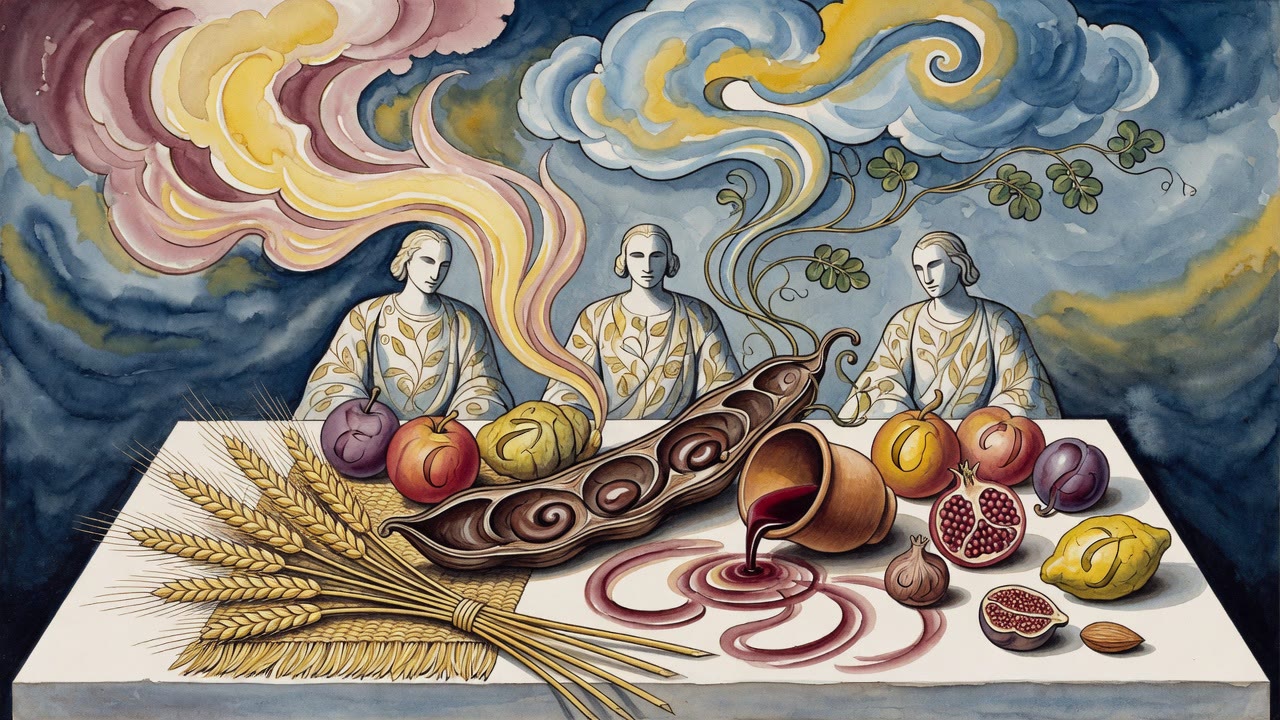
Hannah Who Threatened Heaven With Bitter Waters
Barren and mocked, Hannah shaped a private plan that would force Heaven to honor its own promise of seed for the woman cleared by the waters.
Table of Contents
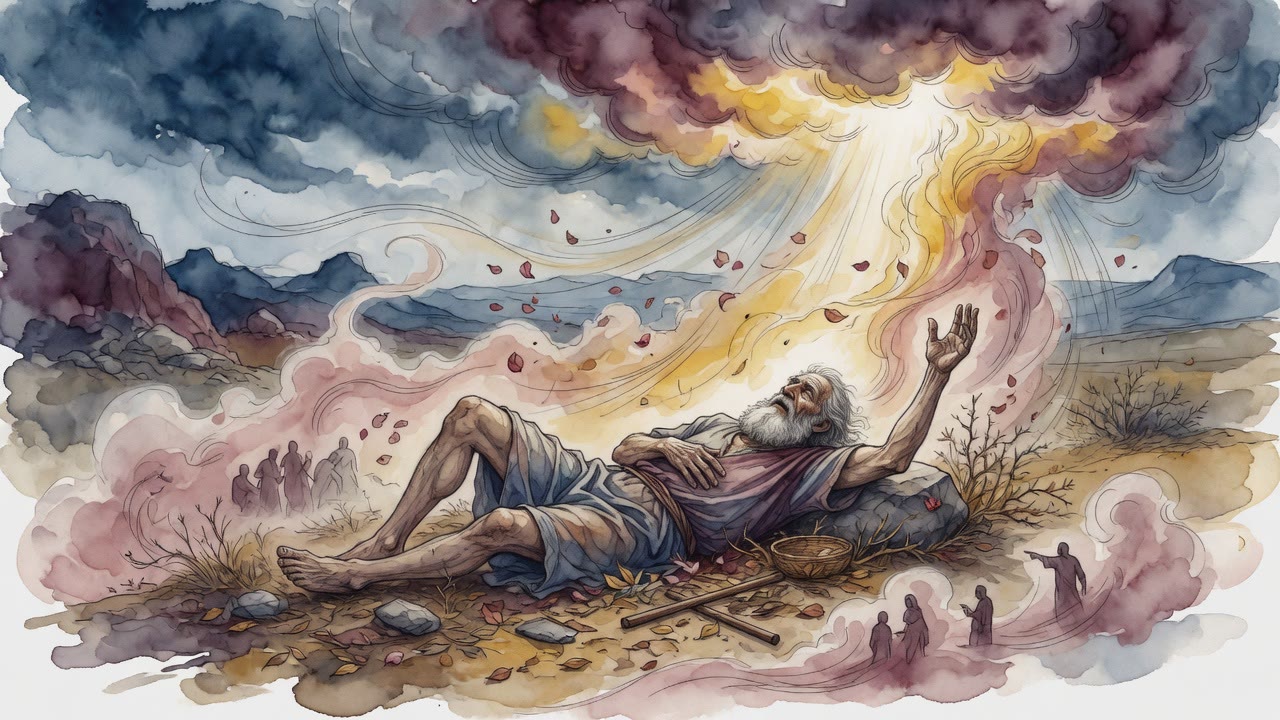
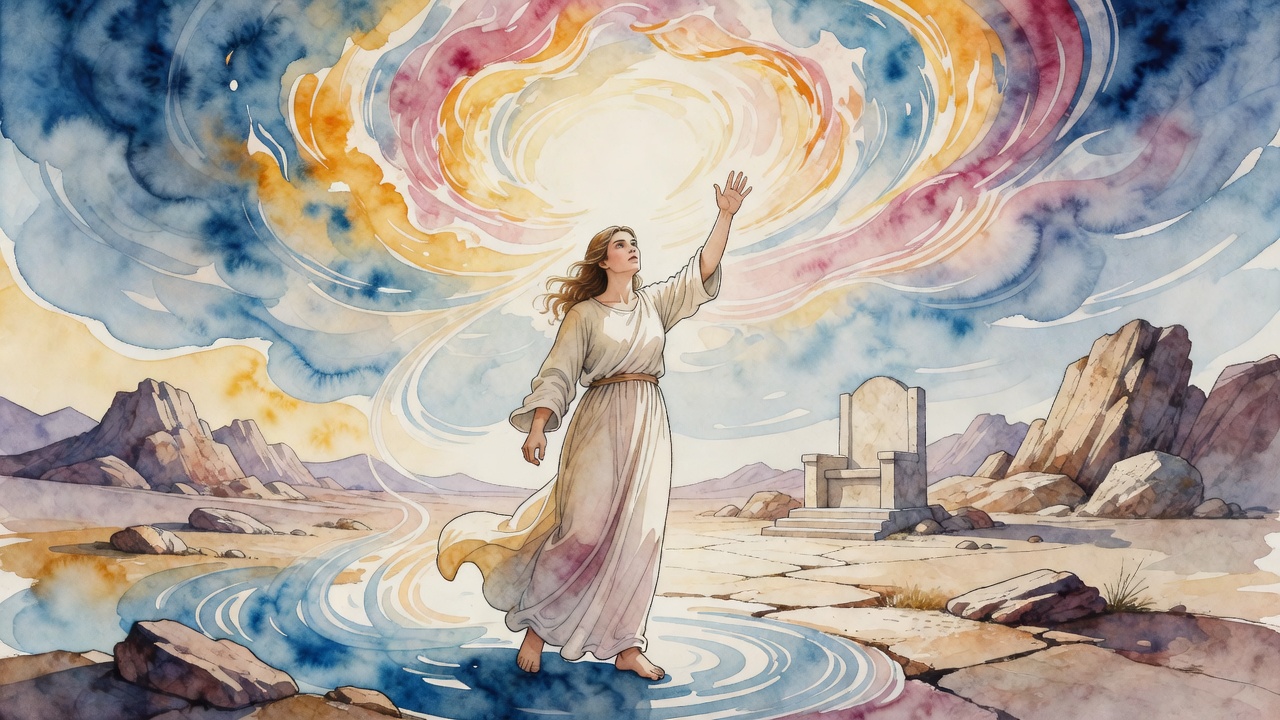
Hannah stood in Shiloh with her lips moving and no sound leaving her mouth. Eli watched and mistook prayer for wine. She was not drunk. She was bargaining with the only court that could overturn a closed womb.
 Click for full size
Peninnah had children and a tongue. Elkanah had love and no power to give what love could not manufacture. Year after year the family climbed to the sanctuary, and year after year Hannah returned with her arms empty and her ears full of another woman's triumph. She had a doubled plea, "see, see," and a plan so sharp the sages later handled it like a blade that still cut.
See Me Twice
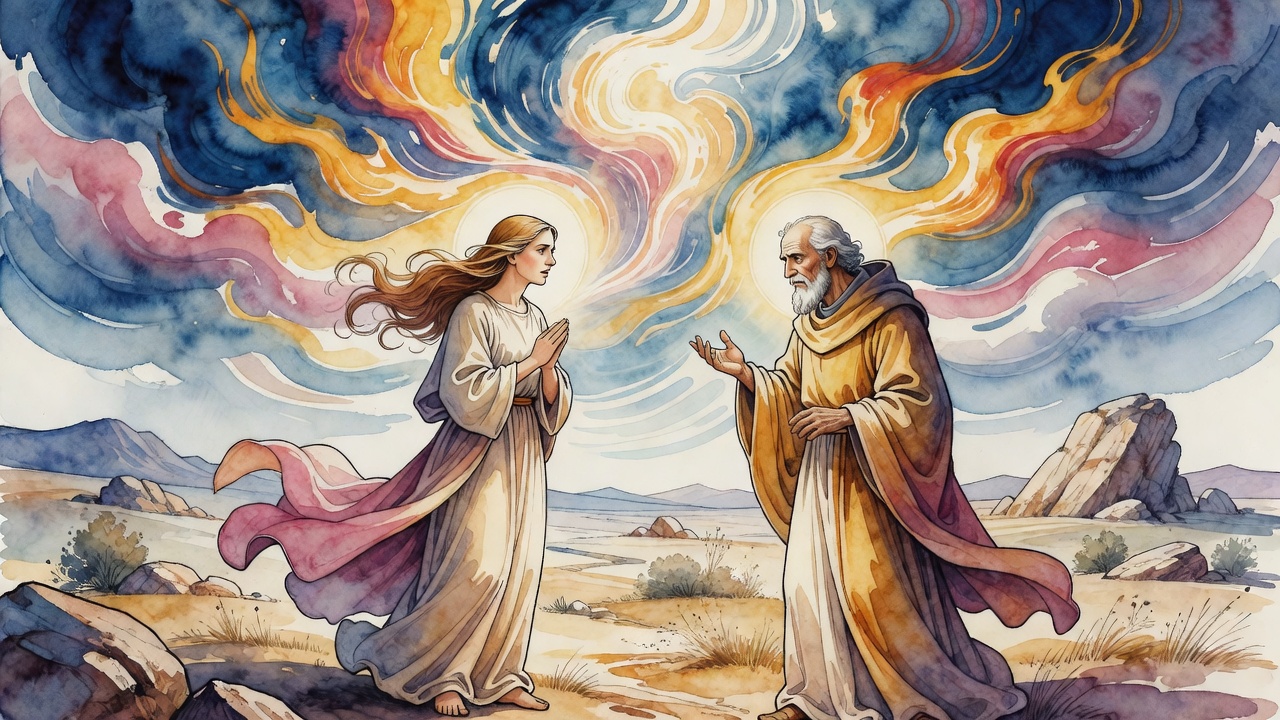
Rabbi Elazar heard an ultimatum inside the doubled verb. If You will see my suffering, well and good. If You refuse, You will still be forced to see me. Not by a softer prayer. By a path that dragged God's own statute into the light.
The Torah had written a promise for a wife wrongly suspected and cleared by the bitter waters: she shall be cleared and shall conceive seed (Numbers 5:28). Hannah looked at that sentence the way a locked-out woman looks at a key left under the mat. The law had left a door. She intended to walk through it, even if walking through it meant first walking under the shadow of accusation.
This was not the piety of a quiet resignation. This was a woman who had run out of polite forms and still refused to run out of God.
The Gate Where Women Drank
In Jerusalem the ritual was not a rumor. A husband brought a suspected wife first to the Great Court, where judges pressed her as they pressed capital witnesses. Threats. Warnings. A chance to confess before the water. Then they led her up to the Eastern Gate, the Gate of Nicanor, the same threshold where lepers were purified and where a life could turn in a single draught.
A priest took an earthenware bowl, poured water, mixed in dust from the sanctuary floor, and wrote the curse that would be washed into the draught. He uncovered the woman's hair. He made her swear. The bitter water waited for a body that either held a secret or did not. Crowds could watch. Shame was part of the machinery.
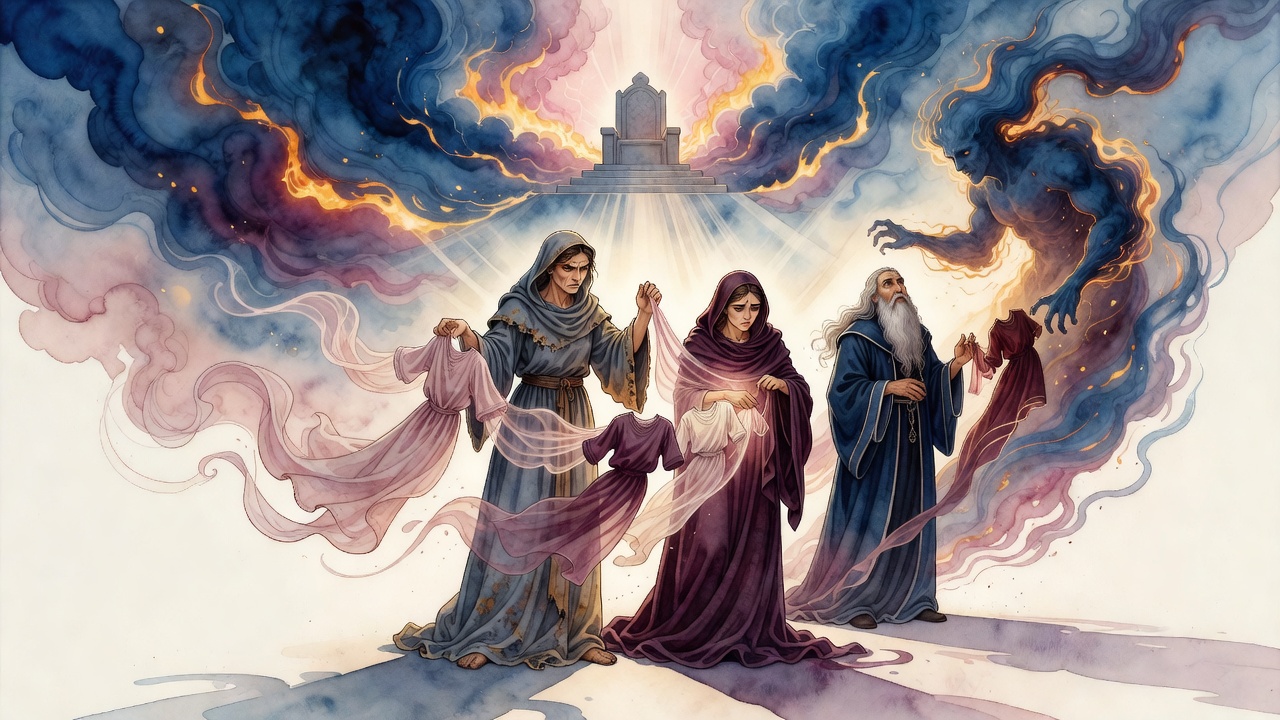
If she was guilty, the water would punish. If she was innocent, the water would clear her, and the clearing carried seed. Hannah knew which side of that knife she would stand on. She was not planning guilt. She was planning vindication so public that Heaven could not leave its own words unfulfilled.
The Private Seclusion
Her gambit, as the teachers told it, was daring to the edge of scandal. She would seclude herself with her own husband Elkanah in a way that could trigger suspicion and the ritual. Then she would drink, knowing she was faultless. Far be it that You should make Your own Torah a falsehood. The written promise would compel the child she had begged for.
Elkanah had tried comfort. "Am I not better to you than ten sons?" The question landed like a stone in a dry well. Love without a child was still love, and it was still not the thing her body and her future were crying for in a house where another wife stacked living proof of favor. Hannah's plan did not reject Elkanah. It used the only legal ladder left that led from accusation to guaranteed seed.
She was ready to walk the Nicanor path in reverse, not as the accused who feared exposure, but as the innocent who demanded the blessing the statute itself advertised.
What Clearing Means
The sages still argued what the promised blessing meant. For Rabbi Shimon, the barren woman is granted children outright. For Rabbi Yehuda the Prince, the blessing is an upgrade in degree: hard births become easy, short-lived children become long-lived, one becomes two. On that reading the doubled "see-see" is only the way people talk when they are desperate, repeating a verb because the throat cannot hold the plea in one breath.
A third hearing folds three sights into one plea: see me in my affliction, see me through pregnancy, see me safely through birth. Hannah's mouth in Shiloh already held all three. The waters were only the legal shadow of a prayer that refused to stay soft. She had watched other women drink and walk away either ruined or restored. She was volunteering for the restored side of a ritual built for fear.
The Answer That Arrived
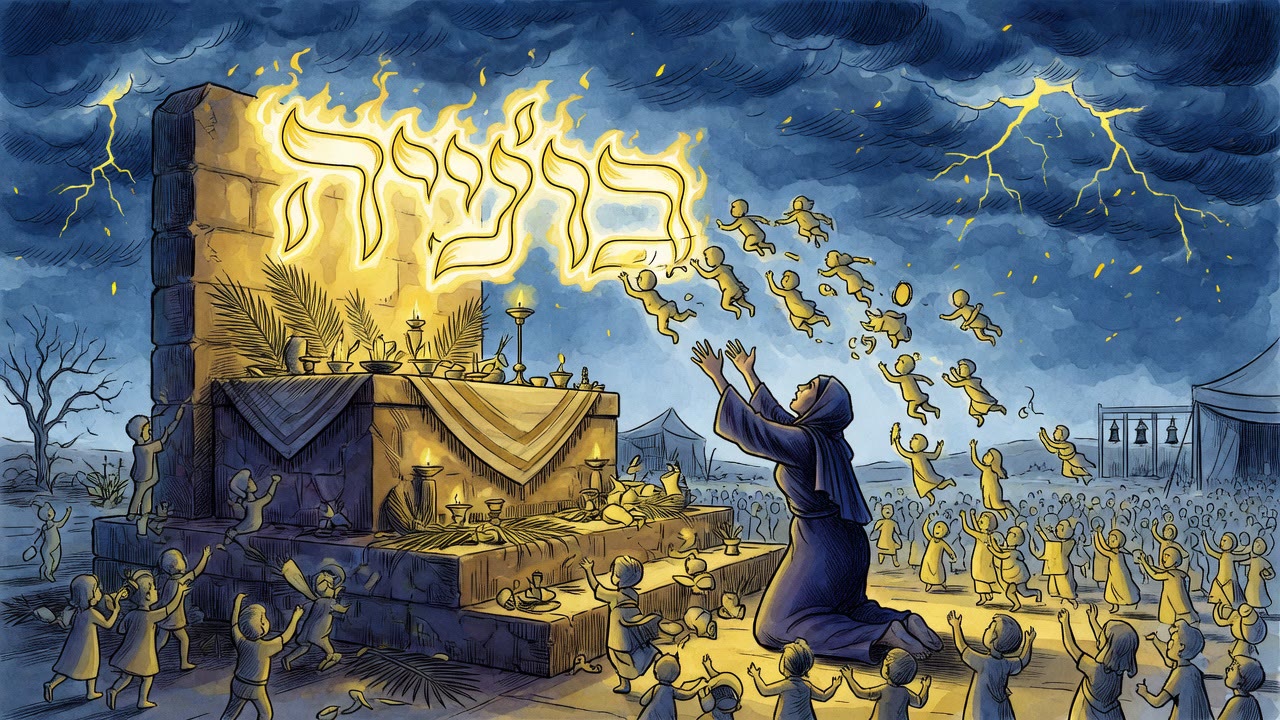
God remembered Hannah. She conceived and bore a son and named him Samuel, because she had asked him of the Lord (1 Samuel 1:19-20). Whether Heaven was pressed by the threat or simply answered the crushed heart, the child came. She lent him back to the sanctuary for life, a vow paid in full, a small boy left with Eli under a promise larger than a mother's arms.
Eli's house would fall. Samuel's voice would rise in the night calling a name. The woman who had been mistaken for a drunk became the mother of a prophet who would anoint kings. The bitter waters never had to pass her lips in the end. The threat itself showed how far a barren woman would go when the only remaining language was the Torah's own promise of seed.
Prayer, in her hands, was not decoration. It was a lawsuit filed against silence with statutes as exhibits, and the Judge who had written the statute found Himself addressed by His own ink.
← All myths