Peninnah Wore a Groove in Hannah's Wound, and Did It for Heaven
Year after year Peninnah names garments for children Hannah will never have, and a rabbi sees the Accuser standing in the same cruel line.
Table of Contents
Every year the house at Ramah packed itself for the climb to Shiloh, and every year the same woman rose before the others to sharpen her tongue. Peninnah had sons. She had daughters. She had a portion of meat for each small mouth at the festival table, and she counted them aloud where the other wife could hear. Hannah had a husband who loved her and a womb that stayed shut, and she had learned to dread the gray hour before dawn more than any other, because that was when Peninnah came for her.
 Click for full size
It always began gently, which was the cruelty of it.
The Words She Chose Before Sunrise
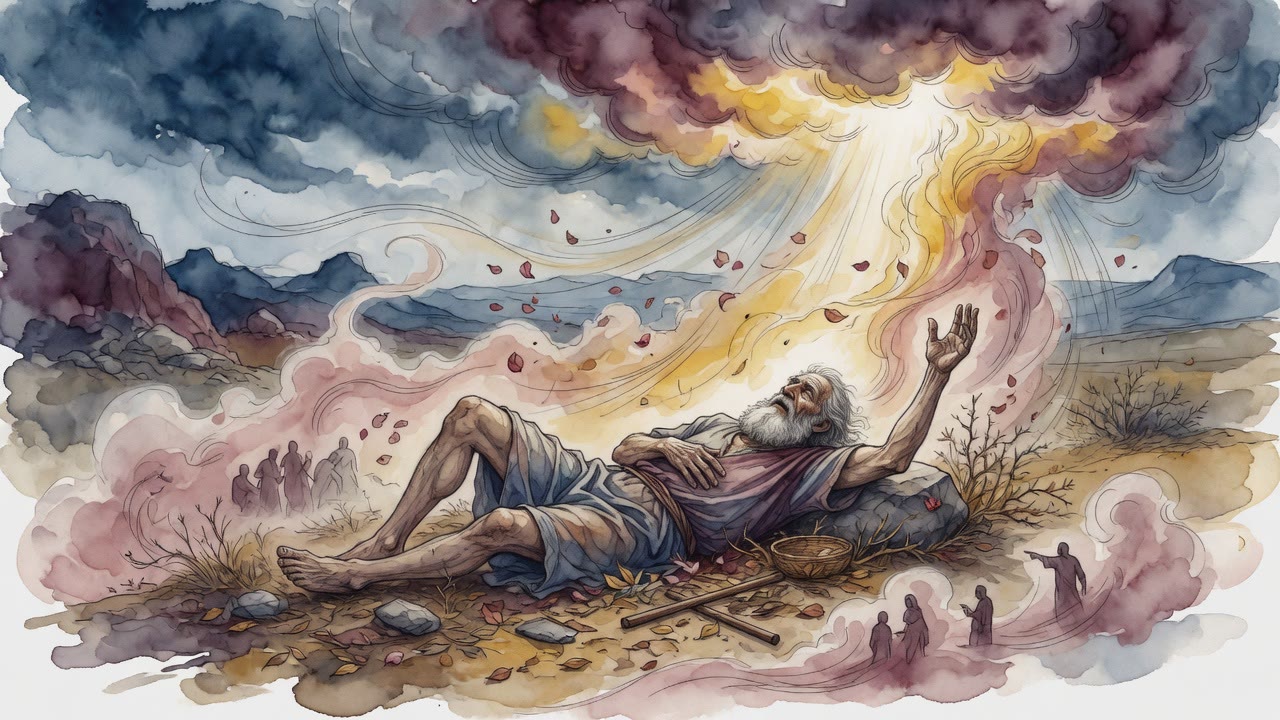
"Hannah," Peninnah would call across the dim room, stretching as if she had only just thought of it, "aren't you getting up to wash your children's faces? They will be late for the schoolhouse." Hannah lay still. There were no faces to wash. The room held only the breathing of Peninnah's brood and the cold ache of an empty cradle that had never held anyone.
By the sixth hour Peninnah would find her again. "Hannah, are you not going out to meet your boys? Look, the children are coming home from their lessons." And Hannah, who had no boys on any road, would feel the words land exactly where they were aimed, in the soft place no one else could find.
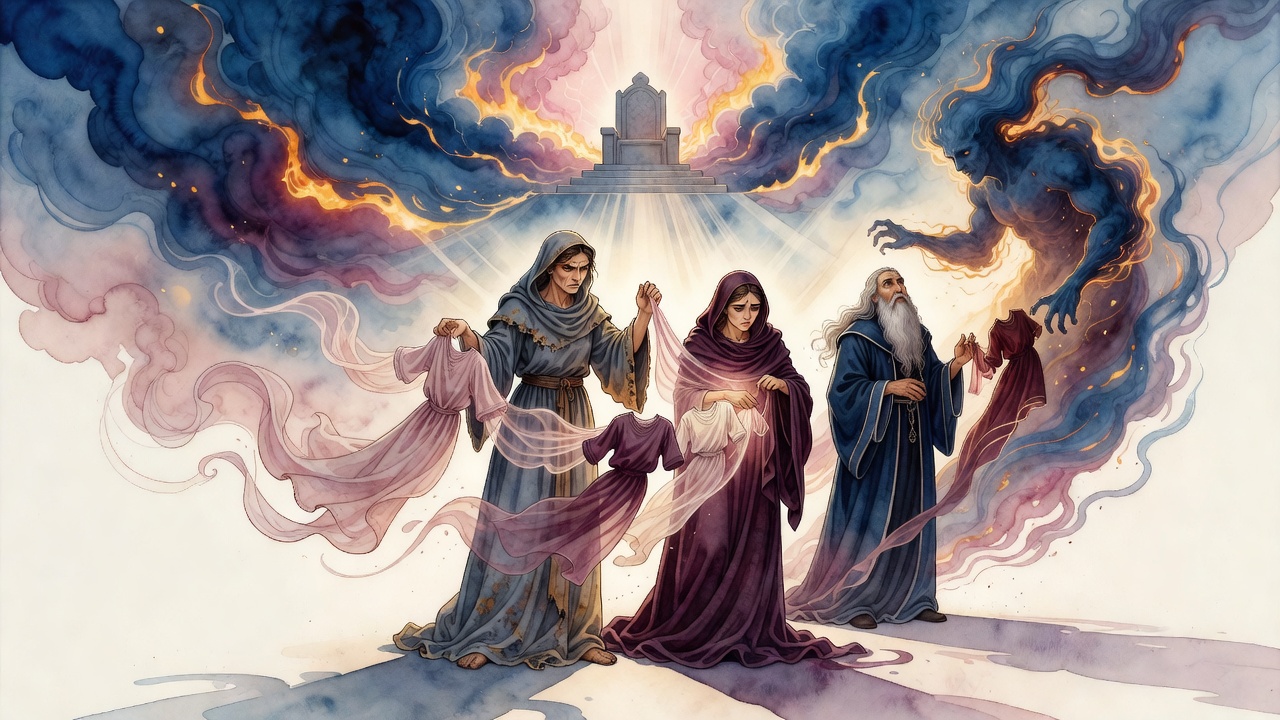
It was never vague. That was the art of it. Peninnah did not say a barren woman suffers. She asked whether Hannah had bought the eldest his cloak, and his tunic, and his shirt, naming each garment for a child who would never wear one, until Hannah could almost see the small clothes folded on a shelf in a house that did not exist.
The Quarrel Over the Festival Meat
The worst of it came at the table, in front of everyone. Elkanah, the husband, would carve the festival offering and hand out the portions, one piece to each child by name. Peninnah turned even this into a blade. "Give this son of mine his share," she would say, loud and bright, "and this son of mine his share." Then her voice would drop, sweet with false worry. "And this little one, you have not given him his portion yet." On and on she went, counting living children into the air of the room, so that the silence around Hannah's empty hands grew louder with every name.
Hannah could not eat. The meat sat untouched, and she wept where she sat, and the festival that was meant to be joy became the one place on earth she was reminded most precisely of what she lacked. Peninnah watched the tears come and did not stop. She had found the wound and she returned to it year after year, wearing a groove in it the way water wears a channel in stone.
What the Provocation Was Aimed At
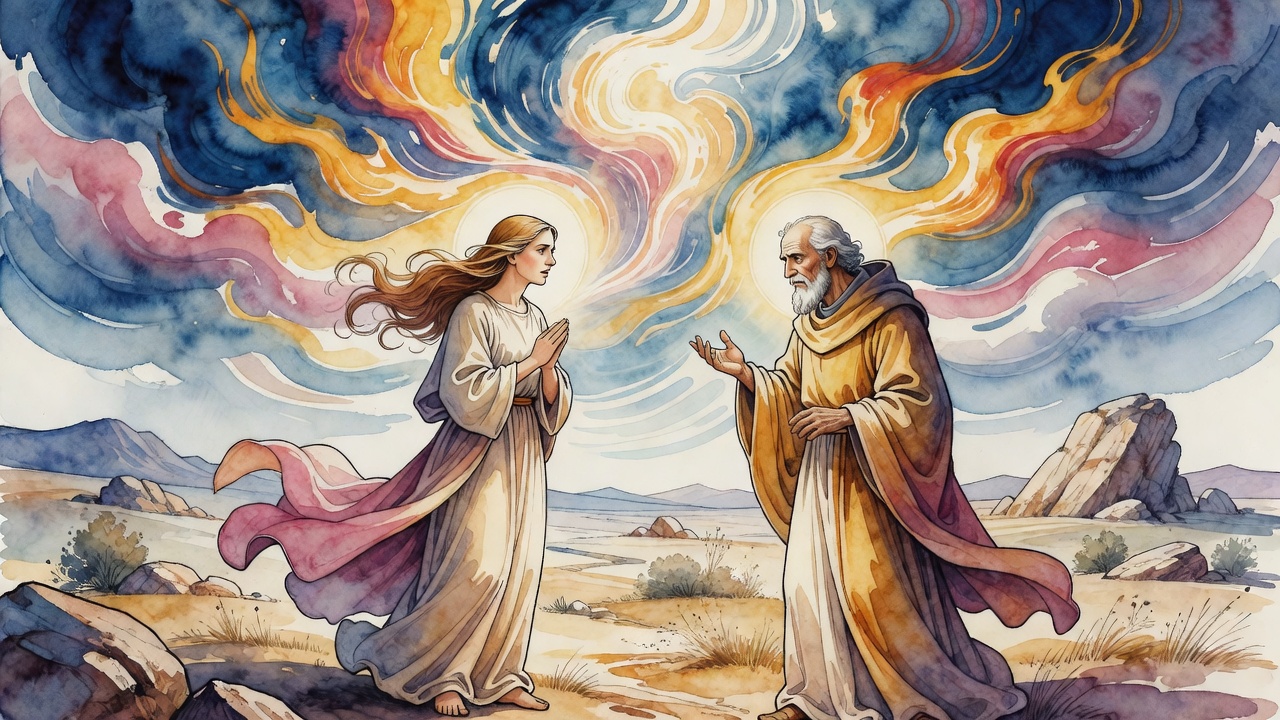
The verse that holds this says Peninnah provoked her sorely, to make her fret, and the old teachers read that small phrase with a chill. To make her fret meant to make her storm. And storm at whom? Not at Peninnah. The words were built to drive Hannah past her rival entirely, to push her so far down that she lifted her face above the human quarrel and raged at the One who had sealed her.
So the case was laid before Heaven. Peninnah, the argument ran, had set her aim higher than the bed she shared and the table she ruled. She had goaded a desperate woman into hurling her grief upward, at the throne of the God of Hosts.
And the answer came back from on high, weighed and patient. The Holy One said of Peninnah's cruelty, "You make her storm against Me?" Then came the strange mercy folded inside the rebuke. "By your life, there are no storm clouds without rain following them. I will remember her at once." The provocation that was meant only to wound had thickened the sky over Hannah's head, and where there are clouds there is rain.
The Accuser Standing in the Same Line
There was a teacher named Rabbi Levi who looked at Peninnah and saw, of all the figures in scripture, the great Accuser standing beside her. Both of them, he said, both Peninnah and Satan, had bent their cruelty toward the sake of Heaven.
Satan had pressed against Abraham, demanding the binding, the knife, the long walk up the mountain, and Levi said the Accuser did it so that no one in all the world could claim a man more righteous than Abraham had ever lived untested. The torment had a purpose stitched into its lining. And Peninnah, in this reading, was cut from the same cloth. She tore at Hannah morning after morning not from spite alone but to force the prayer that spite alone could never have produced, the prayer that finally tore the silence of Shiloh open and brought down a prophet.
When Rav Acha stood up in the town of Papunya and taught this thing, that the Accuser had directed his malice toward Heaven's own ends, something happened that none of his students forgot. Satan himself rose up in the room and crossed to where the teacher stood and kissed his feet, grateful, at last, to be understood.
The Rain That Followed the Clouds
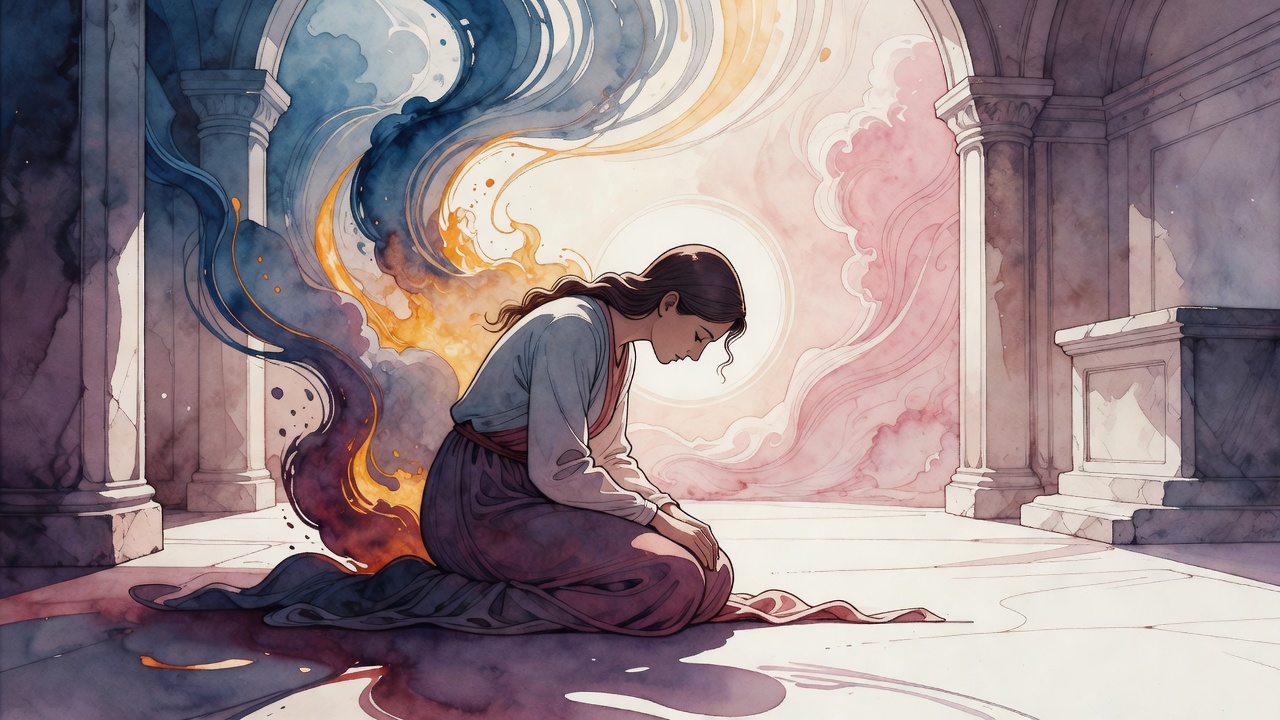
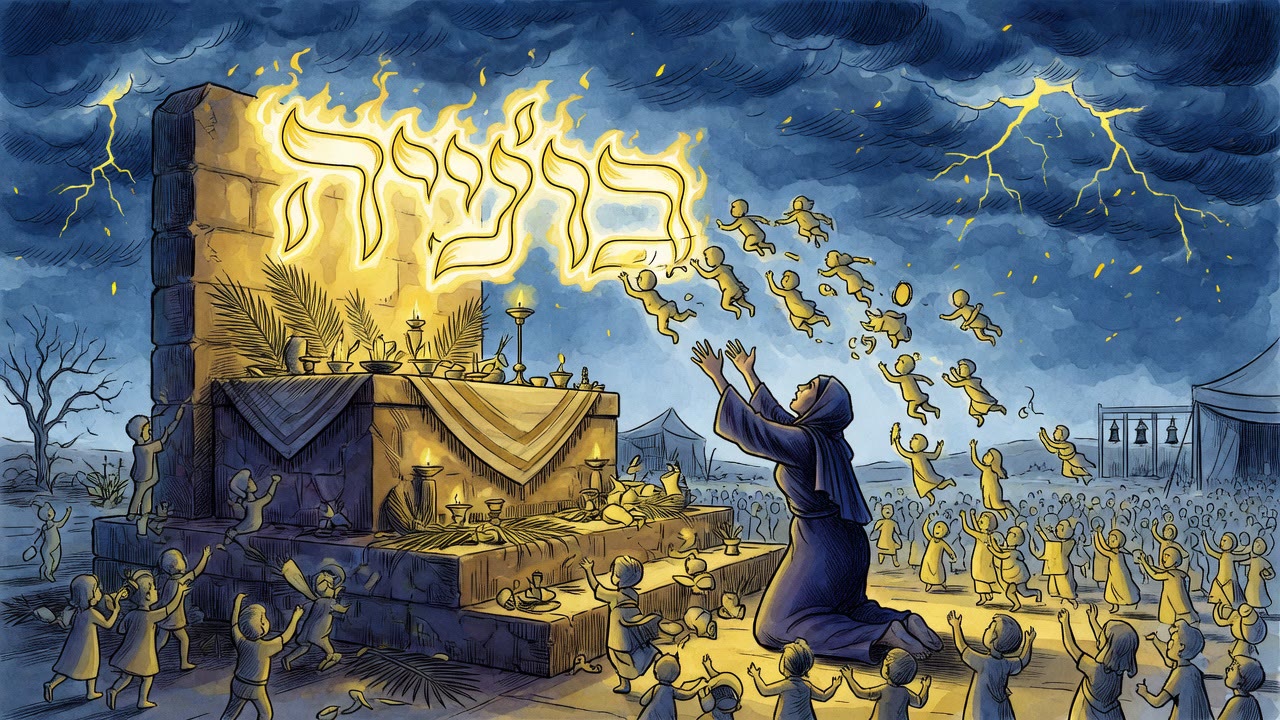
Hannah rose from the festival table where Peninnah's counting had broken her and went up to the sanctuary alone. She prayed without a sound, her lips moving over a silence so heavy the priest took her for a drunk. She bargained for a son and vowed to give him away the moment he was weaned. The clouds Peninnah had piled above her finally broke.
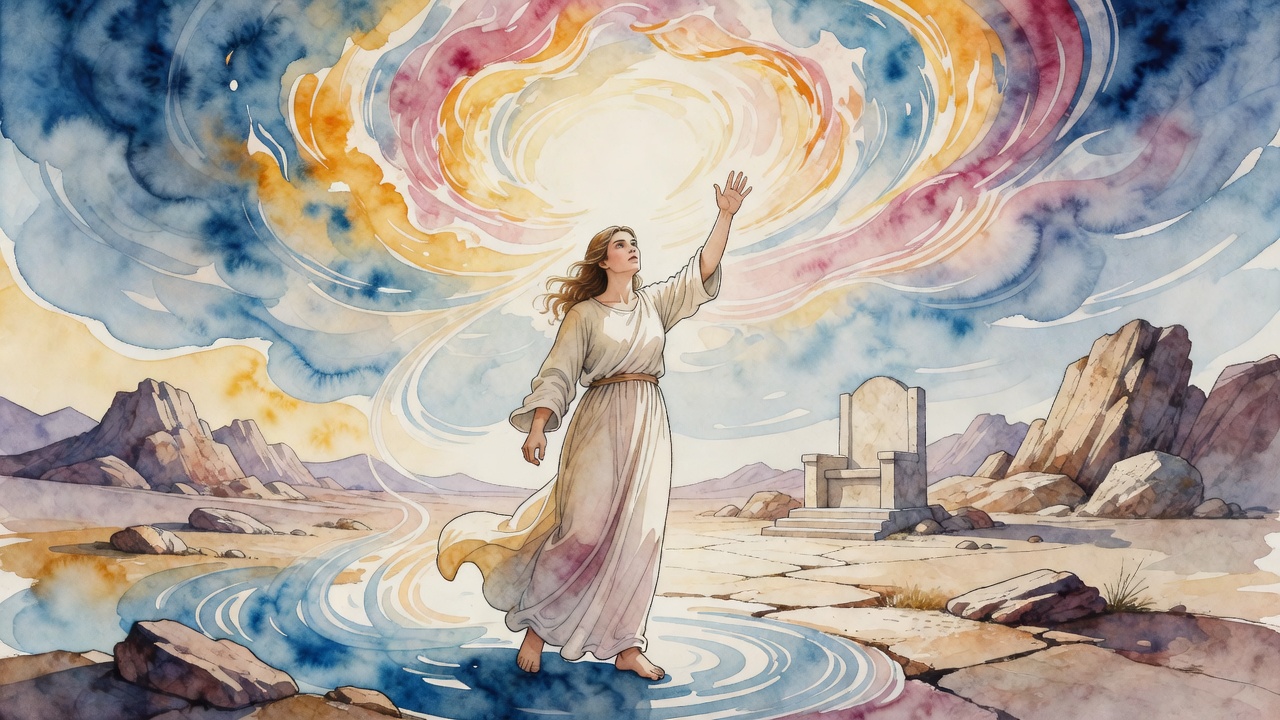
The child was Samuel, who would anoint kings. And every blow Peninnah landed in the dark, every garment she named for a child who did not exist, every portion she counted aloud across the meat, had driven the rain that grew him.
← All myths