Hanun Cuts Beards and Meets His Own Sword
David sent men in mourning cloth to a new king. They walked home with half their beards gone and their clothes cut at the waist.
Table of Contents
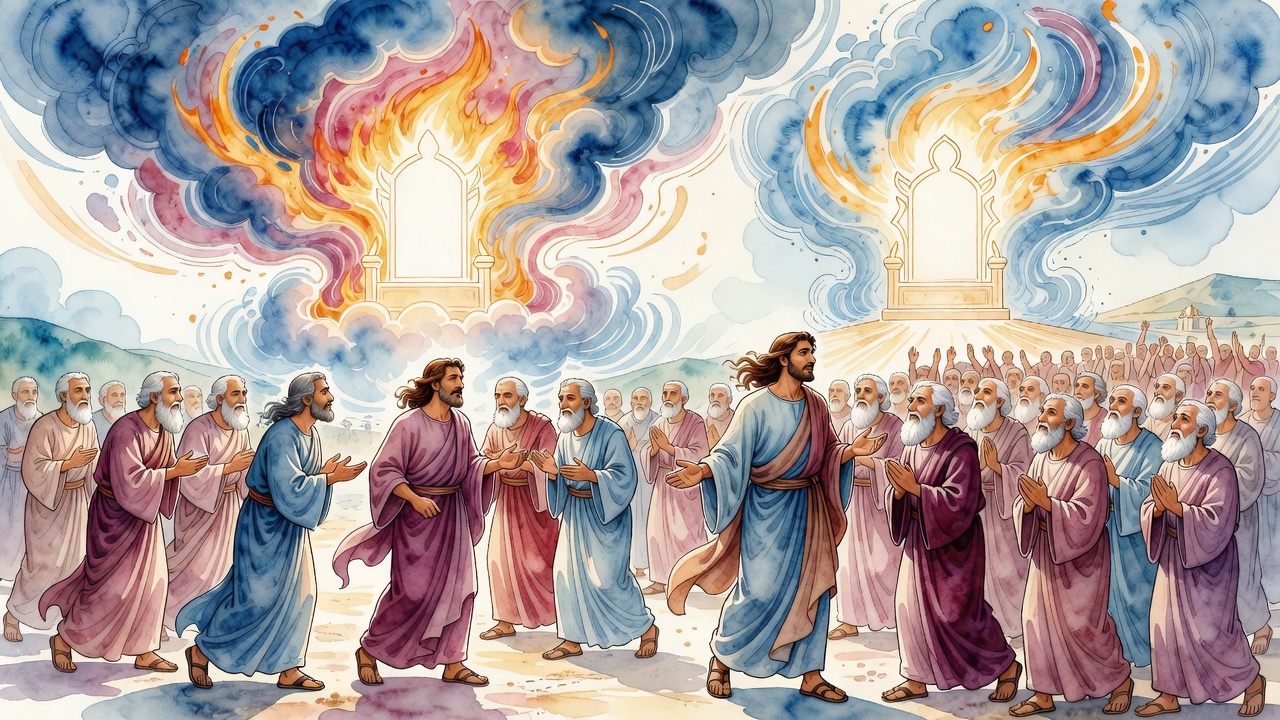
David remembered a kindness when the old king of Ammon died. He sent men to comfort the son. They came in mourning cloth, not in armor. Their hands were empty of spears. Their mouths carried the stiff, careful speech of people who know how grief wants to be named in a foreign court.
 Click for full size
Comforters at a New Throne
Hanun ben Nahash listened to other counsel. Spies, the advisors whispered. Scouts in soft shoes. He chose to turn comforters into a spectacle.
The razor cuts. Half of each beard falls to the floor of the court, and the garments come off at the waist. Men who had brought condolence walk out stripped to the skin, an insult aimed at the king who sent them (2 Samuel 10:4).
Half Beards at the Jordan
The envoys stop at the Jordan to wait until their beards grow back, as custom demands when shame has a calendar (2 Samuel 10:5). David meets their half faces with anger hot enough to warm a border.
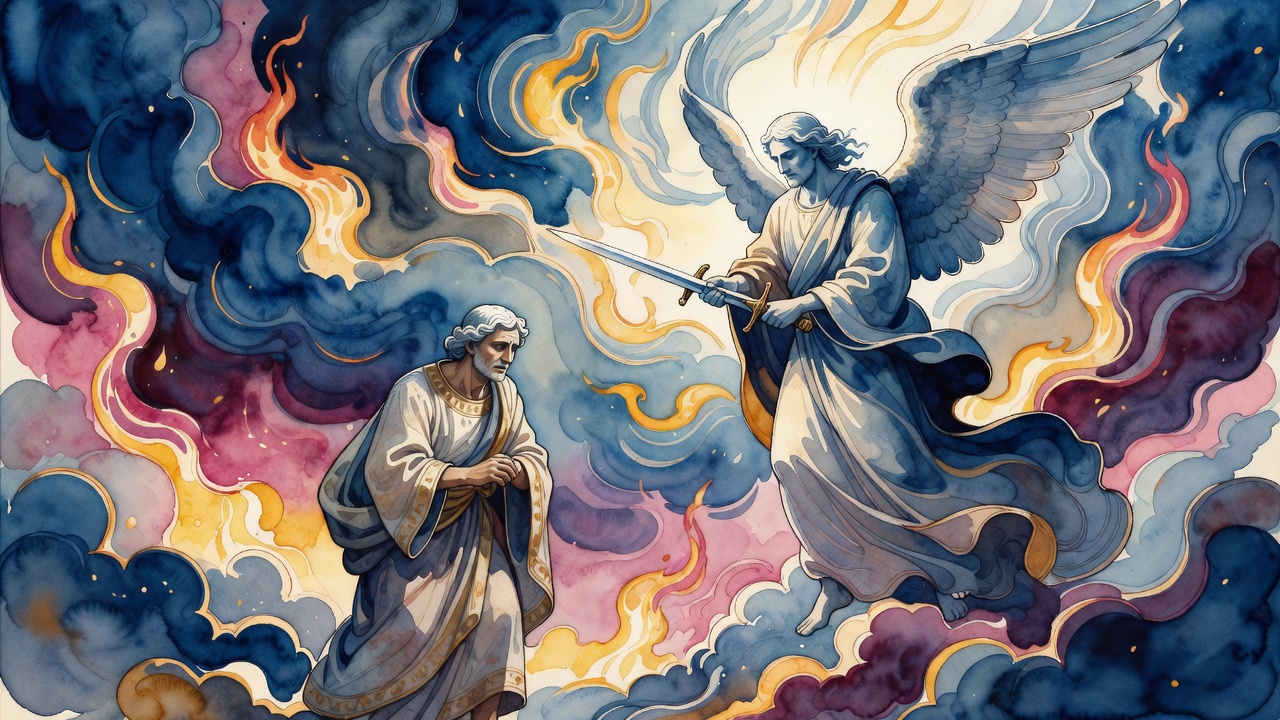
Hanun had unsheathed violence without steel. Contempt was the edge. Public shame was the blood it meant to draw. "The wicked have drawn the sword" (Psalm 37:14). The razor was only the start.
Thirty-Two Thousand Chariots
He compounded the choice. Thirty-two thousand chariots from Aram-Naharaim joined his own host. He marched them out to encamp before Medeba, certain that numbers could turn a humiliation into a war he would win.
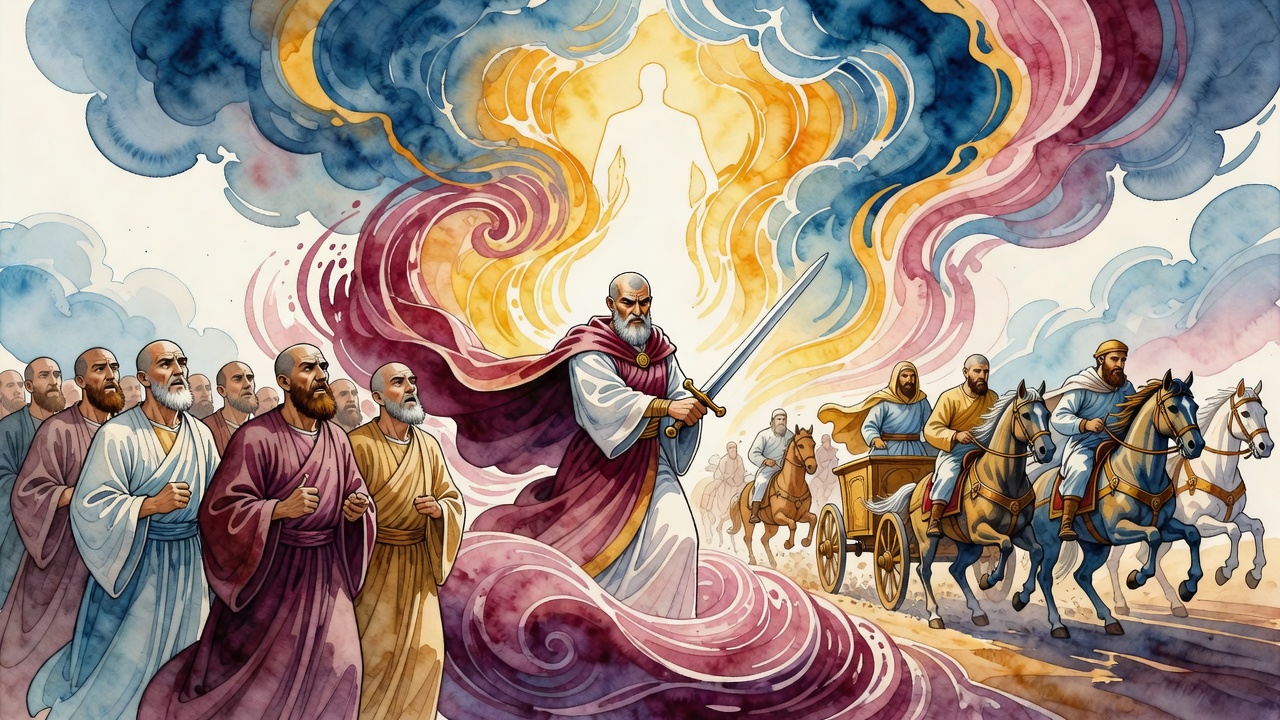
Joab divided the field. He set Abishai against one front and walked into the other with the calm of a man who has seen boasts before. When the line broke, the hired shine of Aram went with it. Bodies fell before Medeba. The sword Hanun had drawn as scorn became iron in real ribs.
The Sword Comes Home
"Their sword shall enter into their own heart" (Psalm 37:15). The cut meets the man who ordered it. Hanun began with a barber's gesture in a throne room. The gesture learned his name and came back as a casualty list.
A king's first year can set a people for peace or for graves. Hanun chose graves with a razor. The half-beards would grow. The chariots would not come home.
A Mouth That Testified
Another day, another man stood before David claiming a story about death. An Amalekite messenger came saying he had finished the dying King Saul. David asked where he was from. "I am the son of an Amalekite convert," the man answered (2 Samuel 1:13).
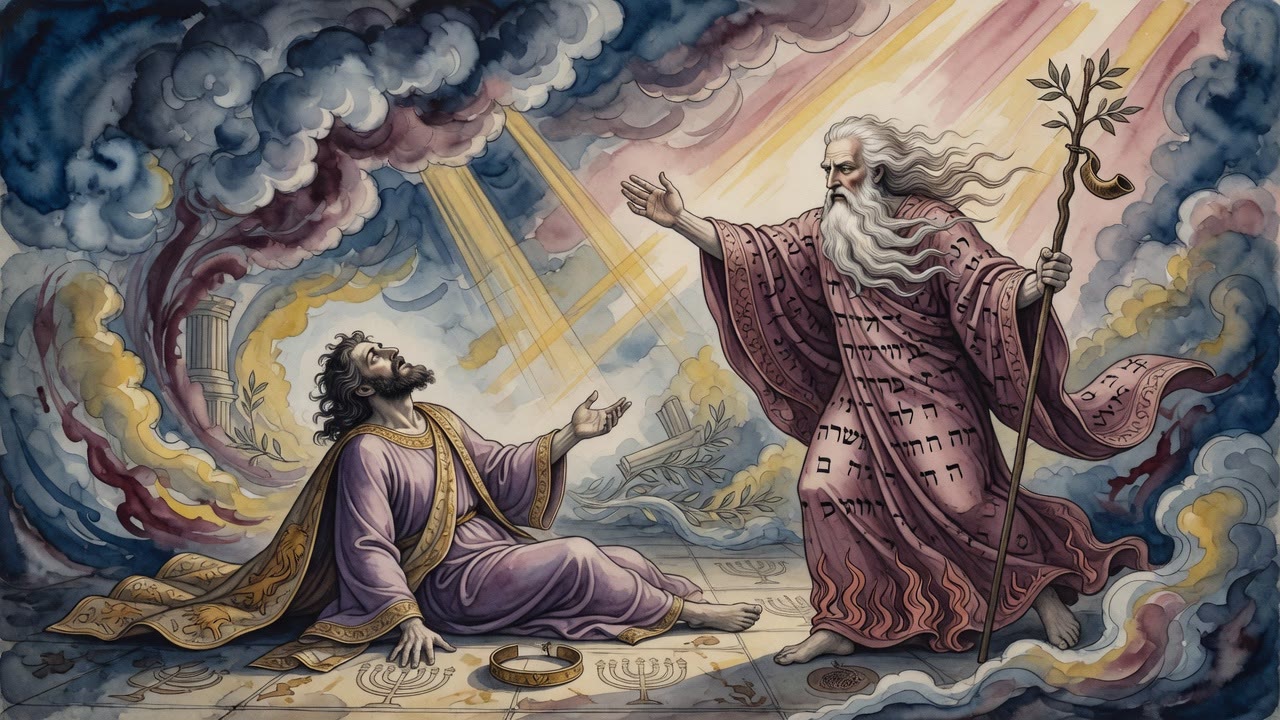
Rabbi Eliezer taught that God swears by His throne of glory: a seeker from any nation may enter the covenant as a proselyte, but Amalek and his household are the exception and are not received. David remembered what had been transmitted to Moses. The gate open to the nations stays shut to that house from generation to generation (Exodus 17:16).
"Your blood is on your own head, for your mouth testified against you," David said (2 Samuel 1:16). Speech sealed the man. As Hanun's razor sealed a war, the Amalekite's claim sealed a sentence. Night fell on Ammon. Somewhere a half-grown beard itched on an envoy who lived. Somewhere a prince learned that counselors who feed on fear can starve a kingdom.
← All myths