The Herb That Raised a Lion and Fed It a Man
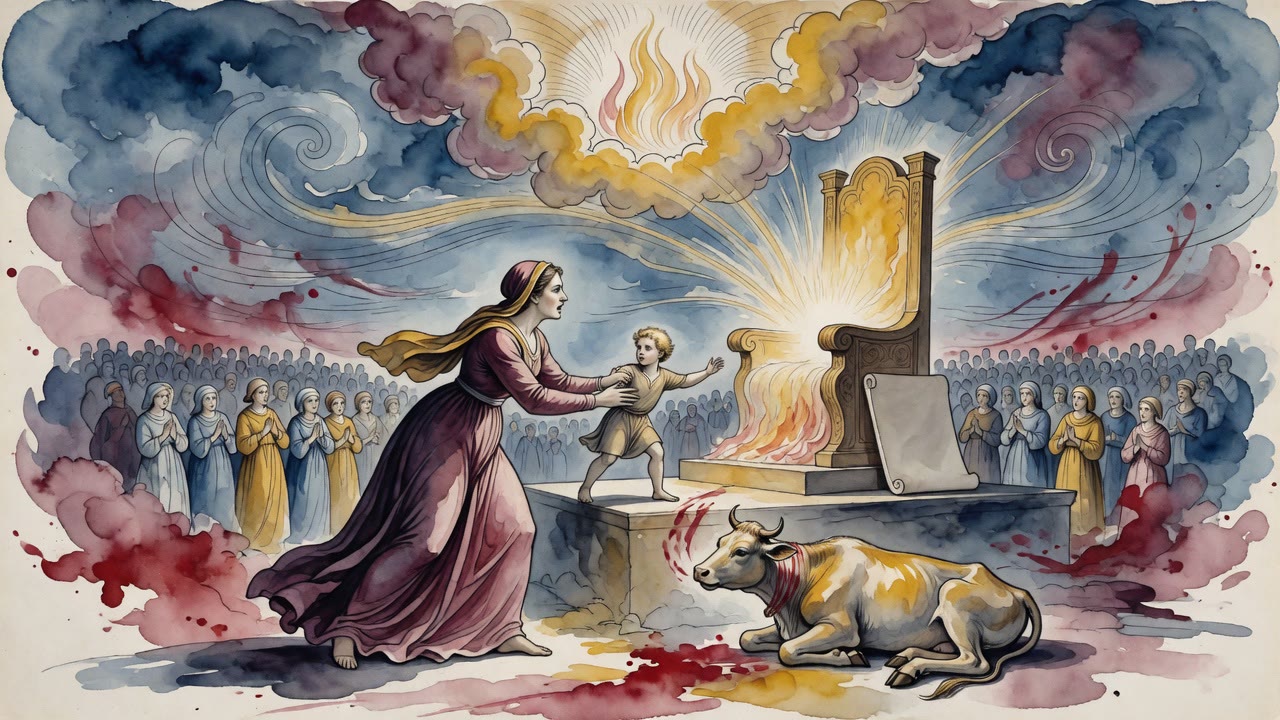
The traveler pressed a green sprig to a dead lion's mouth at Tyre. Breath came back. Then the jaws closed on the man who had woken them.
Table of Contents
 Click for full size
Two Birds Above the Road
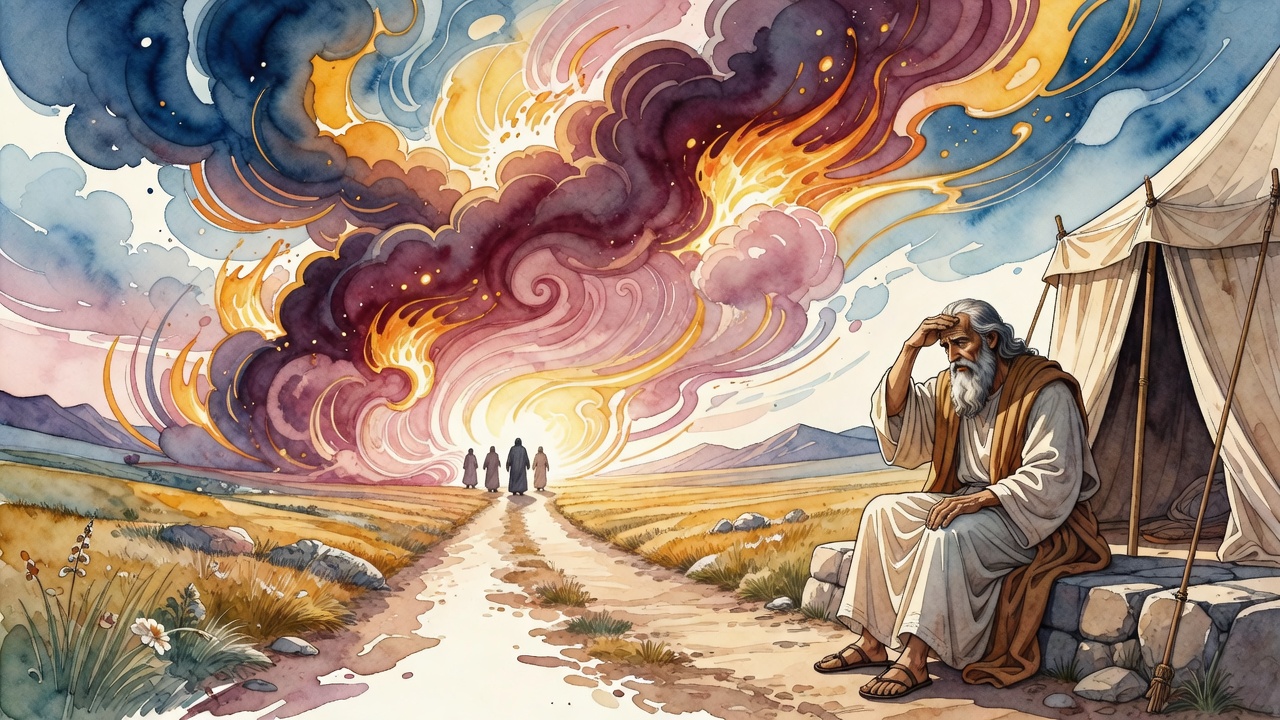
A man walking from the Land of Israel toward Babylonia sat down to eat with his back to the dust and his face to the wind. Above him two birds locked claws and wings until one struck the other dead. The victor rose, vanished into a thicket, and came back with a sprig still wet at the stem. It laid the green upon the open beak of the slain bird. The body twitched. Feathers shook. The dead one stood and flew as if the quarrel had never ended in blood.
The traveler did not finish his bread. He picked up the herb the bird had dropped and wrapped it in cloth against his chest. He had seen life poured back into a body. He believed he now carried a key no king could buy.
He had left home with a modest pack: bread, dried fruit, a knife, a letter of introduction for a cousin in the east. The herb changed the weight of the pack. He kept touching the cloth as he walked, checking that the green had not dried into useless dust. Villages fell behind him. Dogs barked and went quiet. He told no one what he had seen.
At night he dreamed the bird alive again, then dead again, then alive, as if the herb could not decide which world to serve. He woke with the taste of iron and told himself the dream was only fear. By the third day the fear had thinned into appetite. He wanted another proof. He wanted a larger body than a bird.
The Ladder of Tyre
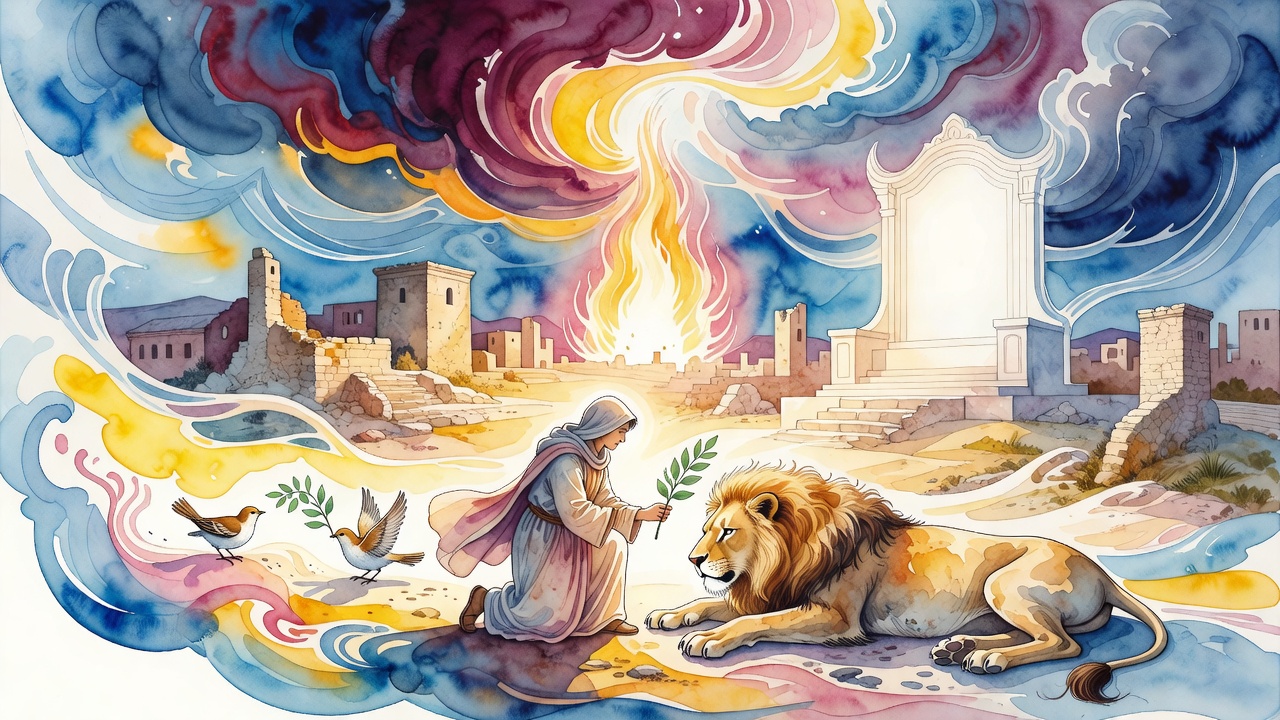
At the Ladder of Tyre, where the northern road climbs and drops above the sea, a lion lay across the path as if the road itself had been claimed by teeth. Flies moved on the tongue. The great ribs did not rise. Men would have walked a wide half-circle around that carcass, muttering, pulling children closer. The traveler stepped forward with the herb in both hands.
He pressed the green to the lion's mouth the way the bird had done. The beast quivered. Breath returned in a hard rattle. Eyes opened the color of old gold. The man smiled for half a breath, proud of a miracle he thought he owned.
Then the lion rose fully, shook dust from its mane, and closed its jaws on the one who had called it back. There was no long chase. The lion did not circle for sport. Hunger that has been interrupted by death returns with a clean, simple plan. Bones cracked. The road took the sound and threw it toward the sea.
The Road Kept the Stain
Later travelers found scraps of cloth and a dark stain that rain would not quickly forgive. The herb, if any remained, was gone into the same mouth that had taken the man. Shepherds who used that path began to speak of the place with a new caution. They did not argue theology. They argued routes. Go higher. Go lower. Do not stop to test miracles on carcasses.
The Ladder of Tyre already demanded careful feet. Now it demanded careful mercy. An Aramaic proverb sealed the road like iron. Do good to the wicked, and evil that would never have reached you stays unborn. The herb of life, set in a ravenous mouth, becomes the tool of death. Kindness poured on what is built to tear flesh is not righteousness. It is a wager the flesh cannot afford.
He had wanted to be the bird, the clever one who knows where green life hides. He became the proverb instead. Mercy is a virtue. It is not a master key.
A Man Who Took a Beast to Guard
Elsewhere a man handed a donkey to his neighbor and walked away. "Guard this for me," he said, not a casual keep-an-eye-on-it, but words that bind. The neighbor took the rope. Responsibility began when the words were real.
The beast died in the night. Heaven's hand, not a thief's. The owner came at dawn and found the rope empty. The guardian stood in the yard with nothing to return. Death, a broken limb, or a raid by robbers each has a different claim on the guardian's body and purse. Some losses cannot be stopped. Some can. The quarrel over which is which filled the study house for hours.
The road at Tyre is the wild twin of that law. When a man takes an animal into his care, or when he calls one back from death, he answers for the jaws he has woken. The traveler had not been asked to guard the lion. He had woken it anyway. The owner of a dead donkey at least still had his own throat.
The Statute That Would Not Add Up
Rabbi Joshua of Sikhnin taught in the name of Rabbi Levi that the evil inclination mocks four commandments as pure nonsense, and for each the Torah answers with the word huqqah (חקה), an unquestioned statute. A brother's wife is barred, then commanded if the brother dies childless. Mixed kinds of seed and cloth are barred, and yet wool tassels on linen are worn. A scapegoat is driven toward Azazel. A red heifer purifies the impure while staining the one who burns it.
A student in the room laughed once, then stopped. The mind wants a clean ledger. The statutes refuse one. The man with the herb had wanted a clean ledger too. Life good, death bad, mercy always right. The bird's revival looked like a sign from heaven. The lion taught the other half of the statute. Some powers are not a traveler's to aim. Some mouths are not his to feed with life.
On other roads, other men still pick up strange plants. Some heal. Some poison. The lion taught the difference with a final exam no student survives. The shepherds kept to the higher path and did not look down at the stain.
← All myths