An Innkeeper Served Pork to an Unwashed Guest
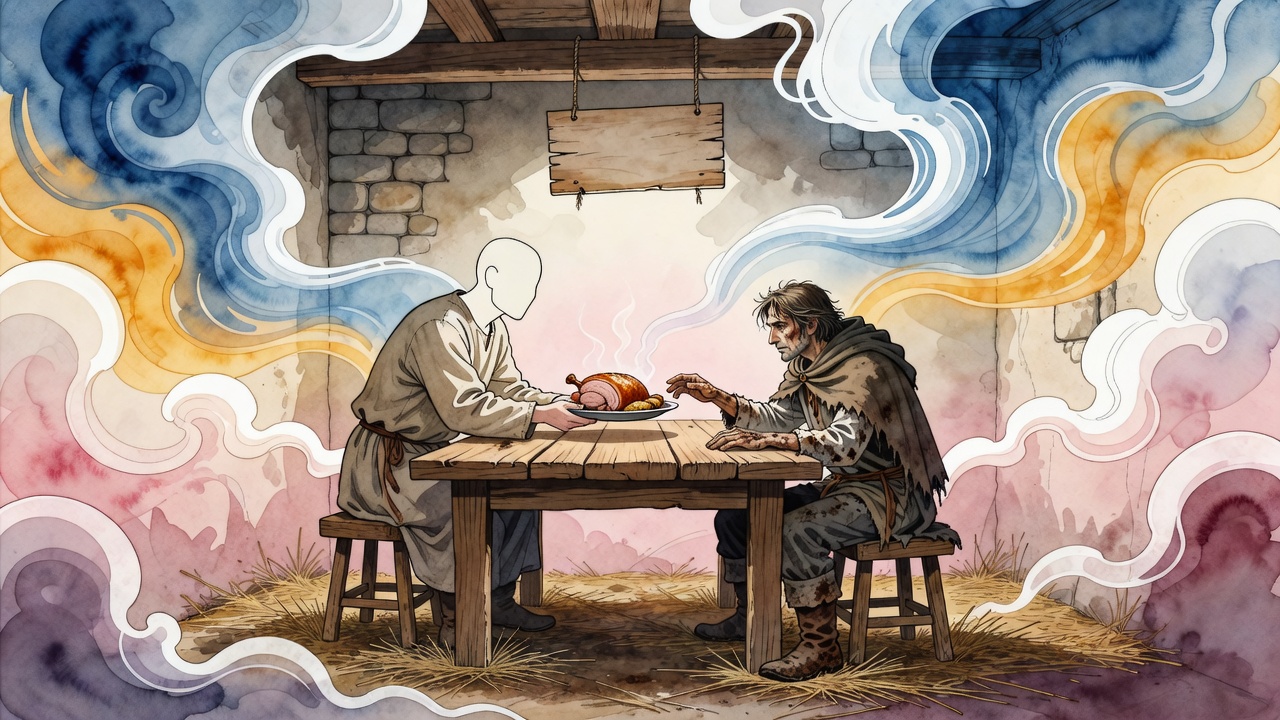
He reached for bread with dry hands in a Jewish house. The kitchen read those hands, and pork arrived on a Jewish plate.
Table of Contents
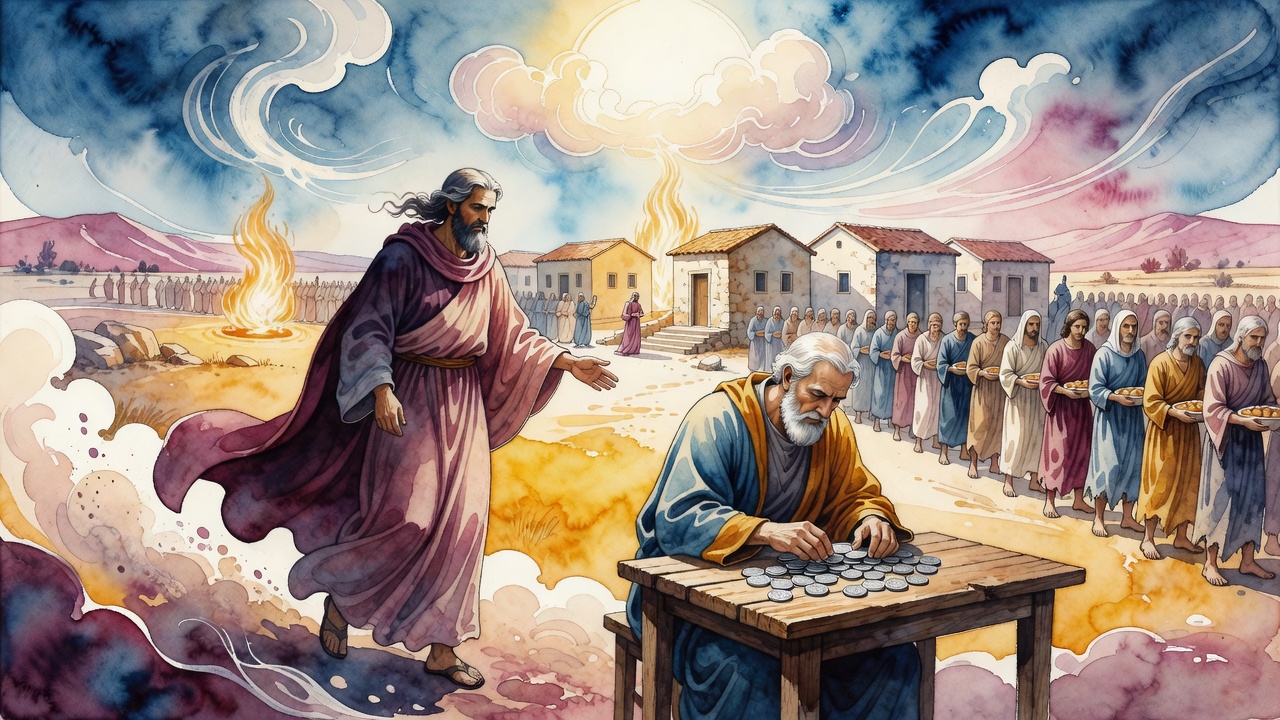
The man walked into a public eating house and sat as if the chair already knew him. Bread was coming. Conversation rose and fell around clay plates. He did not pause for netilat yadayim (נטילת ידיים), the ritual washing of hands that marks a Jewish meal before bread.
 Click for full size
It was a small omission. No trumpet. No argument. Only dry fingers reaching for what would be served.
The innkeeper watched from the doorway. In that town everyone knew the sign. Jews washed. A guest who did not wash was not a Jew. The inference was swift and almost kind in its logic. The host went to the back and cooked accordingly.
Dry Hands at a Jewish Table
The traveler had trusted the roof. A Jewish house. Jewish pots. Jewish meat. He rubbed his palms on his cloak as if dust were the only problem they had, and he waited for bread the way a tired man waits for any kindness that does not ask him to stand up again.
Water stood in a basin near the door. Other men stopped there, poured, and blessed. He walked past it. Hunger made the basin look like a delay. He told himself he would wash later, or that later had already come and gone on the road.
The innkeeper saw unwashed hands and rewrote the guest in silence. Not a brother. A stranger who happened to sit among brothers. The kitchen changed its plans.
Pork on a Jewish Plate
He set pork before the traveler. The man ate. He did not ask. He did not look. He chewed what his missing water had ordered for him.
Grease on the lip. A taste he should have known. Mid-chew, a neighbor's face changed, or did not. Recognition failed at the door of the hands, and the mouth paid.
He had walked into a Jewish house and trusted the kitchen the way a person trusts a familiar roof. One skipped cup and the kitchen flipped its meat. The man was reclassified in silence, then fed as the stranger he had briefly become. A cup of water can be a name. Dry hands can erase one.
The innkeeper was not a villain. He was a reader of custom. The guest was not a rebel. He was tired, hungry, careless. Carelessness can be a kind of exile. No courtroom followed. The man tasted what his hands failed to prevent.
The Ear at the Door That Has Posts
Another body marker waits at a different doorway. A Hebrew servant who refuses freedom in the seventh year is brought before the judges. The master cannot pierce on a whim. He must receive formal power from the court. Then they go to the door that has posts, the entrance that carries the mezuzah (מזוזה), the small scroll fixed to a Jewish doorpost, and the master drives an awl through the servant's right ear.
The servant stands still. Wood at his back. Metal in a human hand. The awl goes through cartilage that once heard Sinai. Why the ear? Because that ear heard, for the children of Israel are My servants (Leviticus 25:55). Servants of God, not forever of a human master. A man who chooses a longer human yoke has refused what the ear once took in. So the ear is marked.
The Targum even names the endpoint in Aramaic as jubela, the Jubilee. At the horn of the fiftieth year every such contract breaks. A man may choose servitude. He may not choose it past Heaven's calendar.
Blood on the post. A hole that will heal into a sign. Neighbors will see it when he walks past. The want to stay is no longer a private sentence. It is worn.
Two Marks, Opposite Directions
Washed hands. Pierced ear. Two signs in opposite directions. One says I belong to this table's covenant. The other says I have delayed my belonging to freedom. Both are public. Both rewrite how neighbors see a body walking past.
The traveler at the inn lost a sign and nearly lost his food laws with it. The servant at the doorpost takes a sign and wears his choice until Jubilee. Israel lives between such marks, not because Heaven loves theater, but because a people without shared signals dissolves into whoever the majority assumes them to be.
At other tables the water is poured. The guest is recognized. The meat is clean. The difference is a minute of water and the decision to be readable. Heart without handwashing still got pork. Intention without the awl's court still needed wood and metal to make the choice real.
What the Kitchen Could Not Smell
The traveler mid-chew. The servant at the post. One body missing a sign, one body taking one. The innkeeper could not smell loyalty in a dry palm. The judges would not take a spoken wish without an ear and an awl.
Jewish life is worn on the body, not only kept in the heart. The heart may be loyal while the hands stay dry, and the world will read the hands. That is how groups survive inside larger empires that would gladly reclassify them as close enough.
At the servant's doorpost the visibility runs the other way. He wants to stay. The Torah makes him wear the want on his ear and still schedules his release. Freedom is the default setting of Sinai. Even voluntary chains get a horn blast dated in advance.
Water poured. Ear marked. Signs read while they still protect the one who wears them. The unwashed guest walked out with a prohibition in his mouth he had not meant to touch. The servant walked away from the posted door with a hole that would outlast the afternoon. Both left the threshold already rewritten.
← All myths