6 min read

Akiva Threw the Emperor's Medicine to the Pigs

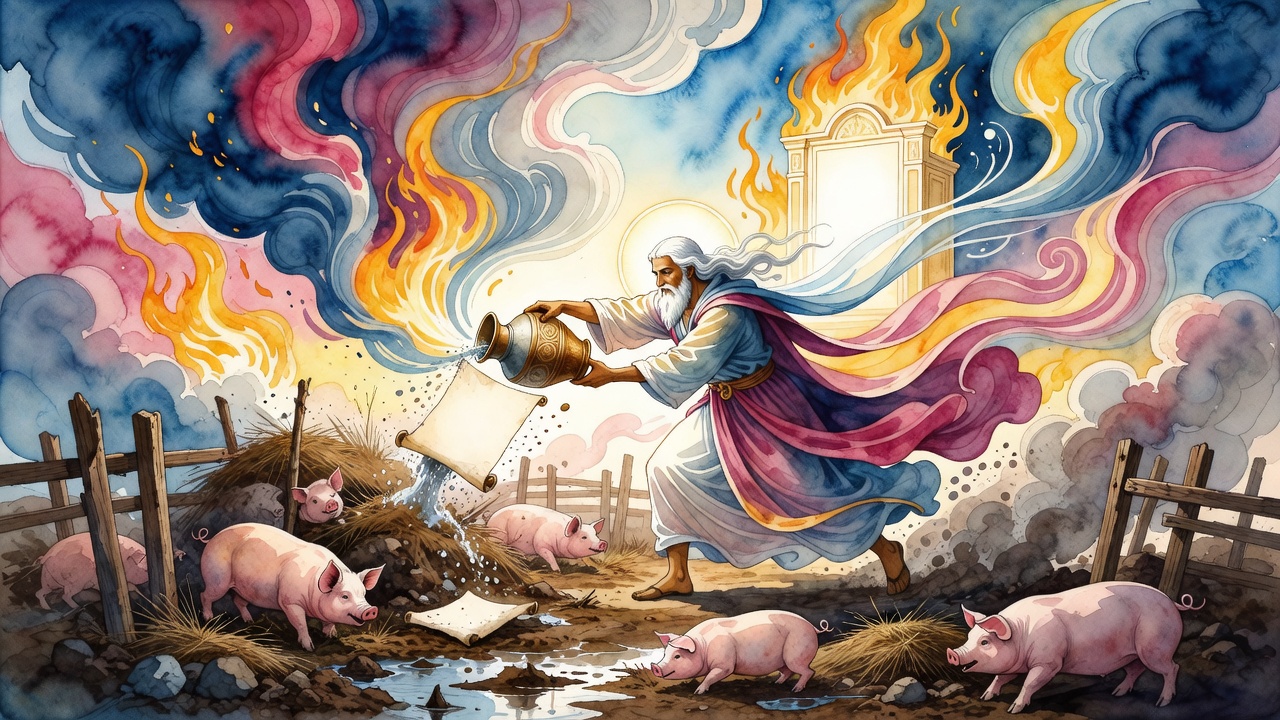
The emperor sent Rabbi Akiva medicine worth a thousand coins. Akiva poured it into the mud of a pig sty, then asked what a pig would do with it.

Curated by Arthur · Told by Maggid ·
Table of Contents
  1. A Bottle Worth a Thousand Denarii
  2. The Donkey Drivers and the Extra Mile
  3. The Man Who Turned at the Gate
  4. Why the Emperor Had to Be Shown, Not Told
  5. Vessels Before Contents
Akiva Threw the Emperor's Medicine to the Pigs Click for full size

A Bottle Worth a Thousand Denarii

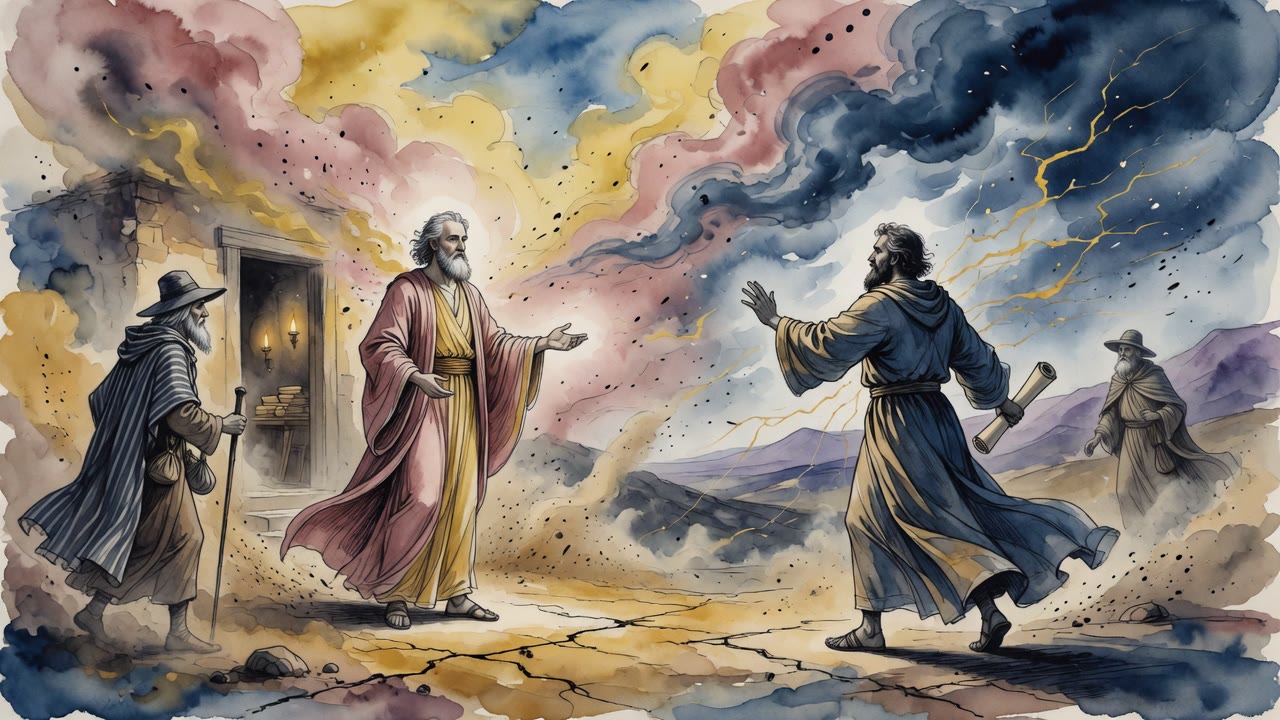
Rabbi Akiva did not answer the emperor with a verse. He went home, lay down as if the fever had already won, and waited for palace gossip to do the work. The Roman emperor, who liked baiting Akiva almost as much as he liked winning, sent medicine worth a thousand denarii. Akiva thanked the messenger, closed the door, walked to the pig-sty, and poured the dose into the mud where the animals rooted and squealed over the scent of something too fine for them.

The emperor arrived furious, cloak still dusty from the ride. "I sent you healing, and you fed it to pigs?" Akiva sat up, suddenly well enough to smile. "Would the pigs have known what to do with it? You sent medicine to creatures with no capacity to receive it. That is why the Holy One gives wisdom to the wise. To the fool, wisdom is medicine in a sty. No one is withholding it. He simply cannot hold it."

The court that had gathered for a quarrel left with a picture they could not scrub off. Royal pride understands spoiled medicine faster than it understands a prooftext. Akiva had risked the emperor's rage to plant that picture. The risk was part of the teaching. Wisdom that costs nothing to display is rarely believed by power.

The Donkey Drivers and the Extra Mile

Another student pressed another teacher with a different puzzle. Ben Hei-Hei came to Hillel over Malachi's line about returning and discerning between the one who serves God and the one who does not. If the righteous already serve, why the double speech? Hillel refused the easy split between righteous one and sinner. He split the ranks of the righteous themselves. The one who reviews a lesson a hundred times is not the same as the one who reviews it a hundred and one.

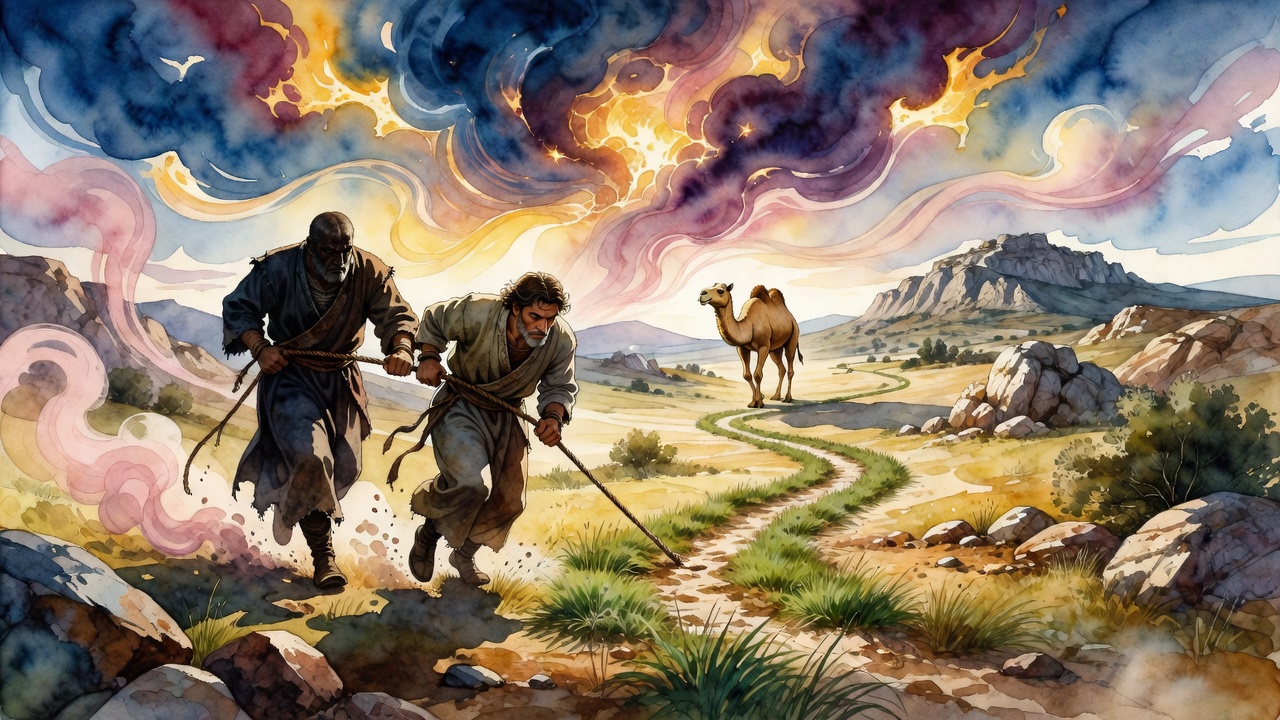
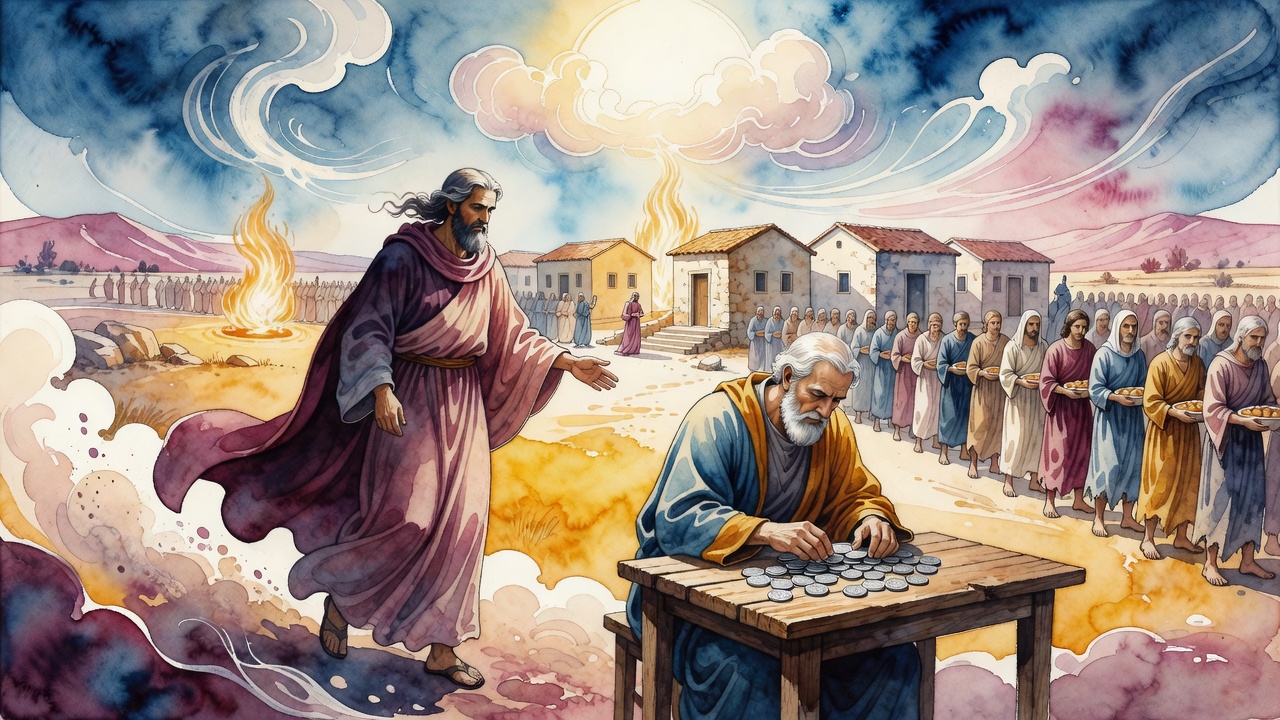
Ben Hei-Hei flinched at the arithmetic. One extra repetition turns a servant into a non-servant? Hillel pointed him toward the marketplace rates of donkey drivers. Ten miles for one zuz. Eleven miles for two. The eleventh mile costs as much as the first ten combined. Effort's true price hides in the mile you did not have to walk. Service that stops at enough is not the same as service that spends the last hour when no examiner is watching.

The economics of the road supplied the theology. Hillel would not let Ben Hei-Hei hide inside a synonym. Serving God and not serving God can name two people who both look righteous at a distance. Up close, one of them still has an unspent hour.

The Man Who Turned at the Gate

In another house of study a stranger walks in and hears talmudic voices layered so thick he cannot find a first word. He stands at the gate of the Sanhedrin's kind of space, the place of elders and open mouths, and keeps silent. Proverbs already knew him: wisdom is lofty to a fool; at the gate he will not open his mouth.

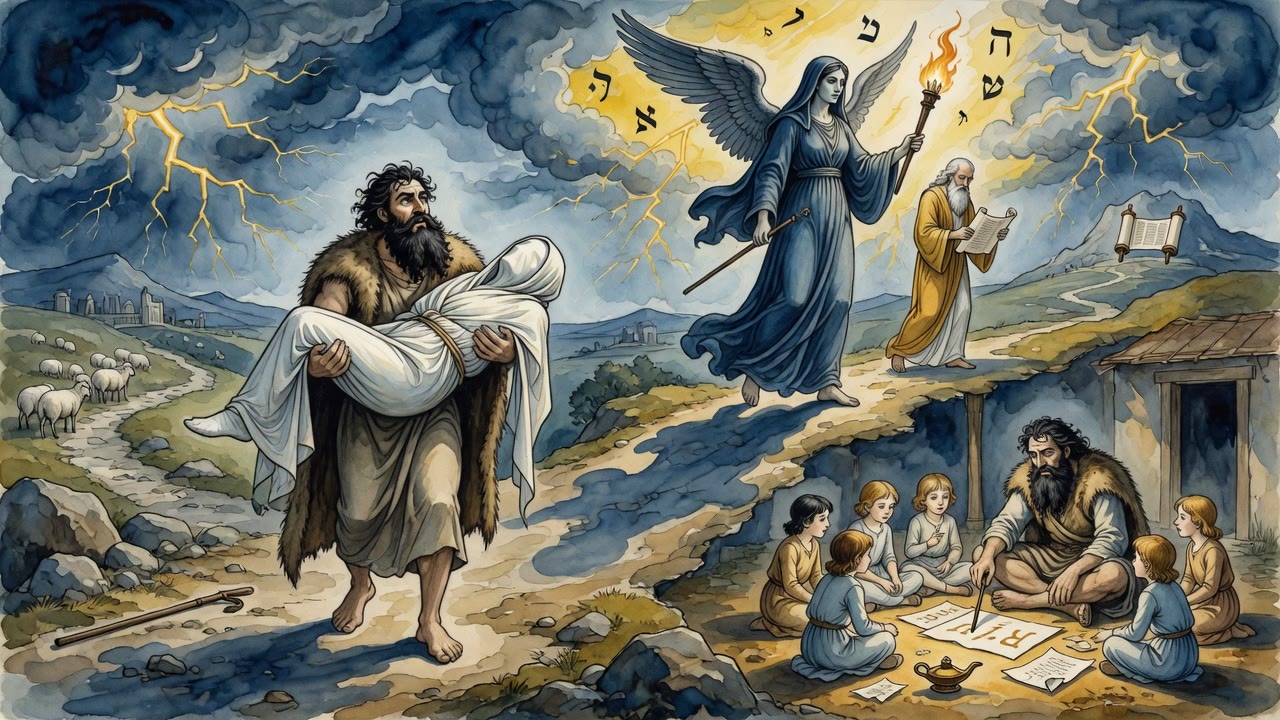
They tell him how one begins: a child's scroll for letters and early verses, then Torah, Prophets, Writings, then Talmud, laws, stories. The list becomes a wall higher than his courage. "When will I ever learn all of this?" he thinks, and he turns away before the first page cools under his hand. The midrash is not mocking poverty of mind alone. It is mourning the moment capacity collapses under the map of the journey.

Akiva's pigs and this man's closed mouth are cousins. Both refuse a gift they cannot yet metabolize. The difference is that Akiva stages the refusal as a lesson for power, while the man at the gate stages it as a quiet exit no one may notice until the seat stays empty for months.

Why the Emperor Had to Be Shown, Not Told

Akiva could have quoted Daniel and said that God gives wisdom to the wise. The emperor would have shrugged and asked the next sharp question before the wine was poured. By wasting a fortune in a sty, Akiva made the emperor feel the waste in his own gut. That feeling is harder to debate than a verse.

Hillel's donkey drivers work the same way. Theology borrowed from published road rates cannot hide behind soft language. You either pay for the eleventh mile or you do not. The marketplace is crueler and clearer than a sermon, which is why Hillel sent Ben Hei-Hei to watch men who live by distance and coin.

The study-house gate adds a third clarity. Hearing a full curriculum can be as paralyzing as receiving medicine you cannot use. The tradition does not solve paralysis with mockery. It names the paralysis so teachers know to open a smaller door, a first scroll, a first review, before they unroll the whole sky.

Vessels Before Contents

Across these scenes one claim keeps returning. Heaven is not stingy. Recipients are uneven. A prepared mind, a habit of review, a willingness to stay past the first overwhelm: these are vessels. Without them, even a thousand-denarii bottle becomes sty mud, even a full curriculum becomes a reason to flee the gate, even a hundred perfect reviews fail to match the one more that would have sealed the learning into bone.

Akiva recovered from his false illness and returned to the emperor's questions with a story already famous in the palace kitchens. Hillel left Ben Hei-Hei with an image of pack animals and prices that would outlast many abstract lectures. The man at the study-house gate still has to decide whether the height of wisdom is a wall or a ladder. The tradition keeps all three on the page so no one mistakes silence, waste, or half-effort for a lack of divine generosity. The gift is offered. The vessel still has to be built, scrubbed, and carried back into the room where learning happens.


← All myths
From the tradition

Sources

3 sources

The texts behind this telling. Some cards carry a translation of the source; others are our own retelling of it, and each card says which. Every card links out to the original.

Gaster, Exempla of the Rabbis, No. 13The Exempla of the Rabbis (1924)

Retold in our words. Read the original at the link below.The Exempla of the Rabbis, Moses Gaster (1924) · PD-US-pre-1929

The Roman Emperor had a habit of baiting Rabbi Akiva with the sharpest question he could devise.

"Why is it said," he asked once, "that God gives wisdom to the wise, and not to the fool? Would it not make more sense to give wisdom where it is lacking?"

Akiva did not argue. He went home and pretended to fall gravely ill. Word reached the palace. The Emperor, who was fond of Akiva in his own combative way, sent him a gift, an expensive medicine, worth a thousand denarii.

Akiva received the bottle, thanked the messenger, and as soon as the door closed, he walked outside and threw the medicine into the pig-sty.

The Emperor heard what had happened and arrived in person, furious. "I sent you a thousand denarii of medicine, and you fed it to the pigs?"

Akiva, now sitting up and apparently well, smiled. "Your Majesty, would the pigs have understood what to do with it? You sent healing to creatures who had no capacity to receive it. That is why the Holy One gives wisdom only to the wise. To the fool, wisdom is medicine in a pig-sty. No one is withholding it. He simply cannot receive it."

Gaster's Exempla of the Rabbis (1924), Exempla #13, preserves this reply. Wisdom is a gift only where there is already a place prepared for it.

Full source
Chagigah 9bHebraic Literature (1901)

Retold in our words. Read the original at the link below.Project Gutenberg eBook #14368, Hebraic Literature · PD-US-pre-1929

Ben Hei-Hei came to Hillel with a verse that troubled him. Malachi had said, "Then shall ye return, and discern between the righteous and the wicked, between him that serveth God and him that serveth Him not" (Malachi 3:18). Ben Hei-Hei pointed out the redundancy. Surely the righteous man is the one who serves God, and the wicked man is the one who does not. Why does the prophet repeat himself?

Hillel answered that the verse is not redundant at all. It is drawing a line not between the righteous and the wicked, but within the ranks of the righteous themselves. "He that serveth God" and "he that serveth Him not" are both perfectly righteous people. The difference between them is effort.

"The one who reviews his lesson a hundred times," Hillel said, "is not to be compared with the one who reviews it a hundred and one times."

Ben Hei-Hei pressed back. "One extra repetition turns a man into someone who does not serve God at all?" Hillel did not argue theology with him. He told him to look at the donkey drivers in the marketplace and study their published rates. Ten miles for one zuz. Eleven miles for two. The eleventh mile costs as much as the first ten combined. The Talmud preserves this exchange in tractate Chagigah (9b).

The economics of the marketplace supplied the theology. The difference between serving God and serving God is not hidden in the quality of the first hundred hours. It hides in the last hour, the one you did not have to give. That single extra review is worth the whole stack that came before.

Full source
Devarim Rabbah 8:3Devarim Rabbah

Retold in our words. Read the original at the link below.The Sefaria Midrash Rabbah, 2022 · CC-BY

Devarim Rabbah 8 opens with a quote from Proverbs: "Wisdom is lofty to a fool; at the gate, he will not open his mouth" (Proverbs 24:7). But what does it really mean? Rabbi Tanhuma offers a beautiful interpretation: Imagine someone walking into a synagogue, seeing people deep in talmudic discourse – that intense, layered discussion that gets to the heart of Jewish law and thought. But this person doesn't understand a word. Overwhelmed, embarrassed, they simply keep quiet. "At the gate, he will not open his mouth."

Rabbi Tanhuma connects the "gate" to the Sanhedrin, the ancient Jewish high court. We see this usage in Deuteronomy (25:7), "His brother's widow shall go up to the gate, to the elders." It's a place of authority, of knowledge, and for someone who feels unprepared, a place of potential shame.

The rabbis offer another layer to this idea. Imagine someone new to Torah study asking, "How does one even begin?" They’re told the traditional path: start with a scroll – often one used to teach children their letters and some basic verses – then move to the Torah, then the Prophets, then the Writings. After completing the entire Bible, one explores the Talmud, then halakhot (Jewish laws), and finally aggadot (stories and legends).

Hearing this, the person is overwhelmed. "When will I ever learn all of this?" they think, and they turn away, discouraged. "At the gate, he will not open his mouth." It feels insurmountable.

Rabbi Yannai offers a brilliant parable. A fool sees it and despairs, "Who could ever reach that?" But a clever person thinks differently. "Someone put it up there. There must be a way." So they find a ladder or a rod and bring the bread down.

The point? Learning Torah, like reaching that loaf, can seem impossible at first. But the clever person breaks it down. They study one chapter a day, slowly, consistently, until they complete the entire Torah. It’s about the journey, not the immediate destination.

And that brings us to a powerful idea. The Holy One, blessed be He, says, "It is not hidden." The Torah isn’t meant to be inaccessible. If it feels hidden, it's not because God made it that way, but because we haven't put in the effort to engage with it. As it says, “for this mitzva” – for this commandment, this opportunity.

The message is clear: don't be intimidated by the vastness of Jewish wisdom. Start small. Be persistent. The "loaf" is within reach, one chapter, one conversation, one step at a time. What small step will you take today?

Full source