The Jew Refused to Sell Away His Last Pearl
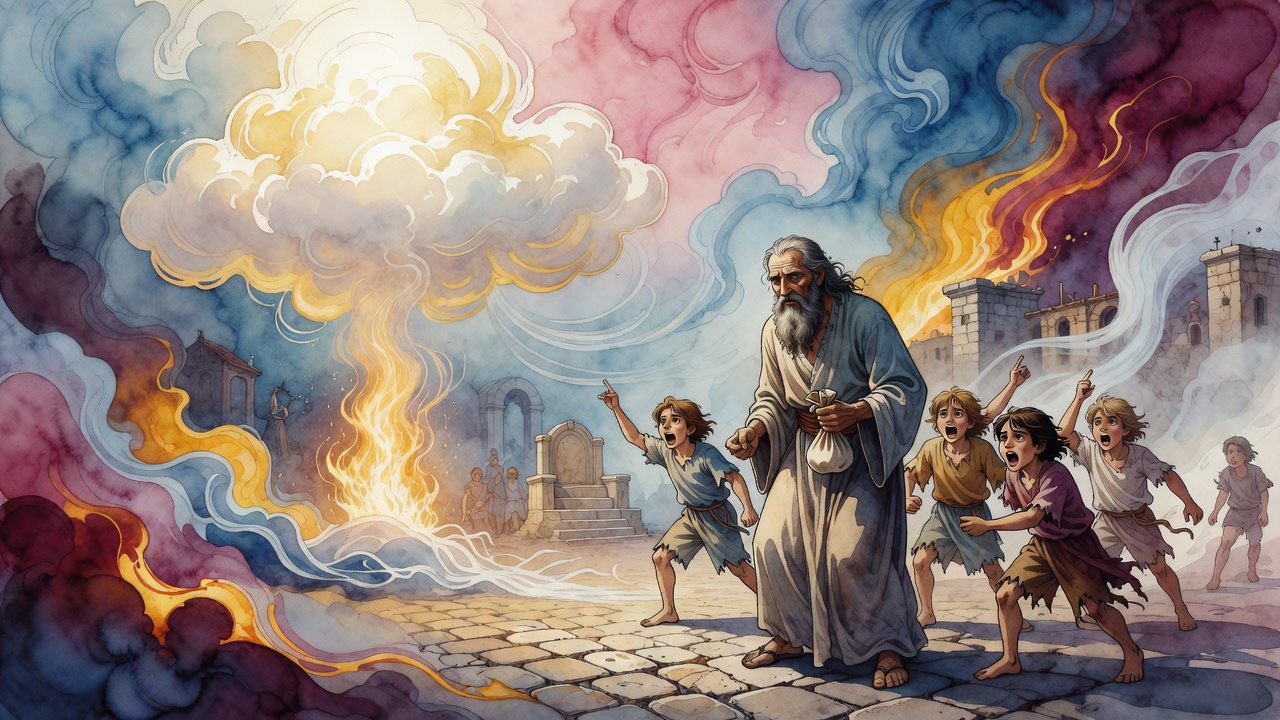
Boys lined the road to the prince and shouted Jew. He threw them gold, and the table went quiet, waiting for a man to explain.
Table of Contents
Boys stepped into the road and shouted "Jew" at a man walking to the prince. He had given up almost everything to be welcome in rooms that once would not have spoken his name. Clothes changed. Calendar softened. The old tongue kept only for emergencies. An enemy had planted the boys with care.
 Click for full size
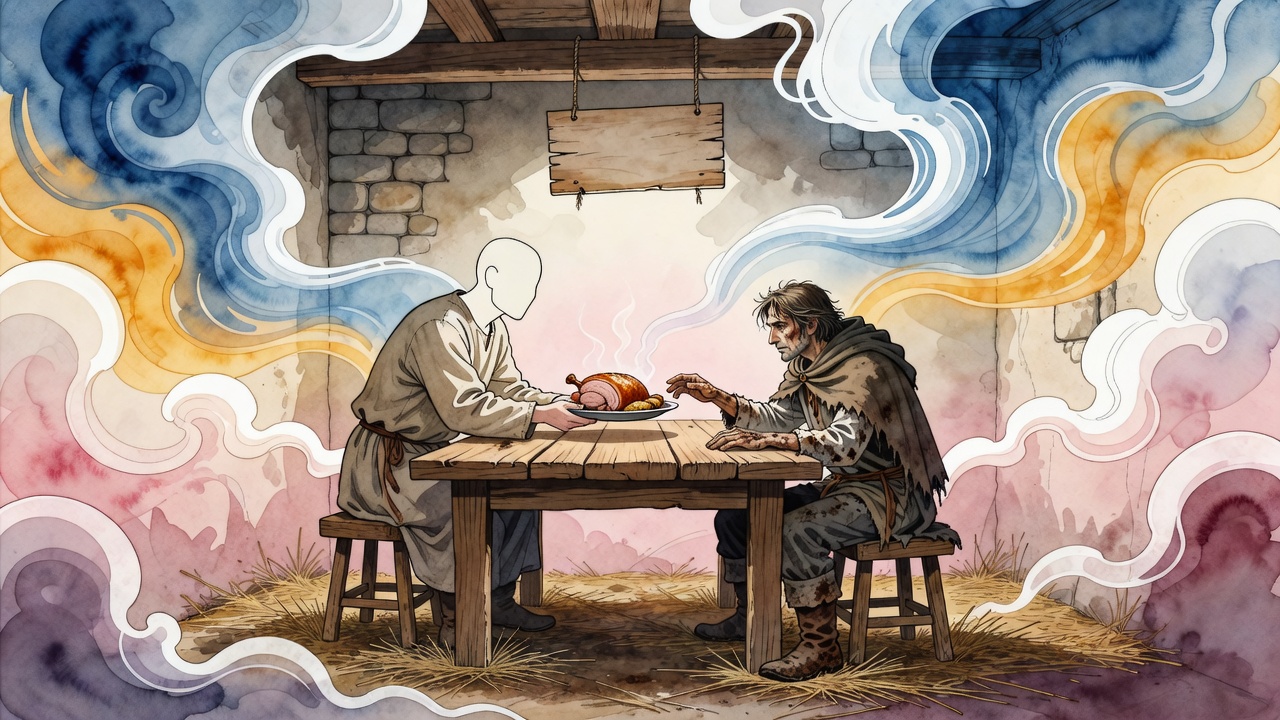
He heard it. For a moment the old heat rose, the shame he had spent a fortune trying to outrun. Then he did something no one at the table expected. He reached into his purse and threw gold pieces to the boys.
Boys on the Road to the Prince
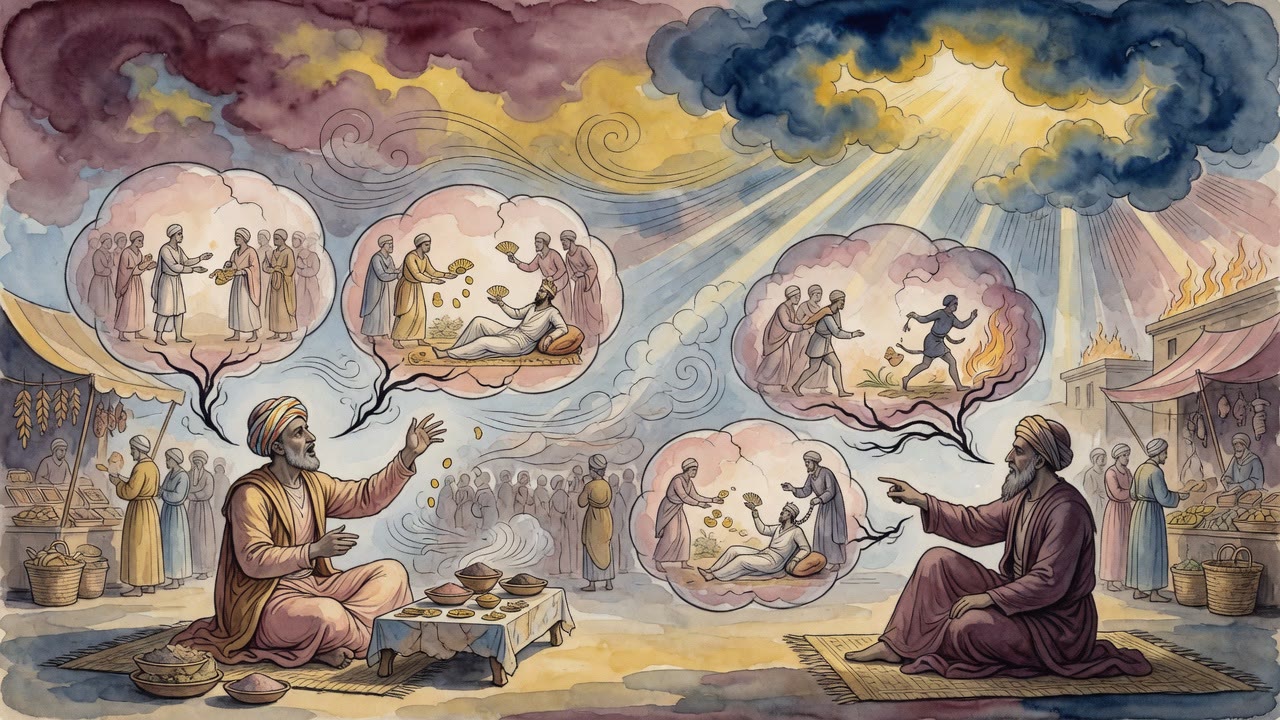
The prince asked why. The man told a story about a spendthrift who lost house, fields, and silver until only one pearl remained. He pledged it again and again for loans. At last the lender offered to buy it outright. The spendthrift refused. He needed to remain known as the owner of the pearl.
"So too," the man said, "I squandered what my parents left me, and I am glad to be reminded that I still own the pearl. I am still a Jew. For that reminder I pay." Then he returned to his faith.
The boys had been hired to break him. They named the last thing he had not sold. He refused to sell the pearl away. He paid them for the name and kept it.
The Pearl He Would Not Sell
Favor with the powerful had already cost him festivals, friendships, the public shape of a life. He thought he was buying safety and status. He was selling the name that still made boys point.
The insult became a gift only because he could still hear it as his. A man who had finished the sale would have flinched and paid the boys to stop, not to thank them. The gold he threw was rent paid on a truth he had nearly vacated.
The prince may have laughed. The enemy may have seethed. The pearl did not care. Ownership is not a mood. It is a decision renewed when the road shouts the name he had tried to bury.
Two Vineyards and a Bargain
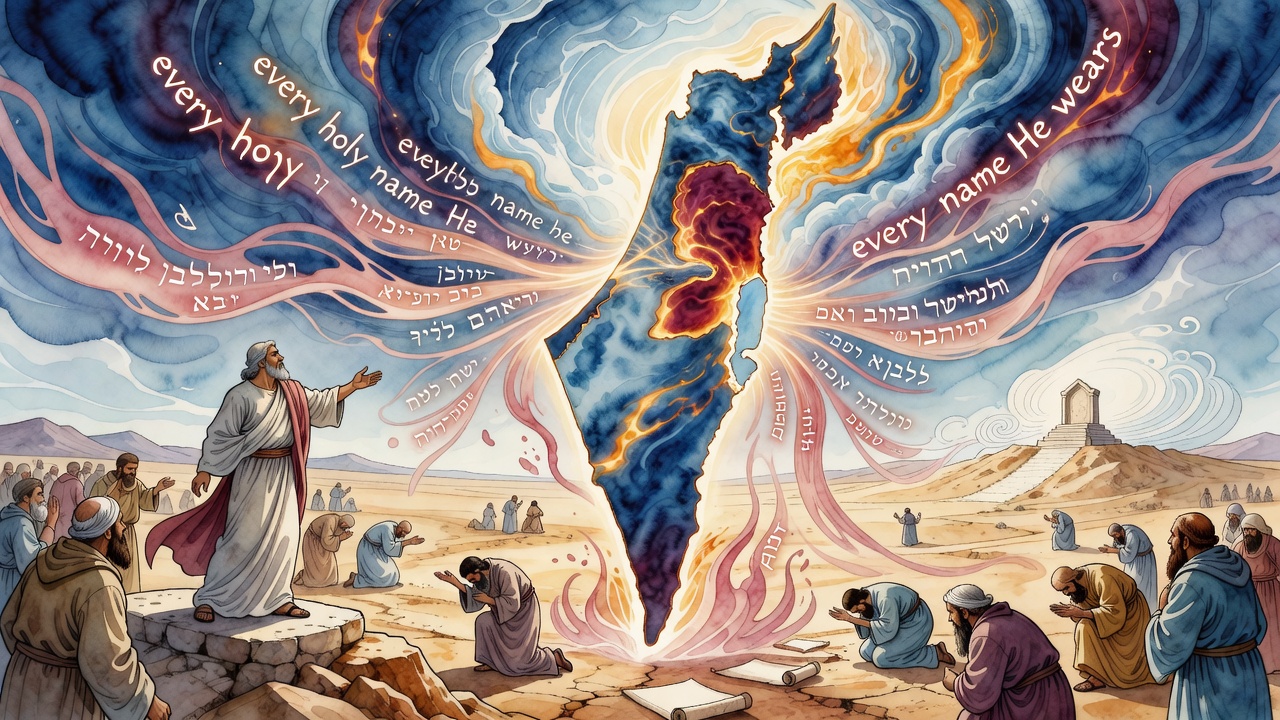
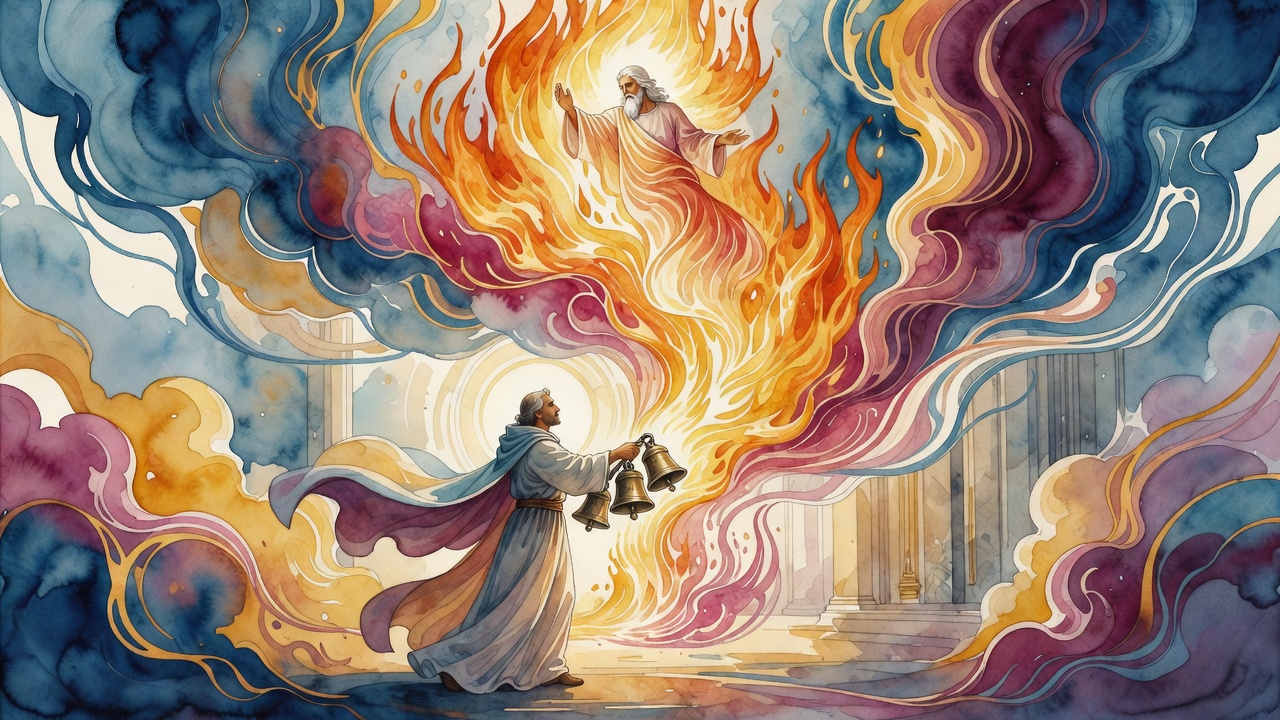
Elsewhere the sages hear God make a simpler bargain. Keep the Shema (Hear O Israel) properly, two hundred forty-eight words for the limbs of a body, including the whispered Blessed is the name of the glory of His kingdom forever and ever, and He will keep what is theirs. Rabbi Mani warns never to treat the Shema as a small thing.
Rabbi Shimon ben Halafta tells of two farmers who each own a vineyard in the other's distant region. One lives in the Galilee and holds a vineyard in Judah. One lives in Judah and holds a vineyard in the Galilee. Rather than travel, they strike a pact. "You tend mine where you live," one says, "and I will tend yours where I live." So it is between Israel and the Holy One. Keep the Shema morning and evening, and He keeps Israel (Psalms 121:7).
The man at the prince's table had stopped tending the distant vineyard. The boys' shout was a stone thrown over the fence, rough and accurate, and for once he did not pretend he misheard.
He Counted the Words That Night
Rabbi Pinchas, quoting Rabbi Reuven, hears the prophet describe a great rushing sound after human praise, the ministering angels taking up the song: Blessed is the glory of the Lord from His place (Ezekiel 3:12). Morning stars sang. Sons of God shouted for joy.
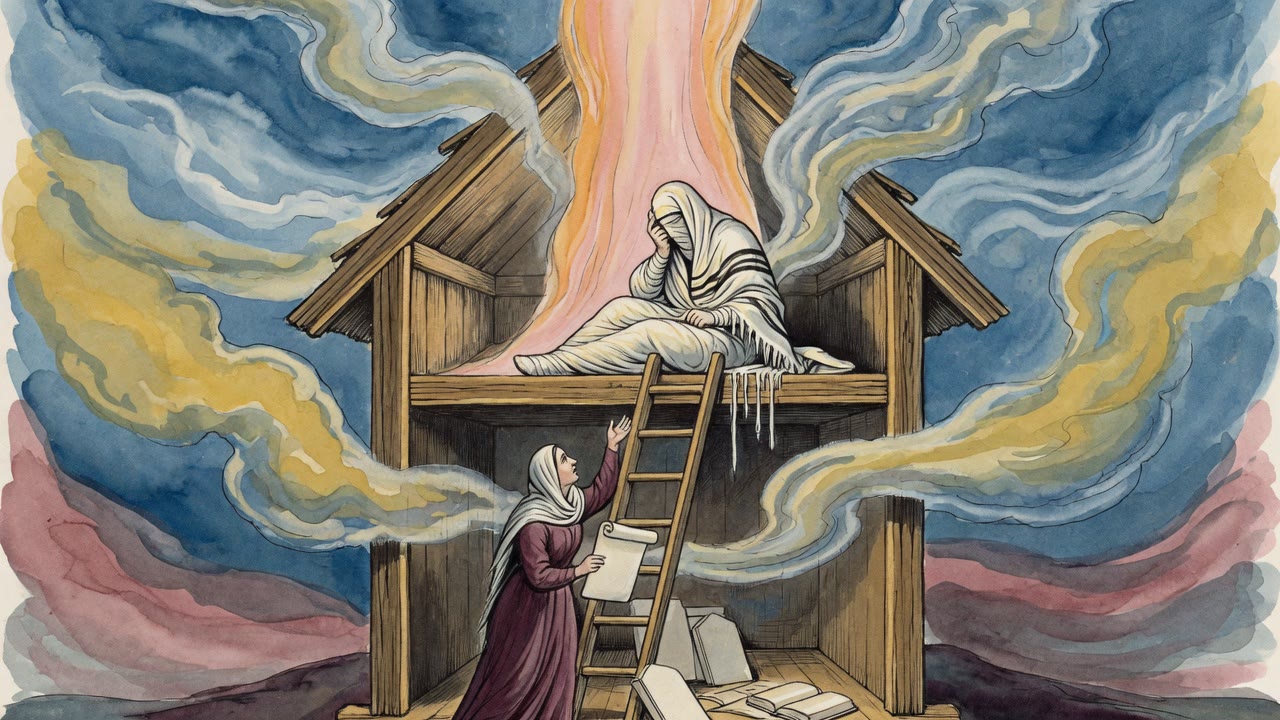
That night the man mouthed the Shema for the first time in months, counting words against the tremor in his hands. Two hundred forty-eight. One for each limb. Gold dust still on his fingers from the purse. The pearl is not costume jewelry. It is a name he must wear again in daylight.
Return does not require the prince's permission. It requires the pearl's owner to stop pretending the pearl is cheap. He will need mornings and evenings again. He may lose some invitations. He has already lost more by accepting them at any price.
Jew, the boys cried. He paid them for the truth, then went to reclaim the rest of it where Heaven keeps the other side of the bargain, vineyard for vineyard, word for protection, name for name. The road behind him was quiet. The words in his mouth were not.
← All myths