5 min read

Judas Was Mocked for Fighting From the Mountains

Seleucid officers dared Judas to leave the hills for their plain. In Jerusalem the Akra held traitors while Rome wrote Demetrius a threat by sea and land.

Curated by Arthur · Told by Maggid ·
Table of Contents
  1. Come Down to the Plain
  2. The Tower That Ate Its Own People
  3. Rome Wrote a Letter With Teeth
  4. What the Mountains Kept

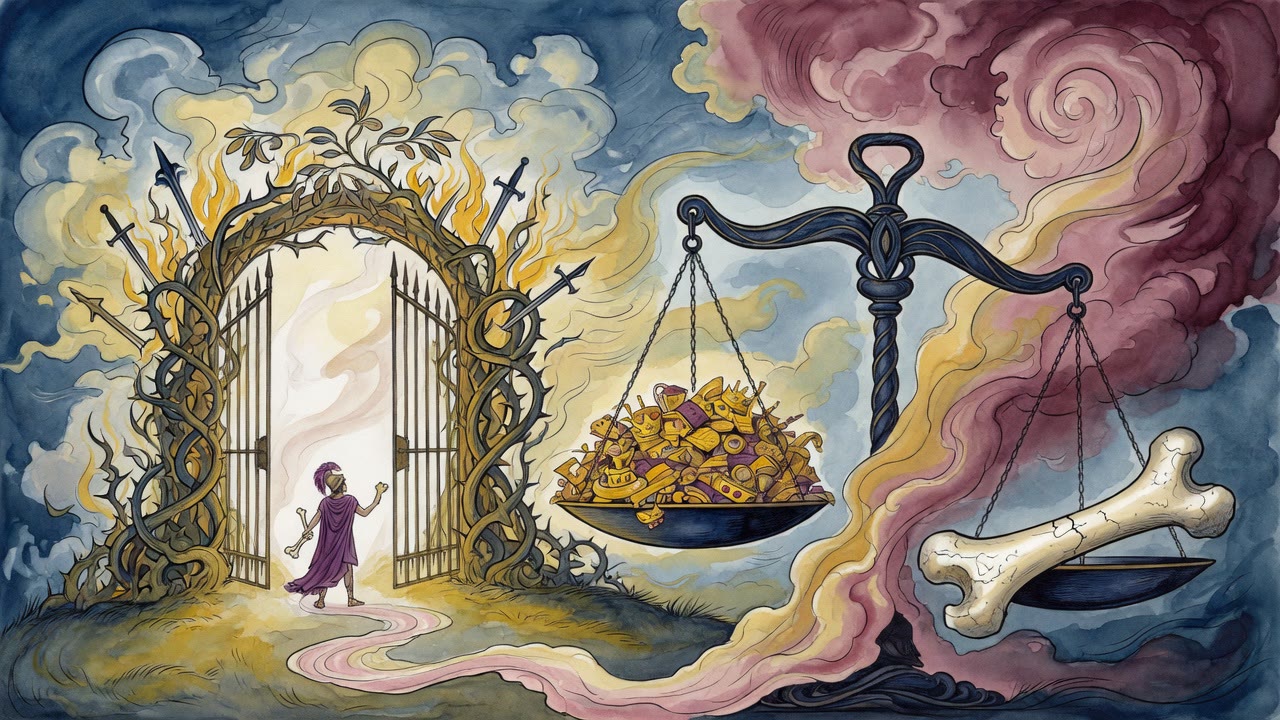
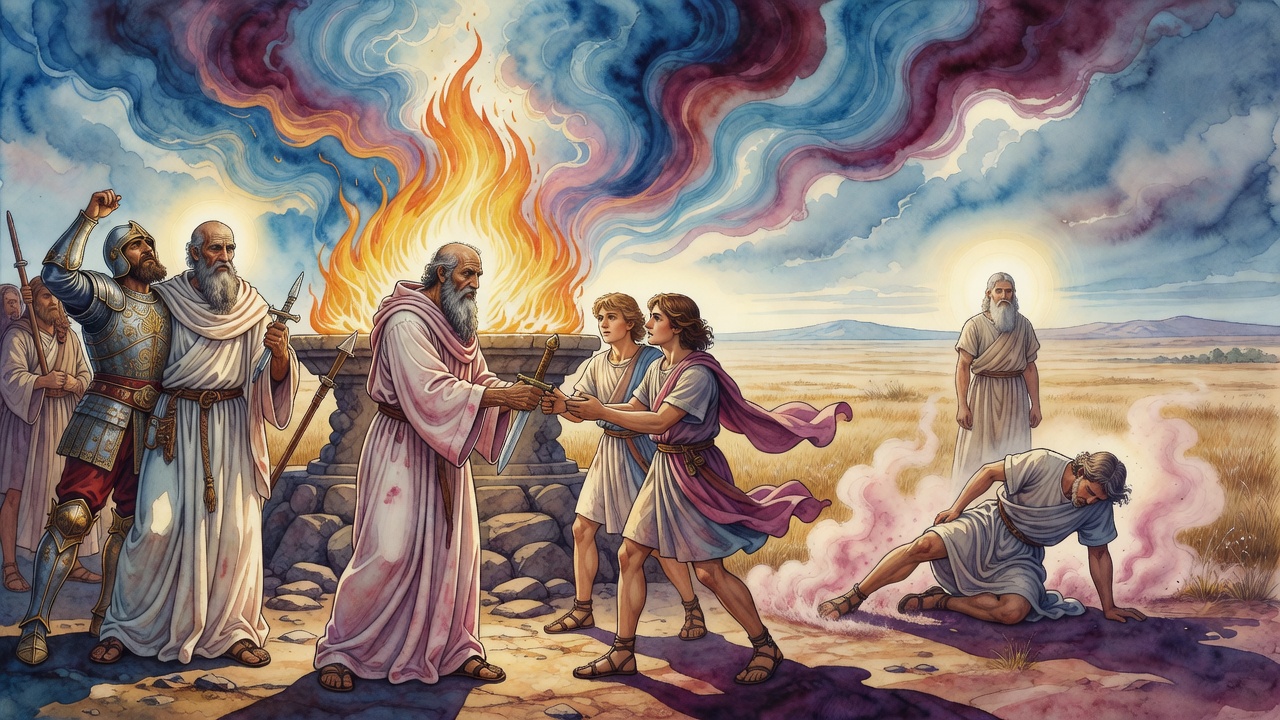
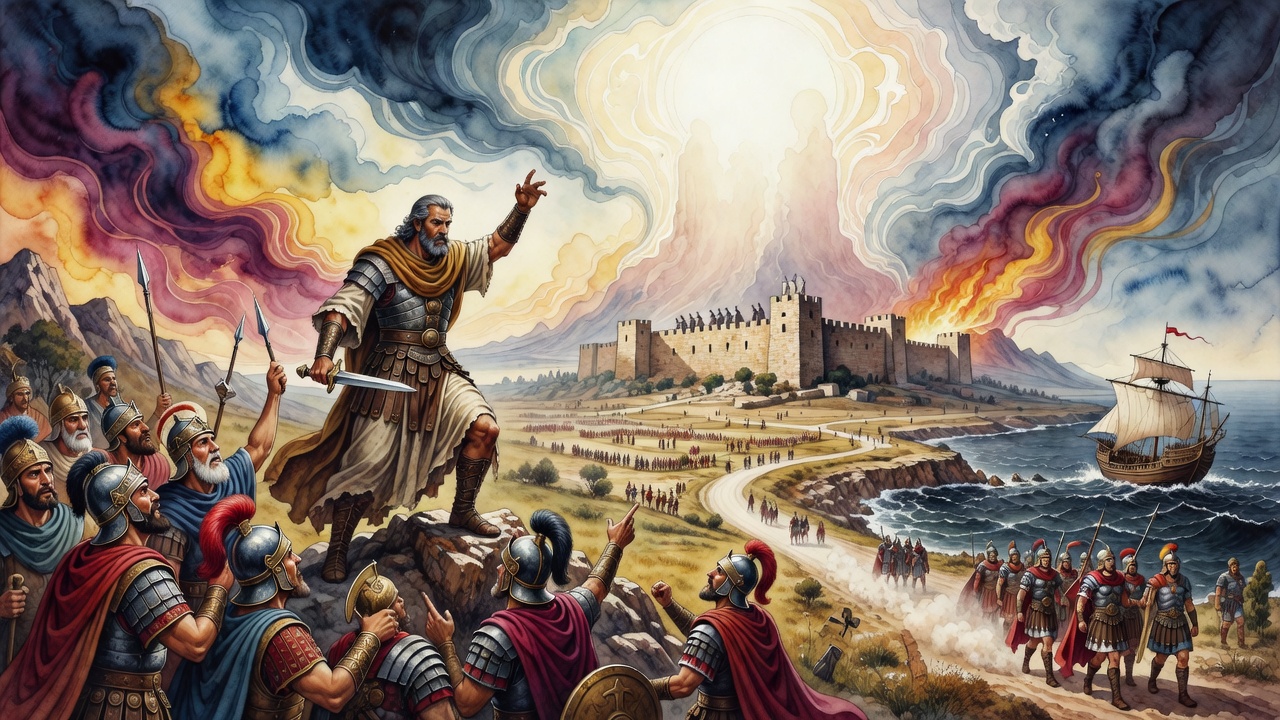
The message came down from men who owned cities and wanted a cleaner kill. "Thou alone liftest up thyself against us," they said to Judas, "and I am laughed to scorn for thy sake, and reproached. Why dost thou vaunt thy power against us in the mountains?"
Judas Was Mocked for Fighting From the Mountains Click for full size

The sneer had a map inside it. Mountains favor the smaller force. Plains favor cavalry and the power of walls. "If thou trustest in thine own strength," the challenge continued, "come down to us into the plain field, and there let us try the matter together, for with me is the power of the cities." They told him to ask who they were, and to learn that his foot could not stand before their face, because his fathers had twice been put to flight in their own land.

Come Down to the Plain

Judas heard the dare the way a man hears a trap pretending to be a duel. The Seleucid voice wanted him off the ridges where rocks and narrow paths canceled numbers. On open ground, cities become arguments. Horses become law. The mockery was personal because the war had become personal. One captain from Judea had made imperial officers look late and loud.

He did not answer with a speech about honor. He answered with the terrain he already understood. Men who fight for a Temple do not always accept the ground chosen by the people who defiled it. The mountains kept their silence. The plain waited with its teeth showing.

In the camps below, officers counted how often Judean fathers had broken. They mistook a ledger of old defeats for a prophecy. Judas treated the letter as weather. Storms announce themselves. Then someone still has to walk.

The Tower That Ate Its Own People

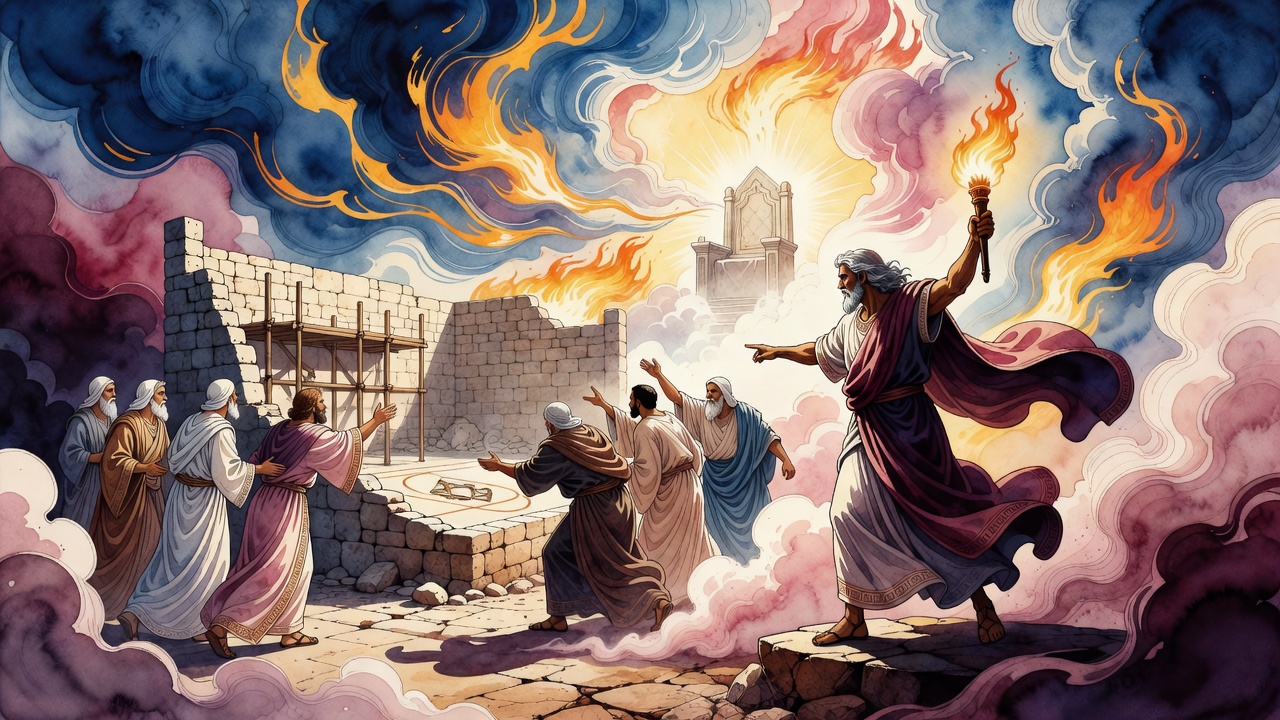
While armies argued about hills, Jerusalem carried another wound. Jewish men who preferred Seleucid favor had holed up in the Akra, the fortified tower overlooking the Temple. From there they made life a living hell for their brothers. They besieged the tower's enemies, slew whomever they could light upon, and spoiled inheritance. They stretched their hand not only against their own nation but against the borders. The sanctuary and Bethsura they fortified as if holiness were a military supply.

A cry rose that sounds older than any single year. How long until judgment? How long until brethren are avenged? Some had been willing to serve the father of the present power and to obey commandments that kept them breathing. For that service they found themselves trapped between a foreign yoke and a tower held by their own blood.

Judas fought on ridges while the Akra watched the Temple like a second enemy. A people can win a battle in the hills and still lose sleep to a citadel that sells them out for safety. The war had two fronts that refused to become one.

Rome Wrote a Letter With Teeth

Far from the mountains, another empire practiced a different weapon. Touching the evils that Demetrius did to the Jews, a letter went out asking why he made his yoke heavy upon friends and confederates. If the Jews complained again, the writers promised justice, and to fight by sea and by land.

Promises from distant powers are not the same as water in a canteen, but they change how a local king counts risk. Demetrius heard that Nicanor and his host had been slain, and he sent Bacchides and Alcimus into Judea a second time with the chief strength of his host. A letter of protection and a second invasion can share the same season. Empires multitask.

Judas lived in the gap between mockery and treaty language. One side called him a mountain rat. Another side called his people friends when it suited a larger board. Neither voice fed a child in Bethsura. Both voices decided whether the next march would be uphill or into a prepared plain.

What the Mountains Kept

The men of the cities wanted Judas on their dirt so their laughter could become a corpse count. He stayed where footing mattered more than banners. The collaborators in the Akra wanted a Judea quiet enough for foreign pay. Rome wanted a client problem solved with ink and threat. Judas kept moving between all three pressures without mistaking any of them for mercy.

Twice the fathers had been put to flight, the officers said. The third generation answered from stone that did not care about their census of shame. When the plain called, the ridges held. When the tower betrayed, the sanctuary still needed hands. When a letter promised sea and land, the next army still arrived on foot.

Night in the mountains smells of cold dust and oiled iron. Judas slept in short stretches and woke counting who still answered their names. The mockery had named his tactics as weakness. The dead of Nicanor's host had already begun a different naming. History in those years was written by men who refused the plain until the plain no longer got to choose.


← All myths
From the tradition

Sources

3 sources

The texts behind this telling. Some cards carry a translation of the source; others are our own retelling of it, and each card says which. Every card links out to the original.

The Book of Maccabees I 10:80The Book of Maccabees I

Retold in our words. Read the original at the link below.Sefaria Community Translation · CC-BY

The Book of Maccabees I turns to The Seleucids Mock Judas for Fighting From the Mountains.

"Thou alone liftest up thyself against us," the message begins. "And I am laughed to scorn for thy sake, and reproached: and why dost thou vaunt thy power against us in the mountains?"

It’s dripping with disdain! They’re mocking Judas, ridiculing his audacity to even stand against them. And what’s with this "vaunting thy power in the mountains?" It's a not-so-subtle dig at Judas’s guerilla tactics, his reliance on the terrain to offset his army’s disadvantages.

The challenge doesn’t stop there. It gets even more personal, more confrontational.

"Now therefore, if thou trustest in thine own strength, come down to us into the plain field, and there let us try the matter together: for with me is the power of the cities."

A blatant dare. Come down from your hiding places, they’re saying. Face us like real men, on our terms, where we have the advantage. "With me is the power of the cities" – a clear boast of superior resources, manpower, and military might. They believe they have everything on their side.

And just in case Judas wasn't feeling sufficiently intimidated, they add this little gem:

"Ask and learn who I am, and the rest that take our part, and they shall tell thee that thy foot is not able to stand before our face; for thy fathers have twice been put to flight in their own land."

Ouch. Talk about adding insult to injury! They’re practically daring Judas to ask around, to hear the tales of their invincibility. And that final jab – "thy fathers have twice been put to flight in their own land" – it’s a low blow, a reminder of past defeats, of historical vulnerabilities. It's designed to undermine Judas' confidence and demoralize his troops.

So, what do we take away from this fiery exchange? It's more than just historical bluster. It highlights the courage required to stand up against seemingly insurmountable odds, to face down taunts and threats with unwavering resolve. Do we cower in the face of criticism, or do we find the strength to stand our ground, like Judas Maccabeus, and fight for what we believe in? It’s a question worth pondering.

Full source
The Book of Maccabees I 6:28The Book of Maccabees I

Retold in our words. Read the original at the link below.Sefaria Community Translation · CC-BY

Like you’re crying out, “How long, O Lord, how long?” That feeling isn't new. It echoes through the ages, even finding a voice in the Book of Maccabees.

You’re a Jew living in Judea, caught in the crossfire of a brutal conflict. The year is roughly 165 BCE. Judas Maccabeus, the Hammer, has been leading a revolt against the Seleucid Empire, who defiled the Temple and outlawed Jewish practices. It’s a desperate fight for religious freedom, for survival itself.

Not everyone is on board. Some Jews, eager to appease the Seleucids or simply clinging to power, collaborate with the enemy. They’ve holed up in the Akra, a fortified citadel overlooking the Temple in Jerusalem. And from there, they’re making life a living hell for their fellow Jews.

The passage from the Book of Maccabees 1, chapter 6, captures the raw emotion of those caught in the middle. It’s a plea, a lament, a cry for divine intervention: "How long will it be ere thou execute judgment, and avenge our brethren?"

From the Exodus to the Holocaust, the yearning for justice, for vindication, has been a constant.

The text continues, laying bare the petitioners’ loyalty: "We have been willing to serve thy father, and to do as he would have us, and to obey his commandments; For which cause they of our nation besiege the tower, and are alienated from us."

They’re saying, "We’ve been faithful! We followed the Torah. And for this, our own people – those collaborators – are attacking us. They’ve turned against us!" This internal conflict, the pain of betrayal from within, adds another layer to the tragedy.

The situation is dire. "Moreover as many of us as they could light on they slew, and spoiled our inheritance. Neither have they stretched out their hand against us only, but also against their borders."

The collaborators aren't just attacking individuals; they’re seizing land, destroying livelihoods, and threatening the entire community. Their actions extend beyond personal vendettas; they endanger the very borders of Jewish life.

And the urgency is palpable. "And, behold, this day are they besieging the tower at Jerusalem, to take it: the sanctuary also and Bethsura have they fortified."

The siege is happening now. The Temple, the very heart of Jewish worship, is under threat. Bethsura, a strategic town in Judea, is also fortified, likely by Seleucid forces or their allies, tightening the noose around the Maccabees and their followers.

Reading these words, you can almost feel the desperation, the fear, the burning desire for justice. It demands courage, resilience, and an unwavering belief that, even in the darkest of times, justice will eventually prevail. The Book of Maccabees doesn’t offer easy answers, but it does offer a powerful evidence of the enduring human spirit, the refusal to surrender hope in the face of overwhelming adversity.

So, how long will it be? That question remains, echoing through the ages. But perhaps the answer lies not in a specific timeframe, but in our continued commitment to fight for what's right, to stand up for justice, and to never lose faith in the possibility of a better world.

Full source
The Book of Maccabees I 9:1The Book of Maccabees I

Retold in our words. Read the original at the link below.Sefaria Community Translation · CC-BY

Chapter 9 of Maccabees I gives us a tense snippet dripping with political maneuvering, a moment where empires write letters and Jewish lives hang in the balance.

Things aren’t exactly peaceful in Judea, are they? But what's interesting is that someone, presumably the Romans, has actually written to Demetrius about it!

The message is pretty direct: “Wherefore thou made thy yoke heavy upon our friends and confederates the Jews?” It’s a good question. Why make life harder for people who are supposed to be your allies? It seems the Romans are positioning themselves as protectors of the Jews. Or. is it just a strategic move in a much larger game?

The letter goes on, promising that if the Jews complain again, the Romans will intervene, ready to fight "by sea and by land." Strong words! It sounds like a solid commitment, but in the world of ancient politics, promises were about as reliable as the weather forecast.

Think about the implications here. The Jews are caught between the Seleucid Empire, represented by Demetrius, and the rising power of Rome. Each side is trying to use them to their own advantage. It's a precarious position to be in.

But wait, there’s more! Just when you think the political situation couldn’t get any more complicated, we learn that Demetrius heard about the death of Nicanor and his army. Nicanor, if you remember, was a general who had been sent to suppress the Jewish revolt led by the Maccabees. His defeat was a major blow to Seleucid authority.

So, what does Demetrius do? He sends Bacchides and Alcimus, along with a powerful army, into Judea…again. This is described as the “second time,” indicating a previous unsuccessful attempt. Clearly, Demetrius isn't giving up on controlling the region.

Alcimus is a particularly interesting figure. He was a Hellenized Jew, meaning he favored assimilation into Greek culture. According to Josephus, in Antiquities of the Jews, he was appointed as High Priest by the Seleucids, which obviously didn't sit well with the more traditional Jews who supported the Maccabees. Talk about adding fuel to the fire!

The stage is set for more conflict. The Jews are squeezed between empires, internal divisions, and broken promises. As we see throughout the Books of Maccabees, faith and resilience will be tested time and time again. What would you do if you were in their sandals?

Full source