Levi Kept the Passover When Israel Offered Once
On the fourteenth, only Levi walked a lamb toward the ropes. The rest of the camp scraped dough and let the day pass like sand.
Table of Contents
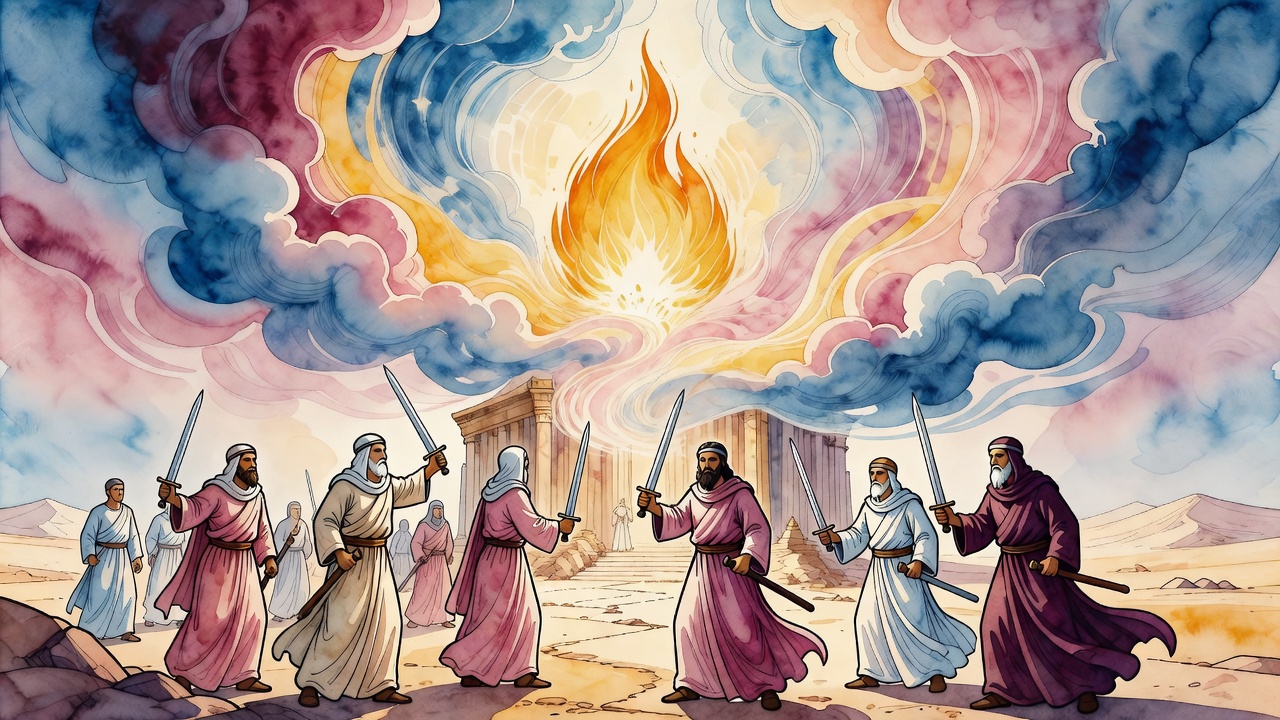
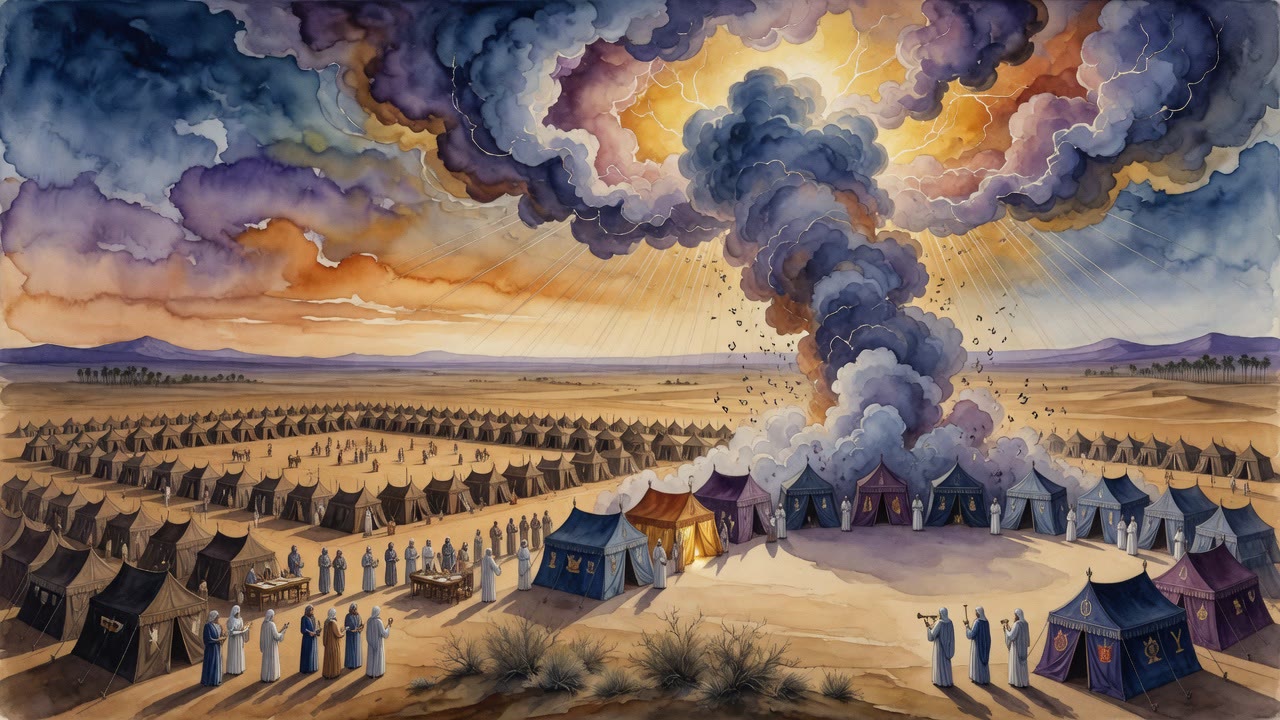
The fourteenth of Nisan came up over a camp that already knew the calendar and still did nothing with it. Goats bleated. Women scraped dough from boards. Children ran between tents. No one led a lamb toward the place of slaughter except a thin line of men from Levi, whose hands already smelled of incense and blood.
 Click for full size
Forty years would pass under cloud and fire. Israel would later count the Pesach offerings of that long road and find almost nothing. One lamb in the first month of the second year, offered on the fourteenth as the Torah required (Numbers 9:5). Then silence. The calendar kept turning. The people kept walking. The altar of the Levites did not go cold.
One Night, Then Empty Tables
That first wilderness Pesach still lived in the mouths of the old. They remembered the lamb, the bitter herbs, the haste that had once been real and was now a habit of speech. They remembered Egypt's doorposts and the cry that rose when the firstborn fell. After that night, year after year, the fourteenth came and the camp treated it like any other stretch of sand.
Amos would ask the hard question in a later age: "Did you bring sacrifices and meal-offerings to Me for forty years in the desert?" (Amos 5:25). The answer that lands is almost empty. Not because the people forgot the story of leaving, but because they stopped putting meat and blood where the story demanded them.
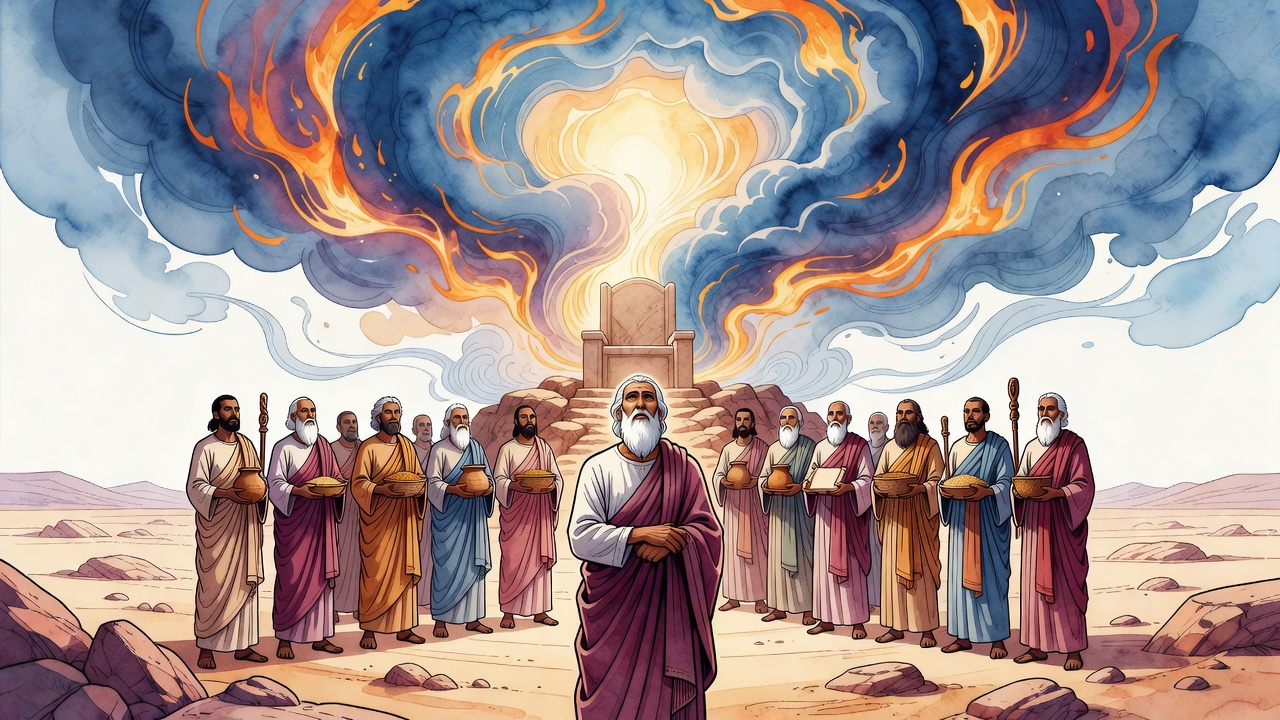
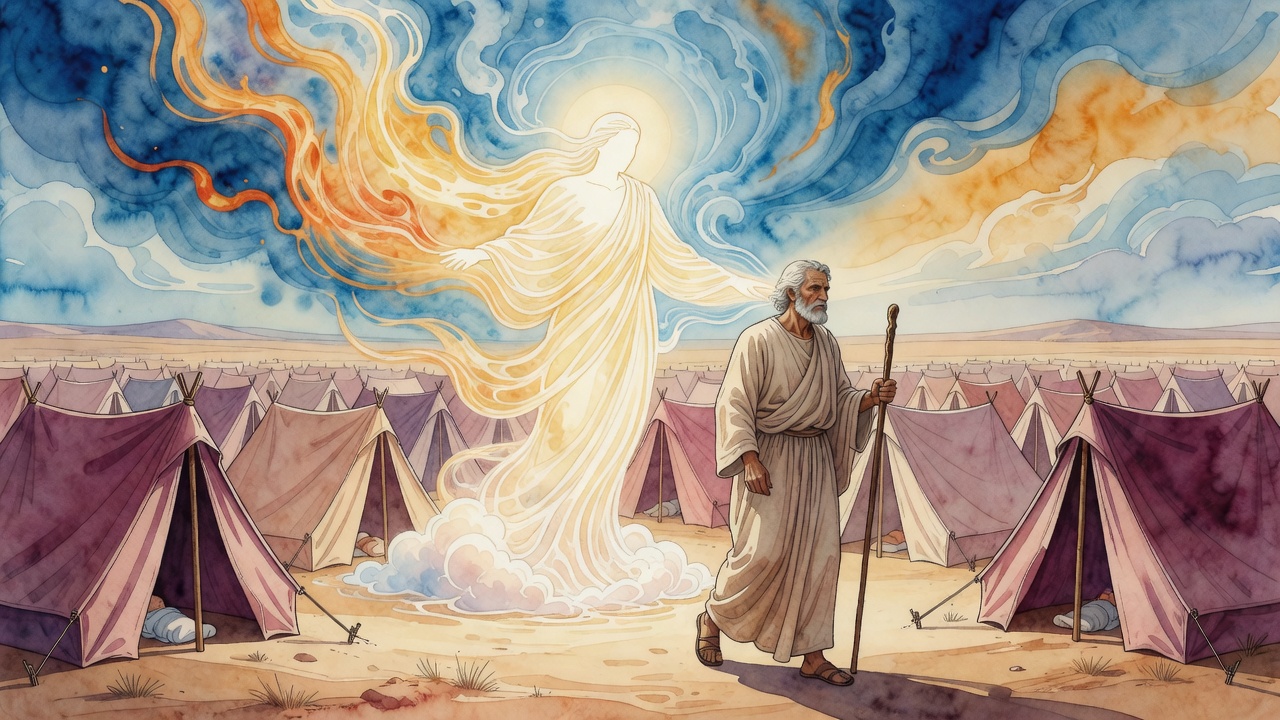
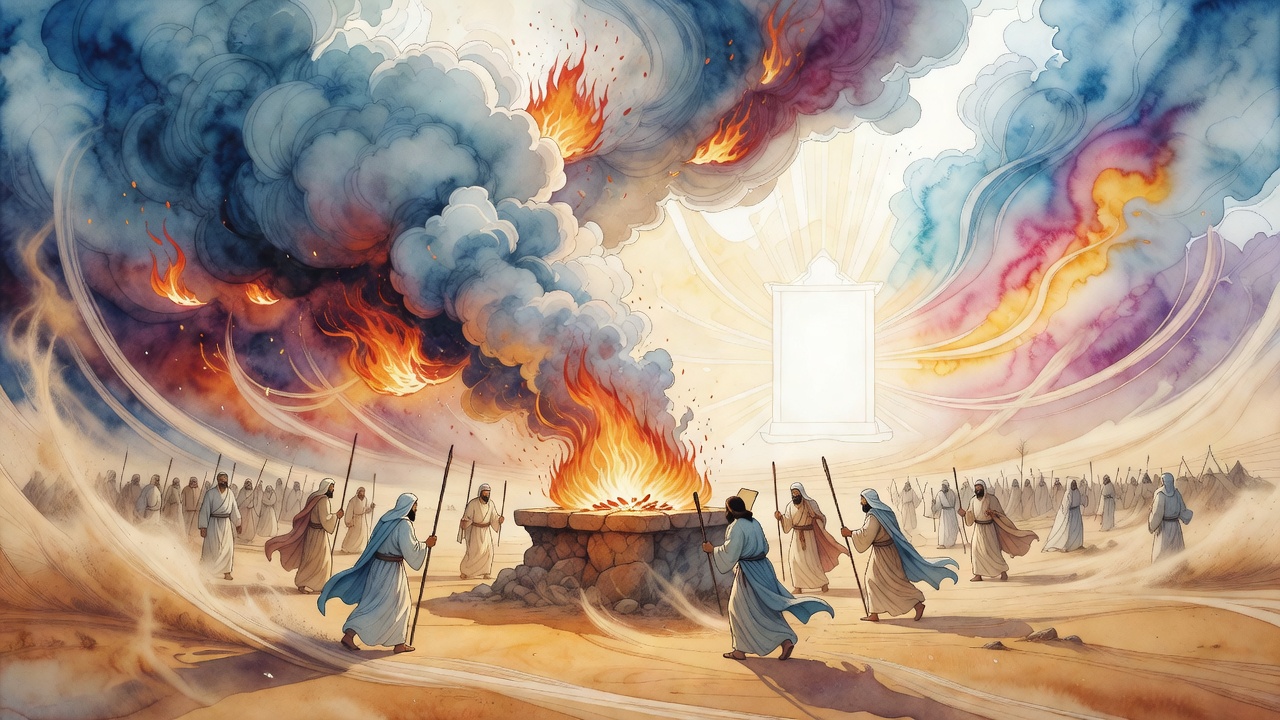
Levi did not stop. When other tribes let the day pass with cooking smoke only from ordinary pots, Levite hands still set incense before God and burnt-offering on the altar, as Moses would bless them for doing (Deuteronomy 33:10). The camp smelled of dust and flock. Near the sanctuary it still smelled of a fire that had not taken a vacation.
The Gate That Sorted the Tribes
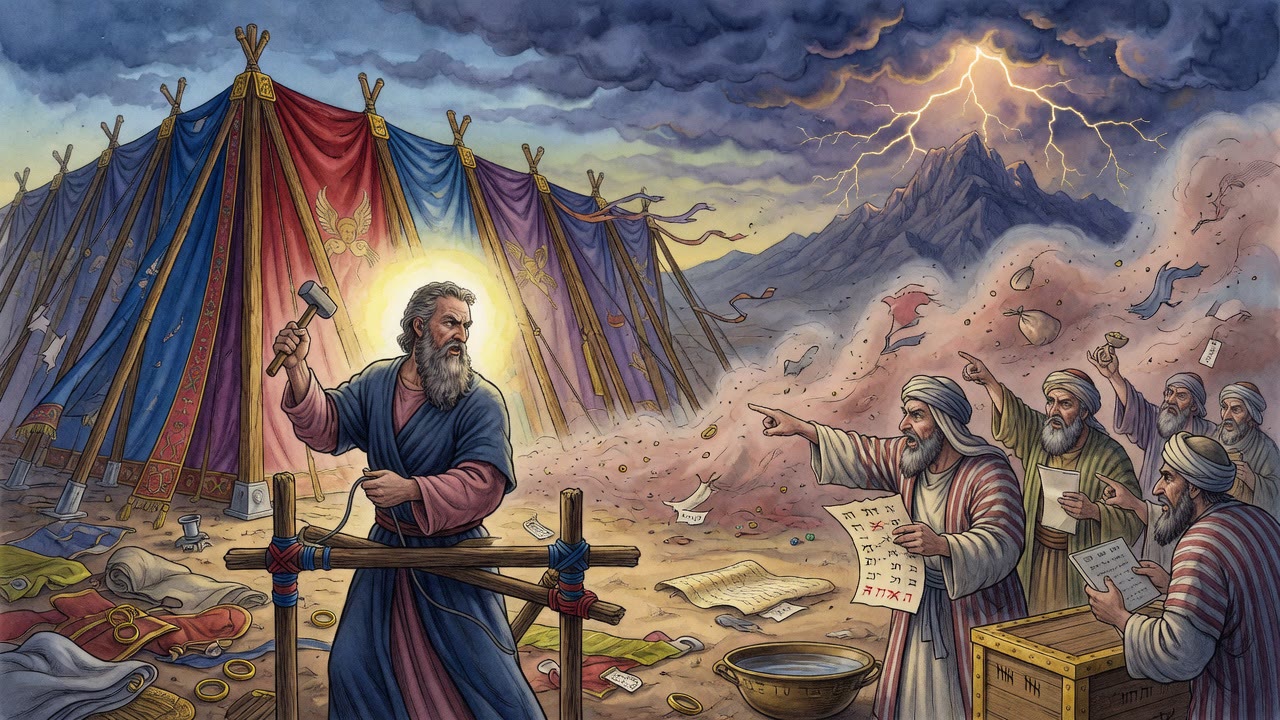
The reason lived in an older night, when gold had taken the shape of a calf and the camp roared. Moses stood in the gate and drew a line no family wanted to cross.
"Whoever is for the Lord, come to me!" (Exodus 32:26).
All the sons of Levi gathered to him. Swords found thighs. The work that followed cut through brother and neighbor and kin. Levi kept the commandment that forbids other gods (Deuteronomy 33:9). The rest of Israel fell into the service of the image. From that hour the tribes were no longer the same kind of people under one cloud.
A Levite who later stood with a knife over a lamb on a lonely fourteenth carried that gate in his bones. He had not been born yet when the gold shone, or he had been a child watching his father cross the line. Either way, the tribe's answer had already been given. Continuity at the altar was not a hobby. It was the long echo of a night when other tribes chose a molten animal and Levi chose a living God.
A Coin That Could Not Buy Levi Back
Years into the march, a father from Dan brought five shekels to a priest for a firstborn son who had lived past thirty days (Numbers 18:16). The coins left his palm. The boy stayed with the household. The walk home felt ordinary again.
A Levite father did not make that walk with the same weight. The tribe already belongs. Other households ransom a firstborn back into private life. Levi was never released from service, so no purse buys a Levite son out of the sanctuary's claim. Unclean firstlings wait for handling. A human firstborn from the other tribes waits thirty days. Levi waits on God every day, without a coin that returns him to ordinary life.
The man who paid for his Danite grandson watched a Levite cousin pass toward the sanctuary with no purse for his own son and felt the difference without needing a speech. One household rented its firstborn back from holiness. The other household had already given the whole line at the gate.
The same split showed up on the eighth day. Israel born on the road went uncircumcised until the Jordan (Joshua 5:5). Levite fathers still took the knife to their sons in the sand, because the covenant they had kept at the calf they kept in the flesh as well (Deuteronomy 33:10).
Smoke When No One Else Came
On a later Nisan the heat came early. A Levite named for his grandfather lifted the knife while the camp beyond the ropes argued over water and shade. No parade of lambs from Judah. No line from Ephraim. Only the men whose fathers had answered Moses, and the animals the sanctuary required, and a sky that did not applaud.
Blood hit the basin. Fat burned. Incense climbed. Somewhere a child asked why the neighbors were not bringing sheep and received a shrug for an answer. The child would grow up counting one famous Pesach in the stories of the road and many ordinary years when only Levi made the day look like itself.
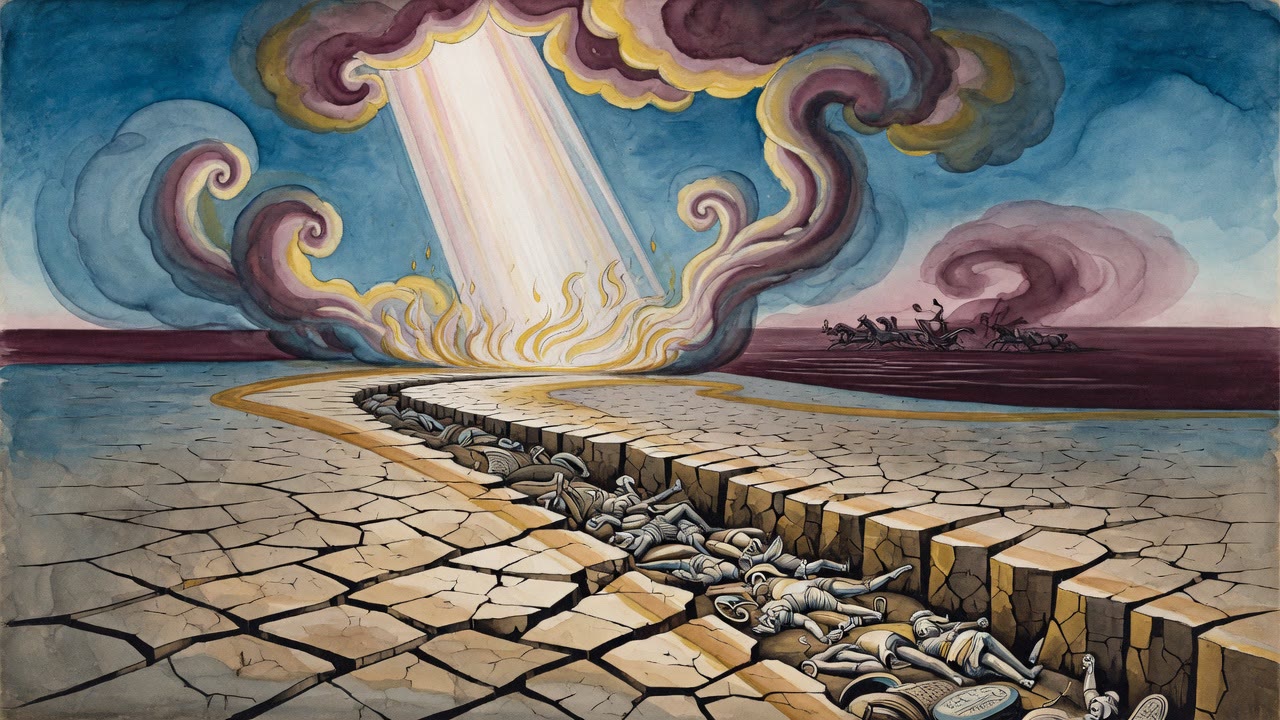
When the cloud finally lifted toward a land of planted fields, the ledger was already written. Israel had left Egypt with a night of blood on the door and then, for most of forty years, let the anniversary thin to memory. Levi had not let the altar go quiet. The disparagement fell where the offerings failed. The blessing fell where the smoke kept rising.
At dusk the Levite washed his hands and walked back through a camp that had eaten well without remembering Egypt's cry. Behind him the sanctuary still held the smell of a tribe that never unlearned the gate.
← All myths