Midnight Divides Itself for Egypt's Firstborn
Moses says about midnight because flesh cannot clock Heaven. The night splits, firstborn tremble, and two midwives once taught Egypt what life costs.
Table of Contents
 Click for full size
About Midnight Leaves Pharaoh No Exact Hour
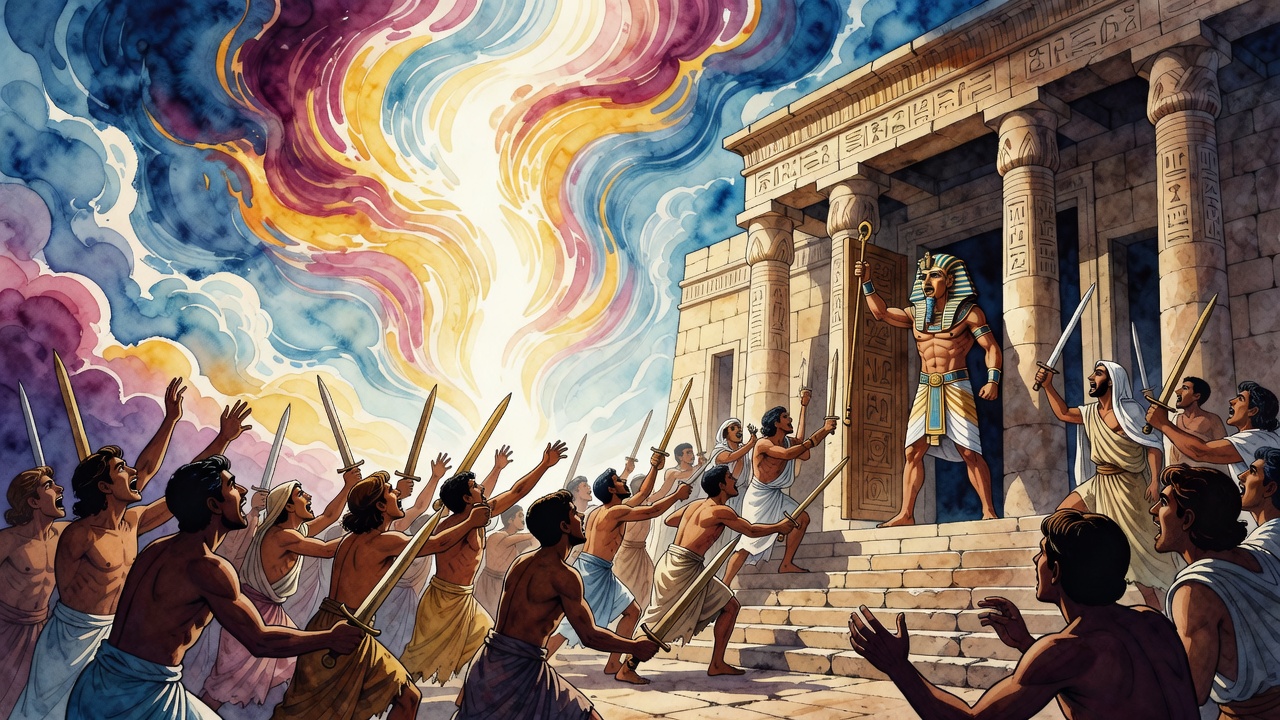
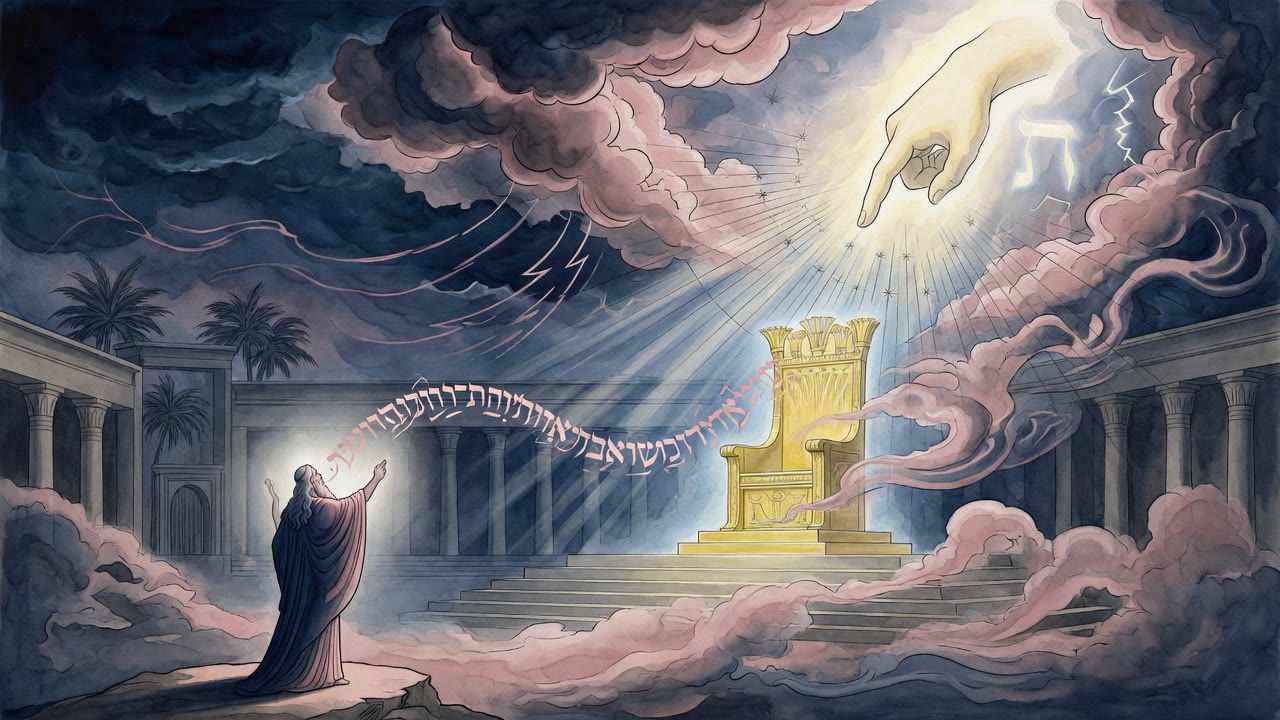
Moses stands before Pharaoh and will not give him a clean clock. "About midnight," he says, the firstborn will die (Exodus 11:4). Flesh and blood cannot mark the precise seam of the night. The Holy One can. The plague will fall not a hair early or late, at the moment Heaven alone owns.
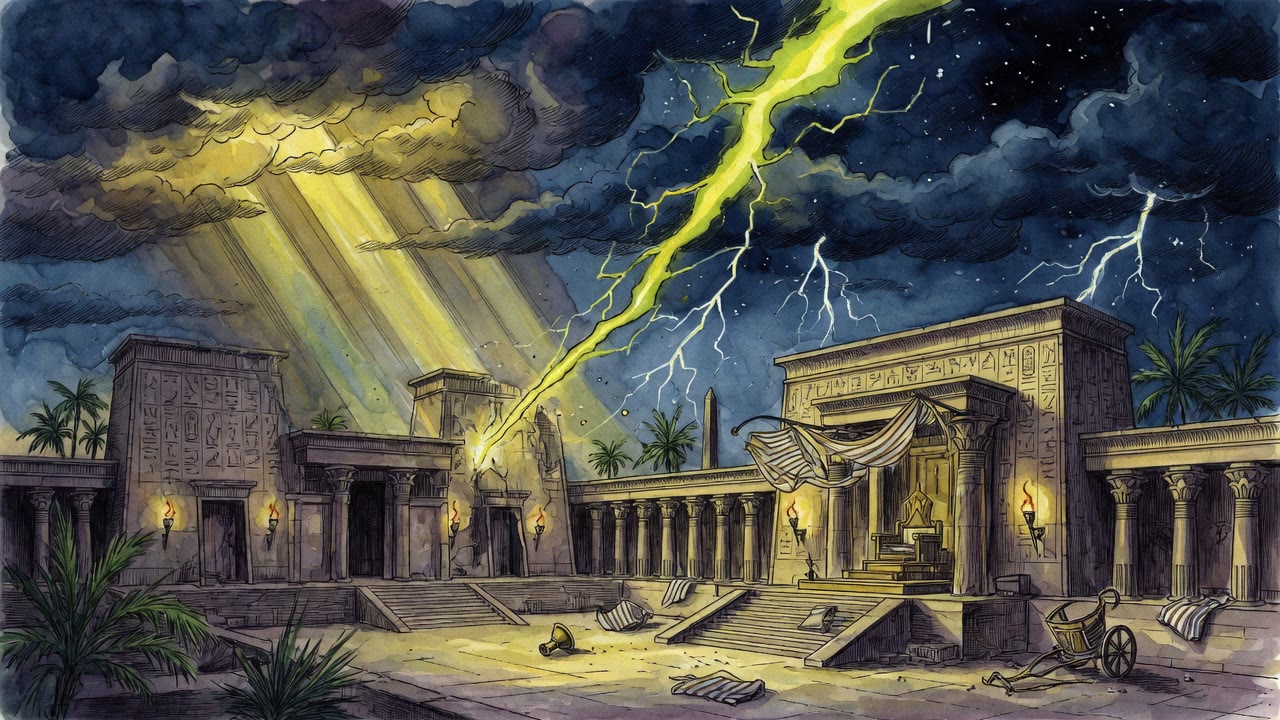
Pharaoh hears vagueness and smirks the way kings smirk when prophets refuse their instruments. Israel hears precision too fine for a human tongue. In Goshen, lambs are already chosen. Blood waits for doorposts. Children ask why the adults move like people packing for a storm that has a schedule.
Moses leaves the court with the word "about" still hanging in the air like a blade wrapped in cloth.
The Night Splits Like a Body
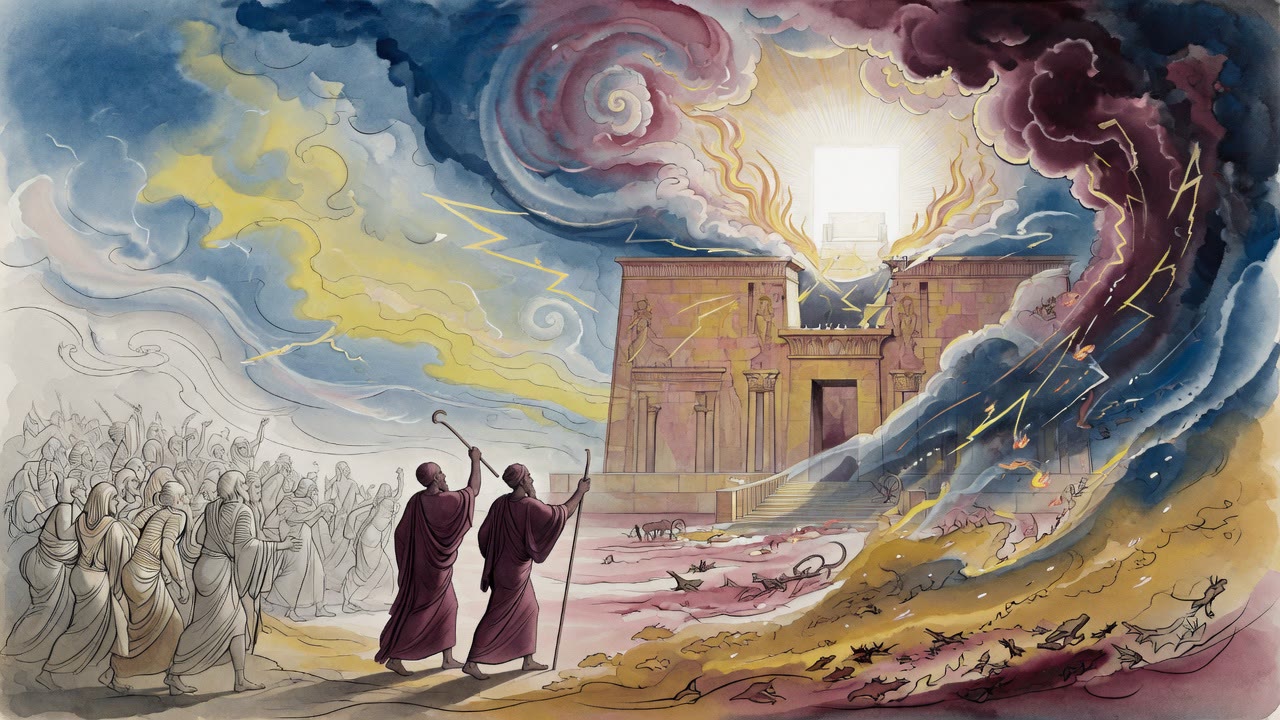
Who divides the hours so the blow lands true? One teacher says the night divides itself. Another says the Creator divides it, as when Abraham divided the night against the kings (Genesis 14:15). Rabbi Tanchuma hears a promise across generations: your father set out with Me at midnight, and I will set out with his children at midnight. Abraham's dark road and Israel's dark road answer each other across centuries of the same clock.
Your father was with Me from the previous night until midnight, the teaching continues, and I will be with his children from midnight until morning. The partnership flips sides of the hour like a covenant that remembers who walked first.
For God, darkness is not darkness. "Even the darkness is not too dark for Thee; the night shines as the day" (Psalm 139:12). What humans call midnight is still "day" in the grammar of the One who named evening and morning one day (Genesis 1:5). The death of the firstborn happens "on the day" even while Egyptian lamps gutter in terror.
Trembling from Evening to Morning
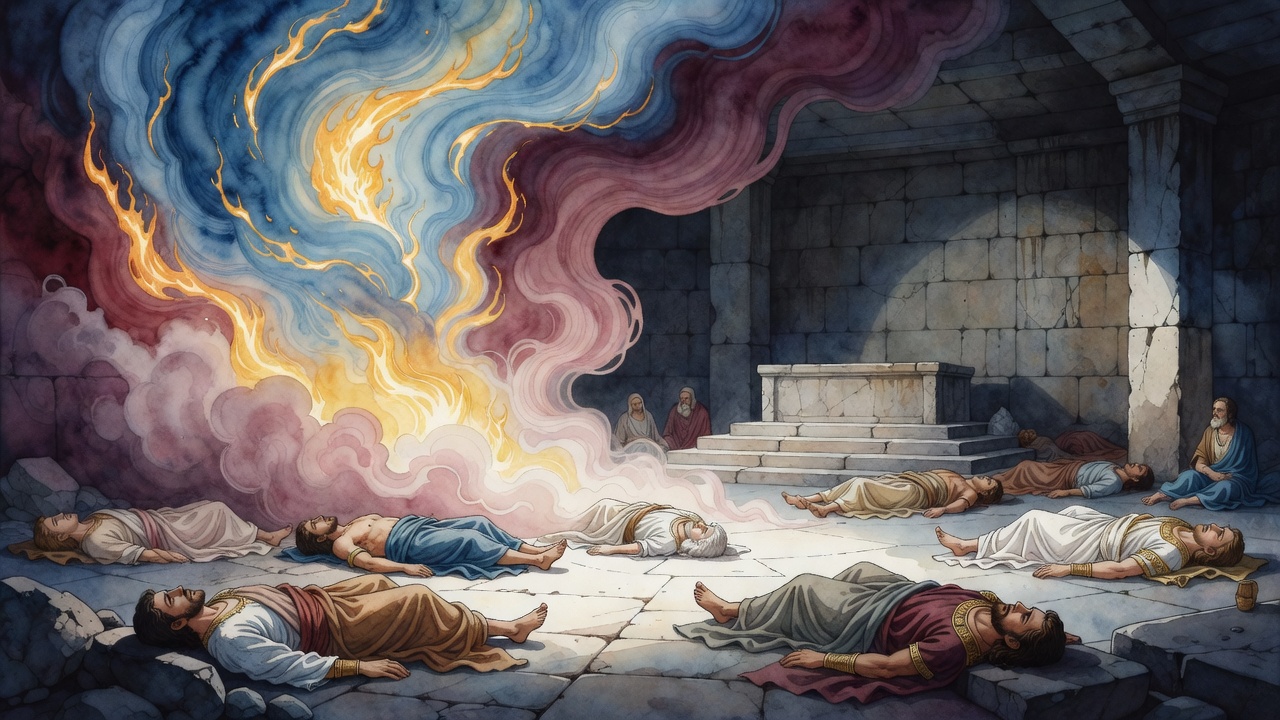
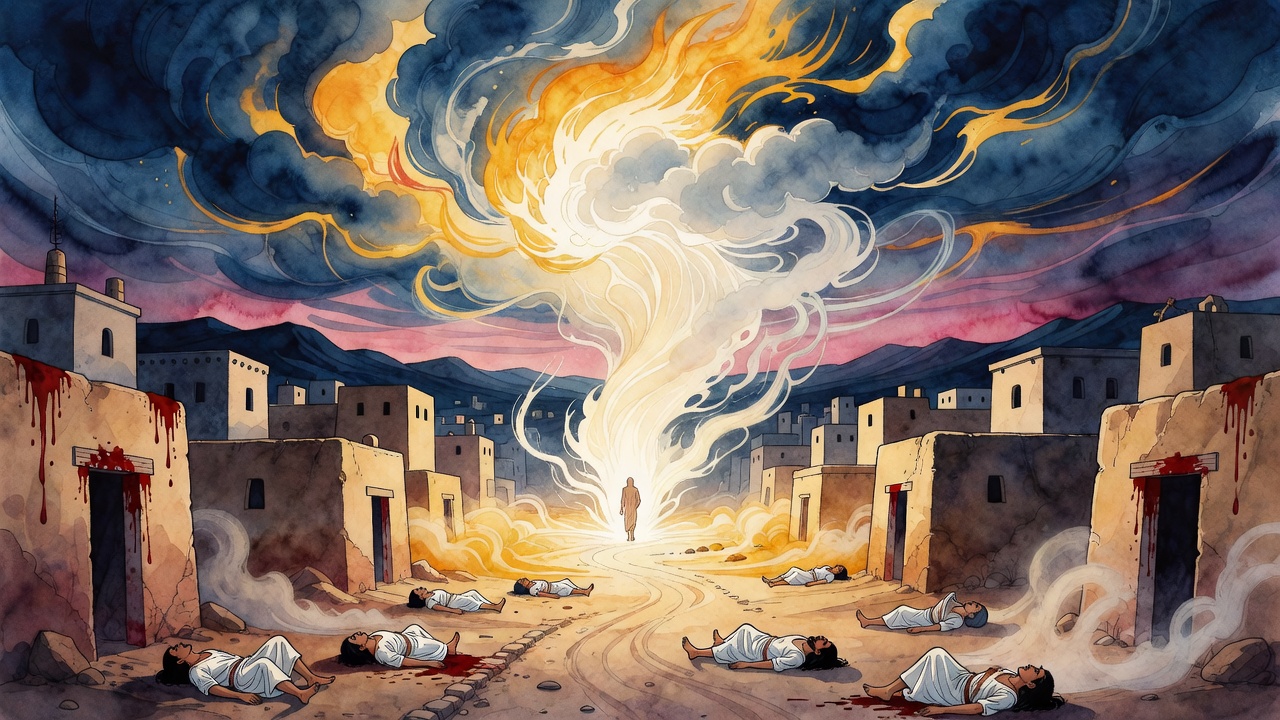
The Egyptians are struck in the evening. Their bodies tremble all night. They die toward the daytime, so the house that screams "we are all dying" lives a death that spans both halves of the clock (Exodus 12:33). Blood on the Israelite doorposts keeps the destroyer outside while Egypt learns that time itself has taken sides.
On that same stretch of hours God sanctifies Israel's firstborn. One night, two verdicts: death for the house that enslaved, dedication for the house that leaves. Numbers will later say God struck Egypt's firstborn on the day He sanctified Israel's (Numbers 3:13). The calendar refuses to separate the wound from the consecration.
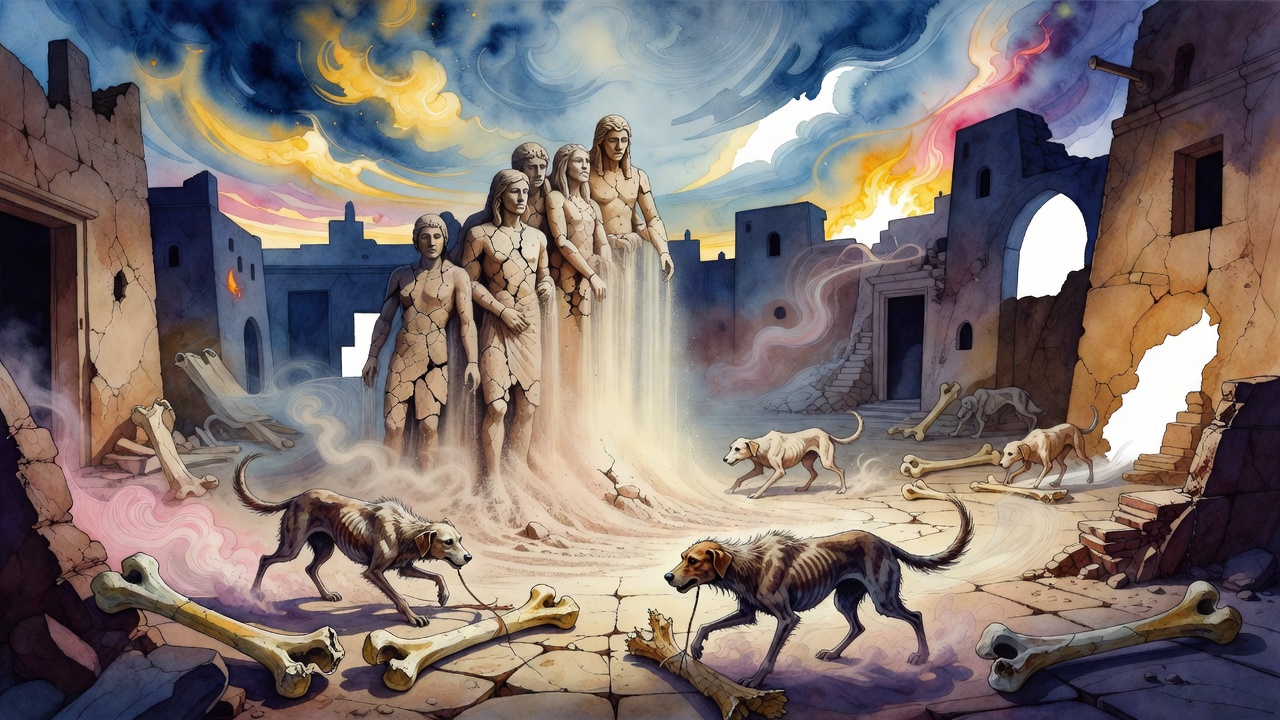
Dogs do not bark in Goshen. In Egyptian streets the barking is human.
Two Midwives Who Refused Pharaoh's Knife
Years earlier the same empire tried to kill Israel at the cradle. Pharaoh summoned midwives named Shifrah and Puah. The midrash unmasks them as Yocheved and Miriam. Shifrah: she made the people fruitful, or wore the people's fruitfulness as a name, or carried a word of praise that also garnishes the heavens (Job 26:13). Puah: she cried out and the trapped child came into air, or shone with good deeds, or wept over her baby brother set adrift on the Nile while she stood afar off (Exodus 2:4).
They would not kill. They multiplied life under a decree of death. Pharaoh's throne learned early that two women with strong hands could refuse him. The empire that could not stop those midwives now cannot stop a midnight that answers only to God.
Somewhere in the leaving camp, old hands still know the shape of a living child. Midnight did not invent God's preference for life. It only made the preference loud enough for an empire to hear.
Morning After the Split
When the night finally finishes dividing, Egypt is a landscape of firstborn silence and Israel is a people already half gone toward the sea. Dough not yet leavened rides on shoulders. Moses' "about" has proven safer than any court astronomer's exactness. Human clocks serve kings. Heaven's seam serves the promise made to Abraham in the dark.
Pharaoh will still chase. The sea will still open. But the first true freedom is this: a night that would not obey Egyptian time, a people who marked doors while their masters marked graves, and a memory of midwives who taught that the first resistance to Pharaoh was the refusal to stop a birth.
Walk out under a sky that has just finished a war of hours. The stars look ordinary. They are not. They watched a night divide itself and chose a side.
A firstborn Israelite boy touches the dried blood on his doorframe and does not yet know that his life and an Egyptian boy's death were timed by the same seam. Mothers in Goshen count heads. Mothers in Egypt count absences. Between those two counts the people of Israel put staff in hand and face the road that midnight opened.
Pharaoh's magicians have no spell for a clock that will not obey them. Moses' "about" remains the most honest word spoken in that court, because only God owns the exact middle of the dark.
← All myths