Captive Firstborn Died to Silence False Gods
At midnight God struck dungeon captives' firstborn with Egypt's heirs. Survival would have let foreign gods steal credit for Israel's freedom.
Table of Contents
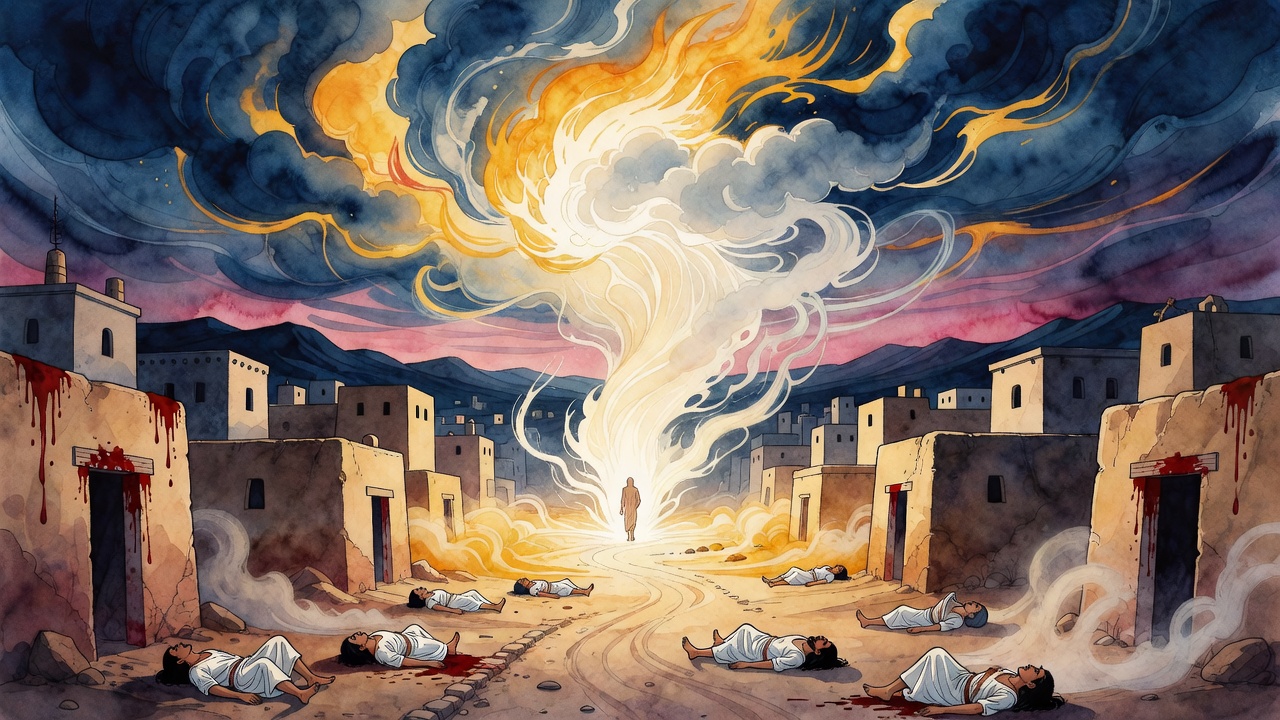
Midnight found prisoners in Egypt's dungeons still wearing another nation's chains when the scream began. "The LORD struck all the firstborn in the land of Egypt, from the firstborn of Pharaoh who sat on his throne to the firstborn of the captive who was in the dungeon" (Exodus 12:29). The heir in the palace fell. The heir in the pit fell with him.
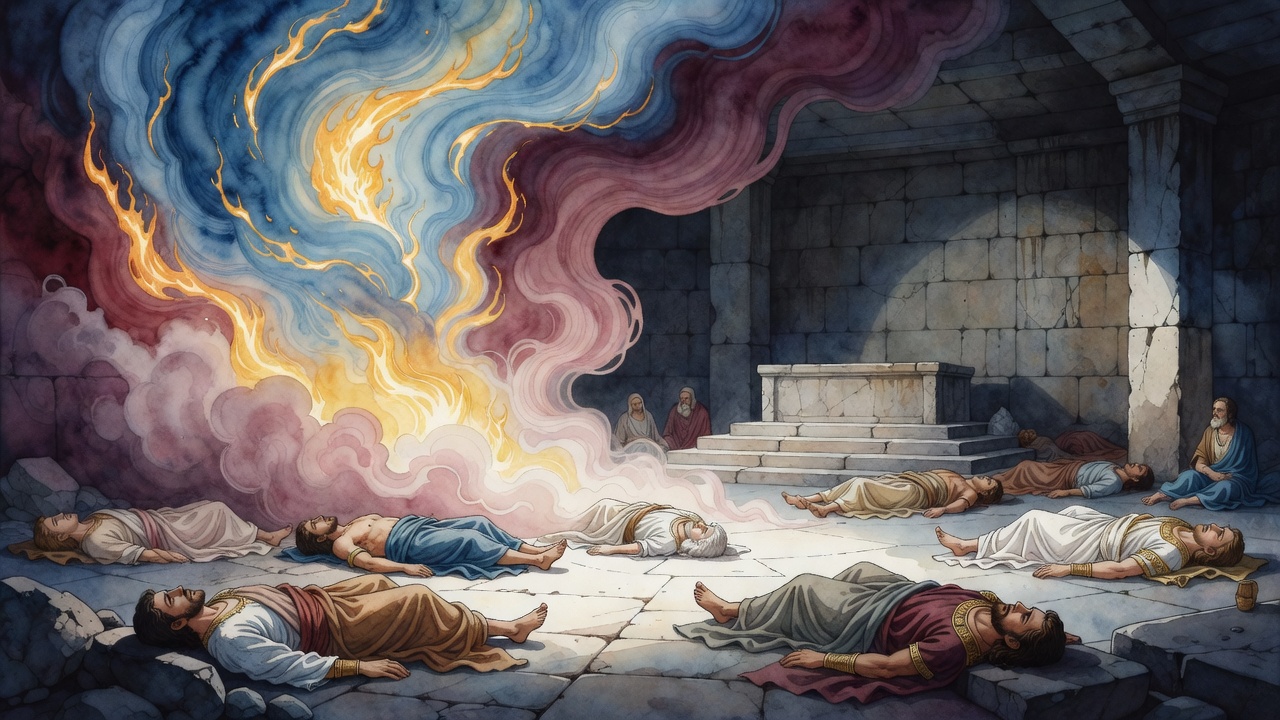 Click for full size
What had the captives done? They were already crushed under Egypt's stone.
The Claim Heaven Refused to Leave Alive
The Mekhilta will not let the question stay soft. The captives suffered under Egypt as Israel suffered. Why kill their firstborn too? The answer turns on what morning would have said if those boys had lived. Surviving captives would have pointed at the corpses of Egyptian heirs and cried, our god did this. Our god avenged our imprisonment. Our god is strong.
Israel's freedom would have become evidence for foreign altars. The plague would have been stolen mid-miracle and fed to idols. So the blow reached the dungeon. Not because the prisoners' guilt matched Pharaoh's cruelty measure for measure in every private sin, but because the story of the night had to remain unshareable. One God. One act. No rival taking a bow on the stage of Egypt's grief.
Theology here is brutal and clear. Liberation that can be misread as another pantheon's victory is not finished work. The Mekhilta cares about the song Israel will sing, and it cares about the lie that must not be born in a foreign throat before that song starts.
Servants of a King, Not of Servants
When the Ten Commandments later open with "who took you out of the land of Egypt," the same midrash family pauses on dignity. Israel had been slaves, yes. Slaves to whom? To Pharaoh, a king, not to slaves of slaves. Deuteronomy names the hand that held them: "from the house of servants, from the hand of Pharaoh, king of Egypt" (Deuteronomy 7:8).
Political subjugation under a sovereign is degradation enough. Subjugation under another piece of property would have been a deeper shame, a double nullifying of status. The Exodus does not only free bodies. It frames the status of the people who leave. They were royal prisoners of empire, not the lowest rung of a slave's slave. The God who takes them out is not collecting scraps from the bottom of the market. He is breaking a king's hold.
Midnight's dead firstborn, palace to pit, clears the field so that the God who takes them out is not confused with the gods of other locked rooms. Status language and plague language serve one exit narrative.
Pharaoh's Voice in the Dark
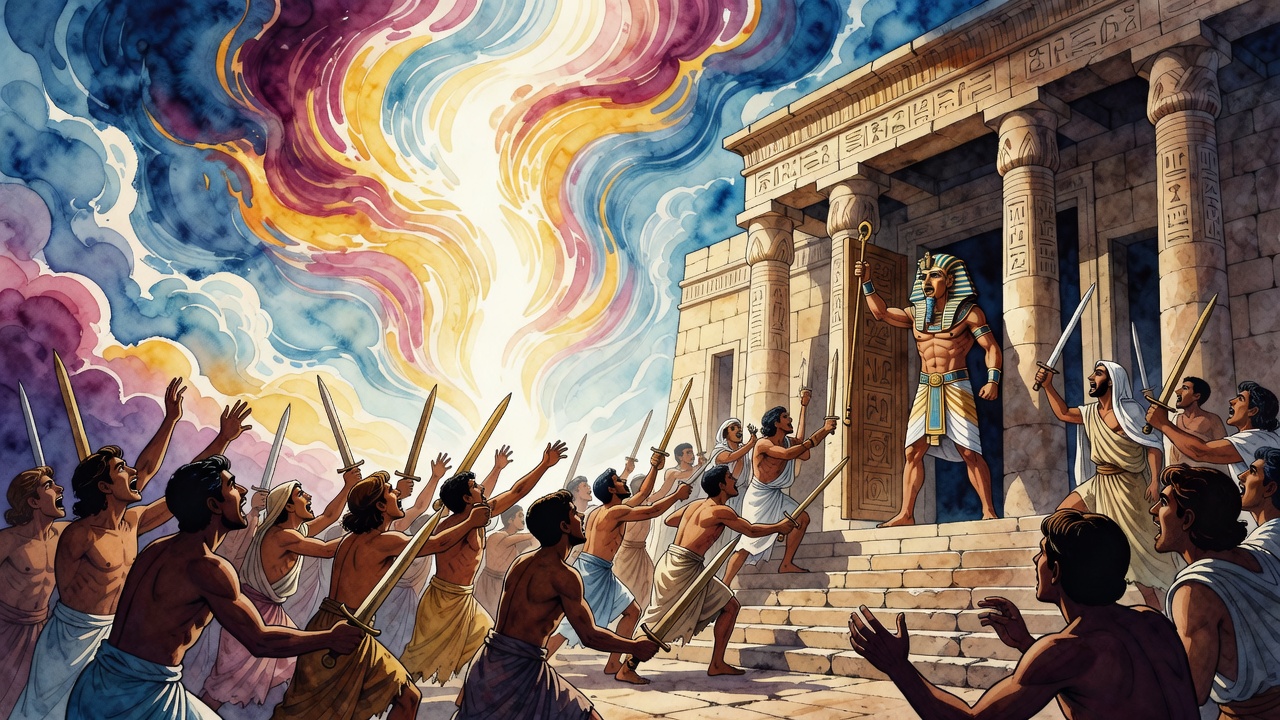
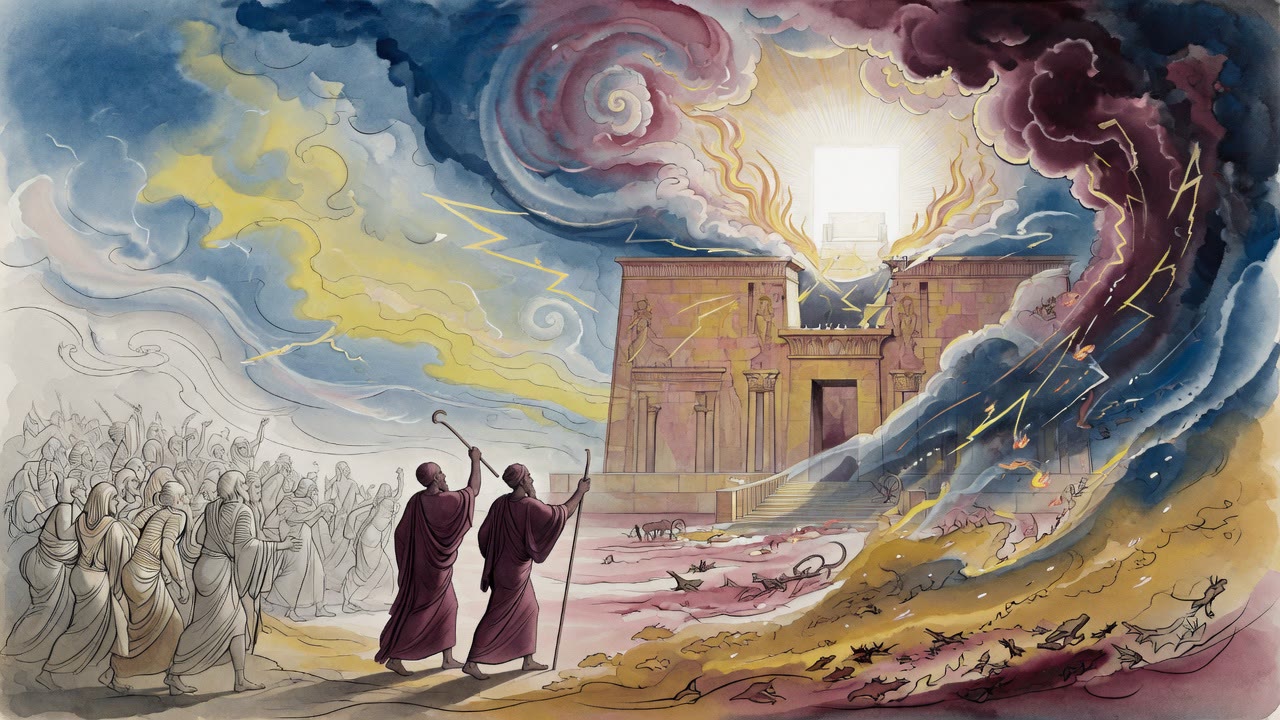
Pharaoh rose in the night and the night answered with his own cry. He called for Moses and Aaron while the houses of Egypt learned a new sound. "Go, serve the LORD." The king who had hardened himself now begged the slaves to leave, and to take blessing with them, as if a blessing could patch a kingdom of firstborn graves.
The Mekhilta keeps the panic close to the ear. This is not a calm policy reversal at dawn court with scribes and seals. It is a throne room without sleep, a ruler who has discovered that the God of the Hebrews does not negotiate through lesser deaths alone. From throne to dungeon the same hand moved. There is no safe tier left in the social map of Egypt.
Israel walking out in the morning carries matzah and the memory of a scream that did not stop at the palace steps. The dungeon joined the palace in one grammar of loss, and Pharaoh's mouth finally said what his heart had refused for plague after plague.
What the Dungeon Learned
Somewhere under stone a captive family counted its dead and could not thank its old gods. That silence is part of the redemption. The midrash will not romanticize the captives' deaths. It will also not let their survival become a missionary tract for idolatry. The hard teaching stands: midnight belongs to the God who takes servants of kings out of a king's land, and who will not share the credit with the idols of the pit.
Later generations who redeem their own firstborn wait thirty days, consecrate, remember. The original night had no gentle schedule for Egypt. It had a single pressure. Leave no living proof that someone else swung the sword of the tenth plague. The firstborn of beasts fall in the same wide stroke. The question "what sin did the beasts do" receives the same family of answers about credit, claim, and the refusal to leave loopholes for false worship.
When Israel tells the story at the table, the dungeon is not a footnote. It is the verse's way of saying the night was total, and the Author of the night would not be plagiarized by morning.
← All myths