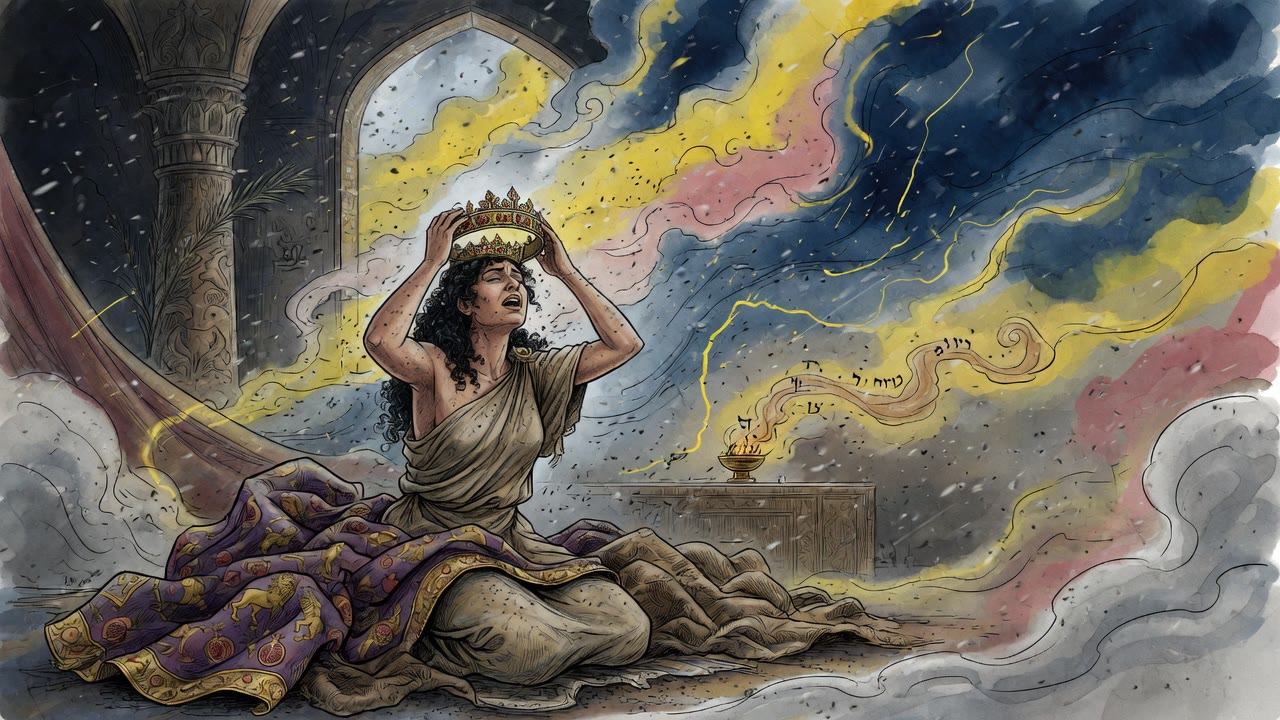
Mordecai Warned Esther That Silence Would Cost Her House
Through a messenger at the palace wall, Mordecai told Esther that God would still save Israel, but her silence could erase her own name from the rescue.
Table of Contents
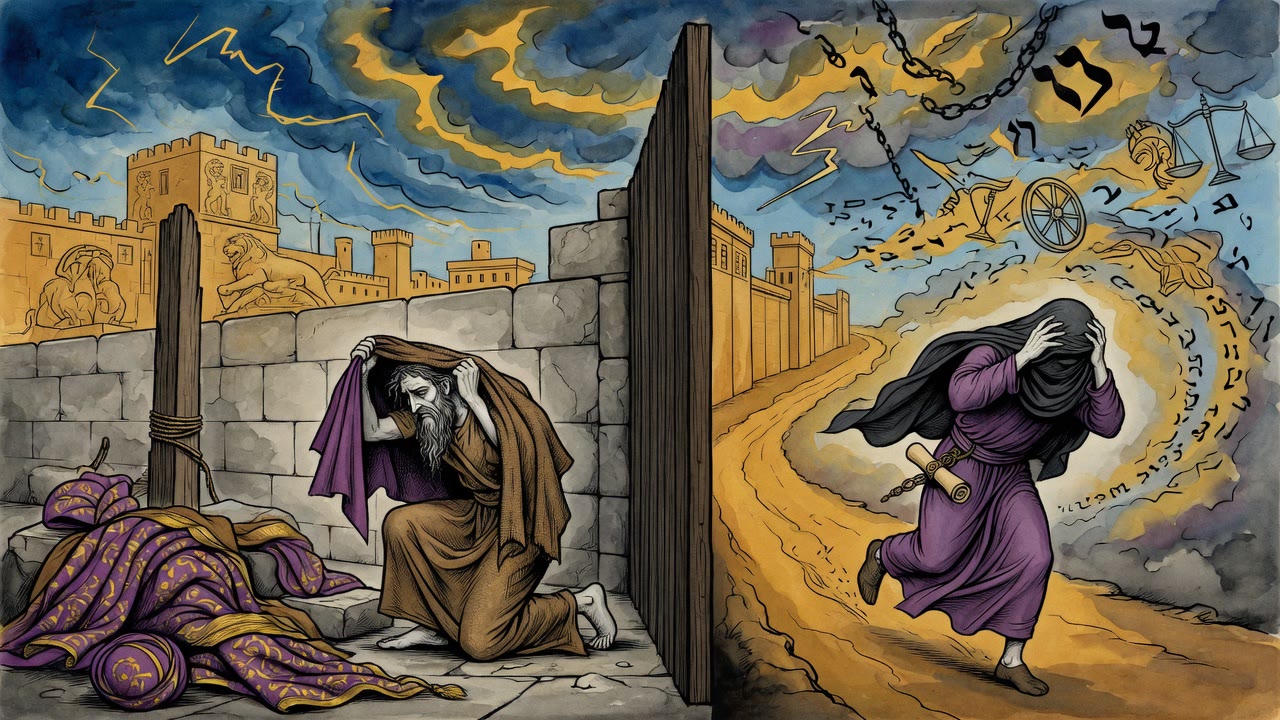
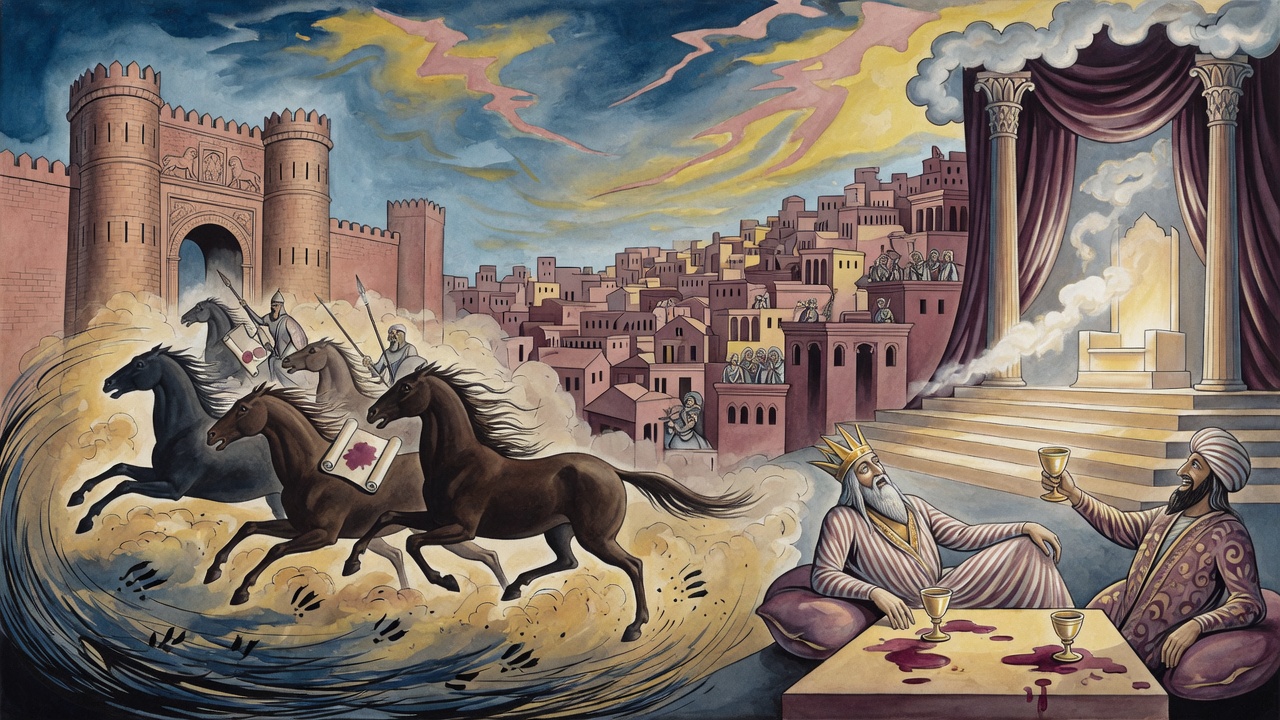
Hathach came back from the gate with dust on his hem and a message that would not fit neatly into court language. Outside, Mordecai still wore the harsh cloth of a man who had stopped pretending the week was ordinary. Inside, Esther held a crown that made every public step a risk of death. Between them the empire's kill date kept approaching, and the messenger's mouth had to carry a sentence sharp enough to cut palace caution.
 Click for full size
"If you are silent at this time," Mordecai said through him, "relief and deliverance will arise for the Jews from another place, and you and your father's house will perish" (Esther 4:14). He did not beg. He measured her.
Two Kinds of Silence
The first silence was political. A queen who enters the inner court unsummoned can die for the interruption. Esther knew the law of the scepter. That silence smelled like survival.
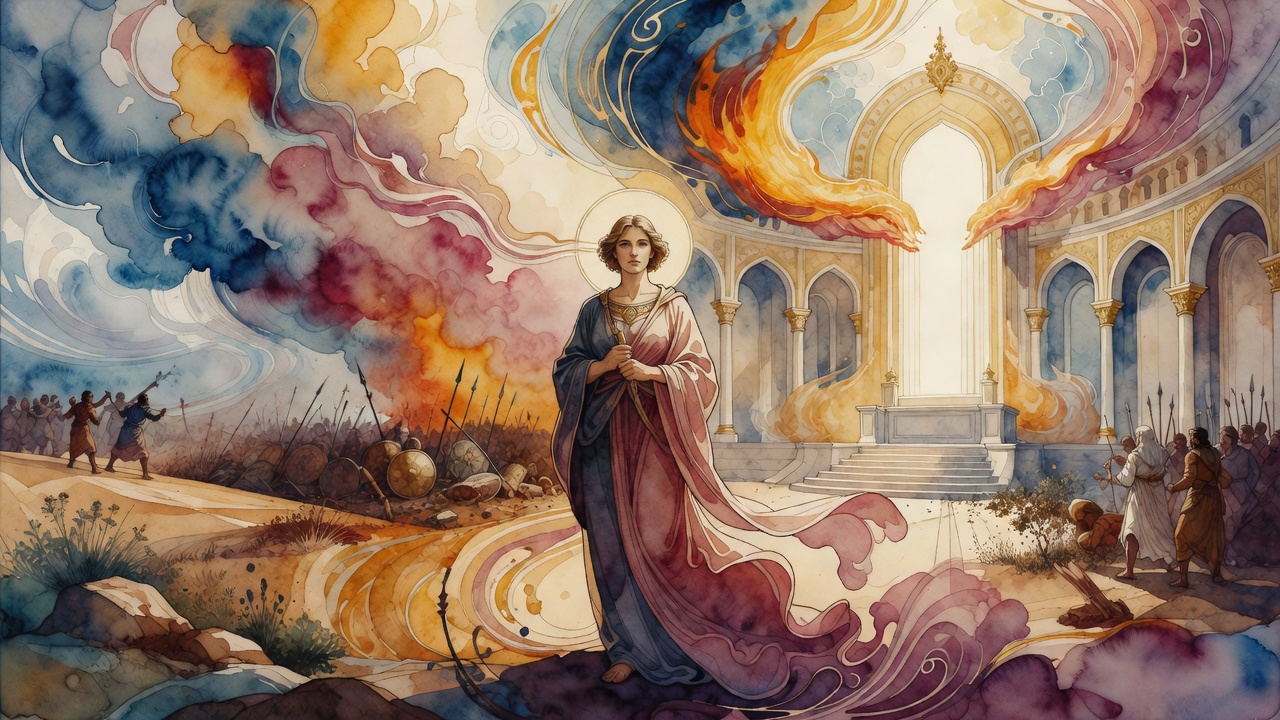
The second silence was spiritual. The midrash hears Mordecai push past the palace rule into the world to come. If she refuses the good that is within reach now, she will stand later with nothing to claim. A person is judged by the opening she held in her hand and did not take. The crown was not only jewelry. It was a rare aperture in history, and apertures close.
Israel Is Not Hostage to One Throat
Mordecai's confidence cut two ways at once. Do you imagine the Holy One will abandon Israel? Never. Rescue will rise from another quarter if not from you. That line freed Esther from the fantasy that the whole people depended on her nerves alone. It also stripped her of the fantasy that she could decline without cost.
The nation would live. Her house might not share the merit. Deliverance was guaranteed. The privilege of being its instrument was not. That is a harder pressure than simple doom, because it leaves the hero able to fail without ending the story, which means the failure is purely hers.
While the Provinces Wailed
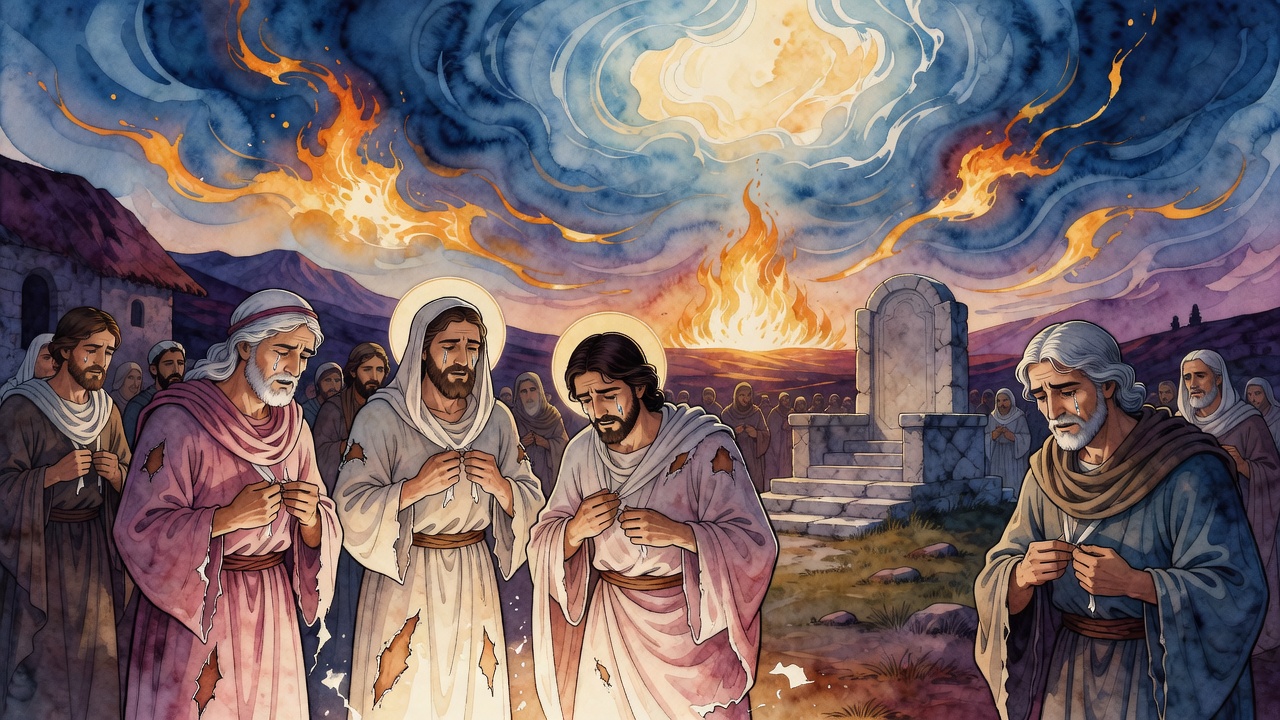
Beyond the wall, in each province where the decree had arrived, mourning did not soften with the days (Esther 4:3). Comforters had no remaining son to bless. Every sunrise subtracted from a short store of life. Esther's delay was not private. It ran on the same clock as ash in distant markets and children asking which month would kill them.
Mordecai had already refused to treat the crisis as a rumor. Sackcloth at the gate was his answer to court perfume. Now he demanded that the queen's body join the risk her people already carried without choice.
For a Time Like This
"Who knows if it was for a time like this that you attained royalty?" The question is not flattery. It is an accusation wrapped as wonder. The throne was not a prize for beauty alone. It was a placement. Heaven's casting is exact when it wants a hand near a scepter at the hour a decree must be answered.
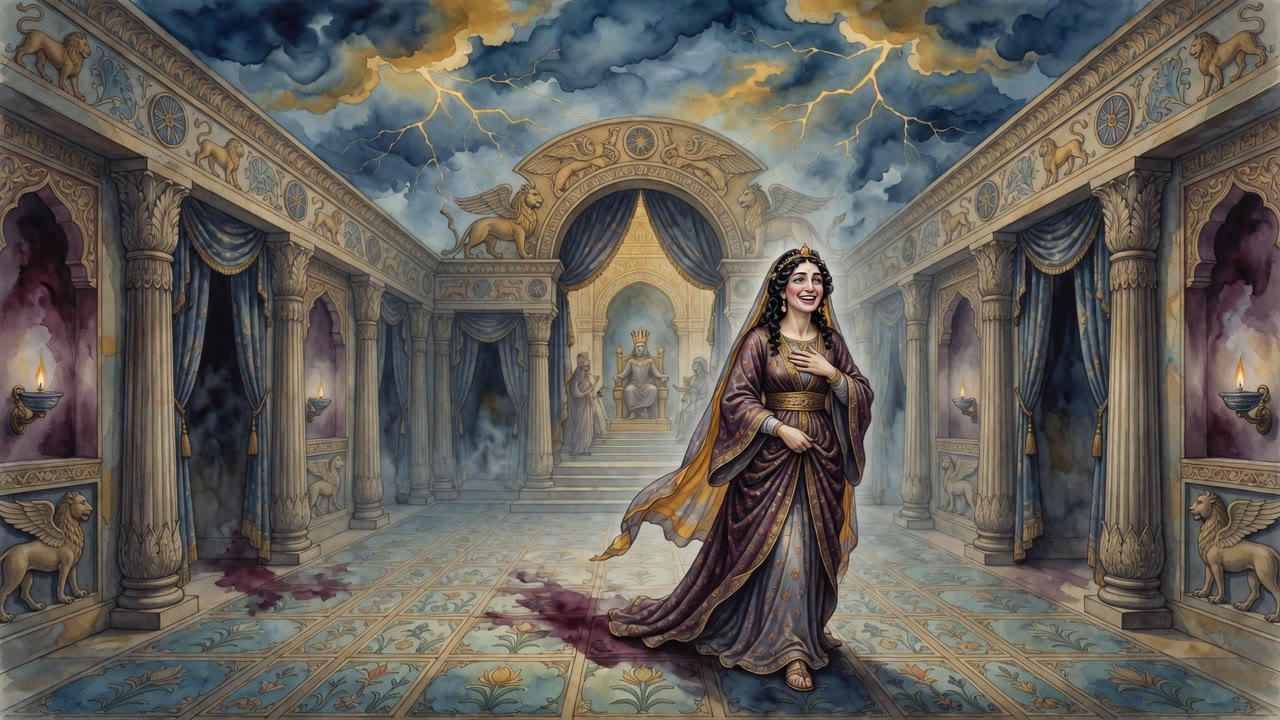
Esther heard the message and the sealed world of the harem cracked. Fasting would come. The walk toward the king would come. First came the decision that silence itself could be a kind of death, slower than the sword and harder to mourn in public.
She sent word back. She would go. If she perished, she perished. The messenger turned again toward the gate, carrying not a philosophy but a woman's consent to stand where the law said she might not stand.
The Messenger's Third Crossing
Hathach learned the weight of doorways. Palace to gate. Gate to palace. Each crossing carried a thicker sentence. First the facts of the decree and the silver. Then Mordecai's command that Esther go in to the king. Then the queen's fear of the law of the inner court. Then the answer that split theology from biography: Israel will be saved; your house may not share the saving if you refuse the opening in your hand.
Esther's rooms still smelled of oils and polished wood. Outside, mourning cloth smelled of dust and unwashed fear. The messenger's body was the only bridge between those climates. He did not editorialize. He repeated. In a crisis, exact repetition is a kind of courage.
When Esther finally chose to fast and to go, the choice did not erase the earlier silence that had been possible. It canceled it. The midrash wants that near-miss remembered. Royalty is not proved by the crown's metal. It is proved by whether the wearer spends the crown at the hour the crown was for.
In the provinces the days kept subtracting. Esther's yes did not instantly stop the arithmetic. It placed a body on the path of the arithmetic. That is all a human can do when heaven has already promised the people will live: offer to be the place where the promise becomes visible, or step aside and let another name take the merit.
← All myths