Mourning Grew Heavier as Each Day Was Subtracted
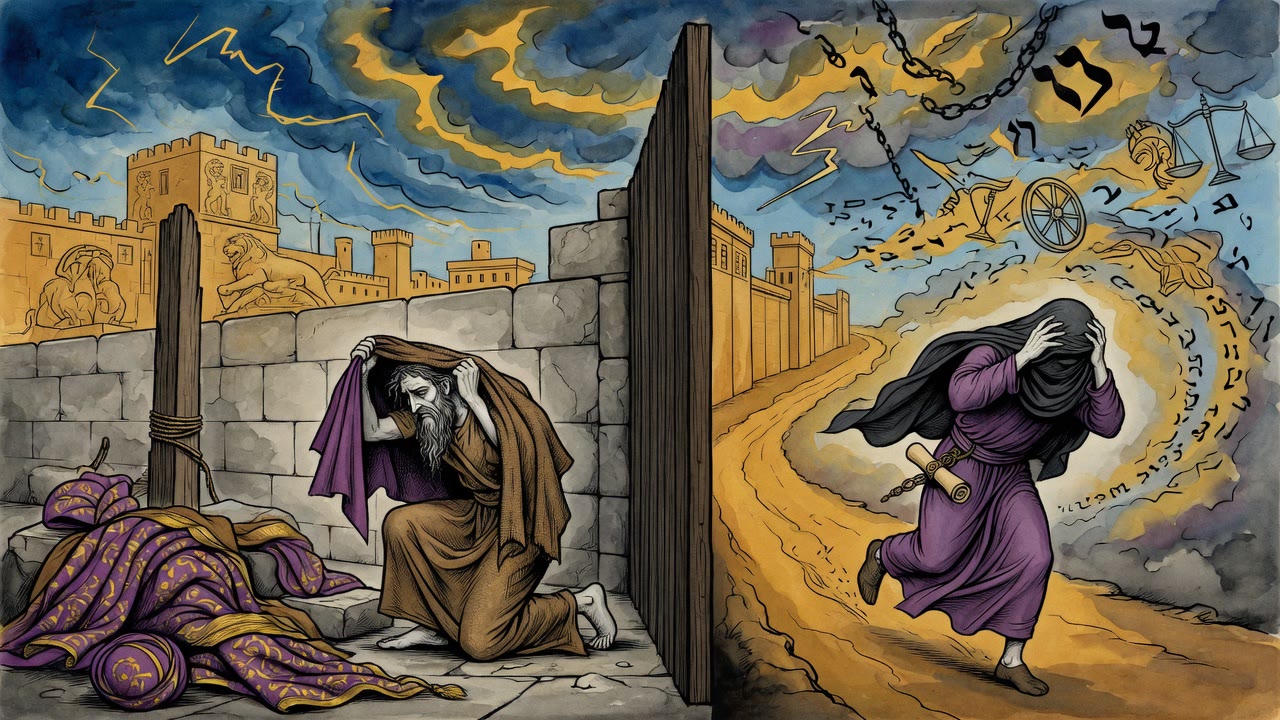
In every province the Jews tore clothes for a decree that only grew worse with time, because each sunrise stole one more day from the life still left.
Table of Contents
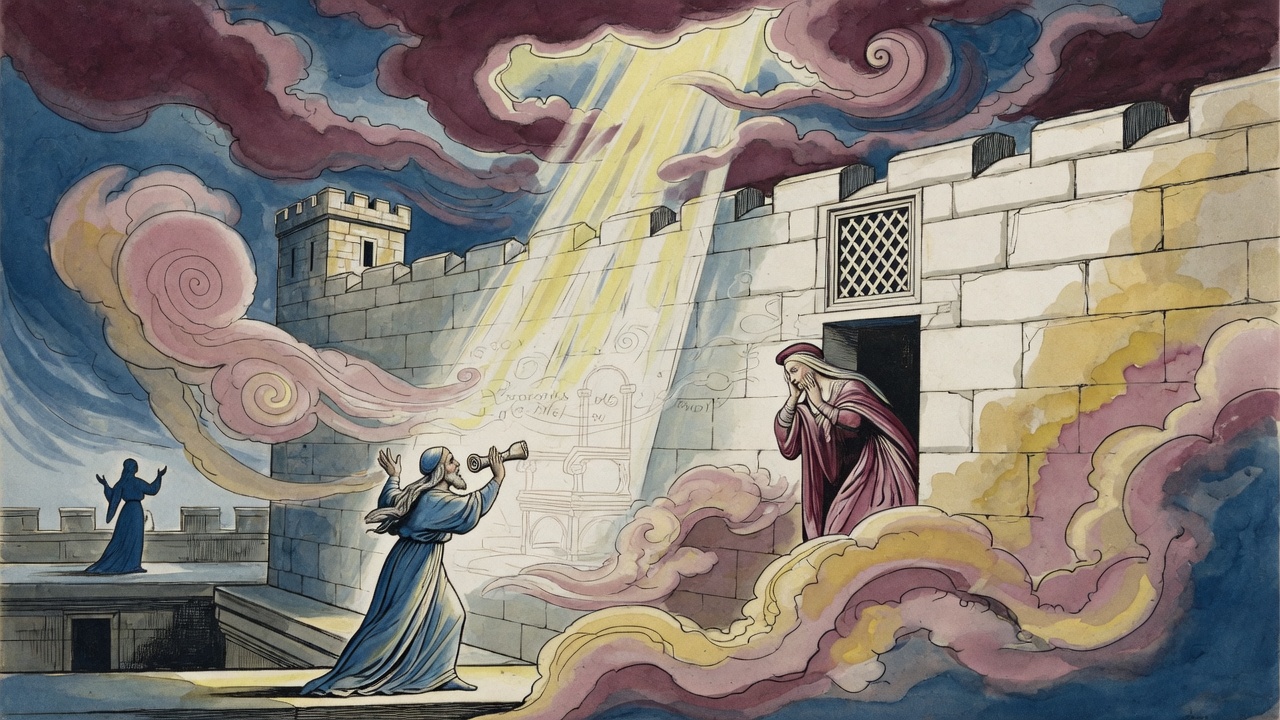
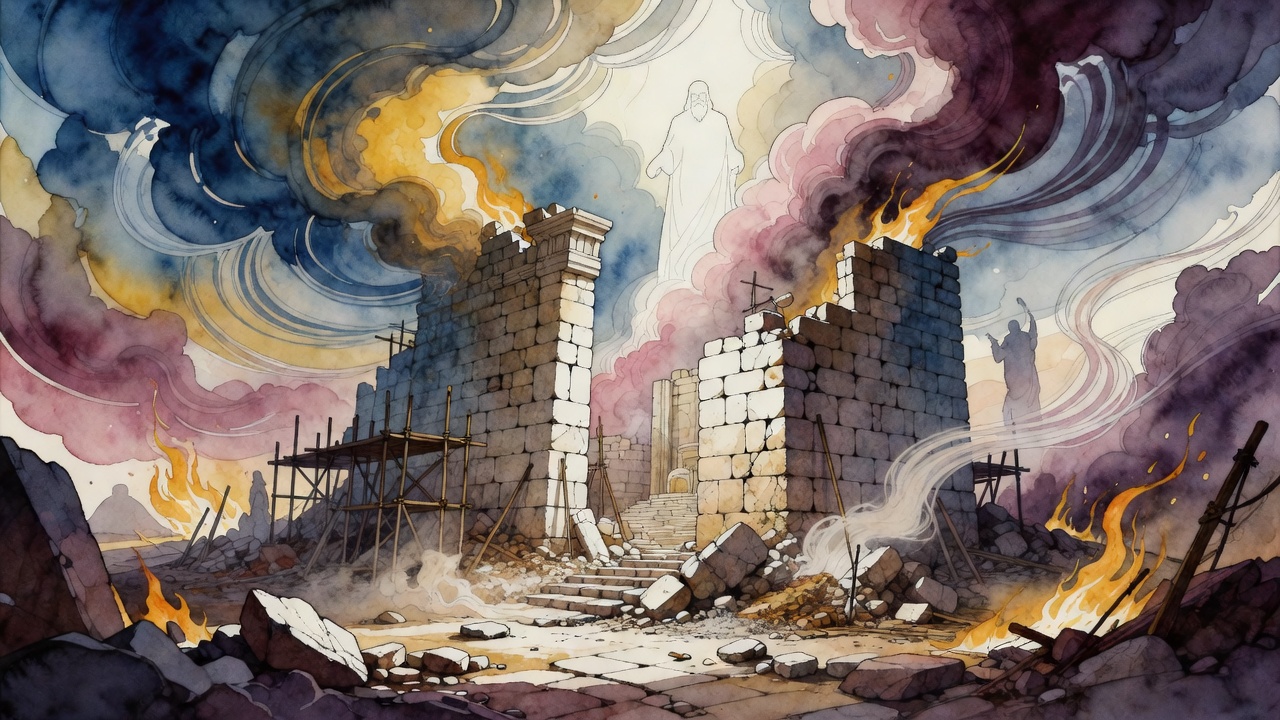
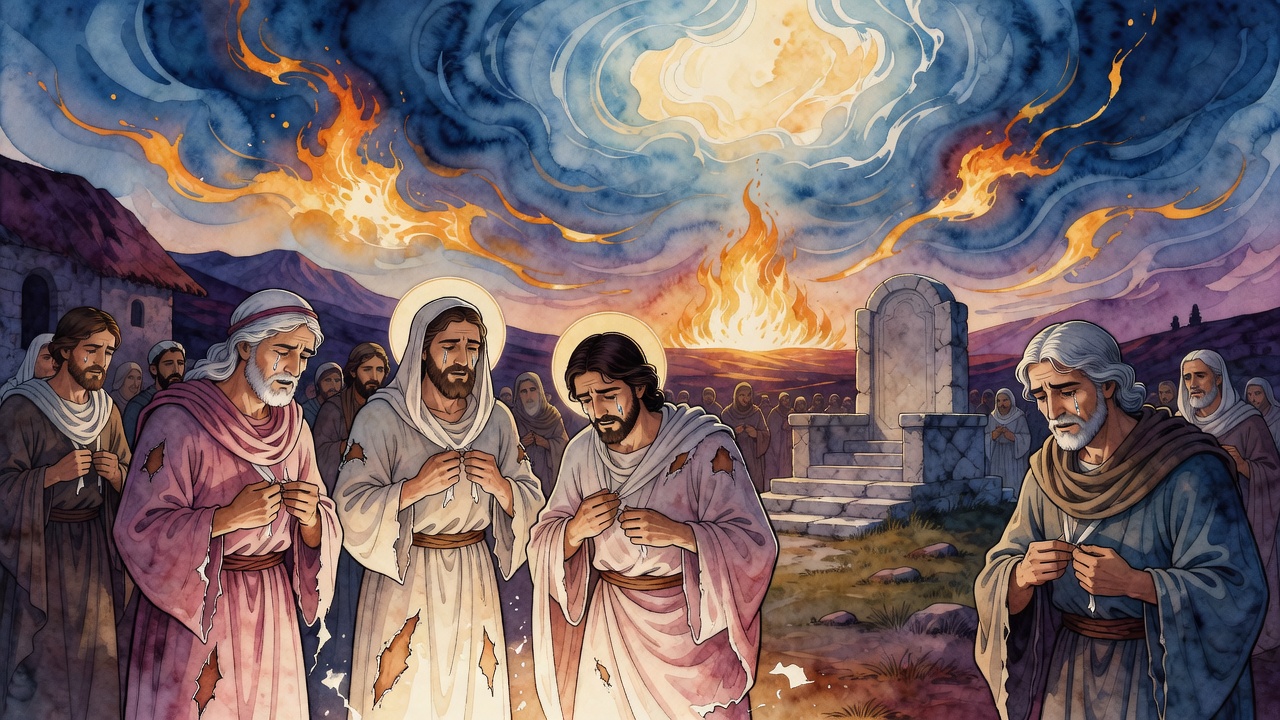
Sackcloth reached the Jewish streets before the full meaning of the letters did. In each province where the king's word arrived, mourning rose like heat from stone (Esther 4:3). People tore garments they could not afford to replace. Ash found its way into beards and children's hair. The sound was not one funeral. It was a people practicing for a funeral no comforter could soften.
 Click for full size
Ordinary grief knows how to decline. The first day is heaviest. By the third day the body remembers food. By the seventh the house begins to reassemble. By twelve months the wound has edges. Haman's decree refused that mercy. With every sunrise the living said the same sentence: one day of the short time we still have is already gone.
No Remaining Son to Bless
When a son dies, comforters still have words. May your other son live. If there is no other, they say live long yourself. In Persia the comforters ran out of lines. The decree said destroy, kill, and eliminate. It did not leave a spare child outside the kill list. It did not leave an old man with a private exemption. Everyone was being taken, so the stock phrases of consolation turned into dust in the mouth.
A mother who had buried one child before now stared at the remaining ones and could not invent hope from custom. A father who had always known what to say at a shiva found his tongue stuck. Great mourning was not poetry. It was the moment the community learned that minor mourning no longer existed as a category.
The Letters Kept Coming
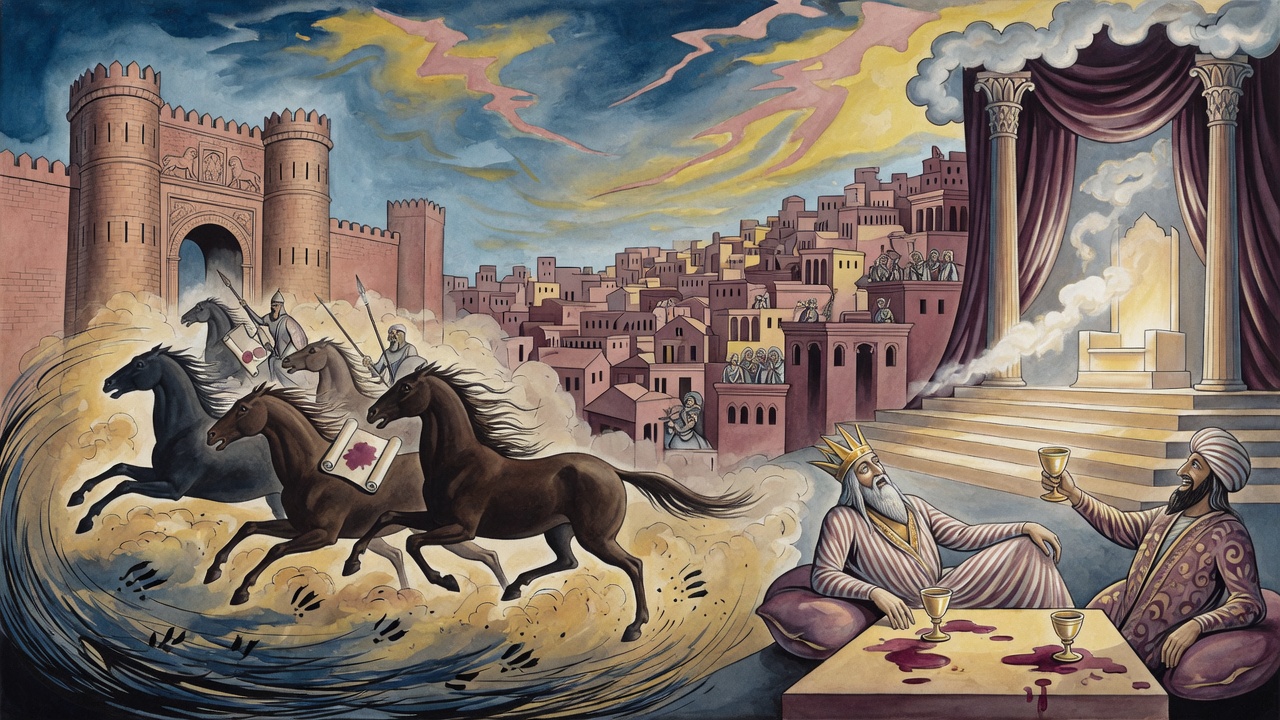
The couriers had left urgently by the king's command while Haman and Ahasuerus sat to drink (Esther 3:15). Their speed became the Jews' calendar. Each province heard the news on a slightly different day, so the empire staggered into panic in waves. Where the word arrived early, the counting of remaining life began early. Where it arrived late, the shock hit fresher and harder. Nowhere did the mourning plateau.
Life had already been suspended when the ring left the royal finger. Night-and-day fear began when the sealed bags opened. The appointed day finished the trap (Deuteronomy 28:66). Between those stages the body of Israel learned a new physics: grief that accelerates.
What the Ash Could Not Cool
People sat in the open squares because houses felt too small for the noise in their chests. Some fasted until the room tilted. Some read the old curses and recognized their own addresses. A retailer who still had wheat for a year understood he was richer than a man who bought from the baker day by day, and both understood that wealth no longer purchased safety.
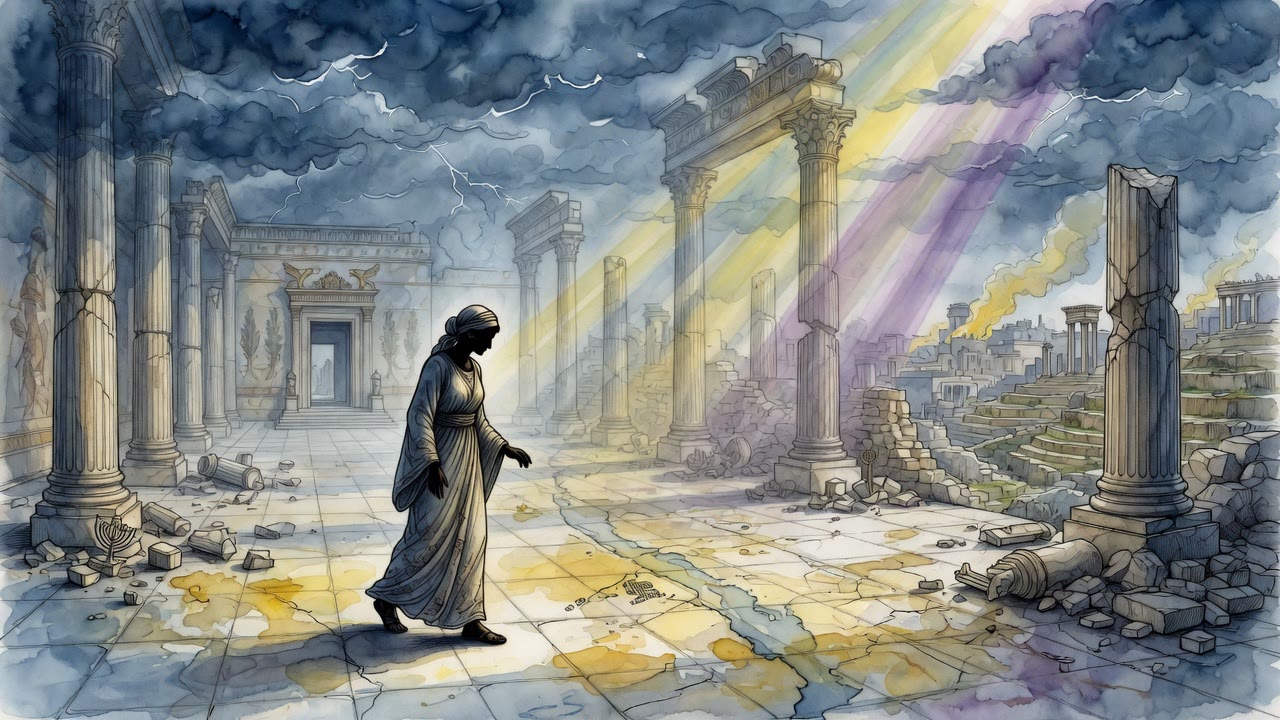
Children asked when the bad day was. Parents answered with a number of months that sounded like a kindness and felt like a noose. The more the days progressed, the less the mourning weakened. That inversion is the midrash's hard claim. Time, which usually heals, here only sharpened the blade.
A City Counting Backward
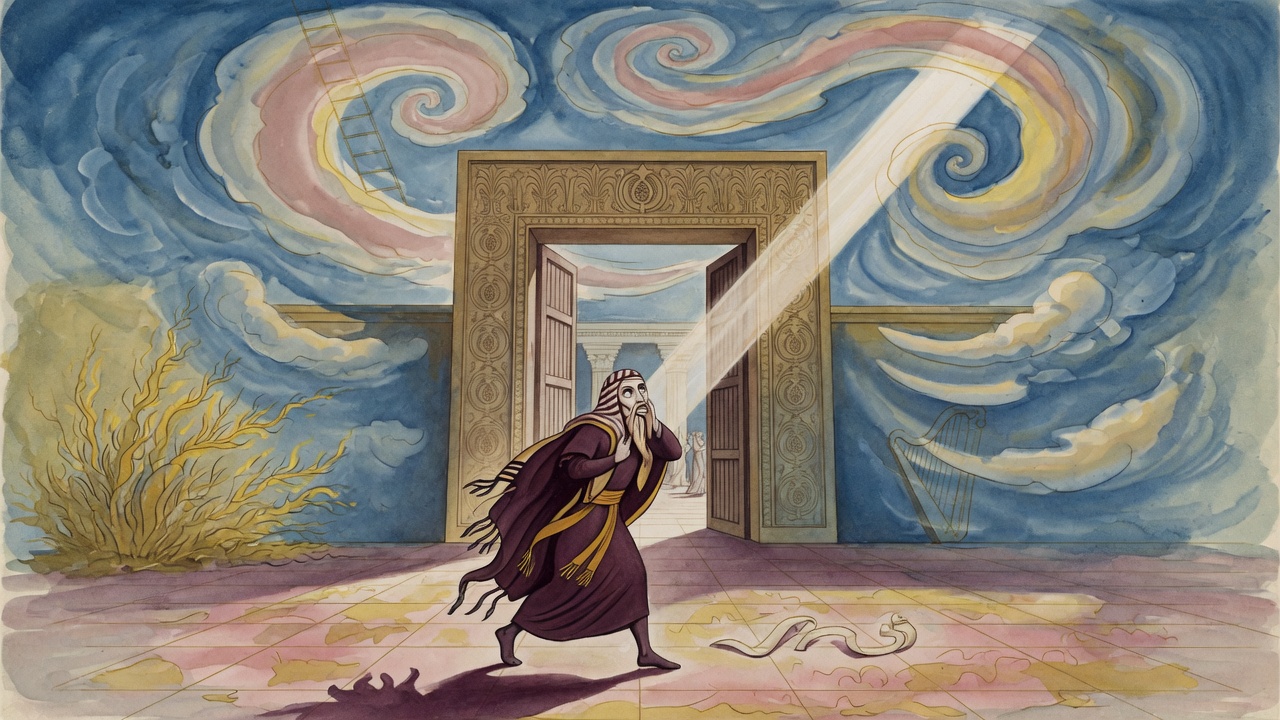
In Shushan the countdown was loudest. There the palace still held music, and the streets held ash, and the two sounds refused to cancel. A Jew walking past the citadel could smell banquet oil and funeral smoke in the same breath. That double air is what "great mourning" meant: not volume alone, but the knowledge that the killers had already scheduled the hour.
No one yet knew Esther would walk toward the throne. No one yet knew a second set of letters would ride the same roads. For now there was only the first word of the king, and a people subtracting days from a life that no longer felt assured.
How a People Learns a New Kind of Time
Shopkeepers stopped pricing for next season. Teachers stopped promising long apprenticeships. Engagements were spoken of in shorter sentences. The decree did not only threaten bodies. It rewrote the future tense. In houses where the old comfort formulas had always worked, people discovered that language itself can be exhausted.
Some tried to treat the mourning like any other public fast, something that peaks and then becomes habit. Habit would not hold. Each morning subtracted from a store of days that felt already spent. A man who still had grain for a year looked at the baker's customer and understood both were standing in the same prophecy of suspended life, only at different shelves of the curse.
Travelers brought news from other provinces. Everywhere the same ash. Everywhere the same counting. The empire's size, once a wonder, became a machine for distributing despair on schedule. When the word reached a late town, that town did not receive a gentler version. It received the full weight compressed into fewer remaining days, so the late grief hit harder, not softer.
Children played less loudly near the squares where adults sat in torn cloth. Even play learned the new physics. A ball rolling toward a mourner was chased with apology. The whole social body flinched around its own future. That flinch, repeated across one hundred twenty-seven provinces, is what the scroll means by great mourning: not a single loud cry, but a civilization of Jews practicing the end while still forced to buy bread.
← All myths