Esther Walked a Palace Mapped Like Israel's Ruins
A man flees a lion and runs into a bear. He gets home, leans on the wall, and a serpent bites him. Esther felt that order as the scepter came out.
Table of Contents
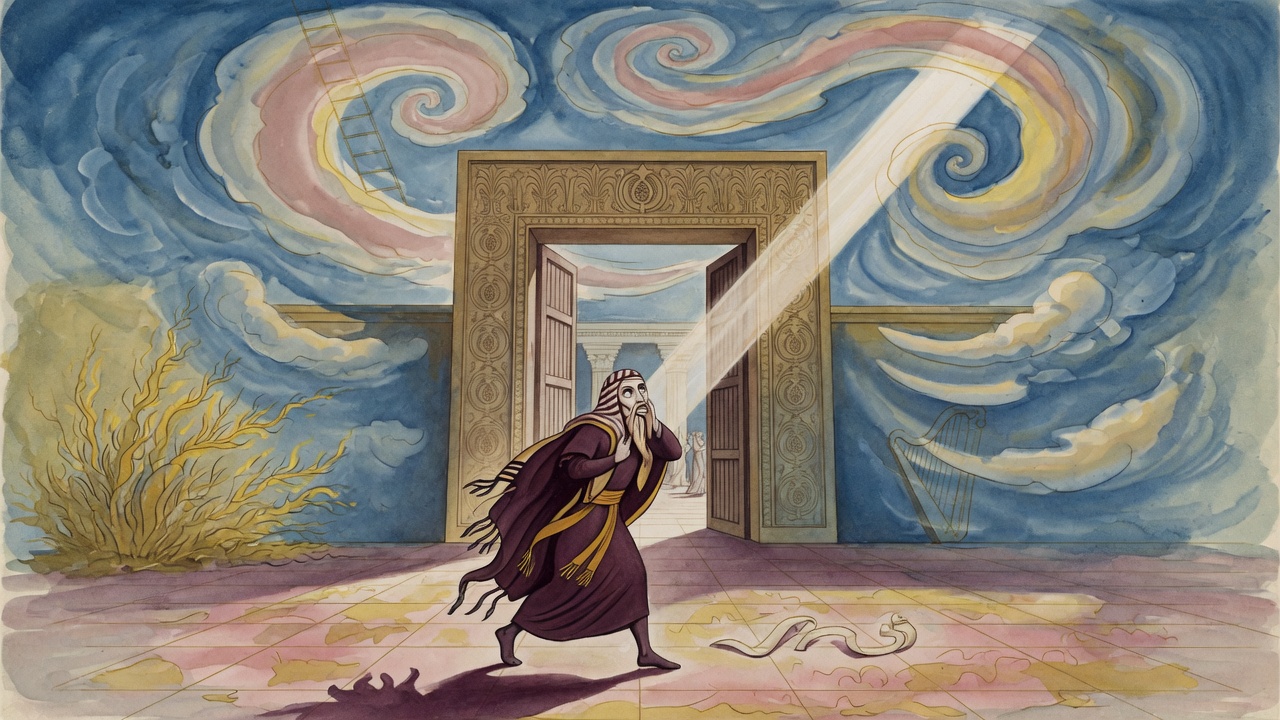
Esther walked the length of the palace corridor as if it were a prophecy wearing perfume.
 Click for full size
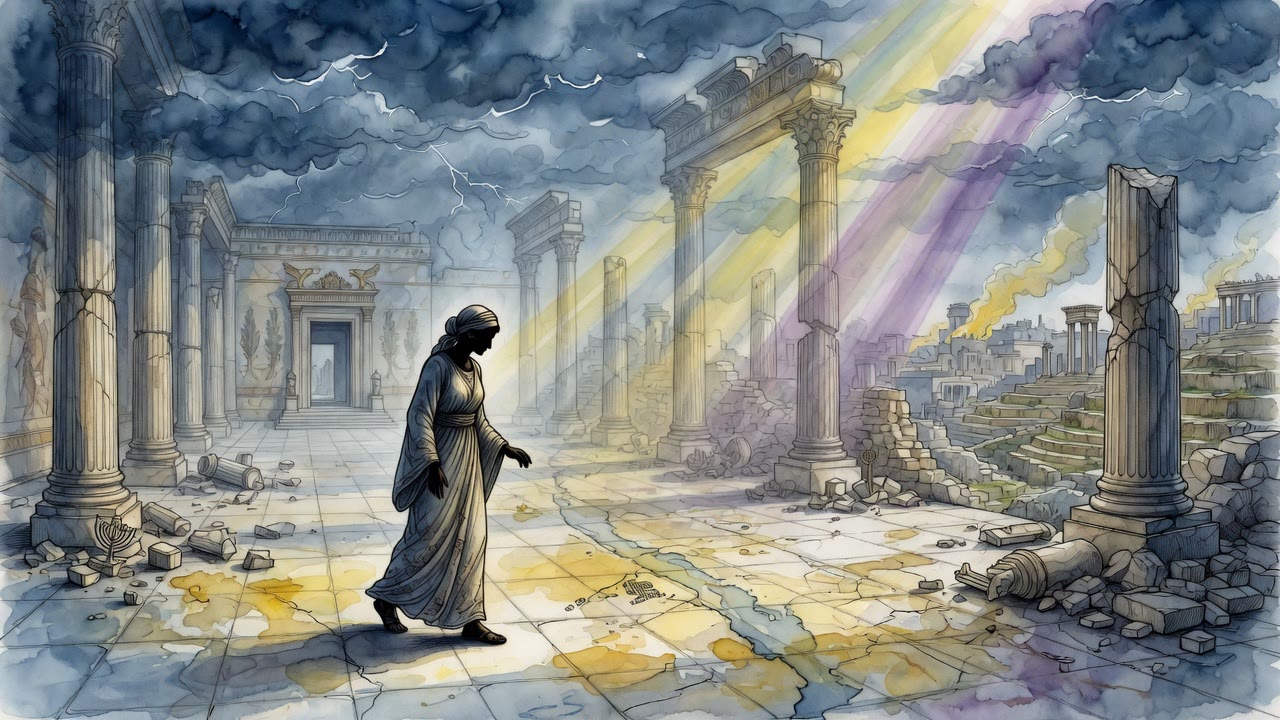
Outside, Persia counted its provinces. Inside, a Jewish orphan in a crown carried a people under her tongue and did not spit them out for comfort. The king held out a scepter. She advanced. Every step felt like a verse from Amos that had not yet been explained to her in school: a man flees a lion and meets a bear, reaches a house, leans on a wall, and a serpent bites (Amos 5:19).
Babylon had been the lion. Persia felt like the bear's breath. Houses of exile still had walls that bit. She did not need a chalkboard to feel the sequence in her pulse.
Fat, Blood, and Soul
Israel had once cried that its fat, blood, and soul should count as atonement, a whole-self offering when altars were complicated by distance and empire. Esther lived that cry without incense. Her body in the throne room was the offering. Her risk was the blood. Her secret name was the soul held back until the hour could stand it.
Accept what is good, the gematria (the numerical value of Hebrew letters) games of later sages would say, equals accept the soul. She accepted the hour. The hour accepted her back with a sleepless king and a chronicled enemy named Haman.
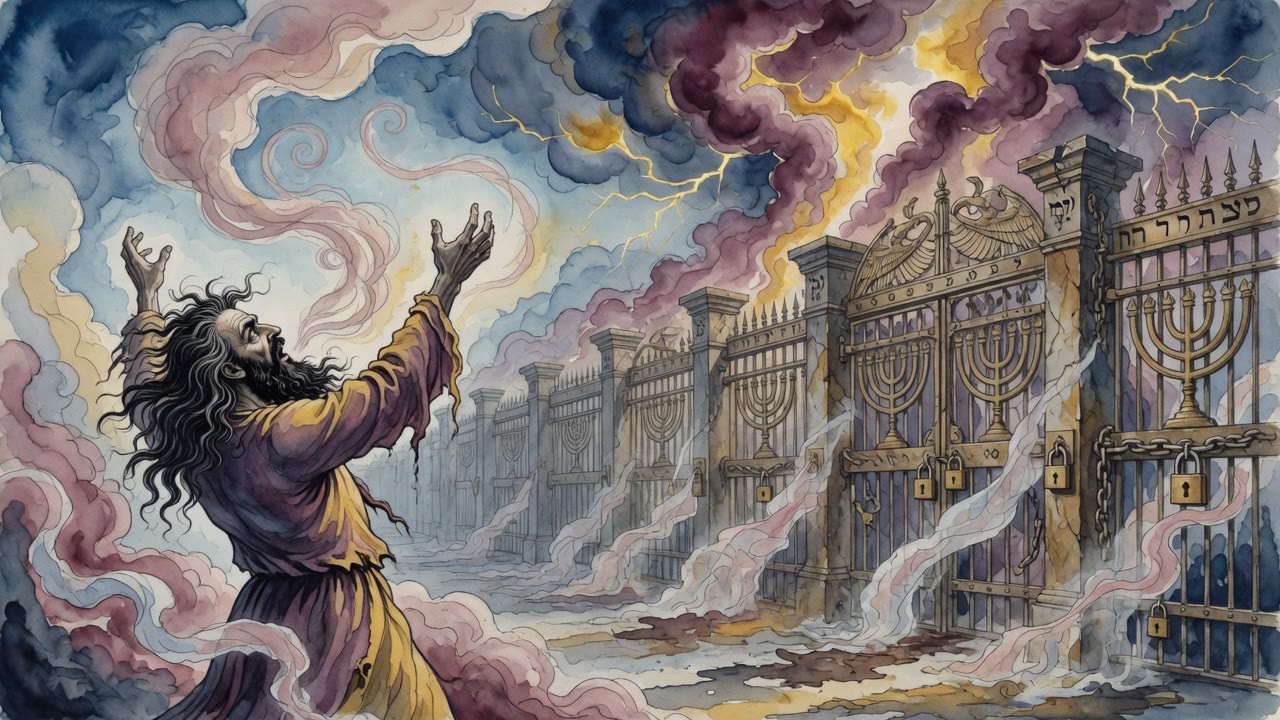
When the decree of death went out, it made no distinction between rich Jew and poor Jew. Silver bought the slaughter of a people as if they were one livestock count. Leveling for murder is a cruel counterfeit of equality. Esther heard it and fasted, which is another way a body becomes an offering.
Song at the Sea, Weeping at the Gate
She remembered, because memory is a Jewish instrument, that leaving Egypt had sounded like song (Exodus 15:1). Leaving Jerusalem when the city fell had sounded like weeping in the night (Lamentations 1:2). Two exits. One throat of a nation capable of both registers. Persia was neither Egypt nor the burned city, yet it could become either kind of departure depending on whether the gallows stood or fell.
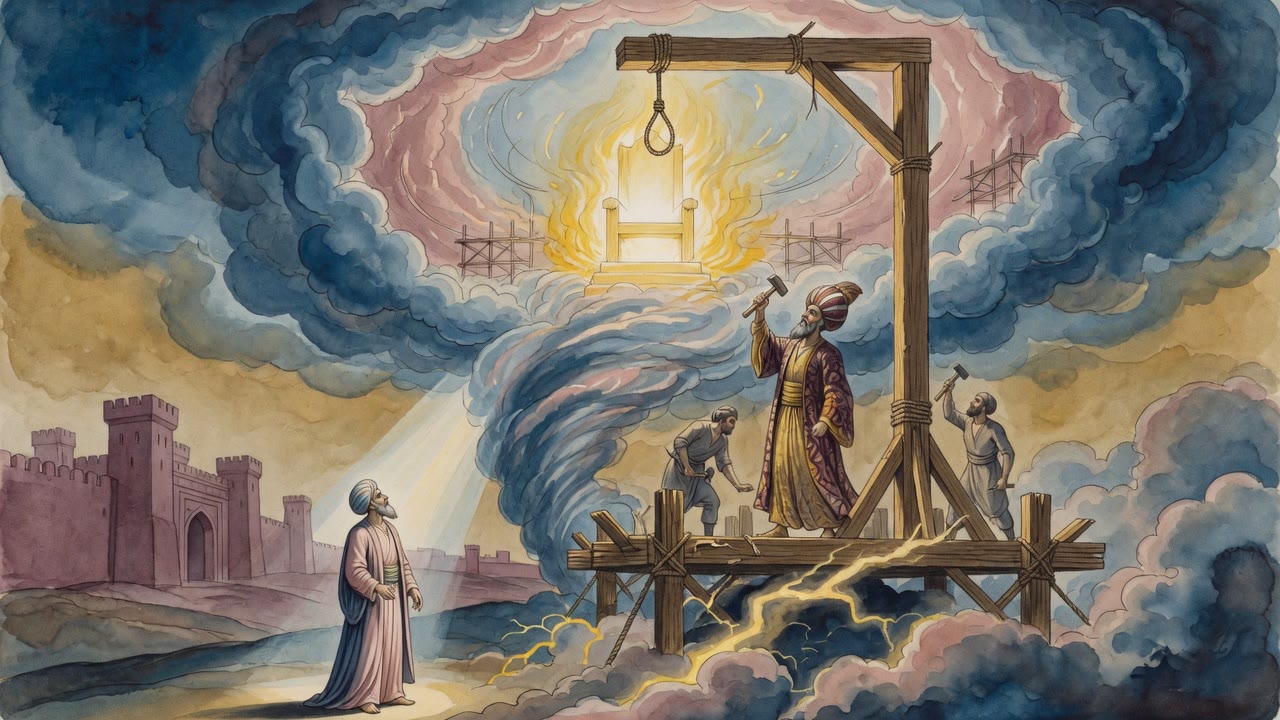
Esther chose to make Persia a third thing: a place of reversal, not exit. Stay and overturn. Stay and write a day that would outlive the empire's accountants.
Mordecai in sackcloth at the gate was the weeping mode. The banquets she hosted were the dangerous cousin of song, joy with a knife under the cloth.
When Joy Must Be Shared
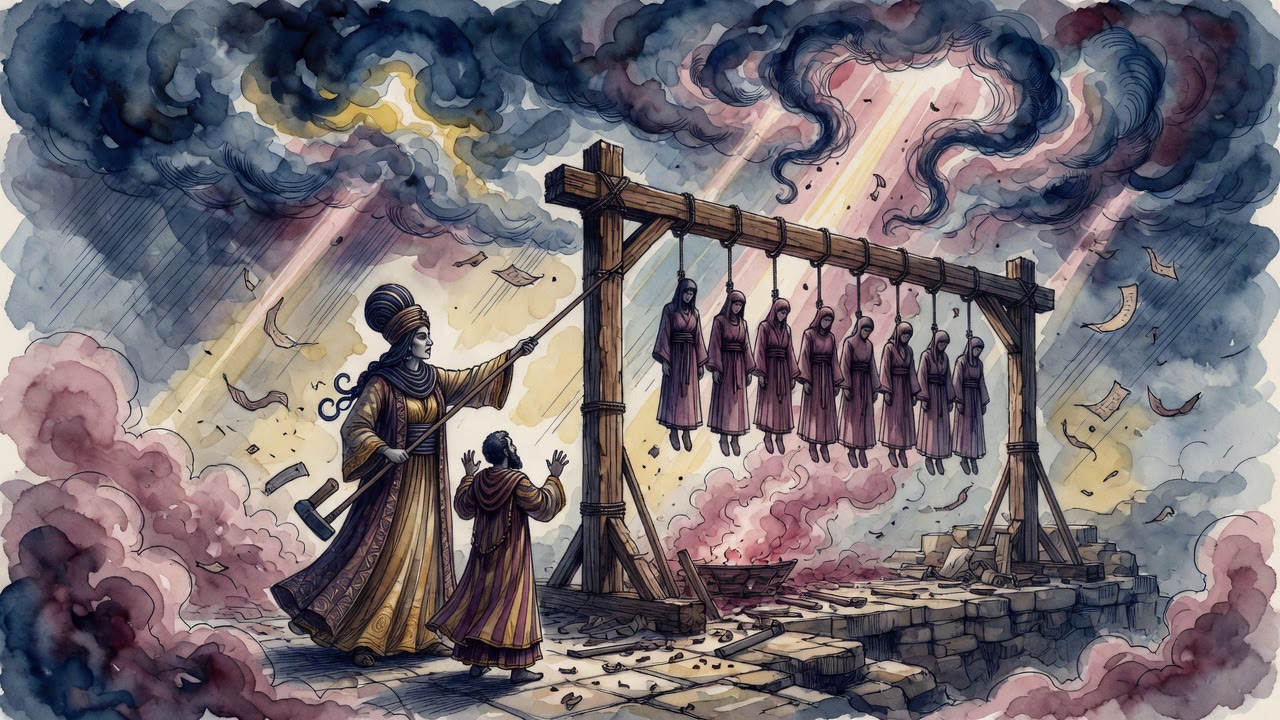
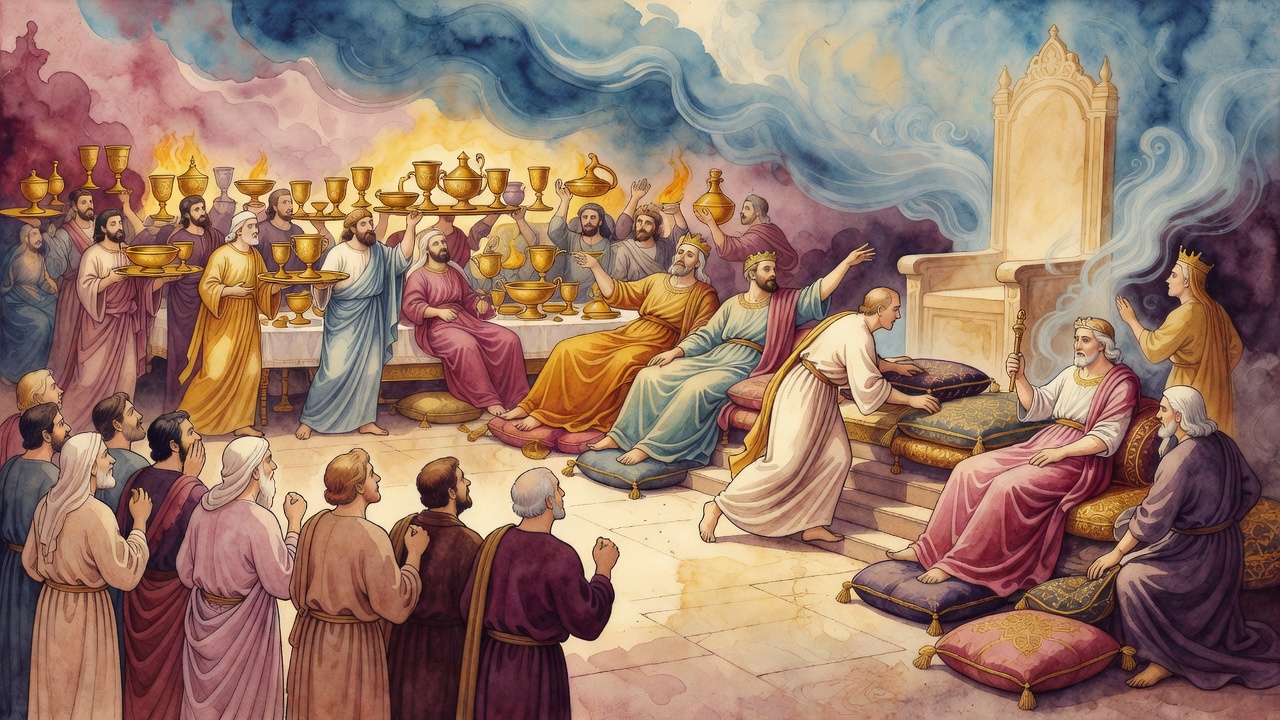
After the turn, when Haman's wood held Haman and the letters of rescue rode the same postal system that had carried death, the sages would bind four obligations to the day: read the scroll, eat the feast, send portions to friends, and give gifts to the poor. The last is not a sentimental add-on. Because the decree leveled everyone for destruction, the celebration must level everyone for joy. A Purim where only the rich laugh mistranslates its own scroll.
Esther, who had lived both orphan hunger and queen's table, would have understood the ruling in her bones. Maimonides later wrote that it is better to spend more on the poor than on the meal or the friends' packages, for there is no greater joy than gladdening the heart of the poor, the orphan, the widow, and the stranger. The Shekhinah (the Divine Presence), he said, is like that joy. Esther had already acted as if the Shekhinah cared who eats when the empire tries to erase a name.
In Shushan the poor drank that year. That mattered as much as the hanging.
Clues Left for a Temple Still Ahead
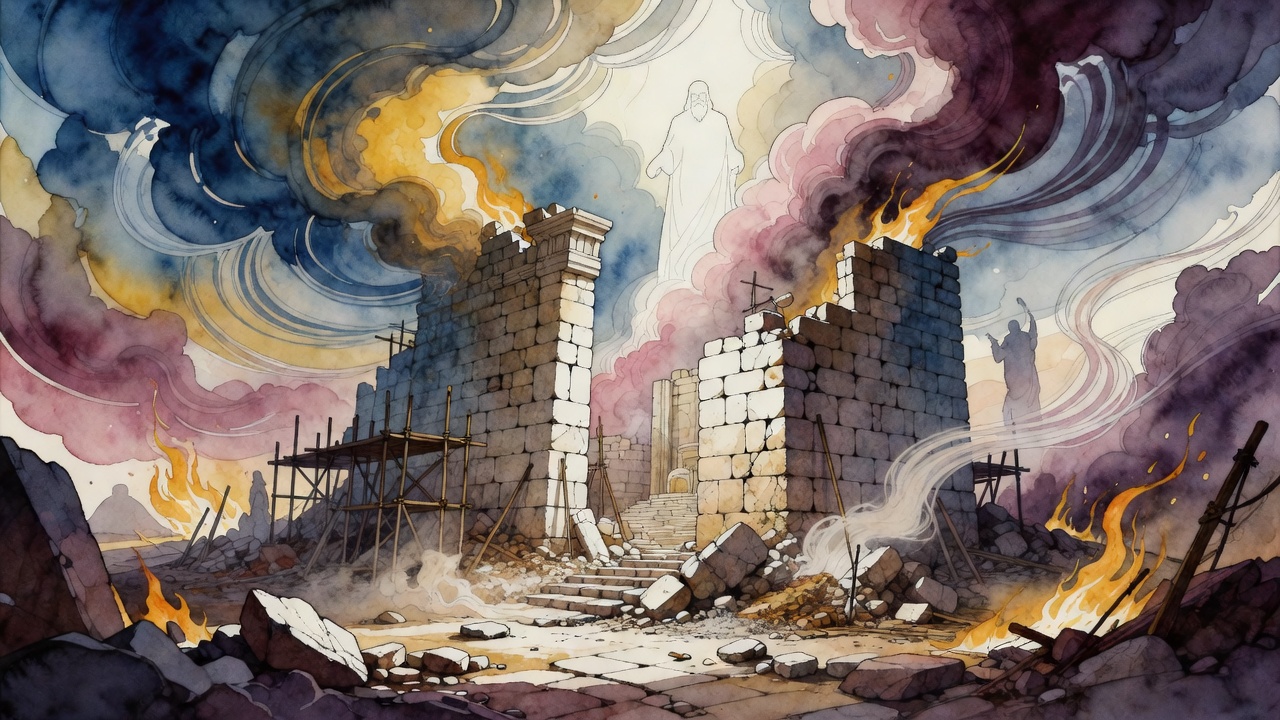
Hidden in the scroll, readers would later find not only court intrigue but a map of empires and a shadow of the Temple's long future under successive teeth: lion, bear, serpent, house that is not safety. Esther did not annotate her life for yeshivot. She survived it. Survival became curriculum.
She stood again in the corridor after the danger thinned and felt the perfume and the prophecy loosen their grip. Outside, provinces still paid tax. Inside, a people still had a name. She had not rebuilt the Temple. She had kept alive the throats that would one day sing there again, or weep there again, depending on the generation.
Night in the palace was quiet in the way of large buildings that have decided, for one evening, not to kill you. Esther took off the heavier crown and kept the lighter one: responsibility. Tomorrow there would be more letters, more politics, more poor at the edge of the feast.
She slept like a woman who had fled no lion only to find that the house itself required courage. The serpent of the verse had missed her heel. She did not thank luck. She thanked the God who writes reversals in the same ink empires use for decrees.
← All myths