Jews Refused the Temple Cups at Ahasuerus Feast
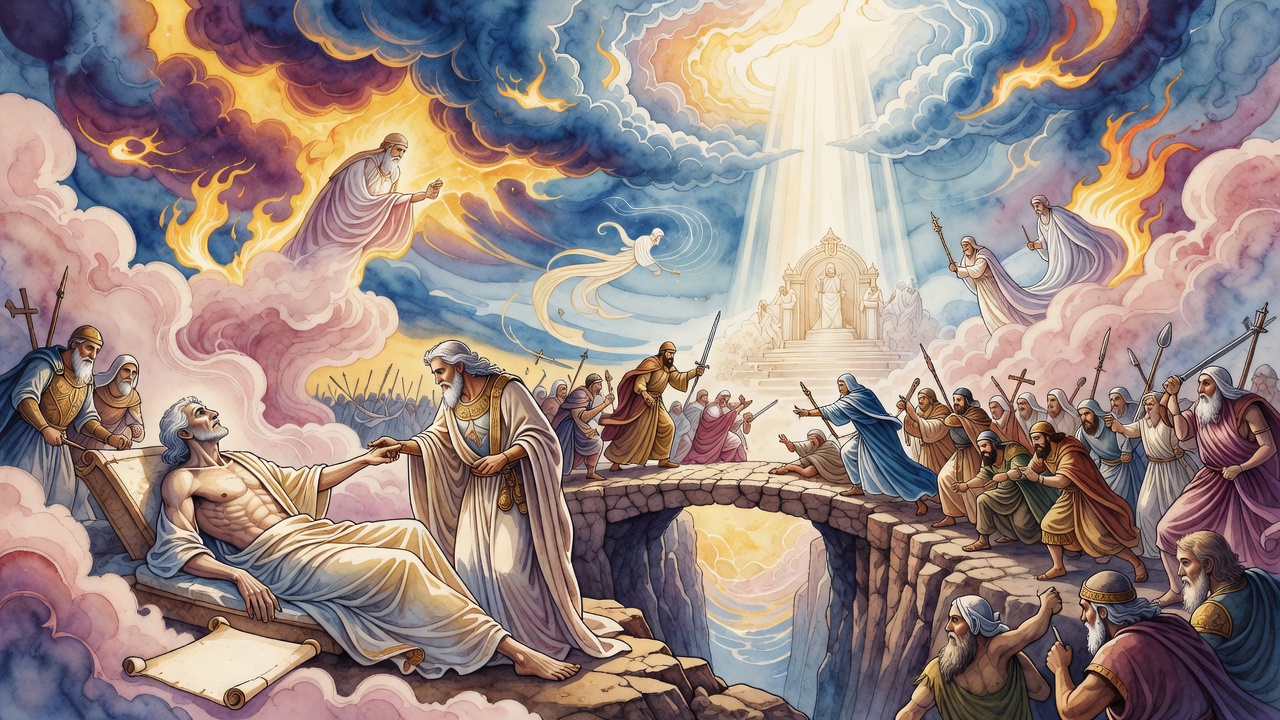
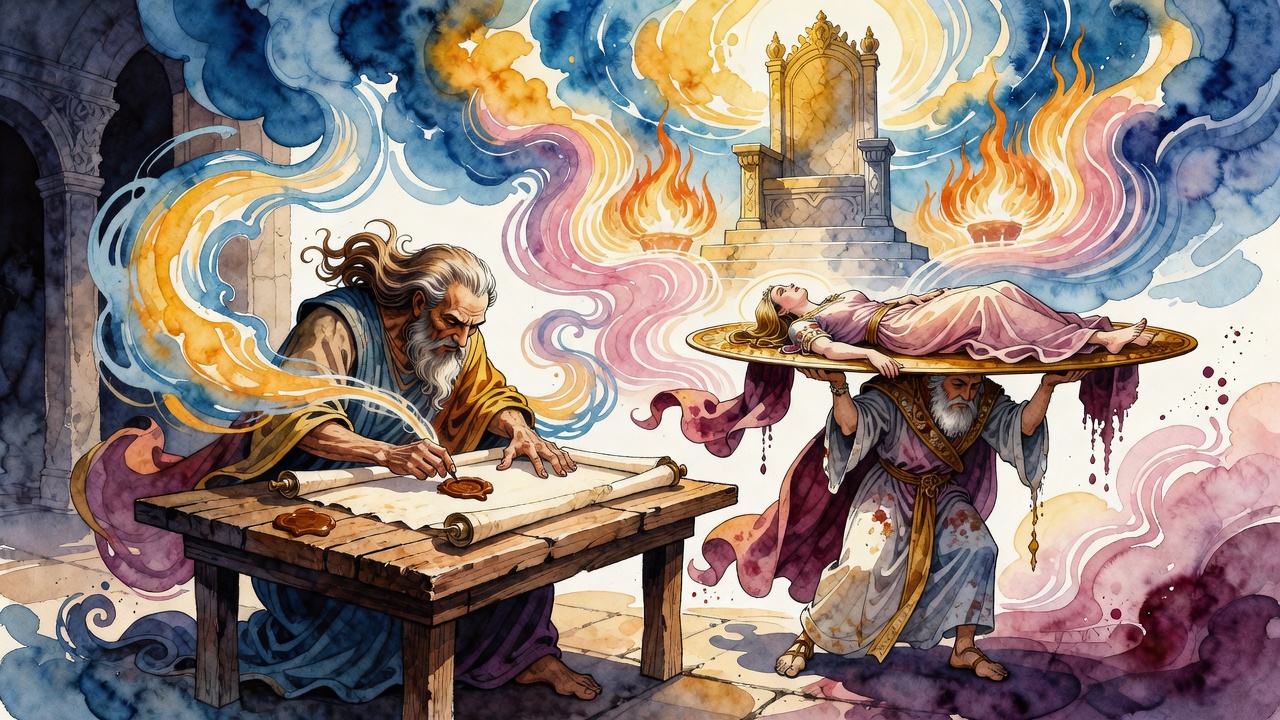
For six months the palace showed off gold plunder, cup after cup. The Jews at the tables recognized the Temple vessels and put their food down.
Table of Contents
Silver that once held blood for the altar flashed under Persian lamps. Ahasuerus did not open ordinary chests for his feast. He opened the plunder of the House of God.
 Click for full size
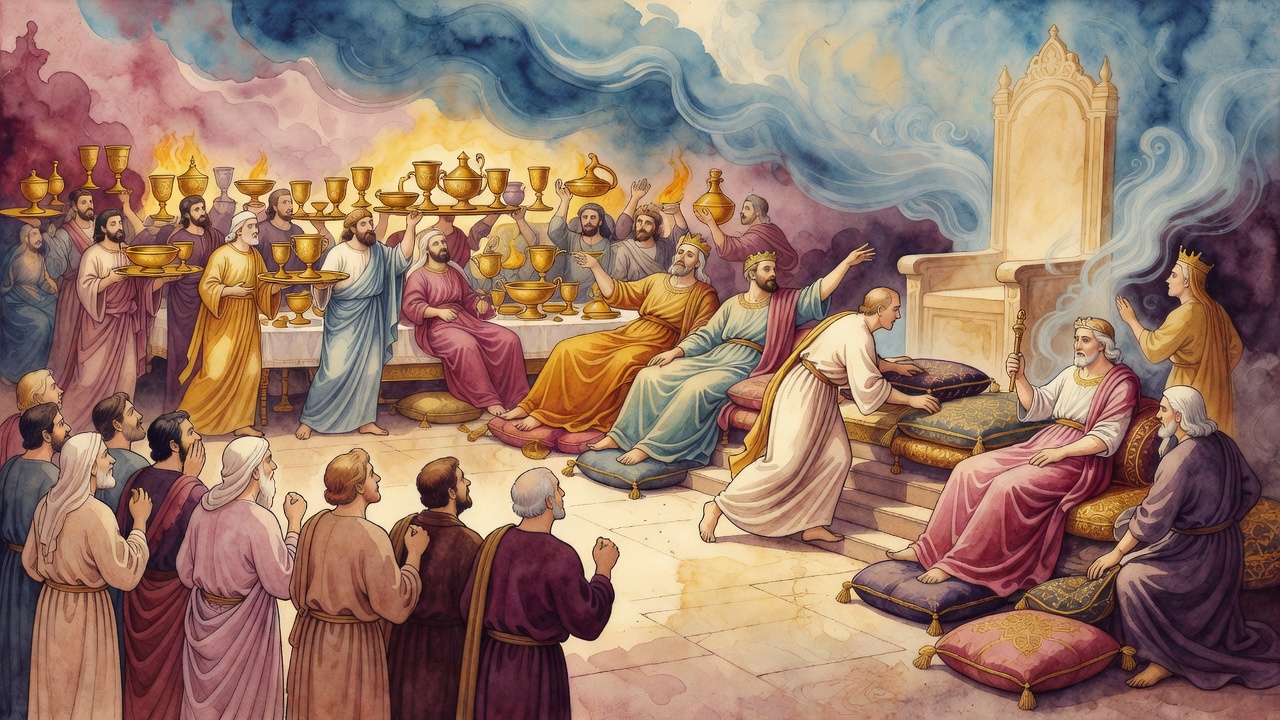
For one hundred and eighty days he ordered six treasuries shown each day, matching six words of imperial vanity: riches, honor, dominion, glory, majesty, greatness. Cups from the Sanctuary passed from hand to hand like trophies. Nobles drank from them and laughed as if a ruined mountain could be poured into a toast.
Then the Jews of Shushan looked up from their plates and stopped chewing.
When the Table Became a Wound
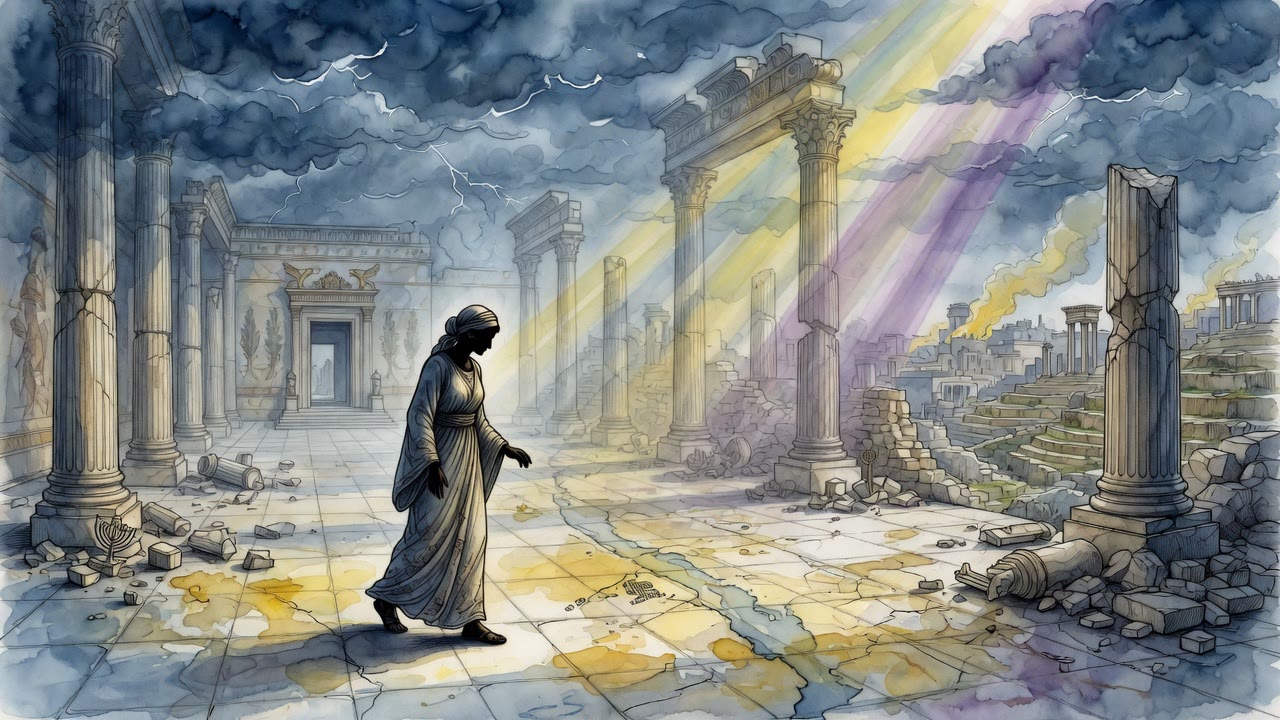
Recognition hit harder than any decree. Those were not foreign cups. Those were the vessels of the Temple, dragged through exile and set out as decoration. The empire thought it was displaying victory. The people saw desecration laid out in gold.
They would not keep eating. Hands pulled back. Cups set down. The banquet hall still roared, but a quieter table inside it had already turned into mourning. Ahasuerus could command provinces and parade the wealth of a shattered sanctuary. He could not make Israel forget what those vessels were for.
The first spiritual wound of the Esther story opened there, long before Haman weighed out silver for their deaths.
The Youngest Voice in the Court
When Queen Vashti refused to come, the Persian court followed its custom. Younger ministers spoke first. Elders corrected them only if the younger man erred.
Memucan stood youngest. The Second Targum names him Daniel, already exiled with Judah, already tested in fire and lions, already used by heaven for hard work inside empire. He was called Memucan because heaven had arranged Vashti's fall through his mouth.
He had a Persian wife wealthier than himself. He wanted wives compelled to honor their husbands. Small motive. Tangled. Political. He spoke first all the same, and the court took his counsel as statecraft.
Vashti's crown left her head. The throne opened. Providence moved a chair so another woman could sit in it.
Haman Feeds the King Old Hate
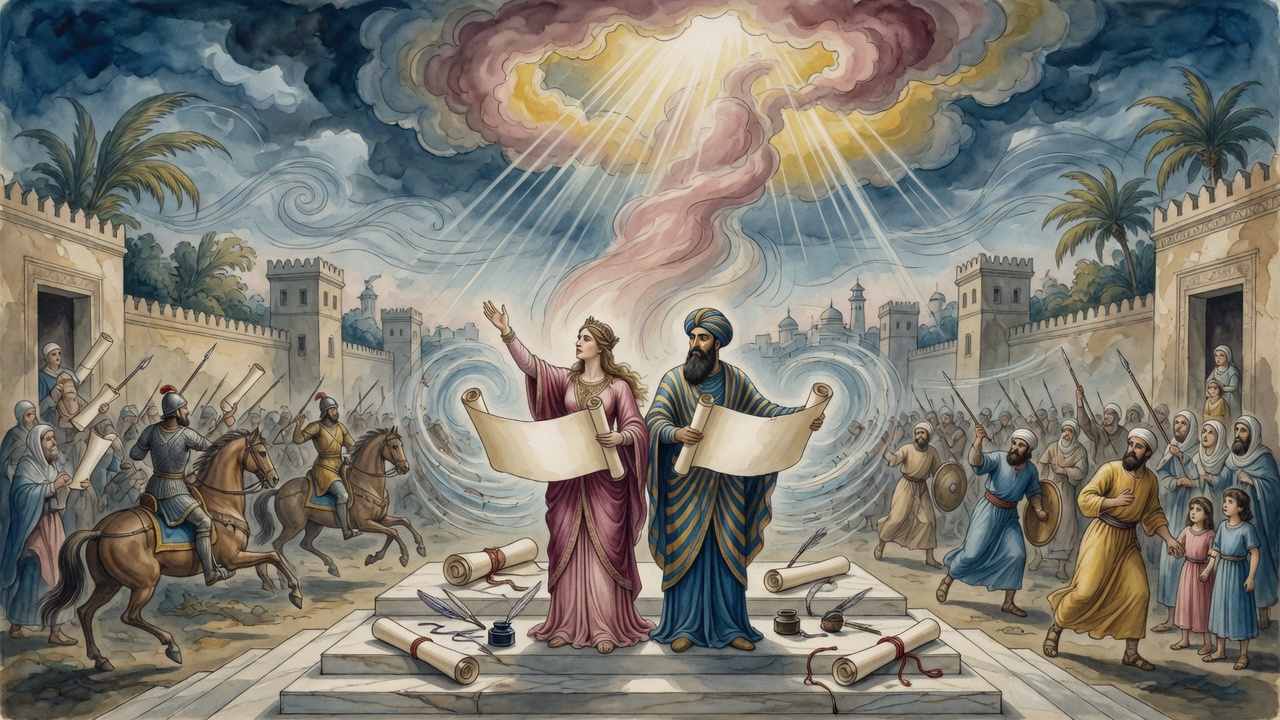
Later, when Haman needed the king to fear a scattered people, he reached for chronicles. There was a king among them named David, he hissed. David stretched a measuring cord across captives, two portions to the sword, one spared into servitude (2 Samuel 8:2). Cruelty in their bones, Haman said.
Then he admitted the worse problem. Nebuchadnezzar tore down their Temple, looted their cities, dragged them away. By every measure they should have been finished. Their pride would not break. Stripped of everything, they still declared themselves children of ancient fathers, bowing to no king as if empire were a temporary weather.
Their letters traveled. Their prayers rose where no royal eye could see. A people unconquered in spirit, he told Ahasuerus, is more dangerous than a people with walls.
What the Cups Already Proved
Haman was right about one thing and wrong about the cost. The Jews who refused the Temple cups had already shown what Nebuchadnezzar could not break. Exile had taken the vessels. Exile had not taken their memory of what the vessels meant.
Daniel spoke from inside the machinery of empire and cleared a path for Esther. Ahasuerus counted treasuries. Heaven counted a refusal at a table, a fallen queen, and a girl from Benjamin waiting just outside the story's frame.
The feast glittered on. Somewhere in the provinces, a people who would not drink from sacred plunder kept their mouths shut and their names intact.
Empire Counts Cups, Israel Counts Names
Ahasuerus measured glory in six daily treasuries and one hundred eighty days of display. The Jews measured the same hours in a different coin. Every cup that left the Sanctuary still carried the memory of oil, blood, water, and bread that once belonged only to the service of God. When a servant refilled a goblet that had held sacred wine, a whole table of exiles felt the room tilt.
Some looked away. Some stood and left the hall. The refusal did not need a speech. It needed empty hands above plates that had become unclean by association. Outside, merchants still sold and soldiers still laughed. Inside the Jewish rows of the feast, exile stopped being a rumor and became metal in the light.
Daniel, speaking as Memucan, did not know Esther's name yet. He only knew the court's machinery and the pressure of a queen who would not come when summoned. Heaven used a young minister's small vanity about wives and honor to clear a path no chronicle in Persia could have planned. The Temple cups had already shown who still remembered the House. The emptied throne would soon show who would risk a body to keep that memory alive.
← All myths