4 min read

Darius's Dying Wish Opened the Road Back to Zion

Daniel was buried on the rich bank of Shushan's river and the poor across the water rioted. A Persian king hung his bier by chains from the bridge.

Curated by Arthur · Told by Maggid ·
Table of Contents
  1. A Dying King Names His Successor
  2. Cyrus Opened the Road in His First Year
  3. The Alliance That Ended in War
  4. The Grave on the Wrong Side of the River
  5. Sanjar Hung the Bier From Chains
Darius's Dying Wish Opened the Road Back to Zion Click for full size

A Dying King Names His Successor

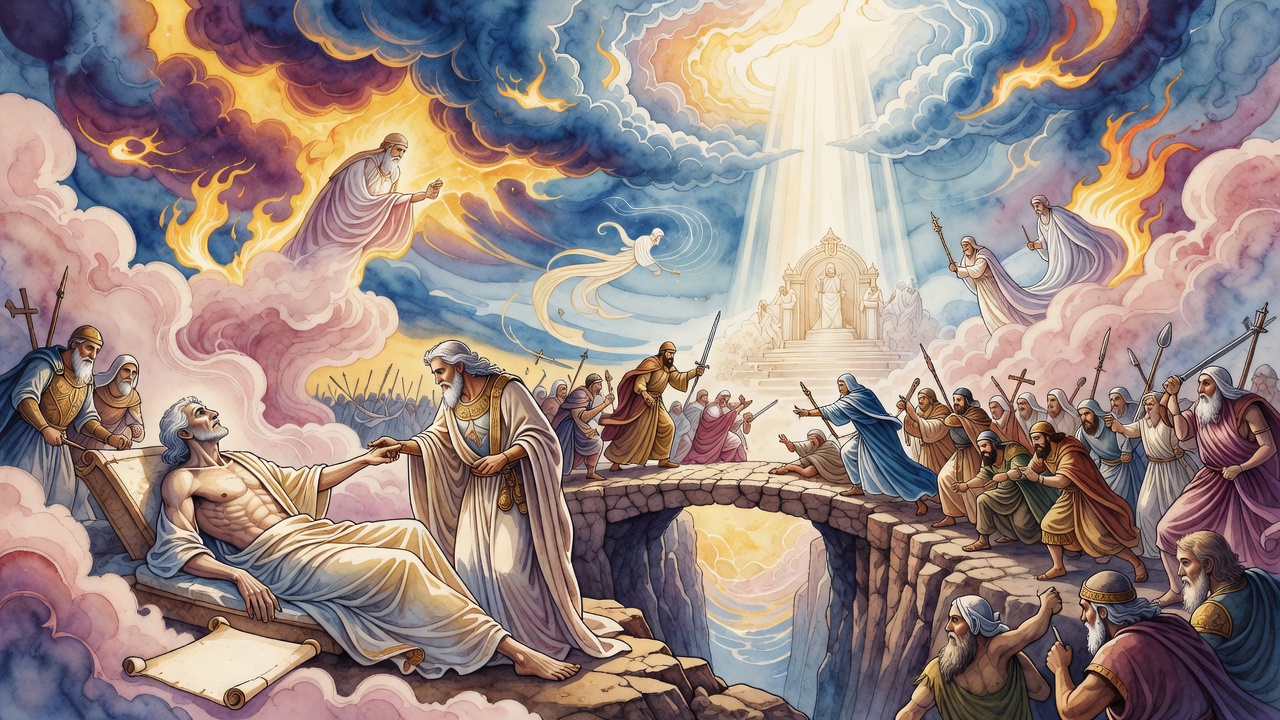
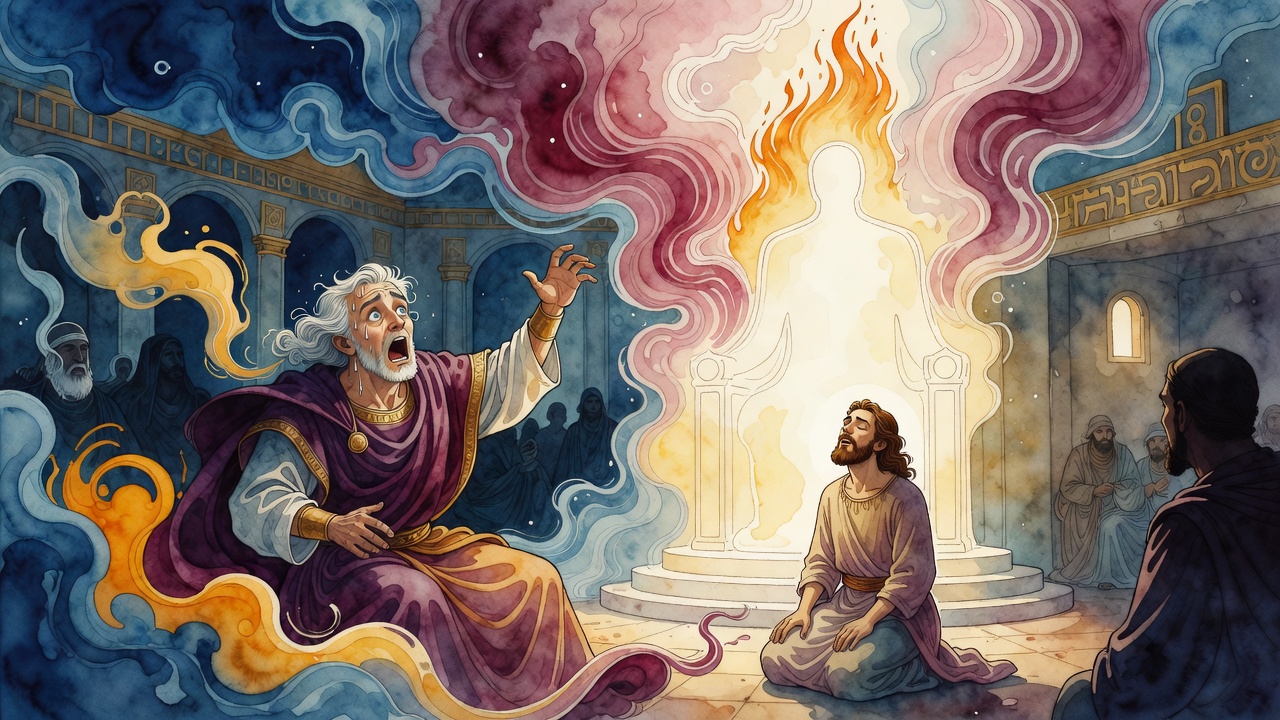
Darius felt the end coming and sent for his son-in-law. Cyrus already held Persia. Darius put the rest of the kingdom into his hands while the princes of Media and Persia stood in the room and heard him do it, and none of them objected.

Then he made one more wish, and it had nothing to do with Persia. There was a burned house in Jerusalem and a people in his territory who kept talking about rebuilding it. Let them go and build.

Darius died. Cyrus was proclaimed king.

Cyrus Opened the Road in His First Year

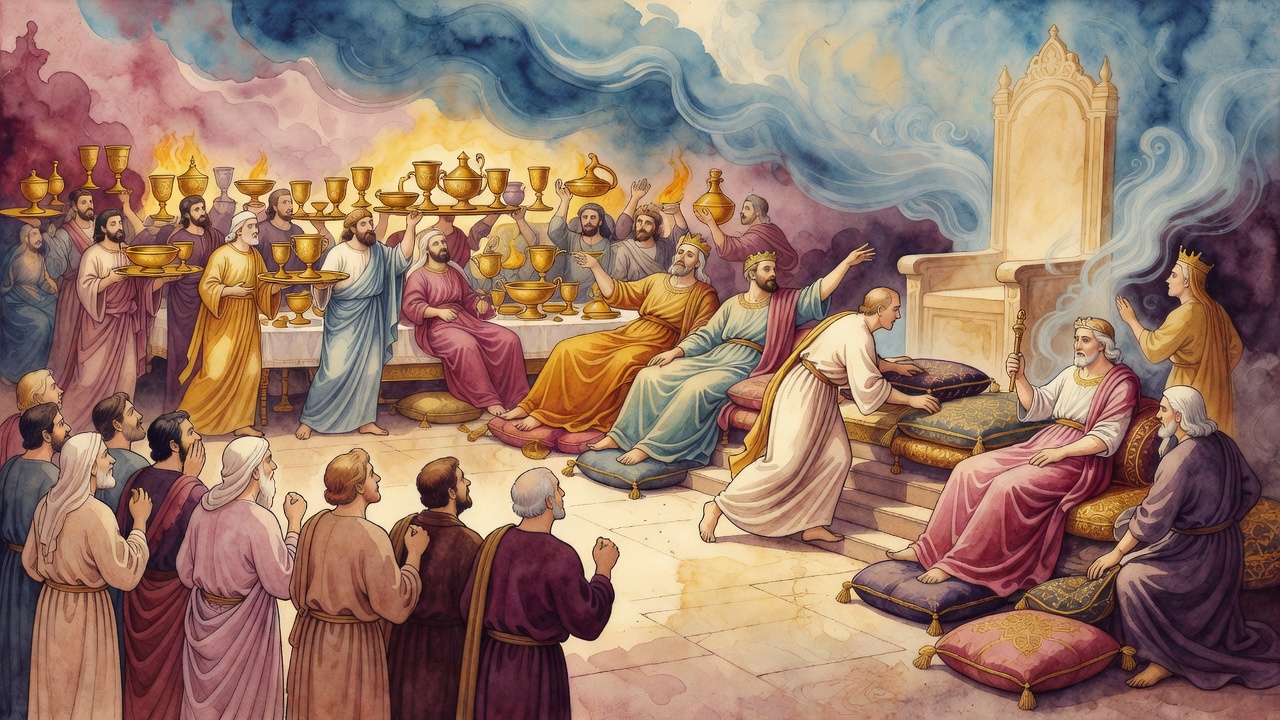
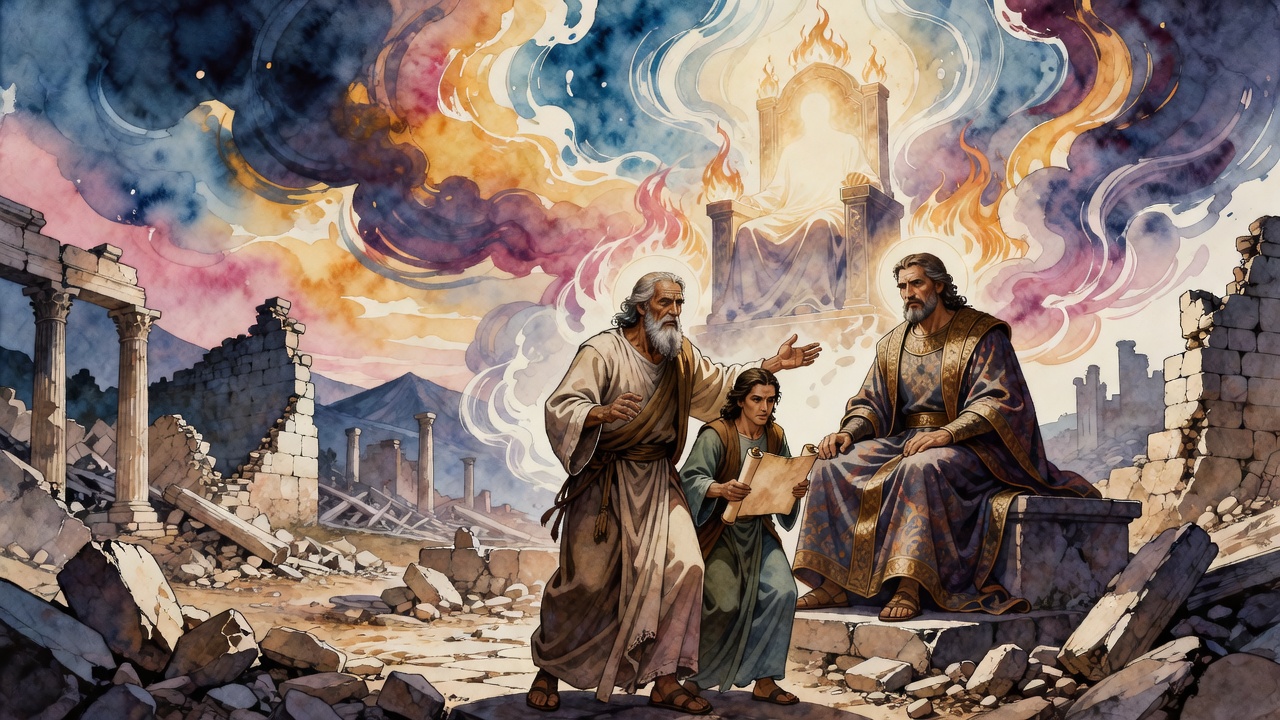
In the first year of his reign Cyrus summoned the most distinguished of the Jews to court. Men who had been born in exile stood in a Persian hall waiting to hear what a new king wanted from them, and what he wanted was for them to leave. He gave them leave to go up to Zion and rebuild the Temple in Jerusalem.

He did not stop at permission. He pledged to pay toward the service out of his own means, and to give honor to the God who had put the strength in his arm to break the Chaldeans.

Some of that was his own piety. Some of it was a dead man's instruction he had promised at a bedside to carry out. A decree can be forged and a charter can be revoked, but the princes of two nations had watched an old king ask, and his son-in-law had said yes in front of them.

The Alliance That Ended in War

The good relations between Cyrus and Darius did not hold. War came, and Cyrus lost his life and his lands in it.

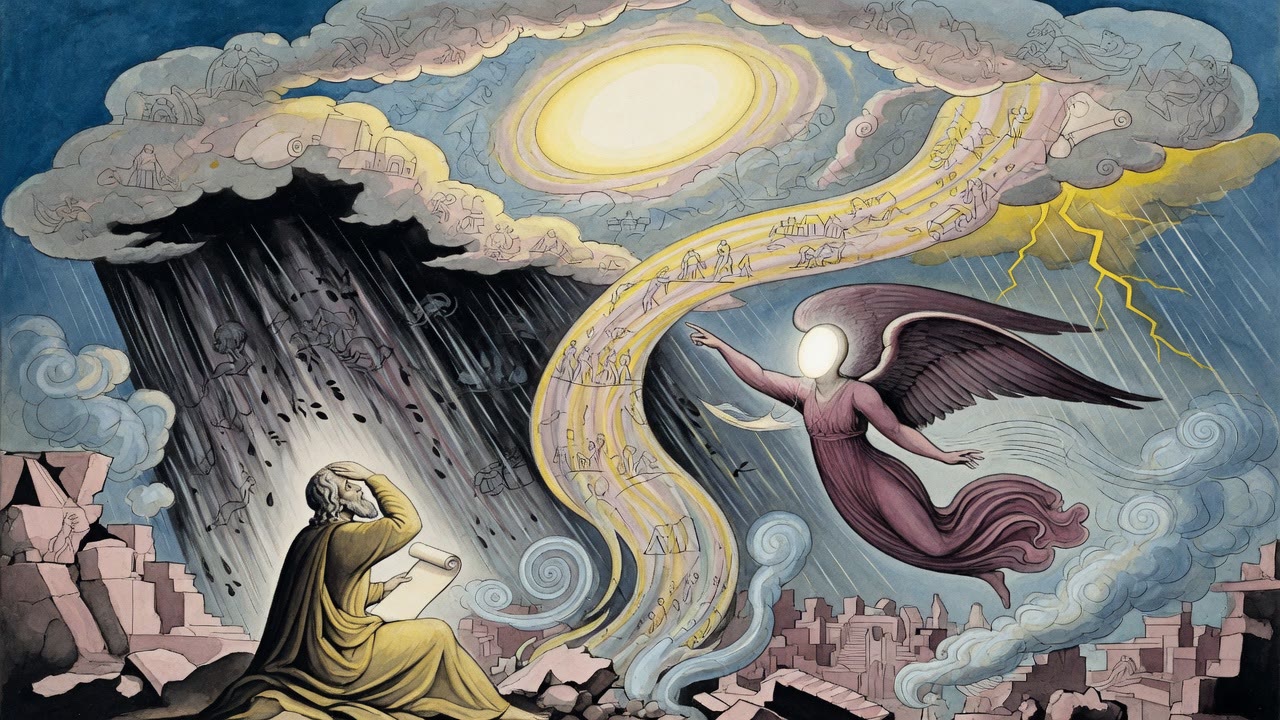
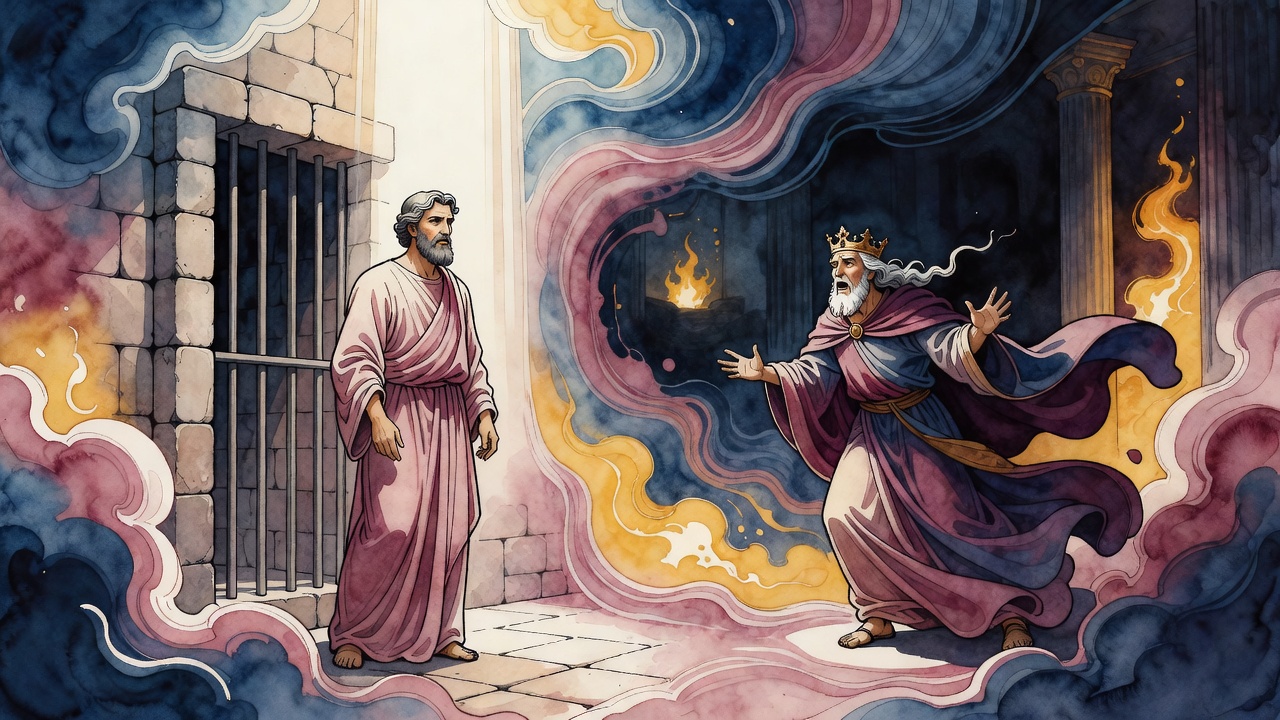
Daniel, who had read dreams for one court and then another and knew how quickly a favorite becomes a liability, did the sensible thing. He was afraid of Darius. He ran to Persia.

An angel found him there and gave him one sentence. "Fear not the king. I will not surrender you to him."

A letter followed soon after, in the king's own hand. "Come to me, Daniel. Fear nothing. I shall be even kinder to you than Cyrus was." Daniel went back to Shushtar and was received with high honor, an old man walking into the court he had fled, on the word of a messenger nobody else had seen.

The Grave on the Wrong Side of the River

Daniel died and was buried in Shushan, and the burial started a fight that outlived every man who started it.

A river cuts Shushan in two. The wealthy lived on one bank and the poor on the other, and the grave lay among the wealthy. The poor said the obvious thing: the money is over there because the righteous man is over there. Give us his bier and we will be rich too. The arguing turned into fighting, and the fighting went on long enough that the city had to invent something.

They settled on a rotation. One year the bier rested on the near bank. The next year it was carried across the water and rested on the far bank. A dead prophet went back and forth across a river on a schedule, hauled by whichever half of the city had just won its turn.

Sanjar Hung the Bier From Chains

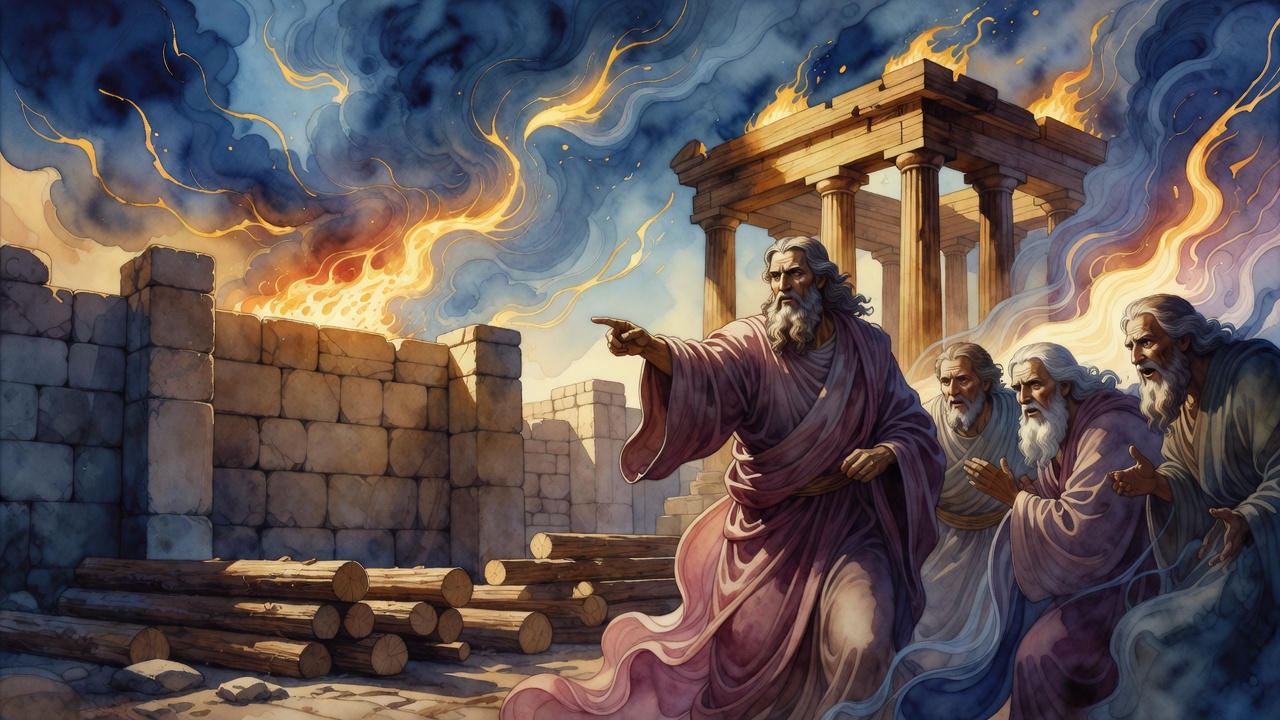
When the Persian king Sanjar came to Shushan and saw the practice, he stopped it, and he did not give the bier to either bank. He had it hung on chains from the middle of the bridge, out over the water, at the exact center of the quarrel, where neither side could carry it home.

Then he built a house of prayer on that spot, and out of respect for the man on the chains he forbade anyone to fish for a mile upstream and a mile down.

The place did not stay ordinary. Men who came to it with clean hands crossed the bridge and went on their way. Men who came to it godless went into the water and did not come up. And the fish that swam under the bier, people said, had heads that glittered like gold.


← All myths

From the tradition

Sources

3 sources

The texts behind this telling. Some cards carry a translation of the source; others are our own retelling of it, and each card says which. Every card links out to the original.

Legends of the Jews 11:28Legends of the Jews

Retold in our words. Read the original at the link below.The Legends of the Jews by Louis Ginzberg (1909) · Public Domain

Sometimes, the most powerful stories are the ones whispered from dying lips, carrying promises across generations.

Our tale begins with a king on his deathbed: Darius. Feeling his end near, Darius made a pivotal decision: he appointed his son-in-law, Cyrus, as ruler not just of Persia, but of his entire kingdom! Now, Cyrus wasn’t exactly a newbie; he’d already been calling the shots in Persia. But this? This was a whole new level of power. And, crucially, the princes of Media and Persia honored Darius's wish.

After Darius passed, Cyrus was officially proclaimed king. What did he do with this newfound authority?

Well, in his very first year, Cyrus did something remarkable. He summoned the most distinguished Jews to his court. And what did he tell them? He gave them permission – no, he empowered them – to return to Palestine and rebuild the Temple at Jerusalem. This wasn't just a royal decree; it was a seismic shift in their destiny.

But it gets better. Cyrus didn't just give them permission; he pledged to contribute to the Temple service himself! According to his means, of course, but still, he would pay honor to the God who, in his eyes, had given him the strength to conquer the Chaldeans.

Now, why would Cyrus do such a thing? Was he just a genuinely pious guy? Well, partly. But there’s more to the story. Some say these actions of Cyrus flowed from his own inclination toward the divine. But, as stories often do, there's another layer.

It's said that Darius, on his deathbed, had urged Cyrus to give the Jews the opportunity to rebuild their Temple. A dying wish, a sacred trust passed from one ruler to another. The behest of a dying king echoing in the halls of power, shaping the future of a people.

So, what do we take away from this? Perhaps it's a reminder that even in the grand sweep of history, individual acts of kindness and the weight of promises can change everything. That the dying words of a king can set in motion events that resonate through centuries.

Full source
Legends of the Jews 11:14Legends of the Jews

Retold in our words. Read the original at the link below.The Legends of the Jews by Louis Ginzberg (1909) · Public Domain

Even between the mightiest of rulers, it seems, human nature prevails.

Cyrus and Darius is often remembered as figures in history, names in textbooks. But consider their relationship, once seemingly so strong. The Book of Daniel paints a picture of them as allies, perhaps even friends. But as Legends of the Jews, that incredible compilation by Louis Ginzberg, tells us, these "pleasant relations did not continue to subsist forever."

A war erupted. Cyrus, the king who had allowed the Jewish people to return to Jerusalem and rebuild the Temple, lost. He lost his life. He lost his lands.

Daniel in the middle of all this. He's been a trusted advisor, a man of God in the courts of kings. Now, suddenly, his patron is dead, and a new ruler, Darius, sits on the throne. Fear grips him. According to Ginzberg, "Fearing Darius, Daniel fled to Persia." Who could blame him?

But here's where the story takes a turn, a moment of divine intervention. An angel appears to Daniel, bringing a message of reassurance. "Fear not the king," the angel says, "not unto him will I surrender thee." It's a powerful promise, a divine guarantee of protection.

And it's followed up by something even more surprising. A letter arrives from Darius himself! Think about the scene: Daniel, in exile, receives a royal summons. The letter reads, "Come to me, Daniel! Fear naught, I shall be even kinder to thee than Cyrus was."

What do you make of that? Is it genuine kindness? Political calculation? Perhaps a bit of both. Whatever the reason, Daniel takes the risk. He returns to Shushtar, a city in Persia, and is received with "great consideration" by Darius.

A story of shifting allegiances, of war and fear, but also of divine protection and unexpected grace. And perhaps, that even amidst conflict, there’s always the possibility of finding favor, even kindness, in unexpected places.

Full source
Legends of the Jews 11:21Legends of the Jews

Retold in our words. Read the original at the link below.The Legends of the Jews by Louis Ginzberg (1909) · Public Domain

I'm talking about a legacy so strong it can literally divide a city!

The story moves to Shushan, ancient Persia, and explore the story of the prophet Daniel, a figure deeply revered in Jewish tradition. After his death, Daniel was buried in Shushan, and that's where things got… complicated.

Shushan, was cleaved in two by a river. On one side lived the wealthy, and on the other, the less fortunate. And wouldn't you know it, Daniel's grave was situated on the wealthy side. Now, the poor folk weren't exactly thrilled. "If only Daniel's grave was on our side," they argued, "we, too, would be blessed with riches!"

In Legends of the Jews, this disagreement sparked constant quarrels and even conflicts. A tug-of-war over a gravesite! So, how did they solve it? Well, they came to a compromise. Every year, Daniel's bier, that's the stand on which a coffin is placed, would be moved to the other side of the river. One year the wealthy got him, the next year, the poor.

But the story doesn't end there. Fast forward to the reign of the Persian king Sanjar. He wasn't too keen on this annual shuffling of Daniel's remains. It probably didn't seem very dignified! So, he came up with a more… permanent solution.

Sanjar ordered Daniel's bier to be suspended by chains right in the middle of the bridge spanning the river. Talk about a statement! He then built a house of prayer, open to all faiths, right there. And, out of respect for Daniel, he forbade fishing in the river for a mile around the memorial. That's quite a radius of reverence.

But here's where the legend takes another turn, adding a layer of the miraculous. The story goes that the sacredness of the spot was palpable, even dangerous, to those who weren't pure of heart. Anyone who dared to pass by with evil intentions? Drowned! But the pious, the righteous? They remained unharmed. As Legends of the Jews tells us, the fish that swam near this holy spot had heads that glittered like gold.

Isn't that incredible?

This story, found in Legends of the Jews, reminds us of the enduring power of faith, the complexities of community, and the sometimes-astonishing ways people try to connect with something larger than themselves. What kind of legacy will we leave behind? And how will people remember us long after we're gone?

Full source