Esther Strips Off Her Crown and Begins Her Prayer With Abraham
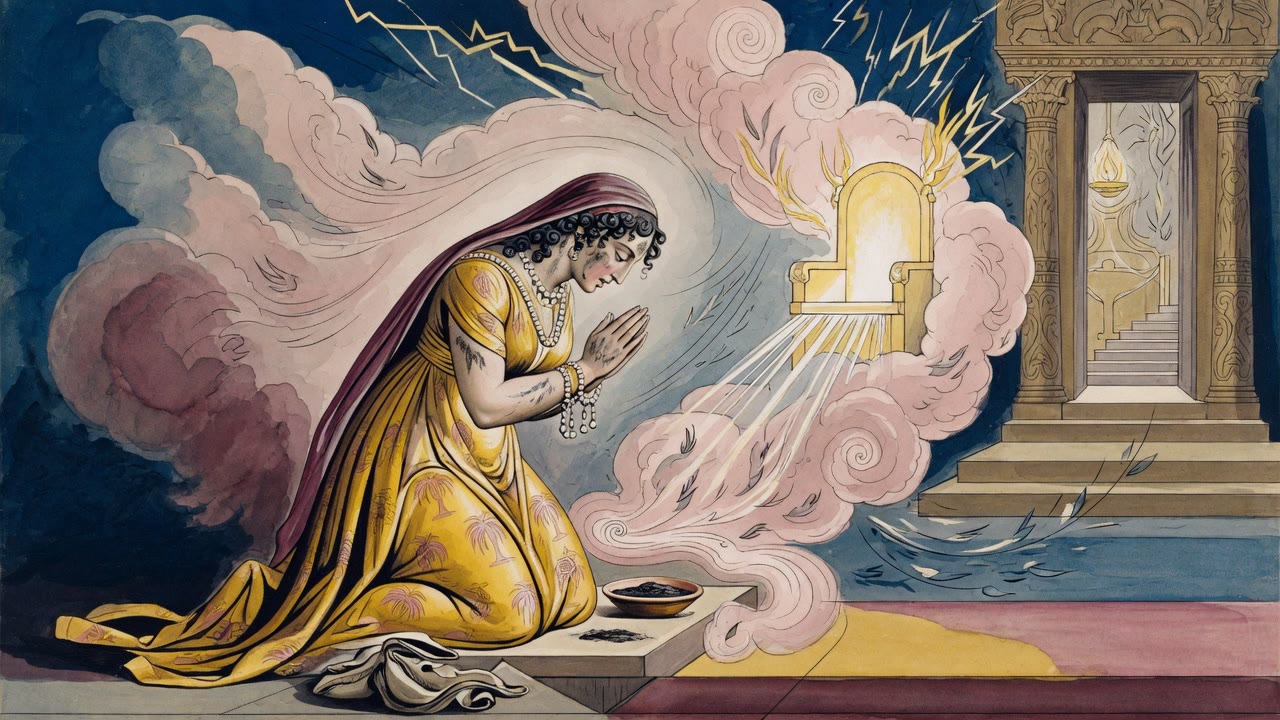
Three days without food. The decree was already on the road. On the palace floor Esther named herself an orphan and began with Abraham.
Table of Contents
 Click for full size
The Crown Comes Off
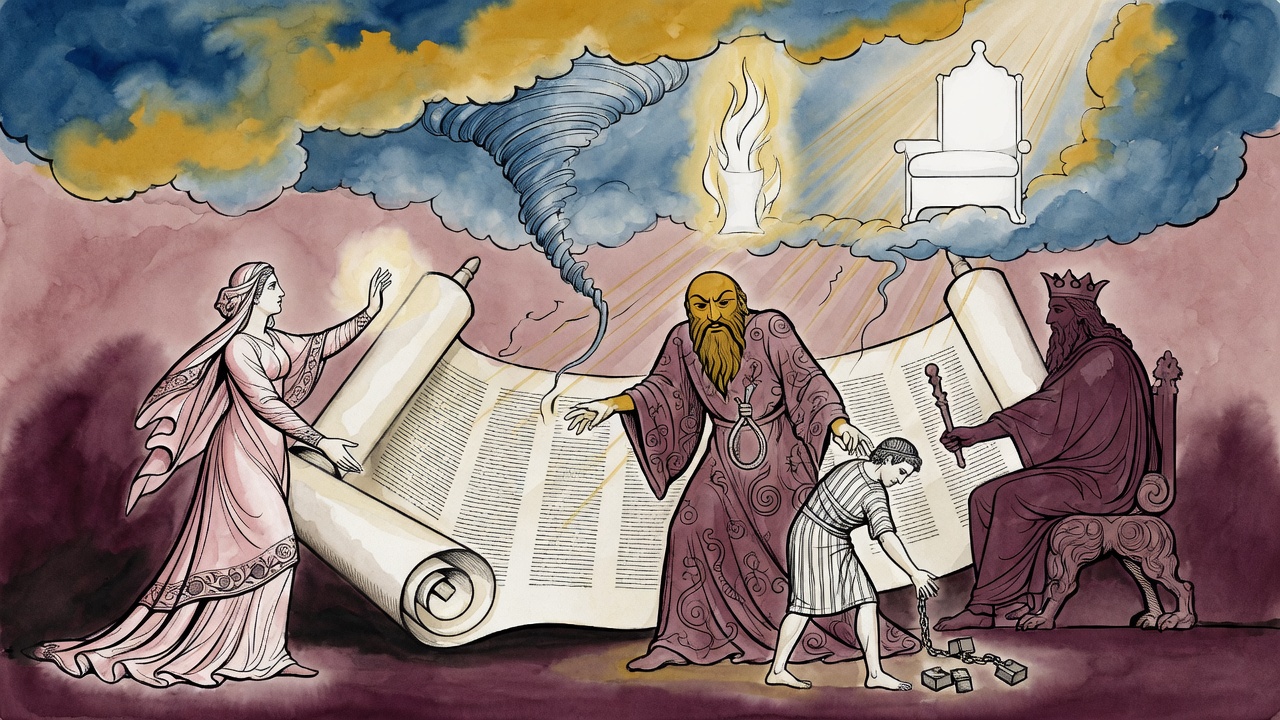
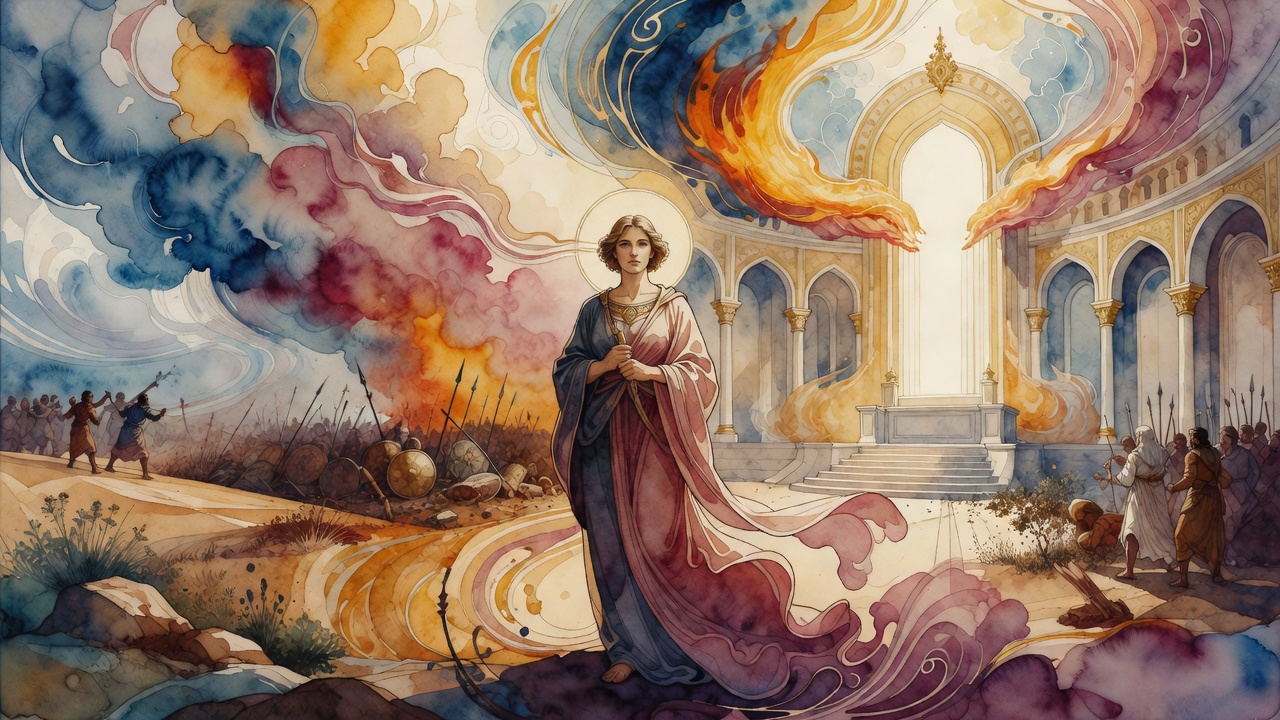
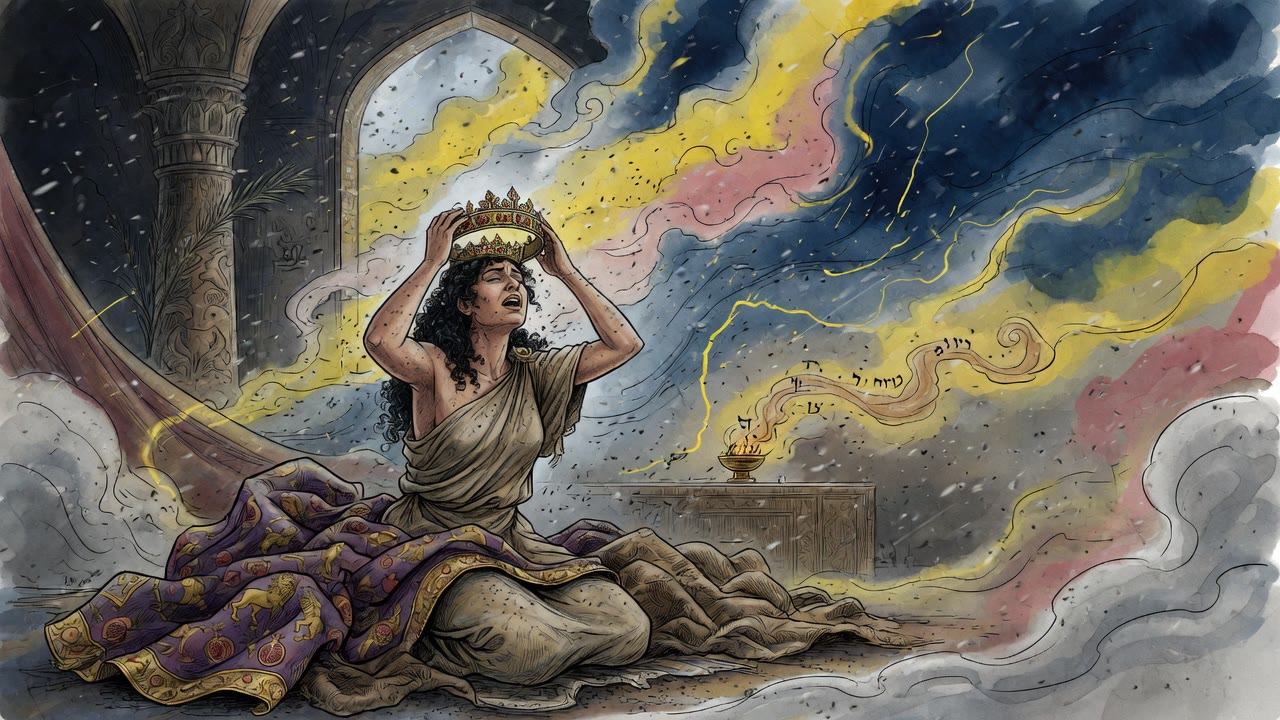
Esther strips the crown from her hair and sets it down. Then the bracelets. Then the rings, one finger at a time. The royal garments slide from her shoulders and pool on the floor. Three days she has not eaten. Beyond the windows the city of Shushan goes on. She has not been summoned in thirty days. Cross the inner threshold uninvited and the king can have her killed where she stands.
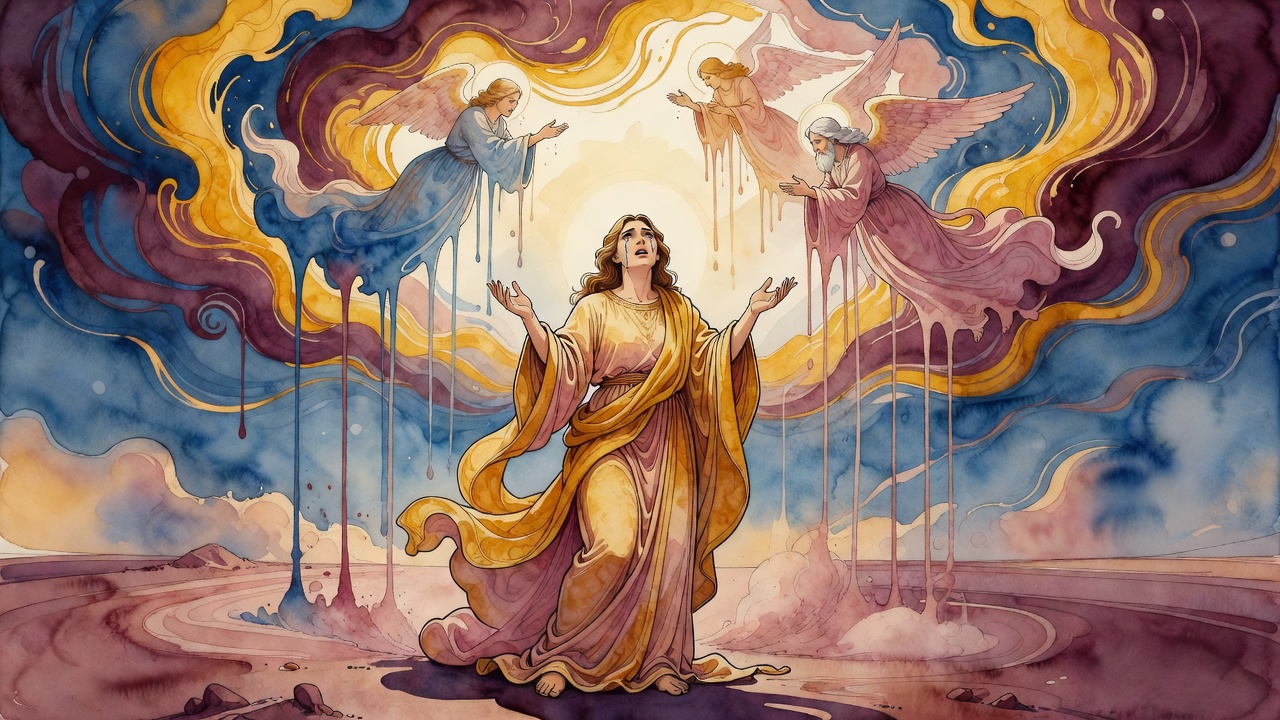
She reached for sackcloth. She pulled it tight. She loosed her hair until it hung tangled. She bent to the cold floor, gathered dust and the ashes of the hearth, and poured them over her head. Then she fell forward onto her face.
The decree had a name. Haman had stood at the king's ear and won a signature. Every Jew in the empire was to be destroyed. The order was already riding out on fast horses.
From One Window to the Other
"How quickly have the days of our joy flown by," she said into the floor. Haman had surrendered her people to their enemies for slaughter, and she named it.
She did not call herself queen. She called herself an orphan. No mother, no father, alone in a foreign house. "Like an afflicted orphan begging charity from house to house, so do I beg for Thy mercy, from one window to the other in the palace of King Ahasuerus, and have done so from the time I was brought here until this present day."
She crawled. She dragged herself along the stone. She lifted her ashen face to one shuttered window and then the next, as if God might be looking in through any of them.
She Begins With Abraham
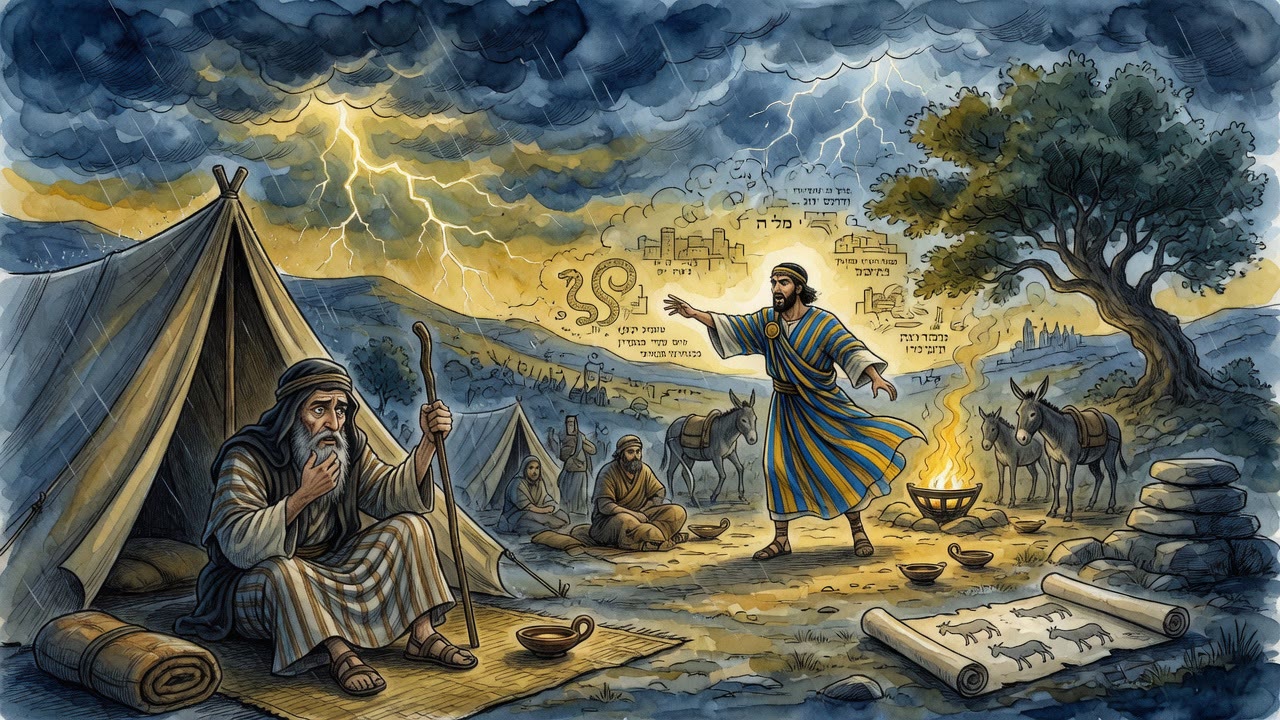
Then she stopped weeping and started to argue. She begins her prayer with Abraham, not with herself.
"I will recount before Thee the deeds of Thy friends, and with Abraham will I begin." She laid his trials on the floor between her and heaven. "Thou didst try him with all temptations, yet didst Thou find him faithful." She asked God to bear Abraham's children as an unbreakable seal on His right hand. She asked Him to call Haman to account, the son of Hammedatha, and not the people Haman had tried to hem in on all sides.
She reached for Isaac, bound. "With an eternal bond Thou didst bind us unto Thee. O that Thou wouldst uphold us for the sake of Isaac, who was bound." She reached for the three days Abraham had walked to that mountain, and she matched her fast to them. She reached for Jacob's charm to be put in her mouth, and for the grace of Joseph upon her tongue.
Her father had taught her the old deliverances when she was small. She counted them into the dust. God had redeemed the ancestors out of Egypt. He had struck the firstborn in a single night. He had split the sea so they walked through on dry ground (Exodus 14:21). He had fed them with food from heaven and drawn water from the rock (Exodus 17:6). He had said through Moses, even in the land of their enemies, I will never forsake them (Leviticus 26:44).
One signature was on the road. One oath was older. She meant to make God choose.
Stand at the Right Hand of This Orphan
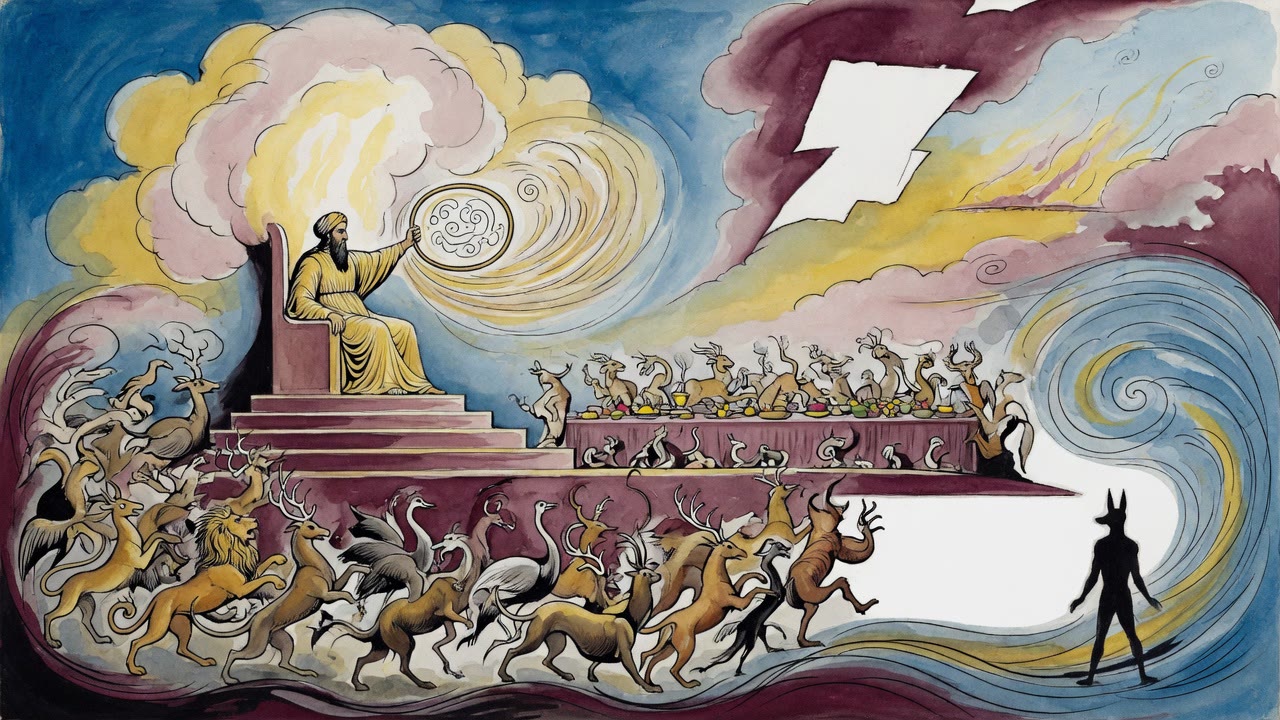
"O Lord, Father of the fatherless, stand at the right hand of this orphan, who trusts in Thee, and grant me mercy when I am in the presence of King Ahasuerus, for I fear him as a kid fears the lion." She did not pretend. "Make lowly all his counsellors. Cause his heart to hate our enemies and to love Thy servants, for the heart of kings is in Thy hand."
She asked for an angel of compassion to go with her. She asked that the righteousness of Abraham go before her, the binding of Isaac raise her, the charm of Jacob be put into her mouth. "Deliver me from the fear and trembling which have taken hold of me, that I may go into his presence in Thy name, and come out in peace."
Then she rose. She washed the ashes from her face. She shook the dust from her hair. She dressed again in the royal garments. The crown went back on. The rings went back on.
She Crosses Uninvited
On the third day she walked toward the inner court of the house of Ahasuerus, her right hand on one maiden, the other maiden holding the train so the gold would not scrape the floor. The potentates of the kingdom sat before the throne. One said she was sure to be killed, since she had entered without an appointed time. One said he would take her royal garments. Another claimed the ornaments on her feet. Another the ornaments on her hands.
Esther kept her face still. She hid the grief. The king raised his eyes and was enraged that she had come uncalled. She trembled. She felt faint. She put her head on the maid at her right.
Then the king rose in haste, ran toward her, embraced her, kissed her, and put the golden sceptre into her hand. "What is this fear, O Queen Esther? This decree of ours does not apply to thee."
She had come from the floor with Abraham's name still in her mouth. She crossed the threshold anyway, an orphan under the gold, and the lion's hand opened.
← All myths