Moses Begged to Cross the River and Learned One Fate Falls to All
Noah stepped off the ark and a lion mauled him. Pharaoh Necho reached for Solomon's throne and a lion bit him too. Moses heard both stories from the ridge.
Table of Contents
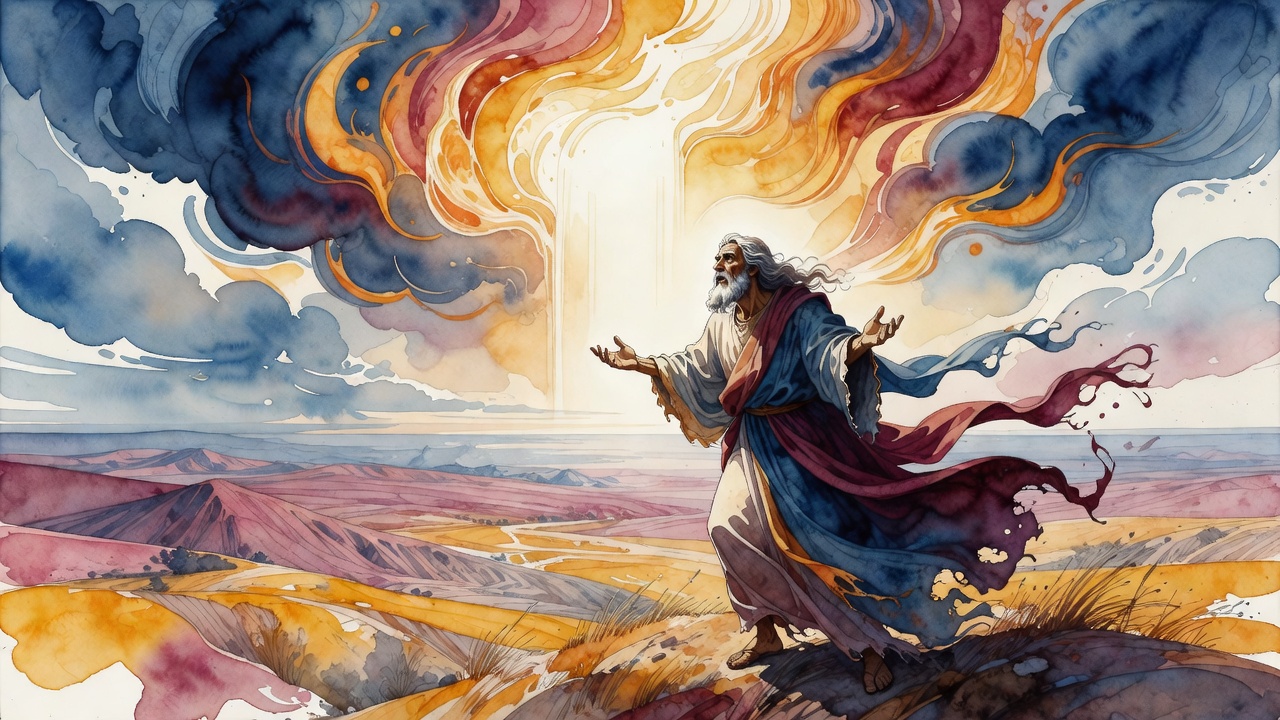
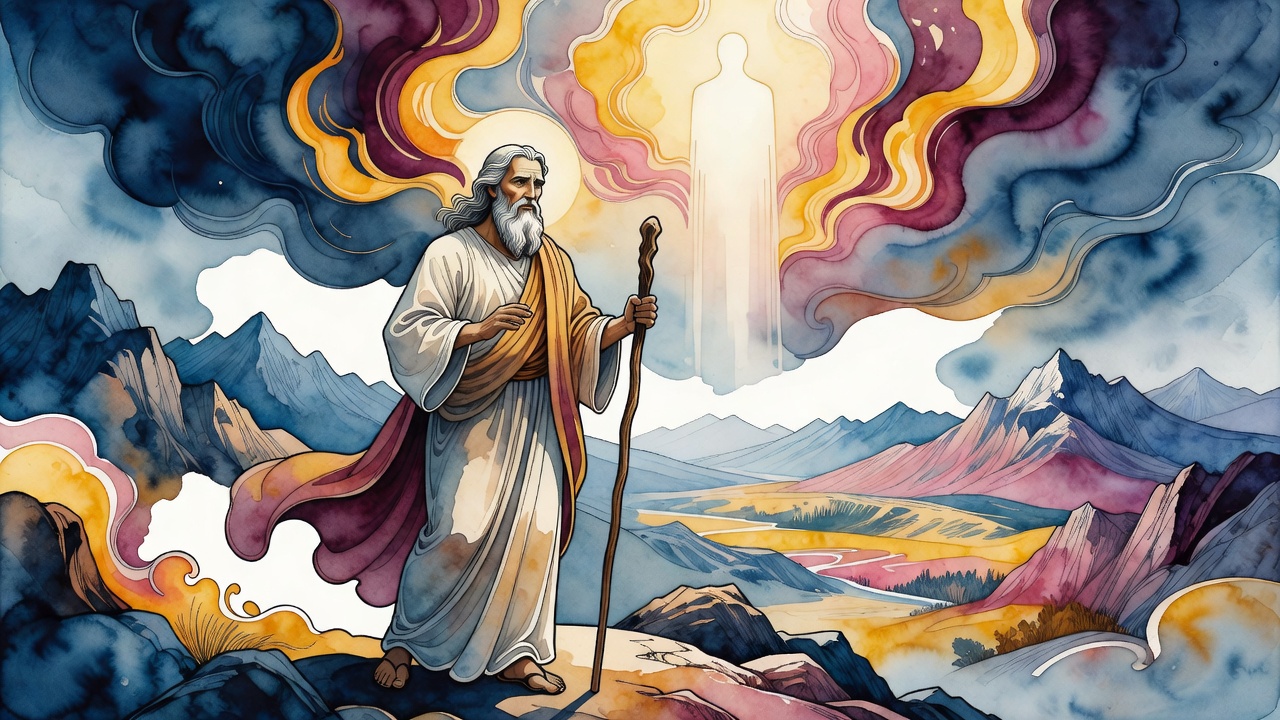
Moses stood on the ridge with the land in his eyes and a plea raw in his mouth. "I besought the Lord." He had spoken for the people when they sinned. He had stood in the breach when wrath kindled. Now he asked for himself, for a single crossing, for the feel of the promised soil under the feet that had carried everyone else this far.
 Click for full size
The answer would not be a simple yes. Midrash Tanchuma places in his mouth a harder recognition first. "Master of the world, everything is equal before You. There is one determination for the righteous and for the wicked."
The Same Lot
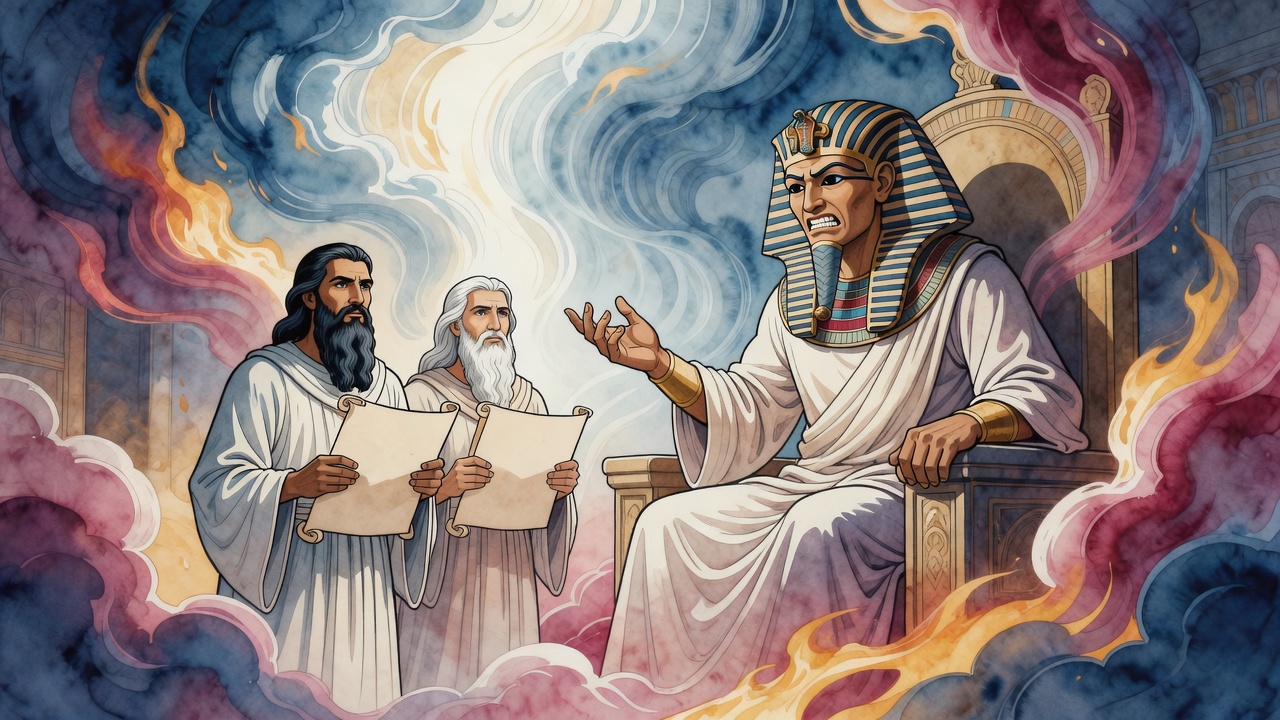
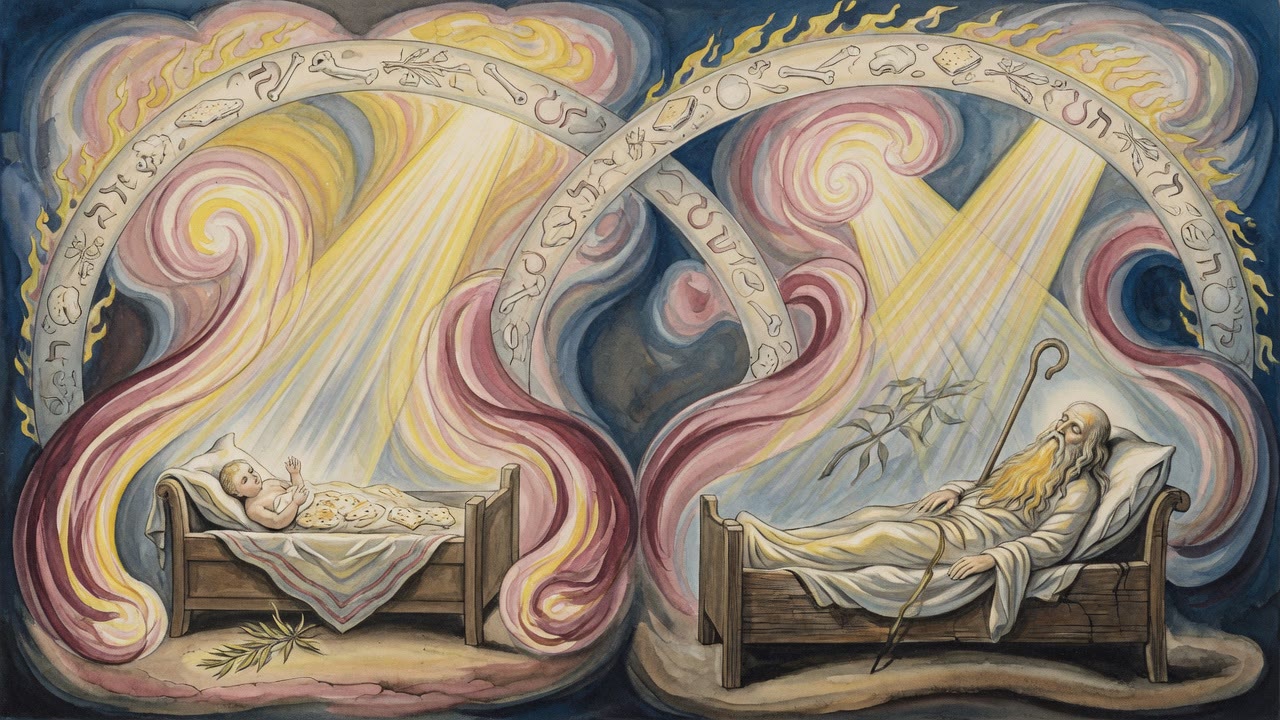
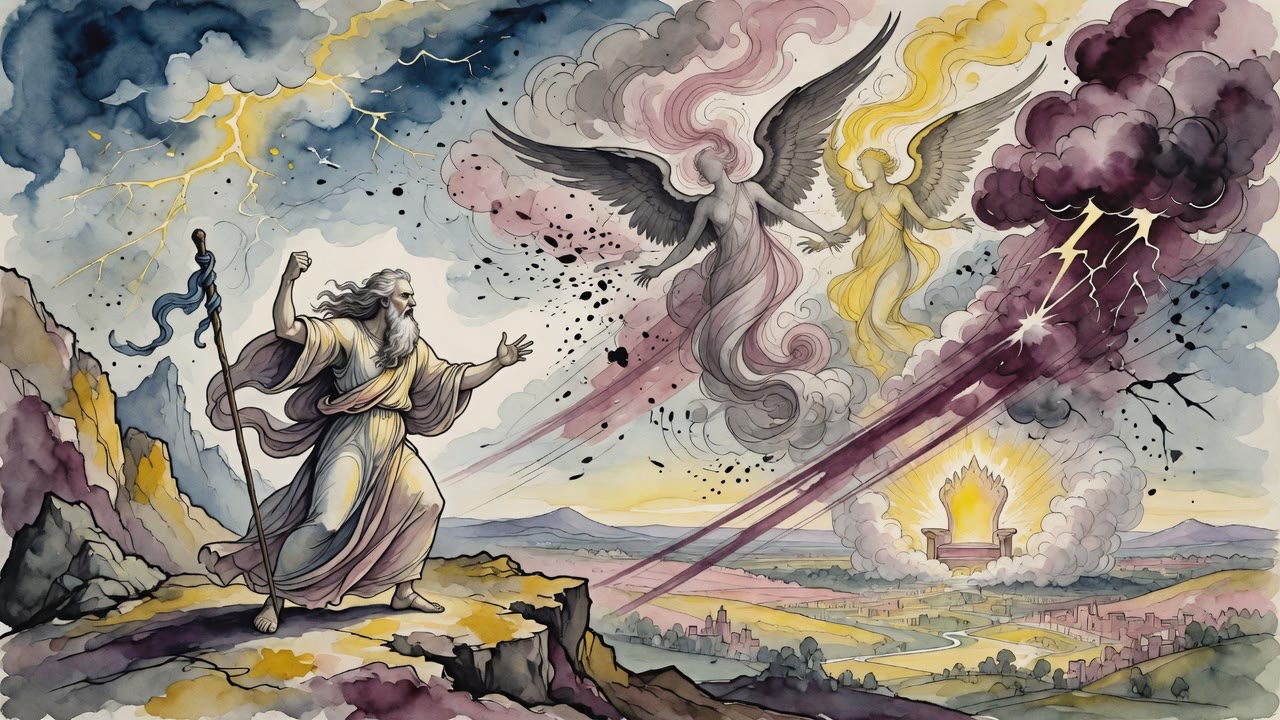
Solomon's line runs through the homily: the same lot falls to the righteous and to the wicked, to the good and to the clean and to the unclean (Ecclesiastes 9:2). The midrash fills the abstract with bodies. "To the righteous" is Noah, who left the ark only to be bitten by a lion and maimed so he could not offer; Shem sacrificed in his place. "To the wicked" is Pharaoh Necho, who tried to sit on Solomon's throne, failed the mechanism, and was bitten by a lion of the throne until he limped. One died limping from holiness's aftermath. One died limping from presumption. The limp matched. The stories did not.
Moses hears the pattern and understands the terror inside fairness. Heaven's scales are not a market where righteousness always buys the outcome a righteous man wants.
Good, Clean, Unclean, Oath
"To the good" is Moses himself, born circumcised, called good when his mother saw him. "To the clean" is Aaron, who cleaned Israel's sins. "To the unclean" are the spies. One pair praised the land. One pair slandered it. Neither Moses and Aaron nor the spies entered. Praise did not purchase entry. Slander did not invent a unique exile. The land's refusal could fall across opposite mouths.
The midrash keeps stacking pairs until the ridge under Moses feels less like a stage for exception and more like the place where even a prophet learns he is inside the same human weather.
God Is Not a Man to Be Deceitful
Elsewhere the same midrashic world insists, "God is not a man, that He should lie" (Numbers 23:19). With good, He does not reverse Himself even if a generation is liable. He promised stars to Abraham and multiplied Israel. He promised land and did not snatch the oath back. With evil spoken, He may rescind, as when Moses stood after the calf and the Lord turned from the disaster He had declared. He may shorten oppression from four hundred years of speech to two hundred and ten years of lived pain. He may take a people called "not My people" and call them His again.
Moses knows that theology in his bones. It is why he dares to beg. If evil decrees can bend, perhaps a personal no can bend too. The ridge becomes a courtroom where he tests the flexibility of mercy on his own life.
Blessings Few, Curses Many
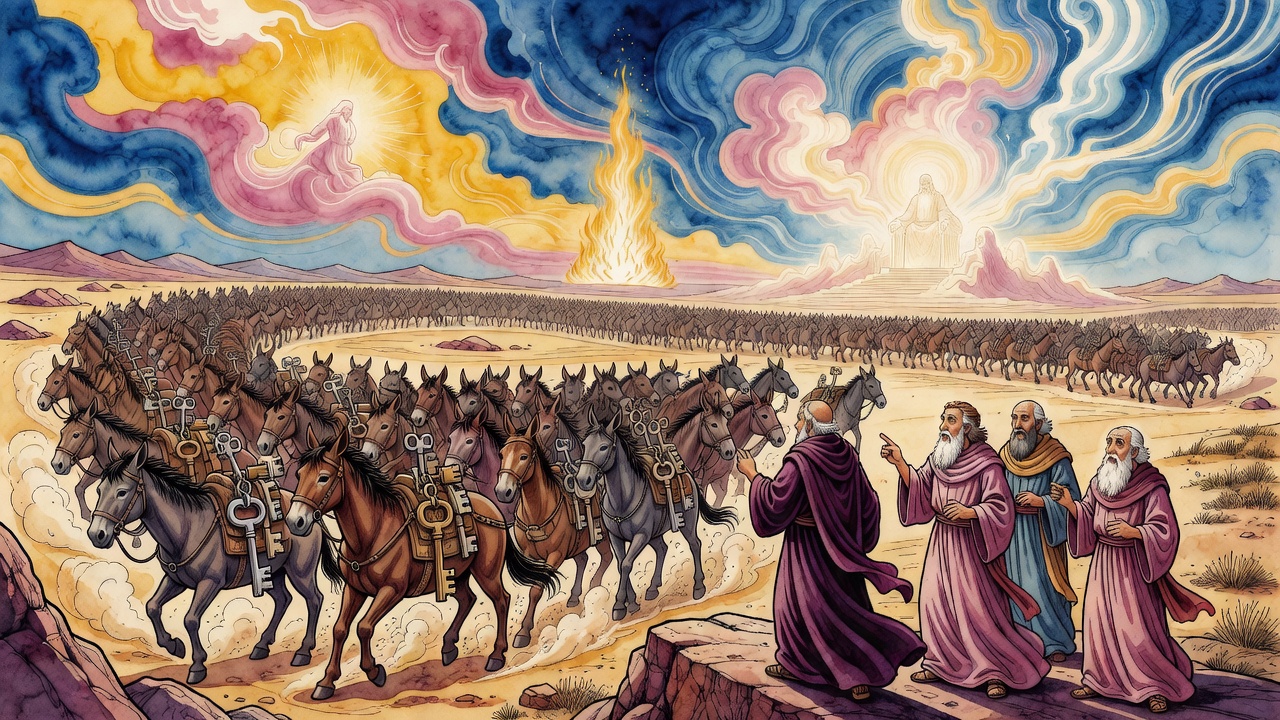
Another homily shows Israel the kitchen of good things and the palace of swords. The son asks for whom the food is, and for whom the blades. The father answers: praise and rebellion. The blessings in the Torah can look fewer than the curses on the page, until a sage counts letters from alef to tav in the blessing run and finds a fuller span than the narrow band of the curse sequence. Moses, who once set both before the people, now stands under the personal version of the same display. The land is the kitchen. The refusal is the sword. He has praised. He still may not enter.
That is not betrayal of the good promise to the people. The people will cross. The promise to the nation holds. The servant who carried them can still be stopped at the line.
The Plea That Did Not Buy Soil
He looked until looking hurt. He asked until asking emptied. The lot did not flip because the asker was Moses. The midrash's cruelty is also its honesty. A lion can maim a righteous man. A throne can maim a wicked one. A prophet can die on the wrong side of a river he made possible.
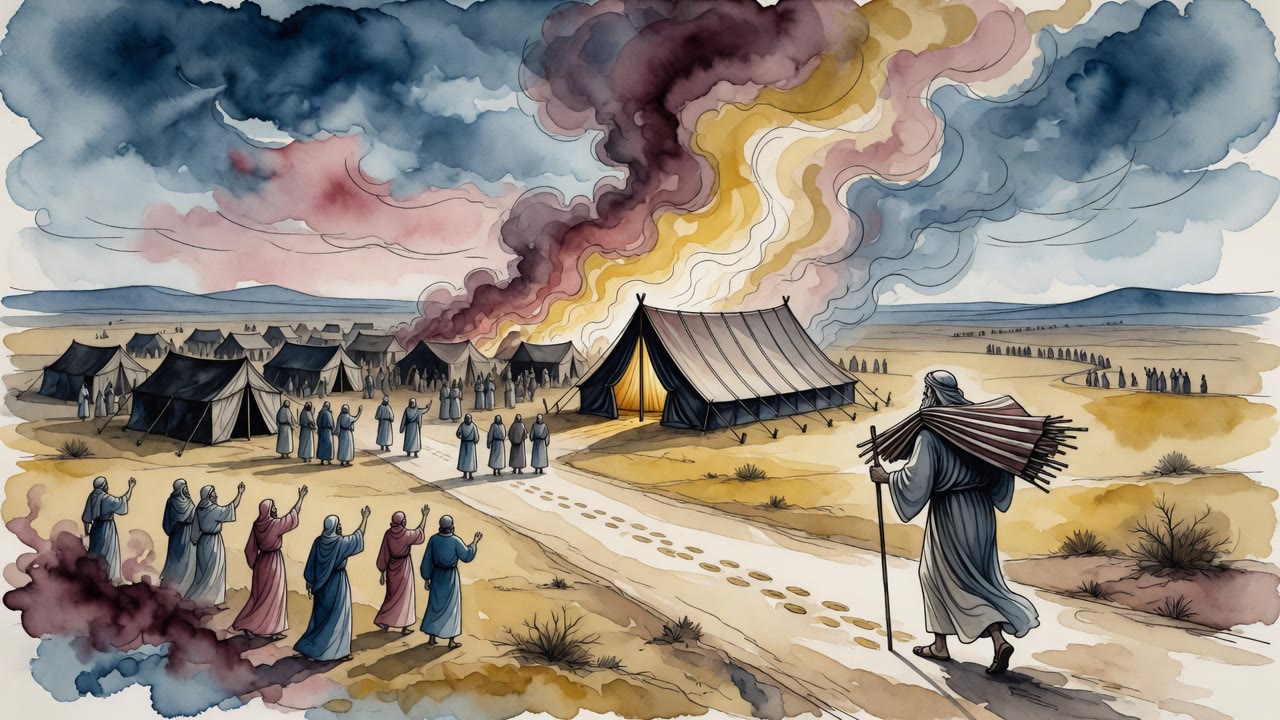
He turned back toward the camp that would outlive him. The land stayed bright across the gap. The same God who rescinds evil and keeps good had chosen, in this one desire, not to rescind the decree that kept Moses west of the promise. The limp of that refusal would stay in Israel's memory longer than many victories, a reminder that love is not a coin that always purchases the ending the beloved wants.
← All myths