Pharaoh Gnashed His Teeth at Moses and Aaron
Pharaoh called the brothers unclean and idle, mocked their scrolls of hope, and blasphemed the God who answered every plot with more Israel.
Table of Contents
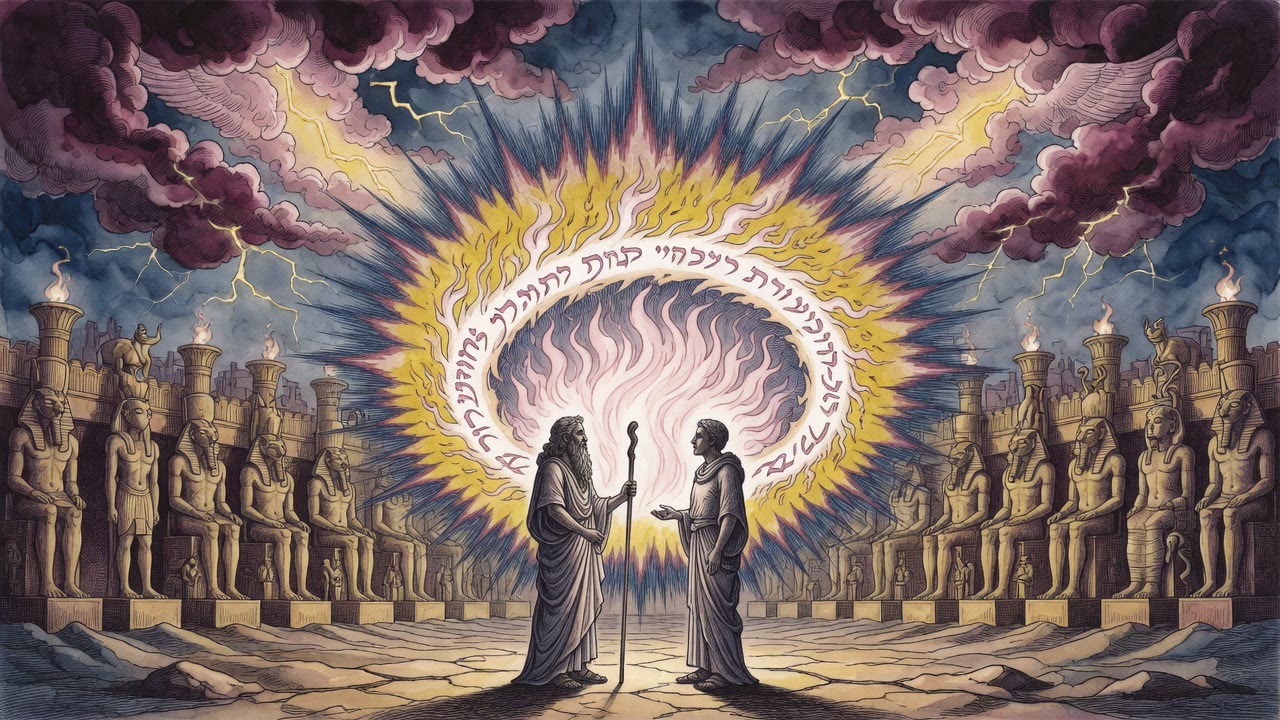
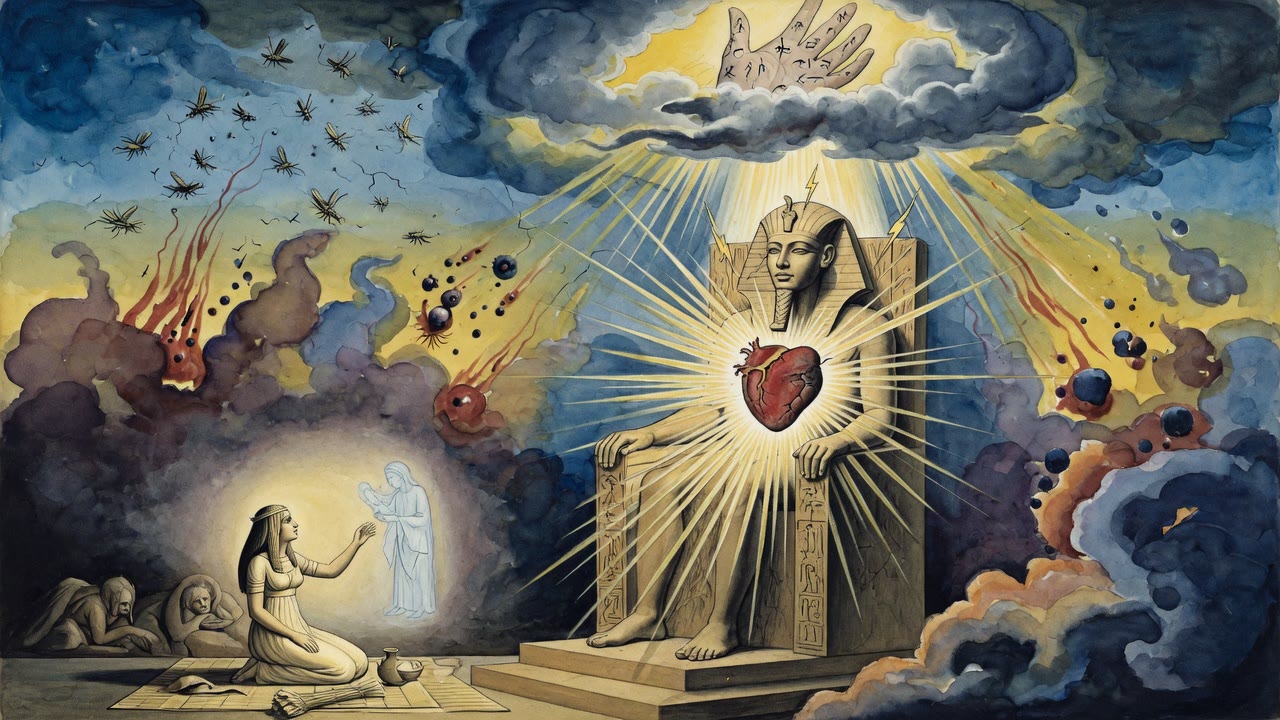
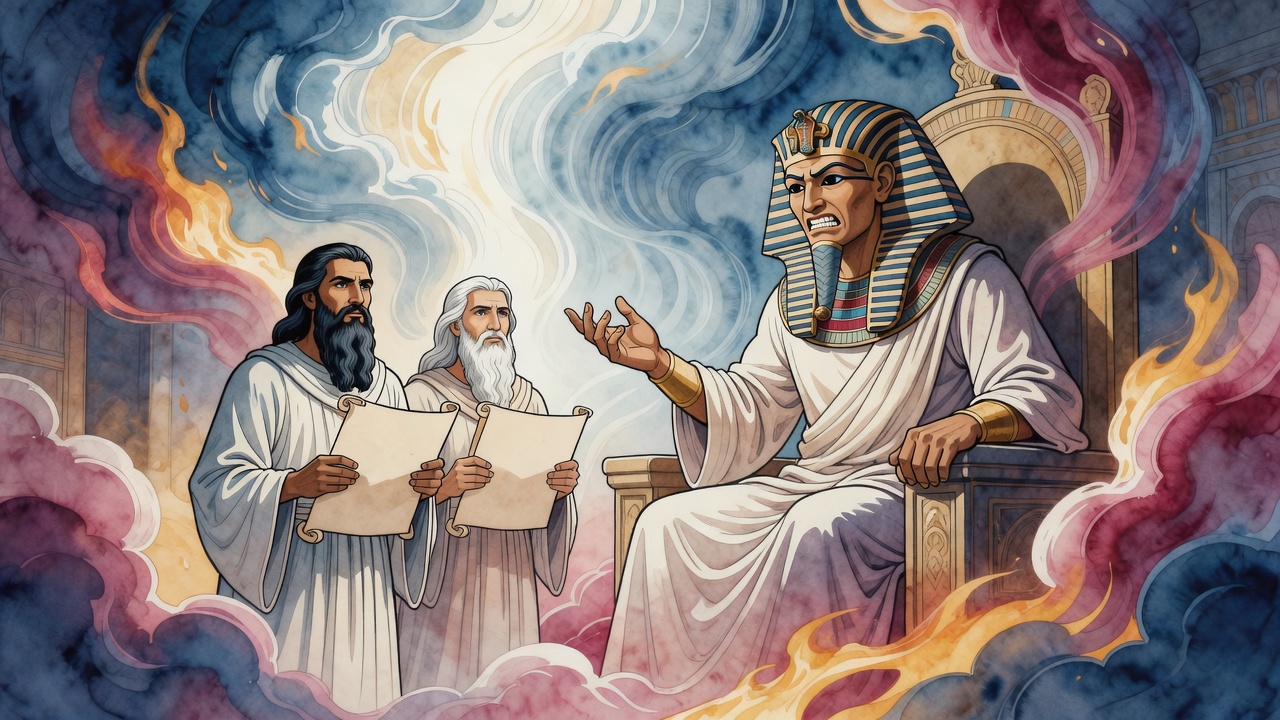
Pharaoh ground his teeth so hard the court heard the bone-sound under the gold. Moses and Aaron still stood in the heat of the throne room with a sentence that refused to shrink. The God of the Hebrews had met with them. The king wanted that claim broken into dust.
 Click for full size
"You are idlers," he spat, twisting the word until it meant uncleanness. "So you claim you are holy men, and you say, Let us go?" The insult was not policy alone. Midrash Tanchuma hears blasphemy aimed at the One on High, a ruler trying to outmaneuver the God who had already promised increase.
Come, Let Us Deal Wisely
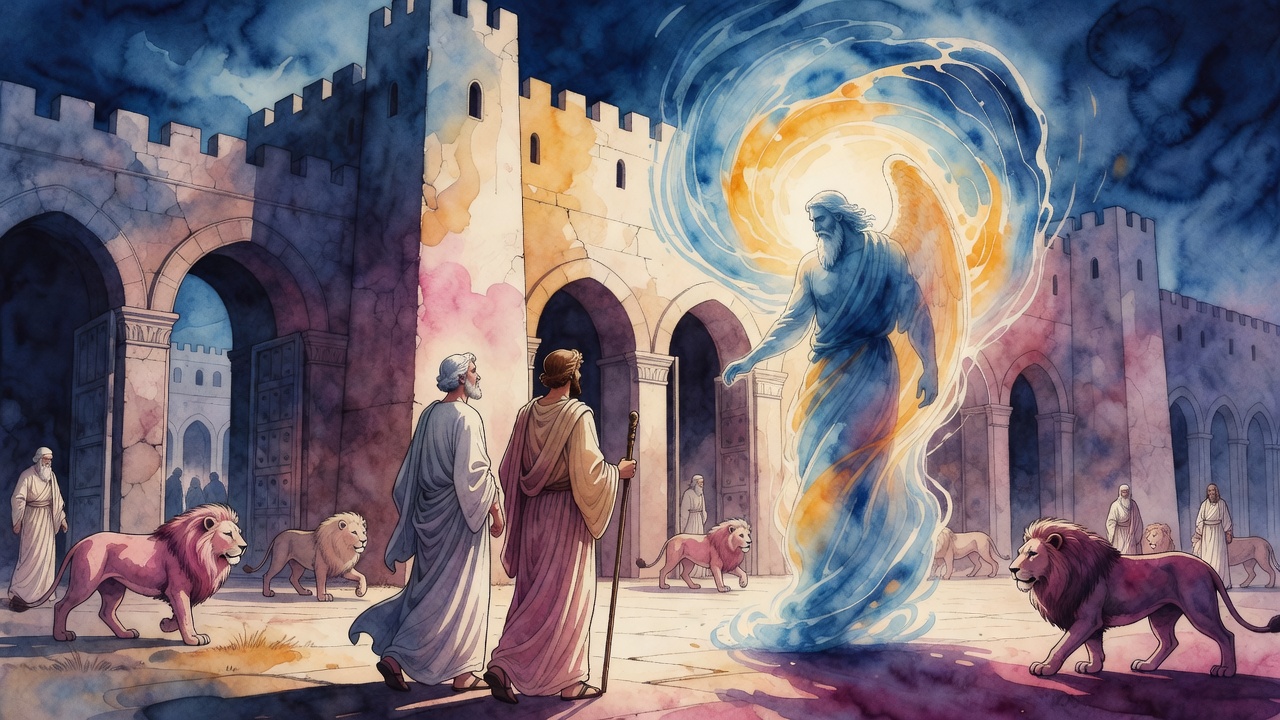
Years earlier the same mouth had opened a softer knife. "Come, let us deal wisely with them" (Exodus 1:10). Wisdom, in Pharaoh's dictionary, meant crushing a people without admitting fear. He feared their numbers. He feared they might join an enemy and ascend from the land. The midrash turns that fear into a prophecy against him. Every time Egypt presses, Israel multiplies. Every fall into dust is followed by a lifting, as David later sang from the depths, "Arise for our help" (Psalms 44:27).
Pharaoh plotted against a blessing and discovered that craft cannot cancel a divine count. The people grew under the bricks. The more he pressed, the more the promise answered with bodies and breath.
Scrolls Read on the Sabbath
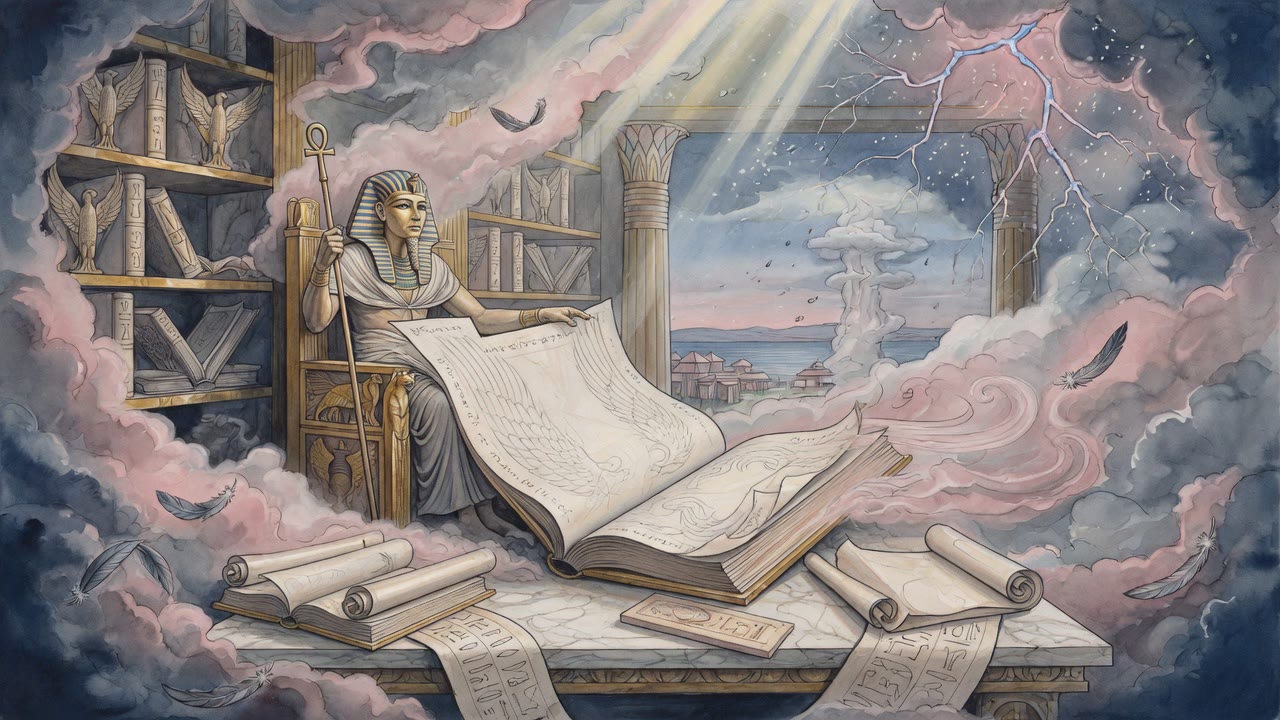
In the throne room the king pushed further. He told them to get to their burdens. He ordered heavier work so the men would not regard "lying words." What were those words? Scrolls the Hebrews delighted to read from Sabbath to Sabbath, scrolls that said the Holy One would redeem them. Pharaoh wanted the hope itself criminalized. Let them not delight in it. Let labor erase the future.
Moses and Aaron had already risked a careful correction of speech. They had said, "Thus said the Lord, the God of Israel," and then returned with, "The God of the Hebrews hath met with us" (Exodus 5:3), lest Pharaoh claim they had altered the message. The king did not care about precision. He cared about breaking the mouths that carried it.
R. Joshua son of Levi notes that the tribe of Levi was exempt from the hard labor. Pharaoh heard their freedom as insolence. Exemption became, in his ears, proof that holy talk is the luxury of men who do not bleed under the sun.
Names Heaven Assigned
Behind the brothers stood a people whose names heaven had already claimed. Midrash Tanchuma teaches that God assigned names with purpose, that Isaac's letters carry counts, that Jacob's letters crown the people who will adore the Holy One. Pharaoh tried to reduce those named lives to idle flesh. The naming tradition answers that each person is already addressed by God before any king addresses them with a whip.
The conflict is not only bricks versus rest. It is a war over who gets to define a human being: the throne that counts labor, or the God who counts names.
God Is Not a Man to Be Deceitful
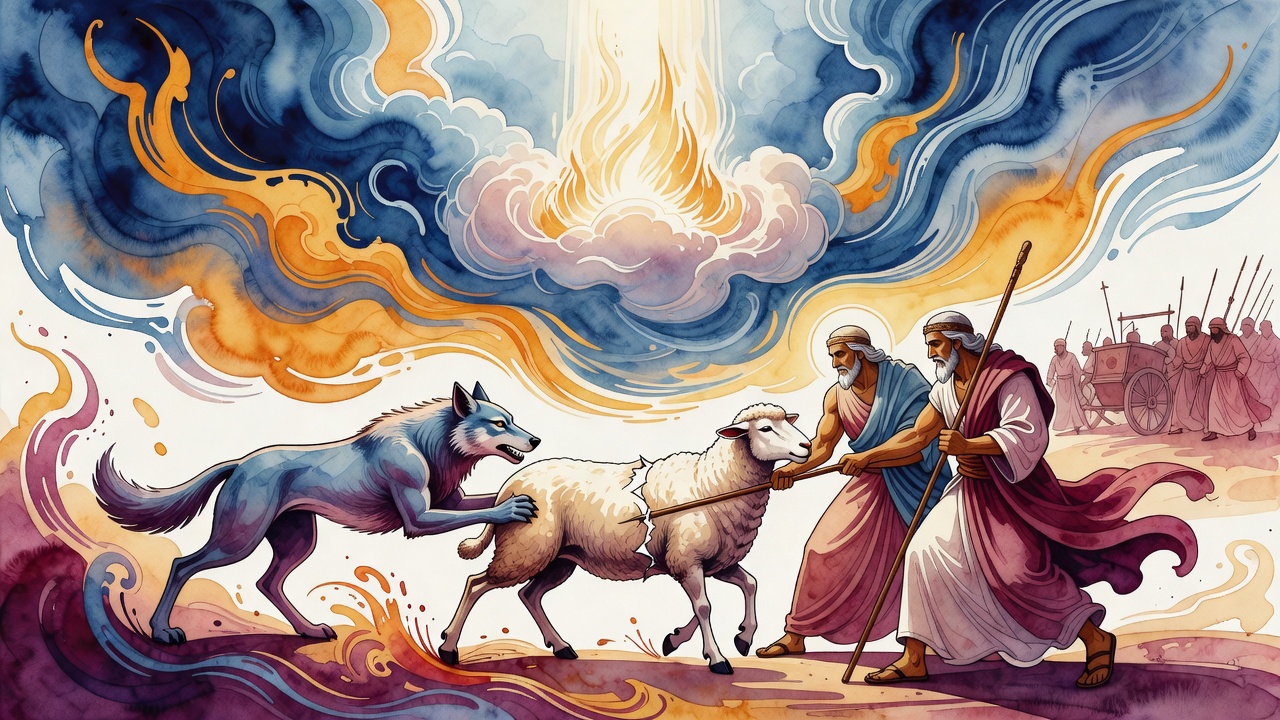
Later Scripture will say, "God is not a man, that He should lie" (Numbers 23:19). Midrash Tanchuma reads the line with a double edge. With good, God does not reverse Himself even if a generation is liable. With evil decreed, He may rescind, as when Moses stood after the calf and the Lord turned from the disaster He had spoken. Pharaoh learns the hard side of the opposite truth: human deceit cannot force heaven to abandon a good promise already sworn.
He said Israel would be handled. Heaven said Israel would rise. The teeth kept grinding. The people kept breathing. The scrolls kept their Sabbath voice under the noise of the lash.
The Court That Could Not Swallow the Word
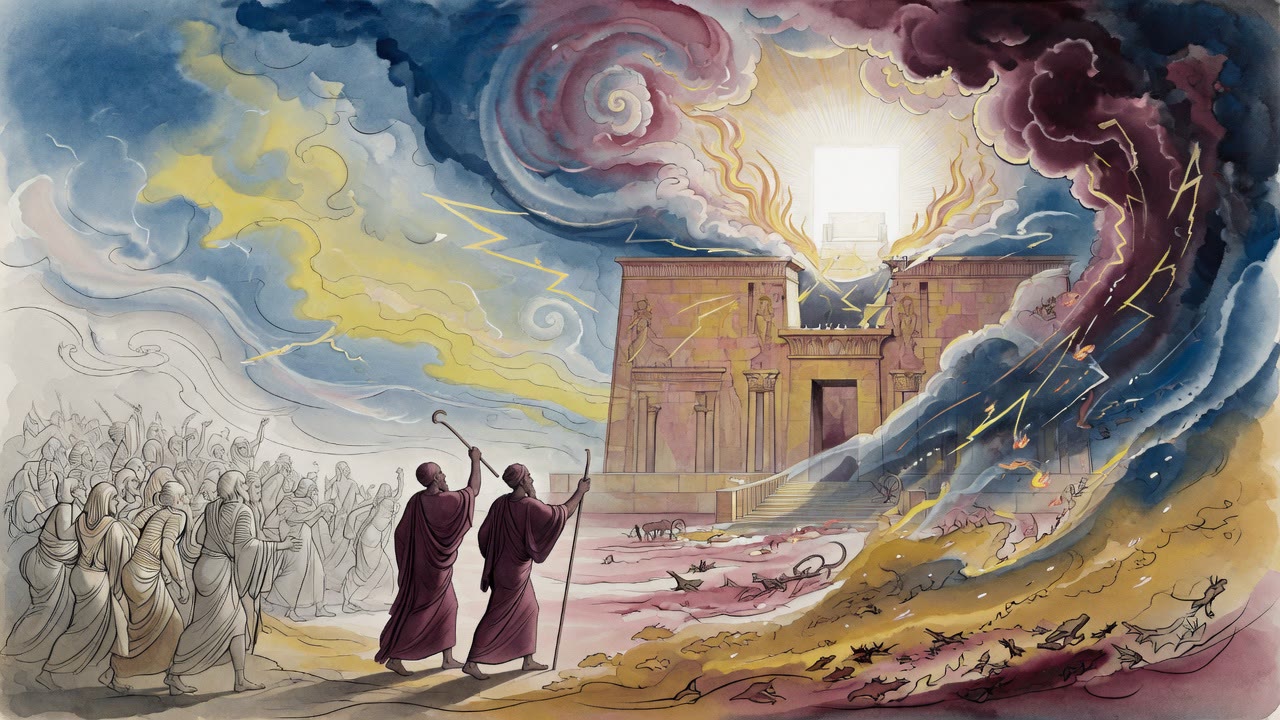
Moses did not answer the insult with a matching sneer. He carried a mission that had to survive mockery. Aaron stood with him as mouth and brother. The king called them unclean. The midrash answers by grinding Pharaoh's bones in a curse of memory, because the one who calls holiness idle has already chosen the wrong side of the story.
Outside, the quotas rose. Inside the huts, men still opened the old words when the week turned. Hope is hard to kill with bricks. Pharaoh discovered that blasphemy is a poor tool against a God who treats every Egyptian scheme as another reason to multiply the very people the scheme was built to shrink.
When Moses left the court that day, the taste of the insult stayed in his mouth like metal. Aaron walked beside him without polishing the pain into a speech. They had not come to win a debate with a king who called redemption a lie. They had come to deliver a demand that would outlast the teeth that ground against it.
← All myths