Moses Hoped for the Priesthood and God Named Aaron Instead
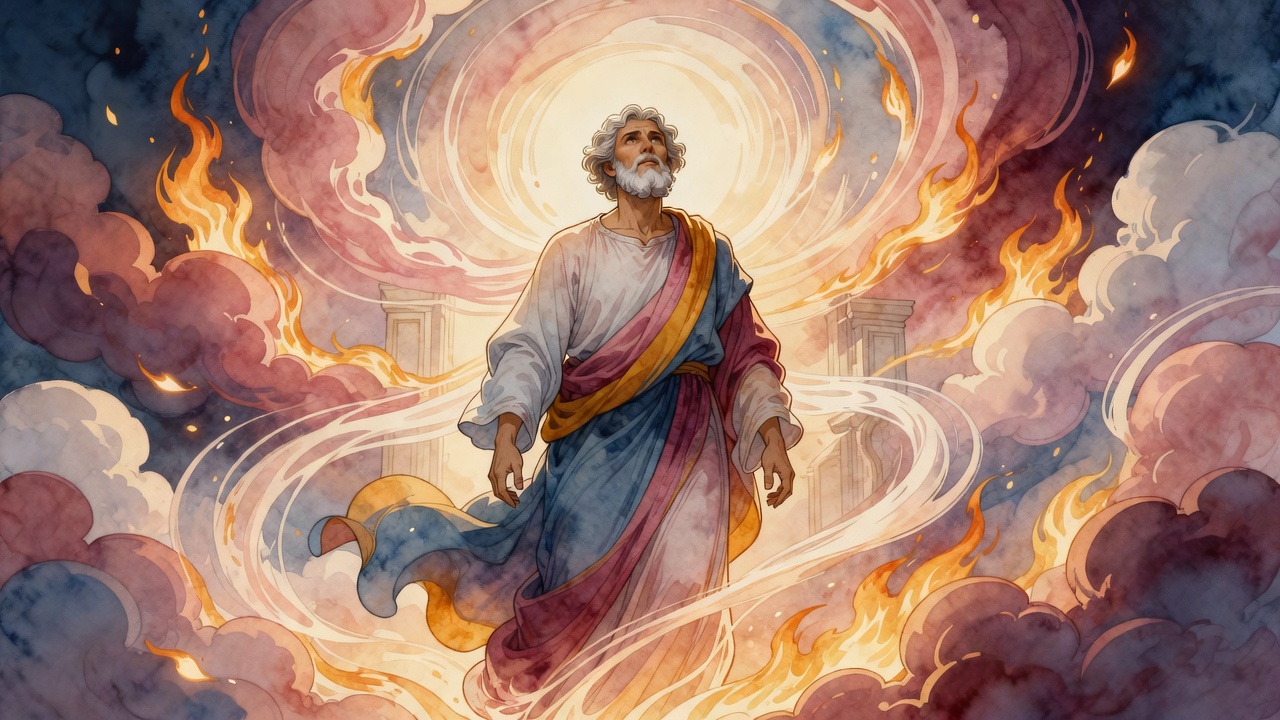
The oil smelled of myrrh and cinnamon. Moses already felt the stones on his chest. God named Aaron, his brother.
Table of Contents
 Click for full size
Appoint Me a High Priest
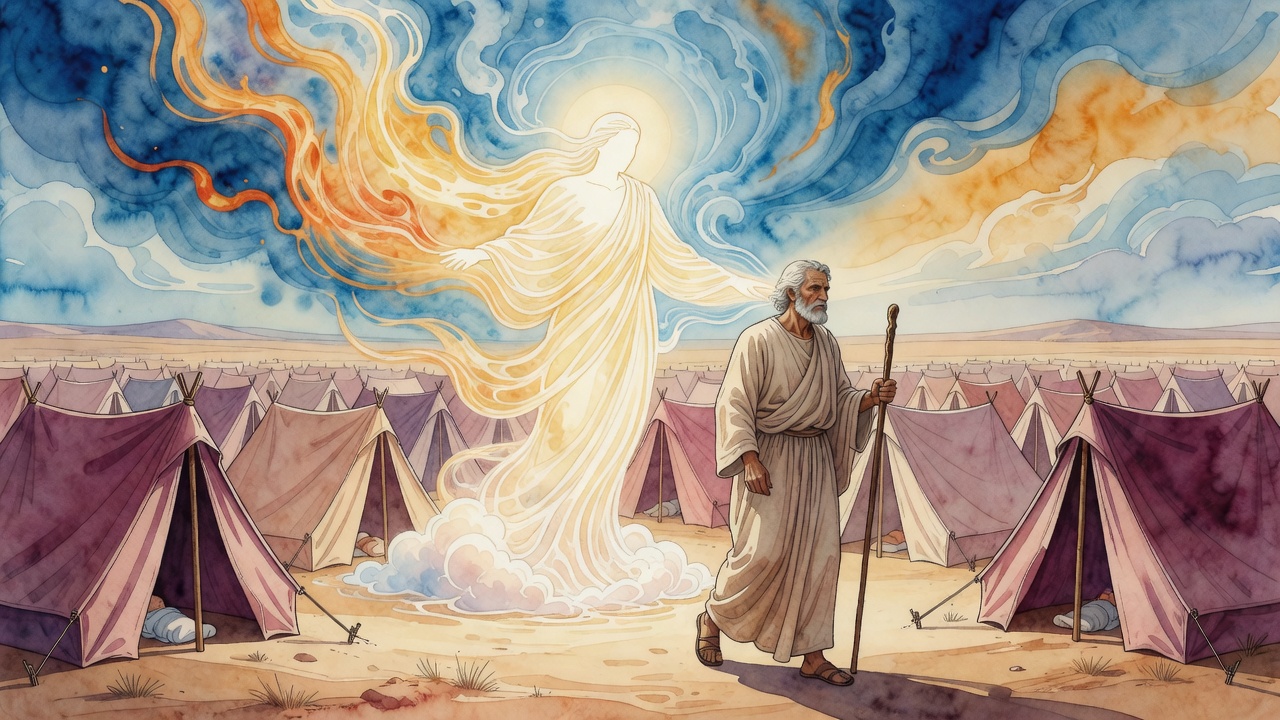
Moses stood in the heat of the camp and waited for the next order. The Tent was up. Oil sat ready in a flask that smelled of myrrh and cinnamon. Smoke from the morning offerings still clung to the canvas.
"Go," said the Holy One. "Appoint Me a High Priest."
"From which tribe?" Moses asked.
"From Levi."
His heart leaped so hard he almost smiled. Levi was his own house. He had carried the tablets. He had spoken with God face to face as a man speaks with his friend. For a breath he already felt the breastplate on his chest, the stones cold against linen, the names of the tribes pressing into him.
The next sentence cut the leap clean in half.
"By your life," said God, "it is Aaron, your brother."
Moses did not argue. He stood holding the flask he had expected for himself. Beloved tribe. Denied office. Brother raised.
Oil on Aaron's Head
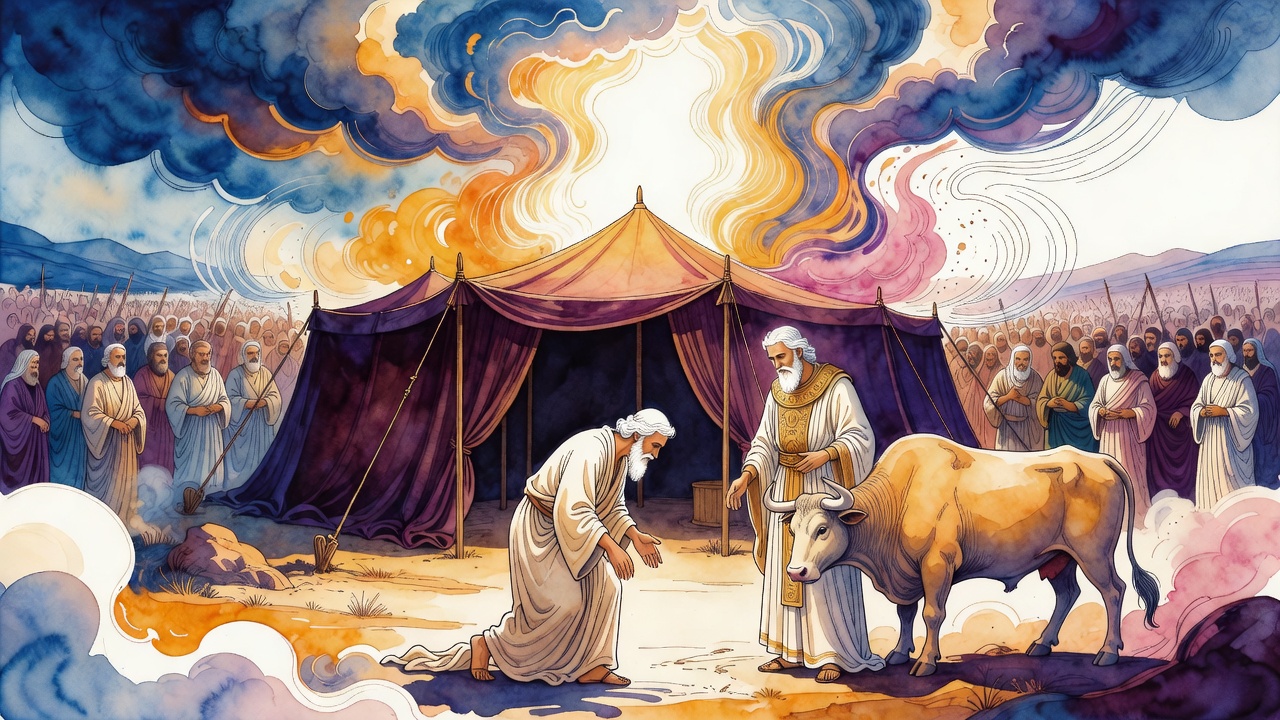
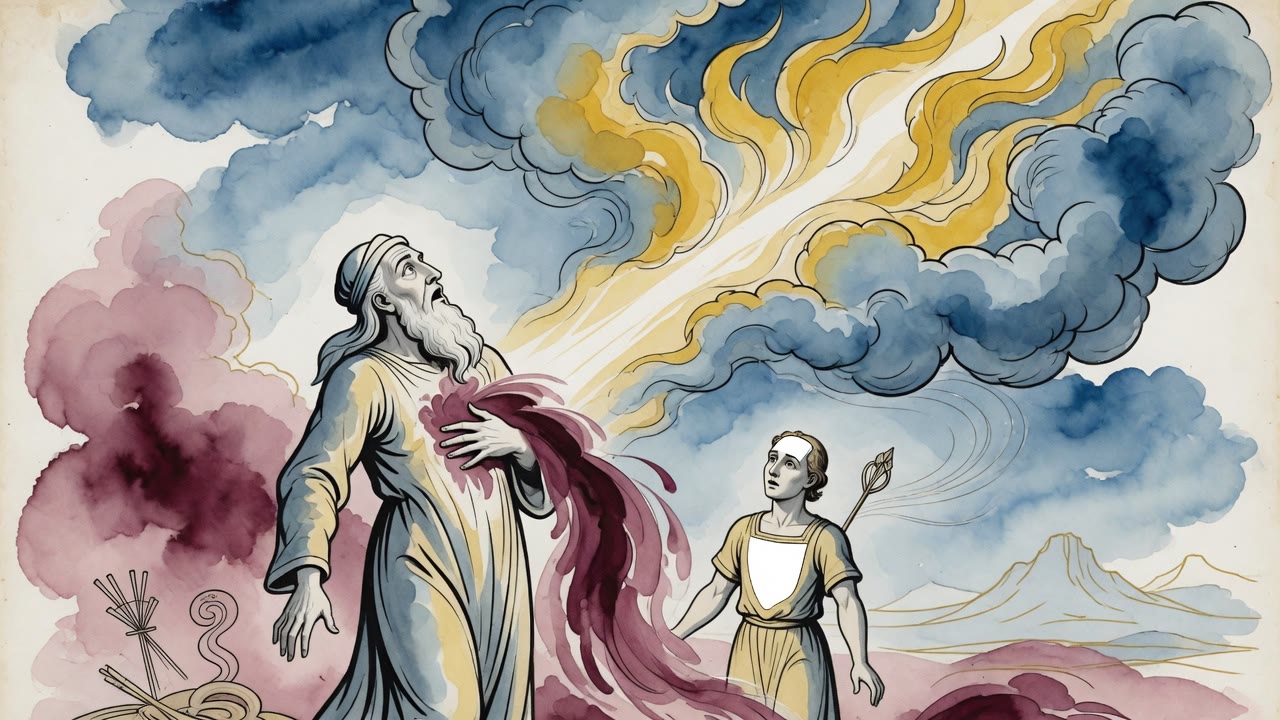
Aaron stepped forward when they called him. Moses unstoppered the flask and poured the holy oil on his brother's head. It ran into the beard and down onto the collar of the robe. Moses set the breastplate over Aaron's heart. Twelve stones. Twelve names. Letters cut deep enough that a missing stroke would have broken the atonement.
Without those names, Aaron's service would have been no service at all. He would have stood at the altar and died there. Lineage was not enough. Oil was not enough. The people engraved on his chest had to be complete, every letter, every vowel-point, or the altar would not take him. Rabbi Bivai later said a single missing letter ruined the work. Rabbi Hoshaya said even a missing point was enough to fail the day.
Moses felt the humbling land twice. First, the crown had not come to him. Second, even the brother who wore it did not stand by birth alone. The names of Israel held him up. The High Priest was a man wearing a nation on his heart, not a prince wearing a private honor.
Two Breasts of Torah
Moses took Aaron aside before the people drank from either of them. He spoke every word God had given him, and then he spoke the Ineffable Name, word by word, until Aaron could carry it. What Moses received, he poured. He did not keep a private cistern.
Years later Samuel named both brothers in one breath before Israel. "The Lord who made Moses and Aaron." The Song had already given the image: "Your two breasts" (Song of Songs 4:5). Full of Torah the way a breast is full of milk. Neither greater. Moses not above Aaron. Aaron not above Moses. A breast is the splendor of a woman. So these two were the splendor of Israel, matched, neither permitted to dry up while the other flowed.
A man of flesh waits for the wound, then hunts for a bandage. The Holy One fashions the bandage first and only afterward looks at the cut. Moses and Aaron were that advance care, set in place before the people knew how deep the gash of exile, calf, and complaint would run. "For I will restore health to you, and heal your wounds," says the Lord (Jeremiah 30:17).
Three Crowns and One Above Them
Rabbi Shimon ben Yochai named three crowns and set them on the table. Torah. Priesthood. Kingship. David took kingship. Aaron took priesthood. The crown of Torah lies open for whoever will take it, and the one who takes it is counted as having won them all. No tribe can fence it. No oil is required. A student who sits long enough and lives clean enough can wear what kings and priests cannot monopolize.
Above every crown sits a fourth that no inheritance can guarantee: the crown of a good name. So precious is that name that the Holy One Himself walked a road of five hundred years to make one, to redeem a people and to make Himself a name among them (2 Samuel 7:23). Heaven took a long road for a reputation that cannot be poured from a flask.
Aaron's Heart After His Sons
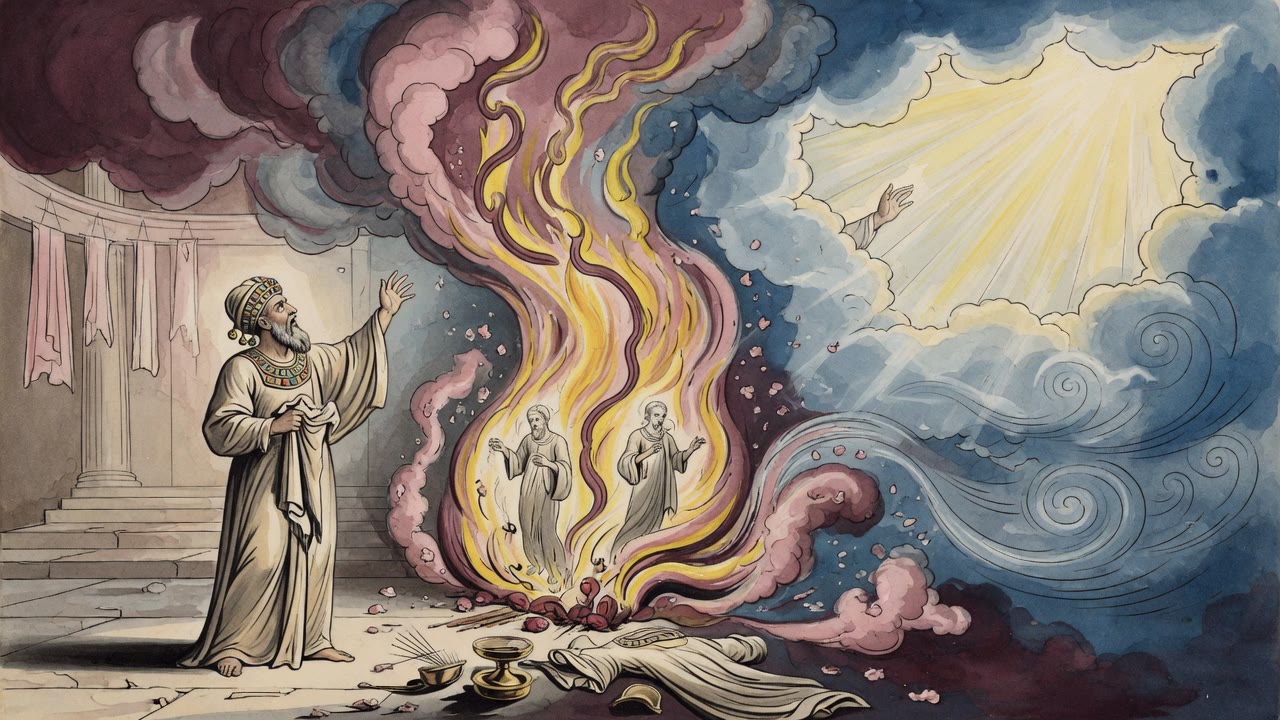
Aaron's heart broke later, when Nadab and Abihu died with strange fire still in their pans. The camp heard the silence that followed. Aaron did not speak. He stood in the white and let the grief empty him.
Then the divine speech came to him alone. Not through Moses this time. Direct. The precepts of the Lord gladdened what mourning had emptied. A crown for the head. A necklace for the neck. A remedy for the heart. A salve for the eyes. Healing for the flesh. Torah sat on him the way oil had sat on him, and this time it was medicine, not appointment.
Moses had lost the first office and kept the harder work. He taught. He poured. He watched oil run into a beard that was not his. In the end the camp saw two men at the center, not one. The flask went to Aaron. The teaching went through Moses. The good name hung above both, waiting for whoever would earn it without a tribe to lean on.
← All myths