Nathan of Gaza Wrote a Crown No Army Could Defend
In 1665 a prophet wrote of a Messiah on a celestial lion, a Torah that begins with aleph (the first Hebrew letter), and souls who refuse Eden until he comes.
Table of Contents
 Click for full size
The Prophet Bends Over the Page in Gaza
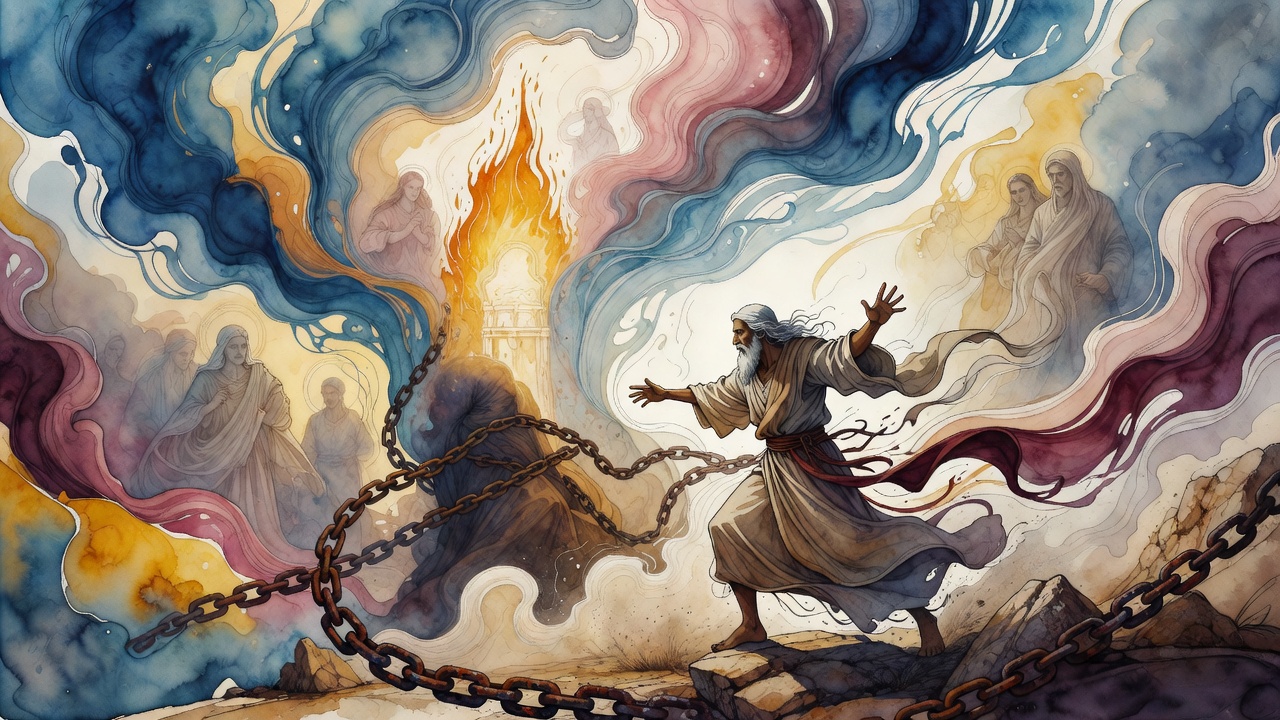
In the autumn of 1665 a young man sat writing by lamplight in Gaza, and his hand would not stop. Nathan of Gaza had seen something, and he meant to set it down before the vision cooled. He was not writing a prayer. He was writing a schedule for the end of the world.
The letter named a year. In the shmita, the sabbatical year, the one that lets the fields lie fallow, the Messiah would come back. Not the meek redeemer of the storybooks. Nathan had watched Shabbatai Zevi pace the courtyards of Gaza, a man who wept and sang and sank into darkness and rose again, and the prophet had decided this was the King the world had waited six thousand years to see.
The King Rides Out of the Sabbath River
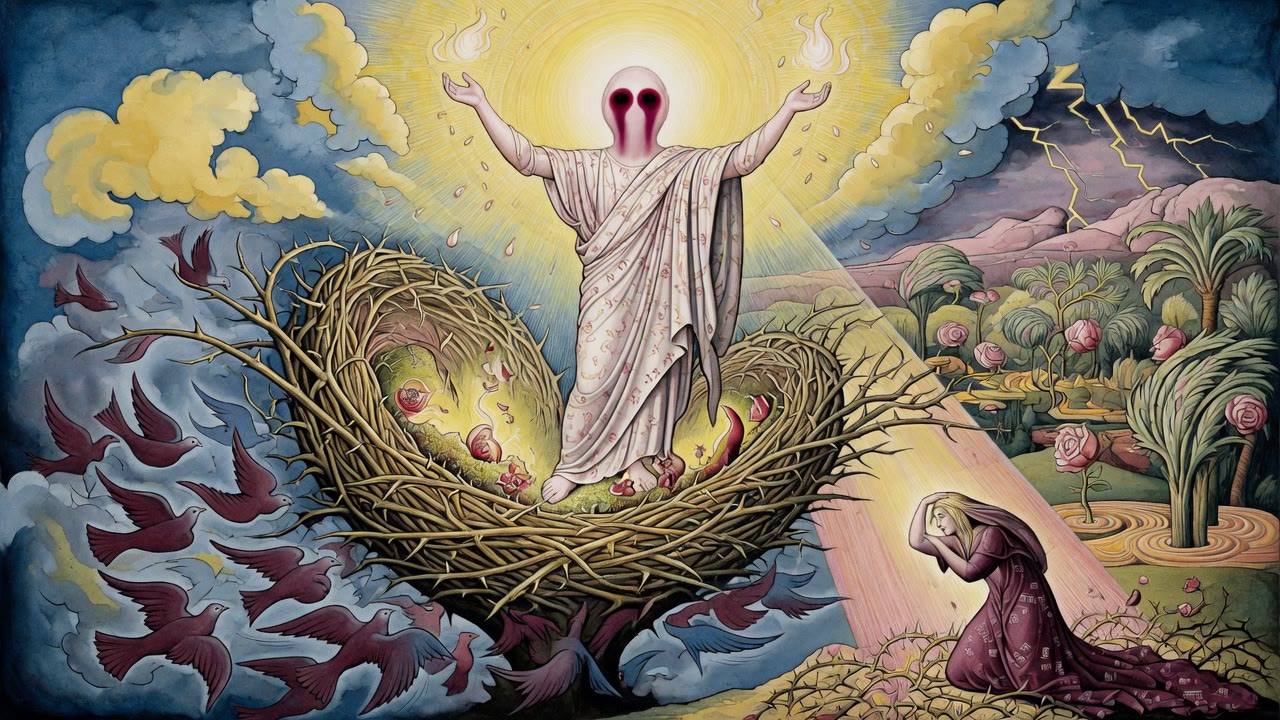
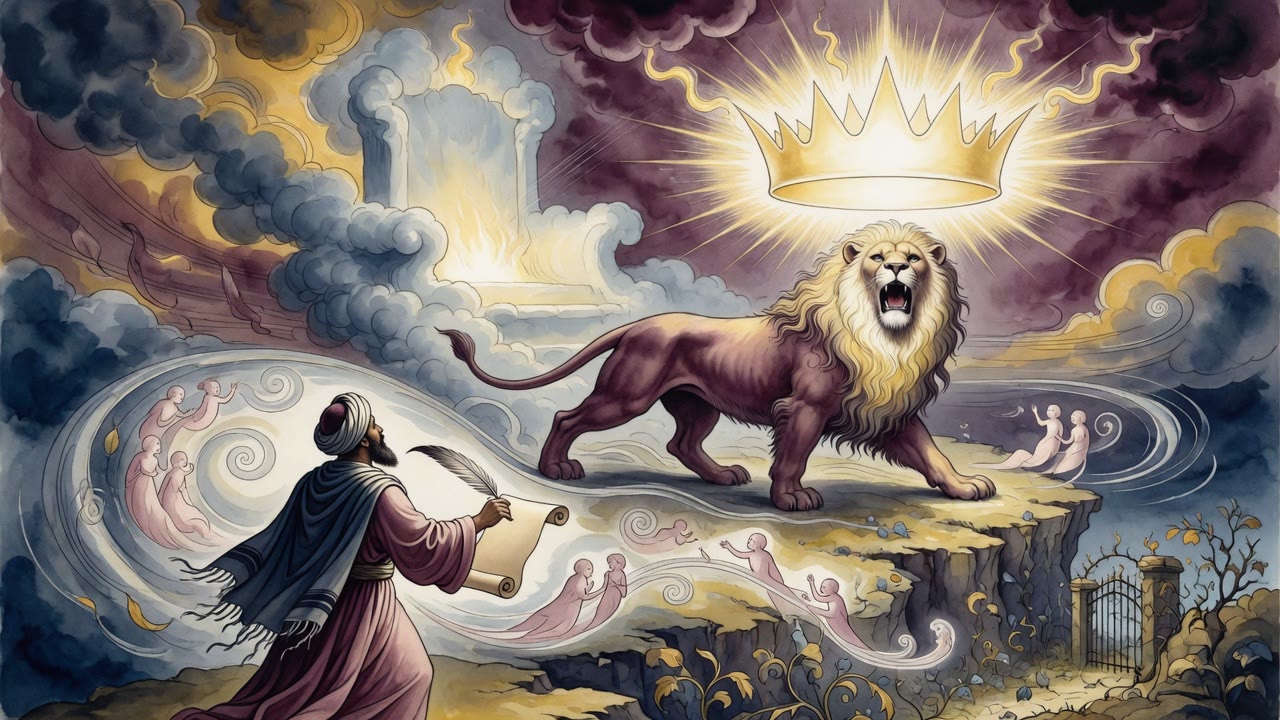
Nathan saw the return coming like this. The King would ride out from the far bank of the Sambatyon, the river that hurls stones and boils six days a week and lies down quiet only on Shabbat, the river that has penned the Ten Lost Tribes on the other side since the world was young. He would not come on a donkey. He would come astride a celestial lion, and the bridle in his hand would be a living serpent with seven heads, every mouth breathing fire.
Every nation on earth would kneel. His bride would ride beside him. And on the day he crossed, the scattered would be gathered in a single breath, Jews drawn home from every port and every exile, from Yemen and Poland and the edges of the map. The Temple would not be raised by masons. It would come down already finished, whole and burning, lowered out of heaven onto the mountain. The dead would climb from the ground. Those buried in the Holy Land would wake at once. Those buried elsewhere would wait forty years and then rise too.
Nathan wrote it all down. The ingathering, the resurrection, the Temple falling from the sky. Three tasks, and this King would finish every one.
The Torah That Begins With Aleph
But the strangest thing the King would bring was not the lion or the crown. It was a book.
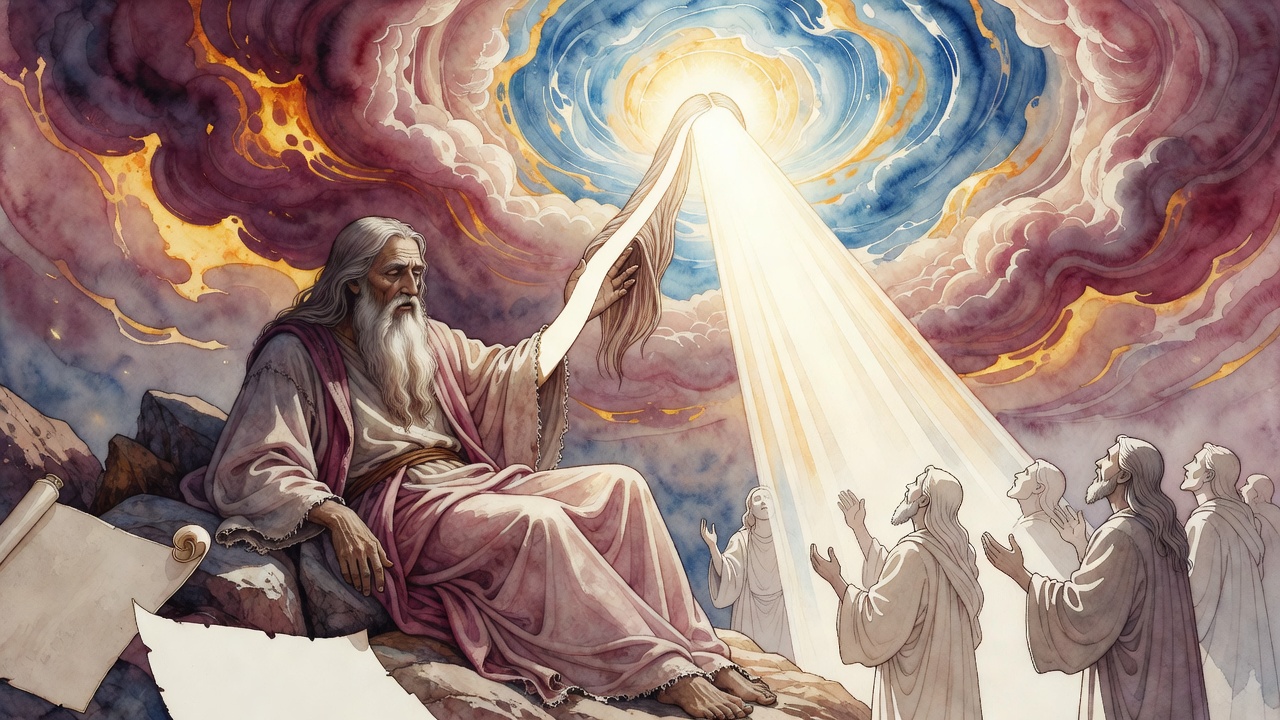
The Torah everyone had studied, the one copied and argued over in every study house from Safed to Salonika, was only the outer shell. So the kabbalists held. Hayim Vital had taught it plainly in Safed a hundred years before, that the plain meaning of the words is not their true meaning, and that redemption comes only through the hidden layer beneath. The laws of oxen and debts and torn garments governed the way human beings live now. In the world coming, they would fall silent.
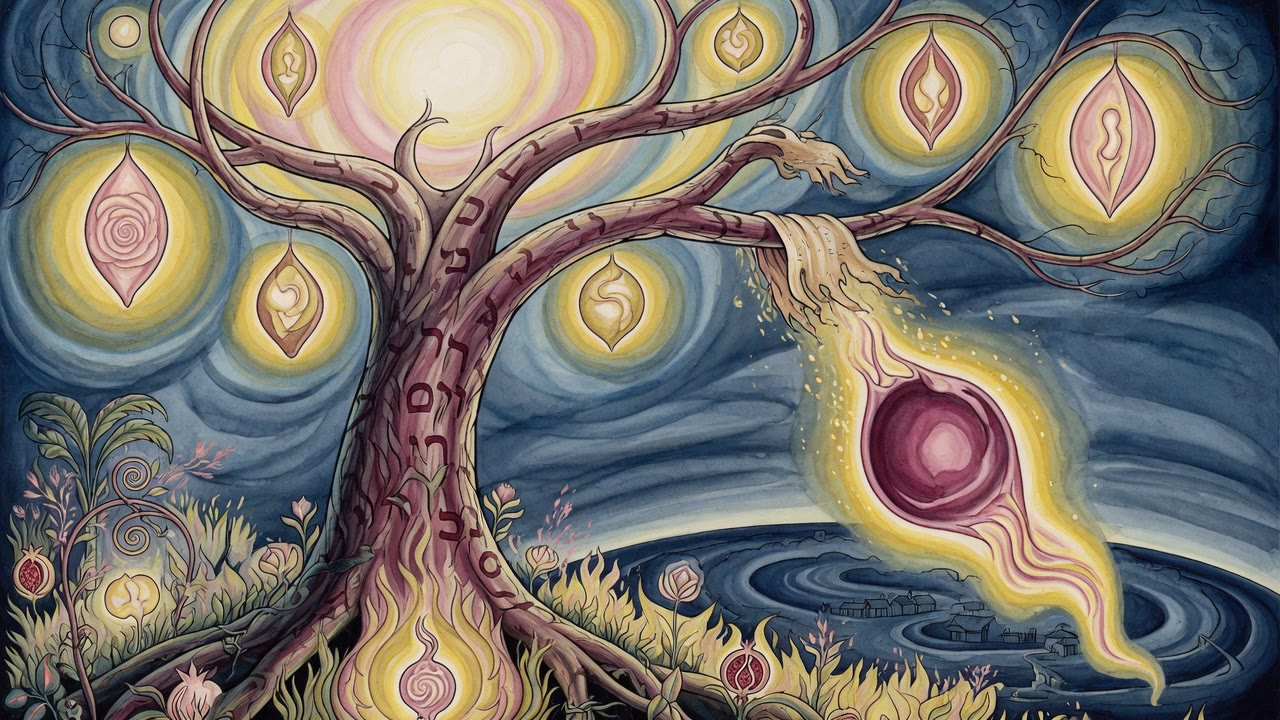
So the Messiah would teach a new Torah. Some said the King would teach it. Some said the voice would be God's own. And here was the measure of how deep the change went. The Torah of this world opens with bet, the second letter, the letter of the house. The Torah of the world to come would open with aleph, the first letter, the silent breath before any sound. A fresh beginning, one letter earlier than anything a living person had ever read.
The Rabbis Who Would Not Enter the Garden
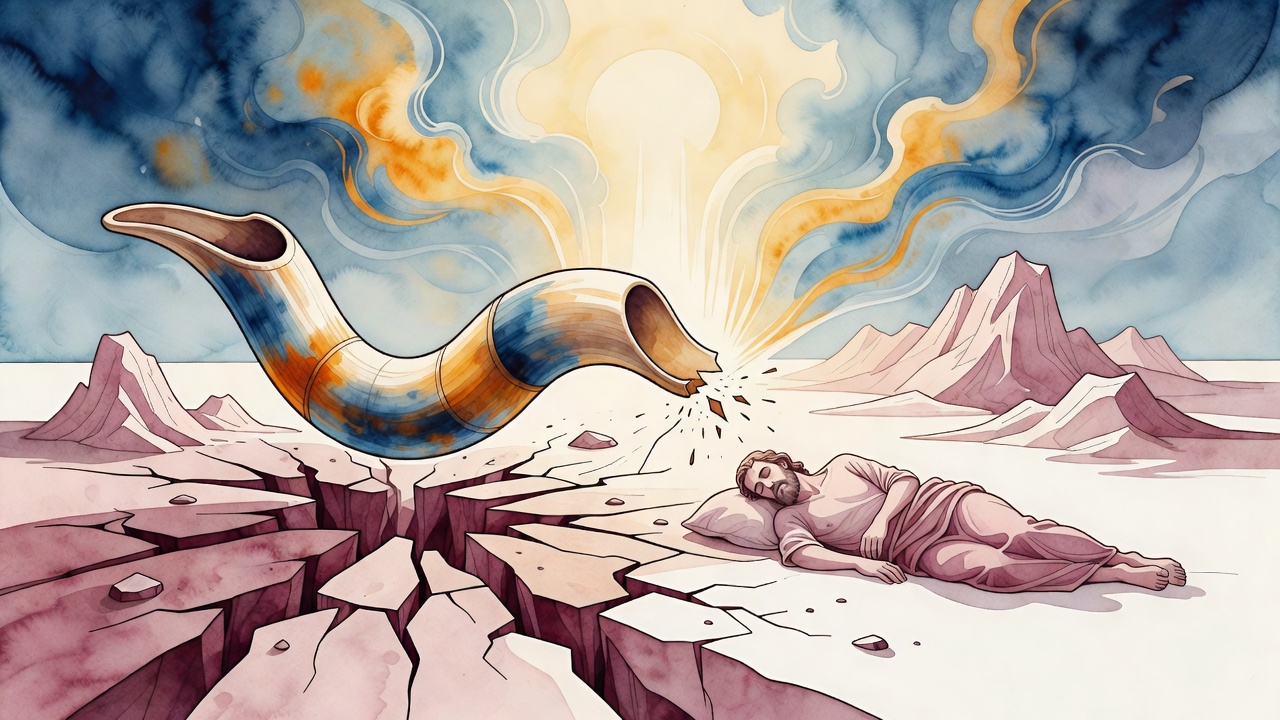
The sabbatical year came. The sabbatical year went. The crown Nathan had drawn never settled on any head, and the fever guttered. But the ache inside it did not die with the prophet. It drifted into the study houses of Poland and Galicia and lodged there, and it made men do a strange thing at the very door of paradise.
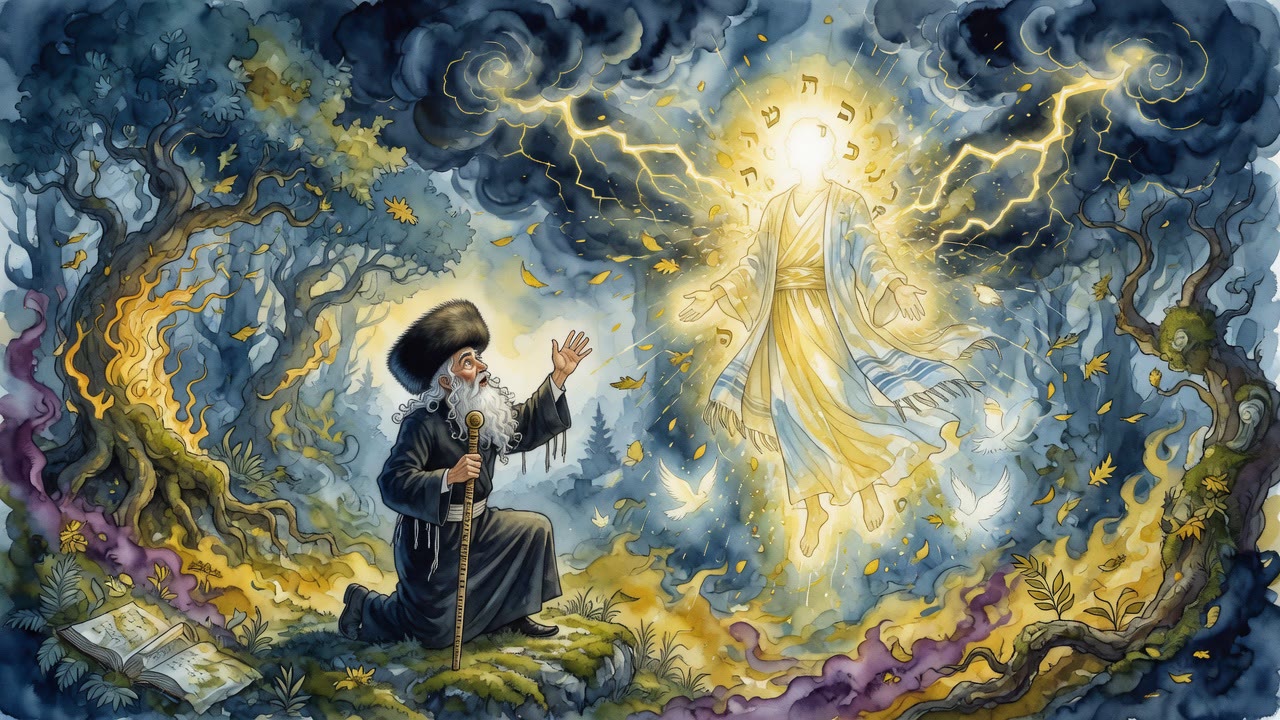
The Rabbi of Riminov announced before he died that he would not set foot in Gan Eden, the Garden, until the Messiah had come. When his soul reached the gate the angels came out to meet him with every wonder they had. He would not move. Whatever they showed him, he stood at the threshold with his back to the light and refused, because it was not yet time.
So they went and fetched King David. They asked him to take up his harp inside the Garden and play. And when that music came drifting through the gate, the old sound that had once quieted an evil spirit in a king's chamber, the Rabbi of Riminov forgot himself. He walked in as though pulled by a thread, past the threshold he had sworn never to cross.
The Harp, the Ruin, and the Man Still Speaking
He was not the only one. Shalom Rokeach, the Belzer Rebbe, dreamed he was carried into the Garden and shown the walls of Jerusalem, and the walls were rubble. A man walked on the broken stones. The Rebbe asked who it was. "He has sworn not to come down from there until the Temple is rebuilt," they told him, and the man on the ruins was the Baal Shem Tov himself, the master who had lit the whole movement, pacing the wreckage rather than resting while Jerusalem lay in pieces.
And there was the Rabbi of Ujhely, who held out too, until the angels found the one lure he could not turn down. They asked him to come inside and give a d'var Torah, a word of teaching. He could not say no to that. He crossed the gate to speak. And because there is no time in the Garden, no clock to run down, he is speaking there still, one sermon with no last word, given to an audience that never has to rise and leave.
← All myths