Ovot Made Israel an Enemy of the Holy One
The Zered was a ditch a child could measure with two fingers. It held the camp thirty-eight years, until the last of the condemned generation was buried.
Table of Contents
 Click for full size
A Place Named Like an Enemy
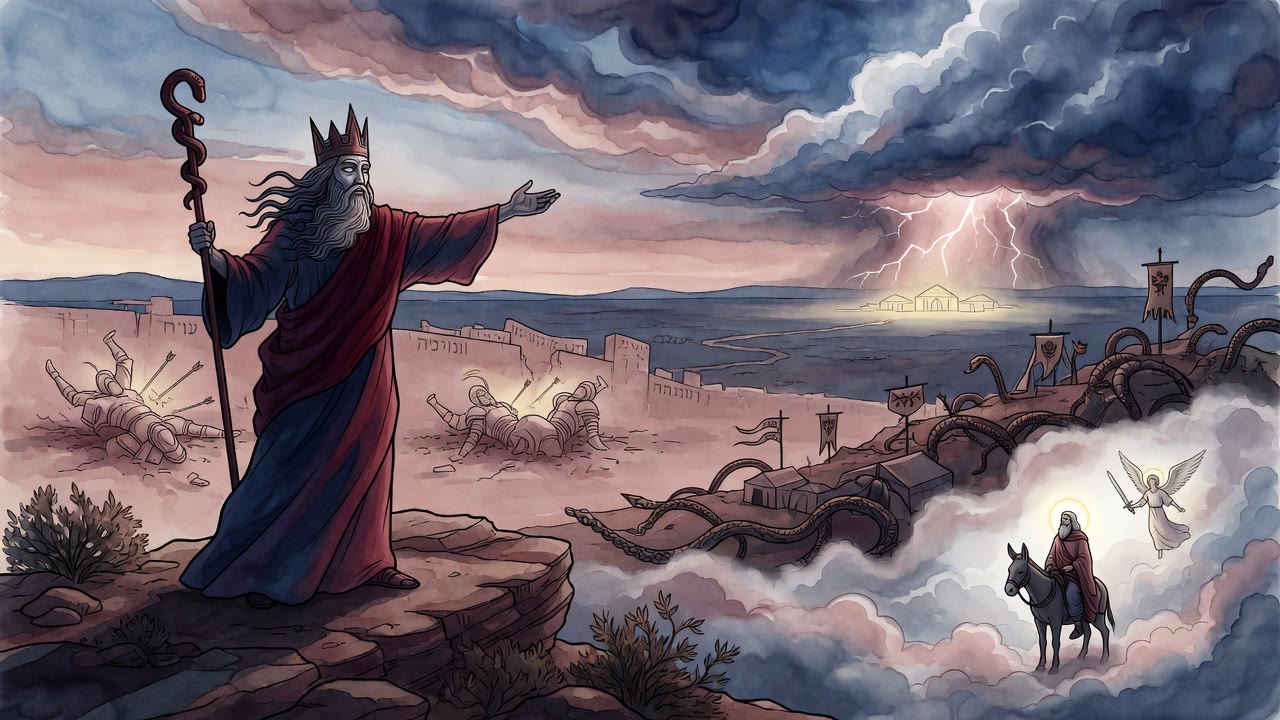
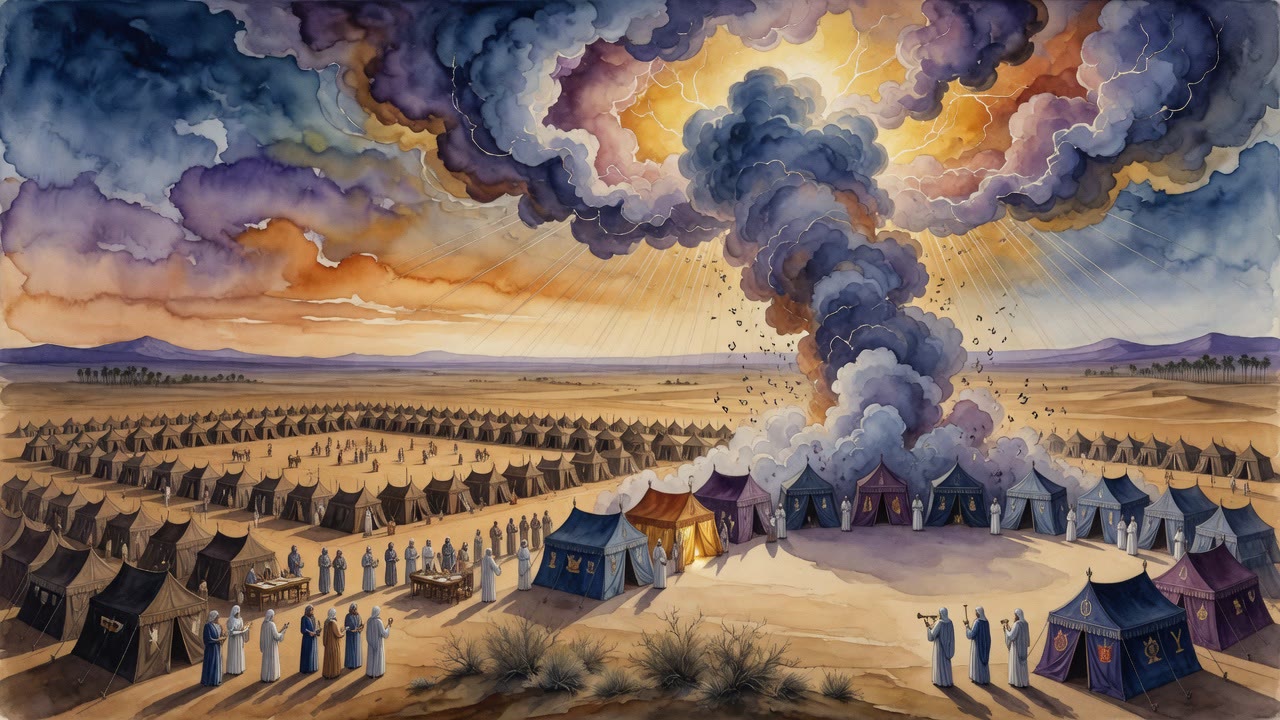
The children of Israel traveled and encamped in Ovot (Numbers 21:10). The name sat in the mouth like a bruise. Ovot leans toward oyevim, enemies. In that camp the people became enemies to the Omnipresent. Not with swords pointed at heaven. With the smaller civil war of complaint, suspicion, and the old wilderness habit of turning against the One who fed them.
Dust rose when the tents went up. Children copied the adults' tight faces. A man who still remembered Egypt's onions told his brother the road was a trap. The place-name did not cause the enmity. The enmity found a place willing to wear its sound.
Iyei HaAvarim Fills With Averot
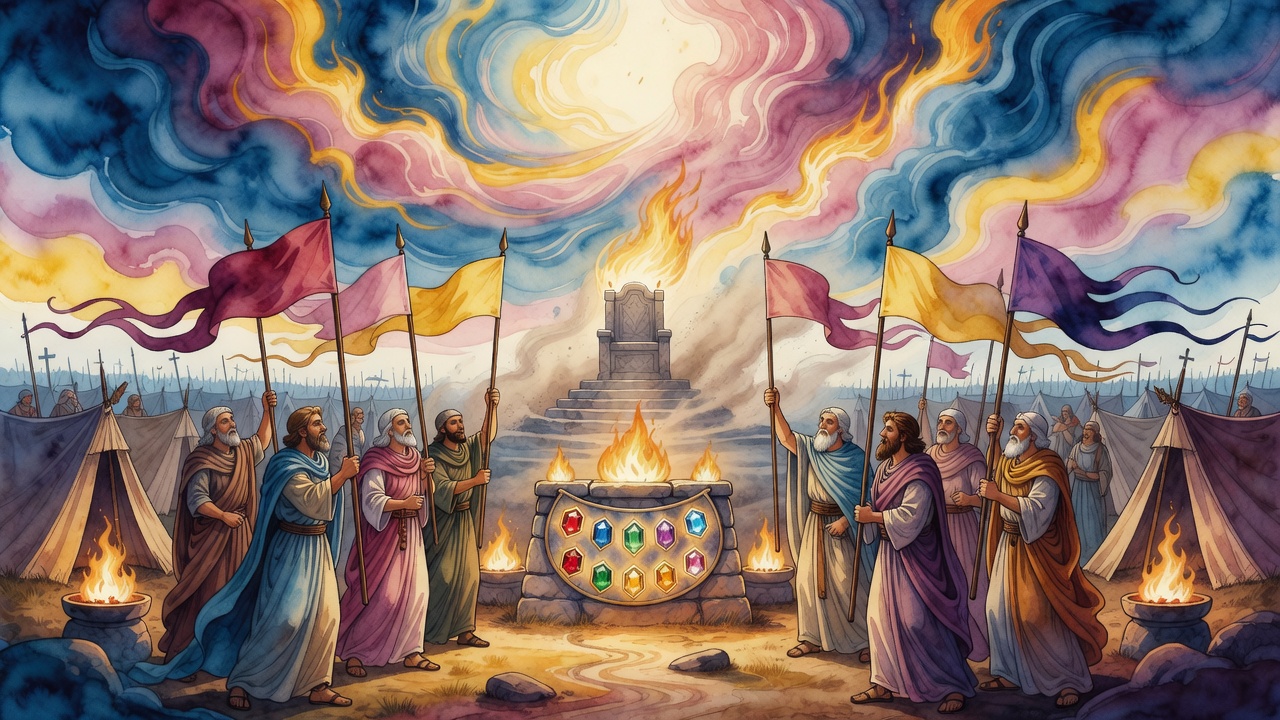
They moved and encamped at Iyei HaAvarim (Numbers 21:11). The midrash hears averot, transgressions, stacked inside the name. The camp filled the way a jar fills, one act after another, until the air itself tasted of debt. Crossing places become crossing-over into guilt when the feet keep moving and the heart does not.
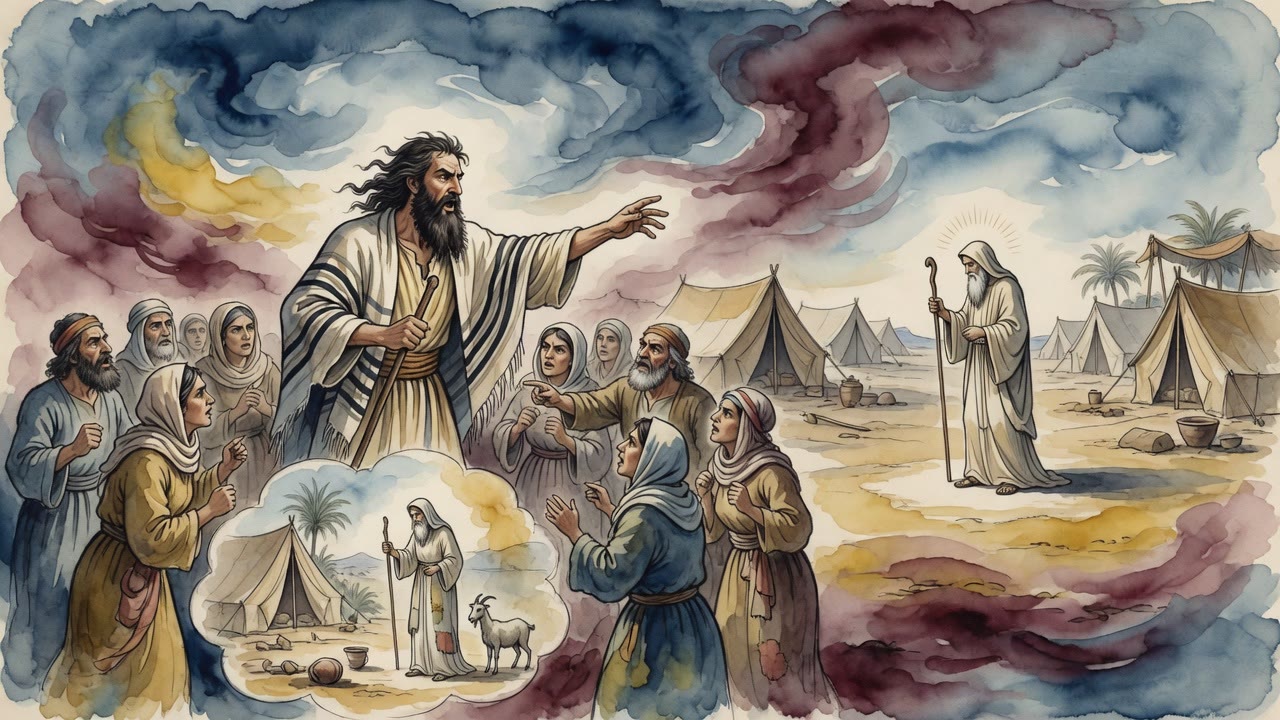
Someone repaired a strap and muttered against Moses. Someone else hoarded water and called it prudence. The ledger did not need a clerk. The place-name already knew the sum.
The Span-Wide Ravine That Ate Decades
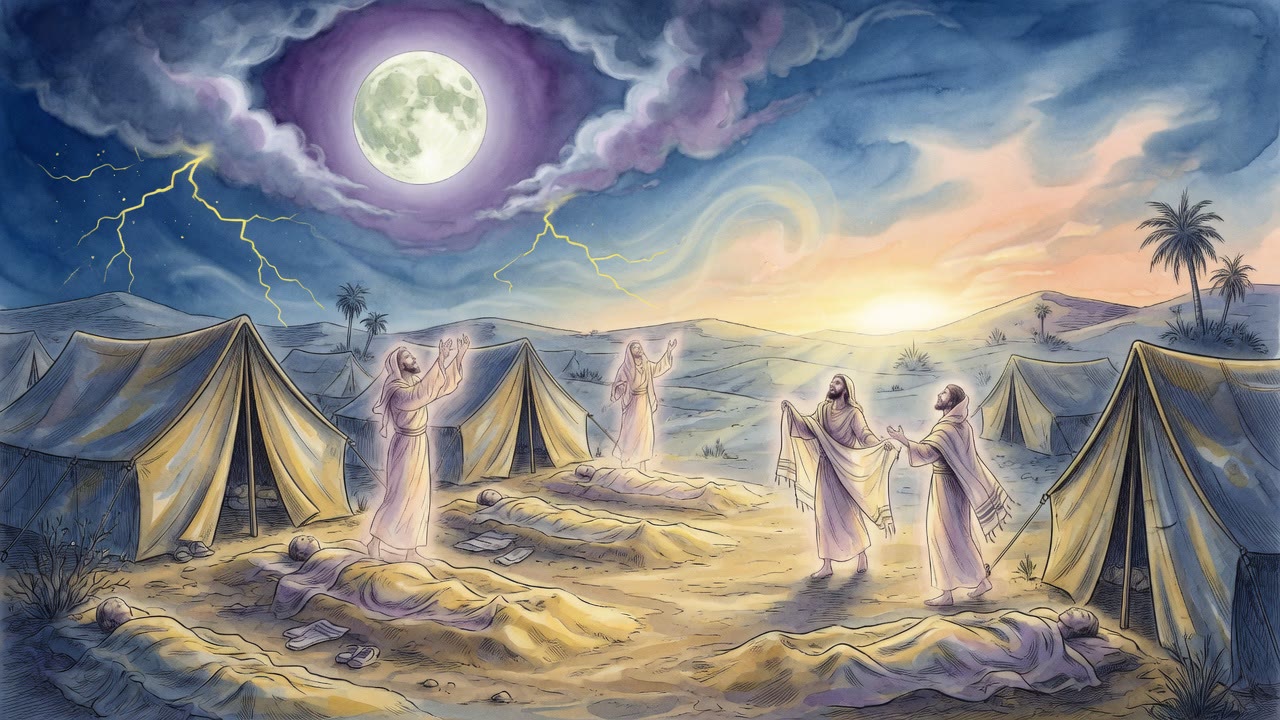
Then the Zered Ravine (Numbers 21:12). A zeret is a half-cubit, a span, a measure so small a child can mime it between thumb and finger. The ravine looked crossable. It held them thirty-eight years. From Kadesh Barnea until they finally crossed Zered, the days stacked into a generation's burial ground (Deuteronomy 2:14).
Men who had been young at the first refusal grew gray inside a gap a person could almost step over. Geography mocked them. The obstacle was never the width of the ditch. The obstacle was the decree that turned a small ravine into a waiting room for death.
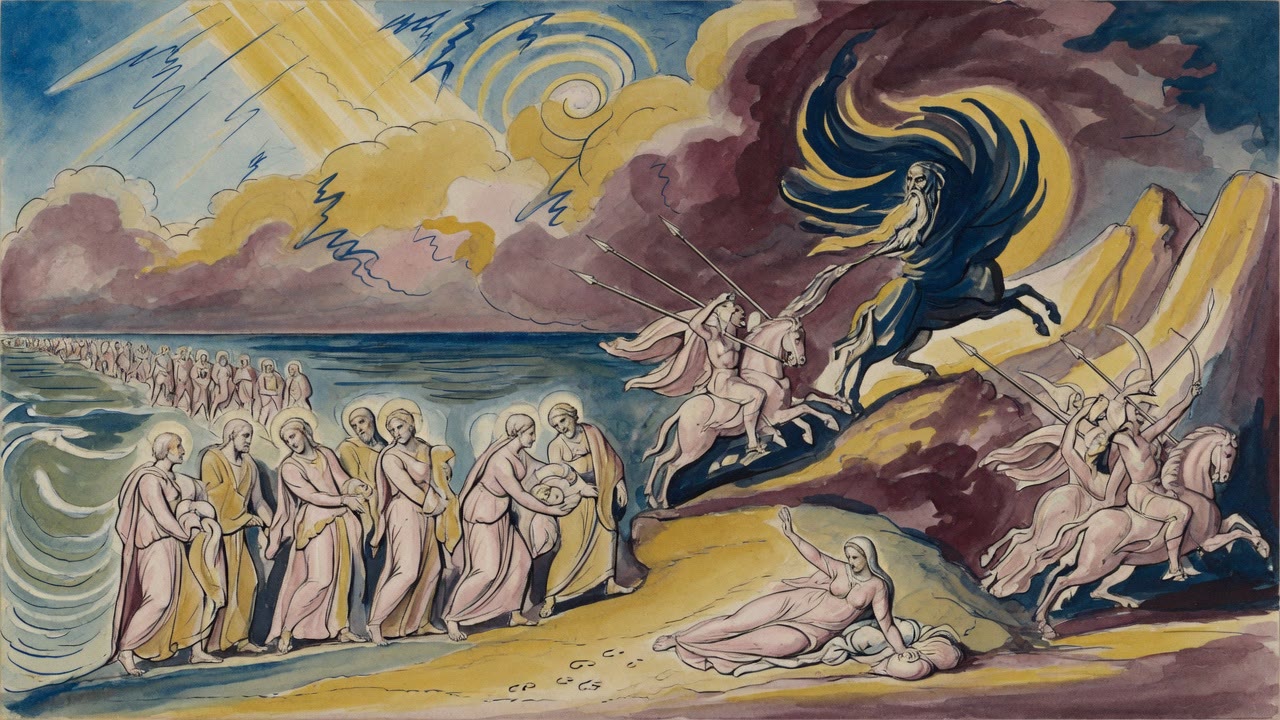
When the word finally came, "Rise and cross the Zered Ravine" (Deuteronomy 2:13), the survivors stepped a distance their parents had been forbidden to finish. The span had not grown. The generation had thinned until the span could open.
Peace Still Tried the Next Gate
After such years, Israel still sent messengers toward Siḥon asking to pass, seeking peace even when war already stood in the decree. Good deeds often wait to be encountered. Peace must be chased past comfort. The camp that had worn enemy-names and transgression-names still knew how to say please at a foreign gate.
Siḥon refused. The road of war reopened. Behind the refusal lay the memory of Ovot and Iyim and the ravine that taught them how long a short distance can last when heaven closes it.
Some nights in Zered a man would walk to the edge of the span and spit across it, measuring freedom in saliva and wind. The far bank did not care. The decree did not care. Only when the last of the sentenced generation lay in wilderness dust did the small ditch remember how to be small again for the feet that remained.
Women told children stories of Egypt that grew softer with each retelling, not because Egypt had been soft, but because memory under a closed sky edits pain into something survivable. Men marked years on staffs until the staffs themselves wore out and were replaced. The map still showed a short line. The bones under the sand showed the true distance.
When survivors finally stepped across, some did not look back. Some could not stop looking back. The midrash will not let either posture erase the names Ovot and Iyim, because a people that forgets how place-names can diagnose the heart will pitch the same tents again under different letters.
Peace still tried the next gate after those years. That fact matters. A camp trained by enemy-names and a span-wide prison still knew how to say please to Siḥon. Refusal reopened war, but the attempt remains part of the story the map alone cannot tell.
Years later a survivor would stand on the far bank of Zered and measure the span with two fingers the way a child measures a bug. The fingers said small. The graves behind him said otherwise. He put his hand down and walked on, carrying both measures without needing a sermon to hold them together.
Women in the waiting years had told Egypt softer each time, not because slavery softened, but because memory under a closed sky edits pain to keep children sleeping. Men wore out staffs marking years the map still called a short line. When the span finally opened, some refused to look back. Some could not stop. Both postures tell the truth about a ditch that ate decades.
Peace still tried Siḥon's gate after those years. That attempt matters. A camp trained by enemy-names and a span-wide prison still knew how to say please. Refusal reopened war, but the please remains part of the record the map alone cannot hold.
← All myths